Key Signs Your Pennsylvania Plants Will Recover After Winter
After a long Pennsylvania winter, it’s easy to worry about your plants. Brown leaves, bare branches, and soggy soil can make your garden look lifeless at first.
But don’t be too quick to give up on your plants. Many of them are tougher than they appear and just need a little time to wake up.
As temperatures rise and daylight increases, small changes start to show that new growth is on the way. Knowing what signs to look for can help you tell the difference between plants that are truly damaged and ones that are simply resting.
This can save you from pulling out healthy plants too soon. If you want to feel more confident about your garden this spring, learning these recovery clues will make all the difference.
Let’s take a look at the key signs your plants are ready to bounce back.
1. Green Tissue Under The Bark
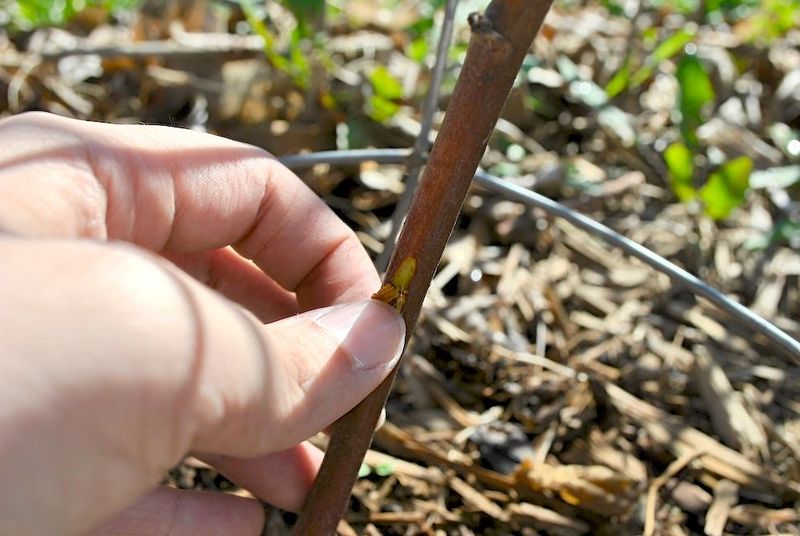
Pennsylvania gardeners use a simple test called the scratch test to check if their plants are still alive. Take your fingernail or a small knife and gently scrape away a tiny bit of bark from a branch.
Be careful not to damage too much of the plant. Just remove enough to see what color lies underneath the outer layer.
Healthy, living tissue appears green or whitish-green beneath the bark. This layer is called the cambium, and it transports water and nutrients throughout the plant.
When you see this green color, you know that branch is alive and capable of producing new growth. The brighter and more vibrant the green, the healthier the tissue.
Start your scratch test on smaller branches first, working from the tips toward the base. If the tips show brown or tan tissue underneath, move down the branch until you find green.
This tells you where the living portion begins. You might need to prune away the sections that show no green tissue.
Try the scratch test in several locations around the plant. Sometimes one side experiences more damage than another, especially if it faced harsh winter winds.
Pennsylvania plants often show more recovery on their south-facing sides because they received more sunlight during winter. The scratch test gives you a clear picture of which parts of your plant will recover and which parts might need removal.
2. New Buds Appearing On Branches
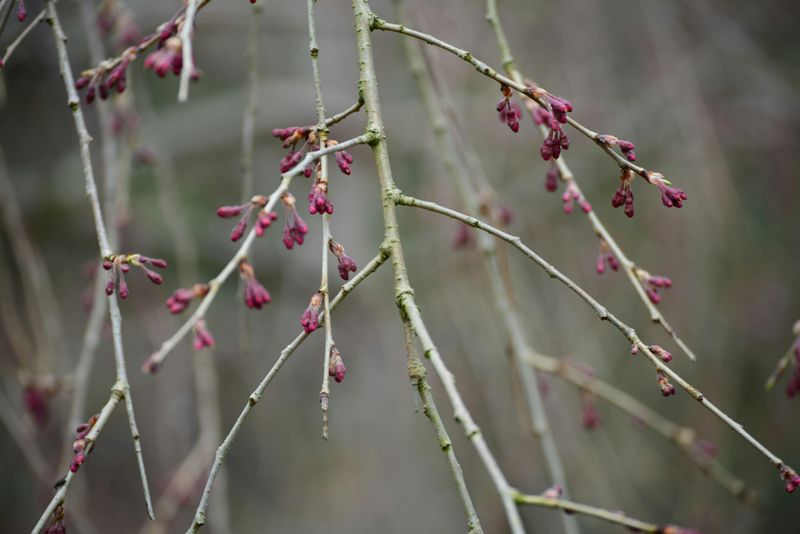
Look closely at the branches of your shrubs and trees. Small bumps or swellings along the stems often appear before anything else shows up.
These are buds preparing to open, and they signal that life is returning to your plants. In Pennsylvania, you might notice these as early as late February or March, depending on the weather patterns that year.
The buds might be tiny at first, barely visible to the casual observer. But if you run your fingers gently along the branches, you can feel them.
Some will be leaf buds that will produce fresh foliage, while others are flower buds that will bring color to your garden. Both types are excellent signs that your plant survived the winter cold and is ready to grow again.
Your Pennsylvania Garden Changes Every Week. Your Plan Should Too.
Gardening in Pennsylvania changes quickly throughout the season. Every Friday you’ll receive a simple weekly plan showing exactly what to plant, prune, fertilize, harvest, and protect so you never miss the right timing.
Check different parts of the plant, not just one area. Sometimes buds appear lower on the plant first, especially if the top portions experienced more wind damage or cold exposure.
This is completely normal for Pennsylvania plants. The lower buds will grow and fill in the plant over time.
Different plants produce buds at different times. Forsythia and magnolias are usually early bloomers in Pennsylvania, showing their buds before many other plants wake up.
Roses and hydrangeas might take a bit longer. Give each plant time according to its natural schedule, and watch those buds carefully as they swell and prepare to open.
3. Fresh Growth At The Base
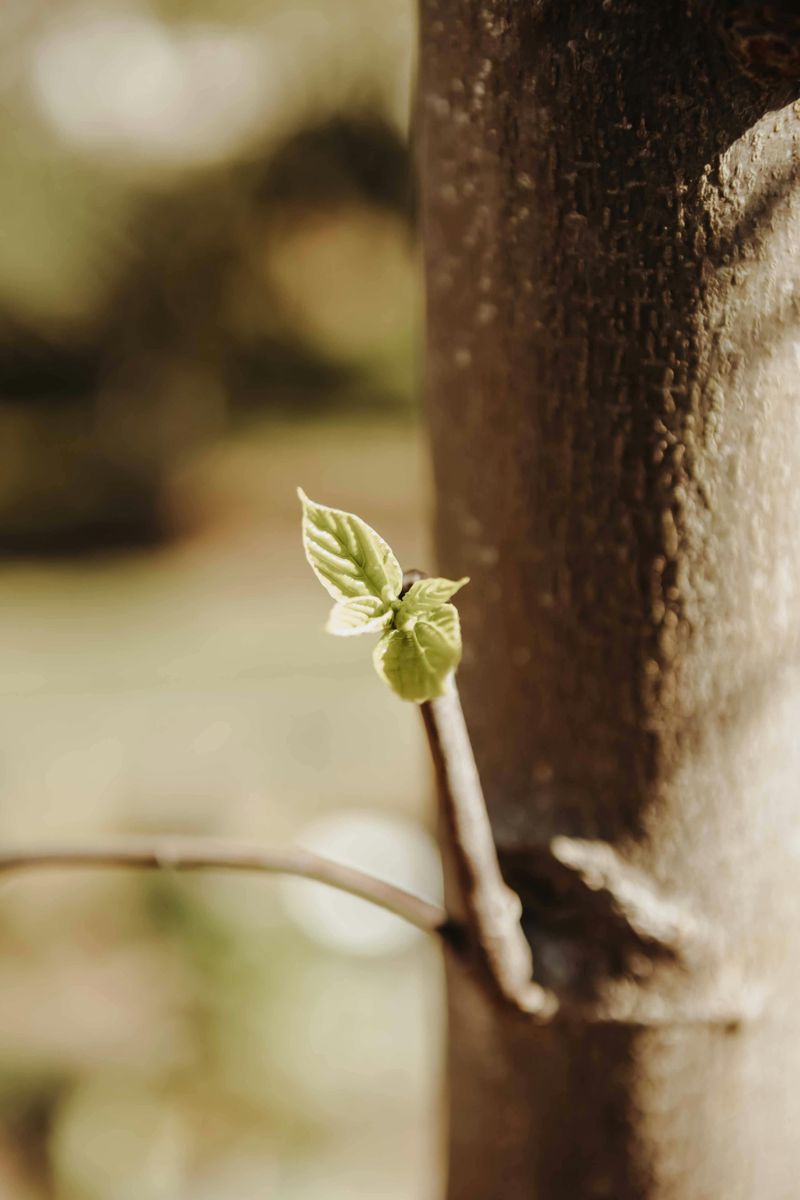
Many perennials and some shrubs in Pennsylvania gardens show their first signs of recovery right at ground level. Walk around your garden beds and look carefully at the soil around each plant.
You might spot small green shoots poking through the mulch or earth. These fresh sprouts prove that the roots survived winter and are sending up new growth.
Hostas are famous for this type of recovery. Their pointed shoots emerge from the soil like little green spears before unfurling into broad leaves.
Daylilies, ornamental grasses, and many other perennials follow similar patterns. Even if the above-ground portions look completely lifeless, these base shoots tell you the plant is very much alive.
Some woody plants also produce new growth from the base, especially if the upper portions suffered severe cold damage. Roses, butterfly bushes, and certain hydrangeas in Pennsylvania often send up fresh canes from ground level or just below the soil surface.
This is actually a healthy response and shows the root system remained strong through winter.
Give these base shoots room to grow. Avoid stepping on them or covering them with too much mulch.
They need sunlight to develop properly. As the season progresses, these small shoots will grow larger and eventually form the main structure of your plant.
Some plants recover entirely from base growth, creating a fuller, healthier appearance than before winter arrived.
4. Flexible Rather Than Brittle Stems
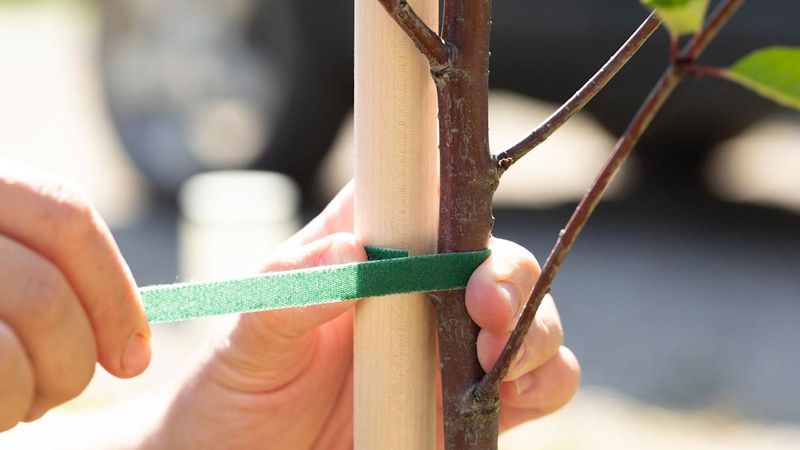
Grab a small branch and bend it gently between your fingers. Living branches have some flexibility and bend without immediately snapping.
They might feel slightly damp or cool to the touch because moisture is moving through them. This flexibility indicates that the branch contains living cells and will likely produce leaves or flowers as temperatures warm up across Pennsylvania.
Branches that snap easily with a crisp, dry sound are usually no longer alive. They break cleanly, almost like a pencil, because the tissues inside have dried out completely.
These branches will not recover and can be pruned away. But if a branch bends before it breaks, or if it tears rather than snaps, there is still hope for recovery.
Test multiple branches in different areas of the plant. The flexibility test works especially well on shrubs and small trees common in Pennsylvania landscapes, such as roses, lilacs, and small fruit trees.
Larger branches on mature trees require professional assessment, but you can still check smaller twigs using this method.
Combine the flexibility test with the scratch test for the most accurate results. A flexible branch with green tissue underneath is definitely alive and will recover.
A flexible branch with brown tissue might still have some life in the lower portions. Keep checking as spring progresses, because some plants take longer to show clear signs of recovery than others in Pennsylvania gardens.
5. Swelling Leaf Nodes And Joints
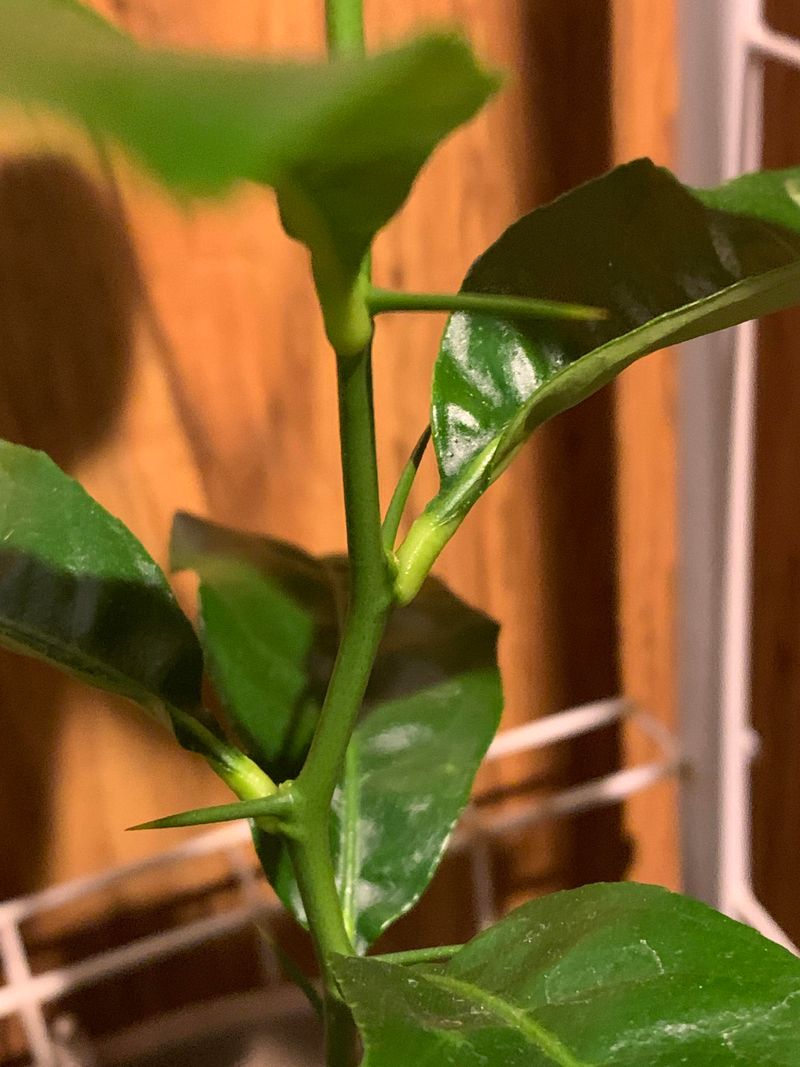
Leaf nodes are the spots along stems where leaves attach or emerge. During winter, these areas often look flat or barely noticeable.
But as plants wake up and prepare for spring growth, the nodes begin to swell. This swelling happens because cells are dividing and preparing to push out new leaves.
In Pennsylvania, you can spot this change in late winter or early spring, depending on the plant species.
Run your fingers along a branch and feel for these swollen areas. They might look like small bumps or thickened sections along the stem.
Some plants show very obvious swelling, while others display subtle changes. Either way, this swelling is a positive sign that your plant is gearing up for active growth.
Deciduous plants that lost their leaves in fall show this sign most clearly. Maples, oaks, dogwoods, and ornamental shrubs common in Pennsylvania landscapes all display node swelling before leaves emerge.
The nodes might also change color slightly, becoming lighter or showing hints of green or red as they prepare to open.
Watch how the swelling progresses over several weeks. Nodes that continue to enlarge and eventually burst open with fresh leaves are definitely part of a recovering plant.
Nodes that remain unchanged or shrink back might be on branches that will not recover. This sign works together with other indicators to give you a complete picture of your plant’s health and recovery progress throughout the Pennsylvania spring season.
6. Roots Showing White Tips

Sometimes the best way to check on a plant’s recovery is to look below the surface. Carefully dig near the base of a smaller plant, being gentle not to damage the root system.
Healthy, recovering roots show white or cream-colored tips. These light-colored tips are new growth, actively reaching out into the soil to absorb water and nutrients.
Pennsylvania gardeners find this sign especially helpful with perennials and smaller shrubs. If you are worried about a plant, gently expose a few roots on one side.
Healthy roots should feel firm, not mushy or dried out. The white tips stand out against the older, darker brown roots, making them easy to identify.
Plants with active root growth will recover much faster than those with damaged root systems. The roots feed the entire plant, so strong roots mean strong recovery.
If you spot white root tips, you can be confident that plant will send up new shoots and leaves as the weather warms. This is true even if the above-ground portions look concerning.
Some plants in Pennsylvania, like ornamental grasses and groundcovers, spread through their root systems. Seeing white root tips on these plants means they will likely expand their coverage area during the growing season.
For container plants that spent winter outdoors, checking the roots tells you whether they survived the cold. Always replace the soil carefully after checking roots, and water the plant to help it settle back in.
7. Bark Remaining Firmly Attached
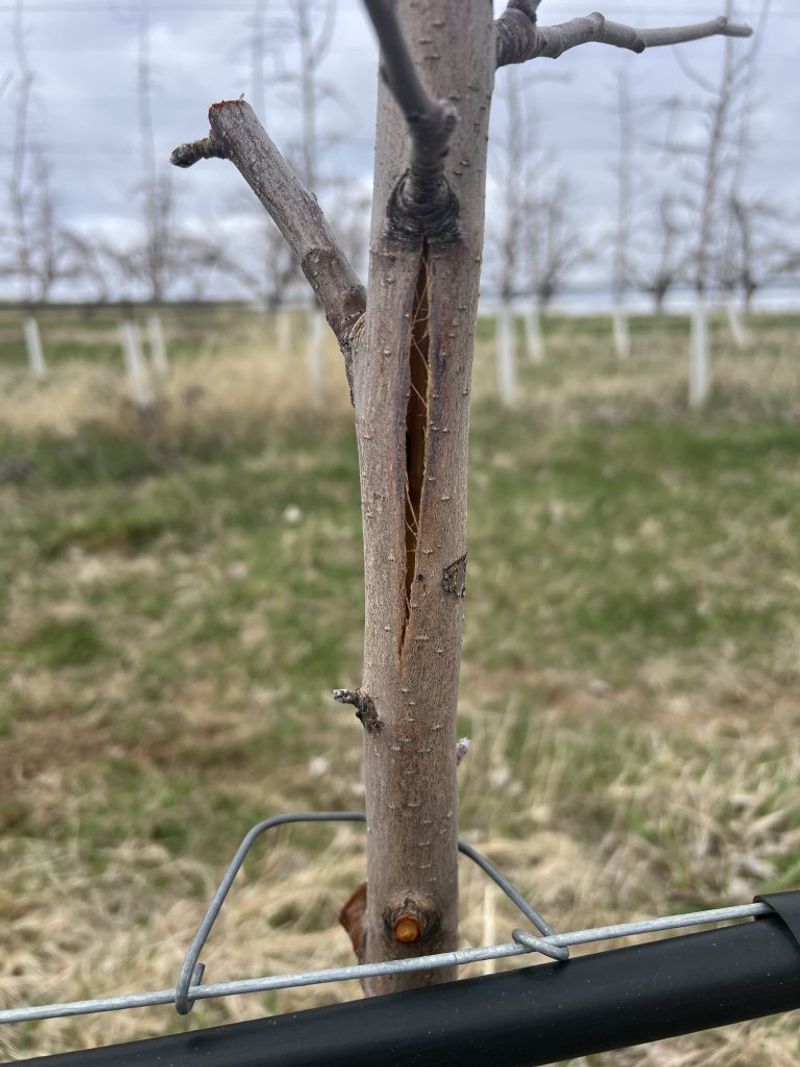
Healthy bark fits snugly against the wood underneath. When you press on it gently, it should feel solid and attached.
Bark that peels away easily or feels loose and papery often indicates problems. However, bark that remains firmly in place suggests the plant is still transporting nutrients and water properly, which means it will likely recover as spring arrives in Pennsylvania.
Walk around larger shrubs and trees in your landscape, examining the bark carefully. Look for areas where the bark might have separated from the wood beneath.
Small cracks are sometimes normal, especially on older trees, but large sections of loose bark can signal serious damage. Firmly attached bark, even if it looks a bit weathered, is a positive sign.
Some trees naturally shed bark as part of their growth process. Sycamores, birches, and certain other species found in Pennsylvania have exfoliating bark that peels in attractive patterns.
This is normal and not a sign of poor health. But for most plants, bark should stay in place and protect the living tissues underneath.
Check the bark at different heights on the plant. Sometimes lower bark remains healthy while upper portions show damage from extreme cold or ice.
The firmly attached bark shows you which parts of the plant will recover. You can plan your pruning based on where the bark remains solid and where it has become loose or damaged during the Pennsylvania winter months.