These Plants Grow Wild Across North Carolina And People Pay Money For Them
Walk along a North Carolina trail or even your own backyard fence line and you might be stepping past something surprisingly valuable. While many people rush to pull wild plants as weeds, others quietly search for the same species and happily pay for them.
It sounds strange at first, yet these plants offer beauty, flavor, medicinal uses, or rare garden appeal that turns them into hidden gems.
Some grow in sunny fields, others prefer shady woods, and a few pop up in places you would never expect.
Once you know what to look for, everyday walks start to feel like small treasure hunts. Even better, learning about these plants can help you garden smarter and see local landscapes in a whole new way.
If you have ever wondered what is growing around you that others are willing to buy, you are about to be pleasantly surprised.
1. Morel Mushroom
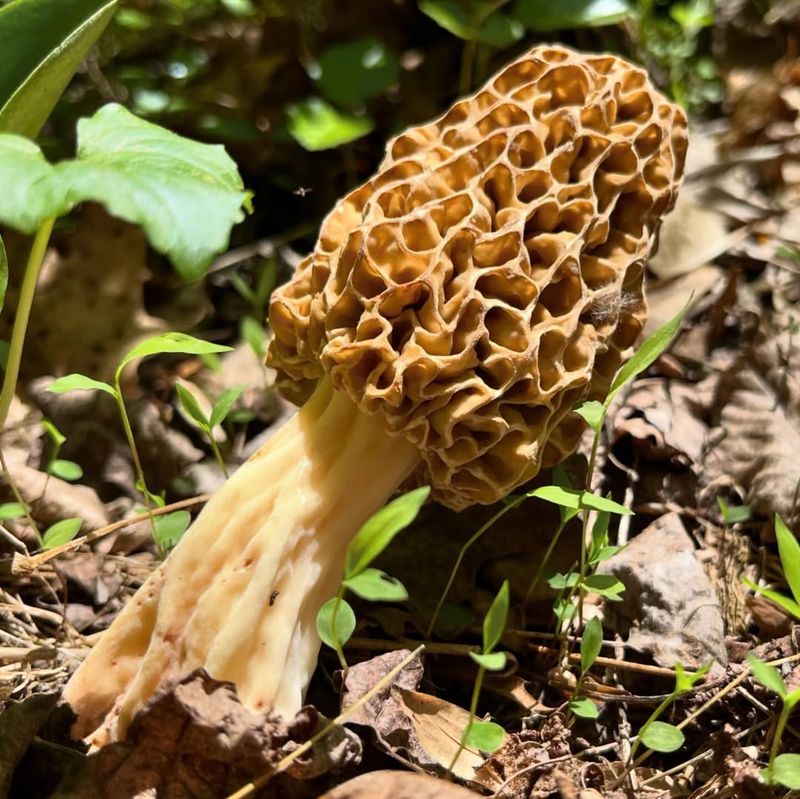
Spring brings one of nature’s most valuable treasures to North Carolina forests. Morel mushrooms emerge near ash and tulip poplar trees when temperatures warm.
These distinctive fungi command premium prices at restaurants and farmers markets across the state.
The honeycomb appearance makes morels instantly recognizable to experienced foragers. They prefer moist soil in deciduous woodlands throughout western and central regions. Each mushroom can sell for several dollars at local markets.
Finding morels requires patience and knowledge of their preferred habitats. They appear briefly in spring, making timing crucial for successful harvests. Many foragers guard their secret spots jealously year after year.
Restaurants pay top dollar for fresh morels because of their unique flavor. The earthy, nutty taste elevates any dish from ordinary to extraordinary. Chefs specifically seek out locally sourced morels during peak season.
Sustainable harvesting practices help ensure future crops return each spring. Cutting mushrooms at the base rather than pulling preserves underground networks. This approach allows the same locations to produce morels for decades.
2. Ginseng
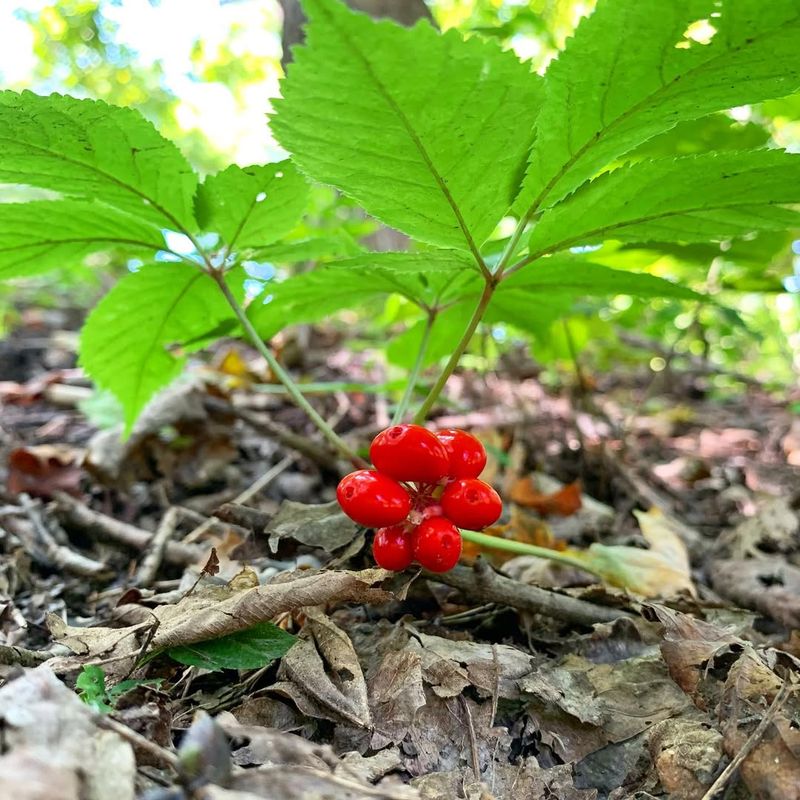
Hidden beneath the forest canopy grows one of North Carolina’s most valuable plants. American ginseng roots have been harvested for centuries for their medicinal properties. A single pound of dried roots can bring hundreds of dollars on the market.
Western North Carolina’s mountain forests provide ideal conditions for wild ginseng. The plant requires rich, well-drained soil and deep shade to thrive. Mature plants take years to develop the prized roots that buyers seek.
State regulations strictly control when and how people can harvest ginseng. Diggers must obtain permits and follow specific guidelines to protect wild populations. Only plants with red berries indicating maturity may be legally collected.
The distinctive five-leaflet pattern helps identify ginseng among similar woodland plants. Each leaflet has serrated edges and grows from a central point. Red berries appear in late summer on mature plants.
Asian markets drive demand for wild American ginseng from Appalachian forests. Buyers prefer roots from naturally growing plants over cultivated varieties. This preference keeps prices high for legally harvested wild ginseng.
3. Goldenseal
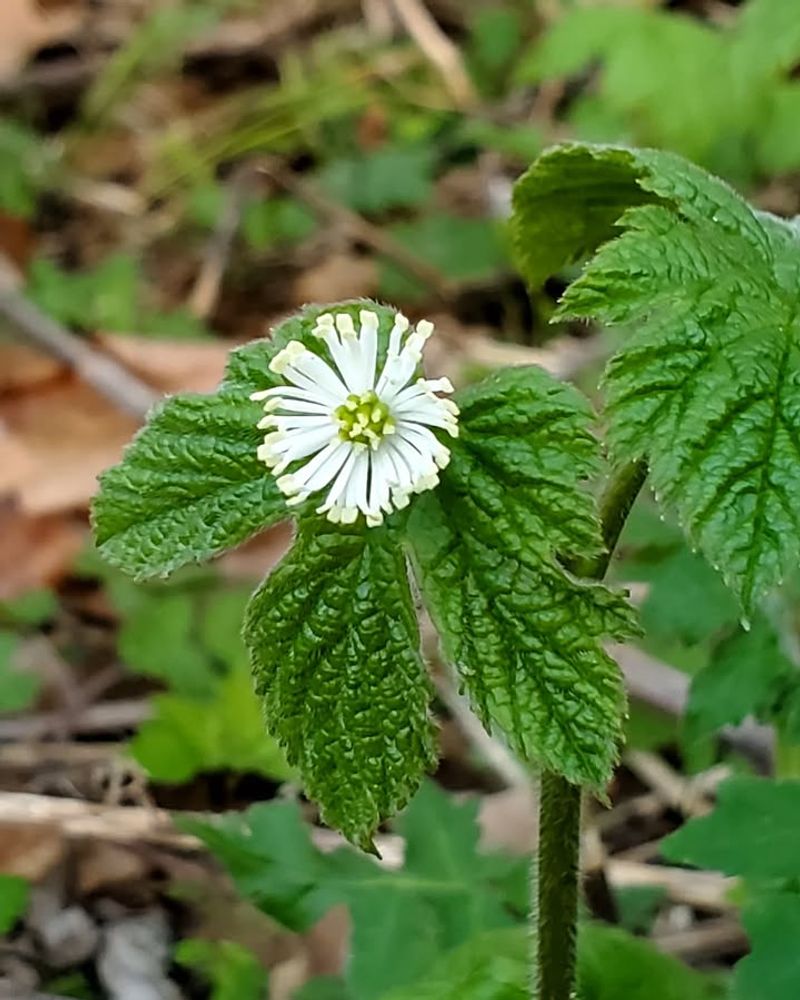
A bright yellow root system gives this woodland plant its memorable name. Goldenseal thrives in the same shaded mountain forests that support ginseng. Herbalists and natural medicine practitioners actively seek out this increasingly rare plant.
Your North Carolina Garden Changes Every Week. Your Plan Should Too.
Gardening in North Carolina changes quickly throughout the season. Every Friday you’ll receive a simple weekly plan showing exactly what to plant, prune, fertilize, harvest, and protect so you never miss the right timing.
The distinctive palmate leaves make goldenseal relatively easy to spot in spring. A single white flower blooms above the foliage before producing a raspberry-like fruit. The valuable yellow rhizomes grow horizontally beneath the forest floor.
Overharvesting has made wild goldenseal scarce in many traditional growing areas. Conservation efforts now focus on sustainable harvesting and cultivation programs. Ethical foragers only collect from abundant populations and replant seeds.
Dried goldenseal root powder sells for impressive prices at health food stores. Traditional uses include immune support and digestive health applications. Modern research continues exploring the compounds found in this native plant.
North Carolina’s remaining wild populations need careful management to survive long-term.
Some landowners now cultivate goldenseal in forest gardens to meet market demand. This approach reduces pressure on wild stands while providing income opportunities.
4. Pawpaw
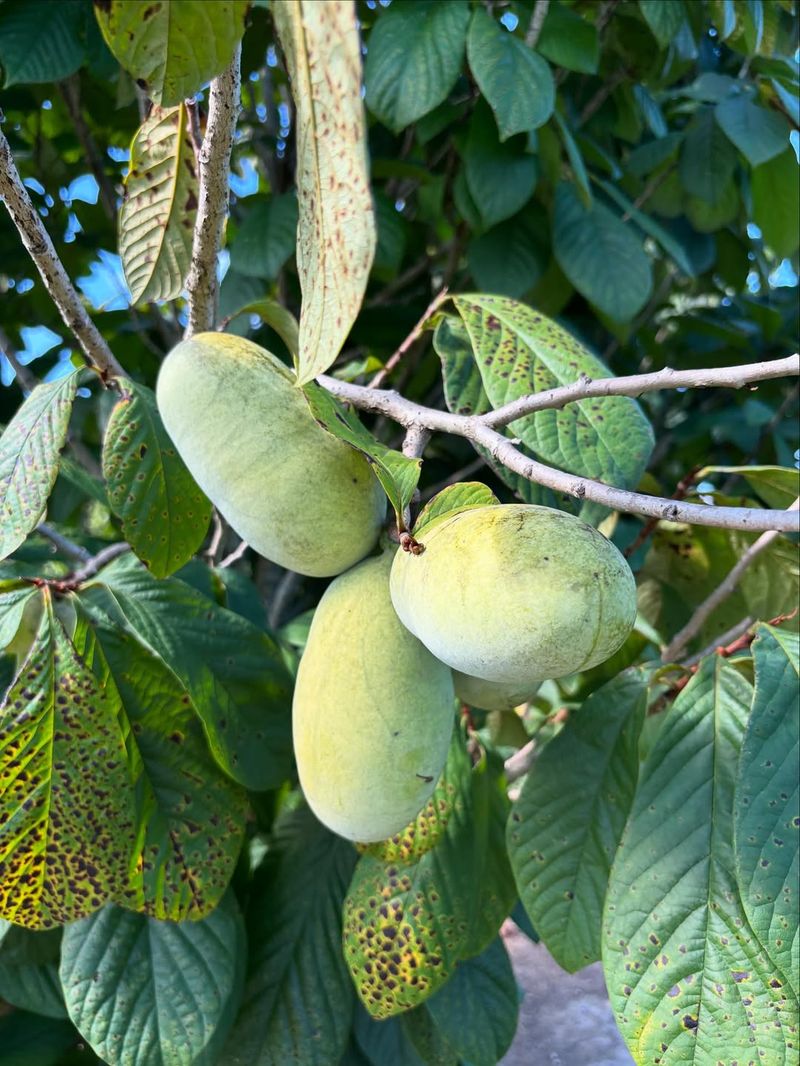
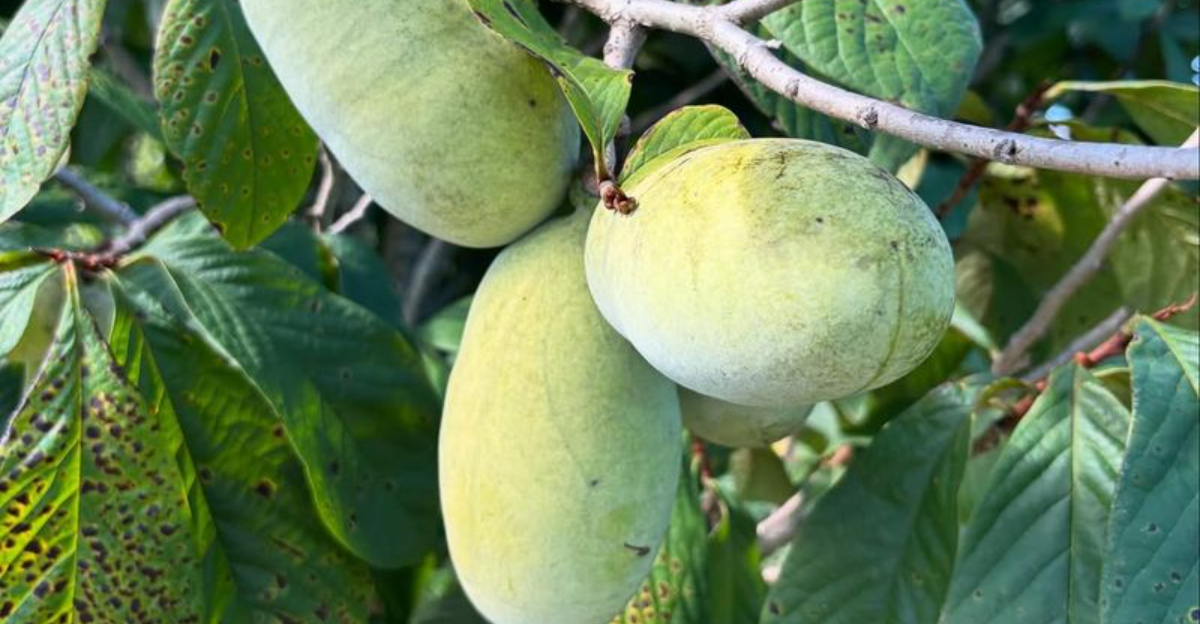
North America’s largest native fruit grows wild along North Carolina’s waterways. Pawpaw trees produce tropical-tasting fruits despite thriving in temperate forests. The creamy flesh tastes like a blend of banana, mango, and custard.
Riverbanks and floodplains throughout the state support natural pawpaw groves. The trees prefer rich, moist soil and tolerate partial shade well. Fruits ripen in late summer and early fall when they soften and smell sweet.
Local farmers markets now feature pawpaws during their brief seasonal window. The fruits don’t ship or store well, making wild harvests particularly valuable. Each fruit sells for several dollars when available fresh.
The large, tropical-looking leaves make pawpaw trees distinctive even without fruit. Dark purple flowers bloom in spring before leaves fully emerge. These flowers attract flies and beetles rather than bees for pollination.
Growing interest in native foods has increased demand for pawpaw fruits. Specialty nurseries now sell grafted trees with superior fruiting characteristics. However, wild trees still produce the most flavorful fruits according to enthusiasts.
5. Ramps
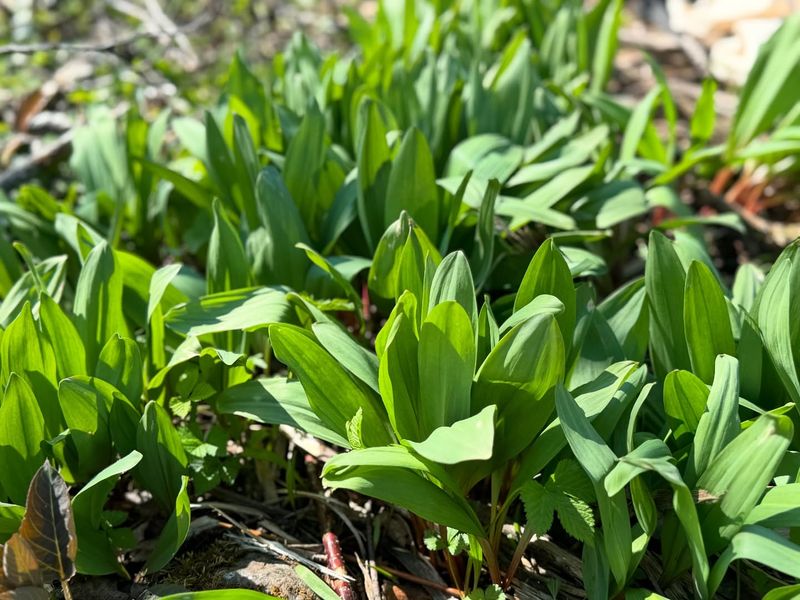
Every spring, food enthusiasts eagerly await the appearance of wild ramps. These pungent wild onions emerge in mountain forests for just a few weeks. Restaurants feature special ramp dinners and festivals celebrate their annual return.
Western North Carolina’s rich deciduous forests produce the finest ramp patches. The plants prefer cool, moist conditions on north-facing slopes. Both the broad leaves and white bulbs offer intense garlic-onion flavor.
Demand has created concerns about overharvesting in some popular foraging areas. Sustainable collectors take only one leaf from each plant, leaving bulbs intact. This method allows the same patch to produce for many seasons.
Fresh ramps command premium prices at farmers markets and specialty grocers. Chefs pickle, ferment, and preserve them to extend the brief season. Some restaurants build entire spring menus around these flavorful wild plants.
The strong aroma makes ramps unmistakable when walking through appropriate habitats. Red or purple stems connect the leaves to white underground bulbs. Entire communities sometimes smell like ramps during peak harvest season.
6. Black Cohosh
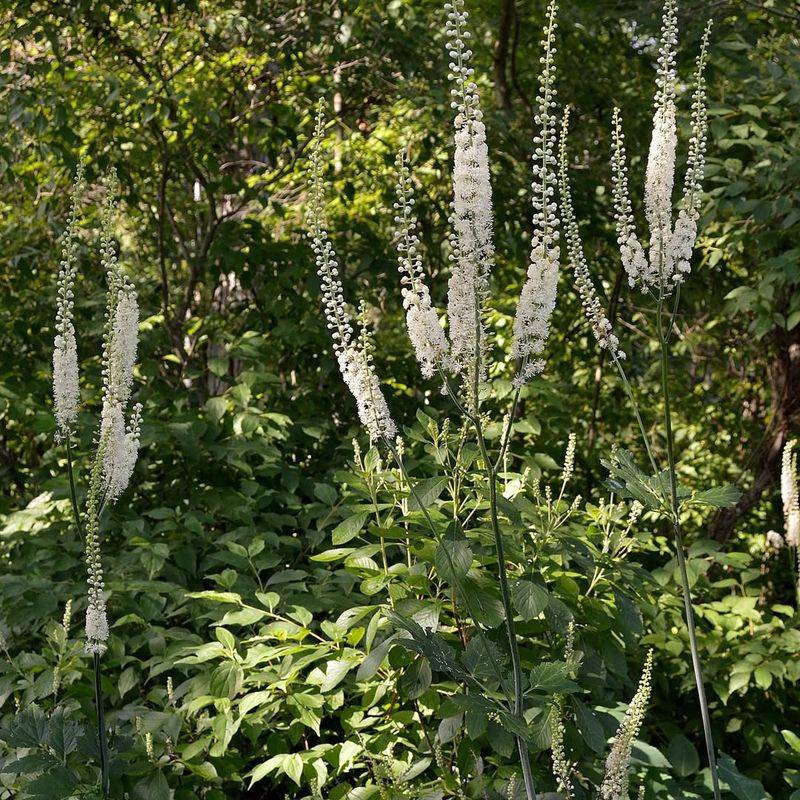
Tall spikes of white flowers mark this valuable medicinal plant in summer. Black cohosh grows throughout North Carolina’s shaded woodlands and moist forests. The dark, knobby roots contain compounds used in herbal supplements worldwide.
Native Americans traditionally used black cohosh for various health applications. Modern herbalists continue valuing the plant for women’s health support. Commercial demand has made wild populations increasingly valuable and vulnerable.
The distinctive compound leaves help identify black cohosh before flowering begins. Each leaf divides into multiple toothed leaflets arranged along the stem. Tall flower stalks can reach several feet high in ideal conditions.
Sustainable harvest practices focus on collecting only mature roots in fall. Replanting seeds and leaving younger plants ensures future populations survive. Some foragers now cultivate black cohosh in woodland gardens instead.
Dried black cohosh root sells for substantial prices to herbal medicine manufacturers. Quality varies based on growing conditions and proper harvesting timing. North Carolina’s wild populations produce particularly potent roots according to buyers.
7. Elderberry
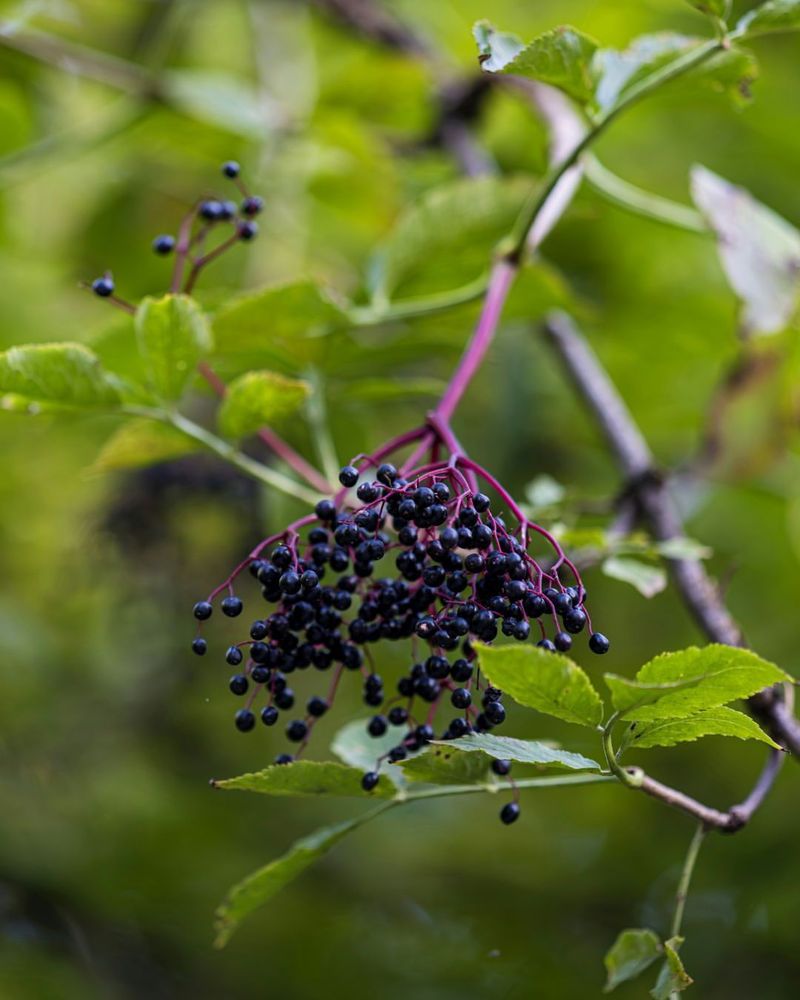
Purple-black berries hang in heavy clusters from these common native shrubs. Elderberries grow wild along streams, forest edges, and roadsides throughout the state. The tart berries transform into valuable syrups, jams, and health supplements.
Late summer brings the peak harvest season for wild elderberry gatherers. The berries must be cooked before eating to neutralize naturally occurring compounds. Proper preparation creates delicious products with potential immune-supporting properties.
Identifying elderberry shrubs becomes easy once you recognize the distinctive compound leaves. Each leaf contains five to eleven opposite leaflets with serrated edges. White flower clusters in early summer later develop into the prized berries.
Local producers pay foragers for fresh elderberries by the pound. The berries also fetch good prices at farmers markets and specialty stores. Many people now plant elderberry shrubs specifically for annual berry production.
Wild elderberries often produce more intensely flavored fruits than cultivated varieties. The shrubs tolerate various soil conditions but prefer moist locations. A single mature shrub can yield several pounds of berries each season.
8. Persimmon
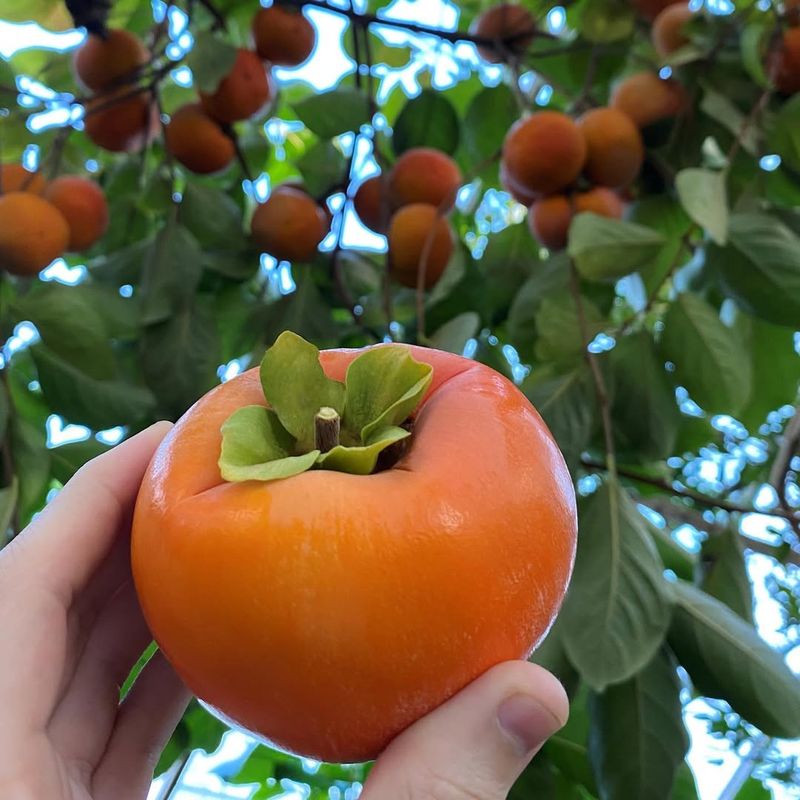
Orange globes dotting bare branches signal that persimmon season has arrived. Native persimmon trees grow wild in forests and old fields across the state. The sweet, honey-flavored fruits become edible only after frost softens their astringent flesh.
Wild persimmons taste far superior to the larger Asian varieties sold commercially. Each fruit contains several large, flat seeds surrounded by soft pulp. Patience proves essential since unripe persimmons pucker mouths with intense astringency.
Foragers collect fallen persimmons from beneath trees throughout autumn and early winter. The fruits make excellent puddings, breads, and preserves once properly ripened. Some people even brew persimmon beer using wild-collected fruits.
Persimmon trees also provide valuable wood prized for specialty woodworking projects. The hard, dense timber works well for tool handles and golf club heads. However, most people focus on the delicious fruits rather than timber.
Wildlife compete with human foragers for ripe persimmons each fall. Deer, raccoons, and opossums eagerly consume fallen fruits throughout winter. Finding productive trees often requires scouting locations before the harvest season begins.
9. Mayapple
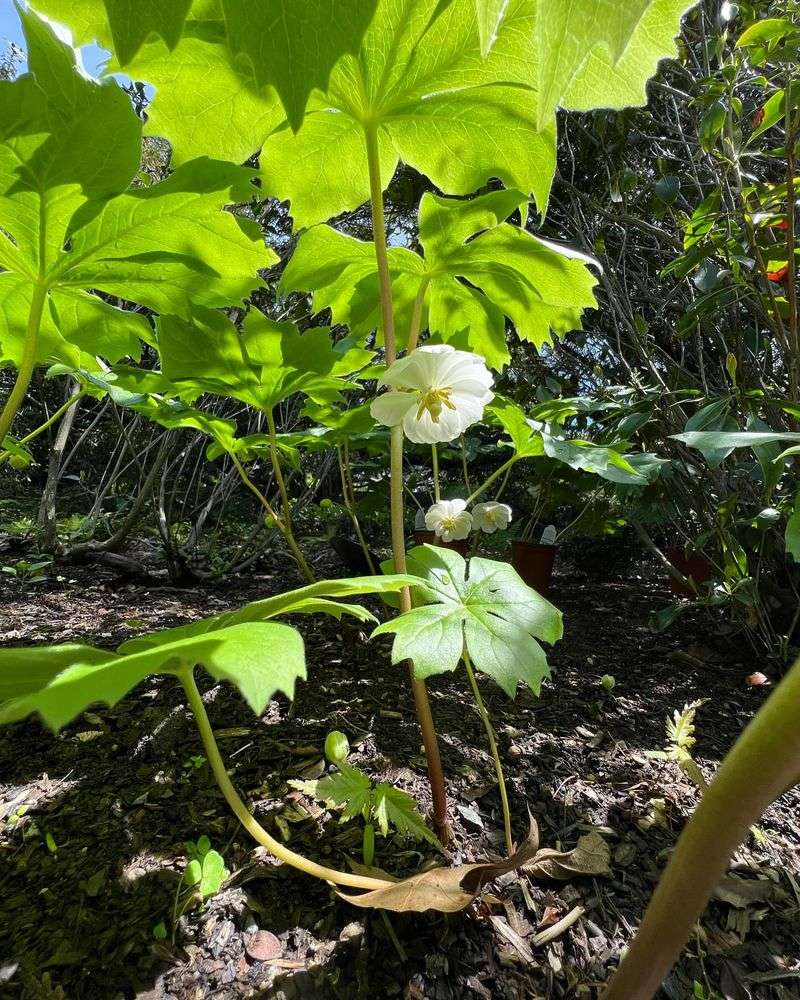
Umbrella-like leaves carpet the forest floor each spring across North Carolina. Mayapple colonies spread through underground rhizomes to form extensive patches. The single yellow fruit hiding beneath paired leaves ripens to edibility in midsummer.
Only the ripe fruit is safe to eat, as other plant parts contain toxic compounds. The lemon-flavored fruit tastes sweet when fully mature and soft. Many people make jelly from the small fruits despite their limited quantity.
Pharmaceutical companies have shown interest in compounds found in mayapple roots. These substances show promise in medical research applications. However, harvesting roots eliminates plants, so most foragers focus on sustainable fruit collection.
The distinctive growth pattern makes mayapple colonies easy to recognize in appropriate habitats. Plants with single leaves produce no flowers or fruits. Only plants with two leaves develop the white flower and subsequent fruit.
Mayapple spreads aggressively in ideal conditions, sometimes dominating woodland understories. The large leaves shade out competing plants throughout spring and early summer. By midsummer, the foliage yellows and disappears until the following spring.