These Are The Best Low-Light Plants For Pennsylvania Homes In Winter
Winter in Pennsylvania often means shorter days, cloudy skies, and less sunlight coming through your windows. For many houseplants, this can be a tough time of year.
Leaves may fade, growth can slow, and some plants simply don’t get the light they need. The good news is that not all plants struggle in low-light conditions.
There are plenty of beautiful, easy-care options that actually do well in dim spaces and cooler indoor temperatures. Choosing the right plants can keep your home looking fresh and green all winter long.
Whether you live in an apartment, a townhouse, or a house with limited natural light, you still have great options.
If you’re tired of watching plants decline during winter, these low-light favorites can help you create a healthy, cozy indoor space that stays full of life.
1. Snake Plant (Sansevieria)
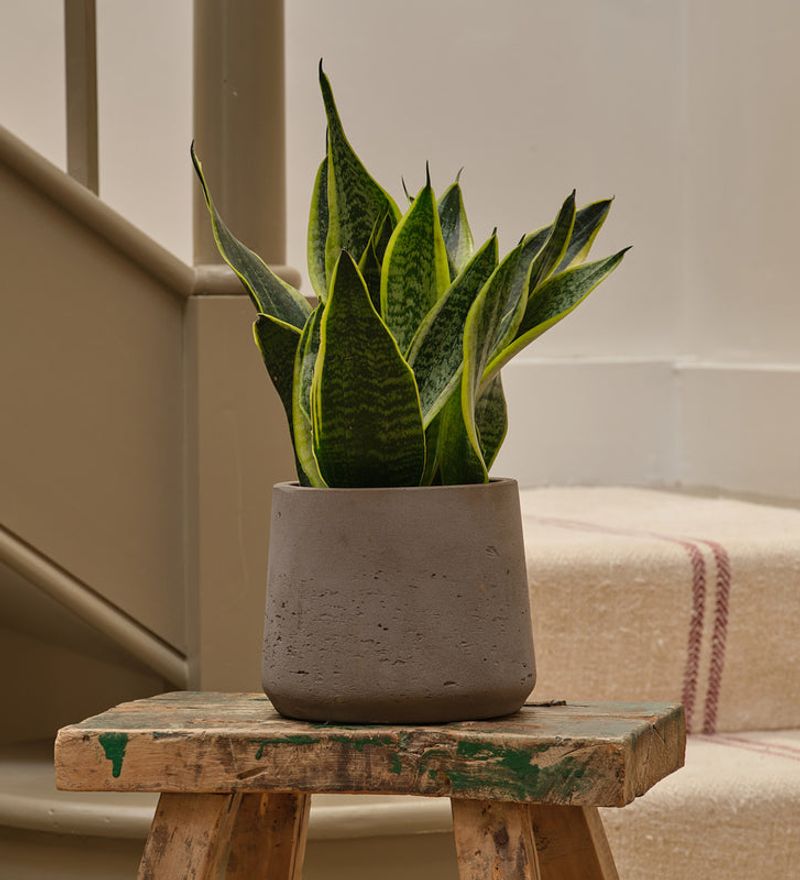
Tough as nails and nearly impossible to mess up, the snake plant stands as one of Pennsylvania’s most reliable winter companions.
Its striking upright leaves with bold patterns create architectural interest in any room, from your Harrisburg living room to your Erie bedroom.
This plant actually prefers being ignored, making it perfect for busy households or first-time plant parents.
Snake plants can survive weeks without water during winter when growth slows down naturally. They tolerate extremely low light conditions that would make most other plants struggle, though they will grow faster with occasional bright indirect light.
The thick, succulent-like leaves store water efficiently, so overwatering poses more risk than underwatering. Many Pennsylvania homeowners place these in bathrooms, hallways, or basements where other plants would fail.
One major bonus is that snake plants release oxygen at night, unlike most plants that only do this during daytime. This makes them excellent bedroom companions for better air quality while you sleep.
They also filter toxins like formaldehyde and benzene from indoor air. Varieties range from compact six-inch types to tall three-foot specimens, so you can choose based on your available space.
Temperature fluctuations common in Pennsylvania homes during winter do not bother these plants much. Just keep them away from cold drafts near doors and windows.
Wipe the leaves occasionally to remove dust and help them absorb whatever light is available during those short winter days.
2. Pothos (Epipremnum aureum)
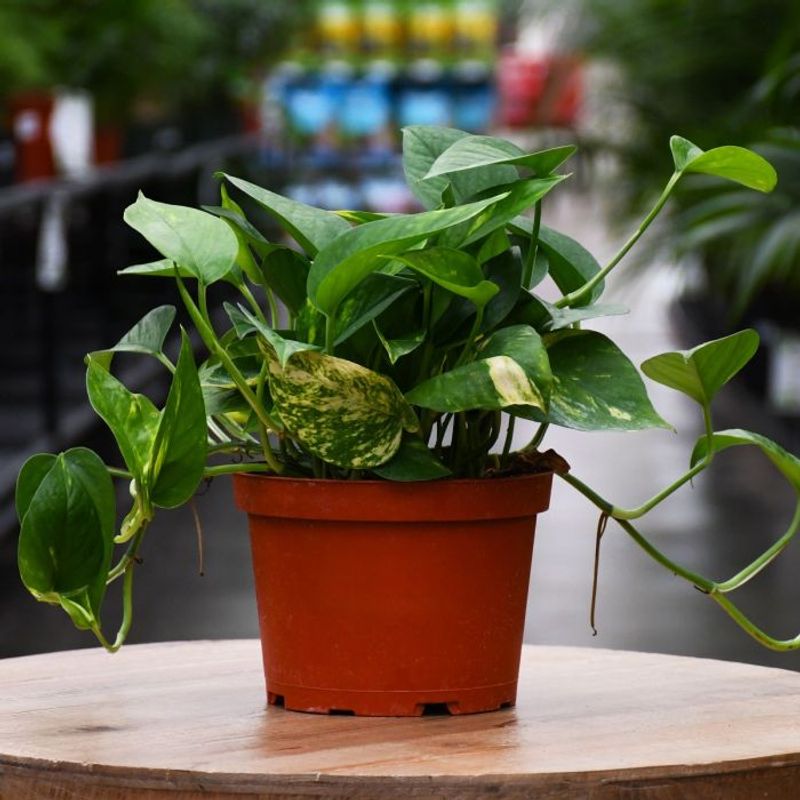
With vines that can stretch for feet and heart-shaped leaves in various shades, pothos brings a jungle vibe to even the gloomiest Pennsylvania winter spaces.
This plant grows enthusiastically in low light, though the variegation might fade slightly compared to brighter conditions.
Many people in Scranton and Allentown keep pothos on top of cabinets, bookshelves, or in hanging baskets where the trailing stems create living curtains of greenery.
Pothos roots easily in water, making propagation incredibly simple when you want more plants or need to share cuttings with friends. Just snip a stem below a node, place it in a glass of water, and watch roots develop within weeks.
This characteristic makes pothos an economical choice since one plant can become many. The vines also respond well to pruning, which encourages fuller, bushier growth rather than long, sparse stems.
Your Pennsylvania Garden Changes Every Week. Your Plan Should Too.
Gardening in Pennsylvania changes quickly throughout the season. Every Friday you’ll receive a simple weekly plan showing exactly what to plant, prune, fertilize, harvest, and protect so you never miss the right timing.
Different varieties offer color options beyond plain green. Golden pothos features yellow splashes, marble queen shows white variegation, and neon pothos glows with chartreuse leaves.
All tolerate the dry indoor air common in heated Pennsylvania homes during winter. They signal when they need water by drooping slightly, then perk up within hours of watering.
These plants filter airborne toxins effectively, helping maintain healthier indoor environments when windows stay closed against the cold.
They adapt to various light levels from dim corners to moderately bright spots, though direct sunlight can scorch the leaves. Pothos rarely attracts pests and grows forgivingly despite occasional neglect.
3. ZZ Plant (Zamioculcas zamiifolia)
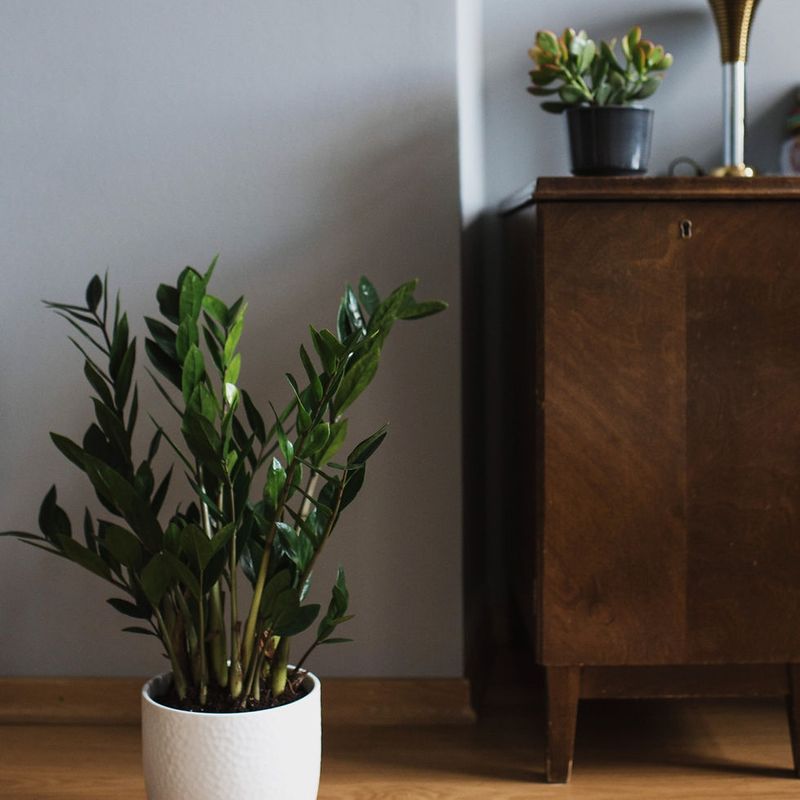
Shiny, waxy leaves that look almost artificial make the ZZ plant a showstopper in any Pennsylvania home this winter. Native to drought-prone regions of Africa, this plant evolved to handle neglect and low light like a champion.
The thick, potato-like rhizomes beneath the soil store water and nutrients, allowing the plant to survive extended periods without care. Philadelphia and Pittsburgh apartment dwellers especially appreciate how forgiving this plant remains when life gets hectic.
ZZ plants grow slowly but steadily, producing new stems from the base that unfurl with fresh, bright green growth. The leaves darken to a deep, glossy green as they mature, creating beautiful contrast.
This plant tolerates fluorescent office lighting, making it suitable for home offices or basement spaces where natural light barely reaches. Some varieties feature darker, almost black foliage that adds dramatic flair to modern decor.
Watering requirements drop significantly during Pennsylvania winters when the plant enters a semi-dormant phase. Checking the soil before watering prevents root problems, as soggy conditions cause more issues than dryness.
The ZZ plant also handles temperature swings well, though it prefers staying above 50 degrees Fahrenheit. Dust accumulation on those glossy leaves reduces their ability to photosynthesize in already limited light, so wiping them monthly helps.
This plant rarely needs fertilizing and can live in the same pot for years without becoming rootbound. Its upright growth habit works well in corners or narrow spaces where spreading plants would not fit.
The ZZ plant contains compounds that can irritate skin and stomachs if ingested, so keep it away from curious pets and small children.
4. Peace Lily (Spathiphyllum)
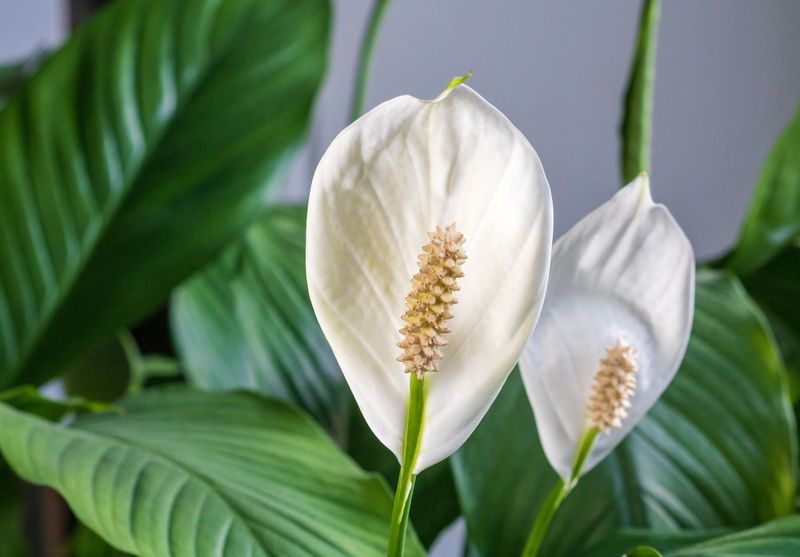
Elegant white blooms emerge like flags of surrender to winter’s darkness when you grow peace lilies indoors across Pennsylvania.
Unlike most flowering plants that demand bright light, peace lilies bloom reliably in shady conditions, bringing unexpected beauty to dim rooms.
The dark green, glossy foliage provides year-round interest even between blooming cycles. Reading and Lancaster residents often place these in north-facing rooms where few other plants would consider flowering.
Peace lilies communicate their needs clearly by drooping when thirsty, then recovering quickly after watering. This makes them excellent teachers for developing plant care intuition.
They prefer consistently moist soil but not waterlogged conditions, striking a balance that becomes easier to maintain with practice. The plants also enjoy humidity, which can drop dangerously low in heated Pennsylvania homes during winter.
Placing them on pebble trays filled with water or grouping several plants together helps maintain adequate moisture in the air.
These plants rank among the best for filtering indoor air pollutants, removing ammonia, benzene, formaldehyde, and trichloroethylene. NASA studies confirmed their air-purifying abilities, making them functional as well as decorative.
Peace lilies do contain calcium oxalate crystals that irritate mouths and digestive systems if chewed, so keep them away from pets and young children who might taste the leaves.
Occasional brown leaf tips usually indicate either too much chlorine in tap water or low humidity rather than serious problems. Using filtered or distilled water and boosting humidity typically resolves this cosmetic issue.
Peace lilies respond well to monthly feeding during their growing season but need little fertilizer during winter.
5. Cast Iron Plant (Aspidistra elatior)
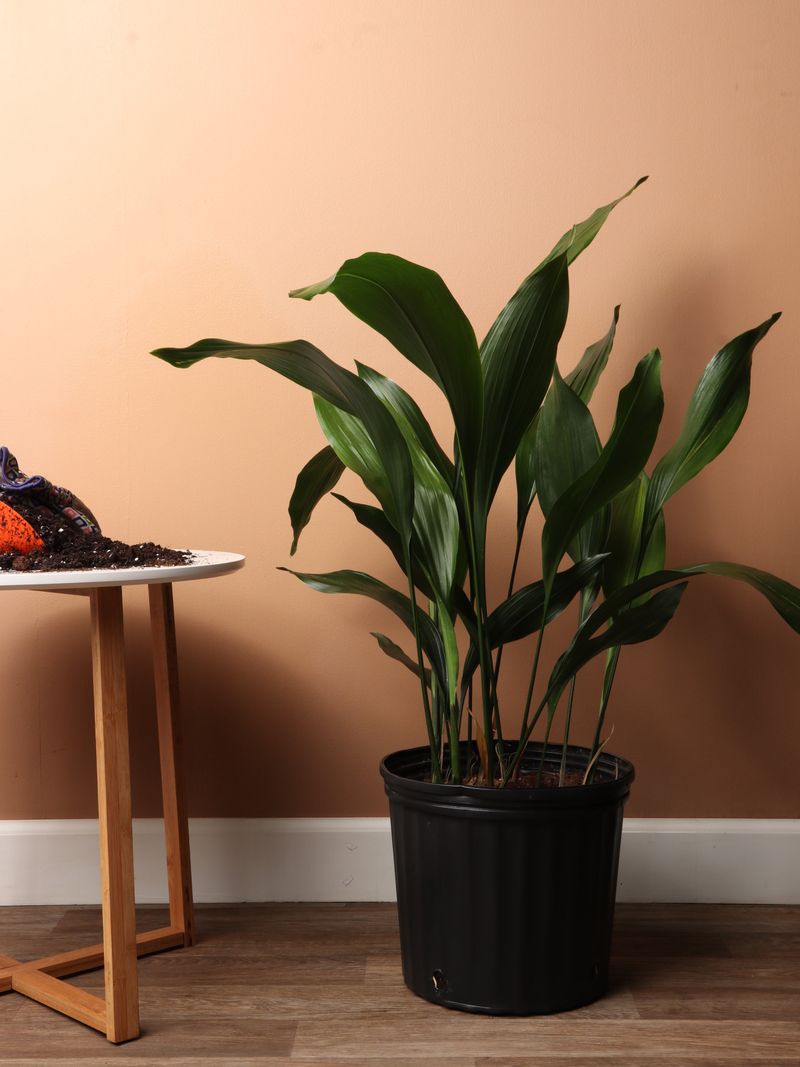
Named for its legendary toughness, the cast iron plant laughs in the face of neglect and thrives where other plants would give up.
Victorian-era homes across Pennsylvania often featured these plants because they tolerated gas lamp fumes and cold drafts that would harm more delicate species.
Modern homeowners in York and Bethlehem appreciate the same resilience when dealing with unpredictable heating and limited winter sunlight. The broad, lance-shaped leaves arch gracefully, creating a fountain of deep green foliage.
This plant grows slowly, which means it stays manageable and rarely needs repotting. The deliberate pace also means patience pays off as new leaves unfurl from the base throughout the year.
Cast iron plants handle temperatures down to near freezing, making them suitable for unheated sunrooms or entryways where cold drafts sneak in. They also tolerate the dust and dry air that accumulate in closed-up winter homes without complaint.
Variegated varieties add visual interest with white or cream stripes running along the leaves, though these types need slightly more light than solid green versions. All cast iron plants prefer being left alone rather than fussed over.
Overwatering causes more problems than underwatering, and they can go weeks between drinks during winter. The thick rhizomes store resources underground, allowing the plant to weather periods of neglect.
These plants rarely attract pests and resist most diseases, making them virtually maintenance-free. They work beautifully as floor plants in corners or hallways where their substantial presence fills empty spaces.
Cast iron plants also tolerate artificial light well, succeeding in windowless rooms with only lamp or overhead lighting available during Pennsylvania’s dark winter months.
6. Chinese Evergreen (Aglaonema)
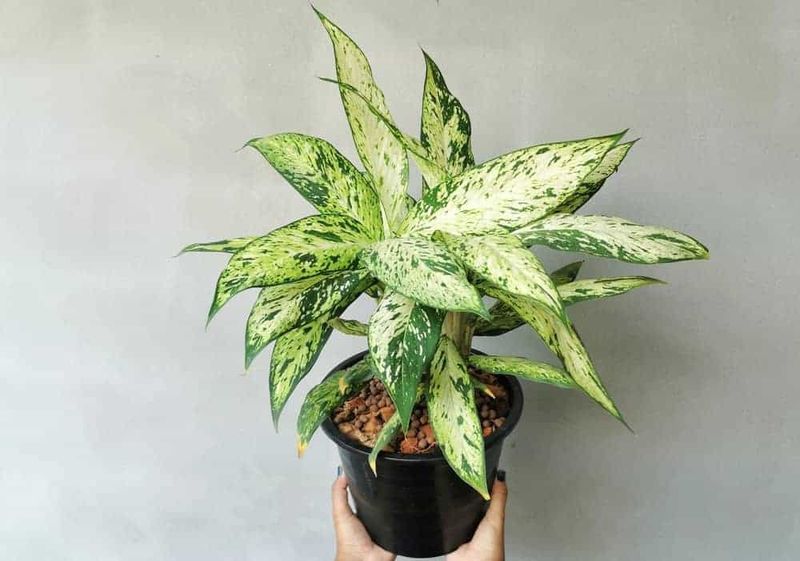
Painted leaves in stunning combinations of green, silver, pink, and red make Chinese evergreens living artwork for Pennsylvania homes this winter.
Dozens of varieties offer different patterns and color schemes, from subtle silver splashes to bold pink veins that brighten even the dreariest January day.
Homeowners in State College and Altoona find these plants add tropical flair without demanding tropical care requirements. The compact growth habit fits well on desks, side tables, or grouped together for maximum visual impact.
Chinese evergreens adapt to various light levels, though they maintain better color intensity with moderate indirect light rather than deep shade. They tolerate the temperature fluctuations common when thermostats drop overnight to save energy.
These plants prefer warm conditions but handle brief cool spells without damage as long as temperatures stay above 60 degrees. Their tolerance for less-than-perfect conditions makes them ideal for beginners still learning plant care basics.
Watering needs remain moderate, with the soil allowed to dry slightly between waterings during winter. Yellow leaves usually signal overwatering rather than underwatering, so erring on the dry side prevents problems.
Chinese evergreens appreciate occasional misting or placement near humidifiers when indoor air becomes particularly dry. They also benefit from wiping the leaves to remove dust that blocks light absorption and dulls their colorful patterns.
These plants filter benzene and formaldehyde from indoor air, contributing to healthier home environments. They grow slowly to moderately, reaching heights of one to three feet depending on variety.
Chinese evergreens occasionally produce small, insignificant flowers similar to peace lily blooms, though most people grow them strictly for foliage. The plants contain calcium oxalate, so keep them away from pets who might chew the attractive leaves.
7. Dracaena (Various Species)
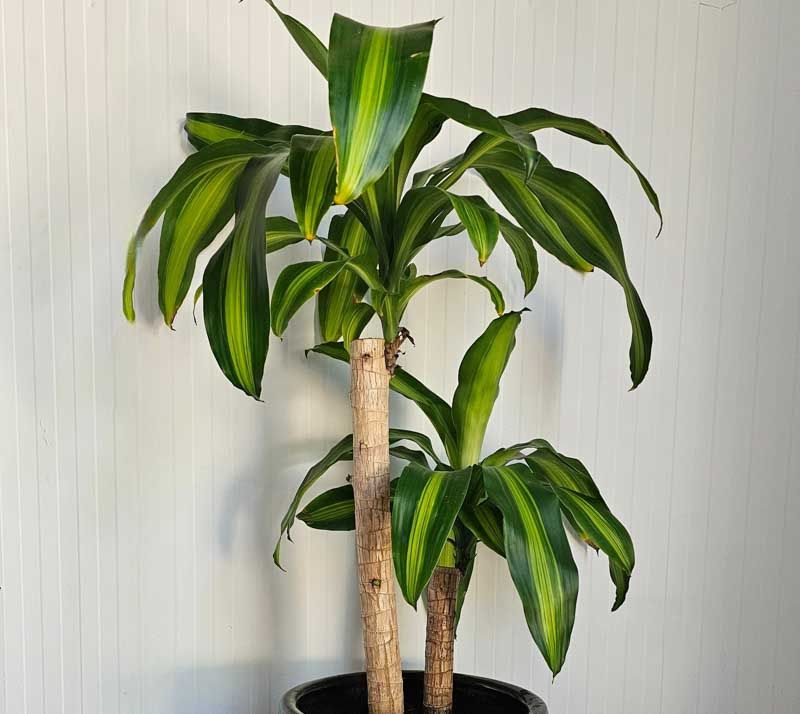
Architectural and sculptural, dracaenas bring height and drama to Pennsylvania homes without demanding bright windows. Multiple species offer different looks, from the spiky dragon tree to the corn-like mass cane with its thick trunks and rosettes of leaves.
These plants naturally grow tall and slender, making them perfect for filling vertical space in corners or flanking doorways throughout winter months. Residents of Williamsport and Chambersburg use them to create indoor focal points that draw the eye upward.
Dracaenas tolerate low light remarkably well, though growth slows and variegated types may lose some contrast in very dim conditions. They prefer their soil to dry out between waterings, which suits the forgetful waterer perfectly.
These plants store moisture in their thick stems and trunks, giving them reserves during dry spells. Brown leaf tips often indicate fluoride or chlorine sensitivity rather than care mistakes, so using filtered or distilled water prevents this cosmetic issue.
Various dracaena species offer different aesthetics. The Madagascar dragon tree features narrow, spiky red-edged leaves in fountain-like clusters.
Corn plants show broad, arching leaves with yellow or white stripes down the center. Lucky bamboo, actually a dracaena despite its name, grows happily in water or soil.
All varieties help purify indoor air by filtering toxins like formaldehyde, benzene, and trichloroethylene.
These plants handle the dry air in heated Pennsylvania homes better than many tropical species. They rarely need repotting and can become quite large over years, eventually reaching six feet or more in height.
Pruning controls size and encourages branching if you prefer bushier growth. Dracaenas remain toxic to cats and dogs, so placement requires consideration in homes with curious pets.
8. Philodendron (Heartleaf)
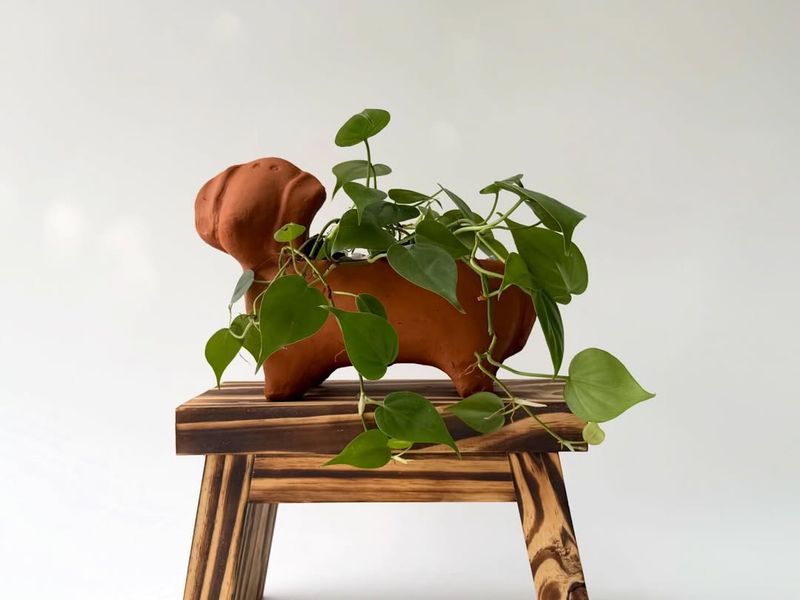
Quick-growing vines covered in charming heart-shaped leaves make philodendrons beloved across Pennsylvania for good reason.
These plants adapt to nearly any indoor condition, from bright offices to dim bedrooms, growing enthusiastically wherever you place them.
The classic heartleaf variety features deep green, glossy leaves that catch whatever light is available during short winter days. Many homeowners in Johnstown and Easton train these vines around windows, up moss poles, or simply let them cascade from high shelves.
Philodendrons signal their watering needs clearly, with leaves curling slightly when thirsty and perking up within hours of watering. They tolerate occasional neglect far better than constant hovering.
These plants also root easily in water, making propagation simple when you want to share cuttings or fill multiple spots in your home. Snip below a node, place in water, and watch roots develop within two weeks.
The vines grow several inches per week during active growth periods, though winter slows this pace somewhat. Regular pruning keeps plants bushy and full rather than long and sparse.
Pinching off stem tips encourages branching and creates fuller specimens. Philodendrons also climb naturally when given support, wrapping their aerial roots around poles or stakes.
These plants improve indoor air quality by filtering formaldehyde and other volatile organic compounds common in Pennsylvania homes during winter when ventilation decreases.
They thrive in the same temperatures comfortable for humans, typically between 65 and 75 degrees.
Philodendrons contain calcium oxalate crystals that irritate mouths if chewed, so keep them away from pets and small children. Their tolerance for low light, dry air, and irregular watering makes them nearly foolproof for beginners wanting reliable winter greenery.