Virginia Homeowners Should Never Plant These Backyard Crops Because They Are Illegal
I still remember hearing about a neighbor who proudly planted a backyard crop in Virginia, only to find out it was illegal to grow. The surprise on their face was unforgettable.
Many homeowners don’t realize that some seemingly ordinary plants are actually restricted under state law.
It’s not about what looks appealing, it’s about protecting local ecosystems, farms, and native species from potential problems. Even a small backyard planting can unintentionally cross legal lines if you don’t know the rules.
Certain crops are restricted because they spread quickly, threaten nearby agricultural operations, or disrupt the environment.
Understanding which plants are off limits lets homeowners plan responsibly, avoid fines, and enjoy their yard without unexpected surprises.
Knowing what is illegal to plant in your backyard could save you from weeks of work and a costly mistake you never saw coming.
1. Giant Hogweed
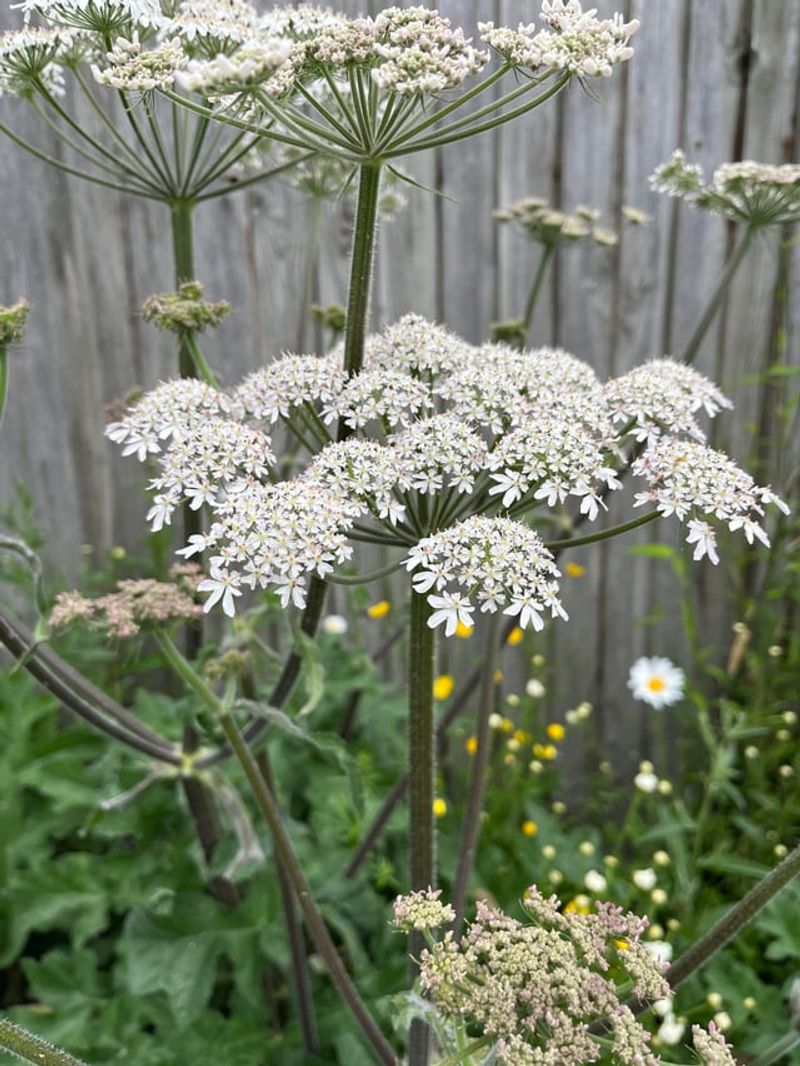
Giant hogweed is a visually striking plant resembling an oversized Queen Anne’s Lace, but its attractive appearance conceals serious hazards.
The sap contains photosensitive compounds that cause painful skin reactions, making the skin extremely sensitive to sunlight and resulting in long-lasting, blistered areas if touched.
Virginia classifies giant hogweed as a Tier 1 noxious weed, meaning it is illegal to transport, cultivate, or allow it to spread on your property.
Homeowners who encounter it are required to report the plant to local authorities and arrange for professional removal to ensure it does not proliferate.
The plant grows rapidly and can establish dense stands, crowding out native vegetation and creating significant ecological challenges.
Contact with the sap can also irritate the eyes and skin even when the plant is dead or cut, so handling without protective gear is extremely unsafe.
Local extension offices and conservation groups in Virginia provide guidance on identifying and safely removing giant hogweed.
Awareness, early detection, and proper management are key for preventing this plant from affecting neighboring properties or public areas. Educating communities about its risks ensures both public safety and ecological protection.
2. Opium Poppies
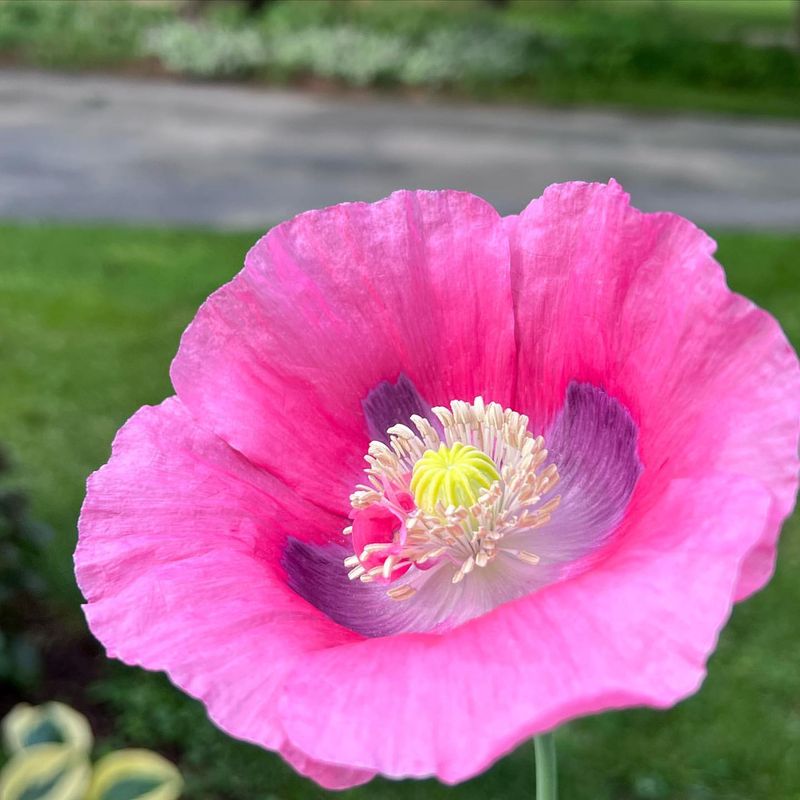
Opium poppies, or Papaver somniferum, are known for their striking red blooms, but growing them in Virginia carries legal implications.
While poppy seeds sold for culinary purposes remain legal, cultivating these specific plants with knowledge of their narcotic potential is prohibited under federal law.
Many home gardeners plant them unaware of the strict regulations, and enforcement agencies have authority to remove these plants from private property. Cultivation intended for extracting narcotic compounds carries serious criminal penalties.
The seeds themselves do not pose a legal risk for baking, but the plants, flowers, and pods fall under controlled substance regulations.
This legal gray area can catch gardeners off guard, particularly those interested in ornamental gardens or homegrown botanical experimentation.
Virginia authorities classify the plants under federal drug control laws, which means intent to process or distribute is not required for enforcement action.
Homeowners are advised to avoid planting these poppies entirely unless they have explicit legal authorization. Gardeners should rely on alternative ornamental poppies or legally sold flowering plants to add color to yards.
Your Virginia Garden Changes Every Week. Your Plan Should Too.
Gardening in Virginia changes quickly throughout the season. Every Friday you’ll receive a simple weekly plan showing exactly what to plant, prune, fertilize, harvest, and protect so you never miss the right timing.
Awareness and adherence to these laws prevent inadvertent violations while allowing safe and lawful horticultural creativity.
3. Kudzu
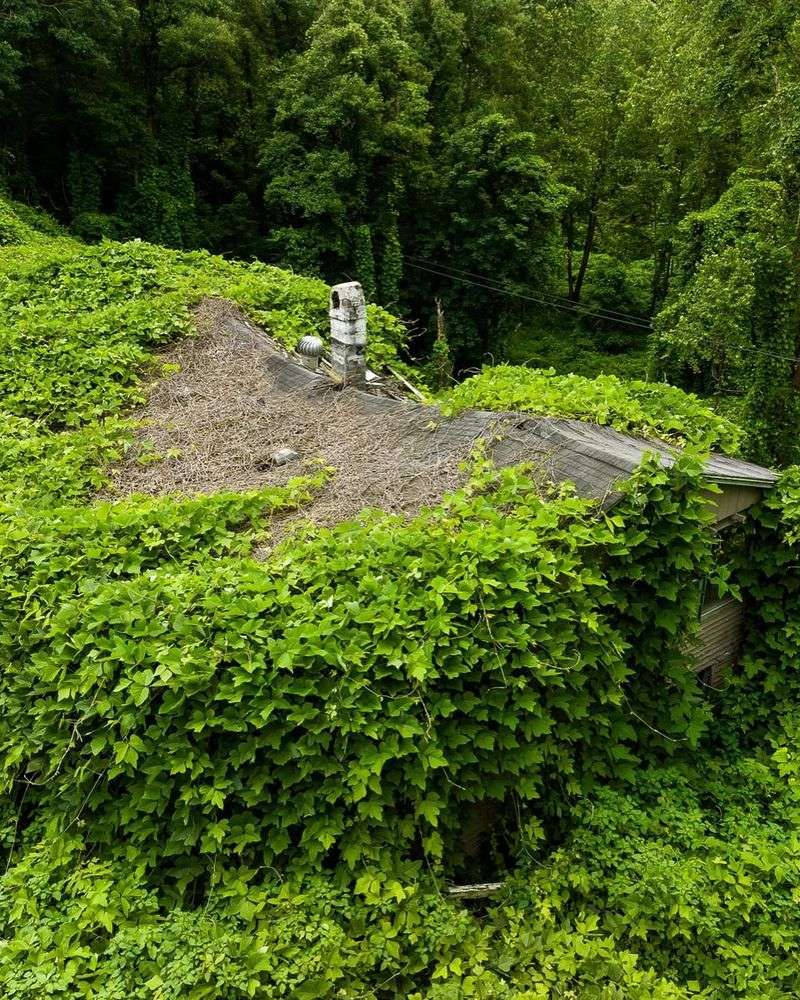
Kudzu, famously dubbed “the vine that ate the South,” grows at astonishing rates, sometimes up to a foot per day.
Introduced to the United States for erosion control, it has since become one of Virginia’s most problematic invasive species.
Planting kudzu is illegal under state agricultural codes, as it smothers native plants, trees, and shrubs, disrupting ecosystems and threatening biodiversity.
Its dense foliage can overtake fences, power lines, and even small structures, creating safety hazards and significant maintenance challenges. The plant spreads rapidly via both seeds and vegetative growth, making early detection and removal essential.
Once established, eradicating kudzu is difficult, labor-intensive, and costly, often requiring professional management to prevent further spread.
Virginia property owners must monitor their land carefully, particularly in rural and suburban areas where the vine can escape from gardens and naturalize in fields or along roadsides.
Legal restrictions apply not only to intentional cultivation but also to permitting uncontrolled growth.
Community awareness and proactive measures, such as replacing invasive vines with native climbing plants or ground covers, help maintain local ecology.
Complying with state guidelines protects property, preserves habitats, and limits long-term environmental impact.
4. Tree-of-Heaven
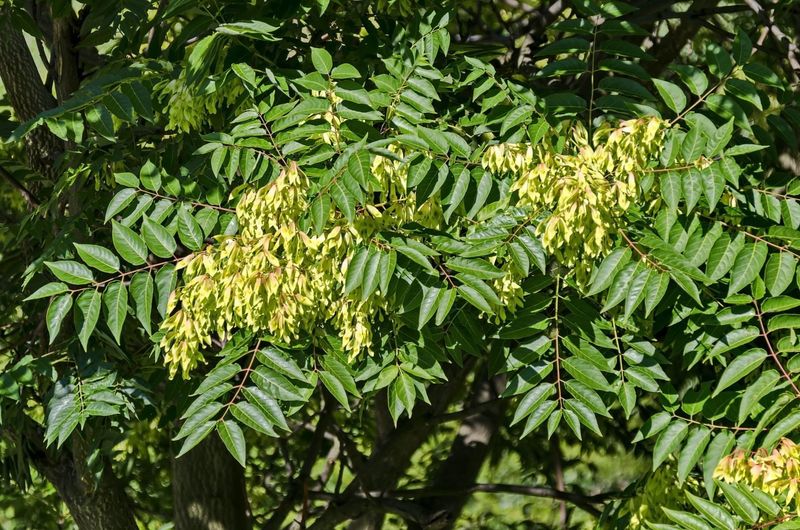
The tree-of-heaven, Ailanthus altissima, is a fast-growing species that has earned a reputation as one of Virginia’s most challenging invasive plants.
Despite its ornamental appeal, this tree produces chemicals that inhibit the growth of neighboring vegetation and spreads aggressively through root suckers and seeds.
Beyond ecological disruption, it serves as a host for spotted lanternflies, an invasive pest that threatens crops and orchards across Virginia.
The root systems of mature trees can damage infrastructure, including foundations, sidewalks, and underground utilities, while the pollen contributes to allergies for sensitive individuals.
Intentional cultivation violates Virginia state regulations aimed at protecting native forests, farmland, and residential areas from ecological disruption.
Homeowners who identify tree-of-heaven on their property are strongly encouraged to consult professional removal services to safely manage its spread.
Early intervention is crucial, as trees can reach large sizes quickly and propagate new plants from seeds or root shoots. Using native alternatives for landscaping reduces the risk of invasion while supporting local biodiversity.
Awareness and compliance with state guidelines help protect both homeowners and the broader environment from this aggressive invader. Proactive management ensures that Virginia landscapes remain resilient and sustainable.
5. Psilocybin Mushrooms
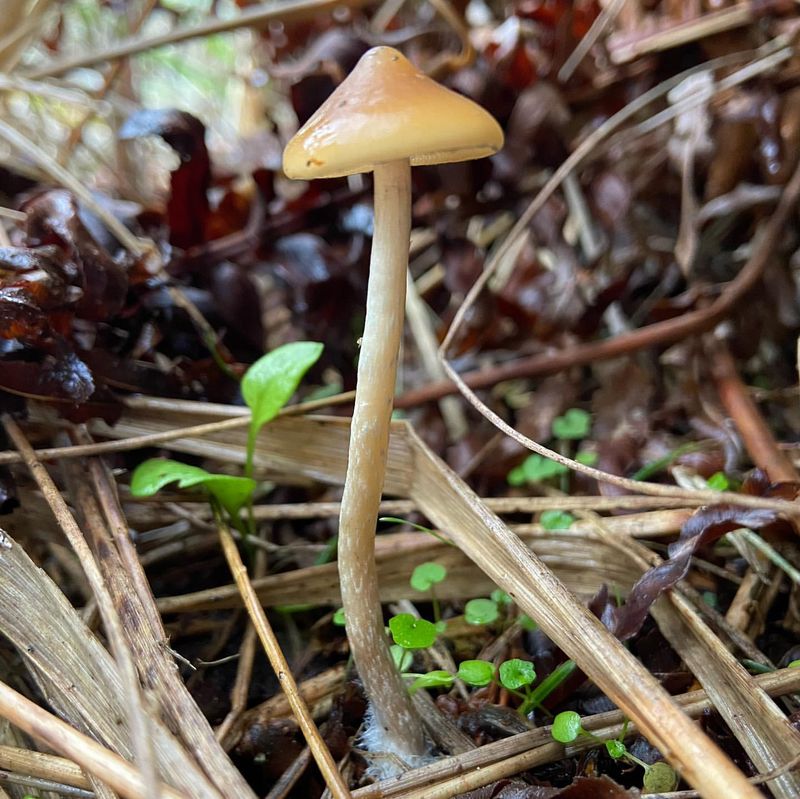
Psilocybin mushrooms, often sought for their psychoactive properties, are strictly regulated in Virginia. These fungi contain psilocybin, a Schedule I controlled substance under both federal and state law.
Cultivating, possessing, or distributing these mushrooms—even for personal use—can result in serious legal consequences, including fines and potential imprisonment.
Law enforcement does not need to prove intent to use for prosecution; simply growing or maintaining these mushrooms is enough to trigger legal action.
Home mycology enthusiasts often underestimate the risk, particularly when experimenting with various species in private spaces.
Virginia authorities have the power to remove unlicensed mushroom cultivation setups and prosecute violations. Even small-scale home cultivation can be considered illegal.
For those interested in studying or using these fungi legally, licensed laboratories and educational programs are the only safe options. Homeowners are strongly advised to avoid growing any psilocybin-containing species.
By understanding and complying with these regulations, residents protect themselves from legal complications and help prevent uncontrolled spread of these regulated organisms.
Choosing legal alternatives for home mycology, such as non-psychoactive mushrooms, allows hobbyists to explore fungal cultivation safely while supporting education and research without violating the law.
6. Water Hyacinth
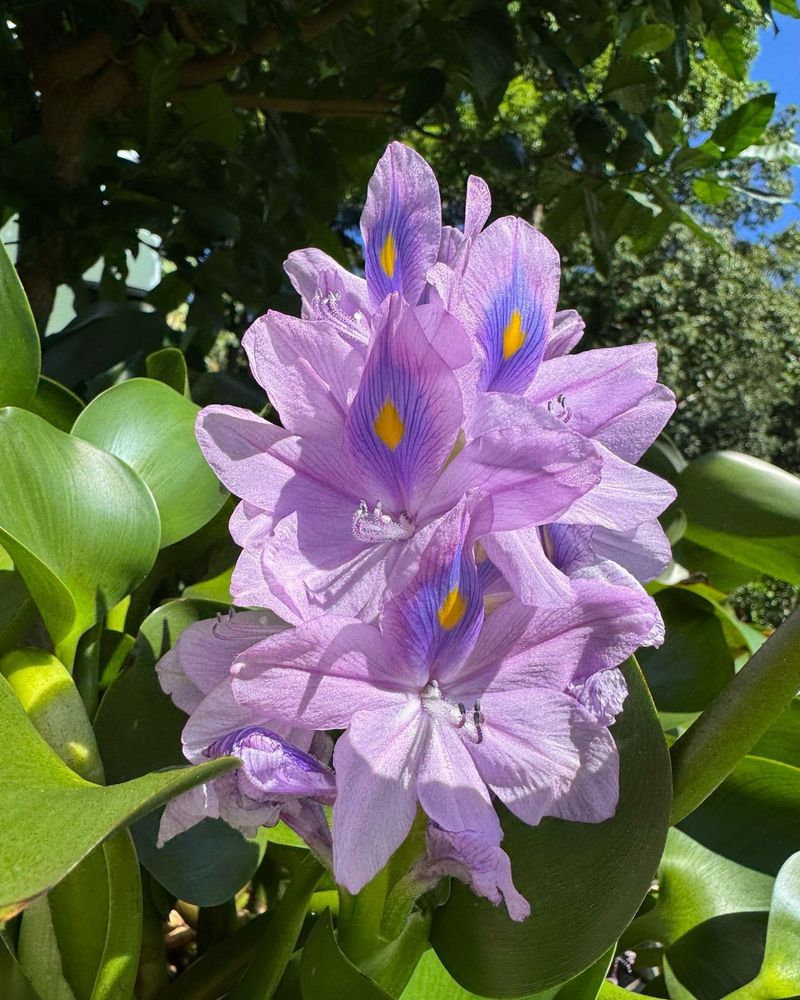
Water hyacinth, with its striking lavender flowers, is an invasive aquatic plant causing significant ecological disruption in Virginia waterways.
Its rapid growth allows a single plant to reproduce dozens of offspring in just one growing season, quickly covering ponds, lakes, and streams.
This dense growth blocks sunlight, reduces oxygen in water, and negatively affects native fish, amphibians, and invertebrates.
State regulations prohibit planting or introducing water hyacinth into natural waterways, and even backyard ponds connected to streams can inadvertently spread it.
Homeowners who cultivate this plant in water gardens risk violating these rules and may face fines or required removal. Flooding, wildlife movement, or water flow can transport the plant beyond controlled spaces, making prevention critical.
Controlling water hyacinth requires careful management, often involving professional guidance.
Virginia environmental agencies encourage replacing it with native aquatic plants, such as pickerelweed or arrowhead, which provide similar aesthetic appeal without the invasive consequences.
Public awareness about the plant’s rapid reproduction and environmental impact helps protect waterways, preserves native species, and maintains healthy aquatic ecosystems.
Responsible pond management ensures ornamental water features contribute positively to biodiversity rather than disrupting it.
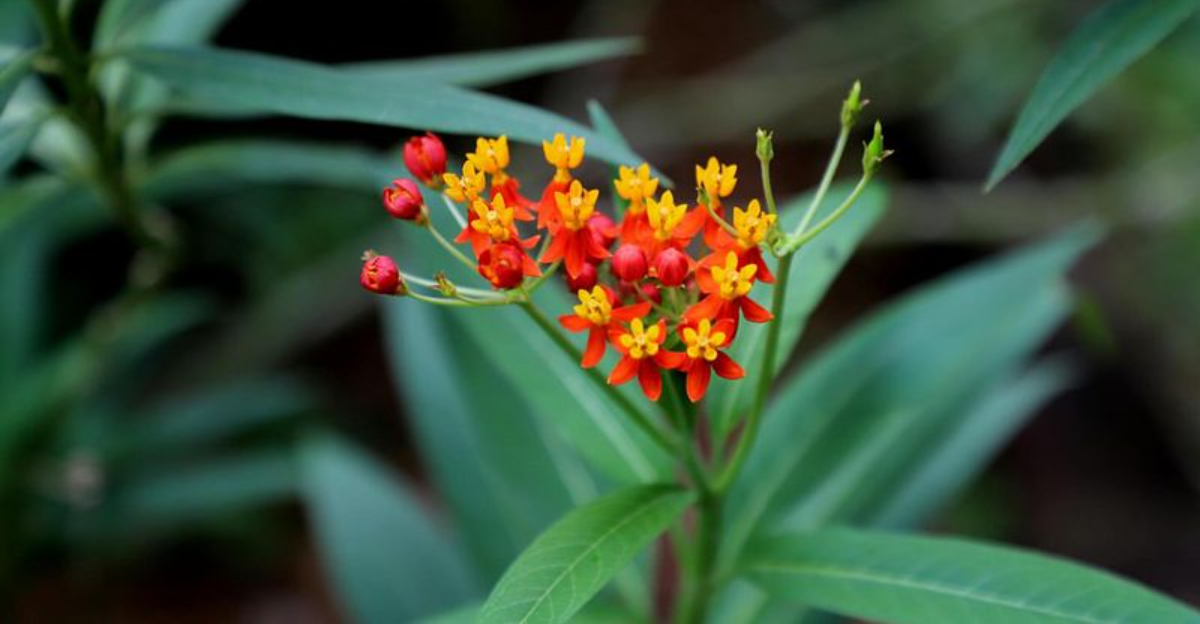
7. Tropical Milkweed
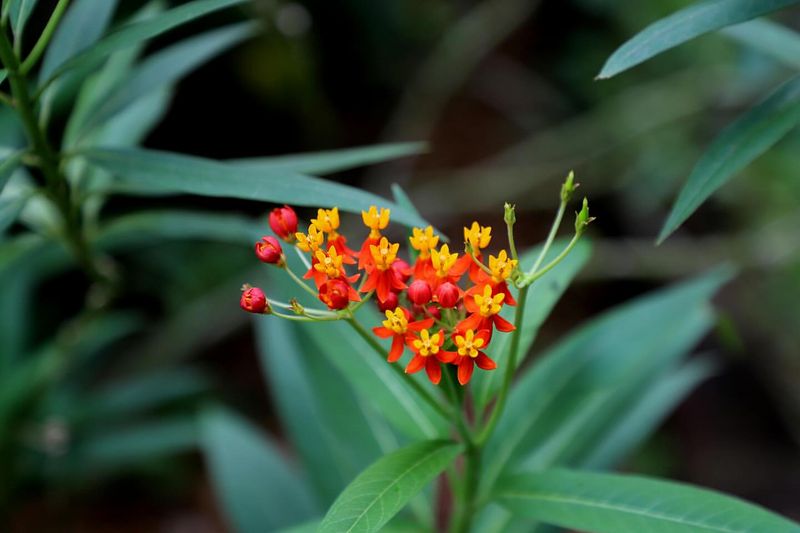
Tropical milkweed, or Asclepias curassavica, is a non-native plant that can disrupt monarch butterfly migration patterns in Virginia.
Unlike native milkweeds, tropical milkweed often remains green year-round, encouraging monarchs to breed outside their normal migratory season.
This can increase parasite loads in the butterfly population and interfere with their natural life cycle.
Because of these ecological impacts, several counties in Virginia now discourage or ban the planting of tropical milkweed. While it may attract pollinators, its unintended effects on monarch health and migration outweigh the benefits.
Homeowners should choose native milkweed species, such as swamp milkweed or common milkweed, which die back in winter, supporting natural monarch migration and reducing disease prevalence.
Planting native milkweed not only benefits monarchs but also supports other pollinators, including bees and native butterflies, by maintaining seasonal consistency in nectar sources.
Educating gardeners about the differences between native and non-native milkweed ensures responsible planting practices.
By adhering to these guidelines, Virginians help maintain monarch population health, protect natural migration patterns, and contribute to the long-term sustainability of pollinator networks across local ecosystems.
8. Callery Pear Trees
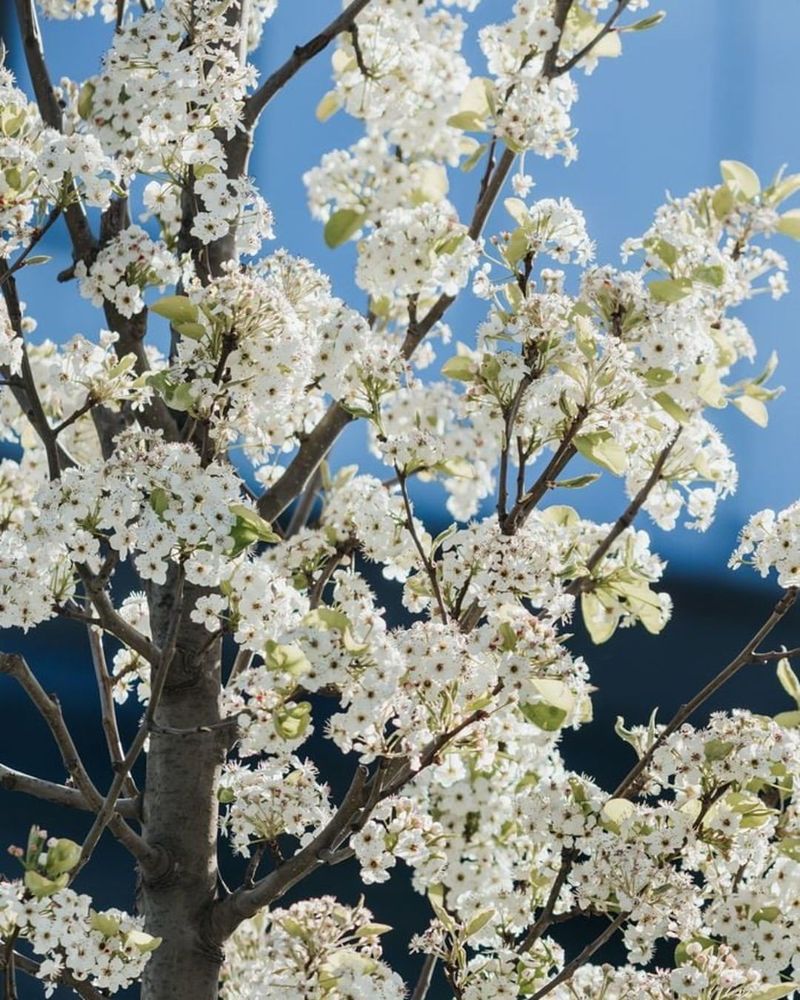
Callery pear trees, including Bradford varieties, were once popular for their rapid growth and spring blooms but have become a serious ecological concern in Virginia.
These trees cross-pollinate with other pears to produce viable seeds that birds disperse widely, creating dense thickets that crowd out native vegetation.
Weak branches and rapid growth make them susceptible to breakage during storms, further contributing to property and environmental management challenges.
Several Virginia counties now restrict or ban the sale and planting of new Callery pears, while existing trees may require monitoring or removal under local ordinances.
The trees’ ability to spread rapidly threatens native forests, reduces habitat for wildlife, and negatively affects biodiversity.
Homeowners seeking ornamental trees are encouraged to consider alternatives such as native redbud or serviceberry trees, which offer seasonal beauty, support pollinators, and remain compatible with local ecosystems.
By replacing invasive pears with native species, property owners contribute to healthier landscapes, enhance wildlife corridors, and prevent further ecological disruption.
Compliance with county restrictions also ensures that homeowners avoid penalties while fostering sustainable urban and suburban green spaces.
9. Japanese Barberry
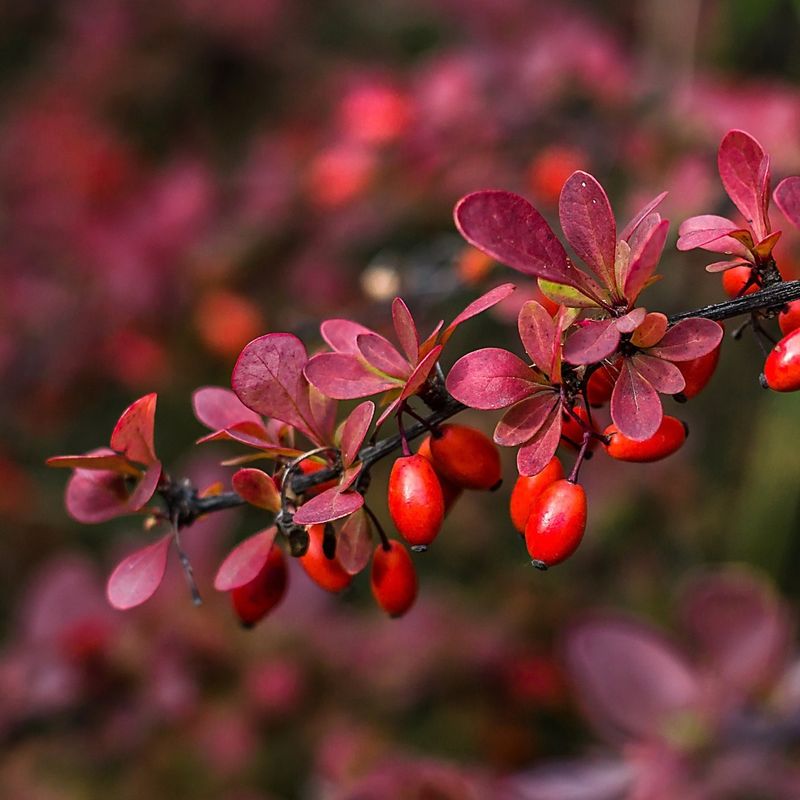
Japanese barberry is an ornamental shrub with red foliage that has become highly invasive in Virginia. While aesthetically appealing, it creates dense, humid microhabitats favored by ticks, increasing the risk of vector-borne diseases like Lyme disease.
The plant also outcompetes native understory species, reducing biodiversity and negatively affecting forest ecosystems.
Birds readily spread the berries, allowing the plant to colonize natural areas quickly. Many Virginia counties have banned the sale and planting of Japanese barberry to prevent further ecological harm.
Removal is challenging due to thorny stems and dense growth, often requiring protective equipment and careful management.
Homeowners with existing plantings are encouraged to replace barberry with native shrubs such as inkberry holly, spicebush, or bayberry, which provide similar landscaping functions without creating public health concerns or ecological disruption.
Educating the community about the risks associated with barberry promotes responsible planting choices.
By removing invasive barberry and substituting native alternatives, Virginia residents can improve local forest health, support native wildlife, and reduce tick habitats.
These actions help maintain balanced ecosystems while preserving the aesthetic benefits of well-planned home landscapes.