This Is Why Tomatoes Take Longer To Ripen In Michigan Gardens
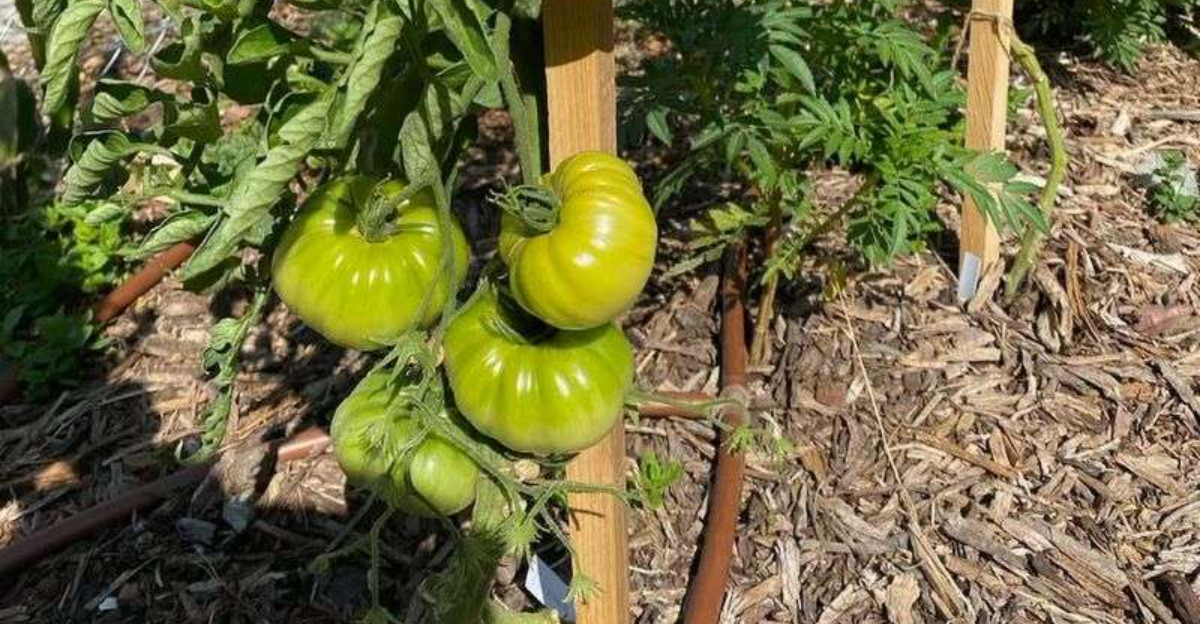
If you have ever stood in your Michigan garden staring at green tomatoes that seem to take forever, you are not alone. Warm days show up, vines look healthy, and everything feels on track, yet those fruits just sit there refusing to turn color.
It is easy to blame your variety or assume something went wrong, but Michigan weather plays a bigger role than most gardeners realize.
Cool nights, uneven heat, and sudden temperature swings slow down the natural ripening process even when plants look strong. Add in cloudy stretches and soil that holds moisture longer, and the wait can feel endless. The good news is that this delay is not random.
Once you understand what is happening behind the scenes, you can make small changes that help tomatoes move along faster and more evenly. If you are tired of waiting and want ripe fruit sooner, this insight changes everything.
Cool Spring Temperatures Delay Early Growth
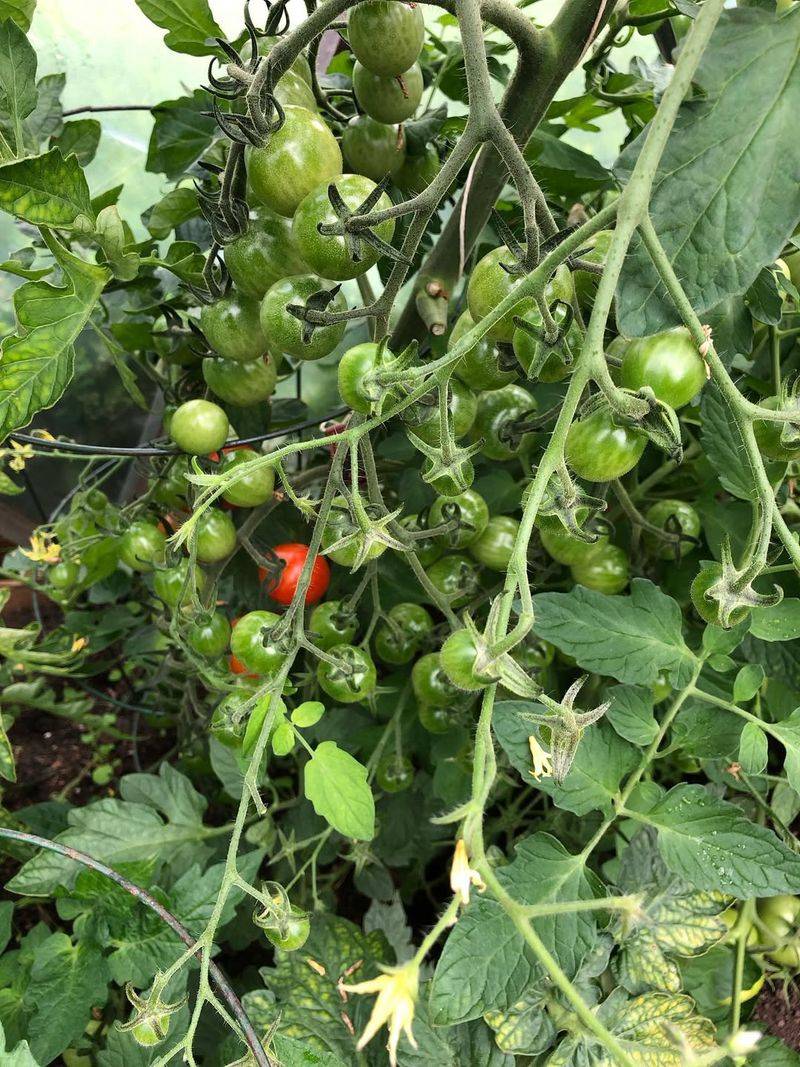
Michigan springs arrive late and warm up slowly. Tomato plants basically sit still when temperatures hover below 65 degrees. Their metabolic processes slow down dramatically, meaning less energy goes toward fruit development.
Cold air affects every aspect of plant function. Photosynthesis decreases significantly in chilly conditions. The enzymes responsible for converting starches to sugars work inefficiently when it’s cold outside.
Your transplants might look healthy but they’re not progressing. Growth stalls until consistent warmth arrives, usually not until late May or early June. This delayed start means your harvest timeline gets pushed back automatically.
Gardeners often transplant too early, eager to get started. Those plants just survive rather than thrive for weeks. Waiting until nighttime temperatures stay above 55 degrees consistently makes a huge difference.
Using protective measures helps somewhat but doesn’t solve everything. Row covers, cloches, and wall-o-water devices trap some heat.
However, they can’t fully compensate for Michigan’s naturally cool spring pattern that persists well into what should be growing season.
Shorter Growing Season Limits Heat Accumulation
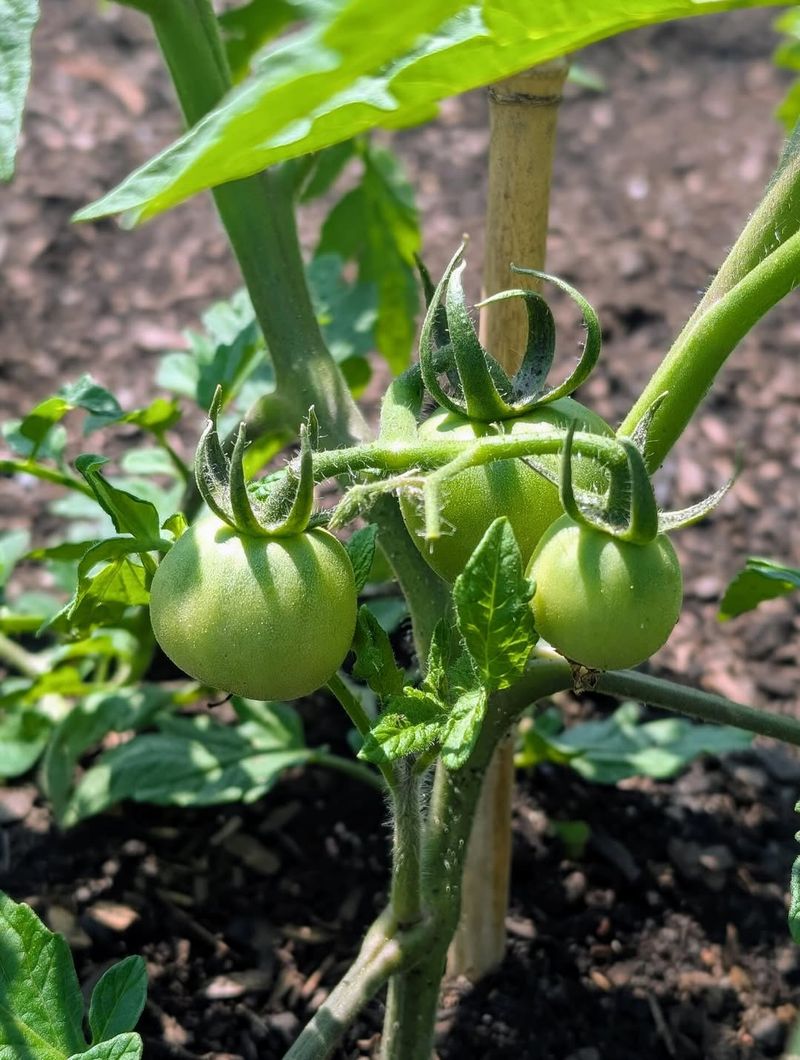
Northern states face a fundamental time constraint. Michigan’s frost-free period typically spans just 120 to 150 days depending on location. Tomatoes need accumulated warmth over time, not just a few hot days here and there.
Heat units matter more than individual warm days. Plants track cumulative temperature exposure throughout their growing cycle. Each degree above 50 adds to their development account, moving them closer to ripening.
Southern Michigan gets more growing days than northern regions. The Upper Peninsula struggles most with abbreviated seasons. Gardeners there often see first frost before their tomatoes finish ripening completely.
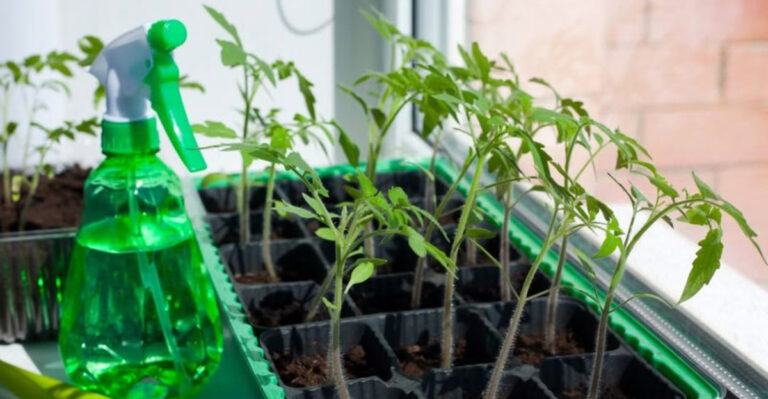
Starting seeds indoors extends your effective season somewhat. Transplanting mature seedlings gives you a six-week head start. Still, you’re working within tight biological and meteorological constraints that can’t be fully overcome.
Fall arrives quickly in Michigan, sometimes catching gardeners off guard. September nights turn cool suddenly, stopping ripening progress right when you’re expecting harvest.
This compressed timeline means every warm day counts double for Michigan tomato growers trying to beat the calendar.
Insufficient Sunlight Reduces Photosynthesis Efficiency
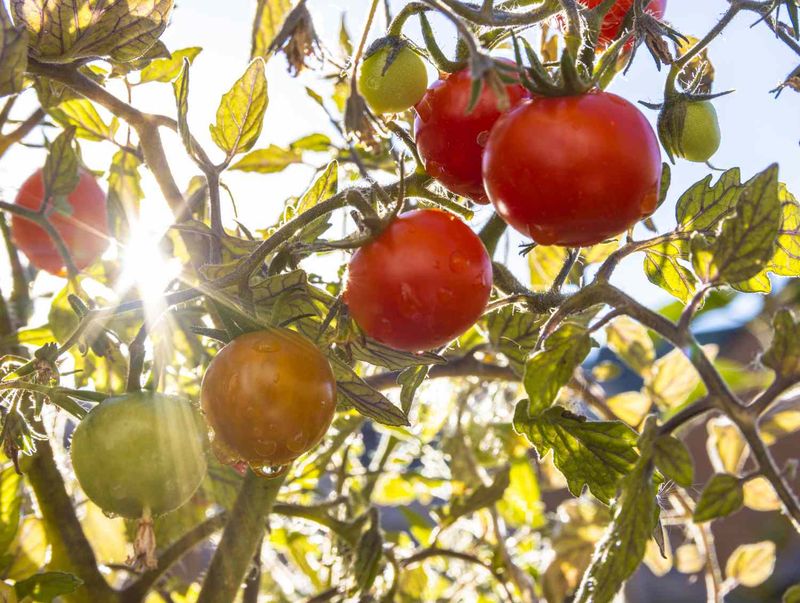
Cloudy conditions plague Michigan springs and early summers regularly. Tomatoes are sun-worshippers that need direct light for six to eight hours minimum. Overcast skies reduce the energy available for fruit development substantially.
Your Michigan Garden Changes Every Week. Your Plan Should Too.
Gardening in Michigan changes quickly throughout the season. Every Friday you’ll receive a simple weekly plan showing exactly what to plant, prune, fertilize, harvest, and protect so you never miss the right timing.
Photosynthesis powers everything a plant does, including ripening. Less sunlight means fewer sugars produced in the leaves. Those sugars fuel the chemical changes that turn green tomatoes red and develop their characteristic flavor.
Great Lakes weather patterns bring frequent cloud cover. Moisture from the lakes creates atmospheric conditions that block sunlight. Your garden might receive only partial sun even on days that seem reasonably bright.
Strategic placement makes a real difference in light exposure. South-facing locations against reflective surfaces capture maximum available light. Pruning lower leaves and ensuring good spacing between plants improves light penetration to developing fruit.
Some Michigan gardeners use reflective mulches to bounce light upward. White or silver materials redirect available sunlight onto lower portions of plants.
This technique helps somewhat but can’t replace actual direct sunshine for optimal ripening speed and fruit quality.
Cool Night Temperatures Inhibit Color Development
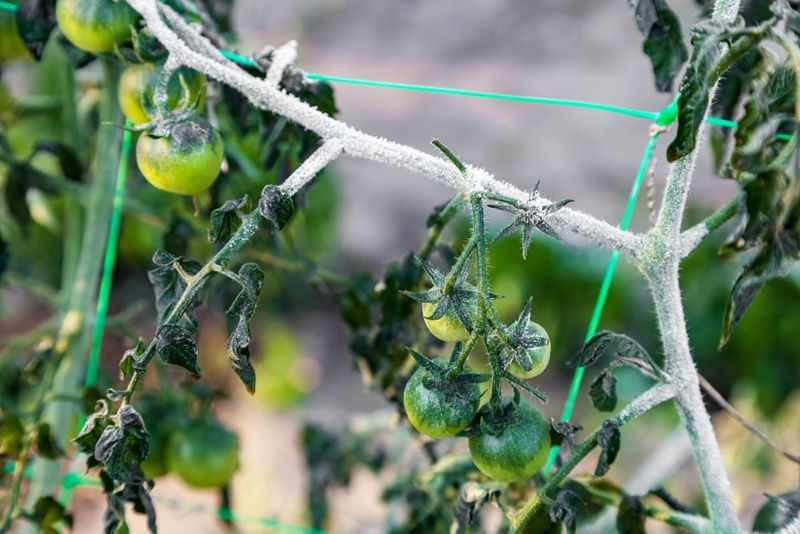
Nighttime warmth matters just as much as daytime heat. Temperatures dropping below 55 degrees halt the production of lycopene and carotene. These pigments give tomatoes their red and orange colors, and they simply won’t form in cold conditions.
Michigan nights stay surprisingly cool even during summer months. The temperature swing between day and night can be dramatic. Your thermometer might hit 80 during afternoon but plunge to 50 after sunset.
This nightly cooling disrupts the ripening enzyme activity. The chemical processes that break down chlorophyll and build color compounds require consistent warmth. Stop-and-start patterns extend the time needed for full ripening considerably.
Thermal mass helps moderate these temperature swings somewhat. Placing water jugs, stones, or bricks near plants absorbs daytime heat. They release that stored warmth gradually during cooler nights, creating a slightly more stable microclimate.
Row covers provide nighttime insulation when temperatures threaten to drop. Floating fabric traps plant-generated heat close to the foliage and fruit.
This simple strategy can maintain temperatures several degrees warmer than ambient air, keeping ripening processes active overnight.
Soil Temperatures Too Low For Optimal Root Function
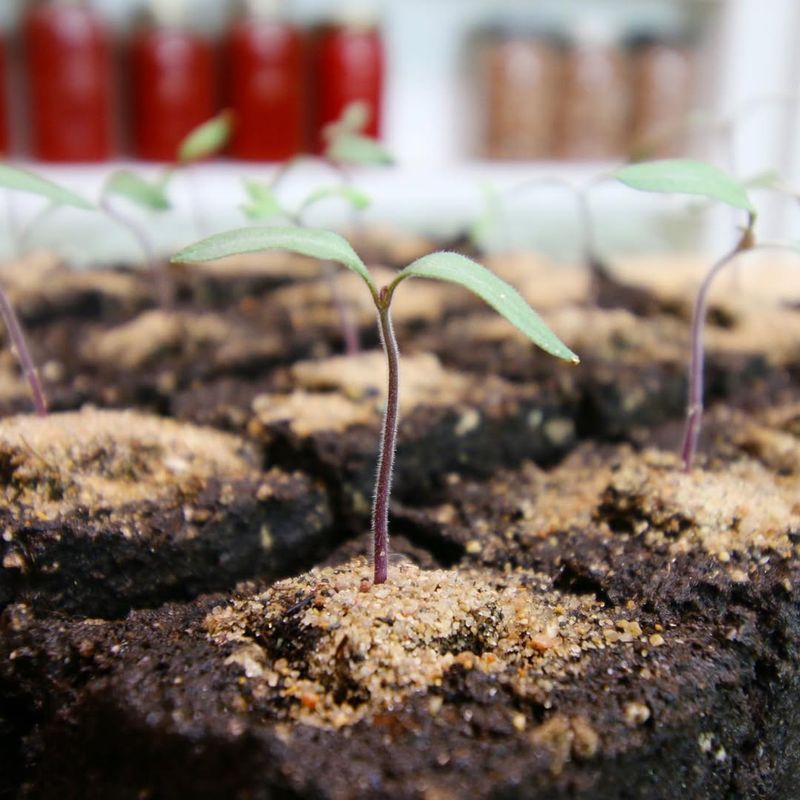
Cold ground creates problems you can’t see above surface. Tomato roots function best when soil reaches 60 to 70 degrees. Below that threshold, nutrient uptake slows dramatically, starving the plant of resources needed for fruit development.
Michigan soils warm slowly after winter’s deep freeze. Clay-heavy soils common in many areas retain cold even longer. Your air temperature might be perfect while the ground remains stubbornly chilly just inches down.
Root activity directly impacts fruit production and ripening speed. When roots can’t absorb phosphorus and potassium efficiently, fruit development suffers. These nutrients play crucial roles in flower formation and fruit maturation processes.
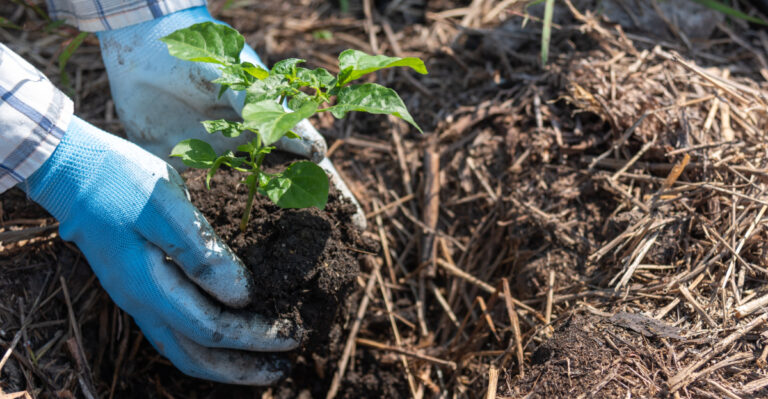
Black plastic mulch warms soil faster than bare ground. Laying it down two weeks before transplanting gives soil time to heat up. This simple technique can raise soil temperature by 5 to 10 degrees compared to uncovered beds.
Raised beds offer another advantage for Michigan tomato growers. Elevated soil warms earlier in spring and maintains higher temperatures.
The improved drainage also prevents waterlogging, which further chills soil and stresses plant roots throughout the growing season.
Variety Selection Mismatched To Climate Zone
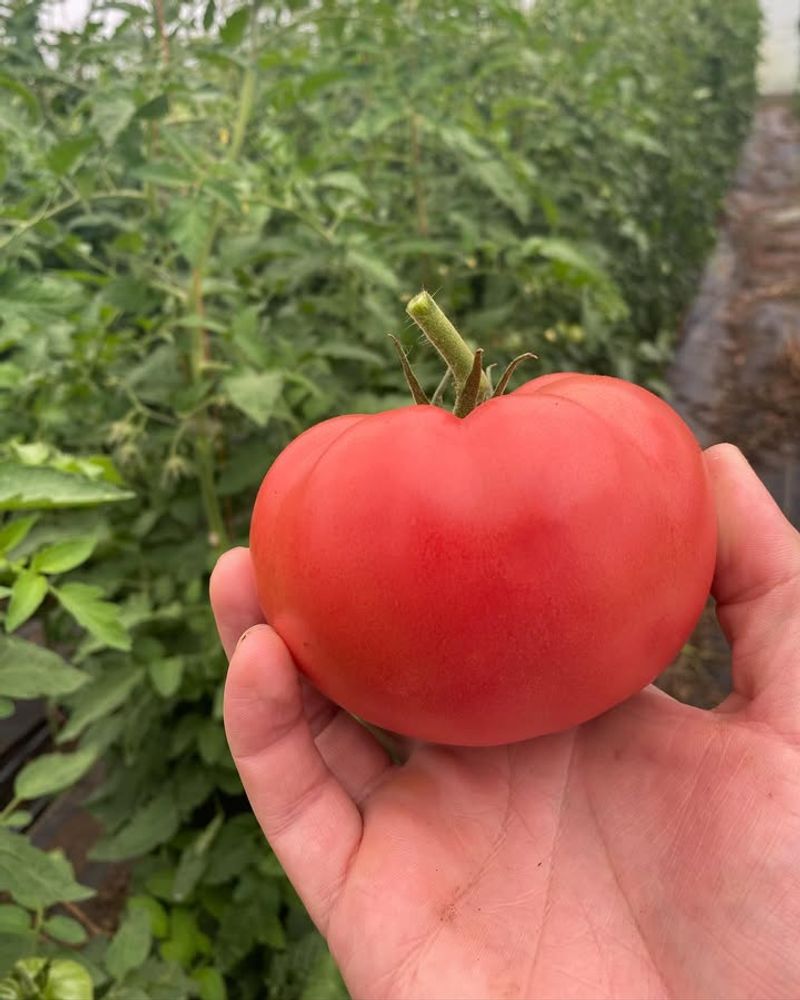
Choosing the wrong tomato variety guarantees disappointment in Michigan. Long-season heirlooms that need 85 days or more simply won’t finish ripening before frost arrives. Your beautiful plants might be loaded with green fruit when September cold hits.
Days-to-maturity listings tell you the expected timeline. This number counts from transplanting to first ripe fruit. Michigan gardeners need varieties in the 60 to 75 day range for reliable success.
Early Girl, Stupice, and Glacier perform consistently well here. These cultivars were bred specifically for shorter seasons and cooler climates. They set fruit reliably even when conditions aren’t perfect, unlike finicky long-season types.
Determinate varieties offer advantages in northern gardens too. They concentrate their energy on ripening a single crop rather than producing continuously. This focused approach means more tomatoes actually reach maturity before frost threatens.
Reading variety descriptions carefully before purchasing saves frustration later. Look for terms like “early,” “short-season,” or “cold-tolerant” in descriptions.
Avoid anything labeled for southern gardens or requiring extended warm periods, as these simply aren’t suited to Michigan’s reality.
Excessive Nitrogen Fertilization Promotes Foliage Over Fruit
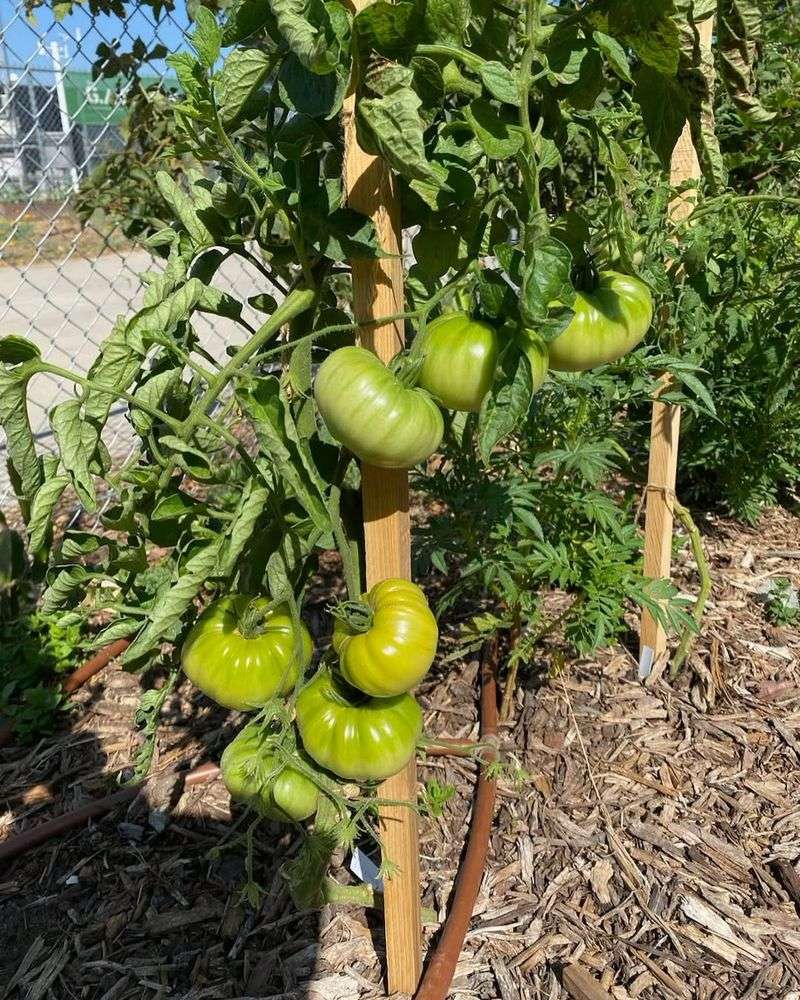
More fertilizer doesn’t equal more tomatoes or faster ripening. Heavy nitrogen applications create lush, dark green plants that put all their energy into leaves. Fruit production takes a back seat to vegetative growth when nitrogen levels run too high.
Michigan’s naturally rich soils often contain adequate nitrogen already. Adding more through fertilizers or compost can tip the balance. Your plants look impressively healthy but remain frustratingly unproductive for weeks.
Balanced fertilization focuses on phosphorus and potassium instead. These nutrients support flowering, fruit set, and ripening processes. A 5-10-10 ratio works better than high-nitrogen formulations for established tomato plants.
Recognizing over-fertilization helps you correct course quickly. Thick stems, curled leaves, and excessive branching with few flowers signal too much nitrogen. Flushing soil with water and withholding fertilizer allows plants to rebalance their growth patterns.
Side-dressing with compost provides gentler nutrition than synthetic fertilizers. The slow-release nature prevents the boom-and-bust cycles that delay fruiting.
Applying a thin layer mid-season supports continued production without pushing excessive leaf growth that diverts energy from ripening tomatoes.
Inconsistent Watering Creates Development Stress
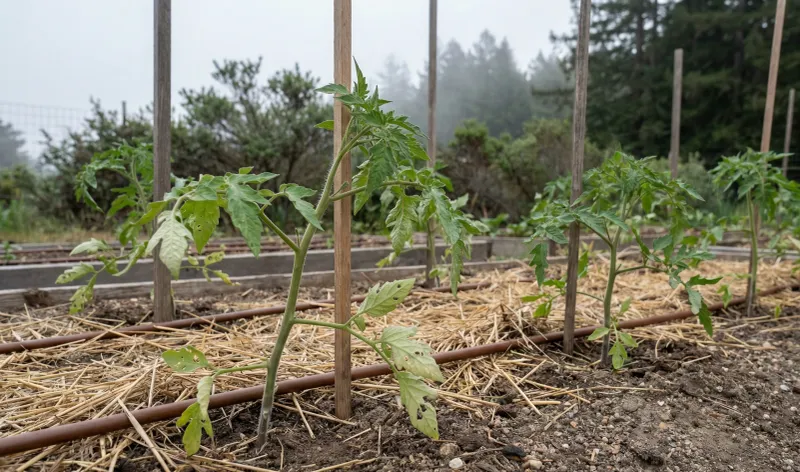
Water availability affects ripening speed more than most gardeners realize. Fluctuating moisture levels stress plants, causing them to prioritize survival over fruit development.
Michigan’s pattern of spring rains followed by summer dry spells creates exactly this problematic inconsistency.
Tomatoes need steady, moderate moisture throughout their growing cycle. Too much water dilutes flavor and splits ripening fruit. Too little causes blossom end rot and slows sugar development. Finding the right balance requires attention and adjustment.
Deep, infrequent watering encourages strong root systems. Shallow, frequent sprinkling keeps roots near the surface where they’re vulnerable. Aim for one to two inches weekly, delivered in one or two sessions rather than daily sprinkles.
Mulching conserves soil moisture and moderates fluctuations beautifully. A three to four inch layer of straw or shredded leaves reduces evaporation.
This buffer helps maintain consistent moisture even when rain patterns become erratic or temperatures spike unexpectedly. Drip irrigation or soaker hoses provide the most consistent watering method.
These systems deliver water directly to root zones without wetting foliage. Consistent moisture levels help fruits develop and ripen on schedule rather than experiencing stress-induced delays that extend harvest timing considerably.