These Plants Grow Surprisingly Well In Michigan Backyards
Look around a Michigan backyard and you might assume only cold hardy basics can survive there. The surprise is that many plants thrive in this climate when given the right start.
From fast growing vegetables to colorful flowers and even a few unexpected favorites, Michigan gardens can handle more variety than most people think.
Cool nights, rich soil, and long summer days actually work in your favor once you understand how to use them. Instead of fighting the weather, smart gardeners choose plants that match these conditions and grow with less effort.
The result is stronger growth, better harvests, and fewer struggles along the way. If you have ever felt limited by Michigan weather, it might be time to rethink what is possible in your own yard.
Some of these plants might surprise you more than anything else this season.
1. Black-Eyed Susan (Rudbeckia Hirta)
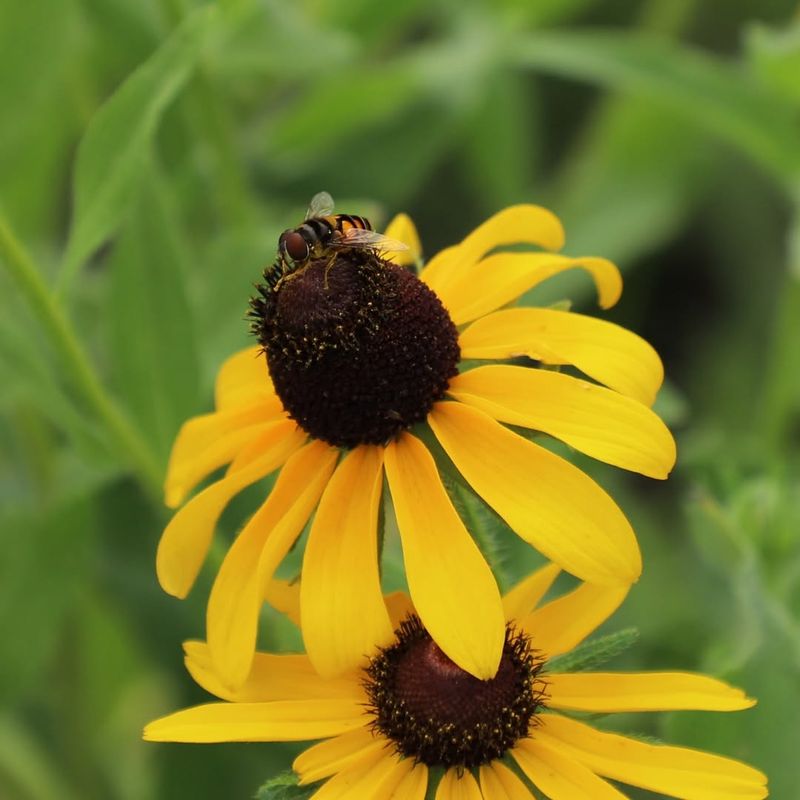
Bright golden petals surrounding dark chocolate centers make this wildflower instantly recognizable. Black-eyed Susans bring cheerful color to Michigan gardens from June through October. Their sunny disposition matches their growing requirements perfectly.
These native beauties handle Michigan’s temperature swings with remarkable grace. Summer heat doesn’t faze them one bit. Cold snaps in spring barely slow their growth.
Plant them in spots receiving six hours of daily sunshine. Well-drained soil keeps their roots healthy and happy. Clay or sandy conditions work equally well for these adaptable flowers.
Butterflies and bees flock to their nectar-rich blooms throughout summer months. Goldfinches enjoy snacking on seedheads during fall and winter. Your garden becomes a wildlife haven without extra effort.
Established plants tolerate drought conditions remarkably well once their roots settle in. Water newly planted specimens regularly during their first growing season. Afterward, rainfall typically provides sufficient moisture for continued blooming.
Divide crowded clumps every three years to maintain vigorous flowering displays. Spring or fall work equally well for this simple task. Share divisions with neighbors to spread this Michigan-friendly plant around your community.
2. Hostas (Hosta Spp.)
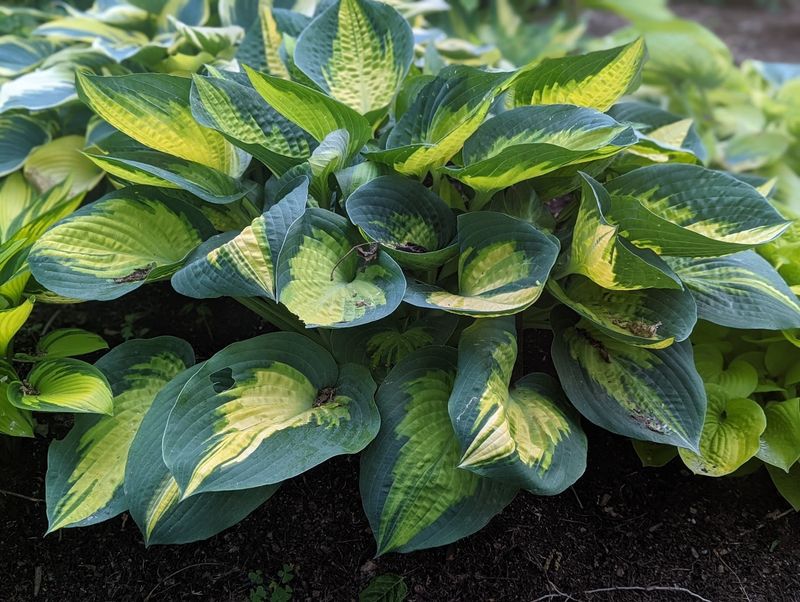
Shade gardening becomes effortless when you discover hostas’ incredible versatility and toughness. These leafy perennials transform dark corners into stunning focal points. Michigan’s cooler temperatures suit them perfectly for decades of reliable performance.
Leaf colors range from deep forest green to chartreuse yellow. Variegated patterns add artistic flair to shaded spaces. Some varieties feature blue-tinted foliage that catches every eye.
Northern Michigan gardeners particularly appreciate hostas’ cold tolerance and shade preference. Mature trees create ideal conditions for these woodland wonders. Southern Michigan yards benefit equally from their low-maintenance nature.
Plant them beneath deciduous trees where spring sunshine reaches emerging foliage. Summer shade protects leaves from scorching during hot spells. Morning sun with afternoon shade creates optimal growing conditions.
Slugs occasionally nibble hosta leaves during wet spring weather periods. Coarse mulch discourages these pests naturally without chemical treatments. Beer traps provide additional control when populations grow excessive.
Divide oversized clumps every five years to rejuvenate tired plantings. Spring division works best before new growth emerges fully. Fall division succeeds equally well after summer heat subsides completely.
Your Michigan Garden Changes Every Week. Your Plan Should Too.
Gardening in Michigan changes quickly throughout the season. Every Friday you’ll receive a simple weekly plan showing exactly what to plant, prune, fertilize, harvest, and protect so you never miss the right timing.
3. Daylilies (Hemerocallis Spp.)
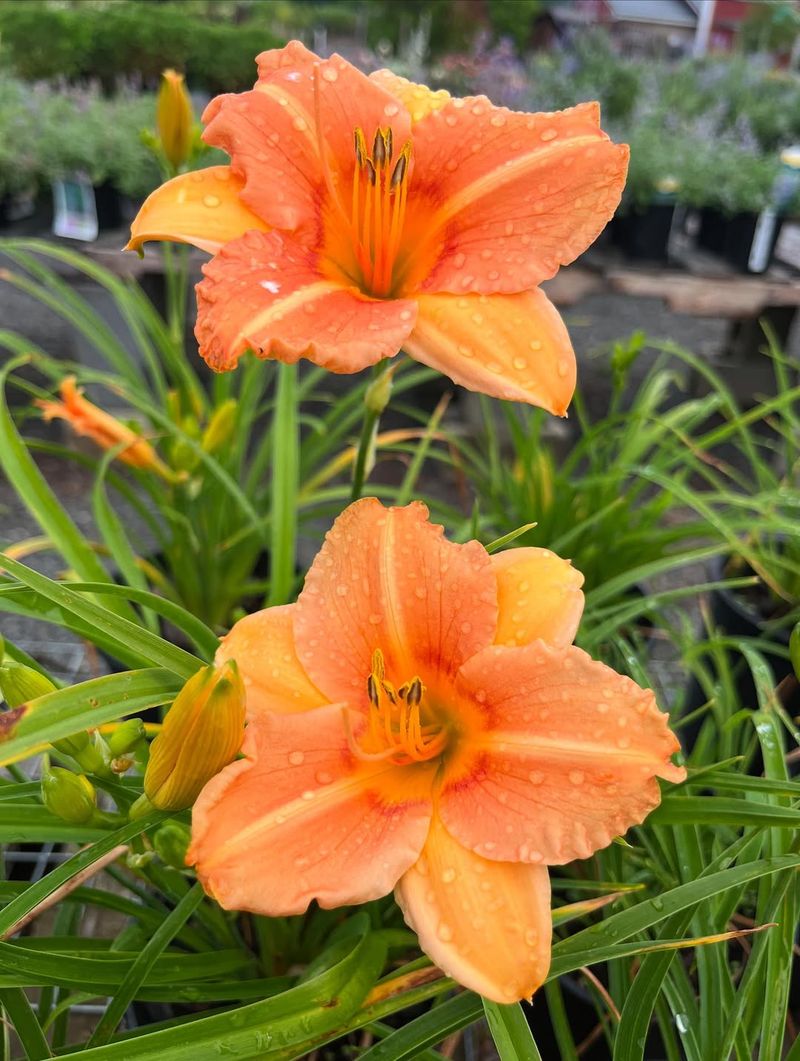
Each blossom lasts just one day, yet daylilies produce flowers continuously throughout summer. Their carefree nature makes them ideal for busy Michigan gardeners. Neglect actually seems to encourage better blooming in many cases.
Root systems tolerate clay soil that challenges other perennials significantly. Sandy conditions don’t bother them either with minimal amendments. pH levels rarely need adjustment for successful daylily cultivation.
Orange varieties bloom most reliably across Michigan’s diverse climate zones. Yellow cultivars follow closely behind in dependability and flower production. Purple and pink selections add exotic flair to traditional plantings.
Full sun locations produce the heaviest flowering displays each season. Partial shade reduces bloom quantity but plants still thrive happily. Six hours of direct sunlight ensures satisfactory performance overall.
Established clumps withstand summer drought without supplemental irrigation or special attention. Spring moisture from snowmelt provides sufficient water for initial growth. Occasional deep watering during extended dry spells encourages continued blooming.
Deer occasionally browse daylily foliage and buds in rural Michigan settings. Fencing provides the most effective protection for prized plantings. Repellent sprays offer temporary solutions during peak browsing seasons.
4. Blueberry Bushes (Vaccinium Corymbosum)
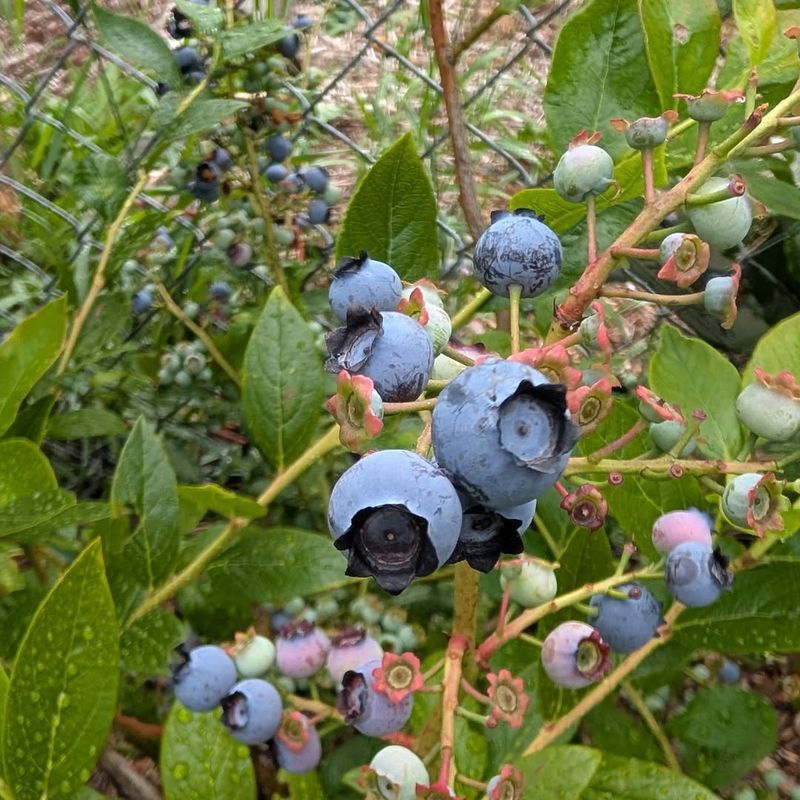
Fresh blueberries straight from your backyard taste infinitely better than store-bought versions. Michigan’s naturally acidic soils provide ideal conditions for these fruiting shrubs. Commercial blueberry farms throughout the state prove their excellent adaptation.
Lowbush and highbush varieties both perform admirably in Michigan landscapes. Highbush types reach four to six feet tall at maturity. Lowbush selections stay compact for smaller garden spaces.
Soil pH between 4.5 and 5.5 creates optimal growing conditions. Test your soil before planting to determine amendment needs. Sulfur applications lower pH levels when necessary for success.
Plant at least two different varieties to ensure proper cross-pollination. Overlapping bloom times increase fruit set dramatically each spring. Three bushes provide enough berries for fresh eating and preserving.
Mulch heavily with pine needles or wood chips to maintain soil acidity. Organic mulches conserve moisture and suppress weed growth effectively. Replenish mulch layers annually each spring or fall.
Birds compete enthusiastically for ripe berries during harvest season. Netting protects crops without harming feathered visitors to your yard. Share some berries with wildlife while reserving plenty for yourself.
5. Coneflowers (Echinacea Purpurea)
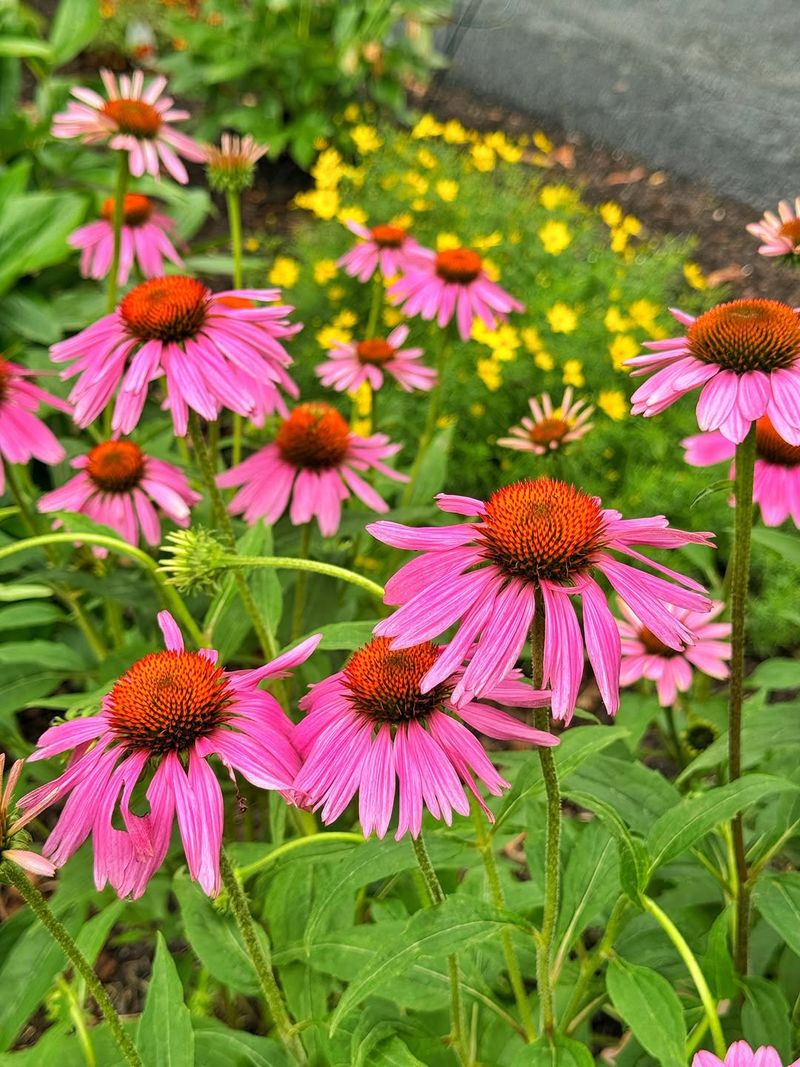
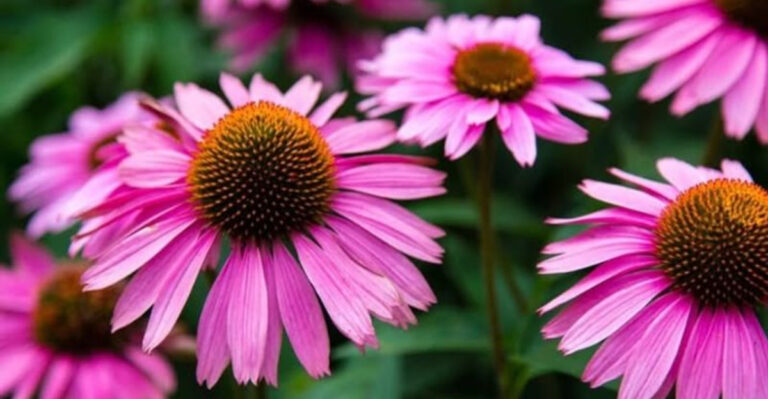
Purple coneflowers bring prairie toughness to Michigan gardens with stunning results. Their daisy-like blooms feature drooping petals surrounding spiky orange centers. Pollinators visit these flowers constantly from July through September.
Native to North American prairies, coneflowers handle Michigan weather extremes effortlessly. Winter cold rarely damages their hardy root systems. Summer heat and humidity don’t diminish their flowering enthusiasm.
Pink, white, and orange cultivars expand color options beyond traditional purple. Double-flowered varieties add ruffled texture to garden borders. Dwarf selections suit container plantings and small space gardens.
Full sun exposure produces the sturdiest stems and most abundant blooms. Poor soil doesn’t discourage these resilient perennials from thriving. Clay, sand, or loam all support healthy coneflower growth.
Established plants survive weeks without rainfall once roots penetrate deeply. New transplants need regular watering during their first summer season. Afterward, natural precipitation sustains them through normal growing conditions.
Seedheads left standing through winter provide food for hungry songbirds. Goldfinches particularly enjoy extracting seeds from dried cones. Spring cleanup becomes the only necessary maintenance for these carefree plants.
6. Day-Neutral Strawberries (Fragaria × Ananassa)
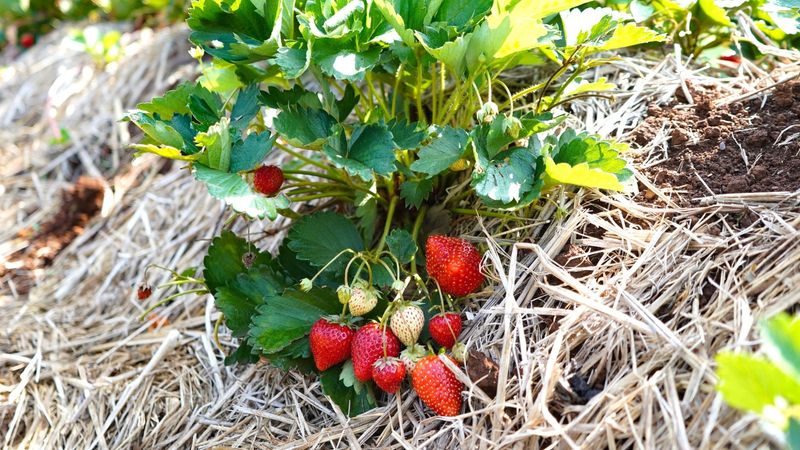
Traditional June-bearing strawberries produce one large crop then stop for the year. Day-neutral varieties keep producing sweet berries from June until frost arrives. This extended harvest makes them perfect for Michigan home gardens.
Compact plants fit easily into raised beds or container gardens. Ground-level plantings work equally well with proper soil preparation. Vertical towers maximize production in limited space situations.
Plant strawberries in locations receiving eight hours of direct sunlight daily. Rich, well-draining soil amended with compost encourages vigorous growth. Slightly acidic pH levels between 5.5 and 6.5 prove ideal.
Remove flowers during the first six weeks after spring planting. This practice strengthens root systems for better long-term production. Subsequent flowers develop into delicious berries throughout the growing season.
Consistent moisture keeps berries plump and flavorful during hot summer months. Drip irrigation or soaker hoses deliver water directly to root zones. Mulch conserves soil moisture and keeps ripening fruit clean.
Replace strawberry plantings every three years to maintain peak productivity levels. Runners from existing plants provide free replacement stock annually. Pot up runners in late summer for spring transplanting.
7. Hellebores (Helleborus Spp.)
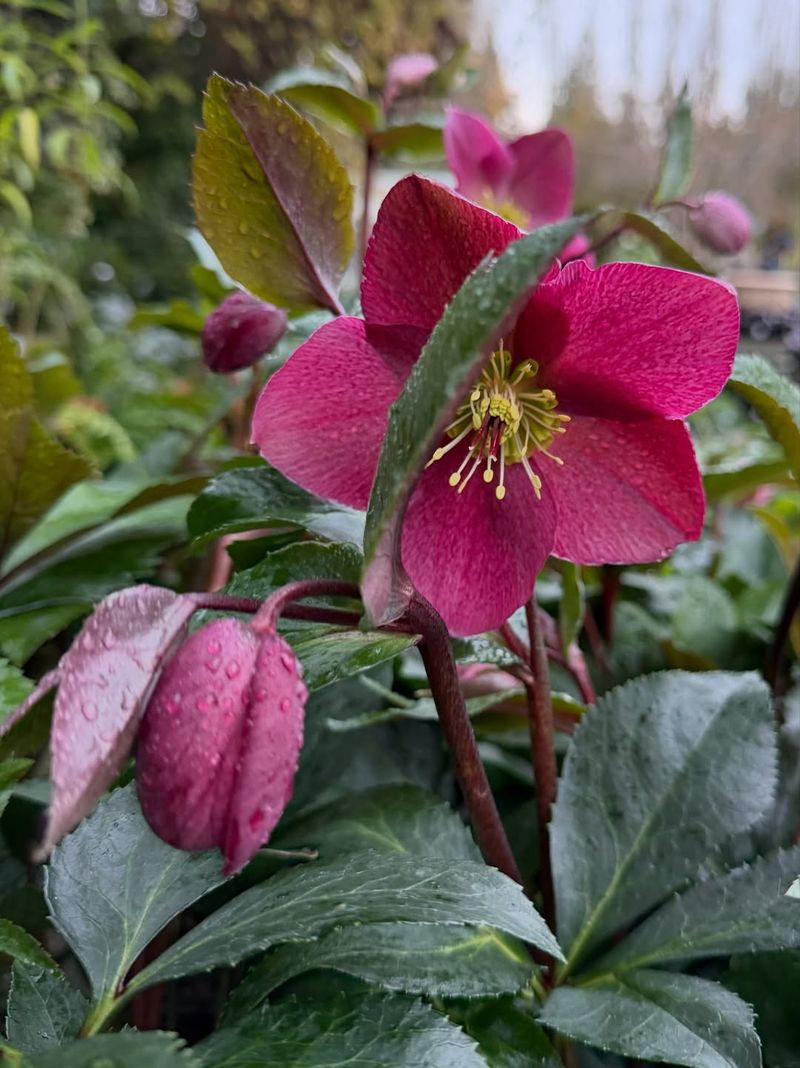
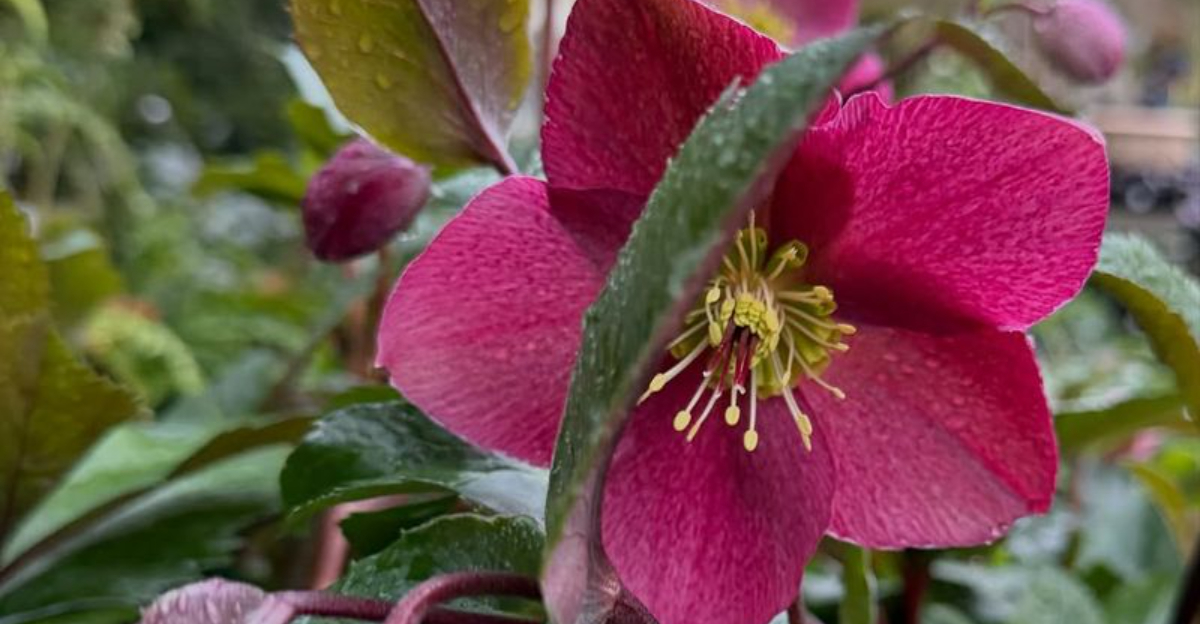
Flowers appearing in March seem almost magical after Michigan’s long winter months. Hellebores bloom while snow still covers parts of the garden. Their evergreen foliage provides year-round interest in shaded locations.
Leathery leaves resist browsing from deer and rabbits effectively. This makes hellebores valuable for rural Michigan properties with wildlife. Shade gardens often struggle with animal damage that hellebores avoid.
White, pink, purple, and green flowers nod gracefully on sturdy stems. Single and double forms offer varied textures for woodland gardens. Spotted and picotee patterns add intricate detail to individual blooms.
Plant hellebores beneath deciduous trees or on the north side of buildings. Dappled shade creates ideal growing conditions for these woodland natives. Morning sun with afternoon shade works perfectly too.
Established plants tolerate dry shade better than most perennials can manage. Their deep roots access moisture unavailable to shallow-rooted competitors. Supplemental watering during extreme drought benefits flowering performance.
Hellebores resent transplanting once their roots establish in a location. Choose planting sites carefully for these long-lived perennials. Patience pays off as plants slowly expand into impressive clumps.
8. American Holly (Ilex Opaca)
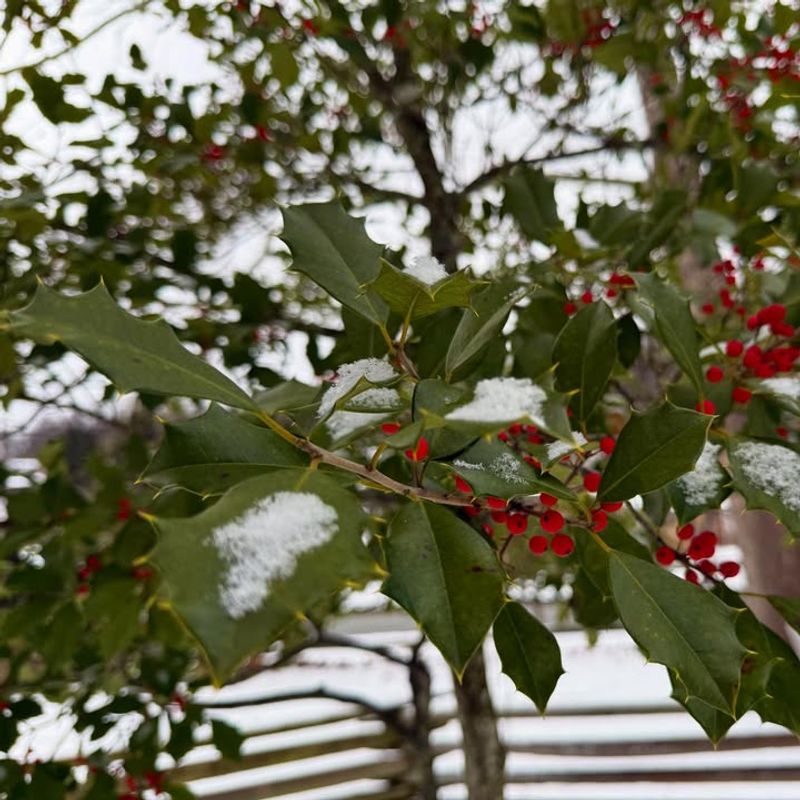
Evergreen foliage provides structure and color throughout Michigan’s bleak winter months. American holly brings traditional holiday cheer directly into your landscape. Native range extends surprisingly far north into Michigan’s lower peninsula.
Glossy dark green leaves feature characteristic spiny margins that deter browsing. Red berries appear on female plants during fall and persist through winter. Male plants nearby ensure berry production on female specimens.
Slow growth rate means American holly maintains manageable size for decades. Mature height reaches fifteen to thirty feet depending on growing conditions. Pruning shapes plants easily when desired for formal landscapes.
Full sun to partial shade both support healthy holly growth patterns. Well-drained acidic soil produces the most vigorous plants overall. Avoid planting in low spots where water collects after heavy rains.
Established hollies tolerate urban pollution and road salt reasonably well. This makes them suitable for front yard plantings near streets. Their durability suits Michigan’s challenging winter conditions perfectly.
Birds feast on holly berries during late winter when other food becomes scarce. Cedar waxwings and robins particularly appreciate this reliable food source. Your landscape supports wildlife while looking beautiful year-round.
9. Astilbe (Astilbe Spp.)
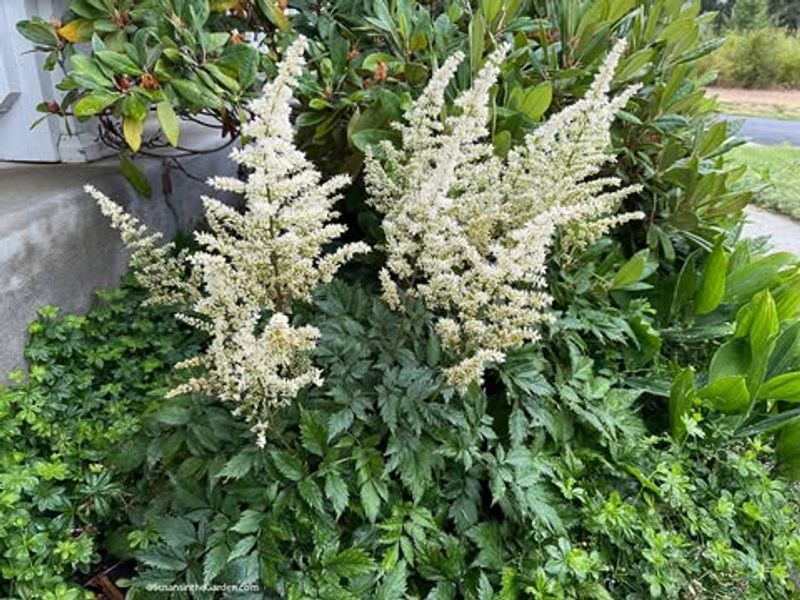
Feathery flower plumes rise above fern-like foliage in shaded Michigan gardens. Astilbes bring soft texture and romantic appeal to woodland settings. Their moisture-loving nature suits Michigan’s typically adequate rainfall patterns.
Pink, white, red, and lavender blooms appear from June through August. Early, midseason, and late varieties extend the flowering season considerably. Planting multiple types ensures continuous color for months.
Shade beneath deciduous trees creates perfect conditions for astilbe cultivation. Morning sun with afternoon shade produces the strongest flowering displays. Dense shade reduces bloom quantity but plants still grow attractively.
Consistently moist soil proves essential for astilbe success in gardens. Dry conditions cause leaf edges to brown and crisp unattractively. Mulch helps maintain even soil moisture throughout the growing season.
Divide crowded clumps every three to four years to rejuvenate plantings. Spring division before growth begins works best for quick establishment. Fall division succeeds when plants receive adequate water after transplanting.
Spent flower plumes fade to attractive bronze tones that persist through fall. Leave them standing for winter interest in the garden. Spring cleanup removes old growth before new shoots emerge.
10. Sedum Or Stonecrop (Sedum Spp.)
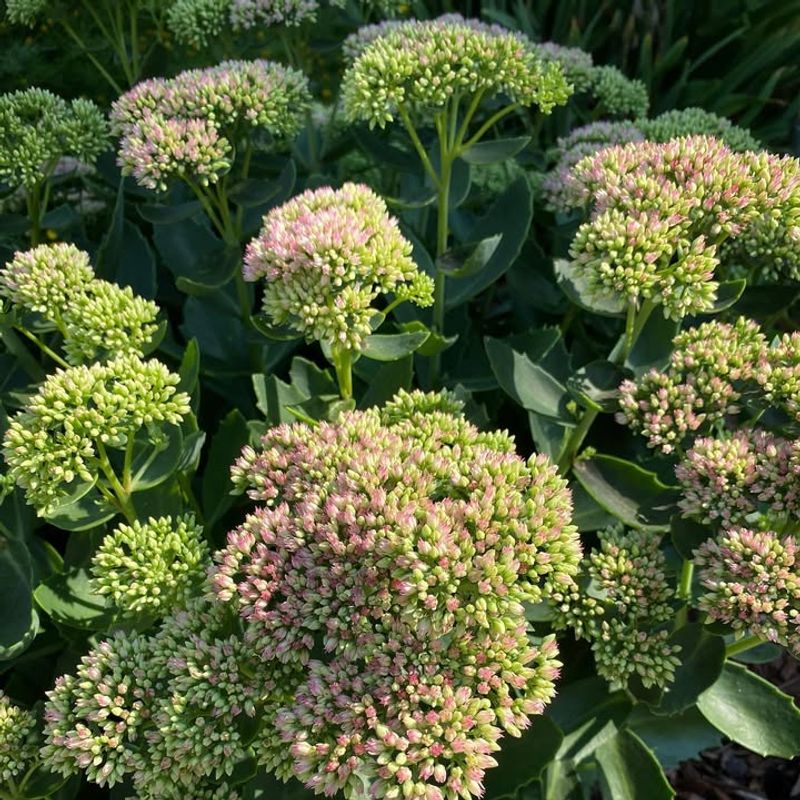
Succulent leaves store water for survival during extended dry spells. Sedums thrive where other perennials struggle with poor soil and neglect. Rock gardens and sunny borders showcase their architectural beauty perfectly.
Low-growing varieties spread between flagstones and over retaining walls beautifully. Upright types reach twelve to twenty-four inches tall with substantial presence. Both forms handle Michigan winters without protection or special care.
Pink, red, yellow, and white flowers attract butterflies during late summer. Bees visit blooms enthusiastically for nectar and pollen resources. Fall foliage often develops burgundy tints before frost arrives.
Full sun locations produce the most compact growth and heaviest flowering. Partial shade causes leggy growth and reduced bloom production. Six hours of direct sunlight ensures satisfactory performance overall.
Sandy or gravelly soil with excellent drainage suits sedums perfectly. Clay soil amended with gravel or coarse sand works adequately too. Avoid rich, moisture-retentive soil that encourages root rot problems.
Virtually maintenance-free once established in appropriate locations throughout your yard. No fertilizer, minimal water, and rare pest problems make sedums ideal. Spring cleanup involves removing any winter-damaged stems only.