The 10 Early Spring Perennials Ohio Gardeners Should Start From Seed In February
February is your secret weapon for a garden that wows this spring. You can start early spring perennials from seed now and get blooms while everyone else is still waiting.
Imagine columbine, foxglove, and hollyhock already growing strong on your windowsill, ready to take off as soon as soil thaws outside. Starting seeds indoors gives you thicker stems, deeper roots, and bigger flowers later on.
Skip this step, and your garden waits weeks longer to shine. Take action now and turn your Ohio garden into a riot of color before neighbors even plant theirs.
A little attention this month sets the stage for a garden full of life, vibrancy, and effortless beauty. Start smart, and you’ll enjoy stronger plants, earlier blooms, and a spring garden that makes all your hard work pay off.
February isn’t just winter – it’s your head start.
1. Coneflower Attracts Pollinators And Thrives In Ohio Heat
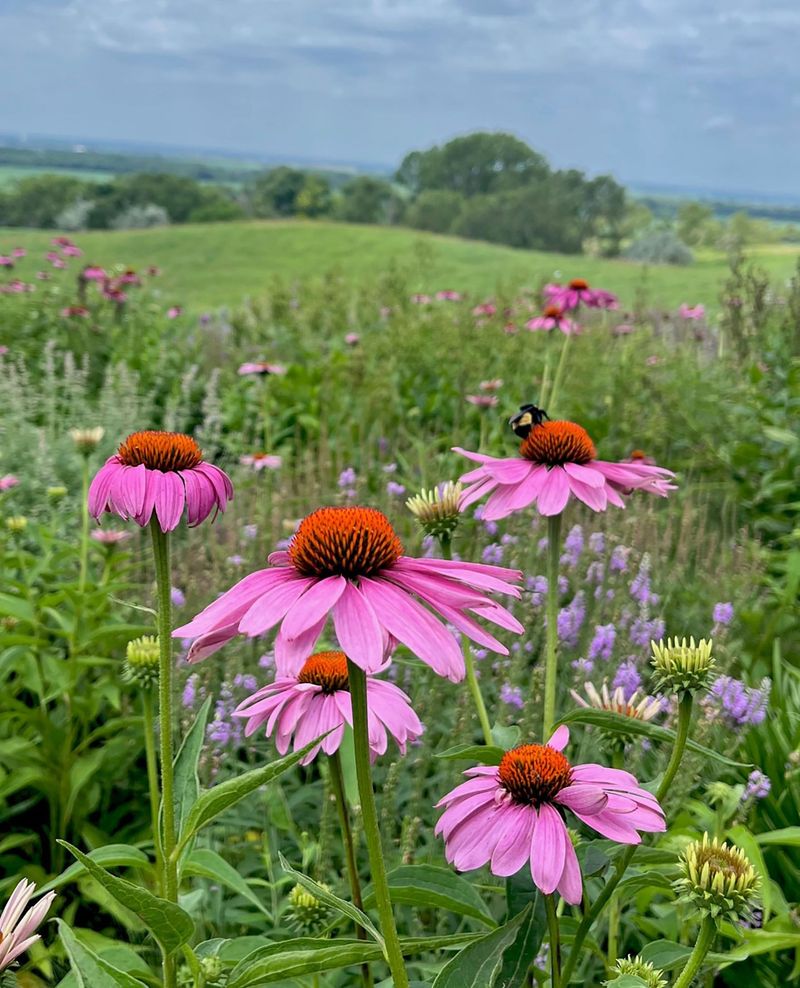
Your seed tray sits under the grow light, and after about ten days, you notice the first tiny green loops pushing through the soil. Coneflower seeds germinate best when surface sown or only lightly covered, so many Ohio gardeners simply press them gently into moist seed starting mix without covering them completely.
The basement stays cool in February, around 65 to 70 degrees, which works perfectly for these prairie natives.
Coneflowers handle Ohio’s summer heat better than most perennials, and starting them from seed in February means they’ll develop strong root systems before you transplant them outside after the last frost. In northern Ohio, that’s usually mid-May, while southern gardeners can often plant by late April.
Keep the soil consistently moist but not waterlogged, and watch for leggy seedlings, which means your lights need to sit closer to the trays.
Many gardeners make the mistake of starting coneflower seeds too warm or burying them too deep. You want bright light and moderate temperatures, not the tropical conditions some annuals prefer.
Within six to eight weeks, your seedlings will have several sets of true leaves and be ready for hardening off, that gradual introduction to outdoor conditions that prevents transplant shock.
2. Black Eyed Susan Brings Nonstop Sunshine To Spring Gardens
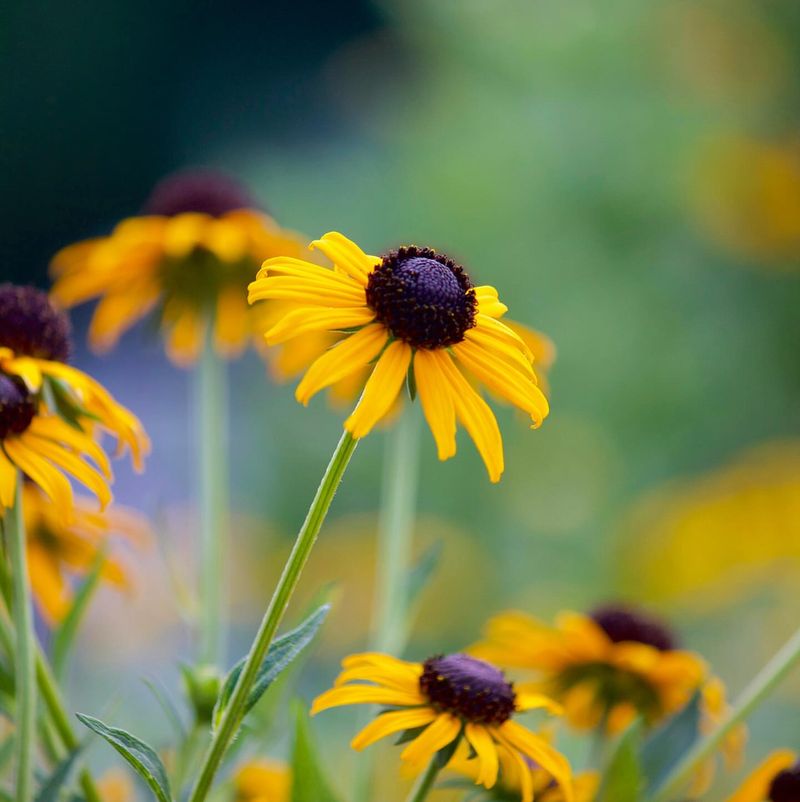
Walk past your windowsill in late February and you’ll see the first signs of life in your black eyed susan tray. These cheerful yellow flowers are Ohio natives, and they germinate quickly when you give them consistent moisture and temperatures around 70 degrees.
Some gardeners use a heat mat for the first week, then remove it once sprouts appear, letting the seedlings grow in cooler basement air.
Black eyed susans tolerate Ohio’s clay soil better than many perennials, and they bloom reliably from midsummer through fall once established. Starting them indoors in February gives them time to develop sturdy stems before facing spring winds.
Central Ohio gardeners usually transplant around May 10, while northern counties wait until Memorial Day weekend to avoid late frosts that can set back young plants.
The most common mistake is overwatering these seedlings. Black eyed susans prefer soil that dries slightly between waterings, and soggy conditions lead to damping off, that frustrating fungal problem that causes seedlings to collapse overnight.
Your Ohio Garden Changes Every Week. Your Plan Should Too.
Gardening in Ohio changes quickly throughout the season. Every Friday you’ll receive a simple weekly plan showing exactly what to plant, prune, fertilize, harvest, and protect so you never miss the right timing.
Use a fan to improve air circulation around your trays, and water from below when possible. Your seedlings will reward you with strong growth and fewer problems when you move them to the garden.
3. Shasta Daisy Creates Classic Spring Beauty With Bold White Blooms
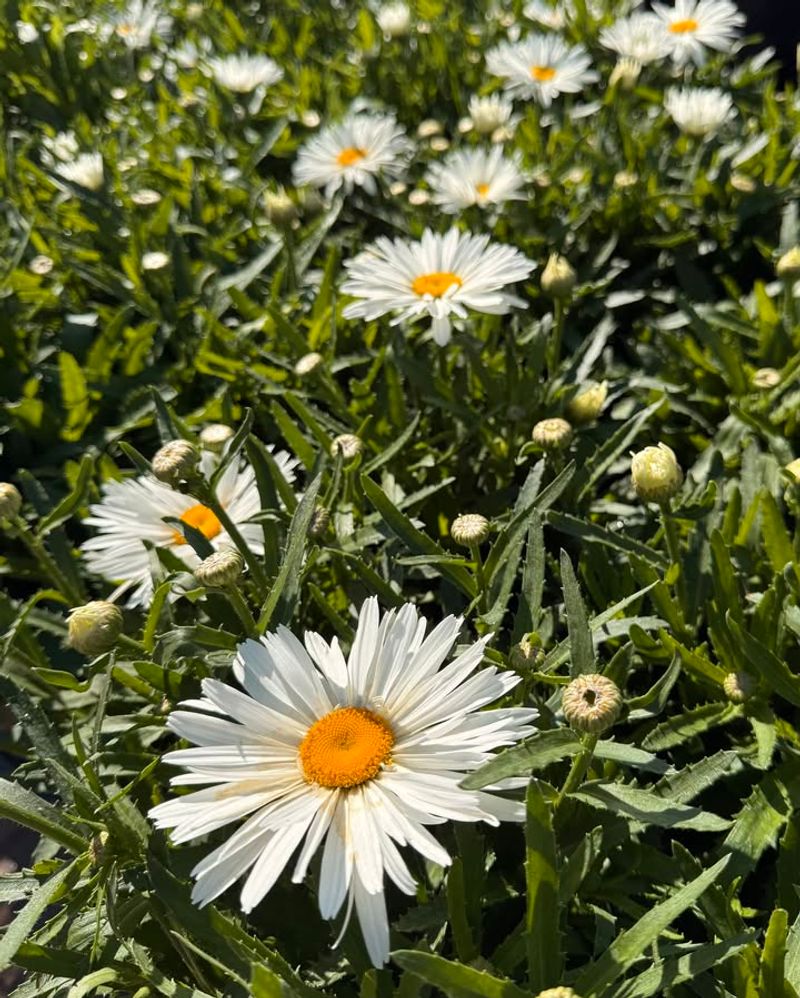
Shasta daisy seeds are tiny, almost dust-like, and many Ohio gardeners mix them with a bit of sand before sprinkling them over moist seed starting mix. These seeds can be surface sown or lightly covered with a thin layer of mix.
They germinate best with surface sowing or very light coverage, just like their coneflower cousins, and within two weeks you’ll see delicate green threads emerging from the soil surface.
These classic perennials prefer cooler germination temperatures than you might expect, around 65 to 68 degrees, which makes Ohio basements in February ideal. Keep your grow lights about three inches above the seedlings as they develop, raising them gradually to prevent stretching.
Shasta daisies grow quickly once established, and starting them now may produce some blooms by late summer, though heavier flowering usually begins in year two.
Northern Ohio gardeners should plan to harden off shasta daisy seedlings in mid-May, moving trays outside for a few hours each day and gradually increasing exposure. Southern counties can start this process in late April.
Watch for aphids on young seedlings, especially if you’re growing them near a sunny window. A gentle spray of water usually handles small infestations, and healthy seedlings bounce back quickly from minor pest pressure when they’re getting proper light and air circulation.
4. Agastache Fills Your Garden With Fragrance And Bee Activity
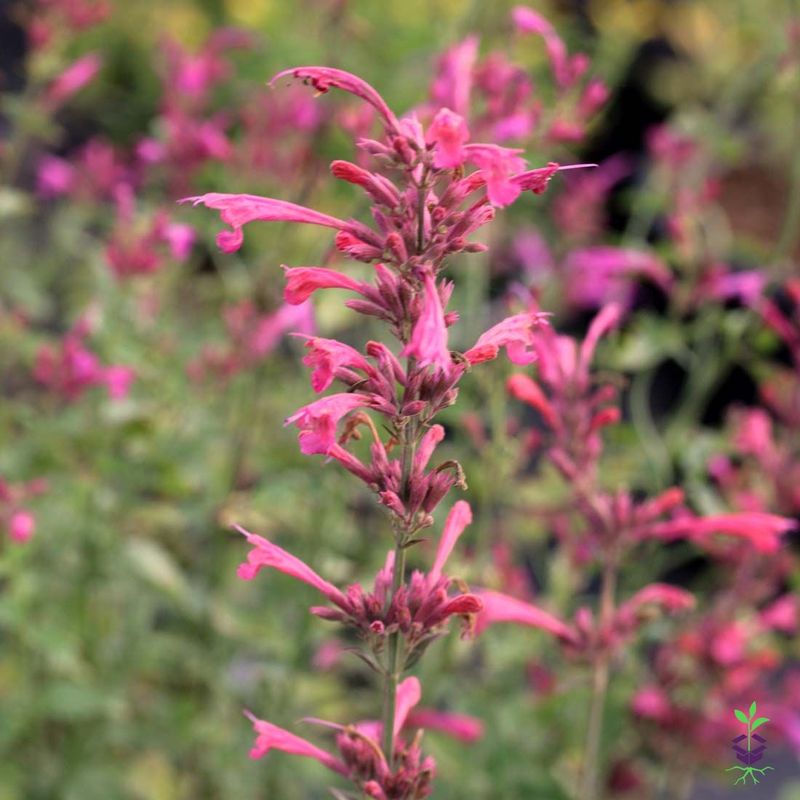
Brush your hand across the agastache seedlings on your basement shelf and the air fills with a sweet, minty fragrance that reminds you why this perennial is worth the wait. Agastache seeds germinate in about two weeks at 65 to 70 degrees, and the seedlings grow steadily once they develop their first true leaves.
These plants belong to the mint family, and even young seedlings show the characteristic square stems that identify their relatives.
Cold-hardy varieties like anise hyssop perform well in Ohio summers, especially in gardens with good drainage and full sun. Starting seeds in February gives plants time to establish strong roots before summer heat arrives.
Many gardeners in central Ohio transplant agastache in early May, while northern counties wait until after the last frost date. The seedlings tolerate light frost better than many perennials, but a hard freeze will damage tender growth.
The biggest mistake with agastache is using heavy, water-retentive soil for seedlings. Many agastache varieties evolved in drier climates, so they prefer soil that drains quickly.
Mix extra perlite into your seed starting blend, and water only when the top layer feels dry. Your seedlings will develop thick, sturdy stems instead of the weak, floppy growth that comes from too much moisture and not enough air movement around the plants.
5. Delphinium Delivers Towering Color That Steals The Spotlight
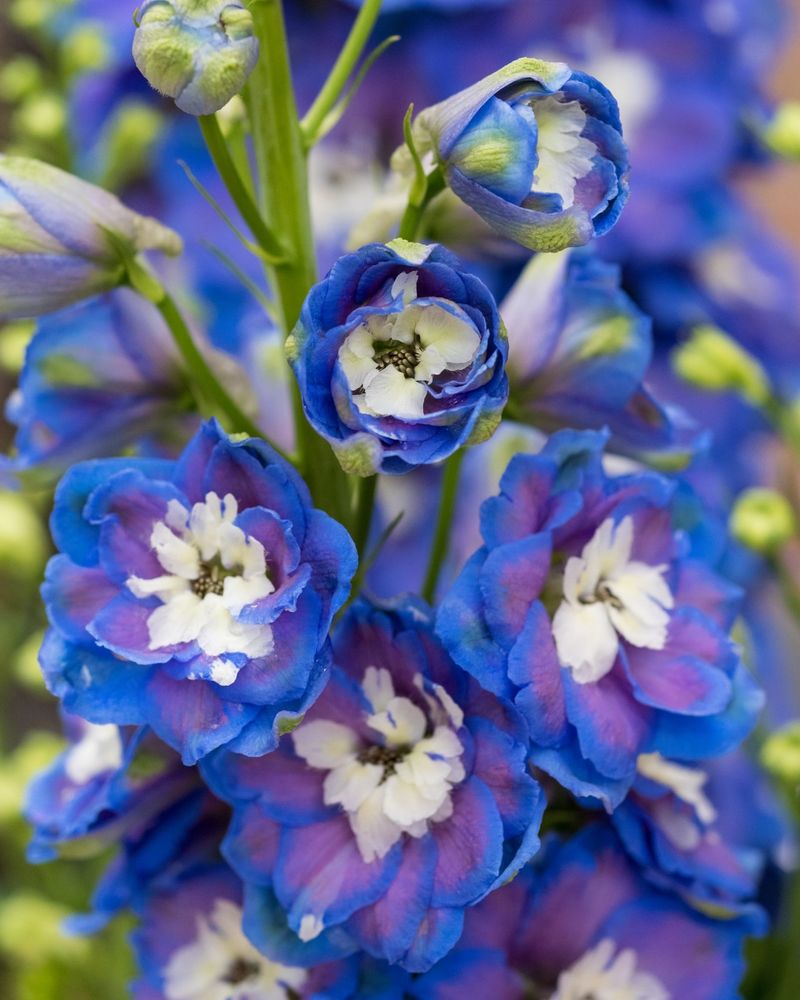
Delphinium seeds sit in your refrigerator for three weeks before planting because they need cold stratification to germinate reliably. Ohio gardeners mimic winter conditions by placing seeds in a moist paper towel inside a plastic bag, then moving them to the crisper drawer.
After this cold treatment, the seeds sprout within ten days when you plant them in seed starting mix and place the tray under lights.
These tall, dramatic perennials prefer cool conditions, which makes February perfect for starting them indoors. Keep temperatures around 60 to 65 degrees, cooler than most other seedlings need, and provide bright light to prevent stretching.
Delphinium seedlings grow slowly at first, developing a strong root system before putting energy into foliage. Northern Ohio gardeners can transplant in late May, while southern counties might move seedlings outside in early May if the weather cooperates.
Many gardeners struggle with delphinium because they treat it like a heat-loving annual. These perennials need cool temperatures, consistent moisture, and excellent drainage.
Avoid placing seedlings near heating vents or in warm rooms. Watch for crown rot, which happens when water sits around the base of seedlings.
Use containers with drainage holes, and consider adding a small fan to keep air moving around your plants during those humid Ohio spring days when basement moisture levels rise.
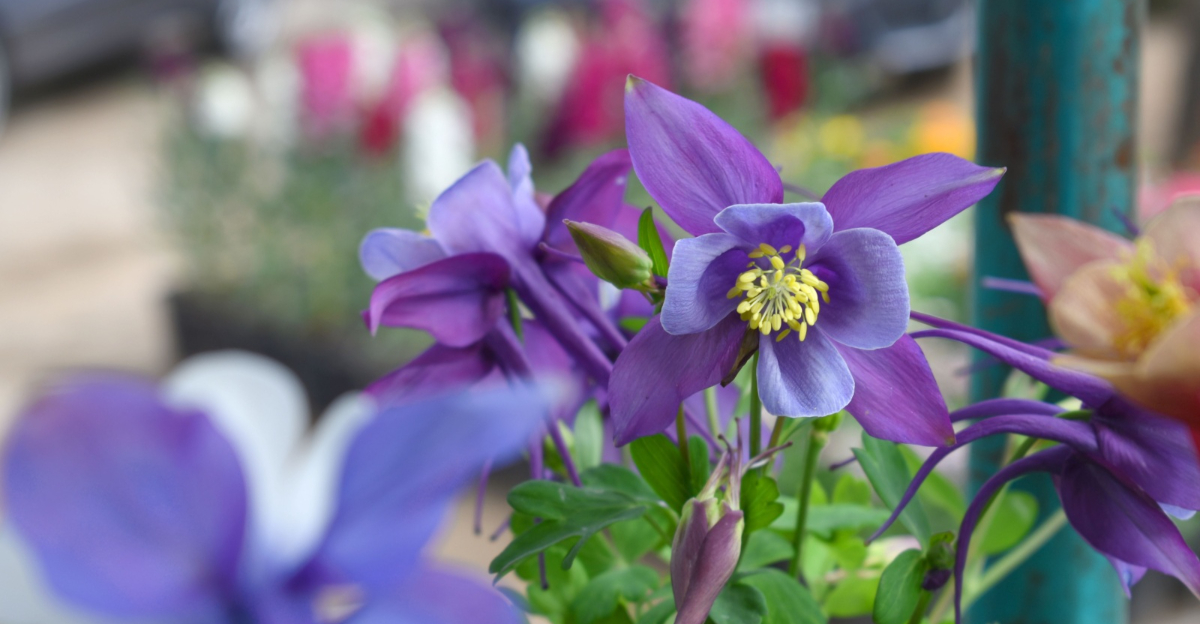
6. Columbine Adds Whimsical Spring Charm To Cool Weather Gardens
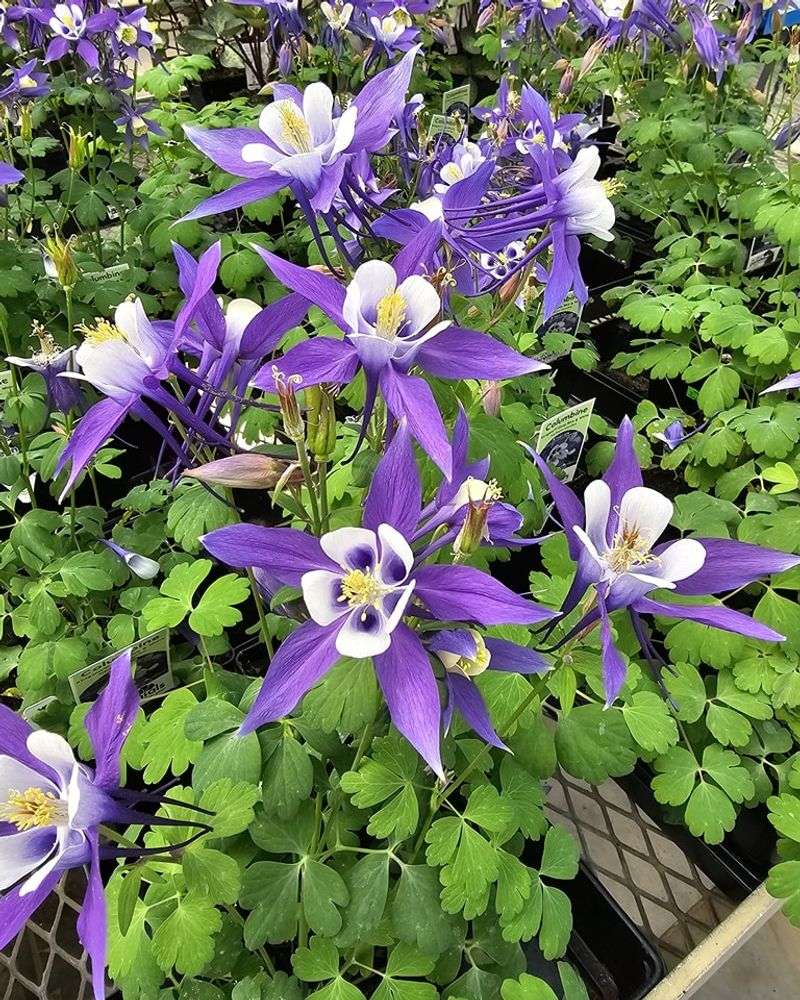
Cold stratification improves columbine germination rates, similar to delphinium, and many Ohio gardeners start both at the same time in February. After three to four weeks in the refrigerator, the seeds germinate quickly when exposed to light and moderate temperatures.
Don’t cover these seeds with soil. Simply press them gently onto moist seed starting mix and wait for the delicate, fern-like seedlings to appear.
Ohio’s spring weather suits columbine perfectly, and plants started indoors in February may bloom in their first year if conditions are ideal. Central Ohio gardeners can usually move columbine seedlings outside in late April, while northern counties should wait until mid-May.
These perennials tolerate light frost and actually prefer cooler temperatures, so don’t worry if a chilly night arrives after you’ve hardened off your seedlings.
The most common problem with columbine seedlings is damping off, that fungal disease that strikes when conditions are too warm and humid. Keep your basement around 60 to 65 degrees, and make sure your grow lights provide adequate brightness without generating too much heat.
Water from below when possible, letting the soil wick up moisture instead of wetting the foliage. Columbine seedlings grow slowly, and patience pays off when you see those distinctive spurred flowers nodding in your spring garden.
7. Nepeta Produces Long Lasting Blooms With Almost No Effort
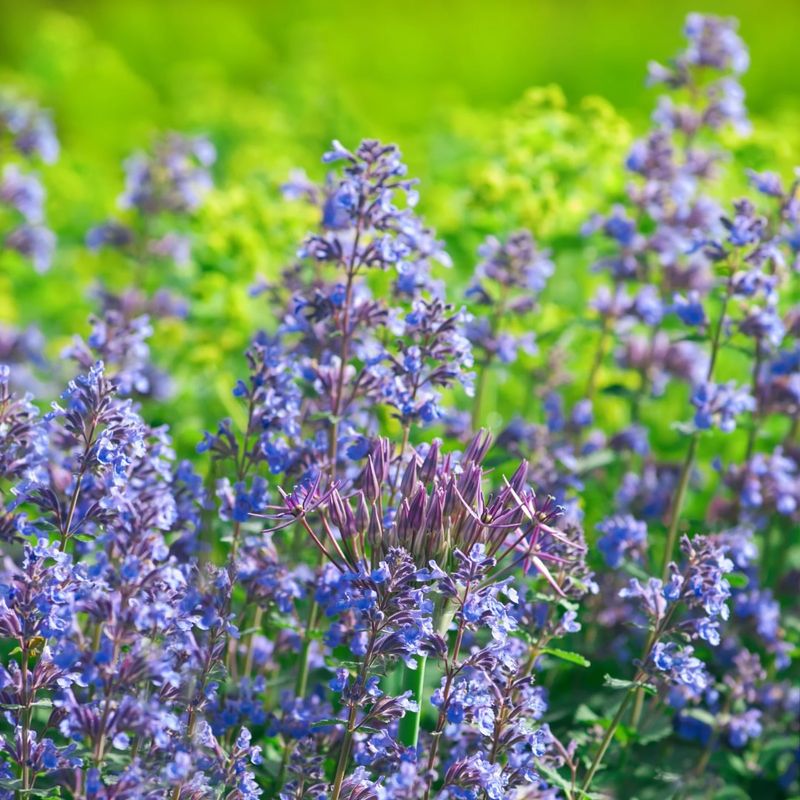
Nepeta seedlings emerge about two weeks after planting, and their gray-green foliage immediately distinguishes them from other perennials on your basement shelf. These mint family members prefer temperatures around 65 to 70 degrees for germination, and they grow steadily once established.
Many Ohio gardeners appreciate nepeta’s forgiving nature, since it tolerates both missed waterings and occasional overwatering better than more finicky perennials.
Starting nepeta from seed in February gives plants time to develop the extensive root systems that make them so drought-tolerant once established in the garden. Northern Ohio gardeners typically transplant nepeta in mid-May, while southern counties can move seedlings outside in late April.
These plants handle Ohio’s variable spring weather well, bouncing back from late cold snaps that would damage more tender perennials.
The biggest mistake with nepeta is planting it in heavy, poorly drained soil. Even seedlings prefer conditions that dry out between waterings, and soggy soil leads to root problems.
Mix extra perlite or coarse sand into your seed starting blend, and consider using terra cotta pots instead of plastic, since the porous material helps excess moisture evaporate. Watch your seedlings for signs of stretching, which means the grow lights need to move closer to the plants.
Compact, bushy nepeta seedlings transplant much better than tall, leggy ones that flop over in spring winds.
8. Tickseed Keeps Your Garden Glowing With Bright Yellow Flowers
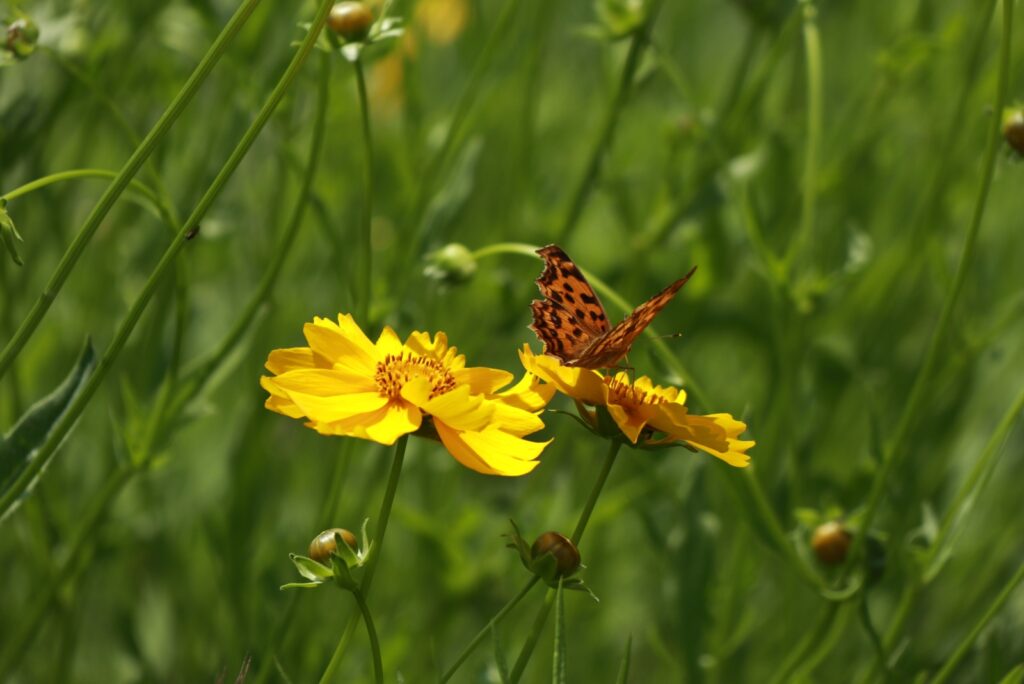
Tickseed seeds germinate quickly, usually within a week, and the seedlings grow fast compared to slower-starting perennials like delphinium. You’ll notice the first true leaves appearing about ten days after germination, and within a month your seedlings will be ready for larger containers.
Many Ohio gardeners start tickseed in cell packs, then move them to four-inch pots once the roots fill the smaller space.
These cheerful yellow flowers thrive in Ohio’s full sun and tolerate our clay soil better than many garden perennials. Starting seeds indoors in February often results in blooms by midsummer, and established plants will flower continuously until frost if you deadhead spent blooms regularly.
Central Ohio gardeners can transplant tickseed in early May, while northern counties should wait until after the last frost date, usually around Memorial Day.
The most common issue with tickseed seedlings is overwatering, which causes weak, floppy growth and increases the risk of fungal problems. Let the soil surface dry between waterings, and use a fan to keep air circulating around your seedling trays.
Tickseed tolerates dry conditions better than wet ones, even as young plants. Watch for aphids on tender new growth, especially if your seedlings are near a sunny window where pests might enter.
A strong spray of water usually controls small populations, and healthy seedlings recover quickly from minor pest damage.
9. Yarrow Combines Toughness With Cottage Garden Beauty
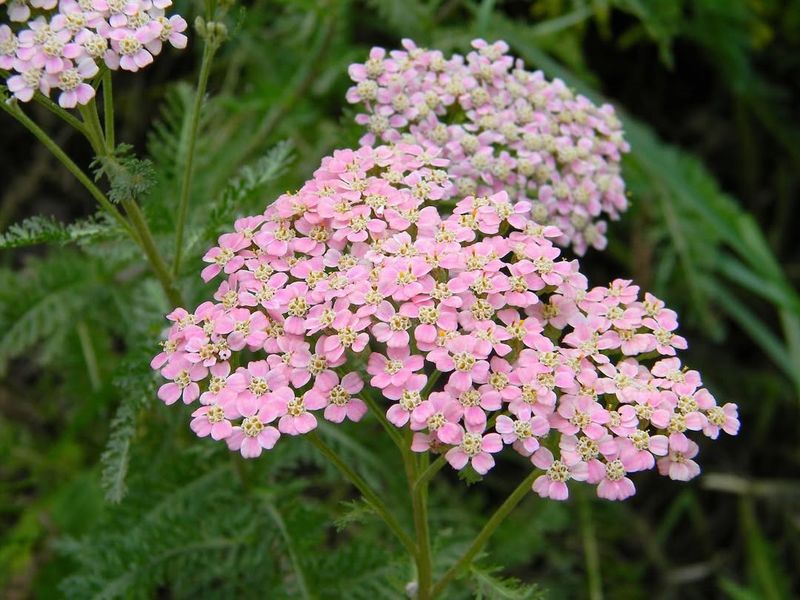
Yarrow seeds germinate best when surface sown or lightly pressed into the soil, so you sprinkle them across moist seed starting mix without covering them. Within two weeks, you’ll see threadlike seedlings emerging, and their distinctive feathery foliage appears soon after.
These tough perennials prefer cooler germination temperatures, around 60 to 65 degrees, which makes Ohio basements in February ideal for starting them.
Ohio’s variable weather doesn’t faze established yarrow plants, and starting them from seed in February gives them time to develop the deep root systems that make them so drought-tolerant. Northern Ohio gardeners can transplant yarrow seedlings in mid-May, while southern counties often move plants outside in late April.
These perennials tolerate light frost and actually prefer cooler spring temperatures over the heat that arrives later in summer.
Many gardeners make the mistake of treating yarrow like a moisture-loving perennial. Even seedlings prefer soil that dries between waterings, and consistently wet conditions lead to root rot and weak growth.
Use well-draining seed starting mix, and consider adding extra perlite if your basement tends to be humid. Keep grow lights close to prevent stretching, and watch for the compact, bushy growth that indicates healthy seedlings.
Yarrow transplants best when it’s still relatively small, so don’t wait too long before hardening off your plants and moving them to their permanent garden locations.
10. Bee Balm Draws Hummingbirds And Bursts With Vibrant Color
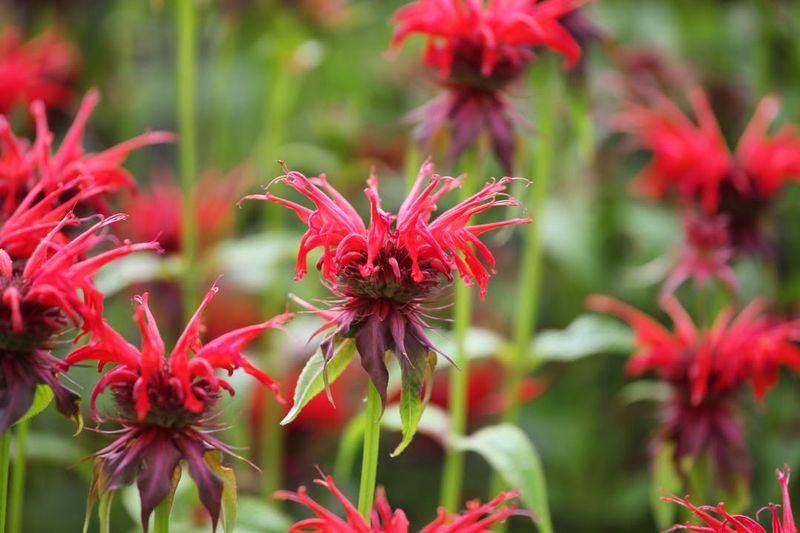
Bee balm seeds germinate in about two weeks at temperatures around 65 to 70 degrees, and the seedlings develop quickly once they establish their first true leaves. These mint family members show squared stems even when young, and brushing against the foliage releases the distinctive fragrance that attracts so many pollinators to mature plants.
Many Ohio gardeners appreciate bee balm’s reliable growth and tolerance for our humid summer conditions.
Starting bee balm from seed in February gives plants time to develop strong root systems before facing Ohio’s unpredictable spring weather. Northern gardeners typically transplant seedlings in mid-May, while southern counties can move plants outside in early May if conditions allow.
Bee balm tolerates light frost but grows best when temperatures stay consistently above 50 degrees, so watch the forecast before hardening off your seedlings.
One of the biggest challenges with bee balm later in the season is preventing powdery mildew, that white fungal coating that affects many mint family members in humid conditions. Keep air circulating around plants once they are outdoors with a small fan or proper spacing, and avoid overhead watering that leaves foliage wet.
Water from below when possible, letting the soil wick up moisture without wetting the leaves. Space your containers so air can move freely between plants, and keep humidity levels moderate in your growing area.
Healthy seedlings with good air circulation rarely develop mildew problems, even in Ohio’s humid spring weather.