These Useful Plants Belong In Every Pennsylvania Garden
Every Pennsylvania garden has the potential to be more than just a pretty space. With the right plants, your yard can become a place that provides beauty, fresh food, natural pest control, and helpful benefits all at once.
Many gardeners focus only on flowers, but adding useful plants can make your outdoor space work harder for you. From herbs that boost your cooking to plants that improve soil health and attract helpful insects, small choices can bring big rewards.
The best part is that many of these plants grow well in Pennsylvania’s climate and don’t require extra effort to maintain. Whether you’re planting in raised beds, containers, or a backyard garden, these useful plants can fit almost anywhere.
If you want a garden that’s both beautiful and practical, these must-have plants deserve a spot in your Pennsylvania landscape.
1. Black-Eyed Susan
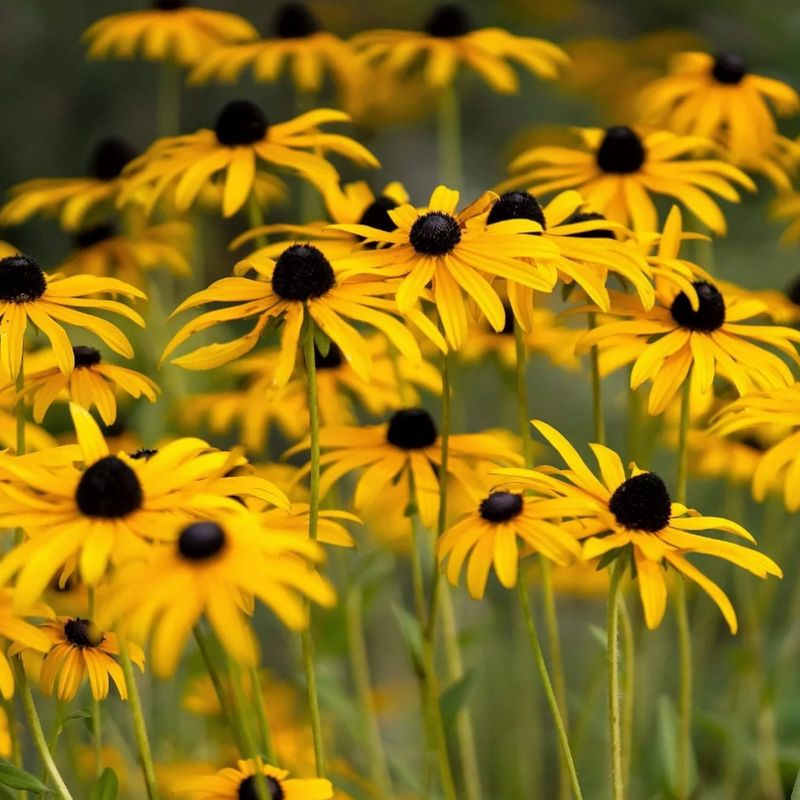
Golden yellow petals surrounding chocolate brown centers create cheerful displays that brighten Pennsylvania gardens from June through October. Black-eyed Susans bring sunshine to any landscape while requiring almost no special care or attention.
These native wildflowers have adapted perfectly to the state’s growing conditions over thousands of years.
Established plants laugh at summer heat and bounce back quickly from dry spells that stress other flowers. They grow happily in clay, loam, or sandy soils as long as water doesn’t pool around their roots.
Full sun brings the most blooms, but they still perform well with four to six hours of daily sunlight.
Standing one to three feet tall depending on variety, black-eyed Susans fill gaps in borders and look natural in meadow-style plantings.
Their long blooming period means color when many other perennials have finished for the season. Cutting flowers for bouquets actually encourages plants to produce more blooms.
Goldfinches, chickadees, and other songbirds feast on the seeds throughout fall and winter months.
Leaving the dried seed heads standing provides food for wildlife and adds architectural interest to winter gardens. Butterflies and native bees visit the flowers constantly during summer.
These tough perennials self-seed freely, spreading to form larger patches without aggressive takeover behavior. Seedlings are easy to move or share with friends and neighbors.
Black-eyed Susans combine beautifully with purple coneflowers, ornamental grasses, and other prairie-style plants.
Pennsylvania gardeners appreciate their reliability, cheerful appearance, and minimal maintenance requirements that make gardening easier and more enjoyable.
2. Eastern Redbud
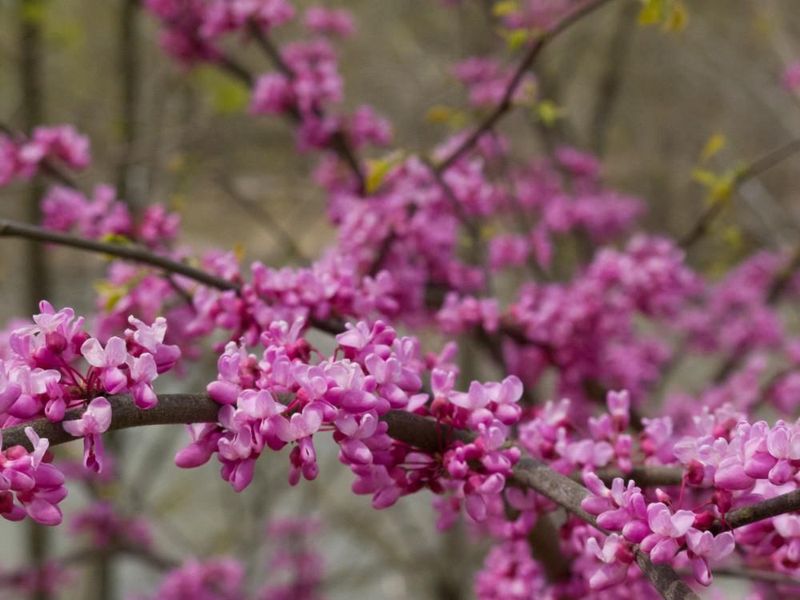
Before most trees leaf out in spring, Eastern redbud puts on a spectacular show with masses of pink-purple flowers covering every branch.
This small native tree grows 20 to 30 feet tall, making it perfect for Pennsylvania yards where space is limited. Heart-shaped leaves emerge after flowering and turn bright yellow in fall.
Redbud trees adapt to various Pennsylvania soil types from clay to loam and tolerate both acidic and slightly alkaline conditions.
They prefer partial shade to full sun, with some afternoon shade preventing leaf scorch during hot summers. Established trees handle drought periods well once their roots grow deep.
The early spring flowers provide critical food for bees emerging from winter dormancy when few other nectar sources exist.
Your Pennsylvania Garden Changes Every Week. Your Plan Should Too.
Gardening in Pennsylvania changes quickly throughout the season. Every Friday you’ll receive a simple weekly plan showing exactly what to plant, prune, fertilize, harvest, and protect so you never miss the right timing.
Hummingbirds also visit the blooms, and many butterfly species use redbud as a host plant for their caterpillars. The flat seed pods that follow the flowers feed birds through winter.
Young trees grow quickly, often adding two feet per year until reaching mature height. The attractive branching pattern looks beautiful even in winter after leaves drop. Planting redbuds near patios or windows lets you enjoy the spring flower show up close.
These trees rarely have serious pest or disease problems in Pennsylvania gardens. They need regular water during their first two years but then manage on rainfall alone.
Redbuds work well as understory trees beneath taller oaks or maples, mimicking their natural forest habitat. Their three-season interest, moderate size, and wildlife benefits make them valuable additions to Pennsylvania landscapes throughout the state.
3. Purple Coneflower
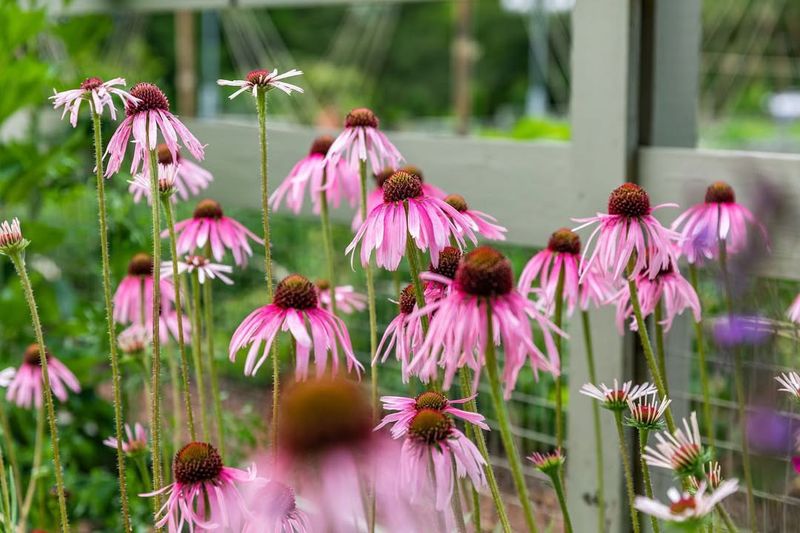
Butterflies and bees can’t resist the bright blooms of purple coneflower, making it a pollinator magnet for Pennsylvania gardens. This tough native wildflower produces stunning pink-purple flowers with spiky orange centers from June through September.
Goldfinches love eating the seed heads in fall and winter, bringing life to your garden even after blooming stops.
Purple coneflower handles Pennsylvania’s hot summers without complaint and survives harsh winters down to zone 3. Once established, it tolerates drought remarkably well and rarely needs extra watering.
Deer usually leave it alone, which solves a common problem for Pennsylvania gardeners dealing with wildlife pressure.
Growing two to four feet tall, these perennials spread slowly to form attractive clumps over time.
They prefer full sun but manage in partial shade, though they produce fewer flowers with less light. Average garden soil works fine as long as drainage is decent. The flowers make excellent cut arrangements that last over a week in vases.
Many gardeners also harvest the roots and flowers for homemade herbal remedies, though you should research proper methods before trying this. Divide plants every three to four years in spring or fall to keep them vigorous.
Purple coneflower self-seeds moderately, giving you free plants without becoming invasive. Deadheading spent blooms encourages more flowers, but leaving some seed heads feeds birds and provides winter interest.
This reliable performer belongs in every Pennsylvania garden for its beauty, toughness, and wildlife value.
4. Serviceberry
White flower clusters announce spring’s arrival before serviceberry’s leaves fully expand, creating a cloud-like effect against the sky.
This versatile native grows as either a large shrub or small tree reaching 15 to 25 feet tall. Pennsylvania gardeners value it for providing four seasons of interest in compact spaces.
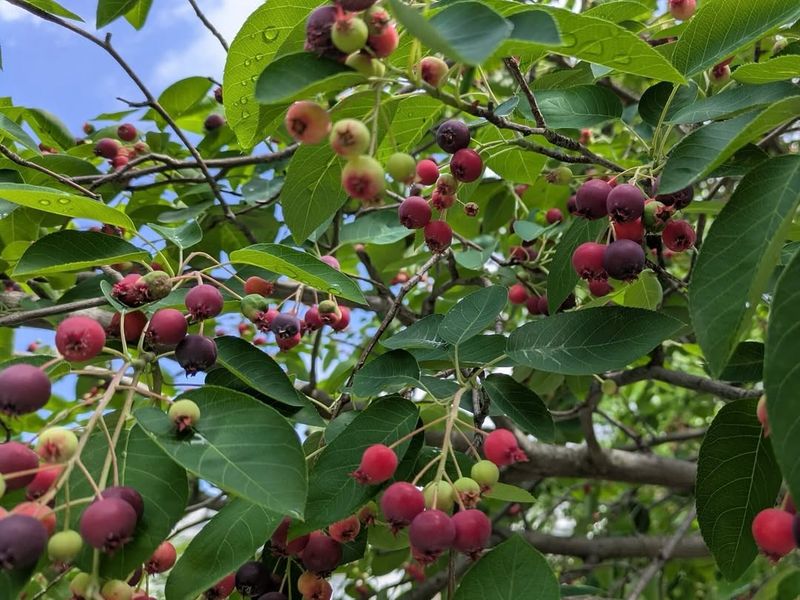
The real excitement comes in June when edible purple-black berries ripen and taste like sweet blueberries with hints of almond. Birds adore these fruits and often strip bushes clean within days of ripening.
Smart gardeners cover a few branches with netting to save some berries for pies, jams, or fresh eating.
Serviceberry handles a wide range of Pennsylvania soil conditions and grows well in full sun to partial shade. It tolerates wet spots better than many other fruiting plants, making it useful for low areas where drainage is poor.
The shallow root system means you can plant perennials or groundcovers underneath without problems.
Orange-red fall foliage rivals any ornamental tree for autumn color displays. Smooth gray bark adds winter interest, especially on multi-trunk specimens. The natural vase shape requires little pruning to maintain an attractive form.
Bees swarm the early spring flowers, making serviceberry valuable for supporting pollinator populations.
The berries provide food for over 40 bird species including robins, cardinals, and cedar waxwings. Deer browse the twigs in winter but rarely cause serious damage.
This low-maintenance native rarely suffers from pests or diseases in Pennsylvania gardens. It grows at a moderate pace and lives for decades with minimal care.
Serviceberry deserves a spot in every Pennsylvania landscape for its beauty, edible fruit, and wildlife value.
5. Joe-Pye Weed
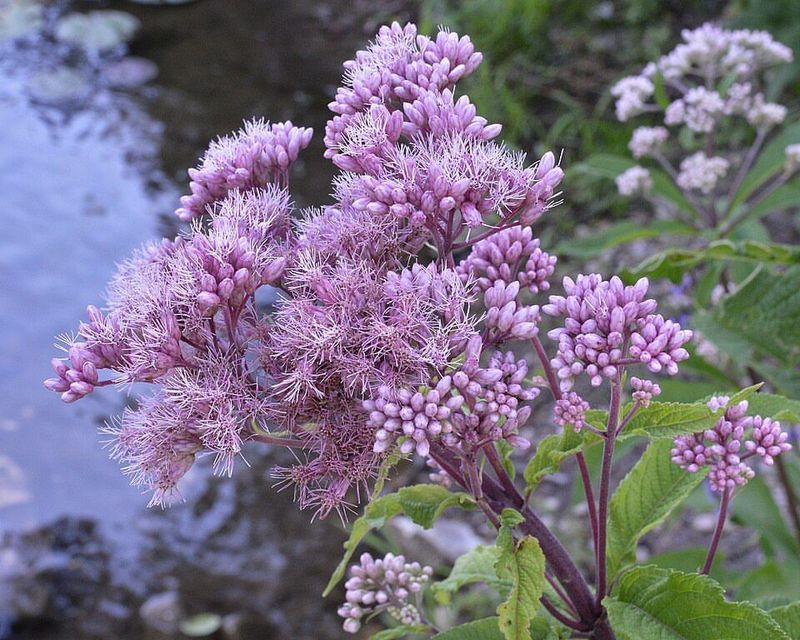
Towering stems topped with fuzzy pink-purple flower domes transform late summer gardens into butterfly festivals. Joe-Pye weed grows five to seven feet tall, creating dramatic vertical accents that catch eyes from across the yard.
Despite its common name, this native perennial is actually a valuable garden plant rather than a troublesome weed.
Monarchs, swallowtails, and dozens of other butterfly species mob the flowers from July through September when many other nectar sources have faded.
Native bees also visit constantly, making this plant essential for supporting pollinator populations. The vanilla-scented blooms smell wonderful on warm afternoons.
Pennsylvania’s native Joe-Pye weed thrives in moist to wet soils that challenge other perennials. It grows naturally along streams and in low spots, making it perfect for rain gardens or areas with poor drainage.
Plants also tolerate average garden soil as long as they receive regular moisture during dry spells.
The sturdy stems stand upright without staking even in windy locations. Leaves grow in attractive whorls around the stems, creating interesting texture before flowers appear. Burgundy-tinged stems add color even when plants aren’t blooming.
Birds eat the seeds in fall and winter, extending the plant’s usefulness beyond the growing season. The dried seed heads and stems provide winter structure in borders. Cut plants back to ground level in late fall or early spring.
Joe-Pye weed spreads slowly to form substantial clumps but never becomes aggressive or invasive. It pairs beautifully with ornamental grasses, ironweed, and other prairie-style plants.
Pennsylvania gardeners appreciate its ability to handle wet conditions while providing spectacular late-season flowers that support crucial pollinator populations.
6. Wild Bergamot
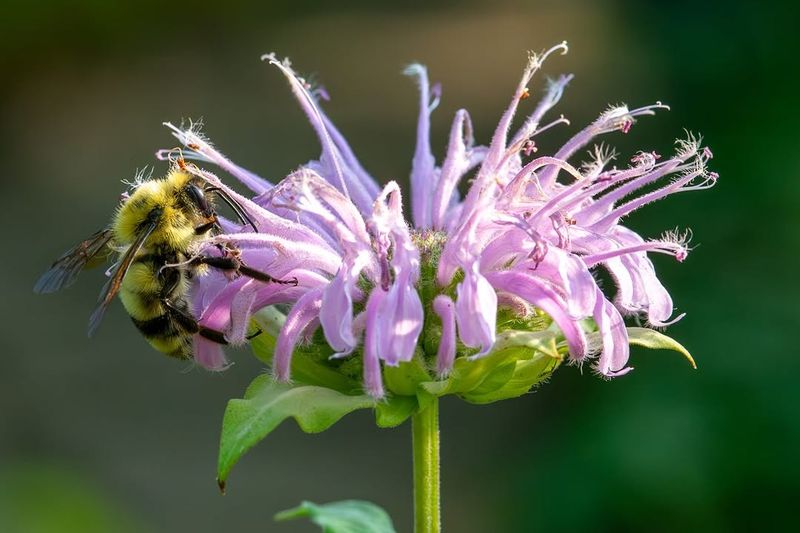
Spiky lavender-pink flowers with shaggy petals create a fireworks display in Pennsylvania gardens from June through August.
Wild bergamot, also called bee balm, produces strongly aromatic leaves that smell like a mix of mint and oregano when brushed. This native perennial grows two to four feet tall and spreads to form attractive patches.
Hummingbirds zoom straight to these flowers, often fighting over the best blooms. Bumblebees, butterflies, and other pollinators also visit constantly throughout the long flowering period.
The tubular flowers are perfectly shaped for hummingbird beaks and long insect tongues.
Unlike some bee balm varieties that struggle with powdery mildew, wild bergamot resists this common fungal problem in Pennsylvania gardens.
It handles heat, humidity, and drought better than garden hybrids while requiring no special care. Full sun brings the most flowers, but plants tolerate partial shade reasonably well.
The aromatic leaves make excellent herbal tea with a flavor similar to Earl Grey. Many gardeners harvest leaves throughout summer for fresh or dried use. Flowers are also edible and add color to salads or desserts.
Wild bergamot self-seeds moderately and also spreads slowly by underground stems called rhizomes. It never becomes aggressively invasive but fills space reliably over time. Dividing clumps every three years keeps plants vigorous and provides extras to share.
This tough native thrives in average to dry soils and actually performs better without rich fertilizer or constant moisture. It naturalizes beautifully in meadow gardens or informal borders.
The dried seed heads feed finches and other small birds through winter. Wild bergamot’s combination of showy flowers, pollinator value, and herbal uses makes it indispensable in Pennsylvania gardens.
7. Switchgrass
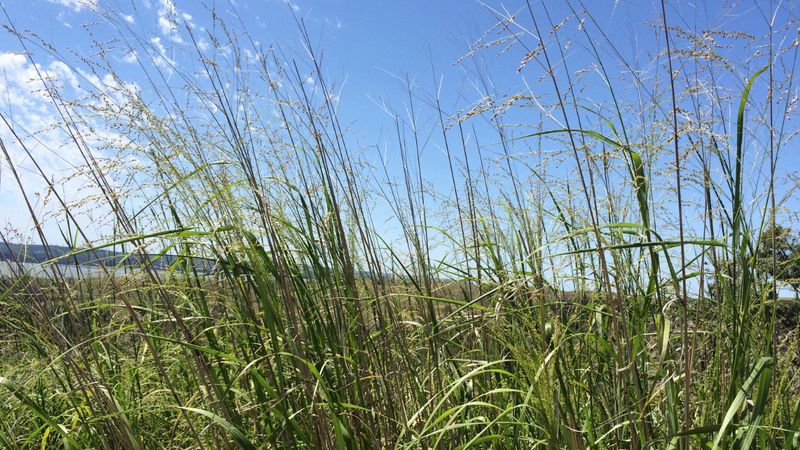
Graceful upright clumps of switchgrass sway in the slightest breeze, adding movement and texture that contrast beautifully with flowering perennials.
This native prairie grass grows four to six feet tall depending on variety, with airy pink or purple seed heads appearing in late summer. Pennsylvania gardeners prize it for year-round interest and extreme toughness.
Green or blue-green foliage turns shades of yellow, orange, or burgundy in fall, rivaling any ornamental plant for autumn color.
The dried foliage and seed heads stand through winter, catching snow and providing vertical interest when most plants have gone dormant. Birds perch on the sturdy stems and eat seeds throughout cold months.
Switchgrass handles Pennsylvania’s clay soils without complaint and tolerates both wet and dry conditions once established.
It grows in full sun to light shade, though more sun produces better fall color and stronger stems. This grass rarely needs dividing and lives for decades in the same spot.
The deep root system prevents erosion on slopes and helps filter water before it enters streams and rivers.
Some roots grow eight feet deep, making switchgrass incredibly drought-tolerant after the first year. It never needs fertilizer, pesticides, or special soil amendments.
Unlike running grasses that spread aggressively, switchgrass stays in neat clumps that expand slowly. It self-seeds lightly but seedlings are easy to remove if they appear where you don’t want them.
Cut the dried foliage back to six inches in late winter or early spring before new growth begins.
Switchgrass works beautifully in mixed borders, rain gardens, or mass plantings. Its low maintenance requirements and multi-season beauty make it essential for Pennsylvania landscapes seeking native plants that perform reliably without constant attention.