7 Native Ohio Shrubs That Thrive In Winter (And 3 Popular Shrubs That Struggle)
Your shrubs are either built for Ohio winters or pretending they are. When snow piles up and temperatures drop, the difference becomes obvious fast.
Some plants thrive in harsh conditions, standing tall and feeding wildlife, while others struggle behind the scenes. The shocking part?
Many struggling shrubs are extremely popular. Cold weather does not have to turn your landscape into a ghost town.
With smarter plant choices, winter can become one of the most interesting seasons in your yard. If you want tougher plants, stronger growth, and fewer disappointments when spring arrives, this is information every Ohio gardener should see.
1. Red Osier Dogwood Brings Bold Winter Color And Cold Proof Toughness
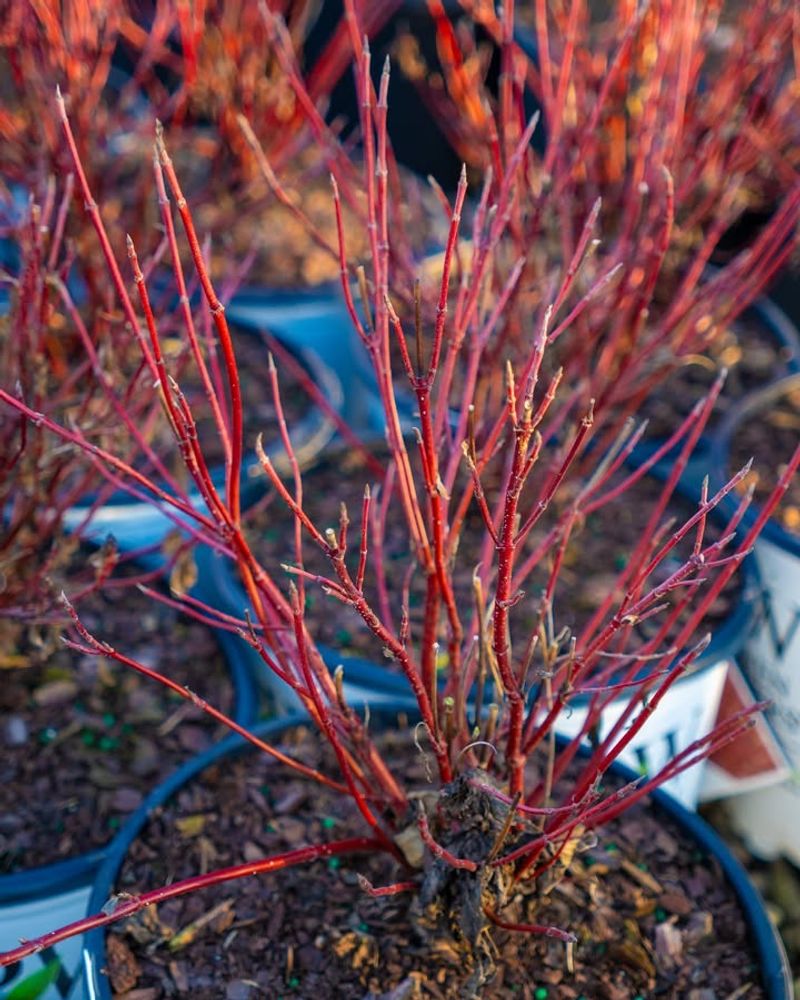
When January snow blankets your garden, red osier dogwood stems glow like embers against the white landscape. Cardinals perch on branches that bend but never break under ice weight.
Your neighbors probably wonder how those red stems stay so vibrant when everything else looks gray and lifeless.
This native shrub evolved in Ohio’s wetlands and stream banks where winter flooding and ice are routine challenges. The flexible stems and natural cold-hardy cell structure reduce damage during deep freezes.
Northern Ohio gardeners with lake-effect snow see these shrubs handle three-foot drifts without any branch splitting or bark cracking.
Many homeowners plant red osier dogwood in full sun near downspouts or low spots where spring melt pools. The roots tolerate saturated soil during freeze-thaw cycles that would rot other shrubs.
Prune older stems every few years to maintain that brilliant red color, but wait until late winter when you can see which branches look healthiest.
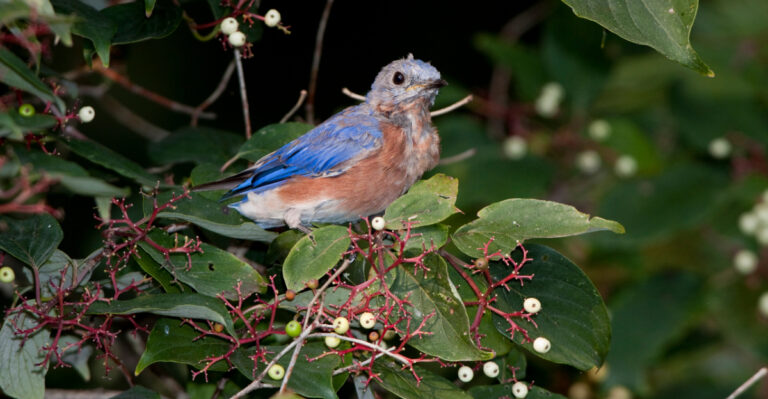
Wildlife depends on red osier dogwood berries through November and December before snow gets too deep. Your winter garden gains structure and color without any special protection or winter wrapping that other ornamentals demand.
2. Serviceberry Survives Brutal Cold While Delivering Four Season Beauty
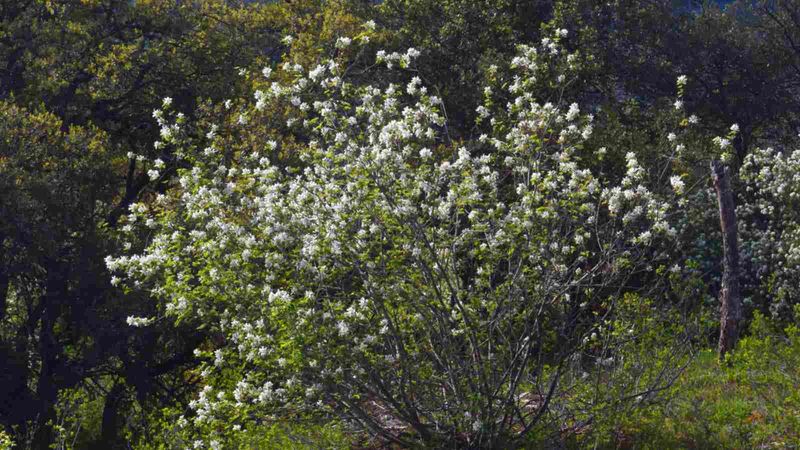
Serviceberry branches stay supple under February ice storms while less hardy shrubs crack and split. Early returning birds often forage around serviceberry as buds begin to swell.
Your garden wakes up earlier when serviceberry blooms appear before most trees leaf out.
This multi-stemmed native grows throughout Ohio’s woodlands where temperatures drop below zero and wind chill makes conditions even harsher. The bark and branch structure flex rather than snap when ice accumulates overnight.
Central Ohio gardeners often see serviceberry handle sudden temperature swings from fifty degrees down to fifteen with minimal foliage burn or bud loss.
Plant serviceberry on the east or north side of your property where it receives some wind protection but still gets plenty of winter sun. The roots establish quickly in Ohio’s clay soils and don’t heave out of the ground during freeze-thaw cycles that plague shallow-rooted shrubs.
Fall color rivals any imported ornamental with orange and red leaves that persist into November.
Serviceberry needs minimal pruning and never requires winter protection even in harsh northern counties. Your investment pays off with spring flowers, summer berries, fall color, and winter branch structure that looks graceful under snow.
Your Ohio Garden Changes Every Week. Your Plan Should Too.
Gardening in Ohio changes quickly throughout the season. Every Friday you’ll receive a simple weekly plan showing exactly what to plant, prune, fertilize, harvest, and protect so you never miss the right timing.
3. Buttonbush Thrives In Freezing Wet Conditions Without Flinching
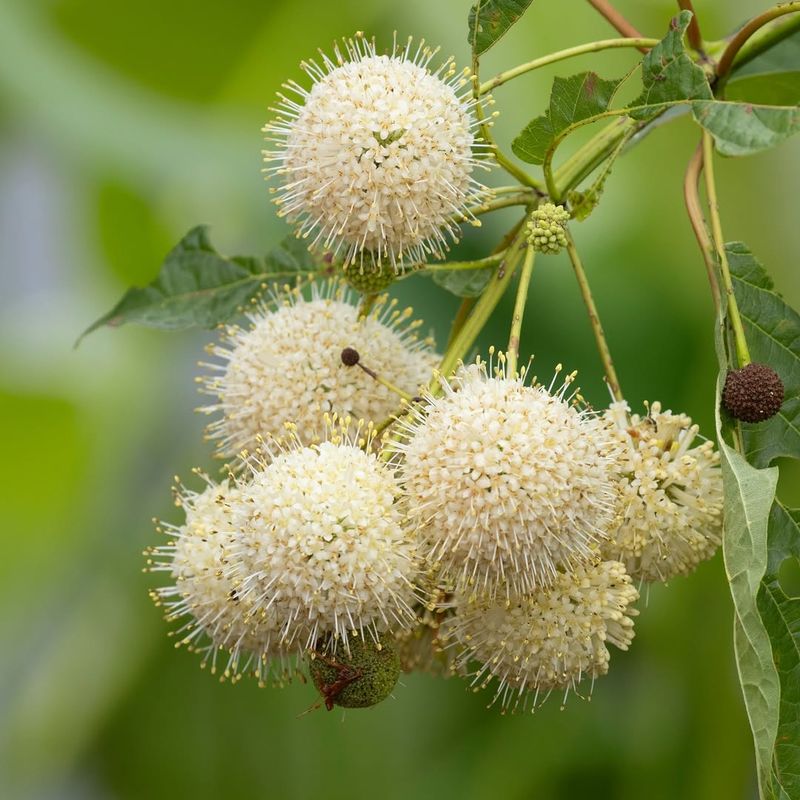
Buttonbush seed heads look like small ornaments dangling from bare branches when December snow first falls. Ducks paddle around buttonbush stems poking through pond ice in January.
Your wetland garden gains winter interest from a shrub that actually prefers standing water during cold months.
This Ohio native evolved in swamps and pond edges where saturated soils and seasonal freezing occur without harming established plants. The woody stems are adapted to tolerate cold and ice buildup without significant structural damage.
Southern Ohio gardeners with poorly drained clay soils watch buttonbush handle both summer flooding and winter freezing that would eliminate less adapted species.
Many homeowners avoid buttonbush thinking it only grows in permanent water, but it tolerates average garden soil as long as you water deeply during establishment. Winter winds rarely damage the sturdy branches that bend rather than break under snow load.
Place buttonbush near retention ponds or rain garden edges where seasonal flooding occurs.
Buttonbush flowers attract pollinators in summer while winter seed heads feed finches and sparrows through February. Your garden supports wildlife year-round without any special winter mulching or protective measures that high-maintenance shrubs require for cold survival.
4. Ninebark Shrugs Off Snow Ice And Deep Freezes
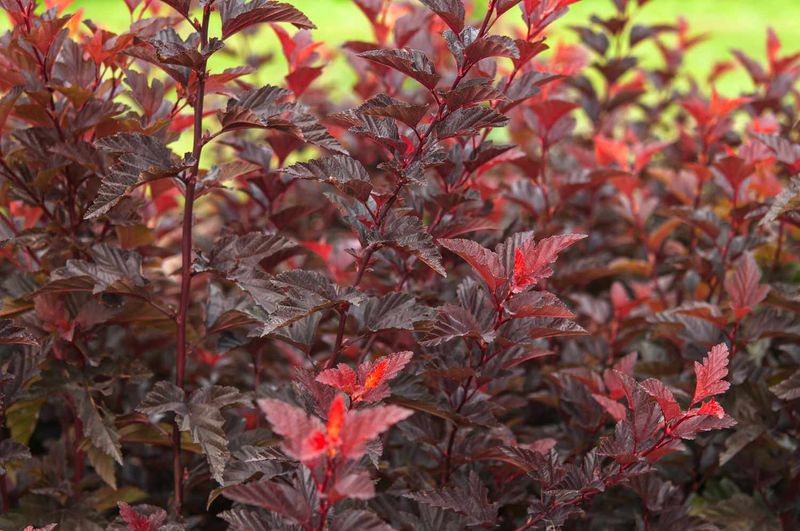
Ninebark bark peels in thin layers that create texture even when snow covers everything else in your garden. Chickadees search the papery bark for overwintering insects on cold January mornings.
Your landscape gains depth from a shrub that looks interesting twelve months a year without any special care.
This tough native grows wild along Ohio river banks and rocky slopes where winter wind and ice are constant challenges. The branches remain flexible down to negative temperatures that would snap brittle ornamental shrubs.
Northern Ohio gardeners appreciate ninebark’s ability to handle heavy lake-effect snow that bends branches to the ground then releases without any permanent damage.
Plant ninebark in full sun where good air circulation prevents winter moisture from sitting on branches and causing fungal issues. The roots anchor deeply into rocky or clay soils and don’t heave during freeze-thaw cycles.
Prune older stems after flowering if the shrub gets too dense, but winter structure looks best when you leave most branches intact.
Ninebark cultivars offer different foliage colors in summer, but all varieties handle Ohio winters equally well. Your garden benefits from a native that never needs winter protection, rarely suffers cold damage, and bounces back quickly even after harsh February weather.
5. Arrowwood Viburnum Handles Ohio Winters And Feeds Wildlife
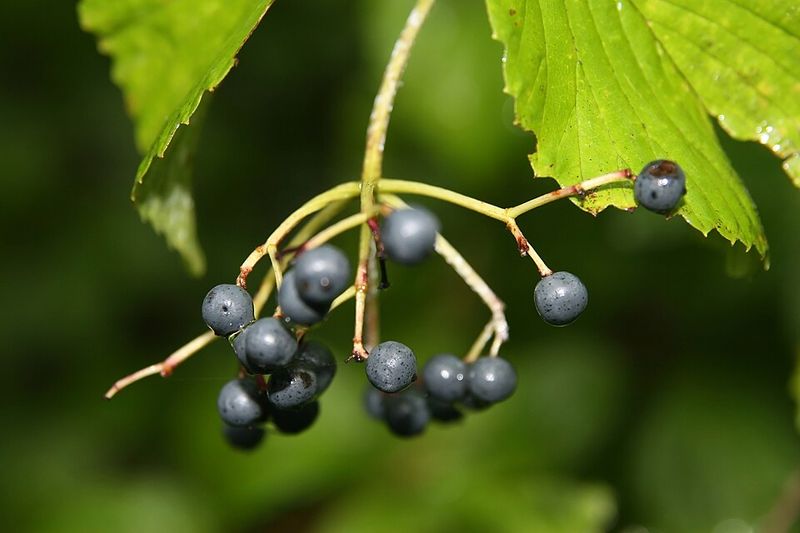
Arrowwood viburnum berries stay on branches through December providing food when cedar waxwings arrive in flocks. The straight stems look architectural against fresh snow in your backyard.
Deer browse the lower branches but rarely damage the shrub enough to affect next spring’s growth.
This viburnum species evolved throughout Ohio’s woodlands and forest edges where winter temperatures routinely drop below zero. The buds contain protective scales that prevent frost damage during sudden cold snaps after mild periods.
Central Ohio gardeners watch arrowwood viburnum handle temperature swings from sixty degrees down to ten without any bud loss or branch dieback.
Many homeowners plant arrowwood viburnum as a hedge or screen where it creates structure even in winter when leaves drop. The roots tolerate both wet spring soils and dry winter conditions that stress less adaptable shrubs.
Fall foliage turns burgundy and purple before dropping, leaving clean branch structure visible until spring.
Arrowwood viburnum needs little pruning beyond removing crossing branches or shaping the overall form. Your garden gains a reliable native that survives harsh winters, supports wildlife, and never requires protective wrapping or special mulching that high-maintenance ornamentals demand throughout cold months.
6. Elderberry Bounces Back Strong After Harsh Winters
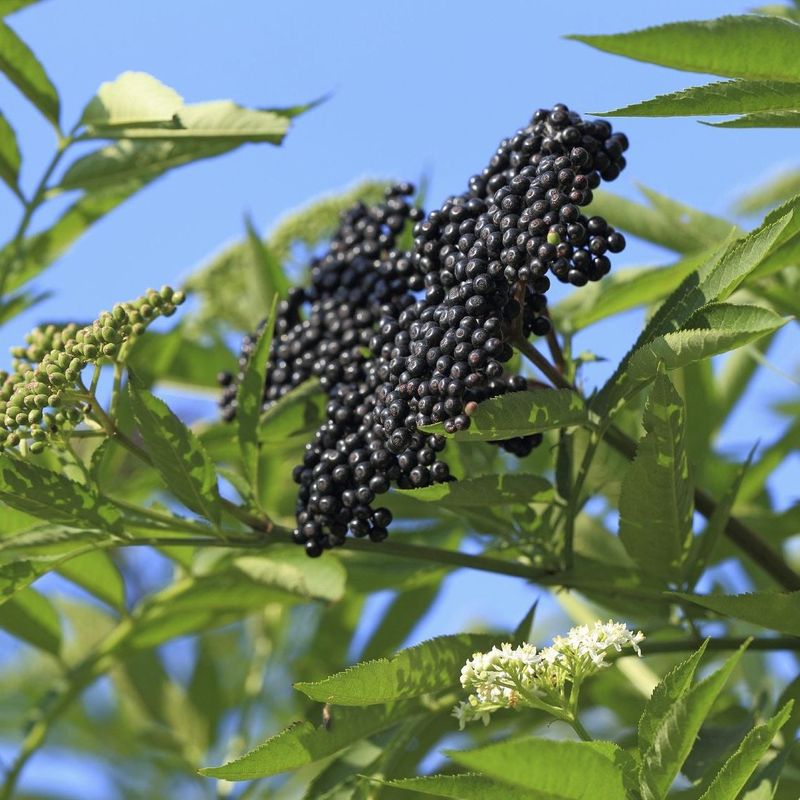
Elderberry stems sometimes experience tip dieback during exceptionally cold winters but regrow vigorously from the base each spring. Songbirds strip the berries in fall, leaving bare branches that sway in winter wind.
Your garden’s elderberry patch might look sparse in February but explodes with new growth by May.
This fast-growing native tolerates Ohio’s variable winters where some years stay mild while others bring prolonged freezes. The root system survives even when above-ground stems experience cold damage.
Northern Ohio gardeners often see elderberry stems freeze back but the shrub rebounds quickly with multiple new shoots that flower the same season.
Plant elderberry in full sun with good drainage where snow melt doesn’t pool around the crown. The shrub tolerates wet spring soils but winter standing water can cause root issues during freeze-thaw cycles.
Cut back damaged stems in early spring before new growth emerges rather than trying to salvage frozen wood.
Elderberry produces flowers and fruit on new wood, so even severe winter dieback doesn’t eliminate the harvest. Your garden benefits from a native that recovers quickly, produces abundant wildlife food, and adapts to Ohio’s unpredictable winter weather without permanent damage or loss.
7. Spicebush Thrives In Cold Woodland Gardens
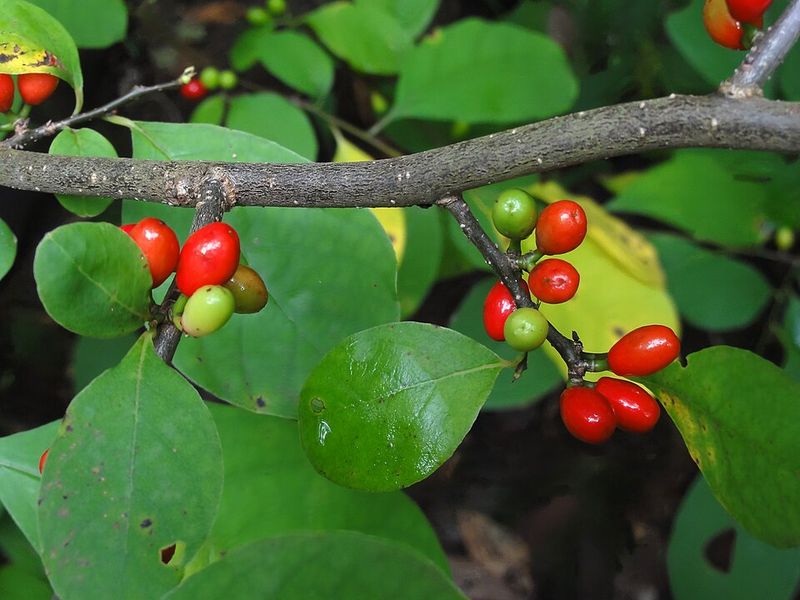
Spicebush branches release a spicy fragrance when you brush against them during winter walks through your woodland garden. The twigs stay green under the bark even in January when temperatures drop below zero.
Swallowtail butterflies laid eggs on spicebush leaves last summer, and the pupae overwinter on nearby branches waiting for spring warmth.
This understory native evolved in Ohio’s deciduous forests where winter shade and cold winds are normal conditions. The flexible stems bend under snow load without snapping, and the roots tolerate frozen ground for months.
Southern Ohio gardeners appreciate spicebush’s ability to handle occasional ice storms that coat branches without causing permanent damage.
Many homeowners plant spicebush under mature trees where it receives dappled winter sun and protection from harsh northwest winds. The shrub tolerates dry shade in summer but benefits from snow cover in winter that insulates roots during deep freezes.
Prune sparingly because spicebush grows slowly and maintains a naturally graceful form.
Spicebush flowers appear in early April before leaves emerge, providing nectar when few other plants bloom. Your woodland garden gains a reliable native that rarely suffers winter damage when properly sited.
8. Sweetbay Magnolia Suffers From Cold Damage In Ohio Winters
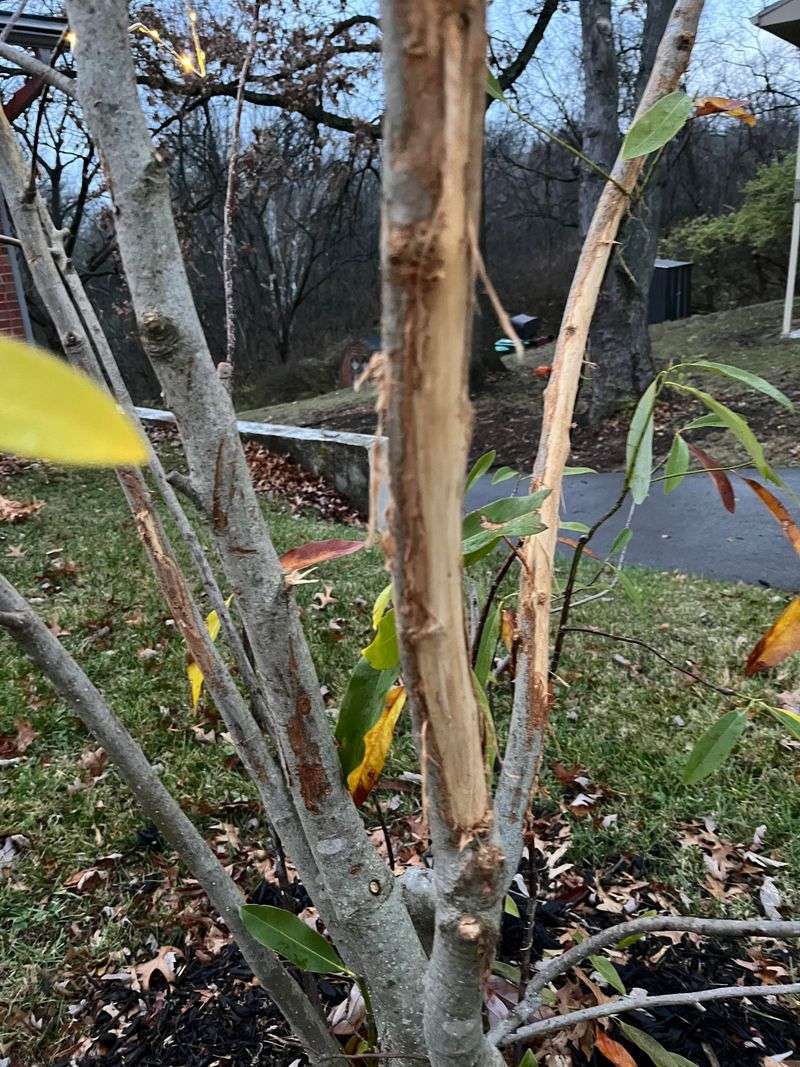
Sweetbay magnolia leaves turn brown and crispy after the first hard freeze hits your garden in November. The semi-evergreen foliage that looks attractive in catalogs becomes a liability when Ohio temperatures drop.
Standard sweetbay magnolia struggles north of Columbus, though cold-hardy cultivars can survive in protected sites in central and southern Ohio.
This species is native to the Southeast, though northern ecotypes and selected cultivars are more cold tolerant. Ohio’s freeze-thaw cycles stress shallow roots and can damage flower buds that form in fall.
Northern Ohio gardeners watch sweetbay magnolia suffer extensive branch dieback and rarely see the fragrant flowers that make this shrub desirable.
Many homeowners plant sweetbay magnolia hoping for evergreen foliage through winter, but Ohio cold burns the leaves and damages stem tissue. The shrub needs consistent moisture but can’t tolerate frozen ground that prevents water uptake during sunny winter days.
Sheltered locations near buildings provide some protection but rarely eliminate cold damage entirely.
Sweetbay magnolia requires heavy mulching, winter wrapping, and careful site selection that other shrubs don’t need. Your garden benefits more from truly cold-hardy natives that don’t demand constant attention and still look damaged by March despite your efforts to protect them through harsh weather.
9. Coastal Bayberry Struggles Outside Mild Coastal Climates
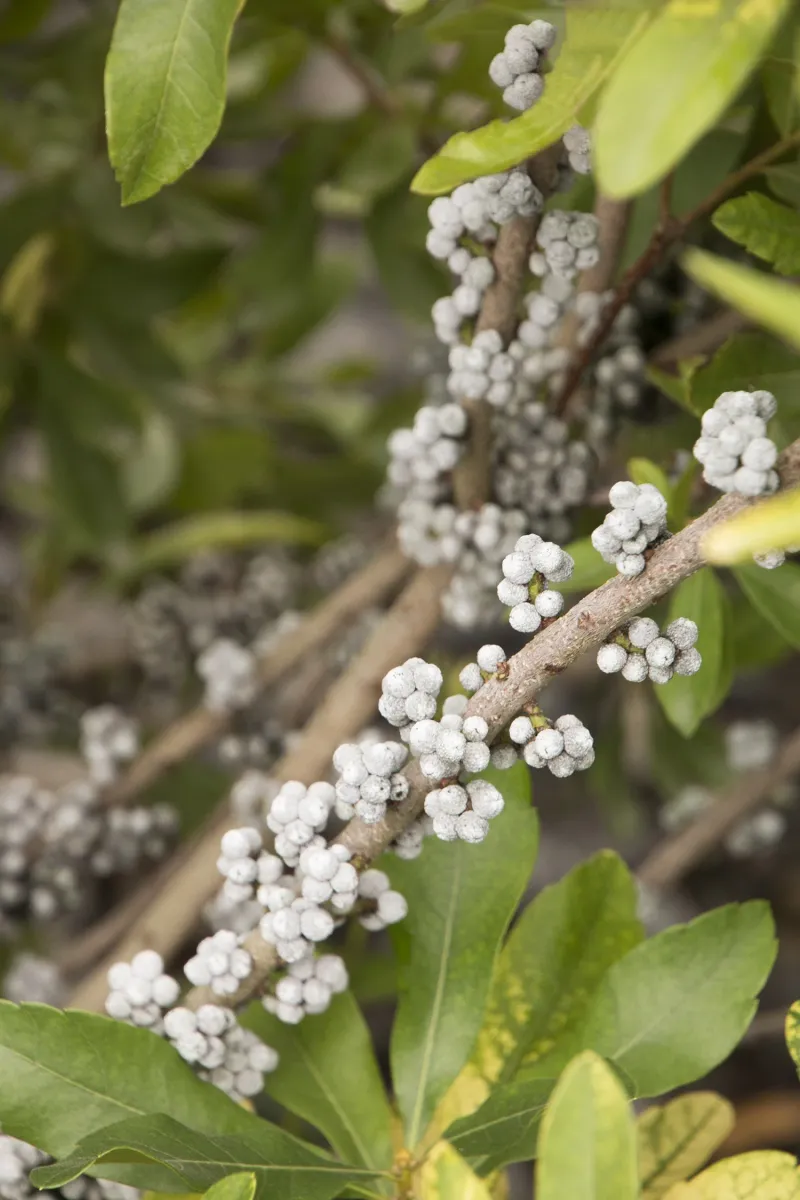
Coastal bayberry promises fragrant foliage and waxy berries but rarely delivers in Ohio’s continental climate. The shrub survives mild winters but looks ragged after February brings weeks of below-freezing temperatures.
Your coastal bayberry might make it through one or two winters before extensive cold damage forces removal.
Although native to the Atlantic coast, northern populations of bayberry tolerate cold but often struggle in Ohio’s heavy clay soils and poor drainage. Extended winter saturation and frozen clay soils can damage roots and reduce long-term survival.
Central Ohio gardeners often see coastal bayberry struggle unless planted in sandy, well-drained soil.
Many homeowners buy coastal bayberry attracted by the aromatic leaves and winter berries featured in garden magazines. Ohio’s harsh winters cause branch dieback, bud loss, and overall decline that makes the shrub look increasingly unhealthy.
Exposed sites with winter wind accelerate damage, but even sheltered spots rarely provide enough protection.
Coastal bayberry needs sandy, well-drained soil that Ohio clay rarely provides naturally. The shrub also requires consistent moisture but suffers when winter precipitation freezes around the crown.
Your garden succeeds better with native alternatives that evolved alongside Ohio winters rather than coastal species that demand conditions impossible to replicate inland.
10. Southern Wax Myrtle Fails In Prolonged Ohio Freezes
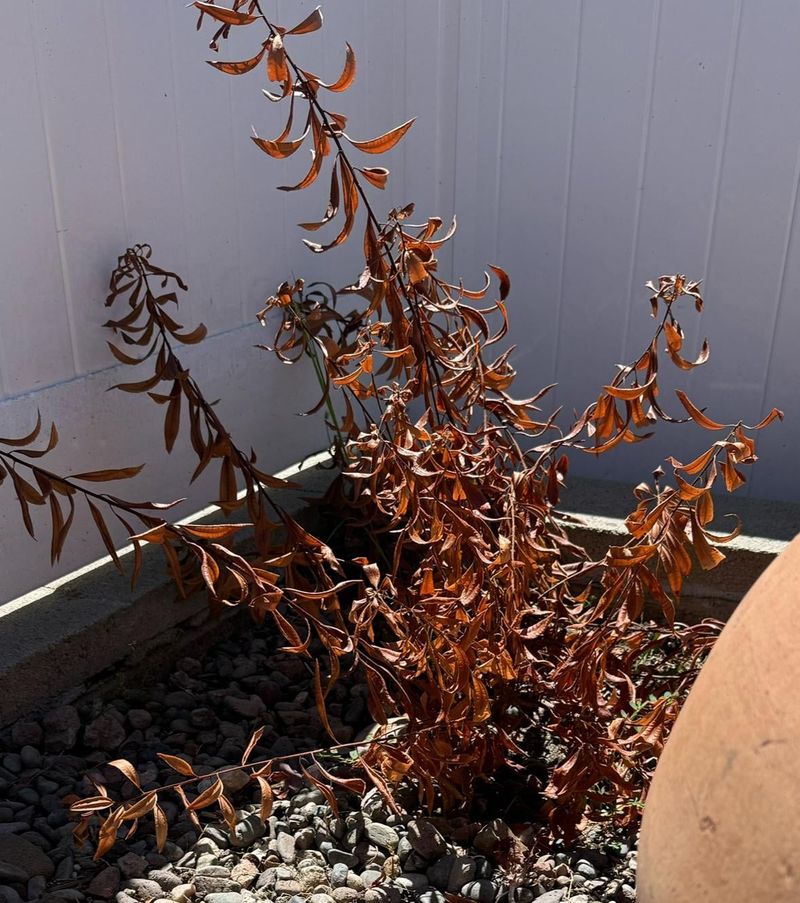
Southern wax myrtle looks appealing in nursery catalogs with promises of evergreen foliage and aromatic leaves. Ohio winters quickly reveal this shrub’s limitations when January temperatures stay below twenty degrees for weeks.
Your southern wax myrtle might survive in a protected courtyard one year but fails completely after a truly harsh winter.
This Gulf Coast native evolved in climates where winter means mild temperatures and occasional light freezes rather than prolonged cold. Ohio’s continental climate brings temperature extremes that southern wax myrtle simply can’t tolerate.
Northern Ohio gardeners watch this shrub suffer severe damage even during average winters, while southern Ohio locations see decline after occasional deep freezes.
Many homeowners plant southern wax myrtle hoping for low-maintenance evergreen screening that stays attractive year-round. Winter cold burns the foliage brown, damages flower buds, and often causes complete branch loss.
The shallow root system can’t handle frozen ground that prevents water uptake during sunny winter days when evergreen foliage still transpires.
Southern wax myrtle needs consistent warmth and protection that Ohio simply doesn’t provide reliably. Your landscape benefits from choosing shrubs adapted to Midwest conditions rather than southern species that require extraordinary measures and still fail when winter weather turns severe.