These Plants Save You From Constant Replanting In Arizona Gardens
Arizona gardens can feel like a cycle of planting, watching things struggle, then starting over again.
Heat, dry air, and sudden weather shifts make many plants short-lived without a lot of effort.
Some plants break that cycle by settling in and coming back strong season after season. They handle tough conditions without constant replacement or extra attention.
Choosing the right plants can turn an Arizona garden into something steady, reliable, and far less work.
1. Lantana
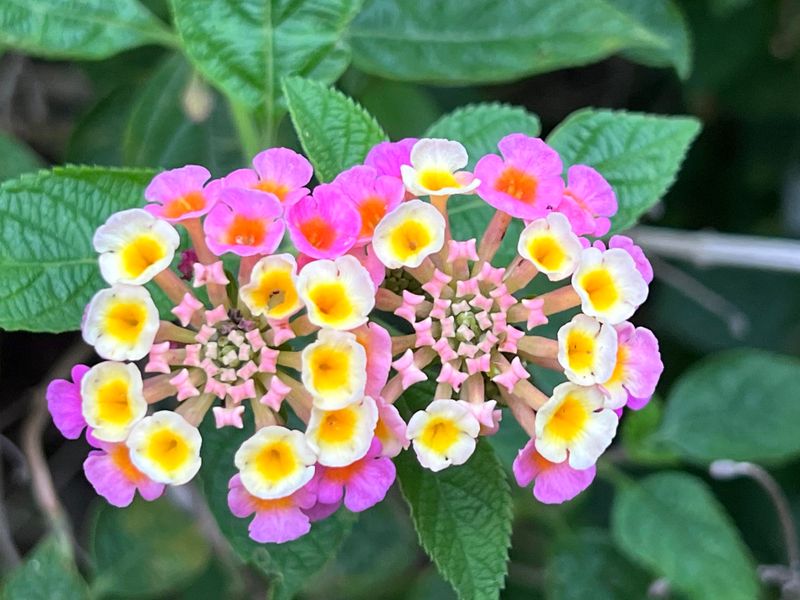
Your Arizona garden deserves plants that work as hard as you do. Lantana delivers non-stop blooms from spring through fall without asking much in return.
These cheerful clusters of flowers attract butterflies and hummingbirds while tolerating our brutal summer heat.
Once established in Arizona soil, lantana becomes nearly indestructible. It handles drought conditions better than most flowering plants you’ll find at local nurseries.
Water it deeply once a week during summer, then back off as temperatures cool.
Different varieties grow anywhere from one to six feet tall. Trailing types work perfectly in hanging baskets or cascading over walls.
Upright versions create colorful hedges or fill empty spaces between larger desert plants.
Arizona’s intense sunlight makes lantana bloom more profusely. Full sun brings out the brightest colors in orange, yellow, pink, purple, and red combinations.
Partial shade works too, though you’ll see fewer flowers.
Pruning keeps plants bushy and compact. Cut back stems by one-third in late winter before new growth starts.
Remove spent flower clusters throughout the growing season to encourage more blooms.
Lantana tolerates poor soil and doesn’t need fertilizer. Your Arizona clay or sandy ground suits it just fine.
Add compost at planting time and you’re set for years.
Freezing temperatures might damage foliage in northern Arizona areas. Plants usually bounce back from the roots when spring arrives.
Southern Arizona gardeners enjoy year-round greenery.
Deer and rabbits typically avoid lantana because of its strong scent. This makes it valuable for gardens where wildlife browsing causes problems.
You’ll actually want butterflies and bees visiting these flowers.
Container growing works beautifully if you prefer portable color. Use well-draining potting mix and water more frequently than in-ground plants.
Move pots to create different garden looks throughout the year.
Lantana grows vigorously in warm climates.
In Arizona gardens, it stays easy to manage with light pruning and is best planted away from natural desert areas.
2. Salvia
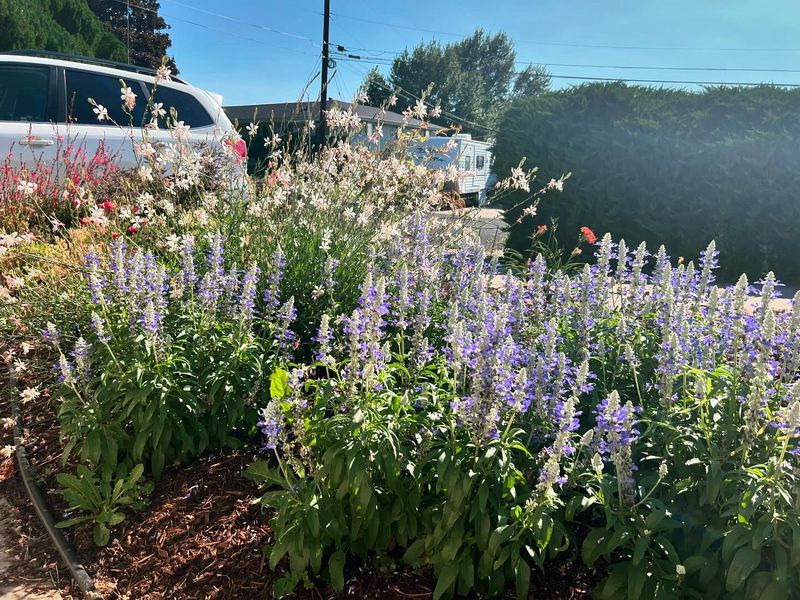
Hummingbirds will make your yard their regular stop when salvia grows there. These tubular flowers provide nectar that keeps tiny birds coming back all season long.
Arizona gardeners love watching nature’s aerial acrobats zip between colorful spikes.
Many salvia varieties handle our state’s temperature extremes remarkably well. They bloom repeatedly from spring into fall without constant deadheading or fussing.
Simply cut back flower stalks after blooming to encourage fresh growth.
Red salvia creates stunning focal points with bright scarlet spikes reaching two to three feet tall. Purple and blue varieties offer cooler tones that complement hot desert colors.
White types brighten shady spots under trees or ramadas.
Your Arizona Garden Changes Every Week. Your Plan Should Too.
Gardening in Arizona changes quickly throughout the season. Every Friday you’ll receive a simple weekly plan showing exactly what to plant, prune, fertilize, harvest, and protect so you never miss the right timing.
Arizona’s low humidity suits salvia perfectly since excessive moisture causes problems. These plants evolved in dry climates similar to ours.
They actually struggle in areas with frequent rain or heavy watering schedules.
Established plants need water every five to seven days during peak summer heat. Reduce watering to every two weeks once fall arrives.
Winter irrigation depends on natural rainfall in your specific Arizona location.
Full sun produces the most flowers, though afternoon shade helps in hottest desert areas. Morning sun with afternoon protection works great in Phoenix and Tucson.
Northern Arizona gardens can handle all-day sun exposure.
Salvia grows well in raised beds, containers, or directly in native soil. Good drainage matters more than soil richness.
Add sand or perlite to heavy clay if water pools after irrigation.
Prune plants by half in late winter to maintain compact shape. New growth emerges quickly as temperatures warm.
Remove woody stems that stop producing flowers to make room for fresh shoots.
Different salvia species bloom at slightly different times. Planting several varieties extends your flowering season across more months.
This strategy keeps hummingbirds visiting your Arizona garden longer.
3. Red Yucca (Hesperaloe)
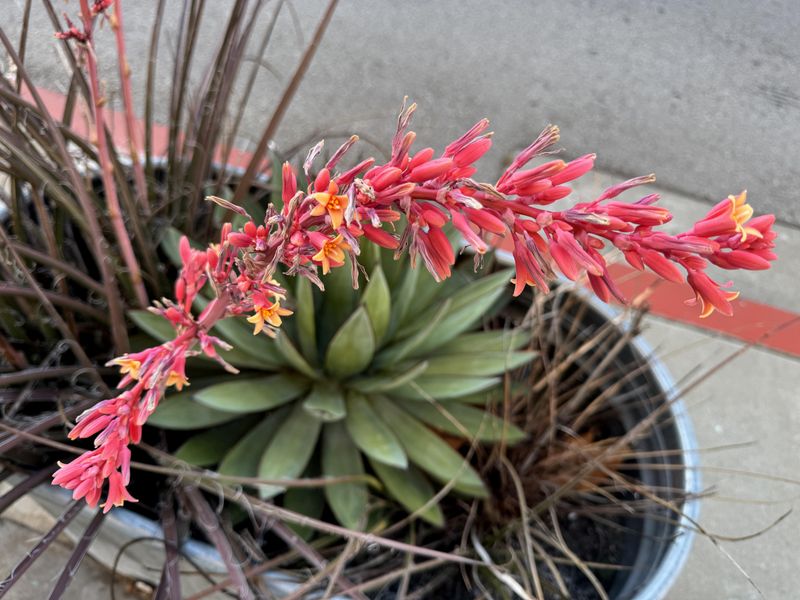
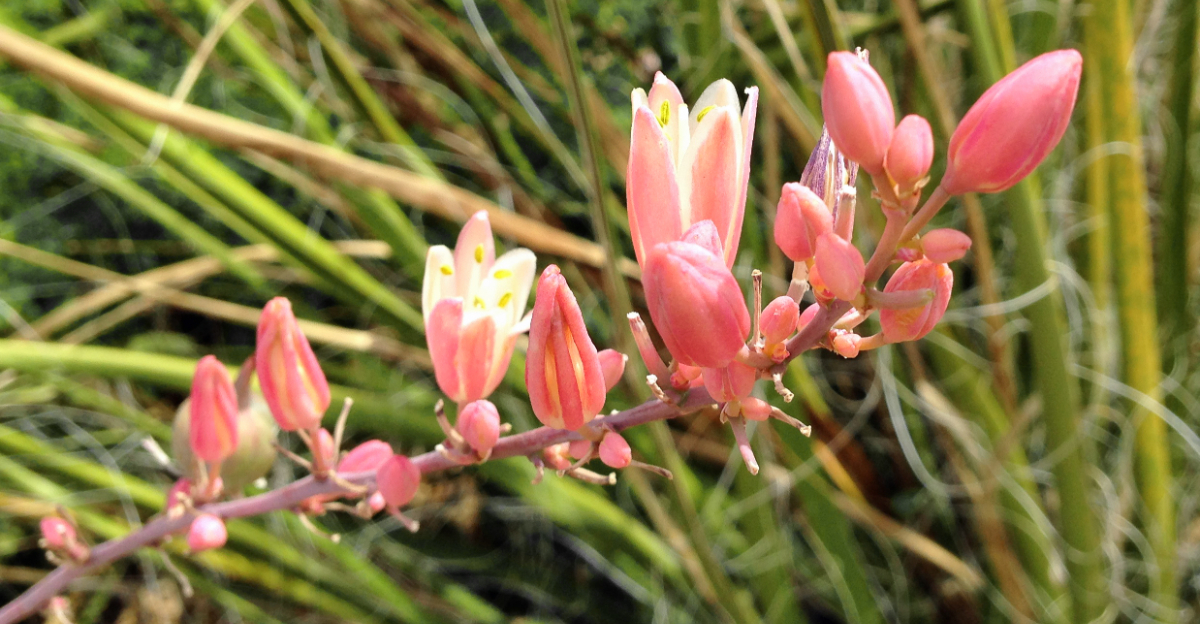
Coral-pink flower stalks rise four to five feet above grass-like foliage every spring. Red yucca isn’t actually a yucca at all, but it shares that same tough desert attitude.
Arizona landscapes benefit from this architectural plant that looks good twelve months a year.
Hummingbirds flock to tubular blooms that open along tall stalks. Flowering continues from April through September in most Arizona gardens.
Spent stalks can stay or go depending on your preference for tidy appearances.
Narrow leaves form clumps two to three feet wide without sharp points. Unlike true yuccas, red yucca won’t stab you when you walk past.
This makes it safer for high-traffic areas near patios or walkways.
Established clumps survive on rainfall alone in many Arizona locations. Supplemental water every two weeks during extreme heat keeps foliage looking fresh.
Overwatering causes more problems than underwatering with this desert adapted plant.
Full sun brings out the best flowering and most compact growth. Plants tolerate reflected heat from walls and pavement without burning.
This makes red yucca perfect for challenging spots other plants can’t handle.
Arizona’s alkaline soil doesn’t bother red yucca one bit. It actually prefers the conditions that challenge many garden plants.
Skip fertilizer completely since extra nutrients encourage floppy growth.
Red yucca works beautifully massed in groups of three or five. Single specimens make striking focal points in rock gardens.
Containers require excellent drainage but showcase the plant’s fountain-like form.
Yellow-flowering varieties offer alternatives to the traditional coral-pink. Both colors attract pollinators equally well.
Mixing colors creates interesting combinations in Arizona desert gardens.
4. Texas Sage (Leucophyllum)
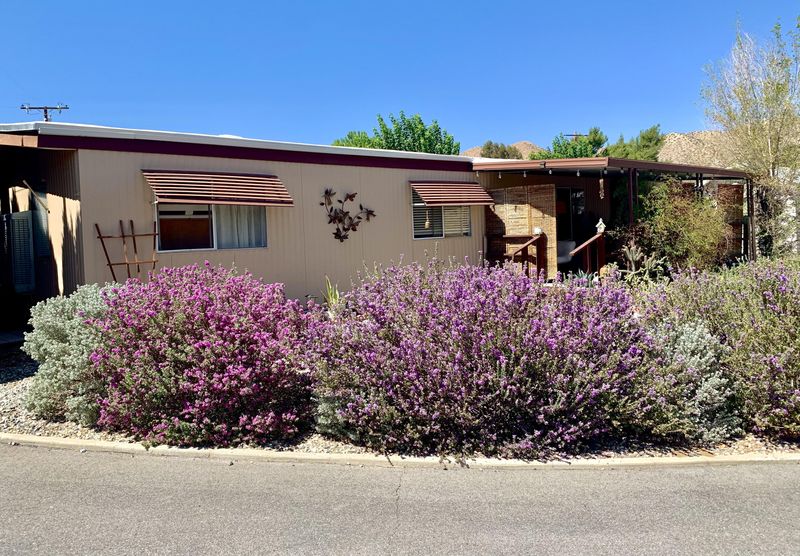
Silver-gray foliage shimmers in Arizona sunlight like no other shrub. Texas sage creates a cooling visual effect even during scorching summer months.
Then monsoon humidity triggers spectacular flushes of purple-pink flowers that transform entire plants overnight.
This shrub handles reflected heat from south and west-facing walls without complaint. It actually thrives in spots where other plants struggle or fade.
Arizona gardeners use Texas sage as living air conditioners that make spaces feel cooler.
Mature plants reach four to six feet tall and equally wide. Compact varieties stay around three feet for smaller spaces.
All types maintain naturally rounded shapes without constant pruning or shaping.
Blooming occurs in waves throughout summer and fall in Arizona. Increased humidity from monsoon storms triggers the most dramatic flower displays.
Plants can bloom several times if moisture levels fluctuate appropriately.
Established Texas sage survives on natural rainfall in many parts of our state. Monthly deep watering during extended dry periods keeps plants healthier.
Avoid frequent shallow watering that encourages weak root systems.
Full sun produces the densest foliage and most prolific flowering. These shrubs tolerate partial shade but become more open and leggy.
Arizona’s intense light brings out the best silver coloring in leaves.
Pruning should happen sparingly and only to remove damaged branches. Shearing into formal shapes removes flower buds and looks unnatural.
Let Texas sage maintain its soft, billowing form for best results.
Different varieties offer white, pink, purple, or magenta flowers. Green-leafed types provide contrast to the more common silver varieties.
All handle Arizona conditions equally well regardless of color.
Texas sage works perfectly as informal hedges or privacy screens. Individual specimens anchor xeriscape designs beautifully.
Mass plantings create stunning color impact when blooms appear after summer rains.
5. Brittlebush
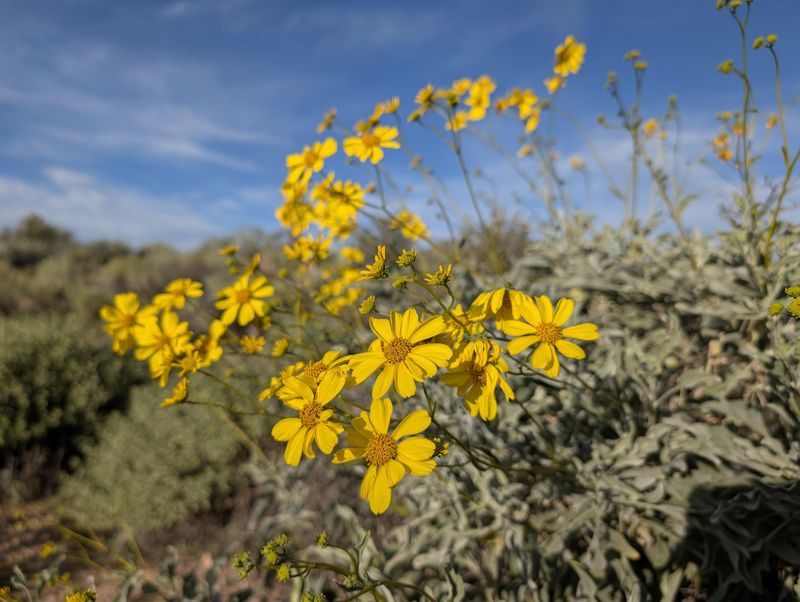
Bright yellow daisies cover silvery mounds from late winter through spring. Brittlebush signals the end of Arizona’s cool season with cheerful blooms that light up desert hillsides.
Your garden can capture that same wild beauty with this nearly carefree native plant.
Silver-gray leaves reflect sunlight and heat to keep plants cool. This adaptation allows brittlebush to thrive in full desert sun without wilting.
Arizona’s hottest exposures become opportunities rather than challenges.
Plants grow two to three feet tall and slightly wider. They form neat mounds that fit perfectly between larger shrubs or cacti.
Natural shape requires zero pruning during the growing season.
Flowering begins in February in southern Arizona and continues through May. Northern parts of the state see blooms starting in March or April.
Hundreds of yellow flowers create solid color masses above foliage.
Summer dormancy helps brittlebush survive extreme heat. Leaves may drop partially or completely when temperatures soar above 100 degrees.
This natural behavior conserves water and energy until cooler weather returns.
Established plants need no supplemental water during Arizona’s rainy seasons. One deep watering monthly during dry spells keeps them looking better through summer.
Overwatering causes root problems and encourages rangy growth.
Cut plants back by half after flowering finishes. This rejuvenates brittlebush and encourages compact new growth.
Remove woody stems that become too thick or stop producing leaves.
Arizona’s rocky, well-drained soil suits brittlebush perfectly. It struggles in amended garden soil that retains moisture.
Plant in native ground or add gravel to improve drainage.
Brittlebush attracts native bees and other beneficial insects. Birds eat seeds after flowers fade.
6. Blackfoot Daisy
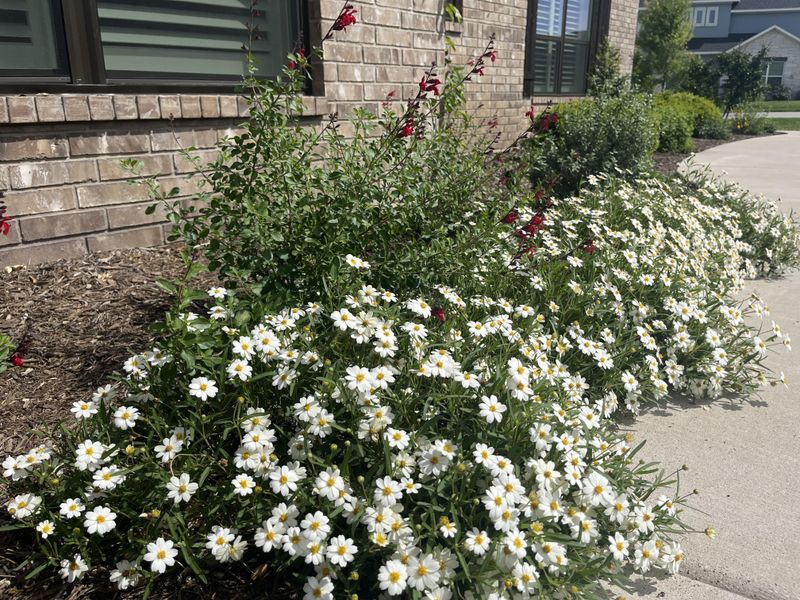
White petals with yellow centers blanket low-growing plants for months on end. Blackfoot daisy blooms from March through November in most Arizona gardens.
This champion flowering groundcover keeps giving color when many other plants take breaks.
Plants hug the ground at just six to twelve inches tall. They spread slowly to form mats two feet across.
Arizona gardeners use blackfoot daisy to soften rock edges or fill spaces between stepping stones.
Heat and sun make this plant bloom harder rather than fade. Full desert sun produces the most flowers and tightest growth.
Partial shade works but reduces flowering significantly.
Established blackfoot daisy survives on rainfall alone in many Arizona locations. Weekly watering during extreme heat keeps blooms coming continuously.
Plants tolerate drought but look better with occasional irrigation.
Shear plants lightly after major bloom cycles to encourage fresh flowers. Remove about one-third of growth to maintain compact shape.
New buds appear within weeks of trimming.
Rocky or gravelly soil suits blackfoot daisy better than rich garden beds. Excellent drainage matters more than fertility.
Arizona’s native soil provides ideal growing conditions without amendments.
This daisy handles reflected heat from pavement and walls beautifully. It thrives in parking strips, along driveways, and in other challenging spots.
Urban heat island effects don’t faze blackfoot daisy.
Flowers attract small native bees and butterflies throughout the growing season. Birds occasionally eat seeds but plants self-sow sparingly.
You’ll get some volunteers without blackfoot daisy becoming invasive.
Container growing works well for patios or balconies. Use shallow, wide pots with excellent drainage.
Blackfoot daisy cascades nicely over container edges in Arizona’s intense sun.
7. Desert Marigold
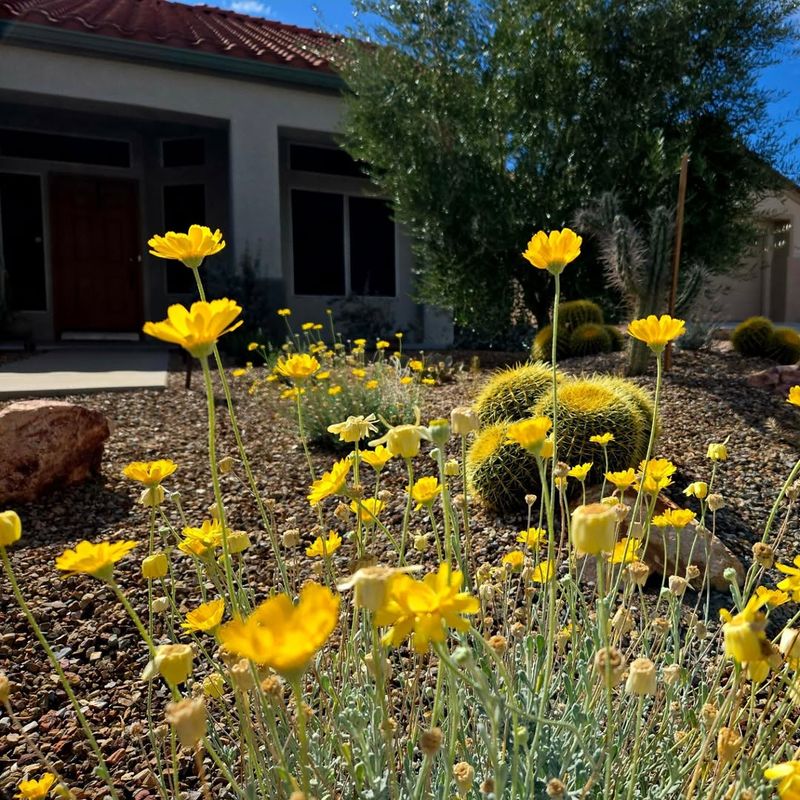
Golden-yellow flowers appear almost year-round in mild Arizona winters. Desert marigold brings reliable color when many plants rest or look dormant.
Cool-season blooming makes this native especially valuable for winter garden interest.
Gray-green foliage forms low mounds about one foot tall and wide. Plants stay compact without spreading aggressively.
Arizona landscapes benefit from this well-behaved native that knows its place.
Peak flowering occurs from October through May in southern Arizona. Northern areas see blooms from April through June.
Scattered flowers may appear any time conditions favor growth.
Established desert marigold needs water every two weeks during active growth. Summer dormancy requires little to no irrigation.
Plants bounce back quickly when fall temperatures drop.
Full sun produces the most prolific flowering and healthiest plants. These Arizona natives evolved in open desert conditions.
They struggle in shade or with competition from larger plants.
Deadheading spent flowers encourages continuous blooming. Simply pinch off faded blooms at the base.
This small effort keeps fresh flowers coming for months.
Desert marigold self-sows moderately in favorable conditions. Seedlings appear near parent plants but rarely become weedy.
Arizona gardeners appreciate these bonus plants that fill gaps naturally.
Native bees and small butterflies visit flowers throughout the blooming season. Desert marigold supports pollinators when few other plants flower.
Plants typically live three to four years before needing replacement. Allow self-sown seedlings to mature as older plants decline.
This creates continuous coverage without replanting effort.
8. Angelita Daisy
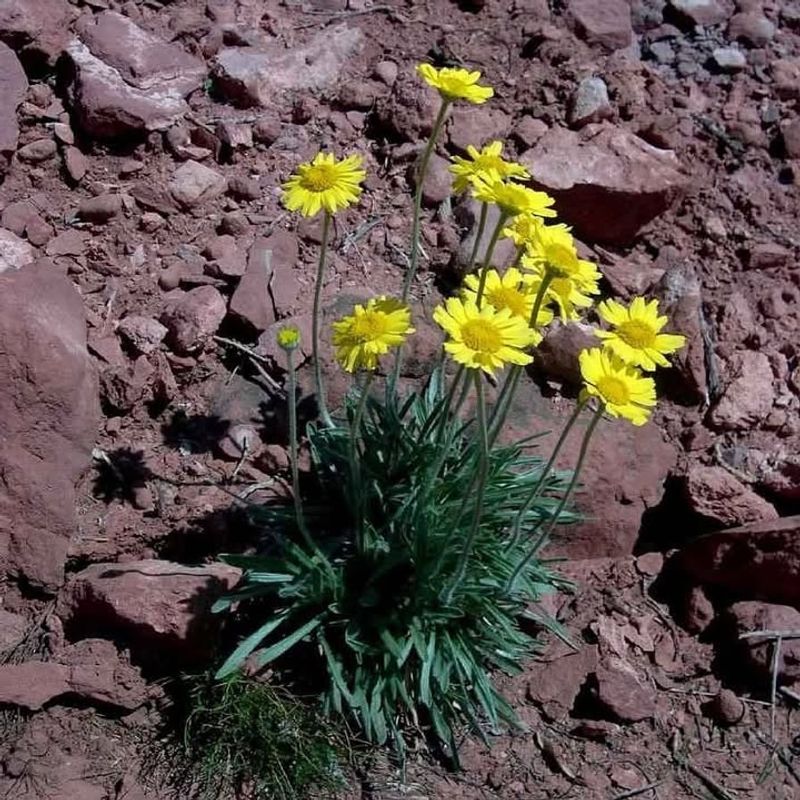
Golden mounds of tiny daisy flowers create living sunshine in your yard. Angelita daisy blooms so heavily that foliage nearly disappears beneath flowers.
Arizona gardens gain months of solid color from this compact native perennial.
Plants grow eight to twelve inches tall and spread to eighteen inches wide. Tight mounding habit makes angelita daisy perfect for edging beds or lining pathways.
No staking or support ever becomes necessary.
Spring brings the heaviest flowering from March through May. Fall often produces a second bloom flush in Arizona gardens.
Scattered flowers appear during summer if plants receive adequate water.
Established angelita daisy tolerates drought but blooms better with regular water. Deep irrigation every seven to ten days during growing season maintains flower production.
Reduce watering during summer heat when blooming slows.
Full sun exposure produces the most compact growth and prolific flowering. Plants tolerate light afternoon shade in hottest Arizona desert areas.
Too much shade causes leggy growth and reduced blooms.
Shear plants by one-third after major bloom cycles finish. This encourages bushy regrowth and fresh flower buds.
New blooms appear within three to four weeks of trimming.
Angelita daisy thrives in Arizona’s alkaline soil without amendments. Good drainage matters more than soil richness.
Plants actually prefer lean conditions over fertilized garden beds.
Native bees and butterflies visit flowers constantly during bloom periods. These pollinators appreciate the abundant nectar source.
Mass plantings create spectacular golden carpets across landscape areas. Individual plants work well in rock gardens or containers.
Angelita daisy adapts to various garden styles throughout our state.
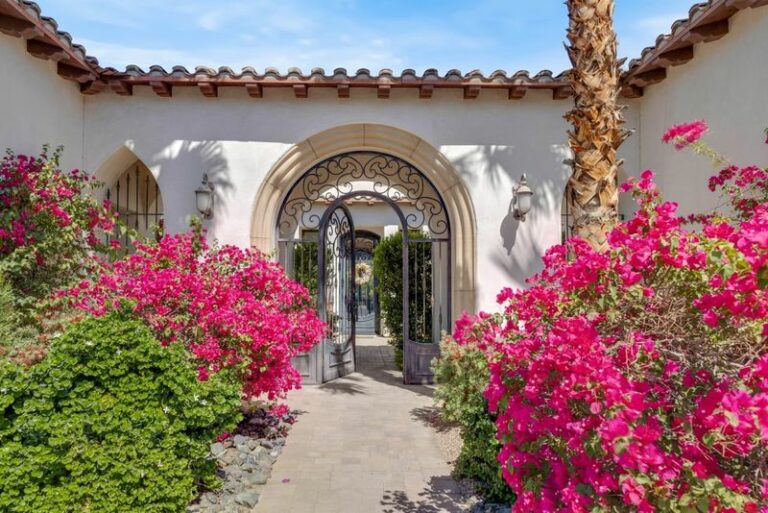
9. Bougainvillea
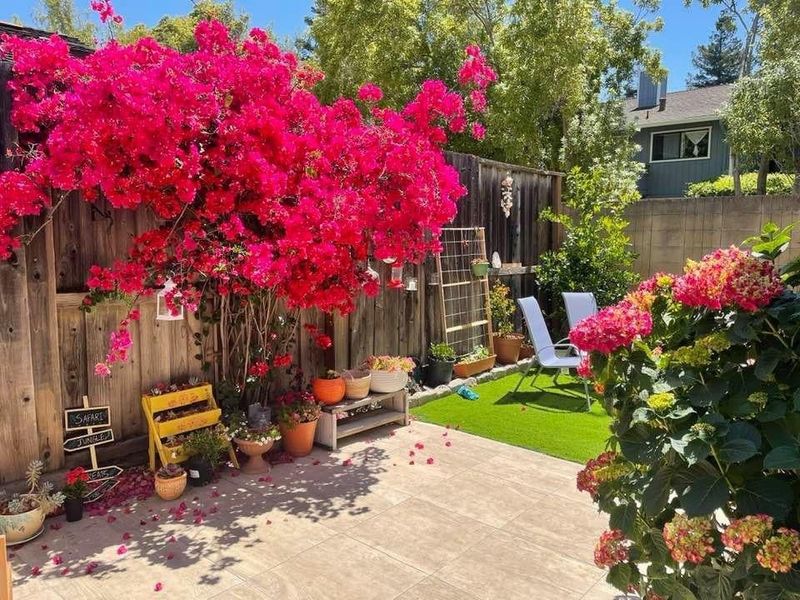
Papery bracts in electric colors transform walls, fences, and arbors into living art. Bougainvillea delivers more visual impact per square foot than almost any other Arizona plant.
These vigorous vines bloom for eight to ten months annually in frost-free areas.
Colors range from magenta and purple to orange, red, pink, and white. Some varieties display multiple colors on the same plant.
Arizona’s intense sunlight makes colors appear even more vibrant and saturated.
Established bougainvillea handles heat and drought remarkably well. Deep watering every seven to ten days during summer maintains blooming.
Reduce irrigation frequency during cooler months when growth slows.
Full sun produces the most prolific flowering and best color development. Plants tolerate reflected heat from walls and pavement without stress.
South and west exposures that challenge other plants suit bougainvillea perfectly.
Growth can reach fifteen to twenty feet if left unpruned. Regular trimming keeps plants at desired sizes and shapes.
Prune after bloom cycles to avoid removing flower buds.
Frost damages bougainvillea in northern Arizona and higher elevations. Southern desert areas enjoy year-round foliage and extended blooming seasons.
Container growing allows moving plants to protected areas during cold snaps.
Support structures need to be sturdy since mature plants become heavy. Attach stems to trellises or wires as they grow.
Bougainvillea doesn’t climb on its own like true vines.
Thorns on stems require careful handling during pruning or training. Wear gloves and long sleeves when working with established plants.
These thorns help bougainvillea scramble over structures in nature.
Container specimens brighten Arizona patios and courtyards beautifully. Use large pots with excellent drainage for best results.
Potted bougainvillea needs more frequent watering than in-ground plants.
10. Pride Of Barbados
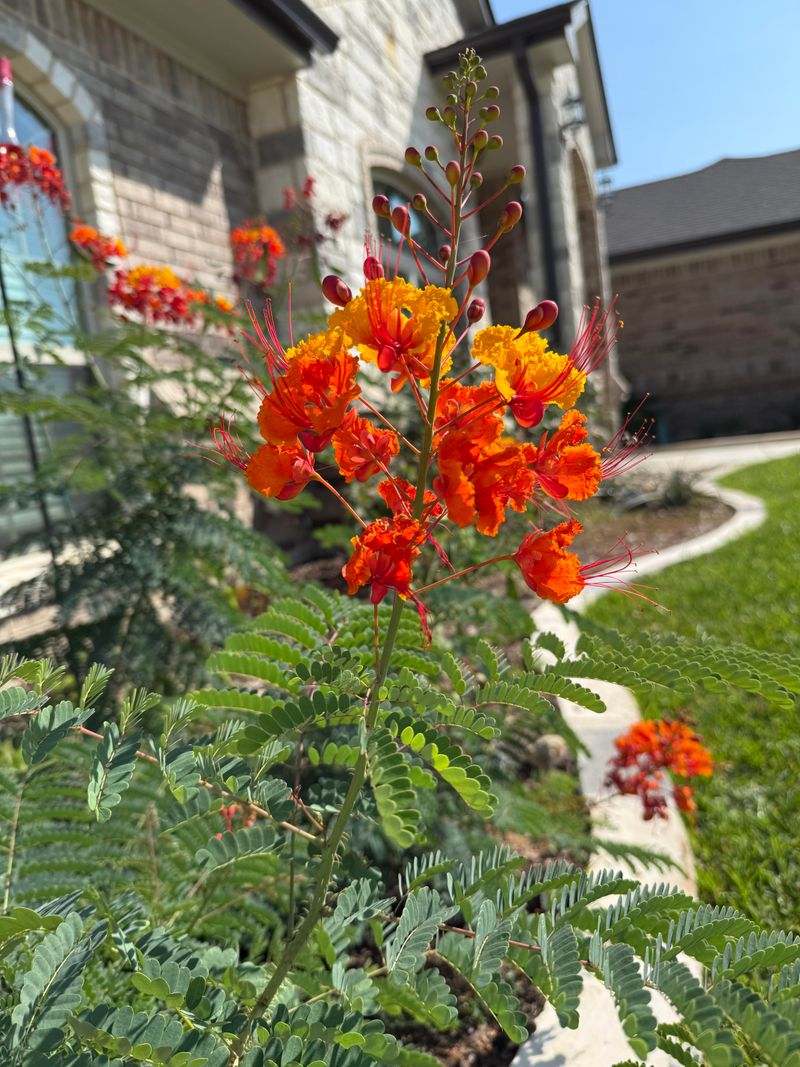
Orange and red flowers with long stamens create tropical effects in desert gardens. Pride of Barbados brings exotic beauty to Arizona landscapes without requiring tropical care.
These showy blooms appear from late spring through fall when heat peaks.
Shrubs grow six to eight feet tall and equally wide in favorable conditions. Fast growth fills spaces quickly after planting.
Arizona gardeners appreciate how rapidly pride of Barbados establishes and starts flowering.
Feathery foliage provides fine texture that contrasts with bold desert plants. Leaves create light, filtered shade beneath branches.
This airy quality keeps gardens from feeling heavy or cluttered.
Established plants tolerate drought once roots penetrate deeply. Weekly watering during active growth produces the most flowers and lushest foliage.
Reduce irrigation during winter dormancy in cooler Arizona regions.
Full sun brings out the best flowering and most vibrant colors. Plants tolerate partial shade but bloom less prolifically.
Arizona’s intense light suits pride of Barbados perfectly.
Freezing temperatures cause foliage loss in northern parts of the state. Plants usually regrow from roots when spring arrives.
Southern Arizona enjoys evergreen or semi-evergreen growth year-round.
Prune hard in late winter before new growth begins. Cut stems back to desired size and shape.
Pride of Barbados blooms on new wood so spring pruning doesn’t sacrifice flowers.
Seed pods follow flowers and contain toxic seeds.
Remove pods if children or pets frequent the area. Mature pods split open and scatter seeds that may sprout nearby.
Wear gloves when handling seed pods.
Hummingbirds and butterflies visit flowers constantly during blooming season. These pollinators make pride of Barbados a wildlife magnet.