Why Not All Easy Plants Are A Good Fit For Arizona Gardens
Plants labeled “easy” can be tempting, especially when you want a garden that doesn’t demand much time or constant attention.
But in Arizona, that label doesn’t always mean what you think it does once plants face real outdoor conditions.
Some low-effort choices struggle with intense sun, dry air, or sudden temperature swings after they’re in the ground. They may look fine at first, then slowly decline as heat and stress start pushing back.
Understanding why certain plants fail in Arizona can save you frustration and help you choose options that truly hold up long term.
1. Some “Easy” Plants Can’t Handle Extreme Summer Heat
Your neighbor’s lush garden might look amazing in spring, but come July, those same plants could be struggling to survive. Plants marketed as easy often come from temperate climates where summer means 80-degree days, not the relentless 110-plus temperatures common across Arizona.
When temperatures soar, even hardy plants can experience stress that shows up as scorched leaves and stunted growth.
Many popular perennials sold at big-box stores are bred for regions with milder summers. These varieties simply weren’t designed to handle the intensity of an Arizona summer.
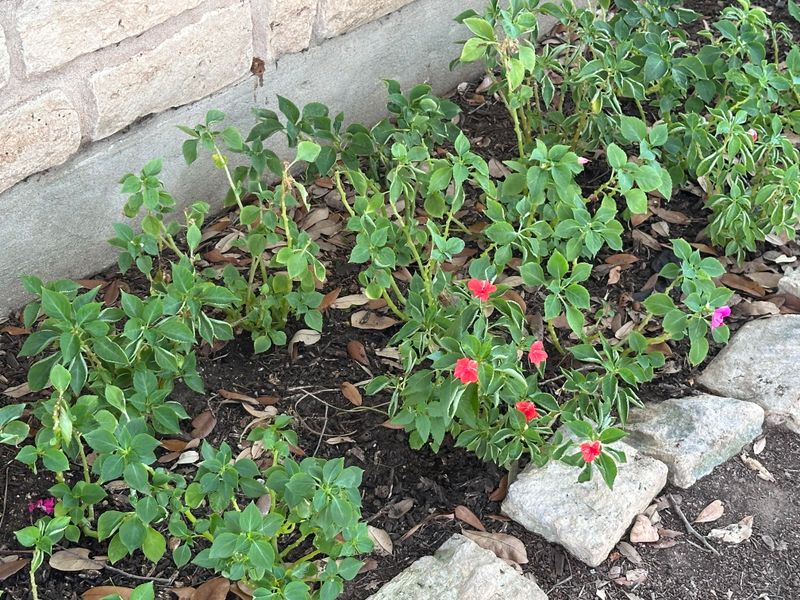
Your impatiens might flourish in Seattle, but here in Phoenix or Tucson, they’ll struggle by mid-June no matter how much you baby them.
The cellular structure of heat-sensitive plants literally can’t cope with sustained extreme temperatures. Photosynthesis slows down, and the plant enters survival mode rather than growth mode.
You’ll notice leaves drooping even with adequate water, a clear sign the plant is overwhelmed by heat stress.
Native desert plants evolved specifically to handle these conditions through specialized adaptations. They have smaller leaves, reflective surfaces, or the ability to go dormant during the hottest months.
Plants from other regions lack these crucial survival mechanisms for Arizona’s brutal summer climate.
Choosing plants that can actually tolerate your local temperature extremes saves you from watching your garden suffer each summer. Research heat zones, not just hardiness zones, before purchasing.
Arizona gardeners need to think beyond simple “easy care” labels and consider whether a plant can genuinely handle triple-digit heat for months on end.
This is especially important in urban Arizona yards, where reflected heat from walls, gravel, and pavement can push temperatures even higher than the forecast suggests.
By choosing heat-adapted plants from the start, you’re setting up a garden that stays resilient, attractive, and far less demanding when summer hits its peak.
2. Low-Maintenance Labels Ignore Arizona’s Dry Air
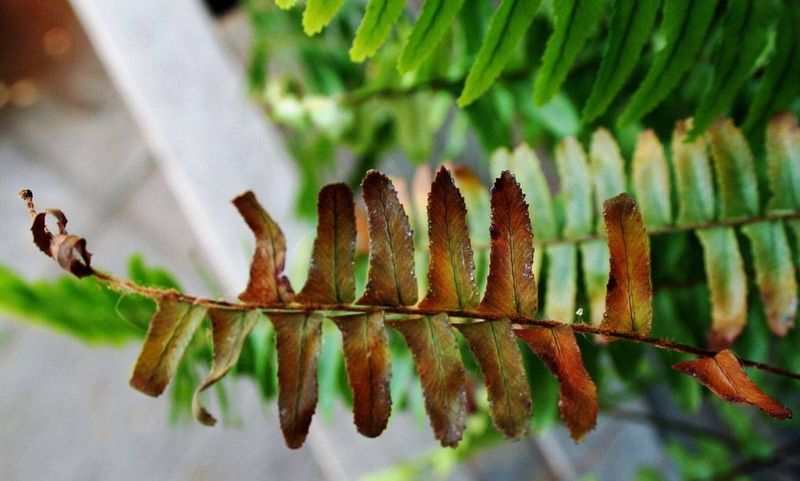
Humidity levels in Arizona regularly drop below 10 percent, creating an environment drastically different from where most “easy” plants originate. That low-maintenance fern perfect for grandma’s porch in Georgia becomes a constant watering challenge in Scottsdale.
Moisture evaporates from leaves faster than roots can replace it, leaving plants perpetually thirsty despite your best efforts.
Plants adapted to humid climates have leaf structures designed to conserve water in moist air. When you transplant them to Arizona’s bone-dry environment, they’re suddenly fighting a losing battle against evaporation.
Your Arizona Garden Changes Every Week. Your Plan Should Too.
Gardening in Arizona changes quickly throughout the season. Every Friday you’ll receive a simple weekly plan showing exactly what to plant, prune, fertilize, harvest, and protect so you never miss the right timing.
You might water daily and still see crispy leaf edges, a telltale sign of humidity stress rather than simple drought.
The transpiration rate—how quickly plants release moisture through their leaves—skyrockets in arid conditions. What worked as a weekly watering schedule in Ohio becomes an every-other-day necessity in Flagstaff or Yuma.
This increased demand transforms a supposedly easy plant into a high-maintenance burden on your time and water bill.
Many gardeners don’t realize that air moisture matters as much as soil moisture for certain species. Tropical and subtropical plants marketed as beginner-friendly simply can’t adjust to Arizona’s desert air.
Their leaves were never meant to function in such low humidity, regardless of how much you irrigate the soil.
Selecting plants naturally adapted to arid environments eliminates this constant struggle. Succulents, desert natives, and Mediterranean species evolved in dry air and won’t demand the impossible from Arizona conditions.
Understanding your state’s humidity challenges helps you avoid plants that will never truly thrive despite being labeled easy elsewhere.
3. Many Popular Plants Need More Water Than Makes Sense Here
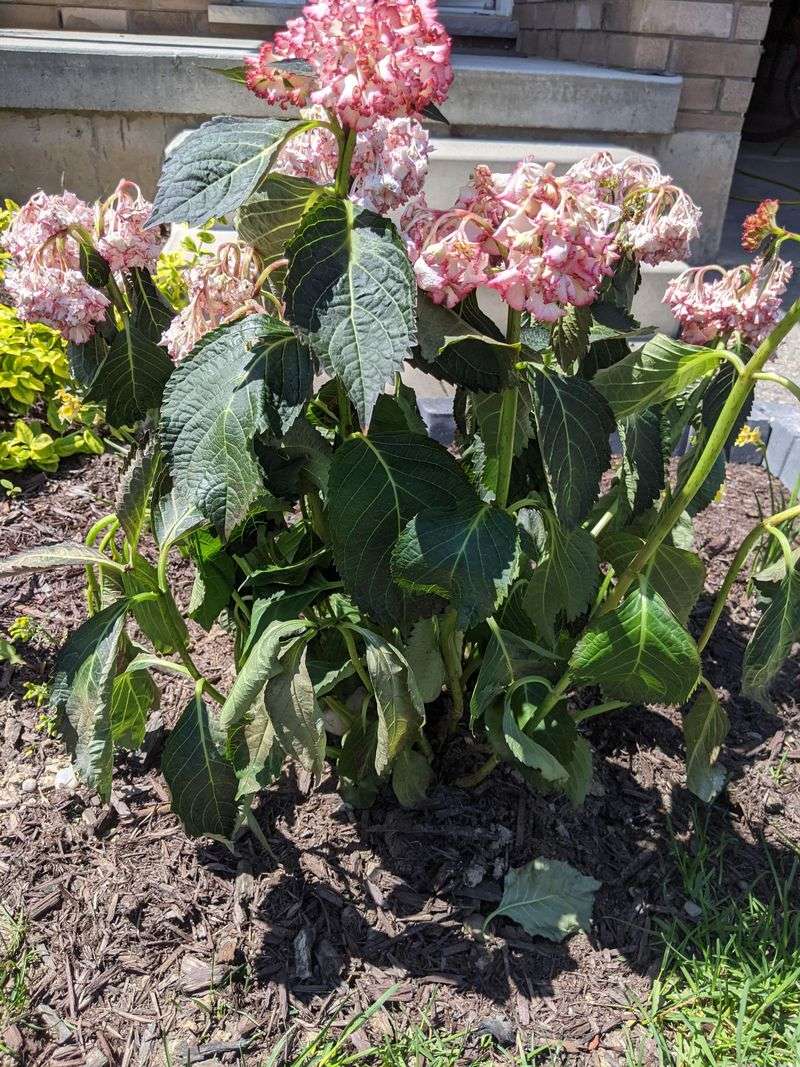
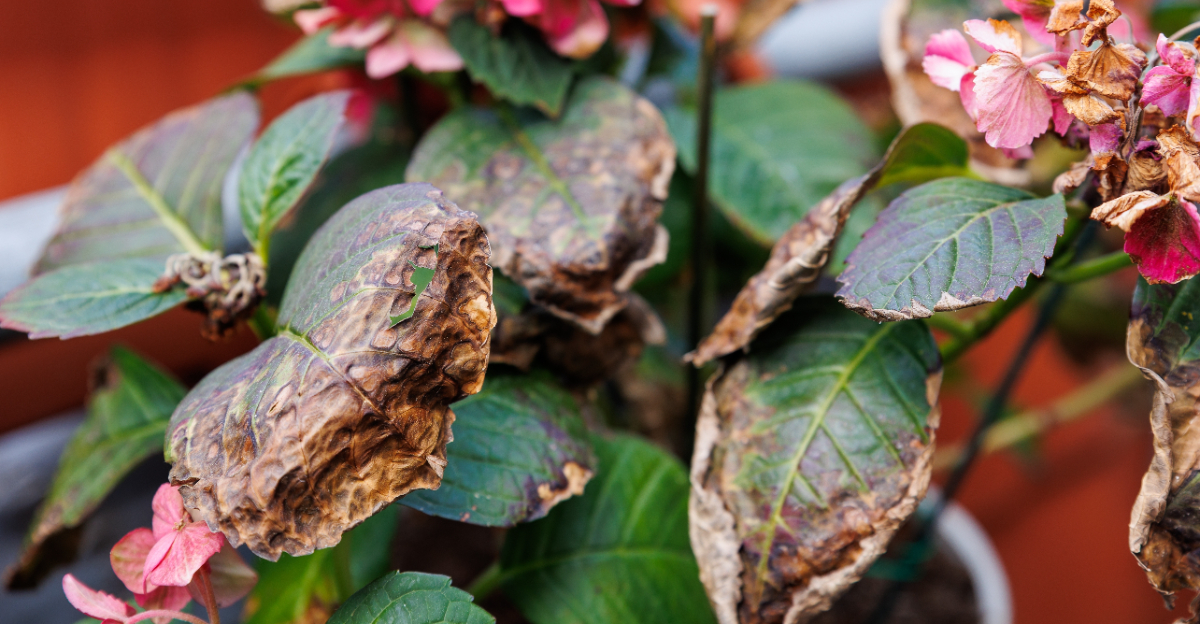
That beautiful hydrangea might be labeled drought-tolerant in North Carolina, but it’ll guzzle water like crazy under Arizona’s sun. Water conservation isn’t just environmentally responsible here—it’s often legally required during drought restrictions.
Plants marketed as easy in water-rich regions can demand irrigation levels that simply aren’t sustainable or practical in our desert state.
Consider the real costs beyond just your water bill. Frequent watering in Arizona’s alkaline soil can lead to salt buildup, creating additional problems for plants not adapted to these conditions.
You end up spending time and money addressing issues that wouldn’t exist with better plant choices matched to your state’s water reality.
Many gardeners underestimate how much water certain “easy” plants actually need when grown in Arizona’s climate. A plant requiring moderate water in Seattle might need daily irrigation in Mesa during summer.
This transforms a simple garden task into a time-consuming daily chore that many people can’t maintain long-term.
Arizona’s water situation varies by region, but conservation matters statewide. Choosing plants that genuinely thrive on minimal water isn’t just smart—it’s becoming increasingly necessary.
Those lush, water-loving plants might look appealing at the nursery, but they’re setting you up for frustration and unsustainable water use.
Desert-adapted plants can create stunning landscapes while using a fraction of the water. Agaves, penstemon, and desert marigolds offer beauty without the guilt or expense of excessive irrigation.
Matching your plant choices to Arizona’s water realities creates a garden that’s truly low-maintenance rather than just labeled that way.
4. Intense Sun Can Stress Plants That Thrive Elsewhere
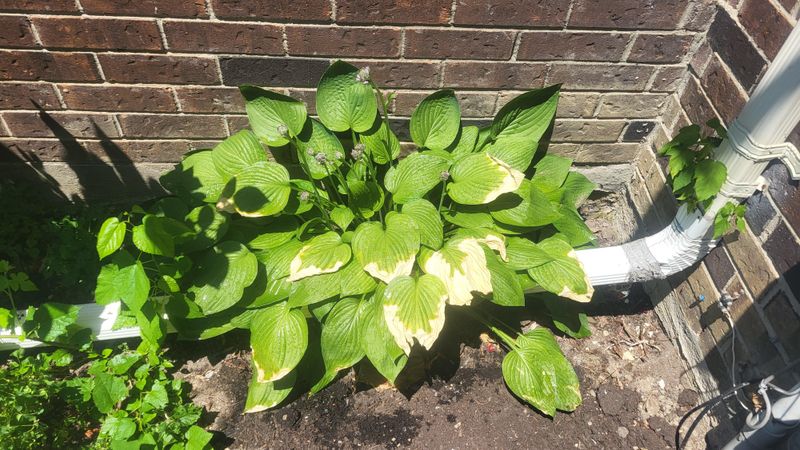
Arizona receives some of the most intense solar radiation in the United States, with UV levels that can surprise even experienced gardeners. Plants perfectly happy in full sun elsewhere often need afternoon shade here.
The intensity isn’t just about heat—it’s about the sheer power of sunlight at our elevation and latitude burning through leaves not equipped to handle it.
Leaf bleaching and sunscald affect many plants marketed as sun-lovers when grown in Arizona. You’ll notice formerly green leaves turning pale or developing brown patches, especially on western and southern exposures.
This damage isn’t reversible, and affected plants often struggle to photosynthesize effectively, limiting their growth and vitality.
Plants from cloudier climates lack the protective adaptations needed for Arizona’s relentless sunshine. They don’t have the thick cuticles, reflective leaf surfaces, or natural sunscreen compounds that native plants developed over millennia.
Expecting them to suddenly adapt to Tucson’s intense light is unrealistic, regardless of their easy-care reputation elsewhere.
The angle of the sun in Arizona changes throughout the year, creating different exposure patterns than gardeners in other states experience. What seems like partial shade in winter might become scorching full sun by June.
Many transplants from other regions don’t account for these dramatic seasonal shifts in light intensity across your state.
Understanding your specific light conditions throughout the entire year helps you choose appropriate plants. Morning sun with afternoon shade works well for many species that would struggle in all-day Arizona sun.
Observing how light moves through your space across seasons prevents the disappointment of watching supposedly hardy plants develop sun damage despite following basic care instructions.
5. Soil Conditions In Arizona Don’t Match Nursery Recommendations
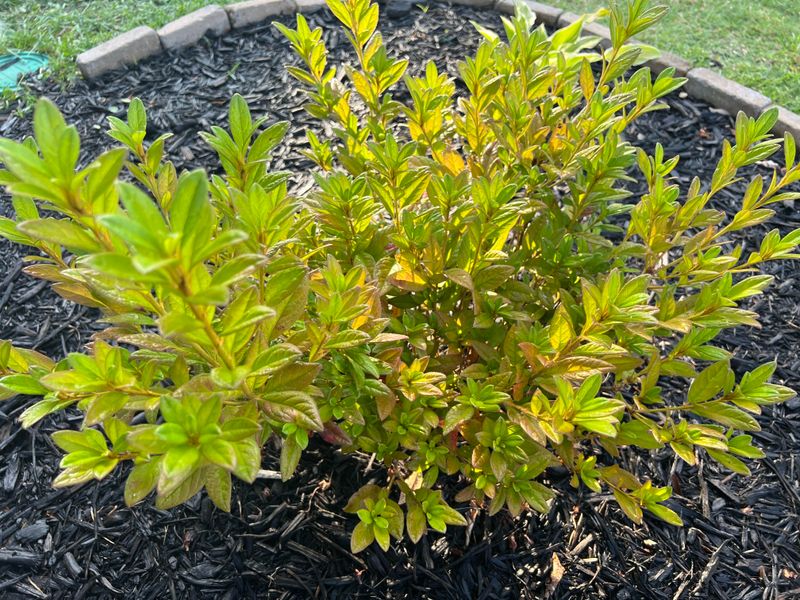
Arizona’s naturally alkaline soil with high pH levels creates challenges that most plant care guides never mention. Standard nursery recommendations assume neutral to slightly acidic soil, leaving you puzzled when your plants develop yellowing leaves despite proper fertilization.
That’s often chlorosis caused by iron lockup in alkaline soil, a problem acid-loving plants will battle constantly in Arizona gardens.
Caliche layers beneath the surface present another obstacle unique to desert regions. This cement-like hardpan restricts root growth and drainage, creating conditions drastically different from the loose, loamy soil most easy plants expect.
You might follow planting instructions perfectly yet still struggle because the recommendations weren’t written for Arizona’s challenging subsurface conditions.
The mineral content of Arizona soil differs significantly from regions where most popular plants were developed. High levels of calcium and low organic matter create a growing medium that many species simply weren’t bred to tolerate.
Amending soil helps temporarily, but maintaining the right conditions for incompatible plants becomes an ongoing battle against your state’s natural soil chemistry.
Drainage characteristics vary widely across Arizona, from sandy desert soils to heavy clay. Plants marketed as adaptable might have specific drainage requirements that don’t match your yard’s natural conditions.
Without proper drainage, even drought-tolerant plants can develop root issues during monsoon season, a uniquely Arizona challenge that generic care guides don’t address.
Selecting plants naturally suited to alkaline, mineral-rich soil eliminates constant soil amendment battles. Many desert natives and Mediterranean species actually prefer the conditions Arizona offers naturally.
Working with your soil rather than against it creates a more sustainable, truly low-maintenance garden that doesn’t require constant pH adjustment and soil modification.
6. Fast Growth Often Leads To Higher Maintenance Later
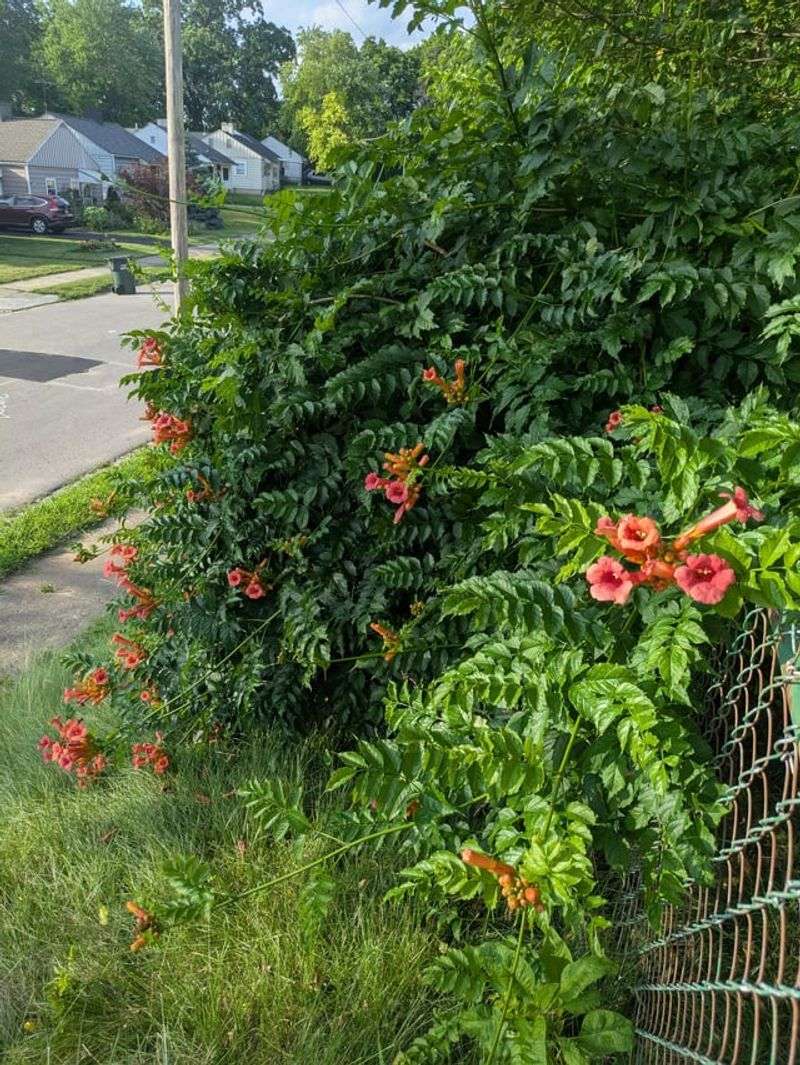
That rapidly growing vine or shrub looks appealing when you want quick results, but fast growth often means high water and nutrient demands. Plants marketed for their speedy establishment frequently require more resources than slower-growing alternatives, contradicting their easy-care claims.
In Arizona’s challenging environment, this accelerated growth rate typically isn’t sustainable without significant ongoing input from you.
Quick-growing plants often develop weaker wood and shallower root systems than their slow-growing counterparts. This makes them more vulnerable to Arizona’s intense monsoon winds and occasional freezes.
You might achieve that lush look faster, but you’ll spend more time dealing with storm damage and cold injury than you would with appropriately paced plants.
Many fast growers become invasive or overwhelming without frequent pruning and control measures. What seemed like a benefit—rapid coverage—quickly becomes a maintenance burden as plants outgrow their space.
Arizona’s long growing season means these aggressive plants don’t take a break, requiring year-round attention rather than the minimal care you expected.
The nutrient demands of fast-growing plants can be particularly challenging in Arizona’s nutrient-poor desert soils. You’ll find yourself fertilizing frequently to maintain that rapid growth rate, adding cost and time to your garden maintenance routine.
Slower-growing plants adapted to lean soils require far less supplemental feeding, making them genuinely easier to care for long-term.
Choosing plants with moderate growth rates suited to Arizona conditions creates more sustainable landscapes. Desert natives and adapted species grow at speeds their root systems can support without constant intervention.
This measured pace results in stronger, more resilient plants that actually live up to low-maintenance promises over years, not just the first season.
7. Plants Labeled Easy May Struggle Long-Term In Desert Climates
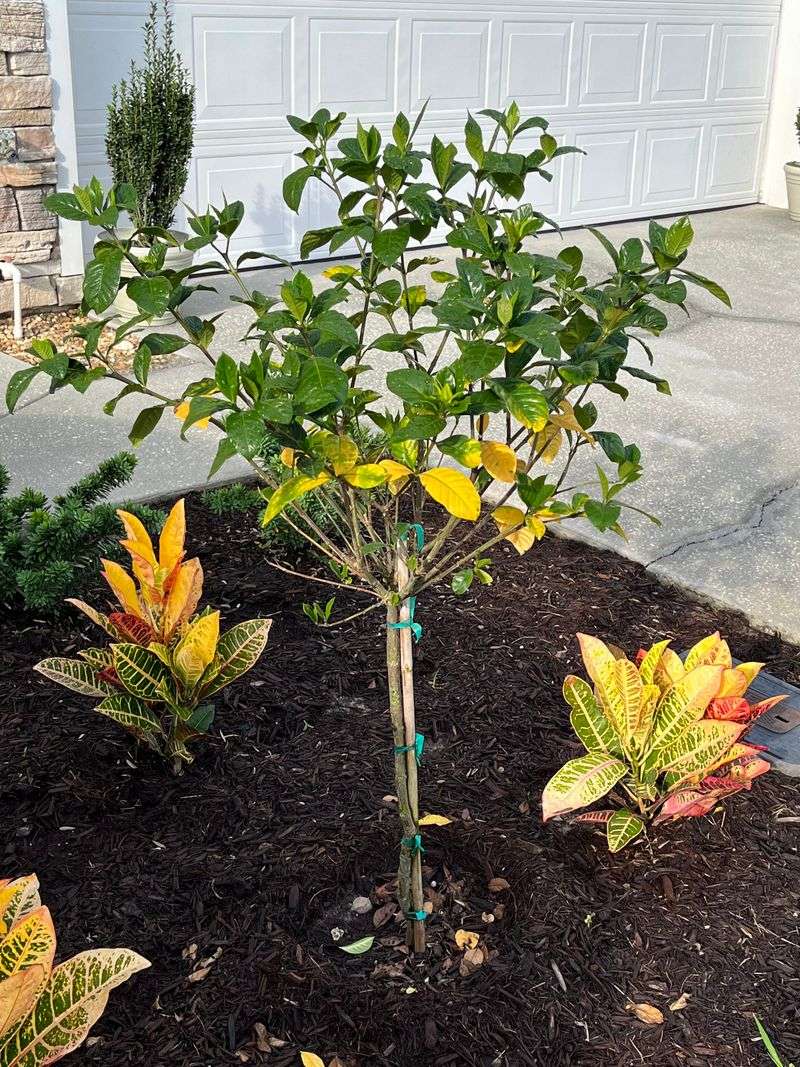
Short-term survival doesn’t equal long-term thriving, yet many easy plant labels are based on initial establishment rather than sustained health. Your new purchases might look fine for the first season, giving false confidence before Arizona’s cumulative climate stresses reveal themselves.
By year two or three, those supposedly carefree plants often show decline that requires increasing intervention to manage.
Desert climates create unique combinations of stressors—extreme heat, intense sun, low humidity, alkaline soil, and dramatic temperature swings between seasons. Plants that handle one or two of these factors might still struggle with the full package Arizona delivers.
The easy-care label rarely accounts for how multiple stressors compound over time in your state’s environment.
Many plants marketed to beginners were tested in controlled nursery conditions or moderate climates, not in real Arizona yards. What works in a greenhouse with regulated temperature and humidity often fails in your actual garden.
This disconnect between marketing claims and Arizona reality leads to disappointment and wasted money on plants doomed to decline.
Long-term success in Arizona requires plants with genuine adaptations to desert conditions, not just general hardiness. Native and desert-adapted species have evolved mechanisms to not merely survive but actually thrive under the specific stresses your state presents.
These plants maintain their health and appearance year after year without requiring the escalating care that struggling imports demand.
Building a truly low-maintenance Arizona garden means prioritizing plants with proven long-term performance in desert climates. Local botanical gardens and experienced desert gardeners offer better guidance than generic plant labels.
Investing time in research before planting saves years of frustration trying to keep incompatible plants alive in conditions they were never meant to handle.