Backyard Birds You’re Most Likely To See In Georgia During Late Winter
Late winter in Georgia can make backyards feel quiet at first glance, but that calm rarely tells the full story.
As food becomes harder to find and trees stay bare, certain birds move closer to homes where shelter and reliable resources still exist.
Some of these birds stay in Georgia year-round, while others only appear during this short window before spring arrives. When you slow down and pay attention now, you start noticing regular visitors that often get overlooked later in the season.
Late winter is one of the easiest times to spot backyard birds in Georgia, because there’s less foliage and more activity concentrated close to the ground and feeders.
1. Northern Cardinal
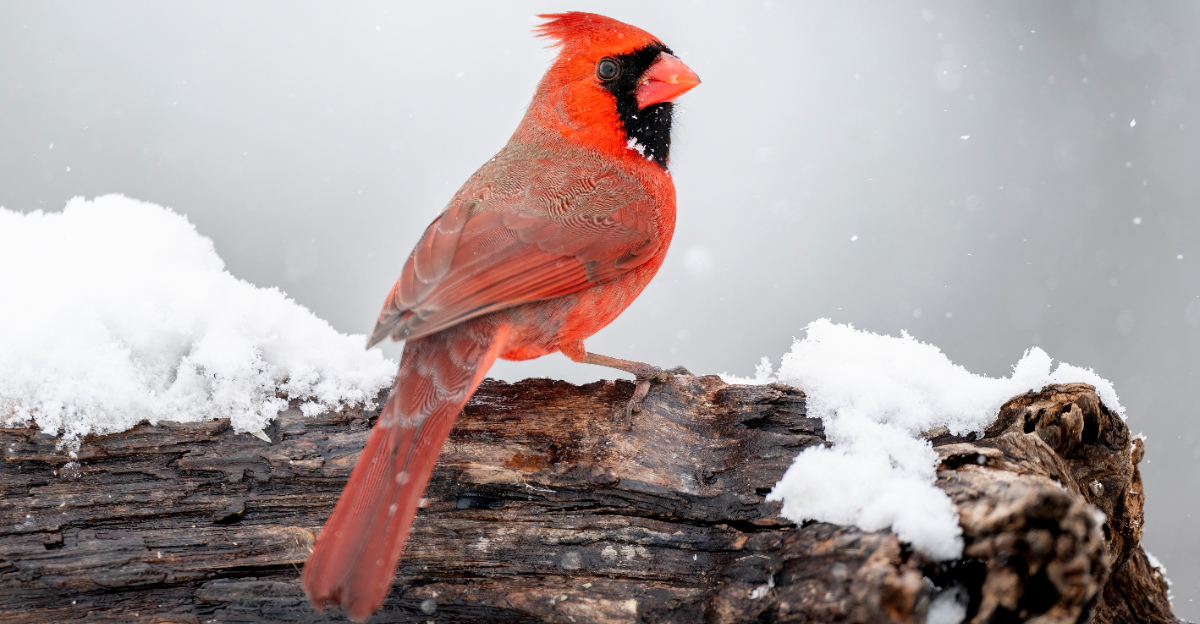
Spotting a bright red cardinal against bare winter branches feels like finding a ruby in your backyard.
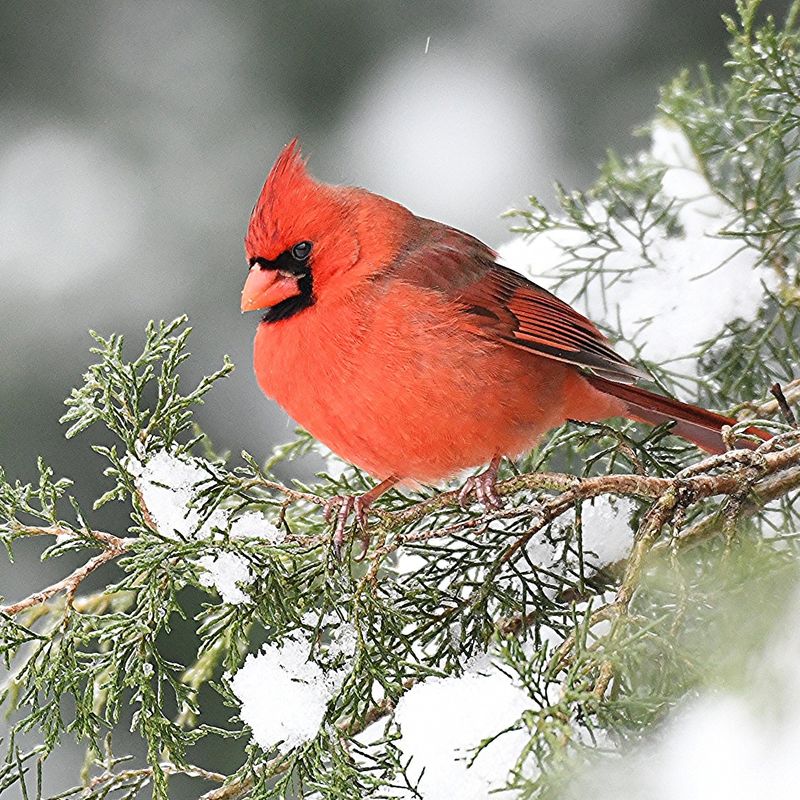
Male cardinals wear brilliant red feathers year-round, making them impossible to miss when everything else looks dull and gray. Female cardinals sport softer tan and reddish-brown colors but share the same cheerful personality and distinctive crest.
Georgia residents see these birds at feeders almost every day during late winter. Cardinals love sunflower seeds and will visit your yard repeatedly if you keep feeders stocked.
They often arrive in pairs since cardinals mate for life and stick together through all seasons.
Your mornings might start with their clear whistling songs that sound like someone saying “cheer, cheer, cheer.” Both males and females sing, which makes cardinals unusual among North American birds. They communicate with each other using different calls throughout the day.
These birds don’t migrate, so Georgia becomes their permanent home. Cold weather doesn’t bother them much because their thick feathers provide excellent insulation.
You’ll notice they fluff up their plumage on especially chilly mornings to trap warm air close to their bodies.
Cardinals prefer eating from platform feeders or directly from the ground. They use their strong, cone-shaped beaks to crack open seeds with ease.
Offering a variety of seeds keeps them coming back to your feeding station.
2. Carolina Chickadee
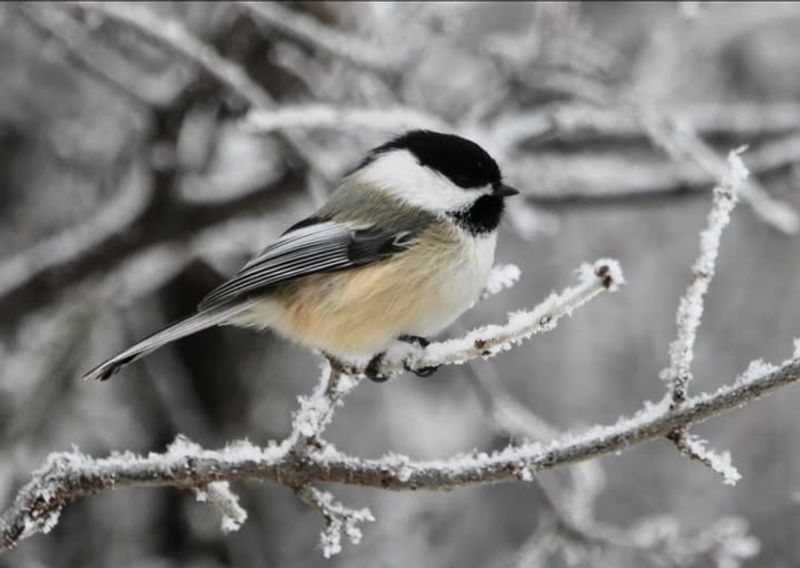
Few birds pack as much personality into such a tiny package as the Carolina Chickadee. These little acrobats weigh less than half an ounce but fill Georgia yards with energy and entertainment.
Their black caps and bibs contrast beautifully with white cheeks, creating a face you’ll recognize instantly.
Chickadees earned their name from their distinctive call that sounds exactly like “chick-a-dee-dee-dee.” The number of “dee” notes they add to the end actually communicates different levels of alarm to other birds. Scientists discovered that more “dees” mean a bigger threat is nearby.
Your feeders will attract these curious birds throughout late winter in Georgia. They love sunflower seeds, peanuts, and suet, often grabbing one seed and flying away to eat it elsewhere.
Chickadees cache food in hundreds of different hiding spots and remember where they stored each item for weeks.
These birds hang upside down while feeding, showing off impressive gymnastic skills. Their flexible legs and strong feet let them explore every angle of branches, bark, and feeders.
Your Georgia Garden Changes Every Week. Your Plan Should Too.
Gardening in Georgia changes quickly throughout the season. Every Friday you’ll receive a simple weekly plan showing exactly what to plant, prune, fertilize, harvest, and protect so you never miss the right timing.
You might see them hammering seeds against branches to crack them open.
Carolina Chickadees form small flocks during winter that include other bird species. These mixed flocks provide extra eyes to watch for predators while everyone searches for food.
The chickadees often act as sentinels, warning the group when danger approaches.
Watching their fearless antics brings smiles to Georgia residents all winter long.
3. Tufted Titmouse
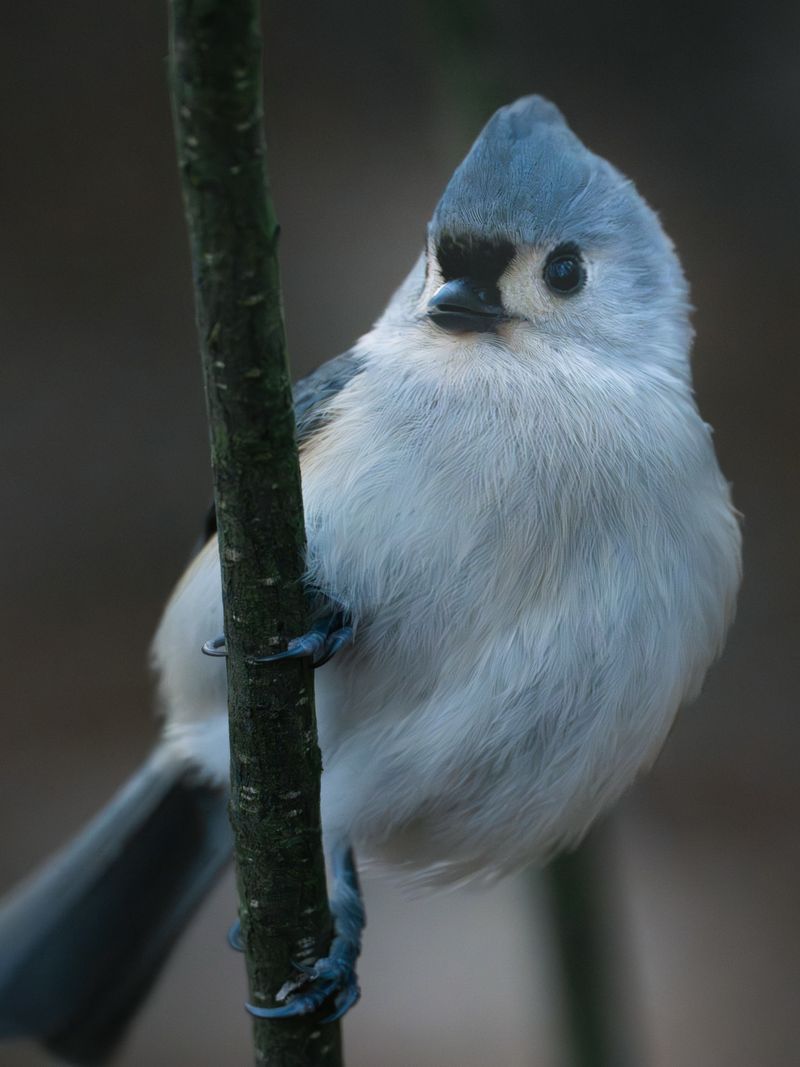
Large black eyes and a jaunty crest make the Tufted Titmouse look perpetually curious about everything happening in your Georgia yard. These gray birds with peachy sides bring constant motion to winter feeders.
Their relatives the chickadees often travel with them in mixed winter flocks.
Titmice announce their presence with loud, clear whistles that sound like “peter-peter-peter.” They sing even during late winter, practicing their territorial songs for the upcoming breeding season. Some people say their call sounds like they’re asking a question over and over.
Georgia homeowners appreciate how bold these birds act around humans. Titmice will swoop in to grab seeds while you’re standing just feet away from the feeder.
They prefer sunflower seeds and peanuts, carrying them away to eat in private or store for later.
Their crests rise and fall depending on their mood and alert level. An excited or alarmed titmouse raises its crest high, while a relaxed bird keeps it flattened against its head.
Watching these subtle signals helps you understand what they’re thinking.
These birds use their strong feet to hold seeds against branches while they hammer them open. You’ll often hear the rapid pecking sound echoing through quiet winter mornings.
They’re efficient eaters who can process lots of food quickly.
Titmice also love suet, especially during cold snaps when they need extra calories. The high-fat content helps them maintain their body temperature overnight.
Providing quality food sources keeps them visiting your Georgia property regularly throughout late winter months.
4. American Robin
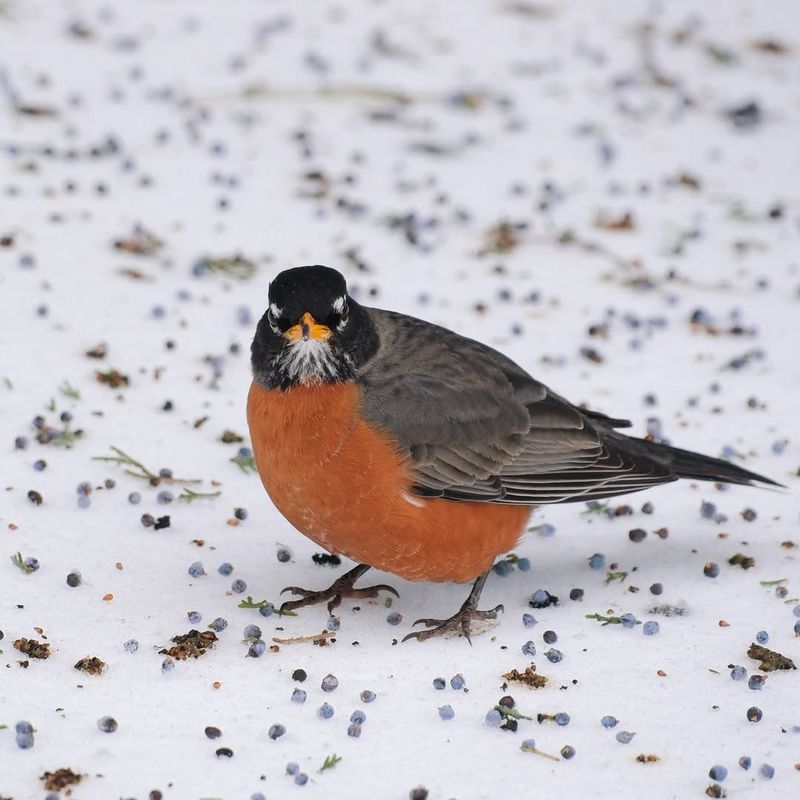
Orange-breasted robins hopping across your Georgia lawn signal that winter might be loosening its grip. Many people consider robins the first sign of spring, but plenty stick around through late winter in the South.
Their cheerful presence brightens even the coldest days.
Robins hunt for food differently than most backyard birds you’ll see. Instead of visiting feeders, they prefer searching for earthworms, insects, and berries on the ground.
You’ll notice them running a few steps, stopping suddenly, then tilting their heads as they listen and look for movement in the grass.
During late winter in Georgia, robins often gather in large flocks that roost together at night. These groups might number in the hundreds, providing warmth and safety through communal living.
They spread out during the day to search for food across different territories.
Your fruit trees and berry bushes become robin magnets when insects are scarce. They especially love holly berries, juniper berries, and any other fruits that persist through winter.
Some Georgia homeowners plant native berry-producing shrubs specifically to attract these birds.
Male robins show darker, more vibrant orange breasts than females. Both sexes sport gray-brown backs and distinctive white eye rings that make them look alert and intelligent.
Juvenile robins have spotted breasts but lose these markings as they mature.
Their melodious songs fill Georgia neighborhoods starting in late winter. Robins sing from high perches at dawn and dusk, creating a soundtrack for your outdoor activities.
5. Mourning Dove
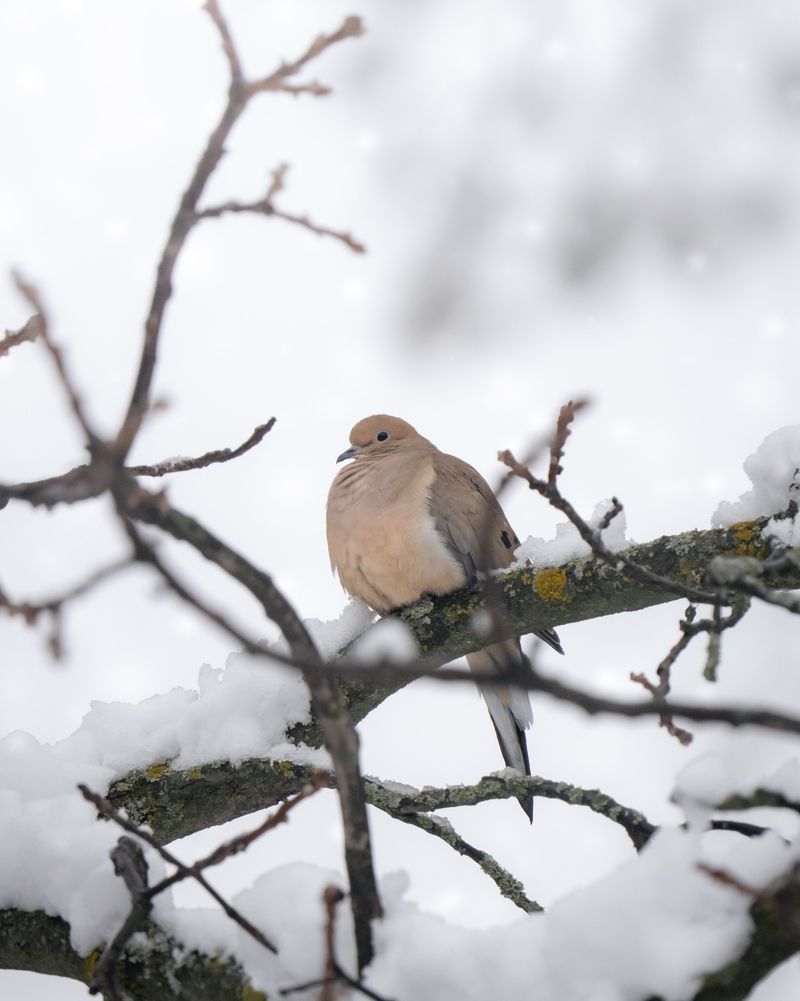
Soft cooing sounds drifting through your Georgia yard often come from Mourning Doves settling in for a meal. These gentle birds have sleek, streamlined bodies covered in soft gray-brown feathers.
Their long, pointed tails and small heads give them an elegant profile that’s easy to spot.
Mourning Doves prefer eating seeds scattered on the ground rather than perching at elevated feeders. They vacuum up seeds with remarkable speed, storing them in a special throat pouch called a crop.
Later, they’ll fly to a safe perch to digest their meal in peace.
Georgia residents often hear the whistling sound their wings make during takeoff. This distinctive noise happens because air rushes through their primary flight feathers.
The sound serves as an alarm signal that alerts other doves to potential danger.
These birds mate for life and you’ll frequently see pairs sitting close together on power lines or branches. During late winter, they start their courtship displays, with males puffing up their chests and bobbing their heads.
Their mournful cooing gives them their common name.
Mourning Doves visit feeders throughout the day but seem especially active during early morning and late afternoon. They’re not aggressive and will wait patiently for their turn when other birds crowd the feeding area.
Their calm demeanor makes them pleasant backyard guests.
Cold weather doesn’t drive these birds away from Georgia since they’re year-round residents. They fluff their feathers to stay warm and seek sheltered spots during harsh conditions.
6. White-Throated Sparrow
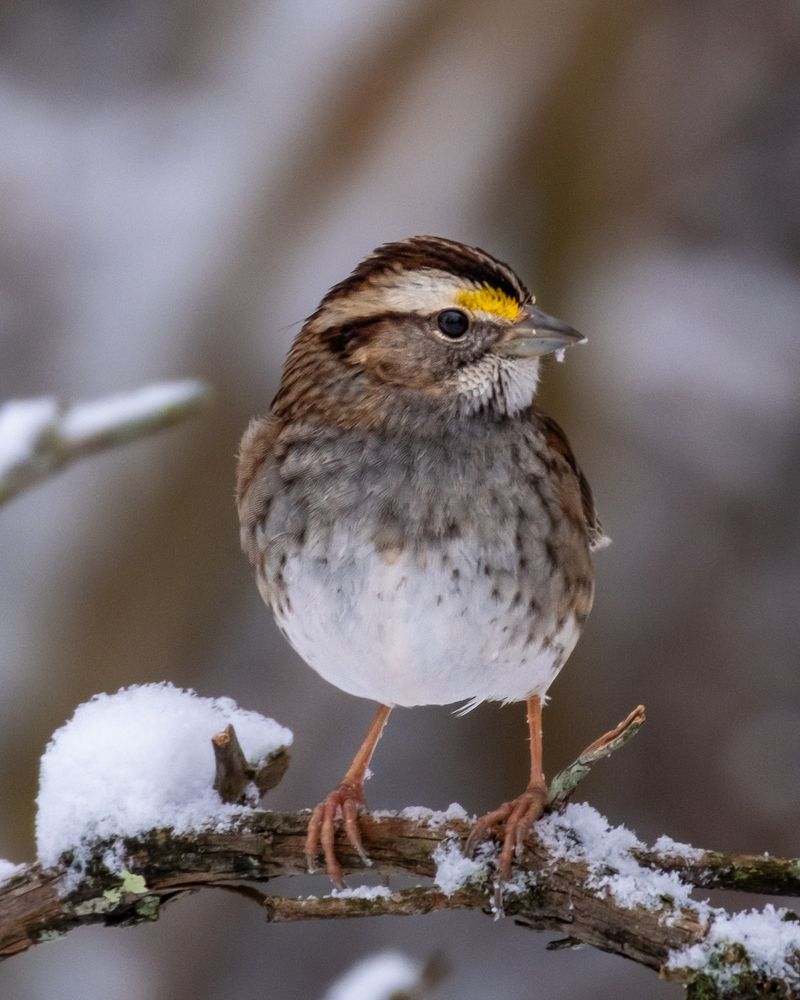
Crisp white throat patches stand out when White-Throated Sparrows visit Georgia yards during late winter. These handsome sparrows travel south from their northern breeding grounds to spend cold months in warmer climates.
Small yellow spots between their eyes and beaks add extra charm to their already attractive faces.
Your ground-level feeders become hotspots for these birds throughout winter. White-Throated Sparrows scratch through leaf litter and mulch, using both feet simultaneously to uncover hidden seeds.
This distinctive two-footed hop-and-scratch movement looks like a little dance.
Georgia homeowners often hear their sweet, whistled song that sounds like “Old Sam Peabody, Peabody, Peabody.” Even during winter, these sparrows practice their songs, preparing for the breeding season ahead. Their clear, pure notes carry surprisingly far on cold, still mornings.
Two different color forms exist within this species. Some birds have bright white stripes on their heads while others show tan stripes instead.
Interestingly, white-striped birds tend to be more aggressive while tan-striped ones act more parental.
These sparrows prefer areas with dense shrubs and brush piles where they can quickly hide from predators. Creating natural cover in your Georgia yard makes the space more inviting for them.
They’ll venture into open areas to feed but always stay close to protective vegetation.
White-Throated Sparrows travel in small flocks that often include other sparrow species. Mixed groups provide better predator detection since more eyes watch for danger.
You might see them feeding alongside Dark-Eyed Juncos and other winter visitors in your yard.
7. Blue Jay
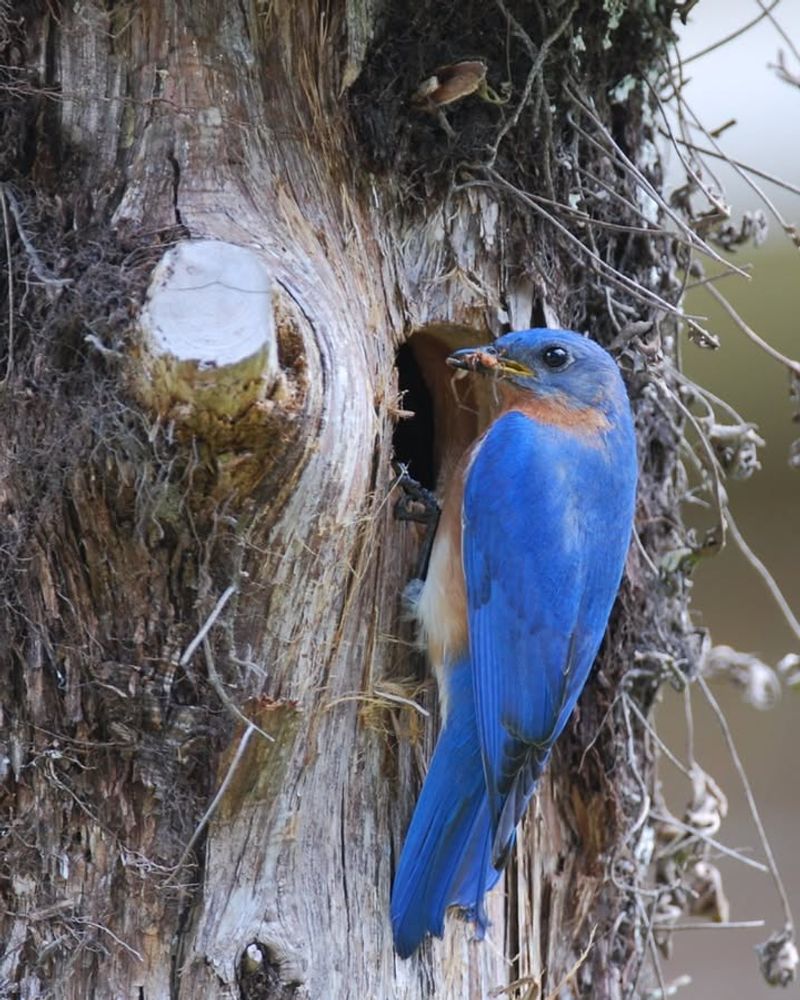
Bold blue feathers and loud personalities make Blue Jays impossible to ignore in Georgia backyards. These intelligent birds wear stunning blue, white, and black plumage that catches your eye immediately.
Their prominent crests rise and fall depending on their mood, creating an expressive face you’ll learn to read.
Jays announce their arrival with harsh, screaming calls that alert every creature in the neighborhood. They’re excellent mimics who can imitate hawk calls so convincingly that other birds scatter in fear.
Some people find their noise annoying, but their intelligence and beauty make up for their loud voices.
During late winter in Georgia, Blue Jays visit feeders to stock up on peanuts, sunflower seeds, and corn. They can carry multiple peanuts at once, stuffing their throat pouches full before flying away to cache their treasures.
Scientists have tracked jays hiding thousands of nuts each fall and winter.
These birds show remarkable memory skills when relocating their hidden food stores. They remember specific landmarks and use spatial relationships to find cached items months later.
Your yard becomes part of their mental map of food resources.
Blue Jays play important roles in forest ecology by spreading oak trees. They bury acorns in the ground and forget about some of them, allowing new trees to sprout.
This partnership between birds and oaks has shaped Georgia’s landscapes for thousands of years.
8. Red-Bellied Woodpecker
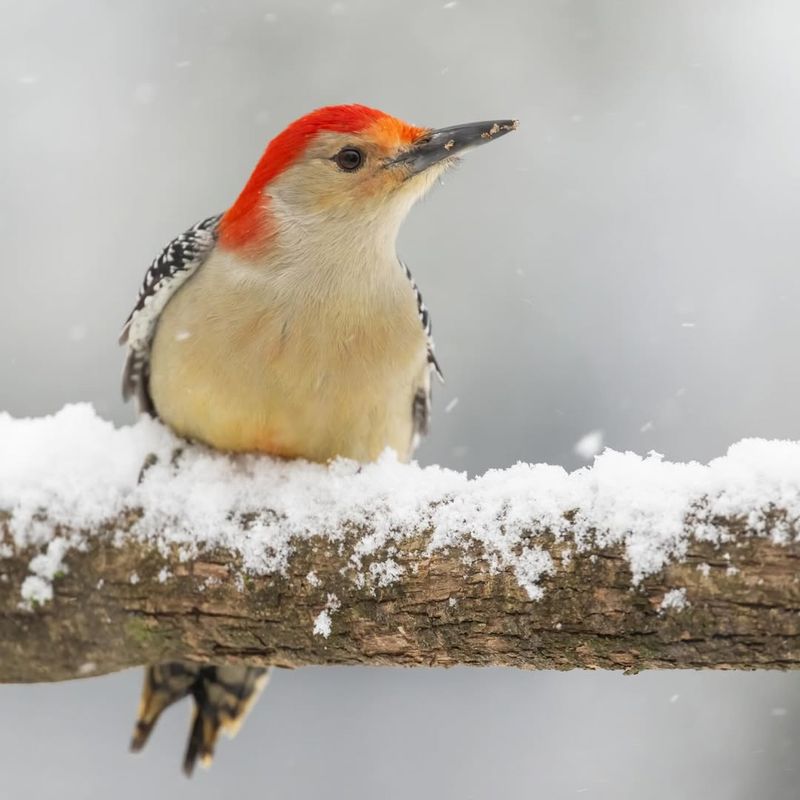
Drumming sounds echoing through Georgia yards often mean a Red-Bellied Woodpecker is nearby. Despite their name, the red on their bellies is quite subtle—a faint wash that’s easy to miss.
The bright red caps on their heads and napes are much more noticeable and distinctive.
These medium-sized woodpeckers sport striking black and white barred patterns on their backs. Males wear red from their bills over their heads to their necks, while females have red only on their necks and napes.
Their pale bellies and faces give them a clean, crisp appearance.
Georgia homeowners attract these woodpeckers by offering suet, peanuts, and sunflower seeds. Red-Bellied Woodpeckers have long, barbed tongues they use to extract insects from tree bark.
They’ll also visit hummingbird feeders to sip sugar water, showing their adaptable feeding habits.
Your trees become foraging grounds where these birds search for beetles, ants, and other insects hidden in bark crevices. They use their strong bills to excavate holes and probe for food.
The drumming you hear serves both to find hollow-sounding spots with insects and to communicate with other woodpeckers.
These birds don’t migrate, making them year-round residents throughout Georgia. Cold weather brings them to feeders more frequently since natural food becomes harder to find.
They’re bold visitors who don’t mind human presence once they feel comfortable in your yard.
9. Dark-Eyed Junco
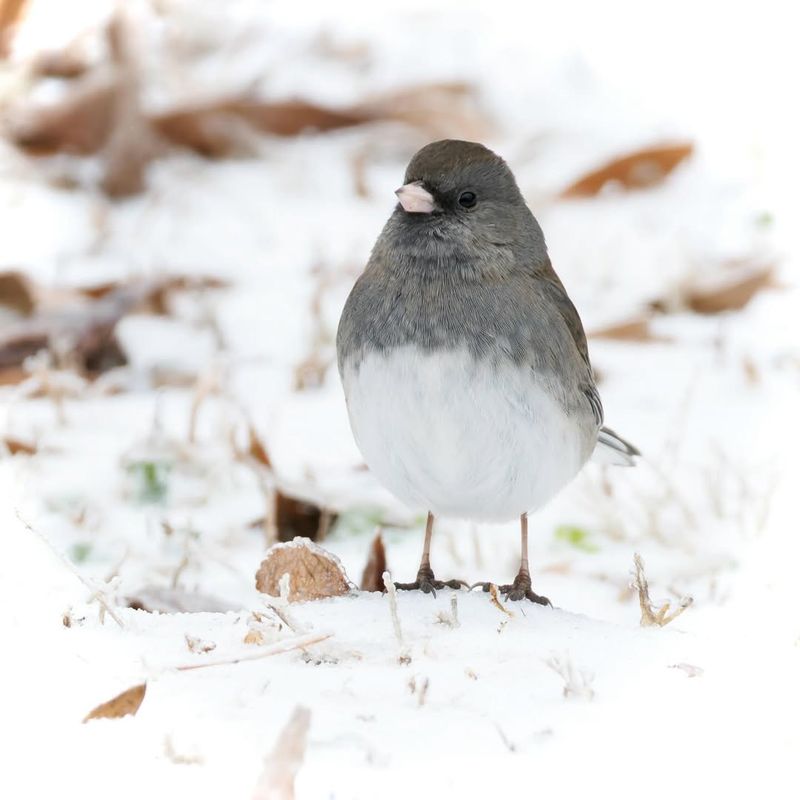
Slate-colored birds hopping beneath your Georgia feeders during late winter are likely Dark-Eyed Juncos. These small, sparrow-sized birds wear crisp gray hoods and backs that contrast sharply with their bright white bellies.
Their pink bills add a touch of color to their otherwise monochromatic appearance.
Juncos earned the nickname “snowbirds” because they arrive from northern regions when cold weather sets in. Georgia becomes their winter vacation destination where they’ll stay until spring warmth calls them back north.
Seeing juncos reminds us that winter has truly arrived.
Your ground-feeding areas become junco headquarters throughout winter months. These birds prefer eating seeds that have fallen from elevated feeders rather than perching at the feeders themselves.
They hop along the ground with both feet, searching through leaf litter and snow for millet, sunflower chips, and other small seeds.
White outer tail feathers flash prominently when juncos fly, creating a distinctive field mark. This pattern helps flock members keep track of each other while feeding and moving through vegetation.
The flashing white also startles predators, giving juncos precious seconds to escape.
Small flocks of juncos maintain loose social structures during winter. They communicate with soft chip notes and twittering calls that keep the group coordinated.
Georgia residents enjoy watching their peaceful interactions as they feed together without much squabbling.