Soil Issues You Should Spot Before Spring Planting In Georgia
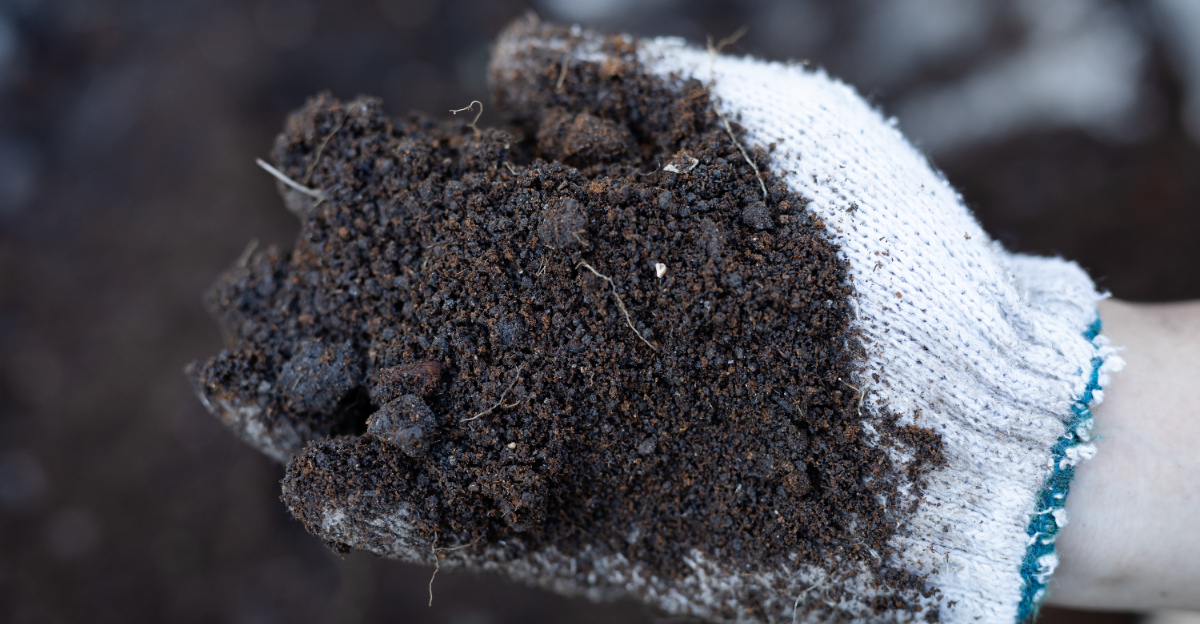
Late winter is when soil in Georgia gardens shows its true condition.
Without active growth masking problems, issues like excess moisture, compaction, and nutrient imbalance become much easier to spot.
Some of these changes are normal after winter weather, but others quietly set the stage for weak roots and slow growth once planting begins. Soil problems that go unnoticed now often carry straight into spring, where they limit what plants can do no matter how carefully they’re planted.
Spotting these issues before planting starts gives your Georgia garden a better foundation and fewer surprises as the season moves forward.
1. If Water Sits For Days, Your Soil Isn’t Ready
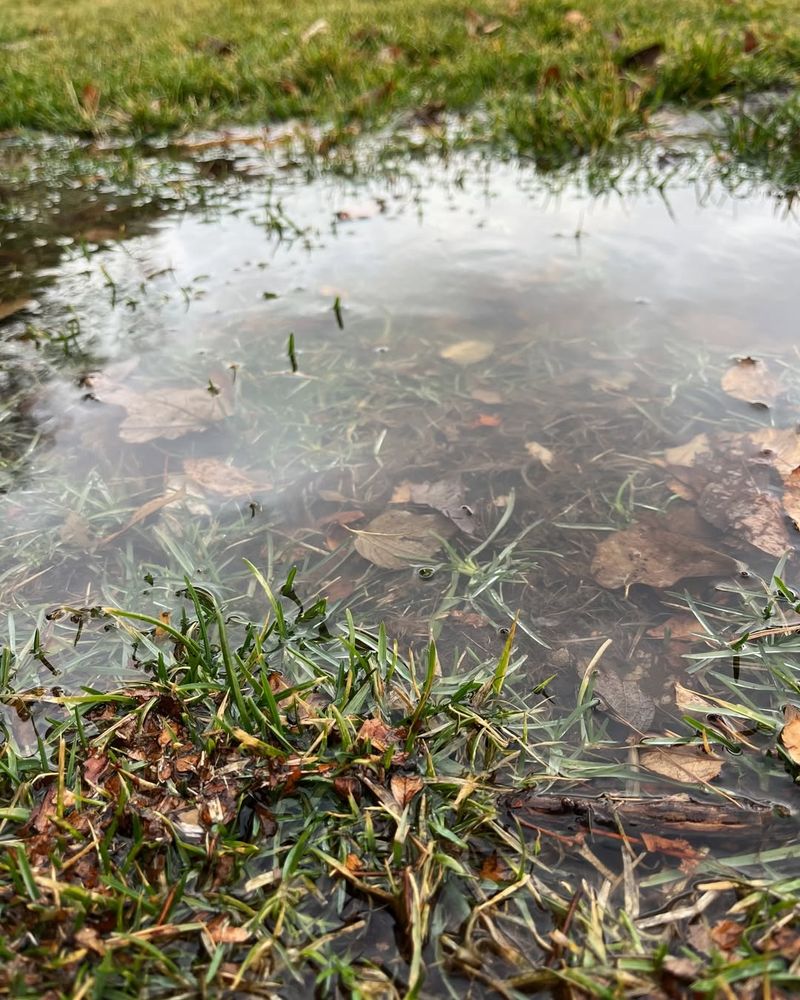
Water that refuses to disappear is your soil waving a red flag. Winter storms across Georgia can leave your garden beds completely saturated, creating conditions that last well into spring.
Standing water after a good rain tells you that your soil structure needs attention before any seeds go in. Roots need oxygen just as much as they need water, and soggy conditions prevent that crucial air exchange.
Clay-heavy soil common throughout the state holds moisture longer than other soil types, making drainage issues even more pronounced. You might notice water pooling in low spots or taking days to disappear after rainfall.
Your plants will struggle in these conditions because their roots can’t establish properly.
Testing drainage is simple: dig a hole about twelve inches deep and fill it with water. If it takes more than four hours to drain completely, you’ve got a problem that needs fixing.
Adding organic matter like compost or aged manure helps break up heavy clay and creates pathways for water to move through.
Raised beds offer another solution for Georgia gardeners dealing with persistent drainage issues. Building up your planting area six to twelve inches allows excess water to drain away naturally.
You can also consider installing drainage tiles or creating gentle slopes that direct water away from your growing areas.
French drains work well for seriously waterlogged sections of your garden. These underground channels collect and redirect water before it reaches your plant roots.
Many Georgia gardeners find that combining several drainage solutions gives them the best results.
Soil amendments take time to work their magic, so starting now means better conditions by planting time. Mix in several inches of compost or other organic material and let it settle.
Your spring vegetables will thank you with stronger growth and better yields once drainage improves.
Watch for moss or algae growth on your soil surface, which signals chronic moisture problems. These organisms thrive where drainage fails and regular plants struggle.
Addressing the underlying drainage issue eliminates these unwanted visitors naturally.
2. Compacted Soil From Foot Traffic Or Equipment
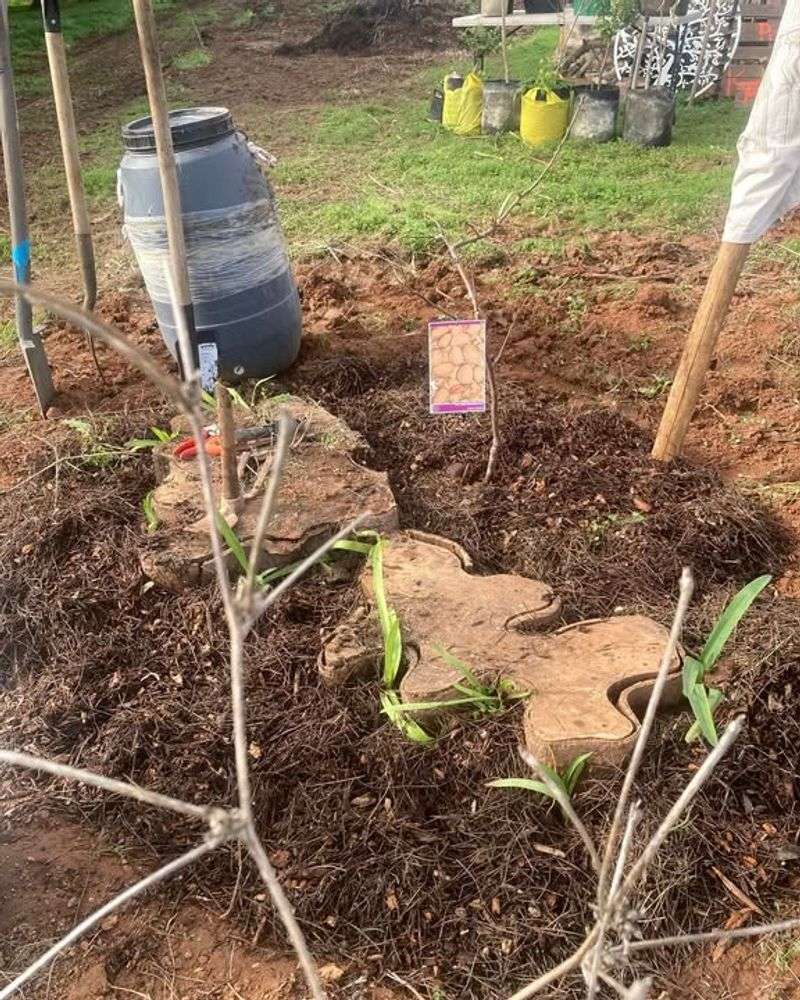
If the ground feels hard underfoot, roots feel it even more.
Walking through your garden beds all season long presses soil particles tightly together, squeezing out the air spaces that roots need to grow. Equipment like tillers or wheelbarrows makes this problem even worse, especially when you use them on wet ground.
Your Georgia Garden Changes Every Week. Your Plan Should Too.
Gardening in Georgia changes quickly throughout the season. Every Friday you’ll receive a simple weekly plan showing exactly what to plant, prune, fertilize, harvest, and protect so you never miss the right timing.
Georgia’s clay-rich soil becomes rock-hard when compacted, creating an almost impenetrable barrier for plant roots.
You can spot compaction easily by trying to push a screwdriver or metal rod into your soil. Healthy, loose soil lets it slide in smoothly, while compacted areas require serious force or won’t let it penetrate at all.
Your plants show signs of compaction stress through stunted growth and yellowing leaves even when you water and fertilize properly.
Roots simply can’t push through densely packed soil, so they stay shallow and weak. This makes your plants more vulnerable to drought and wind damage throughout the growing season.
Water also has trouble penetrating compacted layers, leading to runoff instead of absorption.
Breaking up compacted soil requires physical effort but pays off tremendously. A broadfork works wonderfully for loosening soil without flipping it over and disrupting beneficial organisms.
Push the tines deep into the ground and rock the handles back and forth to create fractures in the compacted layer.
Garden pathways deserve special attention in your Georgia garden since that’s where most foot traffic happens. Installing stepping stones or permanent paths keeps compaction contained to specific areas.
You protect your growing beds while still maintaining easy access for maintenance and harvesting.
Timing matters when working with potentially compacted soil. Never walk on or work garden beds when they’re wet, as this causes maximum compaction.
Wait until soil crumbles easily in your hand rather than forming a muddy ball.
Cover crops planted in fall help prevent compaction by keeping roots growing through winter. Their root systems create natural channels in the soil that persist even after you cut down the plants.
Daikon radishes work particularly well because their long taproots punch through existing compacted layers.
3. Low Organic Matter In Heavily Used Beds
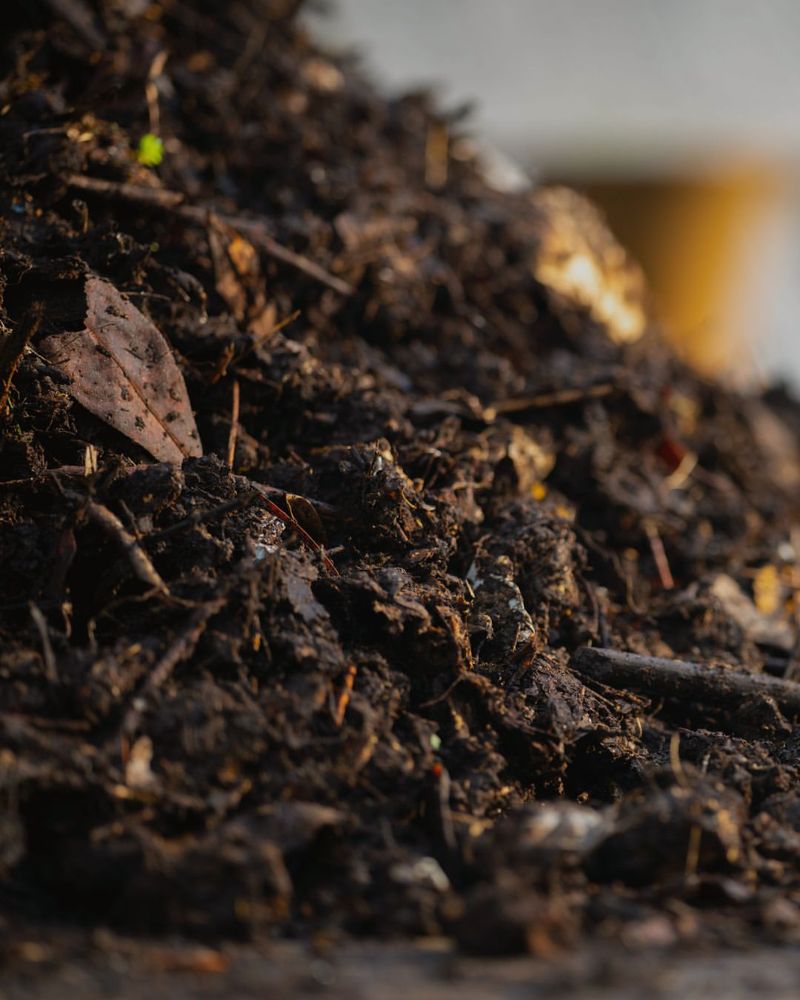
Soil can look fine on the surface and still be completely worn out underneath. Gardens that produce crops year after year gradually use up the organic matter in the soil, leaving it lifeless and pale.
Your most productive beds often suffer the most because those plants consumed everything available during their growth. Georgia’s warm climate speeds up organic matter decomposition, meaning you lose it faster than gardeners in cooler regions.
Soil lacking organic matter looks and feels different from healthy ground. It tends to be lighter in color, more like tan or gray than rich brown or black.
The texture becomes either dusty and powdery when dry or sticky and difficult to work when wet.
Organic matter does so much more than feed your plants directly. It improves soil structure, helps retain moisture, supports beneficial microorganisms, and moderates soil temperature.
Without adequate levels, your soil can’t perform these essential functions no matter how much fertilizer you add.
Testing organic matter content requires sending a sample to your local extension office. They’ll tell you the percentage and recommend how much to add for your specific crops.
Most vegetables grow best with organic matter levels between three and five percent.
Compost remains the gold standard for rebuilding organic matter in tired garden beds. Spread two to four inches across your bed’s surface and work it into the top six inches of soil.
Your spring plants will immediately benefit from improved soil conditions.
Aged manure from horses, cows, or chickens provides another excellent organic matter source. Make sure it’s fully composted before adding it to your Georgia garden beds.
Fresh manure can burn plant roots and introduce weed seeds that create problems later.
Leaf mold offers a free option if you have deciduous trees nearby. Collect fallen leaves in autumn, shred them with your mower, and pile them somewhere to decompose.
Within a year, you’ll have beautiful, crumbly material perfect for enriching depleted beds.
4. Imbalanced Soil pH Affecting Nutrient Uptake
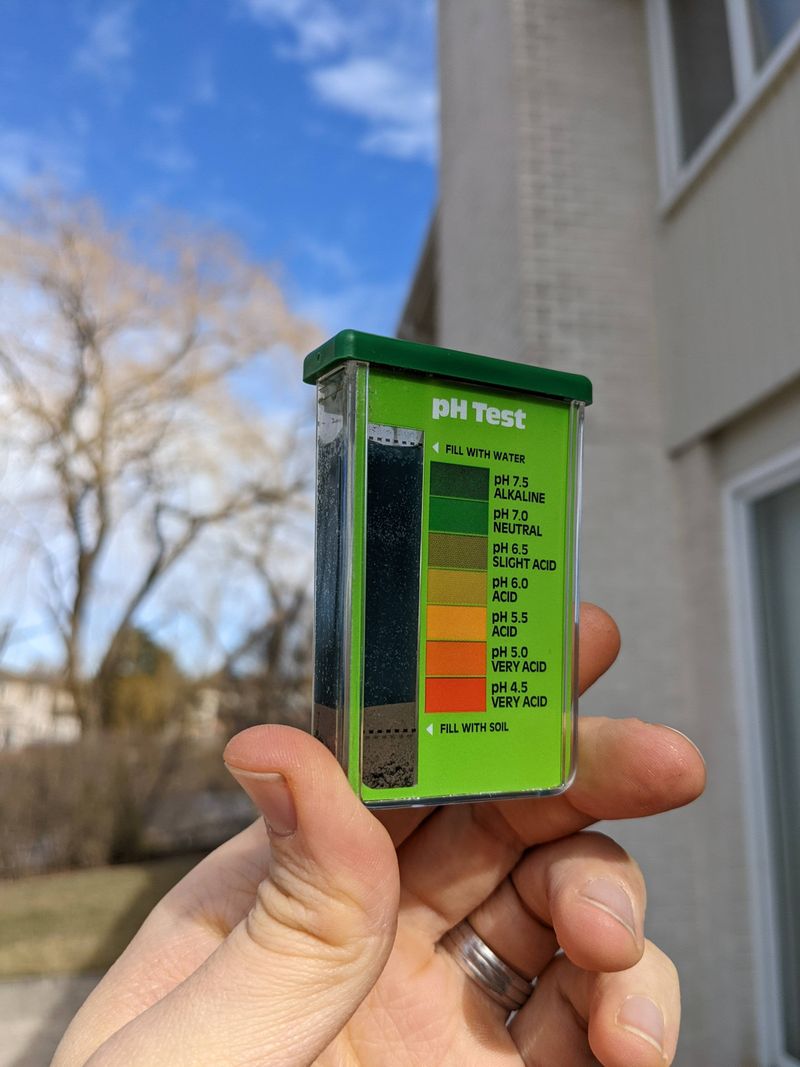
Nutrients don’t matter if your plants can’t actually access them. Your soil’s pH level controls whether plants can actually use the nutrients present in the ground.
Georgia soils naturally trend acidic, but years of fertilizing or other factors can push pH too far in either direction. Plants show nutrient deficiency symptoms even when those nutrients exist in abundance because the pH locks them away in unavailable forms.
Most vegetables prefer slightly acidic to neutral soil, somewhere between 6.0 and 7.0 on the pH scale. Blueberries and azaleas want more acidity, while asparagus tolerates alkaline conditions better.
Knowing your current pH helps you understand whether your soil suits your planned crops.
Testing pH costs just a few dollars and takes minutes with a simple kit from any garden center. You can also send samples to your county extension office for more detailed analysis.
Test several spots around your garden since pH can vary significantly even within a small area.
Acidic soil below 6.0 locks up nutrients like phosphorus, calcium, and magnesium that plants need for strong growth. Your tomatoes might show blossom end rot, or your leaves might yellow between the veins.
Adding lime raises pH gradually, but you need to know your starting point to add the right amount.
Alkaline soil above 7.5 causes different problems, making iron, manganese, and zinc unavailable. Plants develop chlorosis, where new leaves turn yellow while veins stay green.
Sulfur products lower pH, but again, testing tells you exactly how much to use.
Limestone comes in two forms: calcitic and dolomitic. Calcitic lime adds calcium, while dolomitic adds both calcium and magnesium.
Most Georgia soils benefit from dolomitic lime since they’re often low in magnesium. Apply lime in fall so it has time to react with soil before spring planting.
Sulfur works more quickly than lime but still needs several weeks to change pH. Elemental sulfur is the most common form for home gardens.
Work it into the soil rather than just spreading it on top for faster results.
5. Hard Clay Layers That Restrict Root Growth
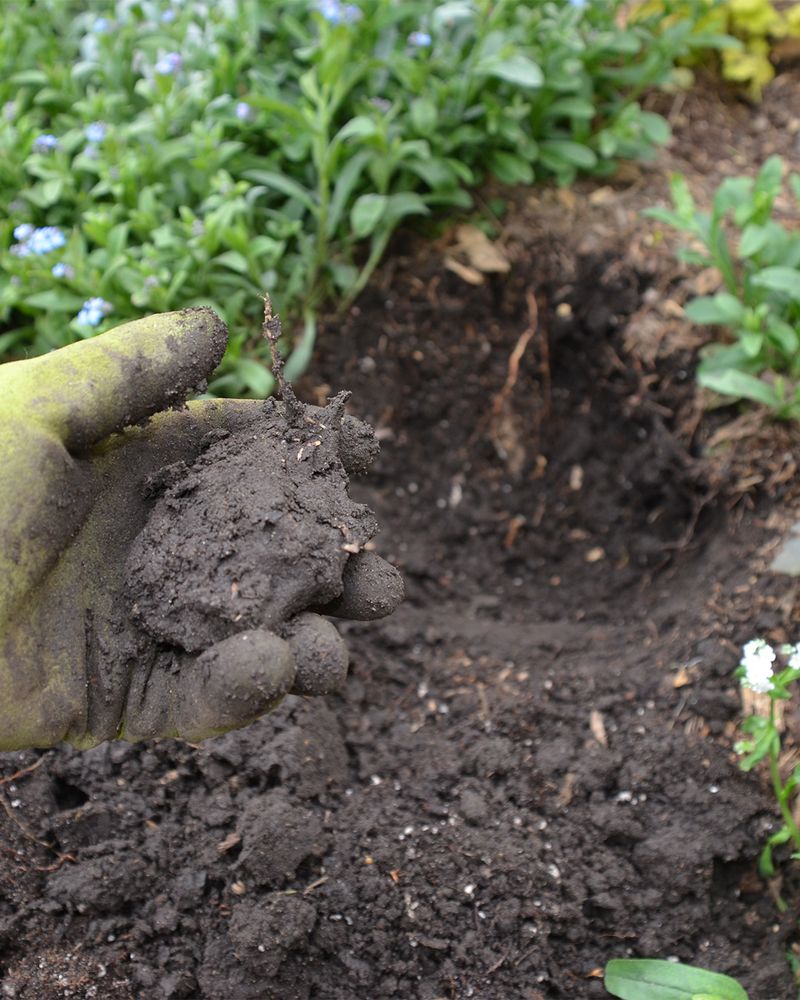
Sometimes roots stop growing not because of care, but because they hit a wall. Beneath your garden’s surface soil often lies a layer of dense clay that stops roots as effectively as concrete.
This hardpan forms naturally in many Georgia locations or develops from repeated tilling to the same depth. Roots hit this barrier and either stop growing or turn sideways, never reaching their full potential.
You might not see this problem just by looking at your garden’s surface. Plants seem healthy at first but then stop growing despite adequate water and fertilizer.
Their root systems stay shallow and bunched, making them unstable and vulnerable to stress.
Finding a clay layer requires digging down eighteen to twenty-four inches to see what’s below your topsoil. If you hit a distinct change in texture or color, or if your shovel suddenly won’t penetrate easily, you’ve found hardpan.
This layer typically sits six to twelve inches below the surface.
Breaking through clay layers requires aggressive action but transforms your garden’s productivity. A pickaxe or mattock works for small areas, though it’s exhausting work.
You’re essentially mining your garden bed to create pathways for roots to grow deeper.
Double-digging offers a traditional solution where you remove the top layer of soil, break up the clay beneath, then return the topsoil. This method creates deeply worked beds that support vigorous root growth.
Many Georgia gardeners find the effort worthwhile for permanent beds they’ll use for years.
Mechanical tillers struggle with true hardpan since they can’t penetrate deeply enough. You need tools that reach below the compacted layer.
A tractor-mounted subsoiler works for large areas, cutting through clay without bringing it to the surface.
Gypsum helps clay particles separate and improves soil structure over time. Unlike lime, it doesn’t change pH, making it useful when your pH is already correct.
Spread it according to package directions and water it in thoroughly for best results.
6. Nutrient Depletion From Long Growing Seasons
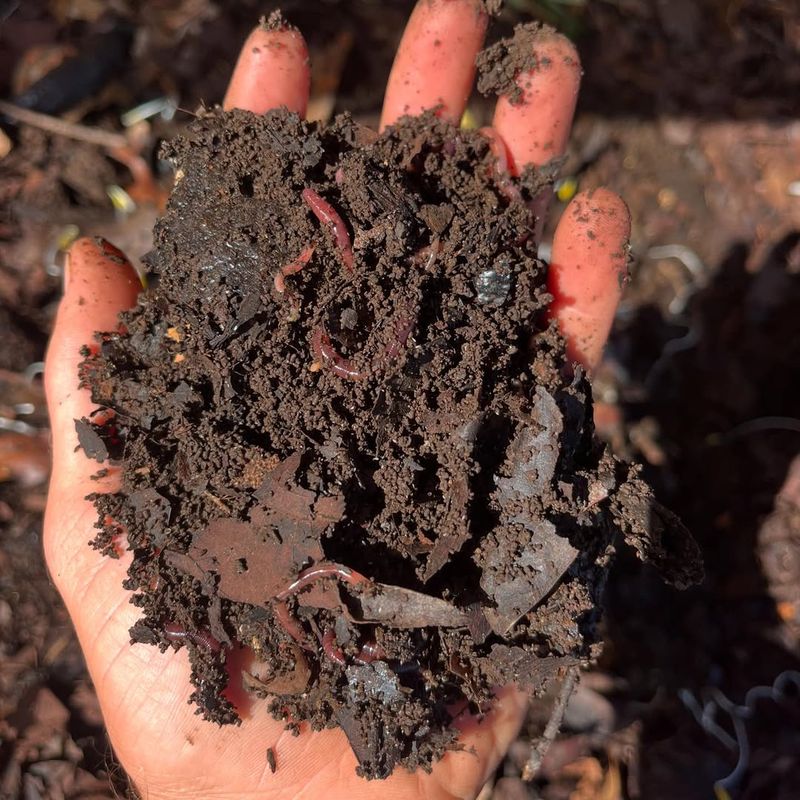
A long growing season quietly empties the soil if nothing is put back. Georgia’s extended growing season lets you harvest crops from early spring through late fall, but all that production drains nutrients from your soil.
Each plant takes up specific elements as it grows, and continuous cropping without replenishment leaves your beds exhausted. Your soil might look fine but lack the essential nutrients plants need to thrive.
Heavy feeders like tomatoes, corn, and squash pull particularly large amounts of nitrogen, phosphorus, and potassium from the ground. If you grew these crops last season without replacing what they used, your soil starts this spring already depleted.
Newer gardeners often don’t realize how quickly productive beds become nutritionally bankrupt.
Soil testing reveals exactly which nutrients your garden needs before you start planting. Your county extension office provides this service affordably, giving you specific recommendations based on what you plan to grow.
Guessing at fertilizer needs wastes money and can create imbalances that cause new problems.
Nitrogen deficiency shows up first since plants use it in large quantities and it leaches easily from Georgia’s sandy soils. Your plants look pale green or yellow, and growth slows noticeably.
Older leaves yellow first as the plant moves nitrogen to new growth.
Phosphorus supports root development and flowering, so deficiency causes stunted plants with poor fruit set. Leaves might develop purple tints, especially on the undersides.
This problem appears more often in cool, wet soil early in spring.