These Shrubs Give Your Georgia Front Yard Structure Before Spring
Before spring growth fills everything in, Georgia front yards can look a little bare or undefined. That’s when structure matters most and the layout of the space becomes impossible to ignore.
In late winter, yards often feel like they’re missing shape, even though nothing is actually wrong. Without flowers or fresh growth to lean on, shrubs are what define whether the yard feels balanced or unfinished.
Some plants quietly hold everything together during this in-between season, giving the front yard form while the rest of the landscape waits to wake up.
Choosing shrubs that provide structure now helps a Georgia front yard look intentional long before spring takes over.
1. Distylium
When a front yard looks flat in late winter, it’s usually because there’s nothing holding visual weight near the ground.
Dense evergreen shrubs solve that problem by creating steady form while everything else waits for spring to wake up.
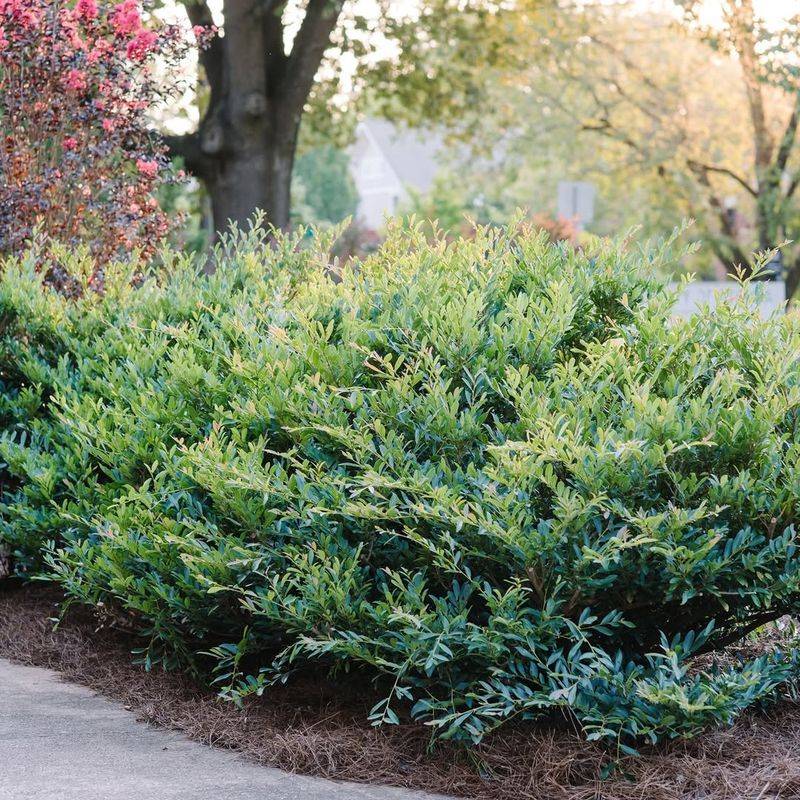
This shrub is valued in Georgia landscapes for its naturally rounded shape and consistent structure.
The foliage stays full and matte green through winter, so beds don’t collapse visually once flowers and soft growth disappear.
In late winter, it provides quiet balance rather than drawing attention to itself. The branching stays tight and compact, which helps define the outline of the yard without looking stiff or overly formal.
That makes it especially useful along foundations and front borders where shape matters most.
Georgia’s mild winters suit this plant well, allowing it to hold its form without damage or protection. It doesn’t rely on seasonal color or blooms to feel complete, which is exactly what gives it value before spring arrives.
It performs well in full sun to partial shade and adapts to a range of soil conditions once established. Proper spacing lets each plant maintain its clean silhouette without crowding neighboring shrubs.
Used as a structural anchor, distylium keeps a Georgia front yard looking balanced and intentional during the quiet weeks before spring growth fills everything in.
2. Loropetalum
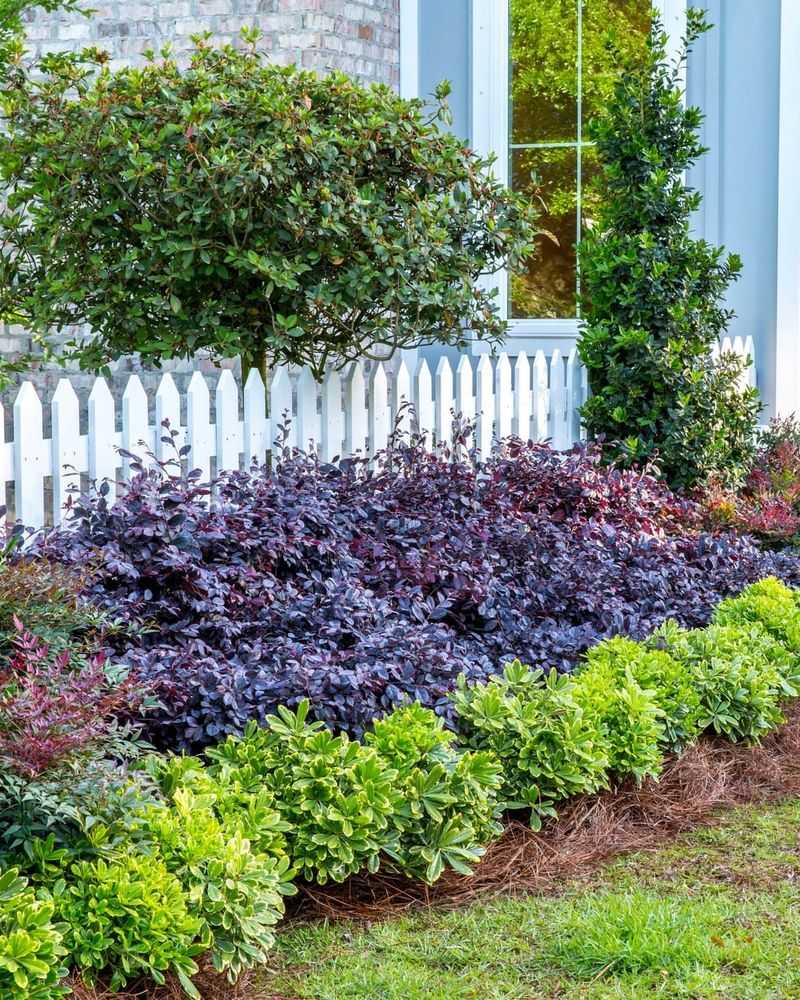
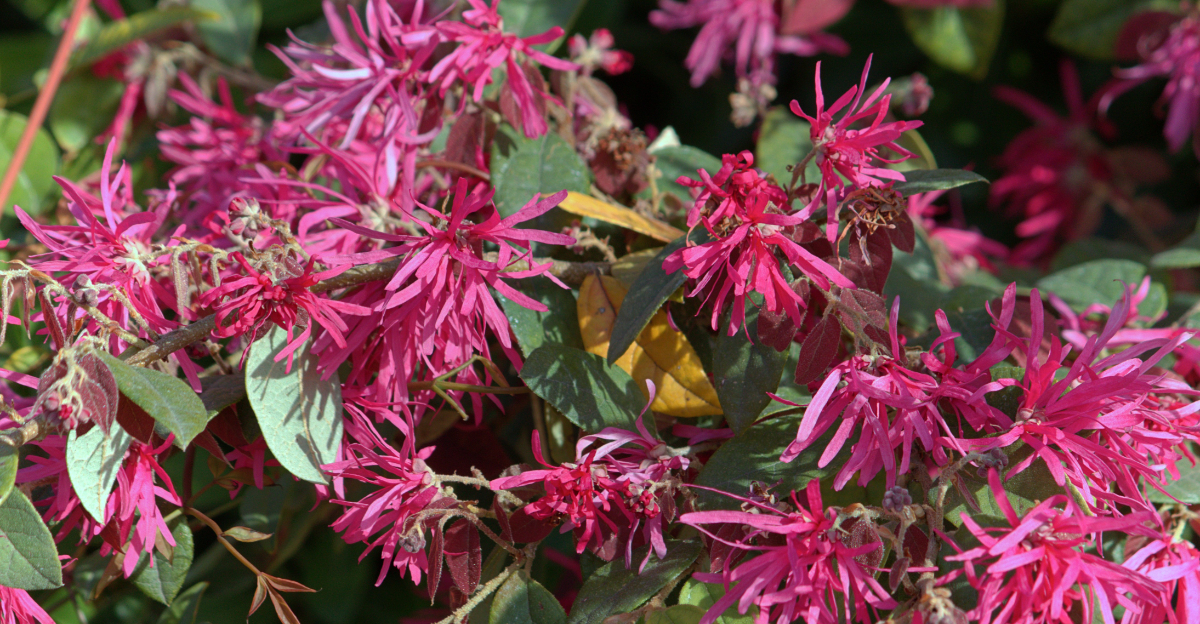
Bold burgundy foliage makes loropetalum stand out even from a distance in your Georgia yard. This evergreen shrub keeps its deep purple or reddish leaves all winter long, adding dramatic color when most plants look dull.
Pink, fringe-like flowers appear sporadically throughout the year, including during mild winter stretches.
Loropetalum grows quickly into rounded or weeping forms that fill space efficiently. It tolerates full sun to partial shade, though colors intensify with more sunlight.
Georgia’s moderate winters allow this shrub to thrive without protection.
Varieties range from compact three-foot types to large specimens reaching ten feet tall. Choose dwarf cultivars for foundation plantings or larger ones as focal points.
Their fast growth means you’ll see results within a season or two.
Pruning is minimal since loropetalum naturally forms attractive shapes without much help. Trim lightly after flowering to control size if needed.
Avoid shearing into tight balls, which ruins their graceful arching habit.
These shrubs pair beautifully with lighter-colored plants like white azaleas or silver-leafed perennials. Their dark foliage creates striking contrast in mixed borders.
Your Georgia Garden Changes Every Week. Your Plan Should Too.
Gardening in Georgia changes quickly throughout the season. Every Friday you’ll receive a simple weekly plan showing exactly what to plant, prune, fertilize, harvest, and protect so you never miss the right timing.
Georgia gardeners appreciate how low-maintenance loropetalum stays year-round.
Water regularly during establishment, then reduce frequency once roots spread. Mulch around the base to conserve moisture and moderate soil temperature.
Fertilize sparingly, as too much nitrogen reduces flower production and leaf color intensity.
3. Juniper
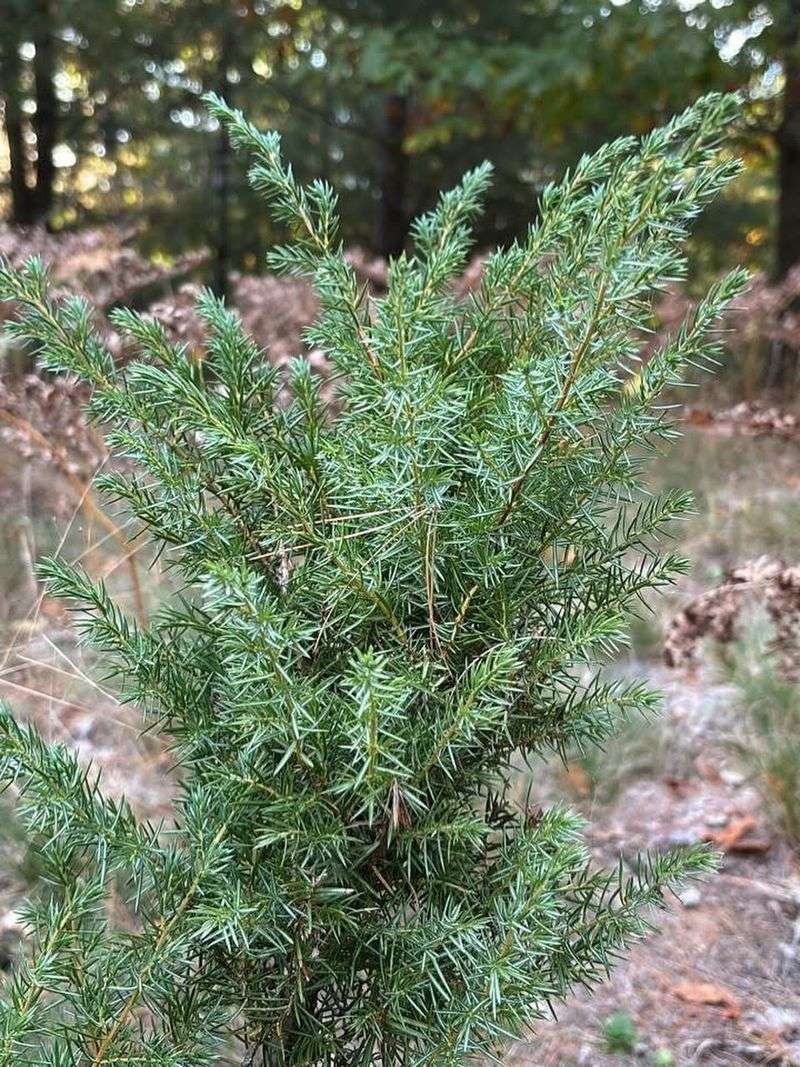
Low, grounded lines are often what front yards lack most in late winter. When flowers fade and taller plants pull back, shrubs that stay visually present near the ground help keep the space defined and intentional.
This evergreen holds its shape through winter, maintaining density and form even during colder Georgia weather.
The needle-like foliage stays in place instead of thinning out, which helps prevent beds from looking stretched or unfinished before spring growth returns.
In Georgia front yards, this shrub is commonly used to outline walkways, anchor the front edge of beds, or soften hardscape lines.
Its growth habit stays controlled, allowing structure to remain visible without constant trimming or correction.
Different forms offer flexibility depending on the layout. Low-growing types provide clean horizontal definition, while slightly taller varieties add depth without blocking sightlines or overwhelming nearby plants.
That consistency is what makes it especially useful during the quiet weeks before spring.
Cold tolerance makes it reliable across the state, including areas that experience harder winter freezes.
Even when other plants lose definition, its form remains easy to read.
Used thoughtfully, juniper helps a Georgia front yard stay organized and visually grounded, ensuring the landscape still looks deliberate and well-shaped long before spring fills everything in again.
These shrubs also help visually connect planting beds to paths and driveways, which makes the entire front yard feel more cohesive during late winter.
By keeping edges and transitions clear, juniper prevents the landscape from looking scattered or unfinished while waiting for spring growth to return.
4. Chindo Viburnum
Some front yards feel unbalanced in late winter because there’s nothing providing height or visual weight at the back of the beds.
When smaller shrubs and perennials fade, taller evergreens are what give the landscape a clear sense of structure.
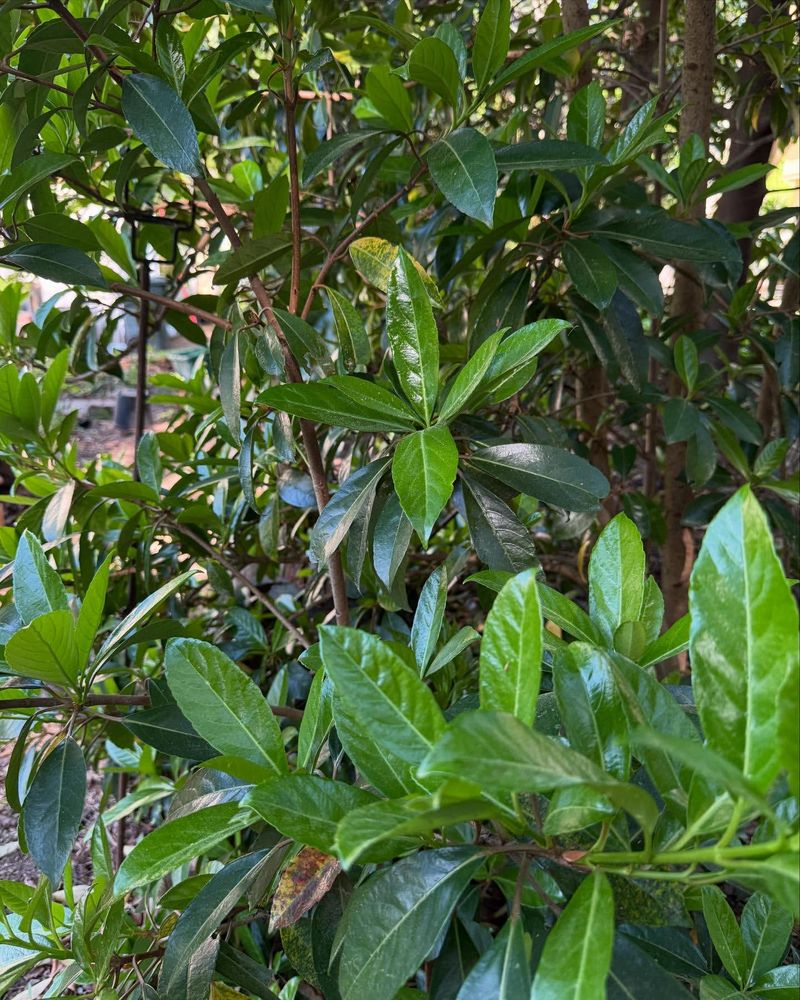
This shrub creates dense, upright form that holds steady through Georgia’s winter months. Thick, glossy leaves stay in place, keeping the yard from feeling hollow or unfinished while everything else waits for spring growth to return.
In Georgia front yards, it’s often used as a backdrop shrub that defines the outer edges of the space.
Its natural growth habit stays full from top to bottom, which helps frame entryways, corners, and foundation lines without looking sparse or uneven.
Late winter is when this kind of mass matters most. Even without flowers, the shape remains bold and easy to read, giving the yard a finished appearance long before spring fills in gaps.
It tolerates a range of conditions across the state and holds up well through cold snaps that affect less reliable evergreens. Once established, it maintains its form without frequent pruning or reshaping.
Placed strategically behind lower shrubs, chindo viburnum adds depth and balance, helping a Georgia front yard feel intentional, anchored, and visually complete well before spring arrives.
This kind of vertical presence also helps smaller shrubs and seasonal plantings feel more grounded instead of visually floating in the space.
By holding the back line steady through winter, chindo viburnum keeps the overall layout readable and cohesive until spring growth fills in the rest of the yard.
5. Aucuba (Japanese Aucuba)
Shaded front yards often feel the most unfinished in late winter because so few shrubs keep their presence without sun or flowers.
When other plants thin out or disappear, broad-leaved evergreens are what give those darker areas definition and stability.
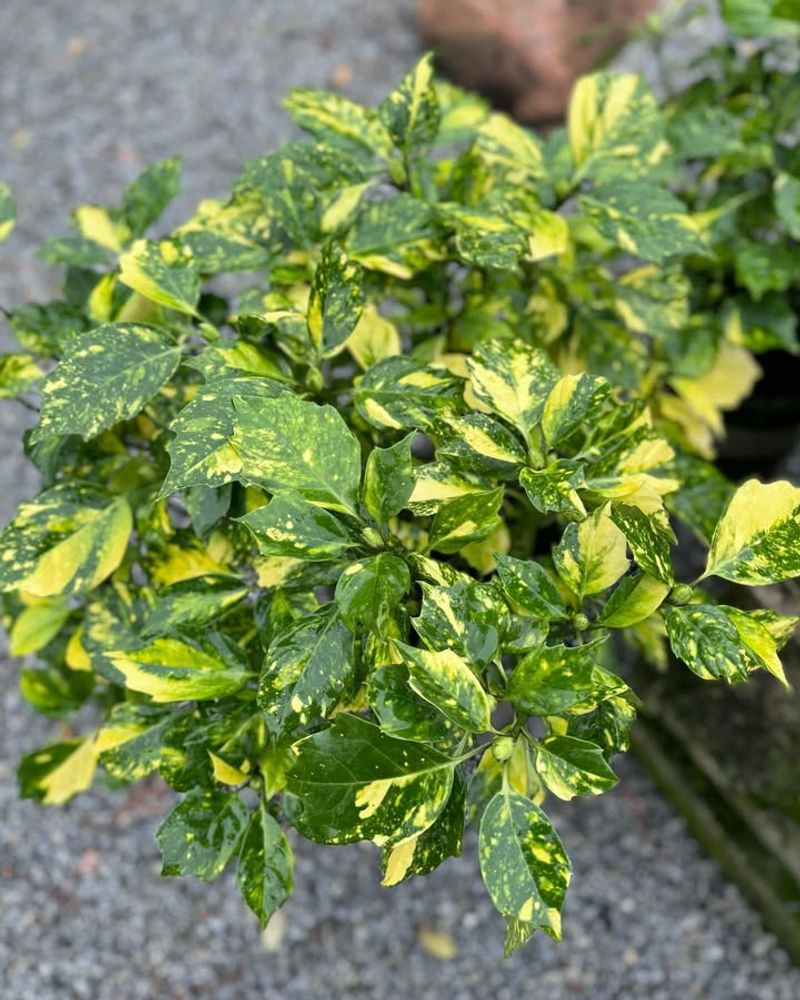
This shrub is especially valuable in Georgia landscapes where shade dominates the front of the home. Its thick, glossy leaves stay bold and visible through winter, helping shaded beds look intentional rather than empty while the rest of the yard waits for spring.
In late winter, the foliage provides strong visual weight that anchors planting areas under trees, along north-facing walls, or near covered entryways.
Even without blooms, the plant’s shape and leaf texture keep the space from feeling flat or neglected.
Georgia’s climate suits it well, including cooler regions where many evergreen shrubs struggle. It holds up through winter cold without losing form, making it a reliable option when consistency matters most.
Some varieties feature subtle speckling or brighter leaf patterns that add contrast during the dullest part of the season.
That extra visual interest helps shaded front yards feel layered instead of monotonous.
Used in foundation beds or tucked beneath taller shrubs, aucuba helps maintain structure and balance in Georgia front yards, ensuring shaded spaces still look deliberate and well-defined long before spring growth returns.
That added visual interest helps shaded front yards feel layered and intentional during the dullest part of the season.
When placed in foundation beds or tucked beneath taller shrubs, aucuba maintains structure and balance in Georgia front yards, keeping shaded spaces deliberate and well-defined long before spring growth returns.
6. Gardenia
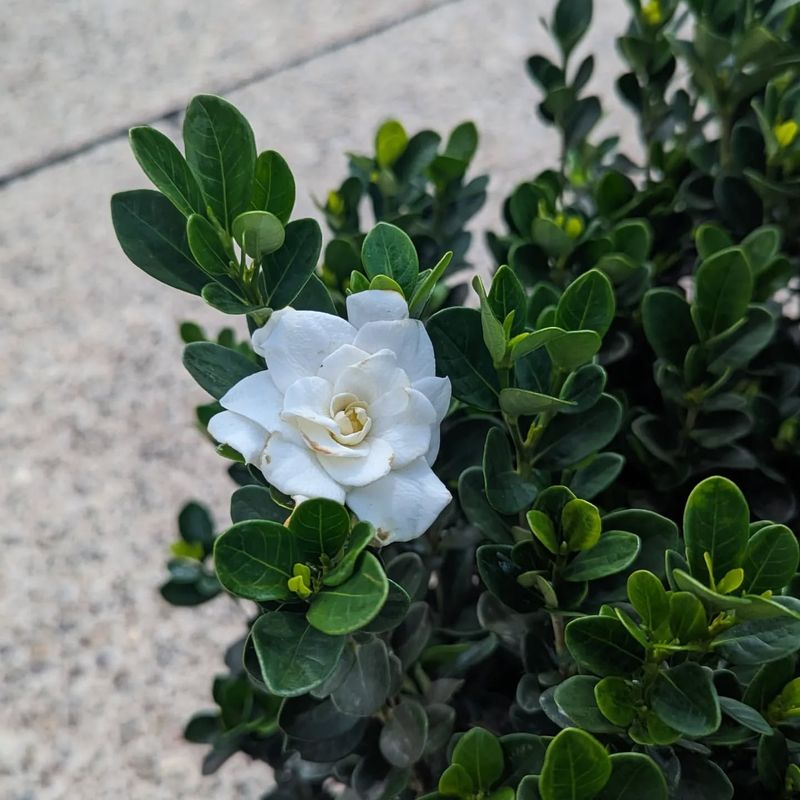
Intoxicating fragrance makes gardenias unforgettable when they bloom in late spring and summer. Their glossy, dark green leaves provide year-round structure in Georgia front yards.
Evergreen foliage stays attractive through winter, giving your landscape consistent form.
Gardenias grow into rounded, dense shrubs that work well as specimens or in groups. They prefer acidic soil and partial shade, similar to azaleas and camellias.
Georgia’s climate suits gardenias perfectly, though they appreciate some protection from harsh winter winds.
Creamy white flowers appear from May through June, sometimes sporadically later in summer. The intense fragrance carries across your yard, making gardenias worth planting near patios or walkways.
Blooms contrast beautifully against the deep green foliage.
These shrubs require more attention than some others on this list but reward you with stunning flowers. Keep soil consistently moist but not waterlogged.
Mulch heavily to maintain even moisture and cool root zones.
Gardenias can be fussy about soil pH, preferring levels between 5.0 and 6.5. Test your soil and amend with sulfur if needed to lower pH.
Yellowing leaves often indicate pH issues or iron deficiency.
Prune gardenias after flowering finishes to shape plants and remove spent blooms. Avoid late-season pruning, which can remove developing flower buds.
Georgia gardeners typically prune in July once the main bloom period ends.
Varieties range from compact types under three feet to larger shrubs reaching six feet tall. Choose dwarf cultivars for smaller spaces or foundation plantings.
Their classic Southern appeal makes gardenias popular despite their higher maintenance needs.
7. Yaupon Holly (Dwarf Types)
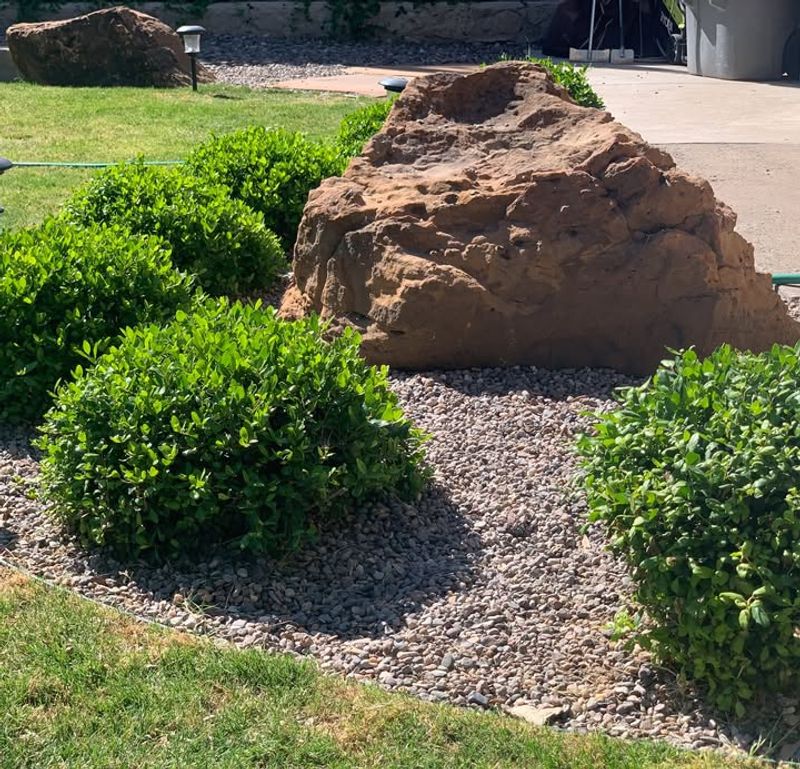
Tiny leaves create fine texture that contrasts beautifully with bold-leafed shrubs in your Georgia landscape. Dwarf yaupon holly grows into tight, compact mounds that hold their shape without constant pruning.
Evergreen foliage stays deep green all winter, providing reliable structure.
This native shrub tolerates a wide range of conditions, from full sun to partial shade. It handles drought, salt, and poor soil better than many other evergreens.
Georgia gardeners appreciate how tough and adaptable dwarf yaupon proves in challenging spots.
Varieties like ‘Dwarf Yaupon’ stay under four feet tall, making them perfect for low hedges or foundation plantings. Their slow to moderate growth rate means less maintenance over time.
The fine-textured foliage creates a soft, refined look.
Female plants produce tiny red berries if a male pollinator grows nearby, though berries are less showy than on larger holly varieties. Birds appreciate the fruit during winter months.
The dense branching provides shelter for small wildlife.
Dwarf yaupon needs minimal pruning since it naturally forms neat, rounded shapes. Trim lightly in late winter if you want to control size or shape.
This shrub works well in formal or informal settings, adapting to various landscape styles. Plant in groups for a low hedge or use singly as accents.
Georgia’s climate allows dwarf yaupon to thrive without winter protection.
Water regularly during establishment, then reduce frequency once roots spread. Mulch around the base to conserve moisture and moderate soil temperature.
Fertilize sparingly, as yaupon grows well in average soil without much supplemental feeding.
8. Wax Myrtle
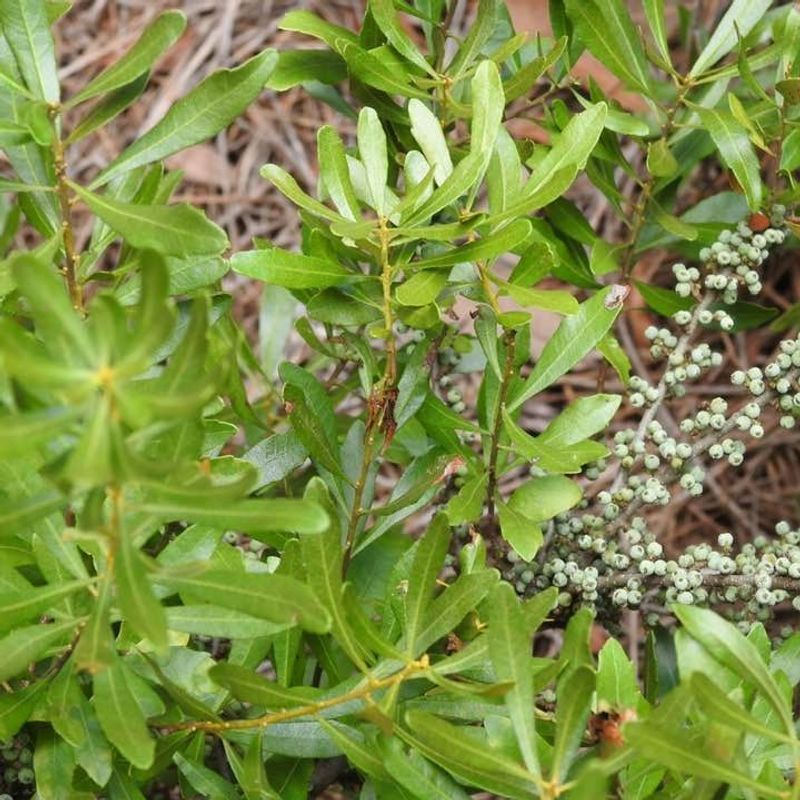
Some front yards feel unfinished in late winter simply because nothing is giving the space height. When perennials disappear and beds look hollow, upright shrubs are what restore balance and make the layout feel complete.
This native evergreen brings strong vertical presence to Georgia front yards without looking stiff or overly formal.
Its multi-stem growth creates volume and enclosure, helping define property lines and anchor the background of beds before spring growth fills in.
During late winter, the foliage remains intact enough to keep the yard from feeling bare.
Even when growth slows, the overall shape still reads clearly, which is what gives this shrub its structural value at this time of year.
Georgia’s climate suits it naturally, allowing it to hold form through mild winters without extra care. Compact and dwarf selections work especially well in front yards, where they add height without overwhelming nearby plants.
Placed along the back of foundation beds or near corners of the home, it creates depth and visual layering when lower plants haven’t returned yet.
The natural habit feels relaxed rather than rigid, which works well in both traditional and informal landscapes.
Once established, it adapts easily to local conditions and continues to provide shape year after year. Used thoughtfully, wax myrtle helps a Georgia front yard feel grounded, balanced, and clearly defined well before spring arrives.