The 6 California Native Plants You’re Pruning Wrong This February
February pruning can strongly impact the health and flowering of many California native plants. Many gardeners grab the shears too early, too late, or cut in the wrong places.
The result shows up fast. Fewer flowers.
Weak growth. Stressed plants that struggle all season.
Native plants follow their own rhythms, and winter is a sensitive transition period. Some species need a light trim to spark fresh growth.
Others should be left alone until warmer days arrive. One poorly timed cut can remove next season’s blooms before they ever appear.
This is the moment to prune with purpose, not habit. With the right approach, you can shape healthier plants, boost spring color, and support pollinators at the same time.
Before you head into the garden this month, learn which California natives are commonly pruned the wrong way and how to fix it. Your landscape will thank you.
1. Manzanita (Arctostaphylos spp.)
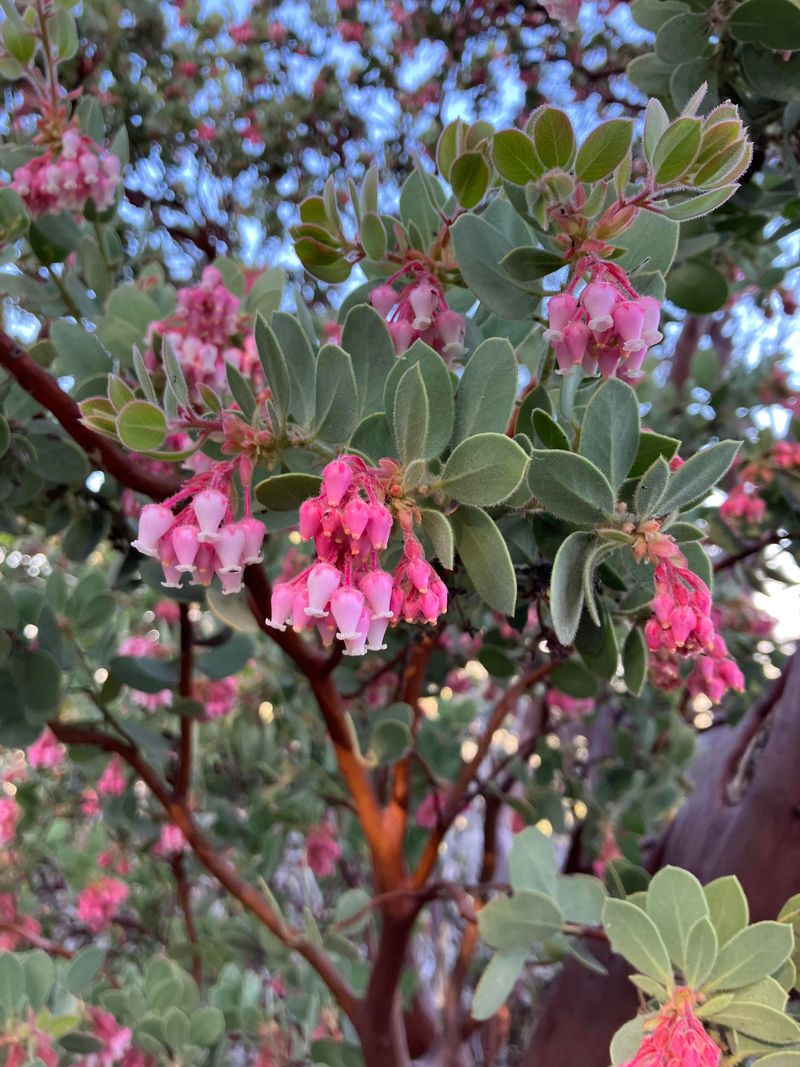
The striking red bark and sculptural branches of manzanita tempt many gardeners to prune in winter when the plant’s architecture stands out most dramatically. This winter trimming impulse causes real problems because manzanitas bloom from late winter through early spring, and those delicate pink or white bell-shaped flowers are already formed by February.
Cutting branches now removes the nectar source that sustains hummingbirds and early native bees during a lean time of year.
Manzanitas tend to heal slowly from cuts, especially in cool weather. Winter wounds stay open longer, increasing the risk of fungal infections and disease entry.
The plant’s natural growth rate is relatively slow, so recovery from pruning takes considerable time. What looks like minor shaping to you represents months or even years of growth for the manzanita.
The best pruning window opens right after flowering concludes, usually late spring. Even then, manzanitas need minimal intervention.
Remove only withered wood, crossing branches that rub together, or growth that creates hazards near walkways. Avoid cutting back into bare wood, most manzanitas resprout poorly from old growth and can decline after aggressive pruning.
Appreciate manzanita’s natural form rather than forcing it into unnatural shapes. These plants evolved their branching patterns over millennia.
Your restraint preserves both the plant’s health and its value to wildlife, while maintaining the distinctive character that makes manzanita such a treasure in California gardens.
2. California Lilac (Ceanothus spp.)
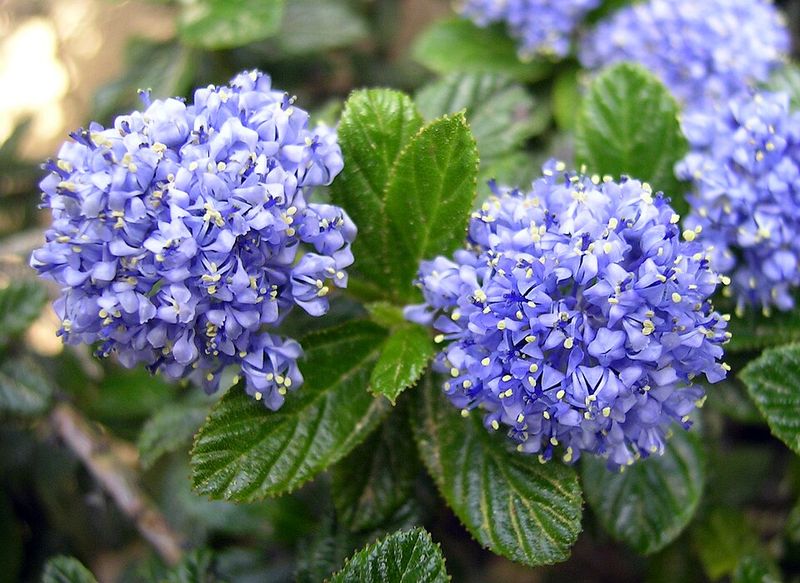
Many homeowners see their California lilac looking a bit shaggy after winter rains and reach for pruning shears in February, thinking they’re helping the plant prepare for spring. Unfortunately, this timing removes all the flower buds that formed during fall and winter.
Ceanothus sets its spectacular blue or white flower clusters months before they open, and February pruning can severely reduce or eliminate the spring flower display.
The damage goes beyond aesthetics. Native bees, especially mason bees and mining bees, time their emergence to coincide with ceanothus blooms.
When you cut away those developing buds, you remove a critical early-season food source. Hummingbirds also visit ceanothus flowers, and the loss affects their breeding season nutrition.
Your California Garden Changes Every Week. Your Plan Should Too.
Gardening in California changes quickly throughout the season. Every Friday you’ll receive a simple weekly plan showing exactly what to plant, prune, fertilize, harvest, and protect so you never miss the right timing.
Instead of February pruning, wait until immediately after flowering finishes, typically late spring or early summer depending on your variety. Light shaping works best, remove no more than one-third of the plant’s growth.
Focus on crossing branches, withered wood, or areas that block pathways. Ceanothus naturally develops an attractive form without heavy intervention.
If your plant truly needs size reduction, do it gradually over several years rather than one drastic cut. Hard pruning into old wood often causes serious plant failure, as these plants struggle to regenerate from bare branches.
Proper timing and gentle techniques keep your California lilac blooming reliably while supporting the wildlife that depends on it.
3. Toyon (Heteromeles arbutifolia)
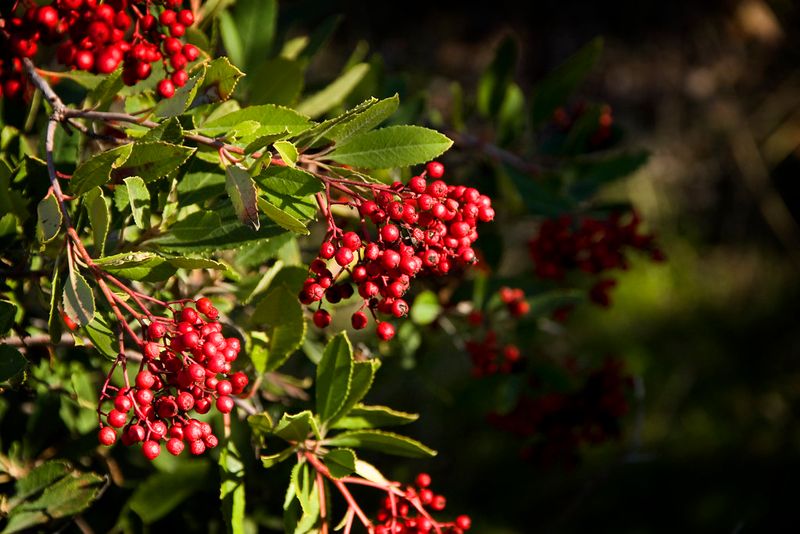
Toyon’s bright red berries make a spectacular winter display, but some homeowners mistakenly prune the plant in February thinking the berry season has ended. Those berries aren’t just decoration, they’re wildlife food that birds like cedar waxwings, mockingbirds, and robins depend on through late winter.
The plant’s white flower clusters that appeared last summer have now transformed into these critical food sources, and premature pruning removes remaining berries while cutting away branches that will bloom this coming summer.
February often falls just before toyon’s main spring growth flush in many parts of California. Pruning now forces the plant to divert energy toward healing wounds rather than producing new leaves and flower buds.
You’ll see reduced flowering in summer and consequently fewer berries next winter. The timing disrupts the plant’s natural cycle and diminishes its landscape value and ecological function.
Wait until late spring or early summer for any necessary pruning, after birds have consumed the berries and before new flower buds form. Toyon tolerates moderate pruning better than many natives, but still performs best with light shaping.
Remove withered branches, thin crowded growth, or cut back stems that overhang walkways. The plant responds well to selective cuts that maintain its natural rounded form.
If you want to control size, do it gradually. Toyon can reach fifteen feet or more, but thoughtful pruning over several years keeps it manageable without shocking the plant.
Proper timing ensures your toyon continues producing the flowers and berries that make it valuable for both landscape beauty and wildlife support throughout the year.
4. Western Redbud (Cercis occidentalis)
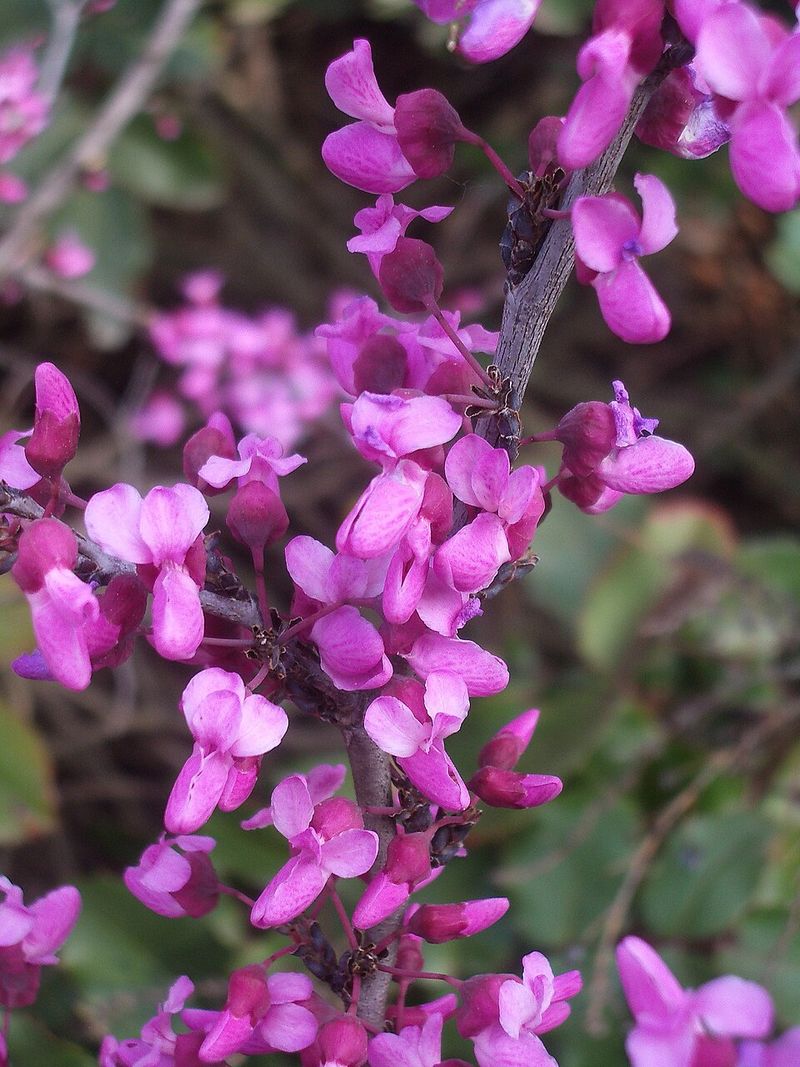
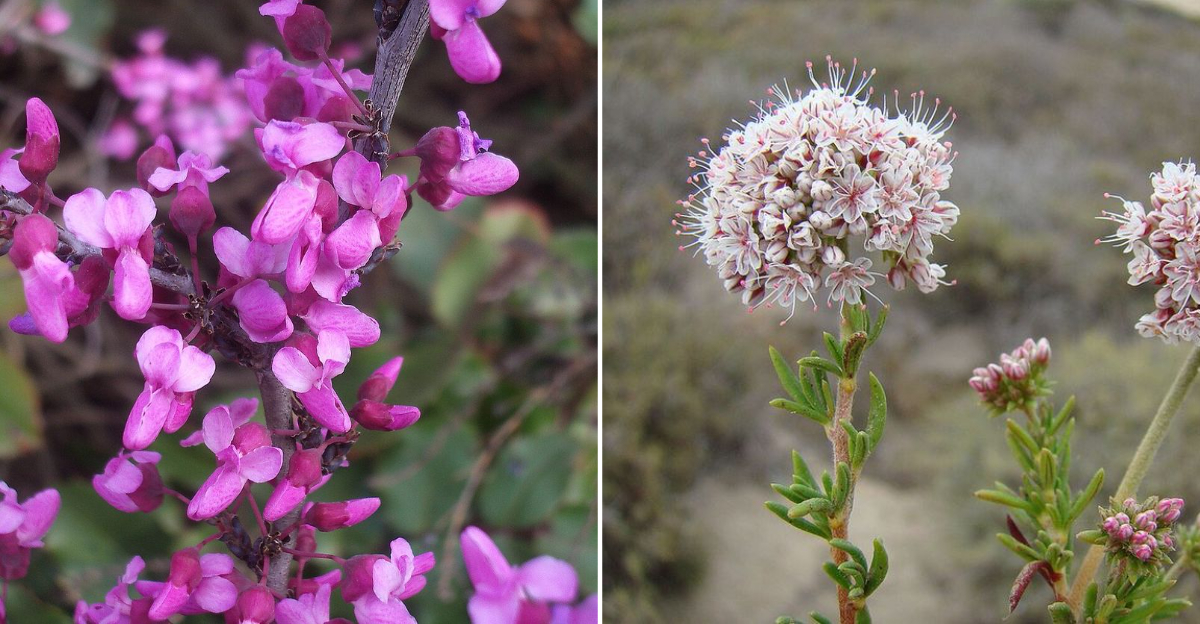
Walking past a western redbud in February reveals bare branches that look dormant and ready for pruning. This appearance deceives many gardeners because those seemingly lifeless branches already contain fully formed flower buds waiting to open.
Redbud blooms on older wood and even along main branches and trunks. When you prune in February, you’re removing buds that will burst into spectacular magenta displays within weeks.
The flower show isn’t just beautiful; it’s essential for early-season pollinators. Native bees emerge in late winter and early spring, and redbud provides crucial protein-rich pollen before many other plants bloom.
Carpenter bees and other native bees commonly rely on redbud flowers. Cutting away those buds removes food that sustains bee populations during their most vulnerable period when queens are establishing new colonies.
The correct pruning time arrives after flowers fade, typically late spring. Even then, western redbud needs minimal pruning.
Remove damaged wood, thin crossing branches, or eliminate suckers if you’re maintaining a tree form rather than a multi-stemmed shrub. The plant naturally develops an attractive vase shape without heavy intervention.
Avoid major size reduction. Redbud grows slowly, and drastic cuts leave visible scars for years.
If your tree has outgrown its space, selective removal of entire branches at their origin point works better than heading cuts that create ugly stubs. Proper timing and restraint keep your redbud blooming abundantly each spring, supporting both your landscape goals and the native pollinators that make California gardens thrive.
5. Coffeeberry (Frangula californica)
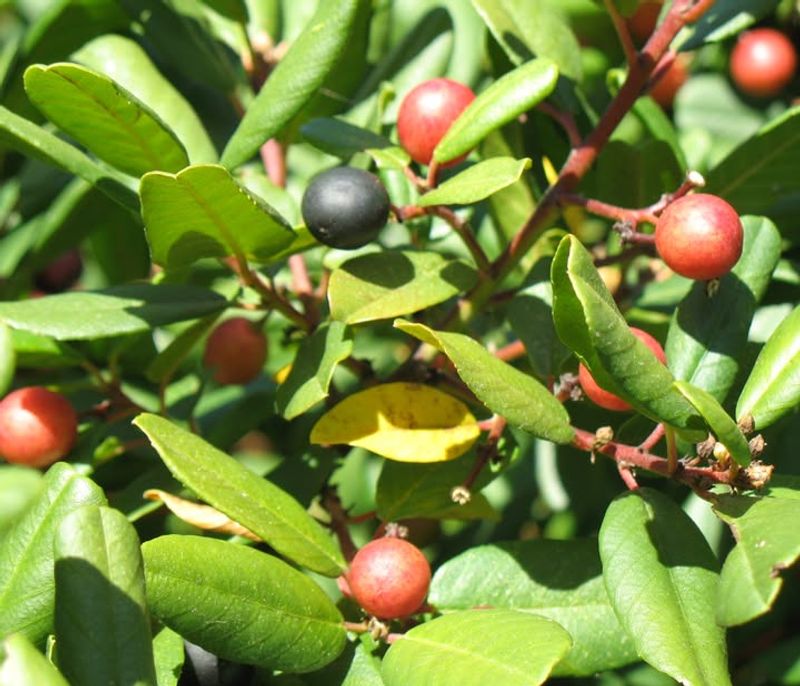
Coffeeberry’s evergreen foliage makes it a year-round landscape presence, and February often brings the urge to tidy up winter growth and shape the plant before spring arrives. This timing creates problems because coffeeberry flowers appear on new spring growth, and heavy late winter pruning can delay that growth flush.
You won’t eliminate flowers entirely, but you’ll reduce their number and push bloom time later, which affects the berry production cycle that follows.
Those berries matter tremendously for wildlife. The fruits transition from green to red to black as they ripen, and different bird species prefer different ripeness stages.
Band-tailed pigeons, thrushes, and bushtits all feed on coffeeberry fruits. February pruning doesn’t remove existing berries, but it reduces the flowering that produces next season’s berry crop, creating a gap in the food supply months later.
Plan coffeeberry pruning for early spring just as new growth begins, rather than mid-winter, right before the plant breaks dormancy but after the hardest frost risk passes. This timing allows the plant to direct energy into new growth immediately after pruning.
Coffeeberry tolerates moderate shaping better than many natives. You can reduce size, create hedges, or maintain specific forms without harming the plant.
Focus on thinning rather than shearing. Selective removal of individual branches maintains the plant’s natural appearance while controlling size.
Shearing creates dense outer growth that blocks light from reaching interior branches, eventually causing dieback. Coffeeberry’s glossy leaves and graceful form deserve pruning techniques that enhance rather than fight the plant’s character while preserving its ecological value.
6. California Buckwheat (Eriogonum fasciculatum)
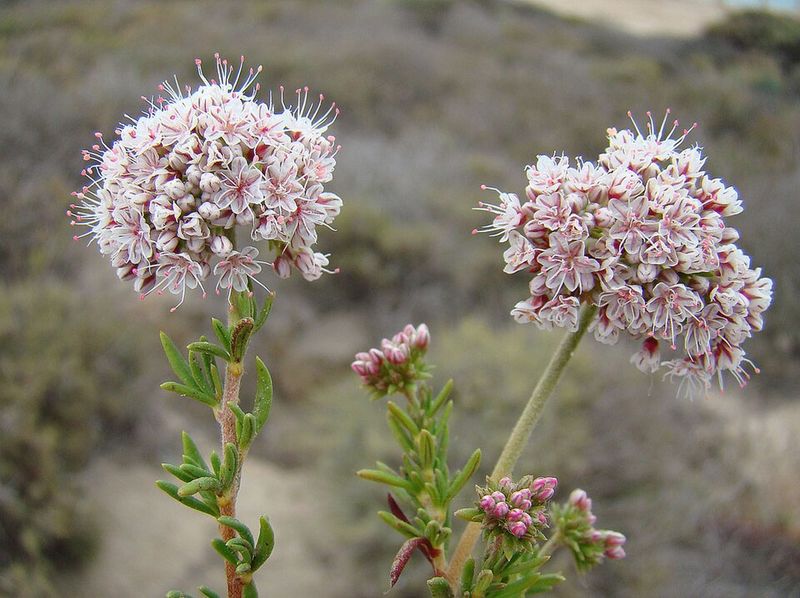
California buckwheat’s dried flower heads from last season often look untidy by February, prompting gardeners to cut the plant back for a cleaner appearance. This tidying instinct removes exactly what makes buckwheat so valuable through winter and early spring.
Those dried flowers contain seeds that native birds, particularly goldfinches and sparrows, feed on through the leanest months. The old stems also provide nesting material and overwintering habitat for beneficial insects.
Beyond wildlife value, those dried stems protect the plant’s crown from winter moisture. California buckwheat evolved in dry environments and can rot if water sits around its base.
The old growth acts as an umbrella, shedding rain away from sensitive areas. Removing it can expose the crown to excess moisture during peak winter rains.
Wait until late spring for pruning, after birds have harvested seeds and beneficial insects have emerged from their winter shelters. Even then, buckwheat needs only light maintenance.
Shape the plant gently to maintain its natural mounding form, or cut back stems that have become too woody. Avoid pruning more than about one-third of the plant at once.