These Flowers Should Be Transplanted For Early Spring Blooms In Your Arizona Garden
You can almost tell when a flower is in the wrong place because it grows, but never quite shows off.
Maybe the leaves look healthy, yet spring blooms arrive late, small, or not at all, and it leaves you wondering what went wrong. In Arizona, that disconnect often comes down to timing and placement more than care.
Some of these cool-season flowers are often grown from seed, but young transplants can still perform well in Arizona when moved early.
Transplanting the right ones before spring fully kicks in can make the difference between average growth and the kind of blooms that actually stop you in your tracks.
1. Dianthus
Early spring color in Arizona isn’t about luck — it’s about getting one move right early.
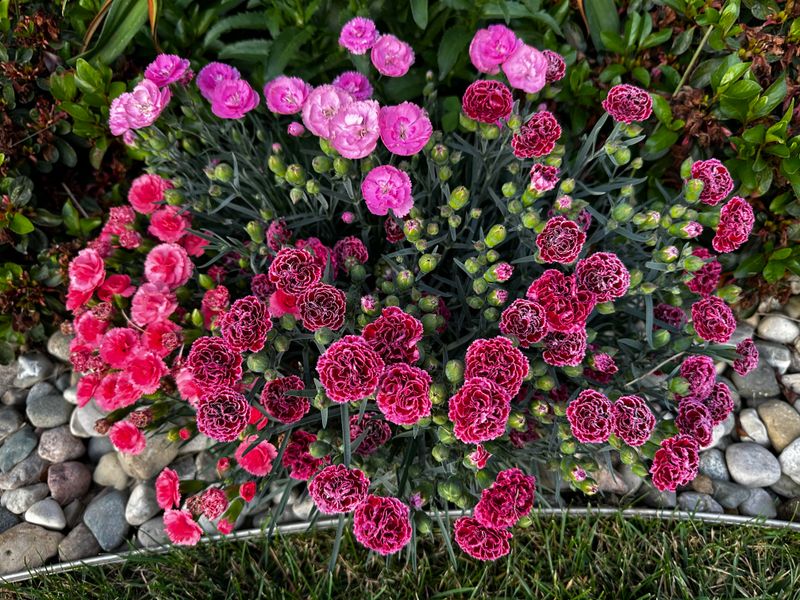
Dianthus brings that reliability along with sweet, spicy scent that drifts across your yard on warm afternoons. These compact plants form neat mounds covered in ruffled blooms that look fancy but require minimal fussing from you.
Transplant dianthus seedlings during late fall or early winter across Arizona’s lower desert regions. The cooler soil temperatures help roots spread out before any serious heat arrives.
You’ll want to space plants about eight inches apart so air circulates freely around each one.
Colors range from deep magenta to soft pink, pure white, and even bicolor combinations that add visual interest to borders. Your dianthus will appreciate well-draining soil amended with compost to keep nutrients available.
Water deeply but infrequently once plants settle in, mimicking natural rainfall patterns.
Afternoon shade helps blooms last longer in Arizona’s intense spring sunshine. Pinch off spent flowers regularly to encourage continuous blooming through March and April.
These cheerful plants pair beautifully with ornamental grasses and other cool-season annuals in your landscape design.
Their low, tidy growth also makes dianthus a smart choice for edging paths and filling small gaps where other plants struggle.
Once established, they hold their shape well even as temperatures swing from cool nights to warm days.
By the time early heat starts creeping in, your garden already looks settled, colorful, and intentional.
2. Linaria (Toadflax)
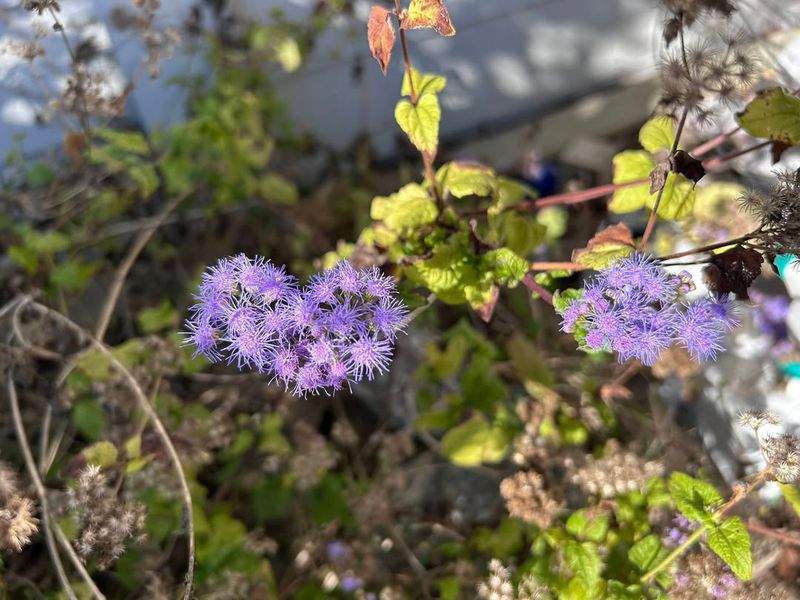
Spring beds feel flat fast when everything stays low and still. Linaria sends up slender stems topped with tiny blooms that resemble miniature dragon mouths opening and closing.
The delicate appearance hides a tough personality that handles Arizona conditions surprisingly well.
Get seedlings into the ground between November and January for best results in your state’s warmer zones. Cold-hardy varieties tolerate occasional frosts that sometimes surprise desert gardeners during winter months.
Space plants about six inches apart to create a meadow-like effect that looks natural and effortless.
Purple, pink, yellow, and white varieties offer plenty of color choices for your spring palette. Linaria self-seeds readily, so you might find volunteer plants popping up in unexpected spots next season.
This trait makes them excellent gap-fillers between perennials that haven’t filled out yet.
Full sun locations work best across Arizona, though some afternoon protection helps in the hottest microclimates. Water needs stay moderate once roots establish, making linaria a smart choice for water-conscious gardeners.
Your Arizona Garden Changes Every Week. Your Plan Should Too.
Gardening in Arizona changes quickly throughout the season. Every Friday you’ll receive a simple weekly plan showing exactly what to plant, prune, fertilize, harvest, and protect so you never miss the right timing.
Blooms attract beneficial insects that help keep pest populations balanced naturally in your yard.
Their airy form weaves easily between sturdier plants, softening borders without competing for attention.
As spring temperatures rise, linaria keeps flowering steadily while other cool-season plants begin to slow down.
The result is a light, breezy layer of color that makes Arizona beds feel fuller and more dynamic with very little effort.
Fine texture keeps plantings from feeling crowded, even when linaria fills in quickly. Gentle movement from the slender stems brings a natural rhythm that suits relaxed Arizona garden designs.
3. Annual Phlox
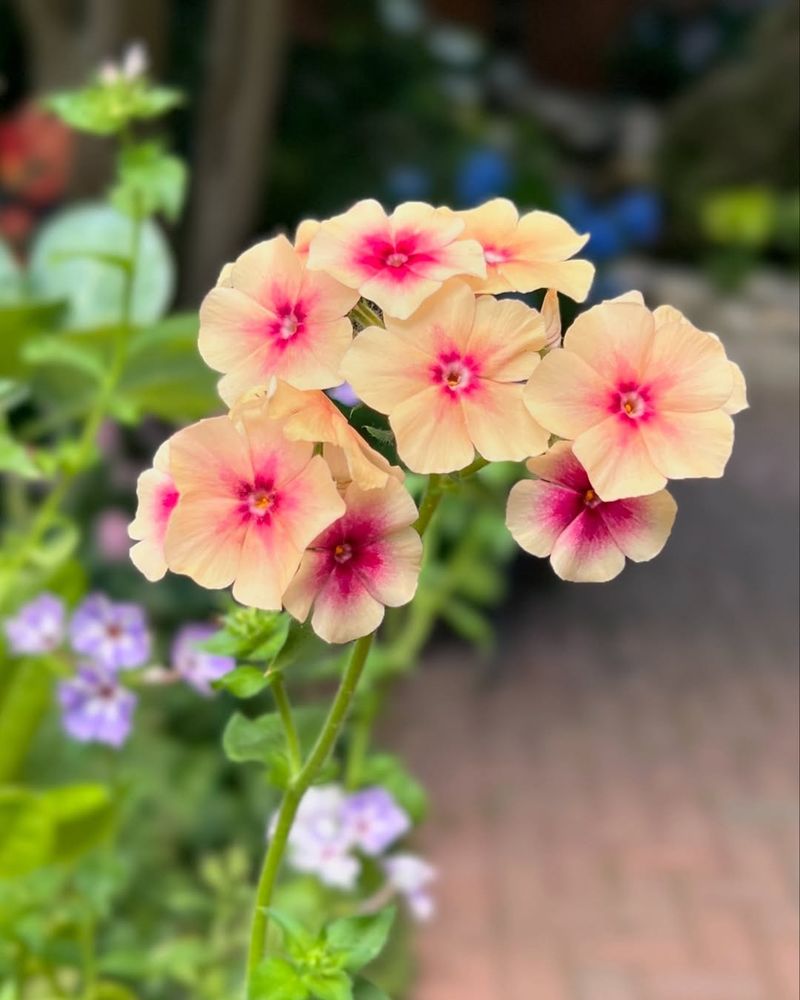
Empty spaces show up fast in Arizona gardens once spring kicks in.
Annual phlox grows quickly once transplanted, spreading into thick mats that suppress weeds while adding intense color. Your Arizona spring garden gains instant maturity when these plants fill in around slower-growing specimens.
Transplant container-grown phlox anytime from December through February in lower elevation areas of the state. The plants handle light freezes without damage, bouncing back quickly when temperatures rise again.
Space them about ten inches apart to allow for their spreading habit without overcrowding.
Fragrance varies by variety, with some releasing sweet perfume that intensifies during evening hours. Colors span the spectrum from soft pastels to bold jewel tones that pop against Arizona’s neutral landscape.
Deadheading spent blooms keeps plants looking fresh and encourages new flower production.
Well-draining soil prevents root issues that can develop in heavy clay common throughout the state. Mix in sand or perlite if your native soil holds moisture too long after irrigation.
These cheerful annuals combine beautifully with spring bulbs and early-blooming perennials for layered interest in your beds.
Once established, annual phlox handles Arizona’s shifting spring temperatures without slowing down or losing color.
As days lengthen, the dense mats create a finished look that makes garden beds feel thoughtfully planted rather than seasonal or temporary.
4. Nemophila (Baby Blue Eyes)
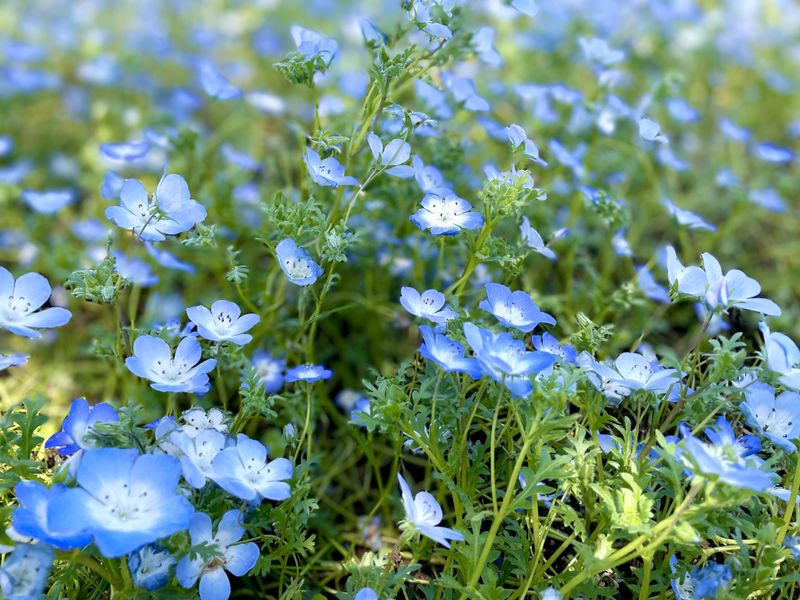
Some spring gardens look harsh no matter how much you plant. Nemophila creates a sky-blue carpet that seems to mirror overhead on clear spring mornings.
The low-growing habit makes these plants perfect for edging pathways or cascading over container rims.
Get transplants into your Arizona beds by early December for strongest performance come spring. Cool soil temperatures encourage vigorous root development before top growth takes off.
Space plants roughly six inches apart to create a seamless groundcover effect that looks lush and full.
Each bloom features five rounded petals marked with delicate veining that adds subtle detail up close. The common name comes from the innocent, wide-eyed appearance of flowers that seem to gaze upward constantly.
Your garden gains a soft, romantic quality when nemophila weaves between bolder plants.
Partial shade works best in Arizona’s intense climate, especially as spring progresses toward summer heat. Morning sun combined with afternoon protection extends the blooming period significantly.
Water consistently to keep soil evenly moist but never soggy, mimicking the plant’s native habitat along coastal California streams.
As temperatures begin to climb, nemophila continues blooming gracefully while other cool-season plants start to fade.
The result is a gentle wash of blue that keeps Arizona garden beds looking calm, cohesive, and thoughtfully layered well into spring.
5. Clarkia
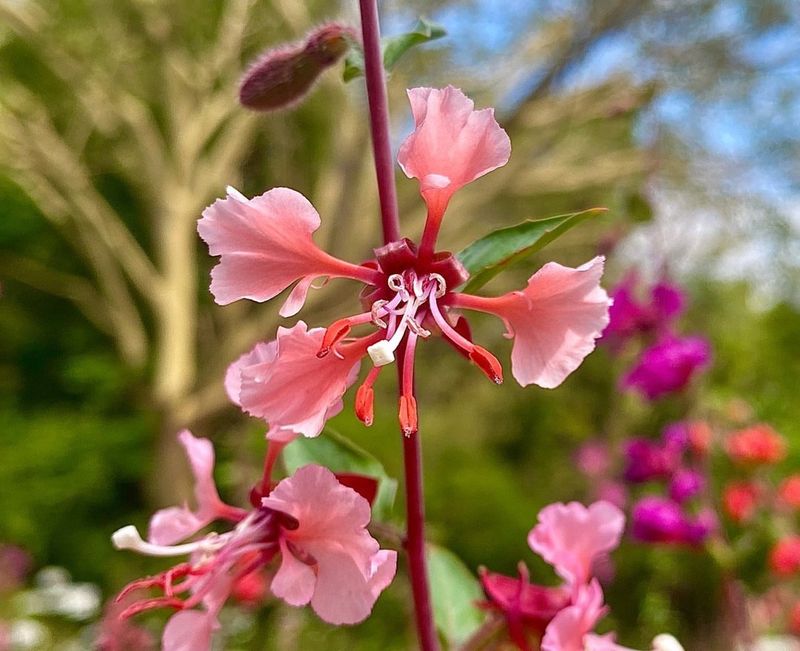
Height changes everything when spring flowers start competing for attention. Clarkia produces abundant blooms along upright stems that sway gently in desert breezes.
The old-fashioned cottage garden charm suits both traditional and contemporary landscape designs throughout the state.
Transplant young clarkia plants during January in most Arizona locations for optimal spring flowering. The seedlings establish quickly in cool weather, developing strong root systems before warm temperatures trigger bloom production.
Space plants about eight inches apart to prevent overcrowding while still achieving a full appearance.
Double-flowered varieties offer extra petals that create a more dramatic visual impact in your beds. Single-flowered types provide a simpler, more natural look that complements wildflower-style plantings.
Colors include shades of pink, salmon, lavender, and white that mix beautifully with other cool-season annuals.
Full sun exposure produces the most prolific blooming across Arizona’s varied climate zones. Amend native soil with organic matter to improve texture and water retention without creating soggy conditions.
These easy-care annuals tolerate occasional neglect once established, making them suitable for busy gardeners who want maximum impact with minimal maintenance requirements.
As spring progresses, clarkia keeps beds lively even as temperatures begin to fluctuate more dramatically.
Their upright form adds height and movement that helps Arizona gardens feel layered, intentional, and visually balanced without extra effort.
6. Larkspur
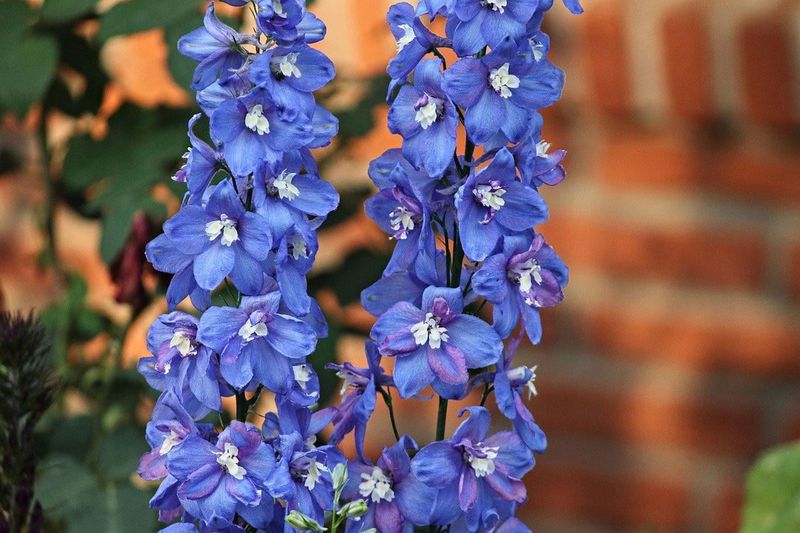
Vertical flowers are what make a spring garden feel finished instead of temporary. The architectural quality adds structure to informal cottage-style plantings popular throughout Arizona neighborhoods.
Hummingbirds investigate the tubular blooms regularly, adding movement and life to your outdoor space.
Get larkspur transplants into Arizona gardens by late December for best establishment before spring arrives. Cold weather doesn’t faze these hardy annuals that actually prefer cooler temperatures for root development.
Space plants about twelve inches apart to accommodate their upright growth habit without creating a crowded appearance.
Traditional blue and purple shades dominate, though pink and white varieties add softer notes to your color scheme. The deeply cut foliage provides textural interest even before flowers appear on tall stems.
Staking may become necessary in windy Arizona locations to prevent toppling once plants reach full height.
Full sun exposure throughout the day produces the strongest stems and most abundant blooming in your state’s climate. Water deeply to encourage roots to grow downward rather than staying shallow near the surface.
These classic flowers look stunning when planted in groups of five or more for maximum visual impact in larger garden beds.
Larkspur holds its presence well even when nearby plants start spreading and competing for space.
The height and color variation bring a sense of rhythm to Arizona beds, guiding the eye through the planting instead of letting everything blend together.
7. Bachelor’s Button (Centaurea cyanus)
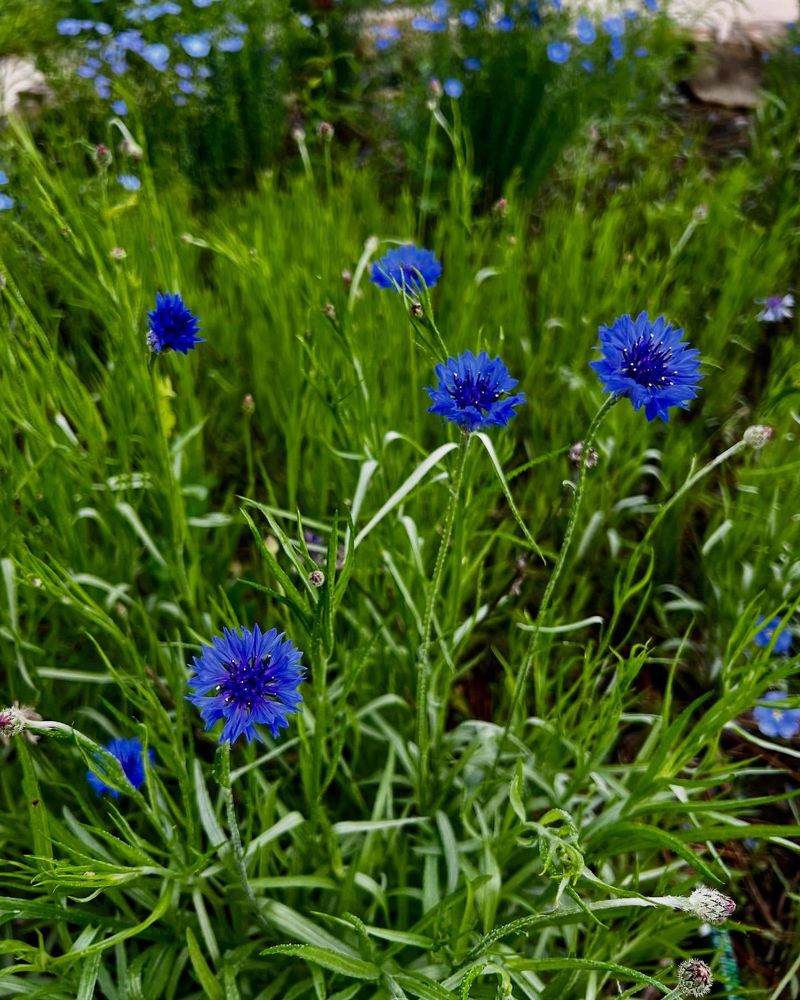
Reliable spring color matters most when temperatures won’t settle down. The spiky, round flower heads look like colorful pincushions that catch your eye from across the yard.
These cottage garden favorites have been grown for generations, proving their reliability in various climates including your state’s unique conditions.
Transplant seedlings into Arizona gardens from December through early February for spring blooming success. The plants tolerate temperature fluctuations common during winter months across desert regions.
Space them about eight inches apart to allow good air circulation that prevents fungal issues in humid microclimates.
Traditional cornflower blue remains the most popular color, though pink, white, and burgundy varieties expand your design options. The wiry stems need no staking despite reaching heights of two feet or more in favorable conditions.
Flowers last well in cut arrangements, bringing your garden’s beauty indoors for enjoyment.
Full sun locations produce the best flowering performance throughout Arizona’s varied elevation zones. Sandy, well-draining soil suits bachelor’s buttons perfectly, making them ideal for native desert soils that challenge other plants.
Deadhead regularly to extend blooming period and prevent excessive self-seeding that might create maintenance issues next season in your landscape.
Their upright growth slips easily between lower annuals without overwhelming nearby plants.
Once established, bachelor’s buttons keep flowering steadily through spring heat swings with very little attention.
The result is a relaxed, timeless look that feels intentional rather than overplanned in Arizona garden beds.
They also handle breezy conditions well, making them dependable choices for more open Arizona yards.
When mixed with softer, spreading plants, bachelor’s buttons add just enough structure to keep beds looking balanced and thoughtfully composed.
8. Sweet Pea (Annual Types)
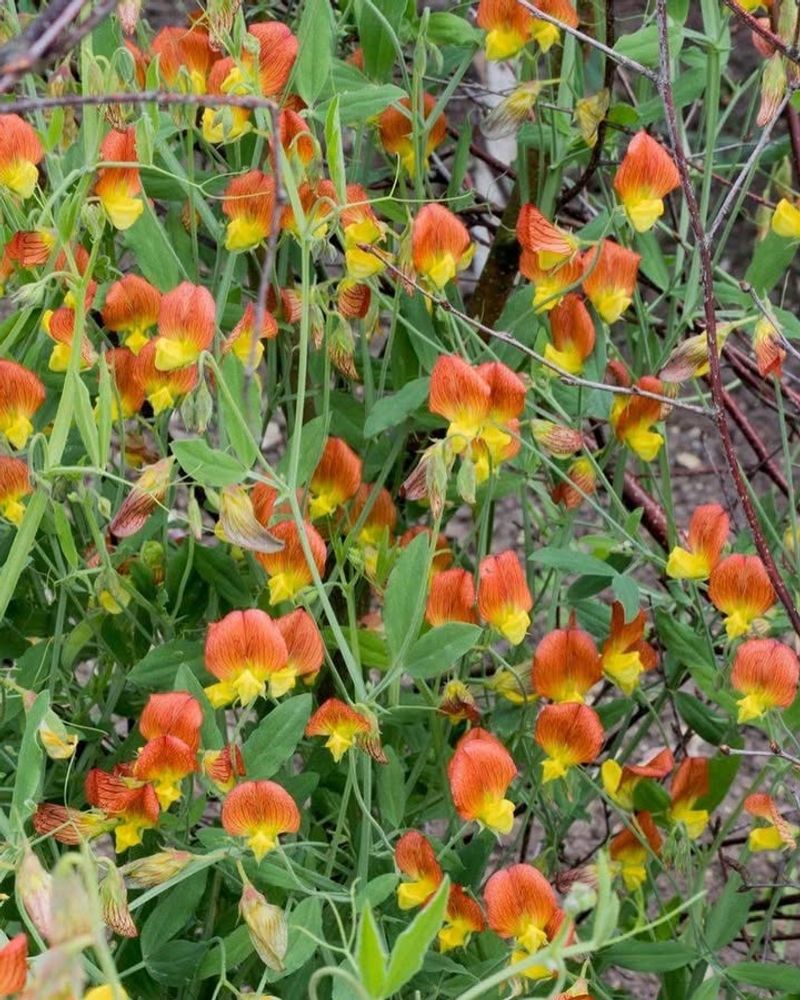
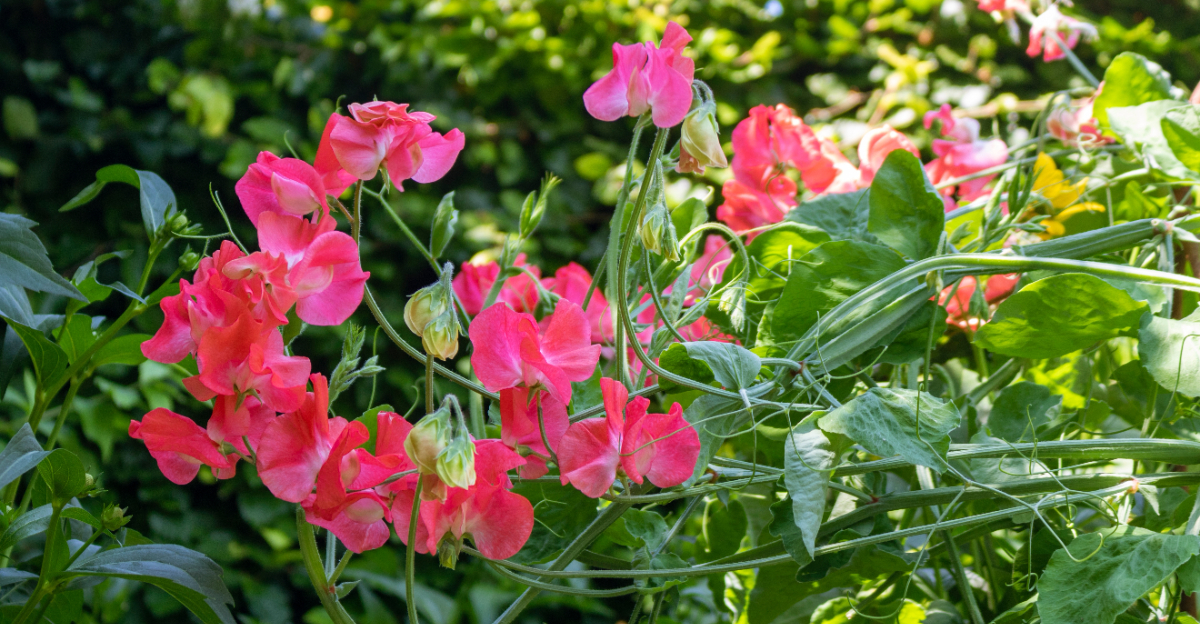
Scent is what turns a spring garden from nice into memorable. The climbing vines need support structures but reward you with armloads of cut flowers perfect for bouquets.
Ruffled petals and old-fashioned appeal make these annuals worth the extra effort required for successful cultivation in your state.
Transplant sweet pea seedlings by mid-December across lower desert areas of Arizona for best results. The plants require cool weather to establish strong root systems before flowering begins.
Space vines about six inches apart along trellises, fences, or other vertical supports that can handle their climbing habit.
Color choices range from pure white to deep purple, with every shade of pink, red, and lavender in between. Bicolor varieties add extra visual interest to your spring displays.
The more you cut flowers for indoor arrangements, the more prolifically plants produce new blooms throughout their season.
Afternoon shade becomes increasingly important as Arizona spring temperatures climb toward summer heat. Rich, moisture-retentive soil amended with compost supports the heavy flowering these vines produce.
Mulch around root zones to keep soil cool and moist, extending the blooming period before hot weather finally forces plants into decline.
Regular harvesting also keeps vines tidy and prevents energy from going into seed production too early. When trained carefully, sweet peas create living walls of color that soften hard edges in Arizona landscapes.
Cutting flowers frequently encourages steady growth and keeps vines producing well instead of fading early.
Vertical coverage from sweet peas adds softness and depth to Arizona gardens, creating a layered look that feels lush during the short window of cool spring weather.