7 Late-Winter Yard Issues You Should Expect In Georgia
Things in a Georgia yard usually don’t fall apart all at once. Instead, small problems start stacking up in spots you don’t pay much attention to until spring is almost here.
Soil stays wetter than expected, plants look uneven, and certain areas never quite clean themselves up.
Most of it feels minor, which is why it often gets ignored.
But these are the exact issues that tend to resurface every year if they aren’t addressed early.
1. Waterlogged Soil After Repeated Winter Rains
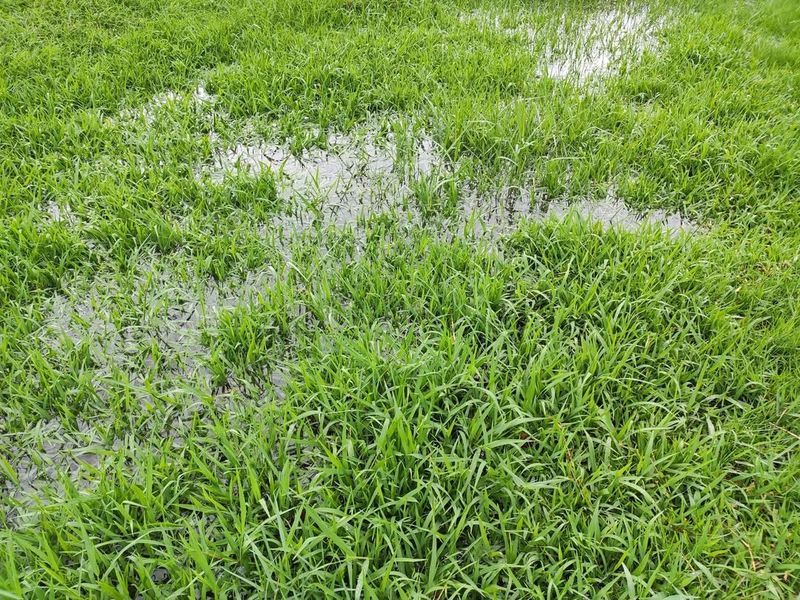
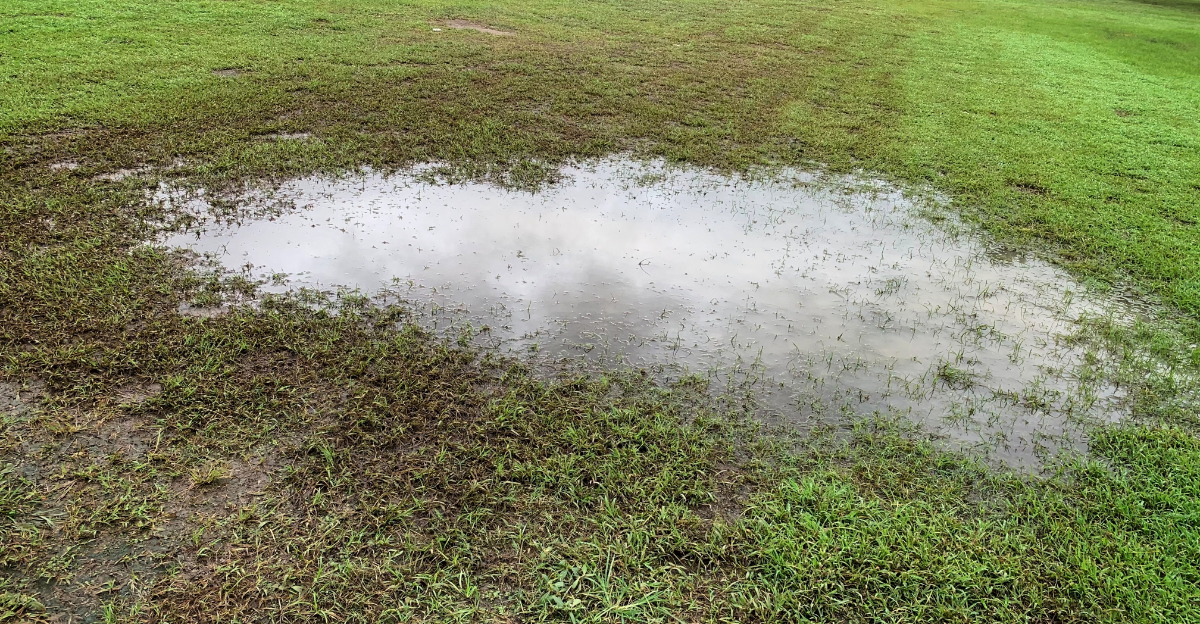
Standing water turns your Georgia lawn into a swampy mess that makes every step a squishy challenge. Late winter often delivers wave after wave of rainfall without the heat needed to dry things out quickly.
Your soil becomes saturated, holding moisture far longer than it would during summer months.
Clay-heavy soil across much of Georgia makes this problem even worse since it drains slowly by nature. Water sits on the surface or just below, creating conditions where grass roots can’t breathe properly.
You might notice your lawn feels spongy underfoot, or you see actual puddles that refuse to disappear even days after the last storm.
Trying to walk across waterlogged areas compresses the soil further, making drainage issues even more stubborn. Equipment like mowers or wheelbarrows will sink and leave ruts that become permanent scars once everything dries.
Your best move involves staying off affected zones completely until they firm up.
Aeration becomes essential once conditions improve enough to work the ground. Creating channels in compacted soil allows water to move downward instead of pooling at the surface.
Adding organic matter helps too, improving soil structure over time so future rains don’t create the same mess.
Some low-lying spots in Georgia yards will always collect water during heavy rain periods. Consider these areas for rain gardens or moisture-loving plants instead of fighting nature.
Redirecting downspouts and grading problem zones helps move water away from foundations and high-traffic areas.
Patience matters most right now since rushing onto wet ground causes more harm than good. Wait for a stretch of dry weather before attempting any major yard work.
Your soil needs time to release excess moisture naturally before it can support your weight or tolerate any kind of cultivation.
French drains offer a permanent solution for chronically soggy spots that never seem to dry properly. Installing perforated pipe beneath the surface captures water and channels it away from problem areas.
2. Compacted Ground From Foot Traffic And Equipment
Hard, cement-like soil greets your shovel when you try to work in areas that saw lots of activity over the cooler months. Foot traffic to the mailbox, paths around play equipment, or routes you took hauling firewood all leave their mark.
Georgia soil compacts easily, especially when wet, and winter conditions create the perfect storm for this frustration.
Grass struggles to grow where soil has been compressed into an almost impenetrable layer. Roots can’t penetrate downward to find nutrients and moisture.
Air spaces that normally exist between soil particles get squeezed out, leaving no room for the biological activity that keeps earth healthy and productive.
Your Georgia Garden Changes Every Week. Your Plan Should Too.
Gardening in Georgia changes quickly throughout the season. Every Friday you’ll receive a simple weekly plan showing exactly what to plant, prune, fertilize, harvest, and protect so you never miss the right timing.
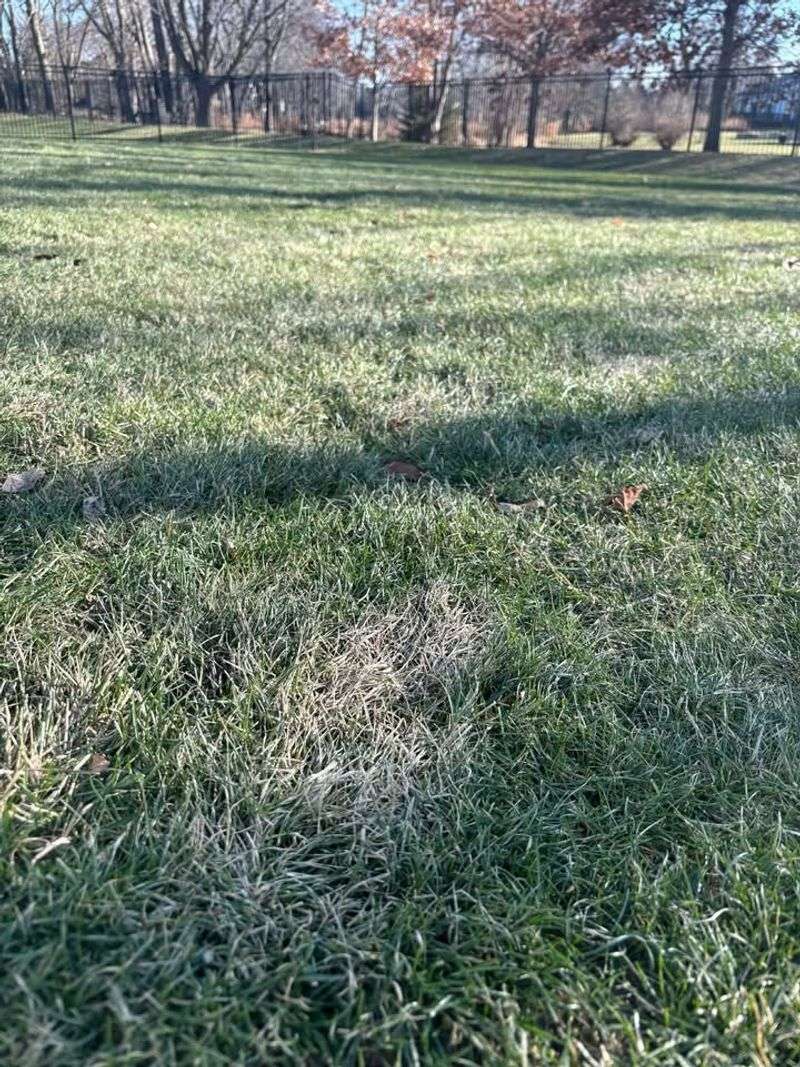
You’ll spot compacted zones by their bare or thinning appearance compared to surrounding areas. These patches might also drain poorly since water can’t soak in through the hardened surface.
Running a simple test helps identify problem spots—push a screwdriver into the ground and see where it meets serious resistance versus sliding in easily.
Children and pets contribute heavily to compaction issues, especially if they follow the same routes repeatedly. Their constant movement during wet winter weather pounds soil particles together.
Equipment stored on the lawn over winter creates similar problems, with weight pressing down continuously in one spot.
Breaking up compacted earth requires real effort and the right timing. Working soil while it’s too wet makes compaction worse, while bone-dry ground resists any attempts to loosen it.
Wait for that sweet spot when soil is slightly moist but not soggy—it should crumble in your hand rather than form a sticky ball or dusty powder.
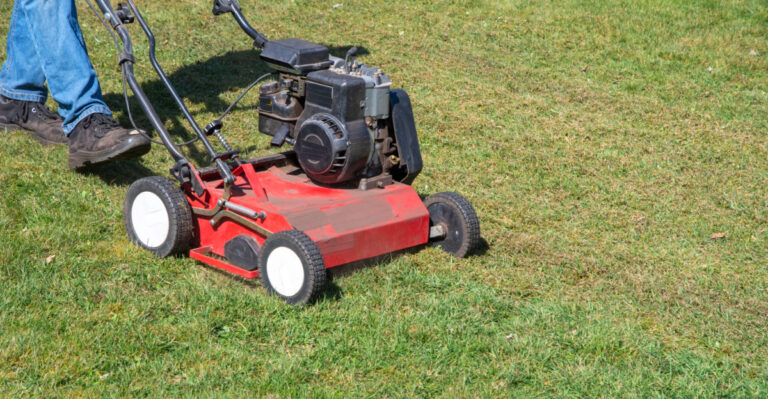
Core aeration provides the most effective remedy for widespread compaction across Georgia lawns. Machines pull plugs of soil out, creating holes that allow air, water, and nutrients to reach root zones.
Those cores left on the surface break down naturally, adding organic matter back into your turf.
Hand tools work better for smaller problem areas or spots too tight for machinery. A garden fork driven into the ground and rocked back and forth opens channels without removing soil.
This manual approach takes more muscle but gives you precise control over where you’re working.
Adding compost or other organic amendments helps prevent future compaction by improving soil structure.
3. Patchy Or Thinning Lawn Areas
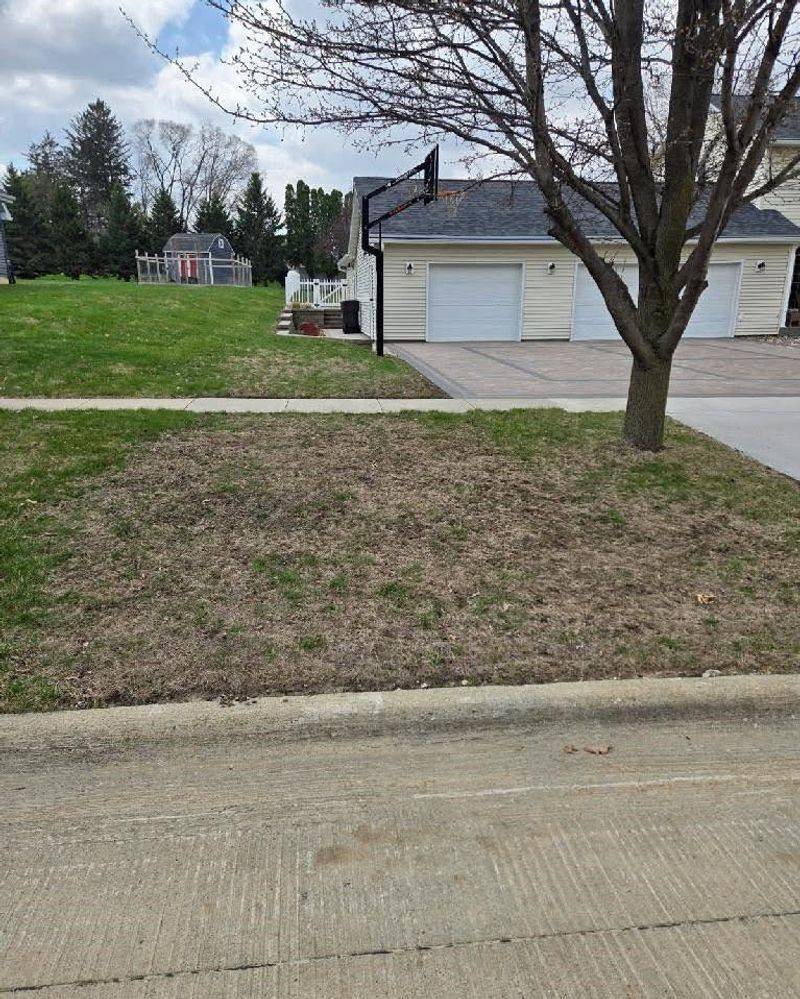
Brown spots and bare patches make your Georgia lawn look like it’s suffering from a bad case of mange. Winter stress reveals weaknesses that stayed hidden during the growing season.
Some areas bounce back quickly once warm weather arrives, while others need serious intervention to recover their green carpet appearance.
Dormant grass naturally looks less lush than its summer self, but true thinning shows actual soil between blades. Disease, insect damage from fall, or simple wear and tear all contribute to these frustrating gaps.
Late winter gives you a clear view of exactly which sections need attention before spring growth kicks in.
Shade patterns shift as deciduous trees lose their leaves, sometimes allowing more winter sun into areas that stay dark during summer. This creates confusing situations where grass thrives in unexpected spots while struggling in places that seemed perfect before.
Your lawn reflects these changing light conditions with uneven growth patterns.
Soil quality varies across even small yards, with some patches offering better drainage, nutrients, or pH levels than others. Grass responds to these invisible differences by growing thick in favorable spots while barely surviving in challenging ones.
Testing soil from thin areas often reveals specific deficiencies you can address with targeted amendments.
Pet urine creates particularly stubborn bare zones that resist simple reseeding efforts. The concentrated nitrogen burns grass roots, leaving circular brown patches that expand over time.
These areas need thorough flushing with water and possibly soil replacement before new grass can establish successfully.
Winter traffic patterns become obvious as worn paths appear where people repeatedly walked during wet or frozen conditions. Georgia lawns go dormant but not completely inactive—they still suffer damage from heavy use.
These compacted, thinned trails need both soil remediation and overseeding to restore full coverage.
Fungal diseases sometimes emerge during late winter warm spells, creating irregular patches of damaged turf. Brown patch, dollar spot, and other infections take advantage of stressed grass and fluctuating temperatures.
Identifying the specific problem determines whether you need fungicide treatment or just improved cultural practices.
4. Early Weed Growth Before Spring Planting
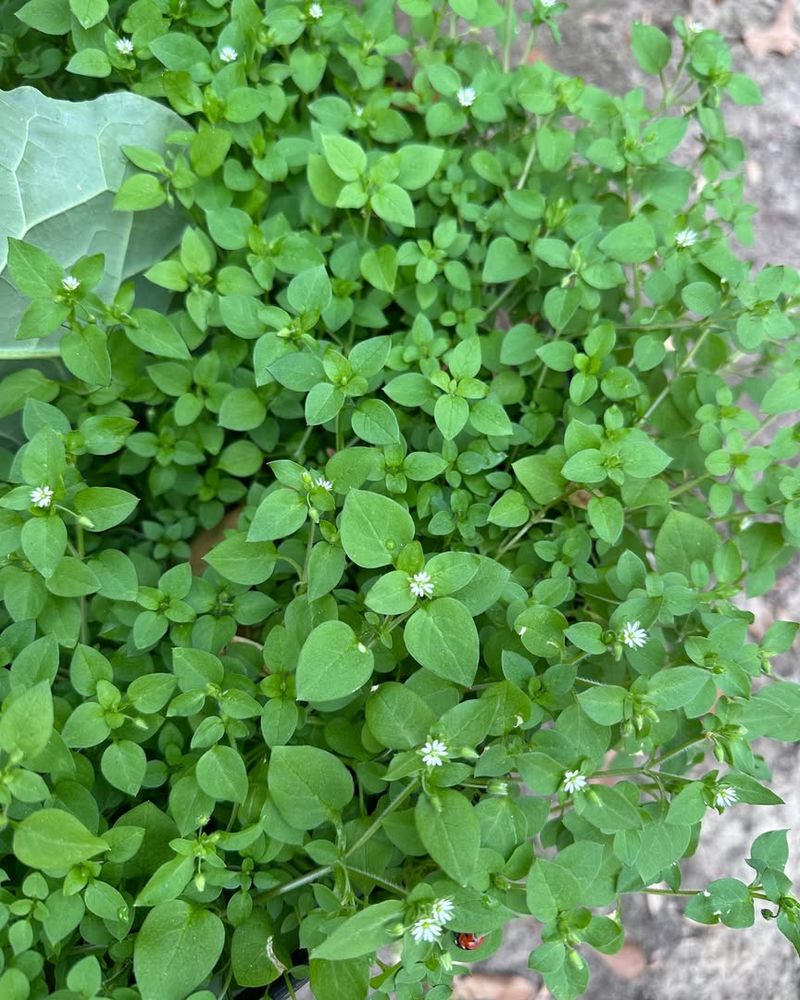
Green invaders pop up across your dormant Georgia lawn, mocking your brown turf with their vigorous growth. Cool-season weeds love late winter conditions, germinating and spreading while your desired grass sits dormant and defenseless.
These opportunistic plants grab resources and real estate, establishing themselves before you’re ready to fight back.
Henbit, chickweed, and deadnettle carpet large sections with their low-growing mats of greenery. They actually look better than your dormant grass at first glance, which makes the situation even more annoying.
These weeds take advantage of moisture and cool temperatures that don’t yet favor warm-season turf growth across most of Georgia.
Pulling weeds by hand feels productive but barely makes a dent in serious infestations. Each plant you remove gets replaced by dozens more sprouting from seeds already in the soil.
Manual removal works for isolated problem plants but proves completely impractical when facing widespread invasion.
Pre-emergent herbicides work only if applied before weed seeds germinate, which for many winter annuals means early fall application. By late winter, you’re seeing the results of missing that prevention window.
These established weeds now require post-emergent treatments that target actively growing plants.
Timing herbicide applications becomes tricky in Georgia’s unpredictable late winter weather. Products work best within specific temperature ranges, and a sudden cold snap can reduce effectiveness or even harm your lawn.
Reading labels carefully and watching forecasts helps you choose the right moment for treatment.
Some winter weeds will naturally fade away once summer heat arrives, dying back without any intervention on your part. This knowledge helps you decide whether aggressive treatment is worth the effort and expense.
Isolated patches might not justify chemical warfare if they’ll disappear on their own in a few months.
Dense, healthy grass provides the best long-term defense against weed invasion. Thin or stressed lawns leave openings that opportunistic plants quickly exploit.
Addressing underlying issues like soil quality, proper fertilization, and appropriate mowing height reduces future weed pressure more effectively than endless chemical applications.
Mulched beds face their own weed challenges as winter rains compact and break down organic materials. Fresh mulch application suppresses emerging seedlings by blocking light and creating a physical barrier.
Waiting until you’ve removed existing weeds prevents you from simply burying problems under a new layer.
Perennial weeds like dandelions and wild onions require more persistent management than annual invaders.
5. Winter Damage Becoming Visible On Shrubs And Trees
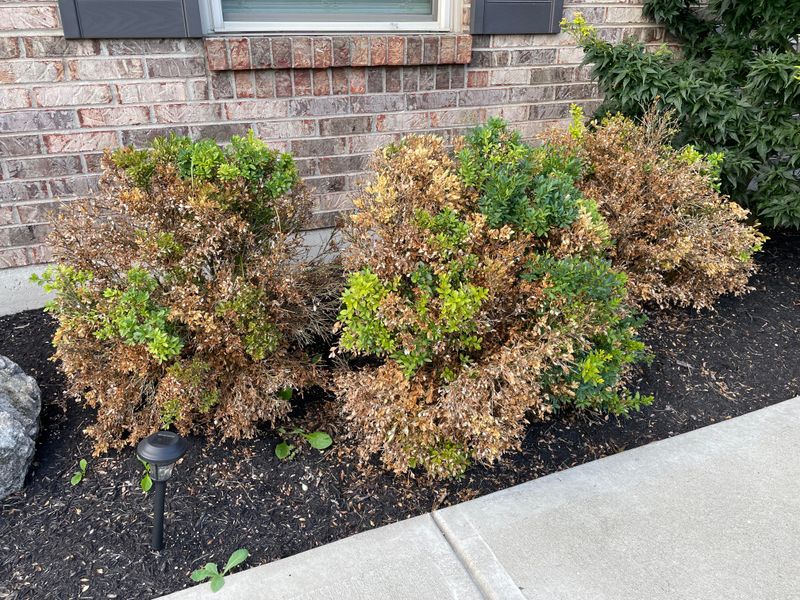
Brown tips, split bark, and drooping branches suddenly appear on plants that looked fine just weeks ago. Late winter reveals the toll that cold snaps, ice storms, and fluctuating temperatures took on your Georgia landscape.
Evergreens show the most obvious signs, with foliage turning bronze or brown where it should stay green year-round.
Freeze damage often doesn’t become apparent immediately after the cold event itself. Cells rupture from ice crystal formation, but the visible browning develops gradually as affected tissue loses its ability to function.
You might not connect the damage you’re seeing now with that brief hard freeze from January.
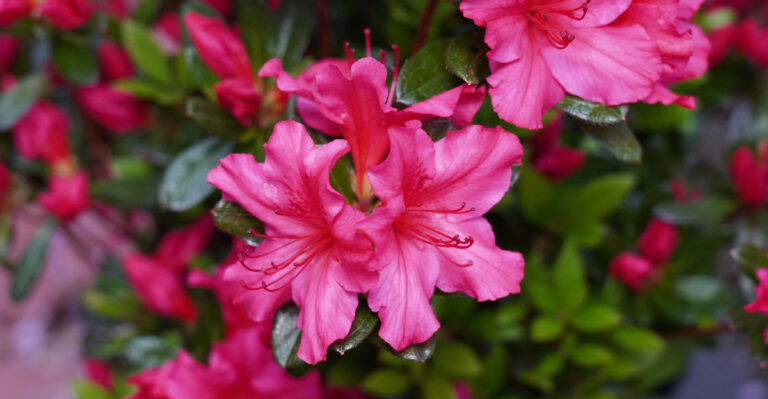
Broad-leaved evergreens like azaleas, camellias, and hollies suffer particularly hard during extreme cold. Their leaves lose moisture through transpiration even in winter, but frozen ground prevents roots from replacing that water.
This creates drought stress during what should be a dormant period, leaving foliage crispy and discolored.
Sudden temperature swings cause more problems than steady cold in many Georgia locations. Plants partially break dormancy during warm spells, then get hit by returning freezes that damage newly active tissue.
Bark splits on the sunny side of trunks where daytime warming followed by nighttime freezing creates expansion and contraction cycles.
Determining what’s truly harmed versus just temporarily stressed requires patience and careful observation. Scratch test branches by gently scraping away a small section of bark—green tissue underneath means the branch is still alive despite looking rough.
Brown or gray interior signals that portion won’t recover.
Resist the urge to prune away damaged growth immediately unless branches are actually broken and dangerous. Plants need their full structure to support spring growth, even if parts look unsightly.
Wait until new buds break and you can clearly see what’s alive versus what needs removal.
Some browning on evergreens results from winter burn rather than freeze injury. Dry winds and bright winter sun draw moisture from foliage faster than roots can replace it.
This physiological drought shows up as brown tips and edges, especially on plants in exposed locations across Georgia yards.
Fertilizing damaged plants might seem helpful but actually creates additional stress. Injured roots and stems can’t process nutrients properly, and pushing new growth diverts energy from healing.
Hold off on feeding until you see signs of recovery and active growth resuming.
Watering becomes important if late winter turns dry, especially for evergreens showing stress symptoms.
6. Uneven Moisture Levels Across Beds And Lawns
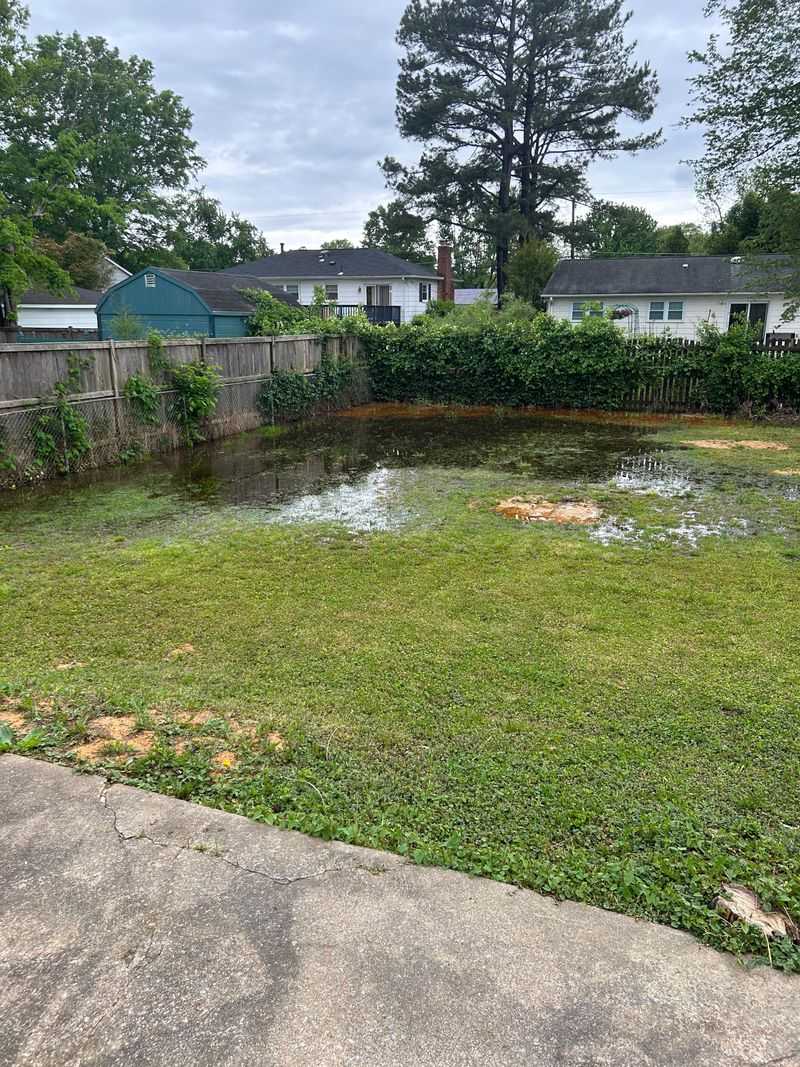
One section of your Georgia yard stays soggy while another area just feet away is bone dry. Late winter’s irregular rainfall and varying sun exposure create dramatic differences in moisture levels across what should be uniform growing spaces.
Your plants respond to these inconsistent conditions with equally inconsistent performance and appearance.
Slope and drainage patterns determine where water accumulates versus where it runs off quickly. Low spots become miniature wetlands while elevated areas shed moisture almost immediately.
These natural contours existed all along but become much more obvious when dormant vegetation isn’t hiding them.
Soil composition varies even within small yards, with some areas holding moisture like a sponge while others drain almost too efficiently. Clay-heavy patches stay wet for days after rain, while sandy sections dry out within hours.
This patchwork of different soil types creates watering challenges that persist throughout the year.
Tree roots create their own moisture gradients by pulling water from surrounding soil. Large trees in Georgia landscapes can draw hundreds of gallons daily during active growth, leaving nearby beds surprisingly dry.
This effect lessens during winter dormancy but doesn’t disappear completely, especially with evergreen species.
Mulch depth and condition affect moisture retention significantly across different areas. Fresh, thick mulch holds water like a reservoir, releasing it slowly to plant roots.
Thin or degraded mulch provides minimal protection, allowing rapid evaporation from exposed soil beneath.
Downspouts and roof runoff concentrate water in specific zones, creating locally saturated conditions even during otherwise dry periods. These artificially wet areas might support moisture-loving plants beautifully but prove disastrous for species preferring drier conditions.
Mapping where water naturally flows helps you match plants to actual conditions rather than fighting nature.
Sun exposure changes throughout winter as the sun’s angle shifts and deciduous trees lose their leaves. Areas that stayed shady and moist all summer might receive full sun during winter months, drying out faster than expected.
This seasonal variation in light and moisture requires flexibility in plant selection and care.
7. Mulch Breakdown Or Displacement From Winter Weather
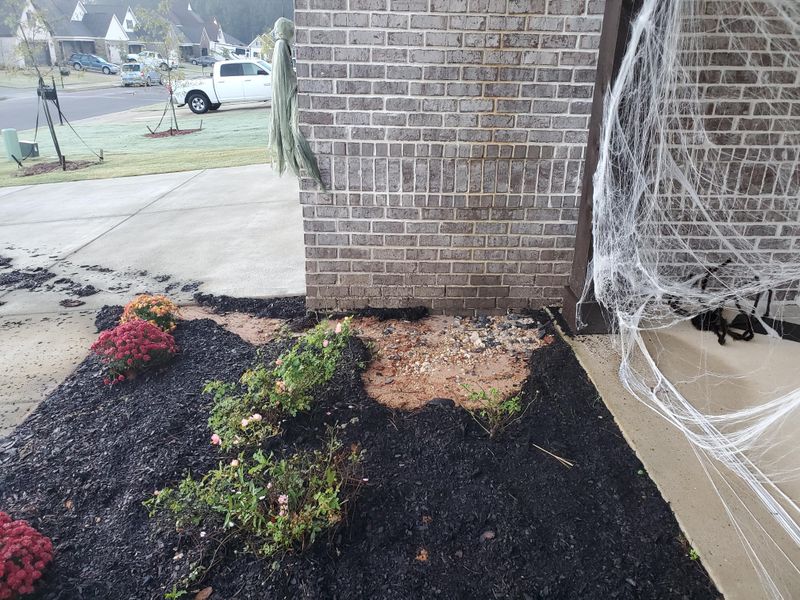
Your carefully spread mulch layer from last spring now looks thin, patchy, and scattered across places it doesn’t belong. Winter rains wash organic materials downhill, wind blows lightweight pieces into corners, and natural decomposition shrinks the protective blanket you worked hard to establish.
Georgia’s wet winters accelerate breakdown, turning what should be a tidy landscape into a mess that needs attention.
Wood-based mulches decompose faster than many homeowners expect, especially in our humid climate. Microorganisms and fungi break down organic matter continuously, with the process speeding up during warm, wet periods.
What measured three inches deep in April might barely cover the soil by February.
Heavy rains create rivers through landscape beds, carrying mulch particles along with soil and debris. You’ll find piles accumulated against obstacles like edging, foundations, or downhill borders.
Meanwhile, the areas where mulch originated sit nearly bare, exposing plant roots and allowing weed seeds clear access to soil.
Slopes face particularly severe mulch migration issues since gravity constantly pulls materials downward. Each rainfall moves particles a little further from their intended location.
Without barriers or frequent redistribution, you end up with thick accumulations at the bottom and bare soil at the top.
Color fading makes even intact mulch look tired and neglected. Fresh mulch boasts rich tones that complement plants and create visual appeal.
Weathered material turns gray or pale, losing the aesthetic impact that made your beds look polished and intentional.
Fungal growth sometimes appears on decomposing mulch, creating unusual textures or colors that alarm homeowners. These organisms actually perform beneficial work by breaking down organic matter and releasing nutrients.
Most pose no threat to plants or people, though they might look strange enough to cause concern.
Determining whether to refresh or completely replace mulch depends on how much material remains and its condition. Thin layers need topping up with fresh material to restore proper depth.
Severely degraded or displaced mulch might require removal and starting over with a clean application.
Timing mulch refreshment carefully maximizes its benefits across the growing season. Late winter in Georgia offers an excellent opportunity since you’re preparing beds for spring anyway.
Adding mulch now suppresses early weeds, moderates soil temperature swings, and creates an attractive backdrop for emerging growth.