These 9 Plants Are Turning Oregon Backyards Into Songbird Magnets
Oregon backyards are filling with birds, and it’s not happening by accident. Homeowners are planting smarter, choosing plants that offer food, shelter, and safe nesting spots.
The result is more color in the trees, more songs in the morning, and more movement across the yard. These plants don’t just look good.
They produce berries, seeds, and nectar that songbirds actively seek out. Many also thrive in local conditions and require less maintenance once established.
Even small spaces can become bird-friendly with the right selections. One smart planting choice can attract finches, robins, chickadees, and more in a single season.
If you want your backyard to feel alive and full of sound, this is where it starts. These plants are changing ordinary Oregon yards into vibrant songbird hangouts, and they’re easier to grow than you might expect.
1. Oregon Grape
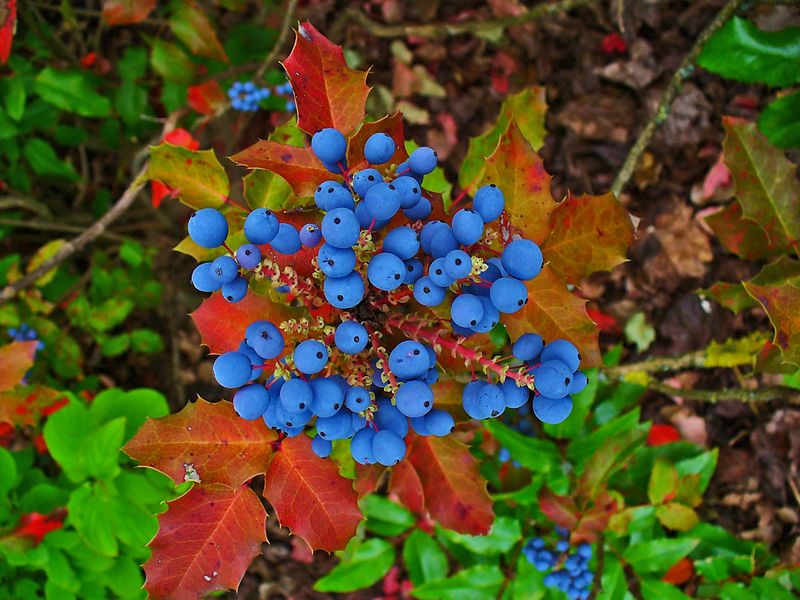
Mahonia aquifolium stands as Oregon’s official state flower, and for good reason. This evergreen shrub produces clusters of bright yellow flowers in early spring that practically glow against the backdrop of glossy, holly-like leaves.
Songbirds absolutely adore the dark blue berries that follow those cheerful blooms. Robins, waxwings, and thrushes flock to Oregon grape bushes throughout summer and fall, feasting on the tart fruits that humans often overlook.
Beyond feeding birds, this native plant offers year-round visual interest in your Oregon landscape. The foliage turns stunning shades of bronze and purple during winter months, adding unexpected color when most gardens look dormant.
Growing Oregon grape couldn’t be simpler, especially in the Beaver State’s climate. It thrives in partial shade to full sun and tolerates a wide range of soil conditions once established, making it perfect for beginners.
Plant it under taller trees or along shaded borders where other plants struggle. You’ll create natural cover for ground-feeding birds while providing a reliable food source that keeps them coming back season after season.
The spiny leaves also offer excellent protection for nesting birds who seek secure spots away from predators. Oregon grape truly delivers multiple benefits in one hardy, attractive package.
2. Red-Flowering Currant
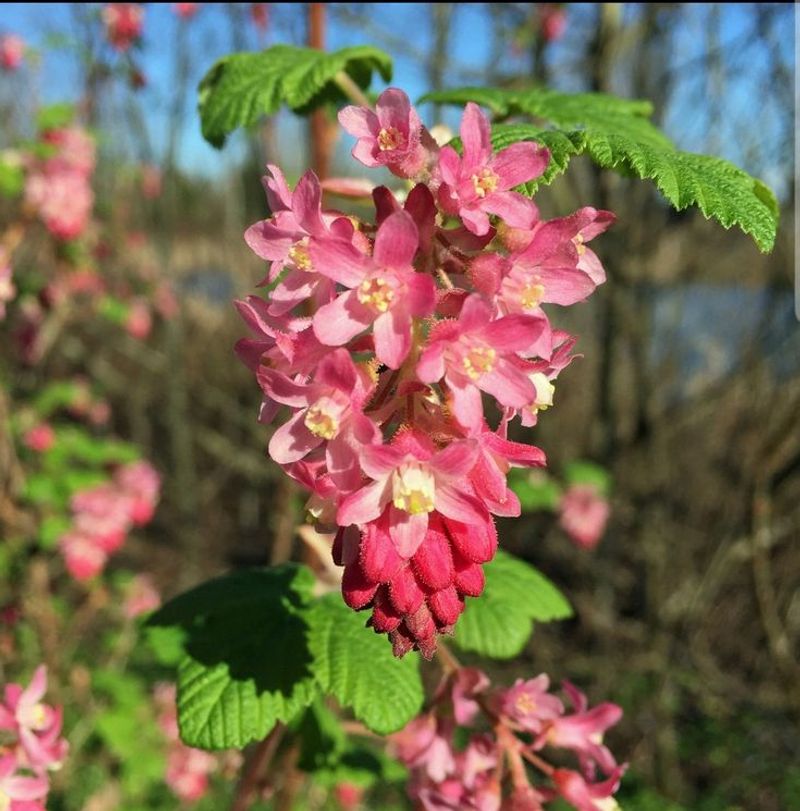
Picture a shrub absolutely covered in dangling clusters of rosy-pink flowers, and you’re imagining Ribes sanguineum at its spring peak.
This Pacific Northwest native bursts into bloom just when hummingbirds return from their winter migrations, offering them a crucial early-season nectar source.
While hummingbirds aren’t technically songbirds, the dark berries that follow those stunning flowers attract genuine singers.
Towhees, finches, and sparrows eagerly consume the small fruits throughout summer, often perching on branches and filling your Oregon yard with their cheerful calls.
Red-flowering currant adapts beautifully to various garden conditions across the state. From coastal areas to inland valleys, this deciduous shrub handles both sun and partial shade with equal grace, though it blooms most profusely in brighter locations.
Mature plants reach six to ten feet tall and wide, creating substantial screening or hedging. The maple-shaped leaves add texture to your landscape even after flowers fade, and the plant requires minimal watering once its roots establish themselves.
Your Oregon Garden Changes Every Week. Your Plan Should Too.
Gardening in Oregon changes quickly throughout the season. Every Friday you’ll receive a simple weekly plan showing exactly what to plant, prune, fertilize, harvest, and protect so you never miss the right timing.
Gardeners in Portland, Salem, and surrounding communities have long treasured this shrub for its early color and wildlife value.
Plant several together for maximum impact, and you’ll create a bird-friendly corner that performs beautifully year after year with almost no maintenance required.
3. Serviceberry
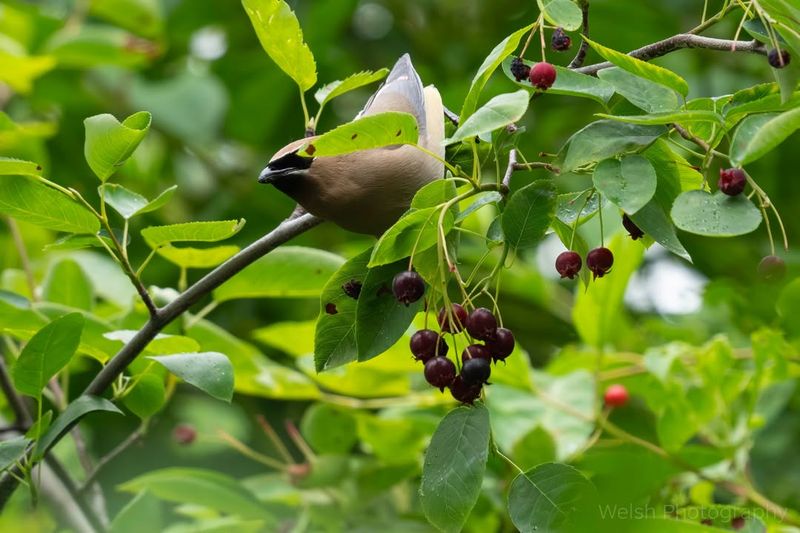
Amelanchier alnifolia goes by many names including Saskatoon, but serviceberry remains the most common.
This small tree or large shrub offers something special during every season, making it a four-season superstar for Oregon landscapes.
Early spring brings clouds of delicate white flowers that seem to float above bare branches. These blooms provide nectar for early-emerging insects, which in turn attract insect-eating songbirds just arriving for breeding season across Oregon.
Come June and July, the real magic happens when purplish-black berries ripen. Cedar waxwings, grosbeaks, and tanagers descend on serviceberry trees in noisy, active flocks, sometimes stripping branches clean within days.
Humans can enjoy these sweet berries too, assuming the birds leave any behind. They taste similar to blueberries with a hint of almond, perfect for pies or eating fresh if you’re quick enough to harvest them.
Serviceberry handles Oregon’s varied climates remarkably well, from the coast to higher elevations. It prefers well-drained soil and full sun to partial shade, developing brilliant orange-red fall color that rivals any imported ornamental.
Plant this native beauty near a window where you can watch the bird activity without disturbing your feathered visitors. You’ll be rewarded with entertainment and natural beauty throughout the growing season.
4. Western Elderberry
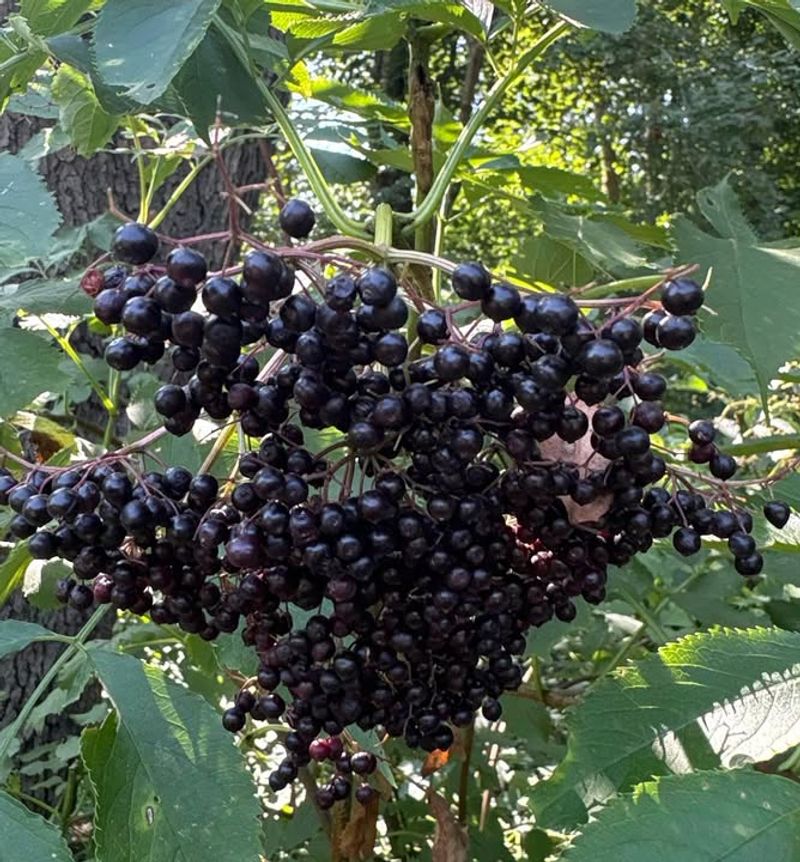
Sambucus nigra ssp. caerulea towers over many other shrubs, sometimes reaching twenty feet in ideal conditions.
This vigorous grower produces massive flat-topped clusters of creamy white flowers in late spring that smell faintly sweet and attract countless pollinators to your Oregon garden.
Those flower clusters transform into heavy bunches of dark blue-purple berries by late summer. Virtually every fruit-eating bird species in Oregon visits elderberry bushes, from small warblers to larger thrushes and jays.
The berries hang in such abundance that there’s usually plenty for both birds and people. Humans should cook elderberries before eating them, turning them into jams, syrups, or wine, but birds consume them raw with obvious enthusiasm.
Western elderberry grows fast, filling empty spaces in new landscapes within just a couple of years. It prefers moist soil and tolerates the occasional wet spot that challenges other plants, making it perfect for low-lying areas in Willamette Valley gardens.
Prune older stems to the ground every few years to maintain vigor and manageable size. New growth emerges quickly, and you’ll never sacrifice berry production since flowers form on current season’s wood.
This native shrub creates excellent screening along property lines while simultaneously feeding dozens of bird species. Few plants deliver such impressive wildlife value combined with such easy care and rapid establishment in Oregon conditions.
5. Salal
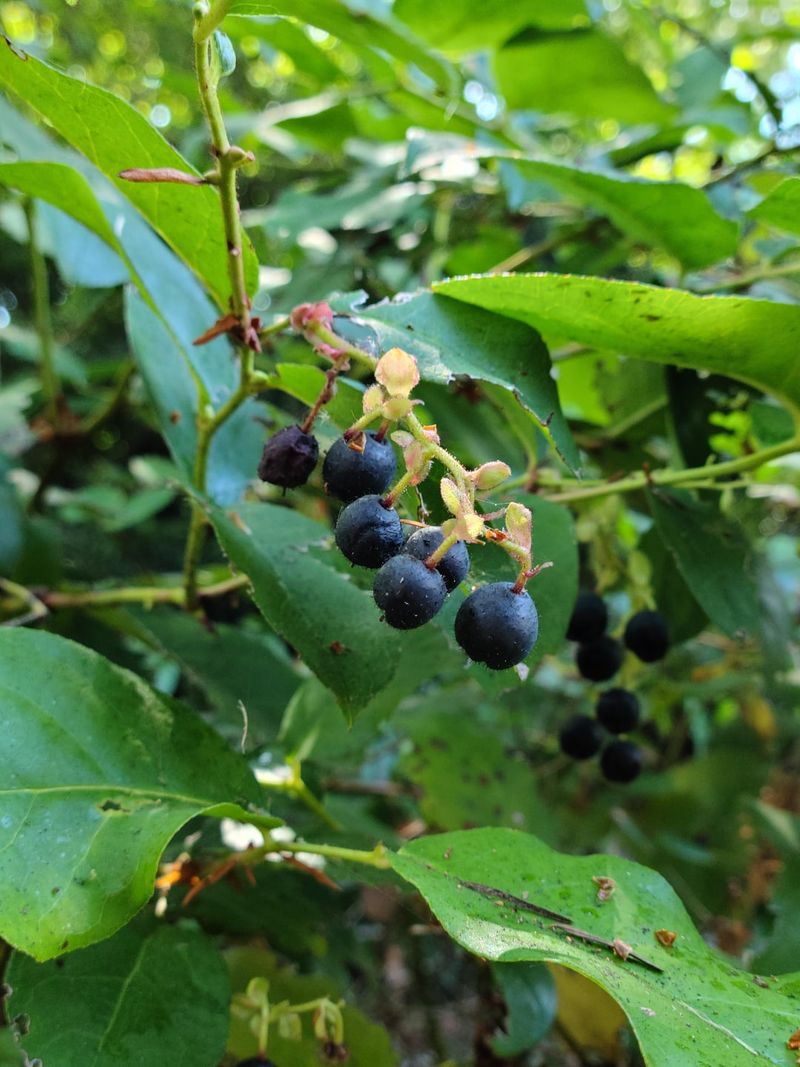
Gaultheria shallon forms the backbone of Pacific Northwest understory vegetation, carpeting forest floors throughout Oregon with its leathery evergreen leaves.
This tough native shrub deserves more attention in home landscapes, especially from gardeners wanting to support local bird populations.
Small pink or white urn-shaped flowers dangle beneath the foliage in spring, easy to miss unless you look closely. Birds don’t miss them though, and they certainly don’t overlook the dark purple-black berries that follow in late summer.
Varied thrushes, Swainson’s thrushes, and many other ground-foraging birds rely heavily on salal berries. The dense, low growth also provides crucial cover where birds can hide from predators while moving through your Oregon yard.
Salal excels in shady conditions where lawn grass struggles and other plants look sparse. Plant it under Douglas firs, western red cedars, or any mature trees casting heavy shade, and watch it thrive where little else will.
Once established, this evergreen groundcover spreads steadily through underground stems, eventually forming substantial patches. You can control its spread through occasional pruning, or let it naturalize across shaded slopes that need erosion control.
Commercial florists prize salal branches for arrangements, but its real value lies in supporting native Oregon wildlife. Add this undemanding native to your shade garden, and you’ll create habitat that songbirds instinctively recognize as home.
6. Snowberry
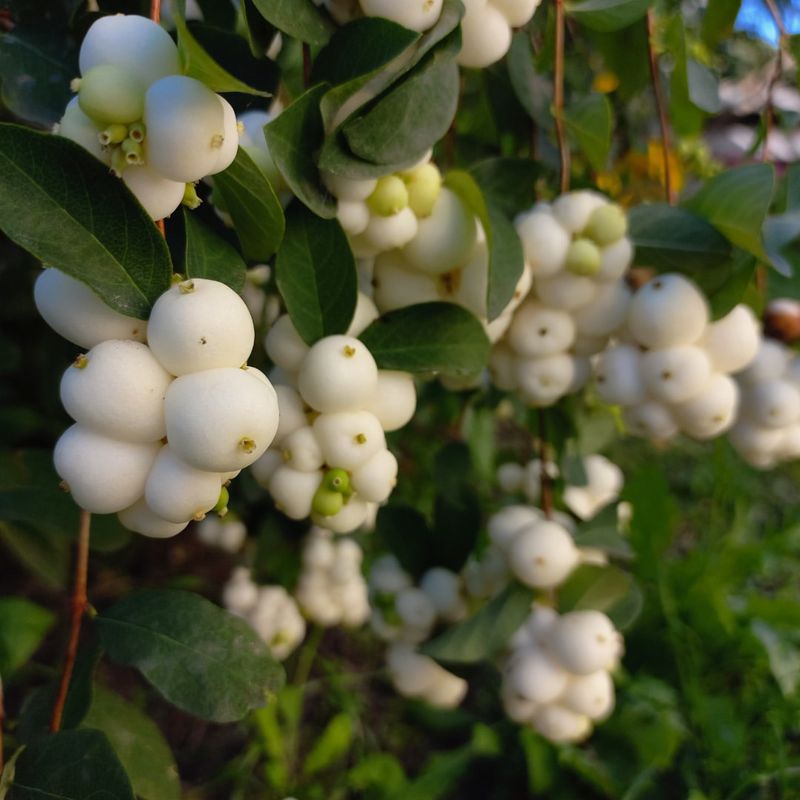
Symphoricarpos albus catches everyone’s eye in fall and winter when its bright white berries practically glow against bare branches. These unusual fruits look almost artificial, like someone hung tiny white ornaments throughout the shrub.
Most songbirds ignore snowberries during abundant summer months, but come late fall and winter, they become an important food source.
Robins, waxwings, and other birds turn to these persistent berries when more desirable options have been consumed or have fallen.
Humans should leave snowberries to the birds since they can cause digestive upset in people.
Birds, however, process them just fine and appreciate having this backup food source during Oregon’s coldest months when calories become critical for survival.
Snowberry grows in sun or shade and tolerates poor soil that defeats less adaptable plants. It spreads through underground runners, forming thickets that provide excellent nesting cover for sparrows, towhees, and other ground-nesting species throughout Oregon.
The shrub stays relatively low, usually reaching three to six feet tall, making it perfect for planting under windows or along foundations. Its twiggy growth creates safe spaces where small birds can dart for cover when hawks appear overhead.
Native plant enthusiasts love snowberry for its adaptability and wildlife value. Plant it in challenging spots where other shrubs struggle, and you’ll appreciate its reliable performance and the way it supports birds during winter’s toughest weeks in Oregon.
7. Pacific Ninebark
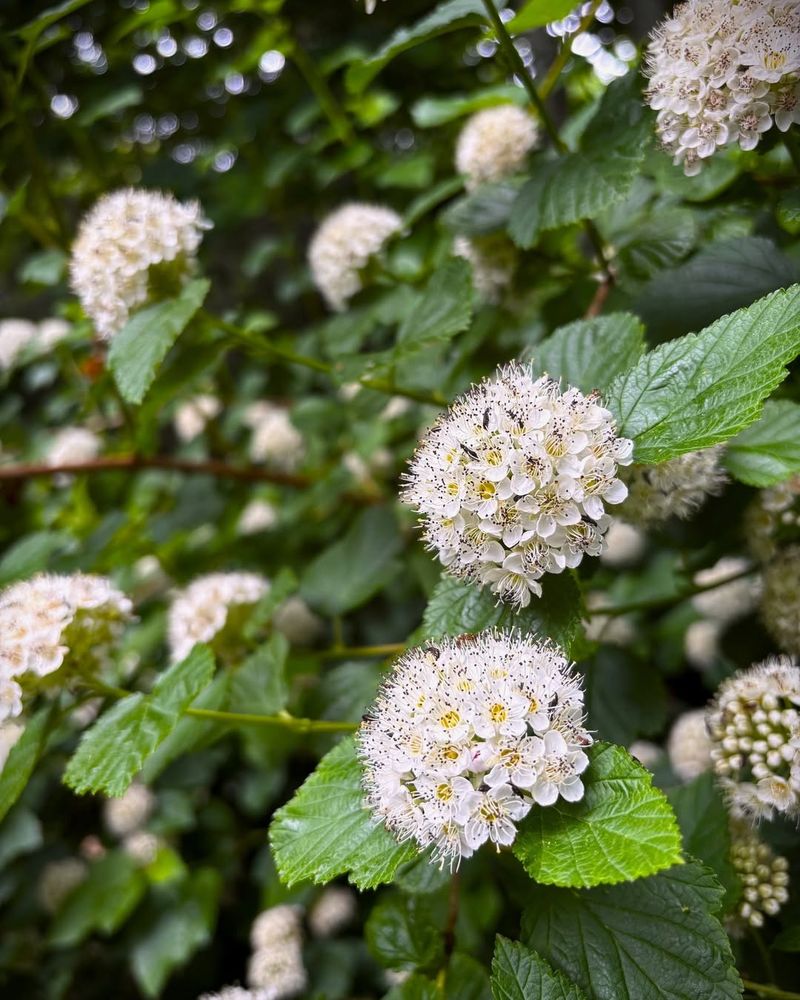
Physocarpus capitatus brings architectural interest to Oregon gardens with its distinctive peeling bark that reveals multiple layers of tan, brown, and cinnamon colors.
This deciduous shrub grows large and vigorous, sometimes reaching twelve feet tall in ideal conditions with adequate moisture.
Rounded clusters of white to pinkish flowers cover the plant in late spring, creating a stunning display. These blooms attract numerous insects, which in turn draw insect-eating songbirds like warblers, vireos, and chickadees to your Oregon landscape.
After flowers fade, inflated seed capsules develop that turn reddish-brown by fall. Finches and other seed-eating birds pick through these capsules throughout autumn and winter, finding nutritious seeds that help them maintain energy during cold weather.
Pacific ninebark thrives in moist locations throughout Oregon, particularly near streams, ponds, or in low spots that stay damp.
It handles periodic flooding better than most ornamental shrubs, making it perfect for rain gardens or wetland edges.
The dense branching structure creates excellent nesting habitat for song sparrows, goldfinches, and other small birds. They weave their nests deep within the protective tangle of stems where predators struggle to reach them.
Prune older stems occasionally to maintain attractive form and encourage vigorous new growth.
This native shrub asks little in return for the substantial wildlife habitat it provides, making it a smart choice for low-maintenance Oregon gardens focused on supporting local bird populations.
8. Osoberry
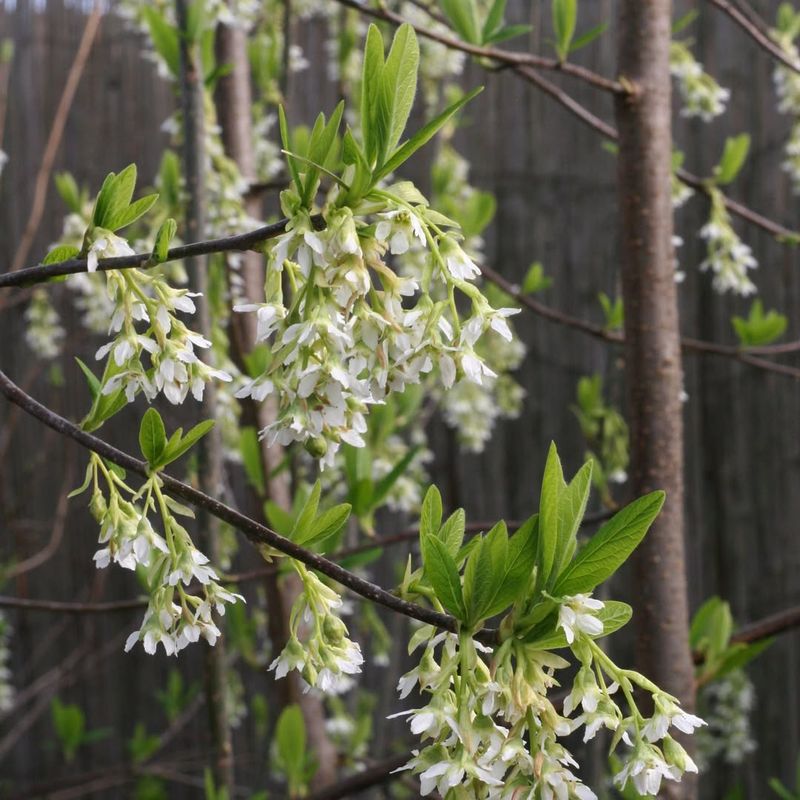
Oemleria cerasiformis earns its place in songbird gardens by blooming incredibly early, often in February or March across Oregon.
When most plants remain dormant, osoberry’s drooping clusters of white bell-shaped flowers announce that spring is coming, even if winter weather continues.
These early flowers provide crucial nectar and pollen for emerging insects, which attracts the first wave of migrating songbirds passing through Oregon. Warblers and other insect-eaters find valuable protein in the bugs visiting osoberry blossoms.
By June, small plum-like fruits ripen to dark purple, though they’re quite bitter for human tastes. Birds don’t share our aversion, and flycatchers, thrushes, and grosbeaks eagerly consume them despite their astringent flavor.
Osoberry grows as a multi-stemmed shrub reaching six to fifteen feet tall, spreading slowly through underground stems to form colonies. It prefers partial shade and moist soil, thriving in woodland edges and beneath tree canopies throughout western Oregon.
The leaves emerge very early and drop relatively early too, usually by late summer. This characteristic makes osoberry perfect for planting beneath deciduous trees where the timing works beautifully with the tree’s leaf cycle.
Native plant gardeners appreciate osoberry’s ability to fill the early-season gap when few other plants offer resources for wildlife.
Add this unassuming shrub to shaded areas of your Oregon property, and you’ll support songbirds during critical migration periods when food sources remain scarce.
9. Red Huckleberry
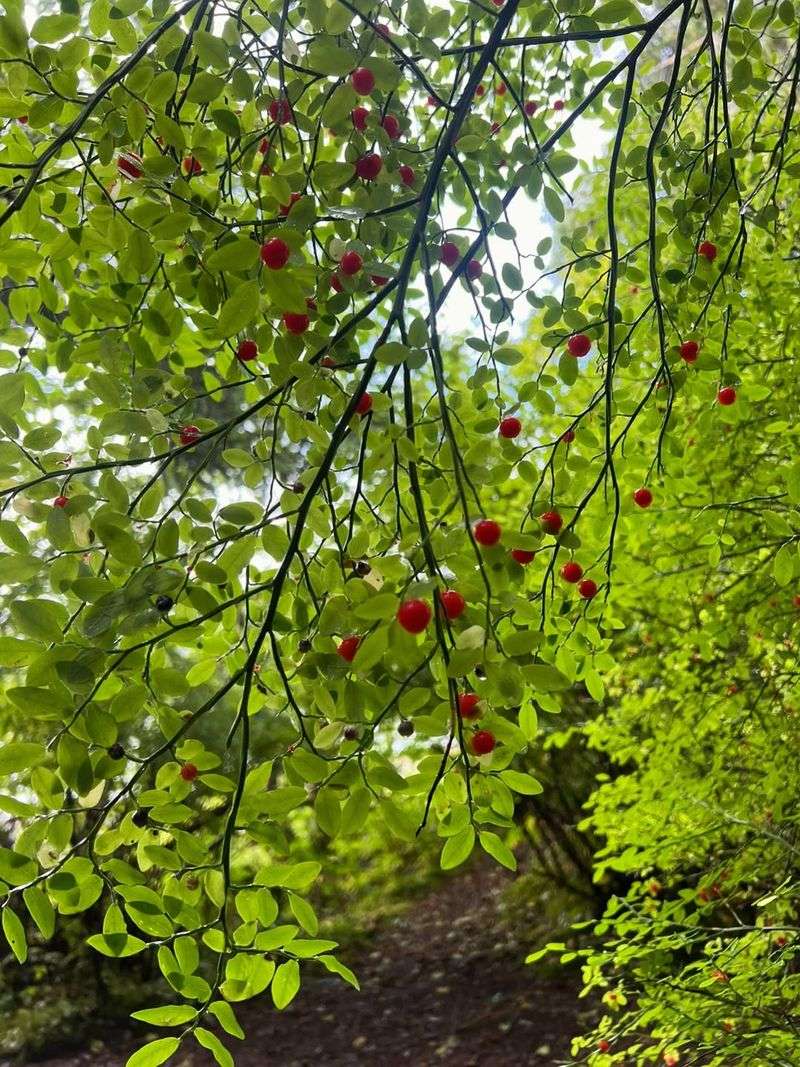
Vaccinium parvifolium produces some of the most beautiful berries you’ll ever see, bright translucent red jewels that seem to glow when backlit by filtered sunlight.
This deciduous shrub grows slowly in shaded Oregon forests, often establishing itself on old stumps or rotting logs.
The tart red berries ripen in late summer and disappear quickly once birds discover them. Thrushes, waxwings, and tanagers compete for these prized fruits, sometimes visiting the same bush repeatedly throughout the day until every berry vanishes.
Humans prize red huckleberries too, considering them superior to their blue cousins for pies, jams, and fresh eating. You’ll need to move fast if you want to harvest any before the birds claim them all.
Growing red huckleberry in home gardens requires patience and the right conditions. It demands acidic soil, consistent moisture, and shade, preferring to grow beneath conifers where dropped needles maintain low pH levels naturally across Oregon.
The bright green stems remain attractive even without leaves during winter months. These angular branches create interesting architectural forms, especially when multiple plants grow together in naturalized groupings.
Red huckleberry grows slowly, sometimes taking years to reach substantial size, but the wait proves worthwhile.
Once established in appropriate conditions throughout Oregon’s forests and shaded gardens, it provides reliable fruit crops that support songbirds year after year with minimal care required from you.