These Native Michigan Plants Grow Beautifully With Almost No Care
Walk through a Michigan yard filled with native plants and something feels different. The garden looks full, colorful, and alive, yet the owner is not constantly watering, fertilizing, or stressing over every leaf. That is the magic of planting what already belongs here.
These plants are built for local soil, changing seasons, and unpredictable weather, which means they grow strong with very little effort.
They handle cold springs, summer heat, and sudden rain like pros. Even better, they attract pollinators, improve soil health, and come back year after year without drama.
For busy homeowners or anyone tired of high maintenance gardens, this approach feels like a breath of fresh air.
If you want a yard that looks beautiful without turning gardening into a full time job, these native Michigan plants might be the easiest win you will ever plant.
1. Black-Eyed Susan (Rudbeckia Hirta)
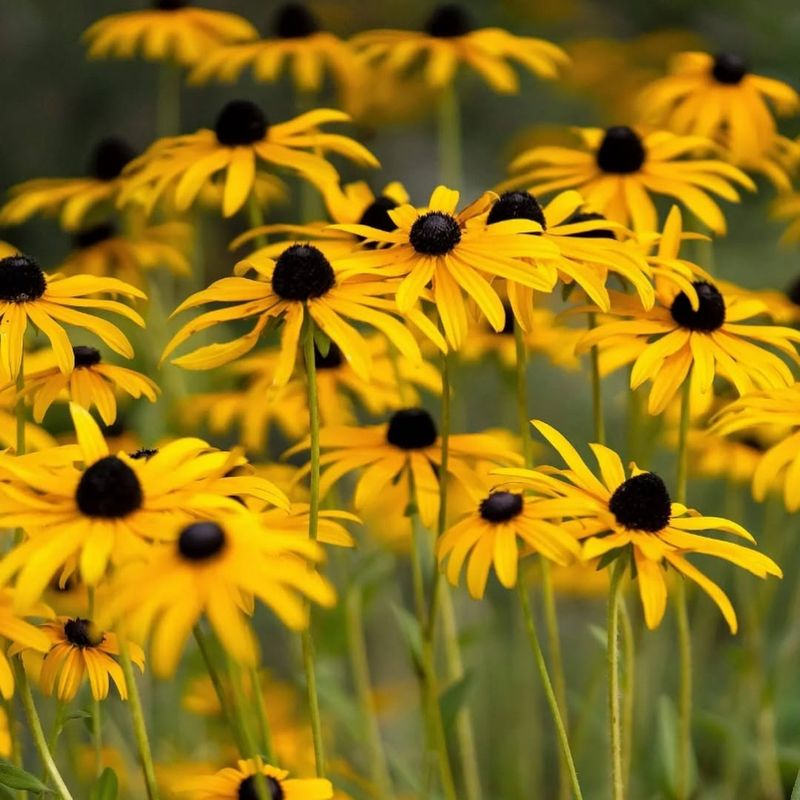
Sunshine seems to follow this cheerful wildflower wherever it grows. Black-Eyed Susans bring brilliant golden petals with chocolate-brown centers to gardens from June through September. Their blooms attract butterflies and bees while asking almost nothing in return.
These tough perennials handle Michigan’s unpredictable weather with remarkable grace. They flourish in full sun and tolerate drought once their roots establish. Poor soil doesn’t bother them much either, making them ideal for challenging spots.
Plant them in spring or fall about 18 inches apart. Water regularly for the first month, then step back and watch. They’ll self-seed generously, creating natural drifts of color over time.
Their long blooming season means constant color without constant work. Deadheading extends flowering, but it’s completely optional since seed heads feed winter birds. These flowers also make excellent cut arrangements that last over a week indoors.
Black-Eyed Susans mix beautifully with ornamental grasses and other prairie plants. Their upright habit reaches 2-3 feet tall, creating perfect mid-border interest. They return reliably each spring, growing stronger and more abundant with each passing year.
2. Wild Bergamot (Monarda Fistulosa)
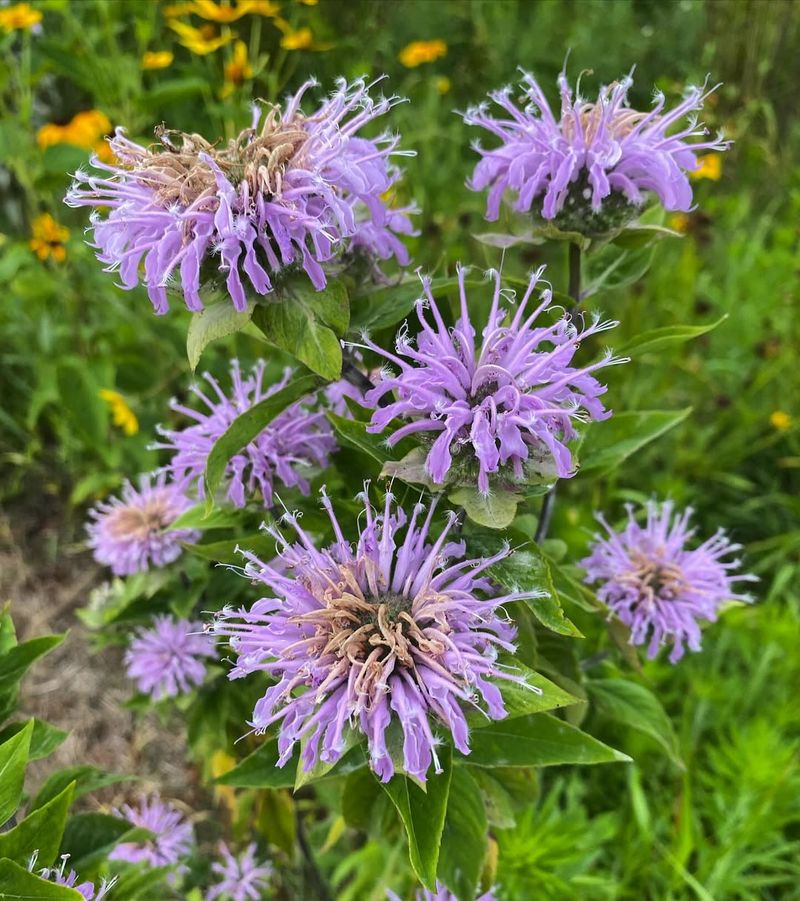
Imagine crushing a leaf and smelling sweet mint with citrus undertones. Wild Bergamot delivers that aromatic surprise along with stunning lavender blooms.
This member of the mint family transforms ordinary gardens into pollinator paradise from June through August.
Bees go absolutely crazy for these shaggy flower clusters. Butterflies and hummingbirds join the party too, creating constant motion and color. The plants spread steadily but not aggressively, filling spaces with fragrant foliage.
Drought tolerance ranks among this plant’s finest qualities. Once established, it survives weeks without rain or supplemental watering. It grows equally well in average or poor soils, never demanding fertilizer or amendments.
The aromatic leaves have traditional medicinal uses and make wonderful herbal tea. Simply harvest leaves before flowering and dry them for later use. The flavor resembles Earl Grey tea with its distinctive bergamot notes.
Plants reach 2-4 feet tall and spread gradually through underground runners. They prefer full sun but tolerate partial shade reasonably well. Cut stems back after blooming to encourage bushier growth and prevent excessive self-seeding if desired.
Your Michigan Garden Changes Every Week. Your Plan Should Too.
Gardening in Michigan changes quickly throughout the season. Every Friday you’ll receive a simple weekly plan showing exactly what to plant, prune, fertilize, harvest, and protect so you never miss the right timing.
3. Purple Coneflower (Echinacea Purpurea)
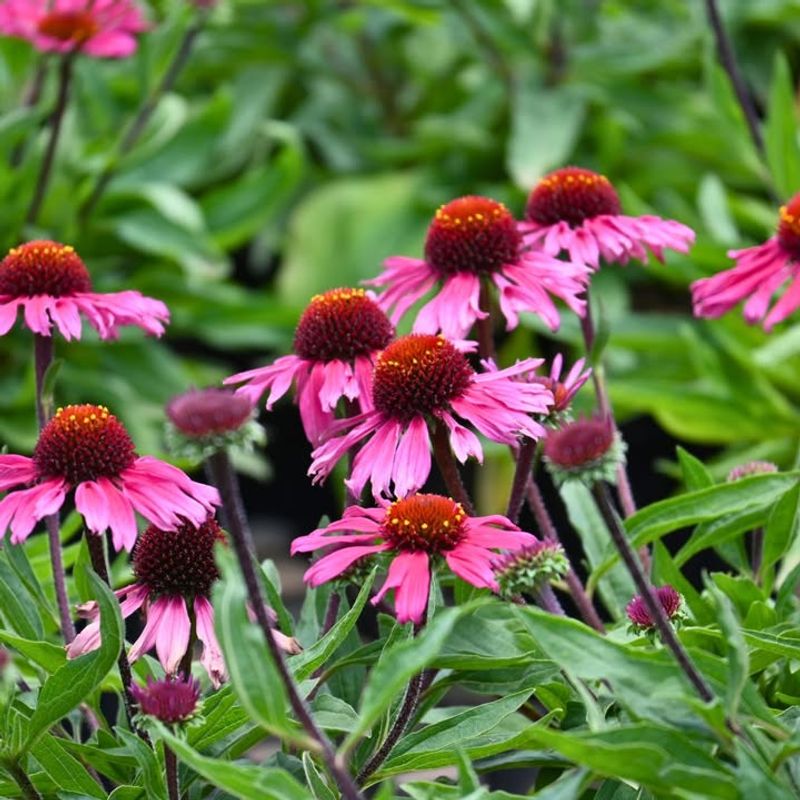
Few plants match the staying power of Purple Coneflower in Michigan landscapes. Bold pink-purple petals surround spiky orange cones that butterflies absolutely adore. These perennials bloom from July through September, providing reliable color during summer’s hottest stretch.
Adaptability makes this native plant a gardener’s dream companion. It accepts clay, loam, or sandy soils without complaint. Full sun suits it best, though partial shade works too.
Established plants laugh at drought and humidity alike. Their deep taproots seek moisture far below the surface, eliminating your need for constant watering. They’re also remarkably resistant to pests and diseases that plague other garden favorites.
Pollinators flock to these flowers like kids to ice cream trucks. Bees, butterflies, and hummingbirds visit throughout the day, creating a lively garden atmosphere. Goldfinches feast on seed heads in fall and winter, adding wildlife interest year-round.
Purple Coneflowers grow 2-4 feet tall with a similar spread. They look stunning planted in groups of three or five. Divide clumps every 3-4 years if desired, though they’ll happily grow undisturbed for decades.
4. New England Aster (Symphyotrichum Novae-Angliae)
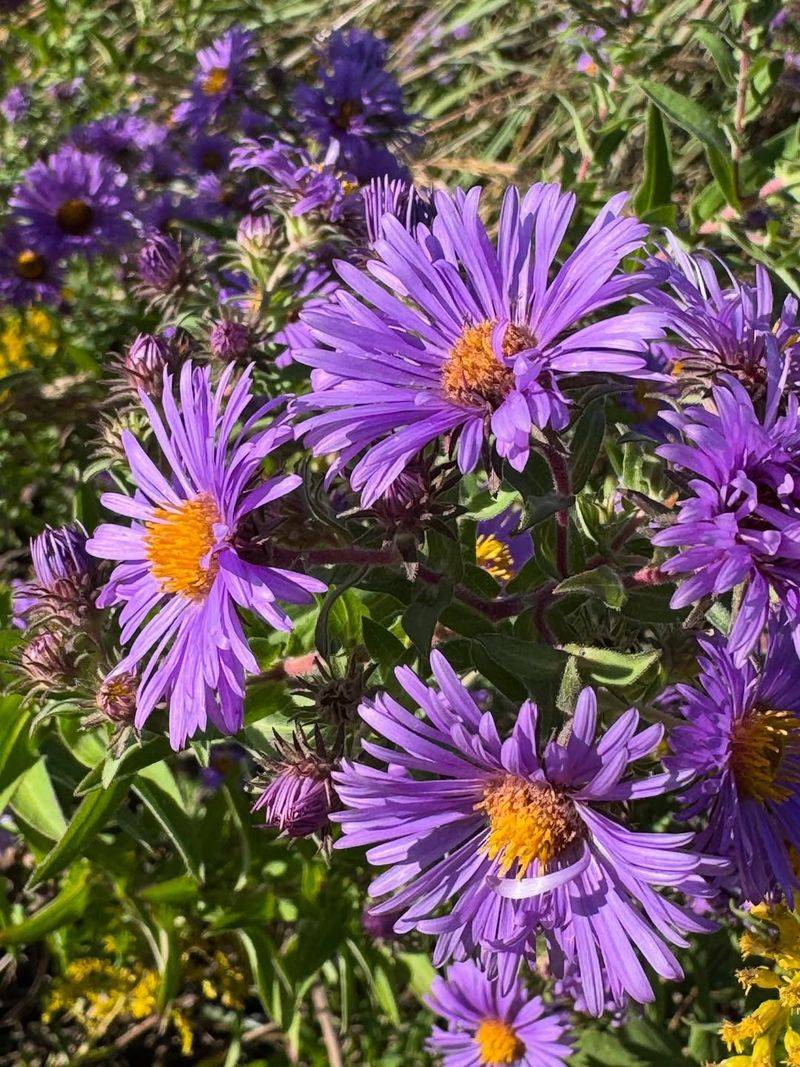
When most flowers call it quits for the season, New England Aster steps into the spotlight. These late bloomers explode with vibrant purple flowers in September and October. They provide crucial nectar for migrating butterflies preparing for long journeys south.
Each plant becomes absolutely covered in blooms, creating spectacular fall displays. The flowers measure about an inch across with bright yellow centers. They practically glow in autumn sunshine, rivaling any mum or ornamental cabbage.
Establishment takes just one season before these perennials become completely self-sufficient. They handle clay soils better than most natives and tolerate occasional flooding. Drought doesn’t faze them once roots grow deep and strong.
Height varies from 3-6 feet depending on growing conditions and variety. Pinching stems in early June creates bushier, more compact plants if desired. Otherwise, let them grow naturally for a relaxed, cottage garden appearance.
Monarchs, painted ladies, and other butterflies depend on these late-season blooms. Plant them in masses for maximum impact and pollinator support. They combine beautifully with ornamental grasses and other fall-blooming natives for stunning seasonal interest.
5. Prairie Dropseed (Sporobolus Heterolepis)
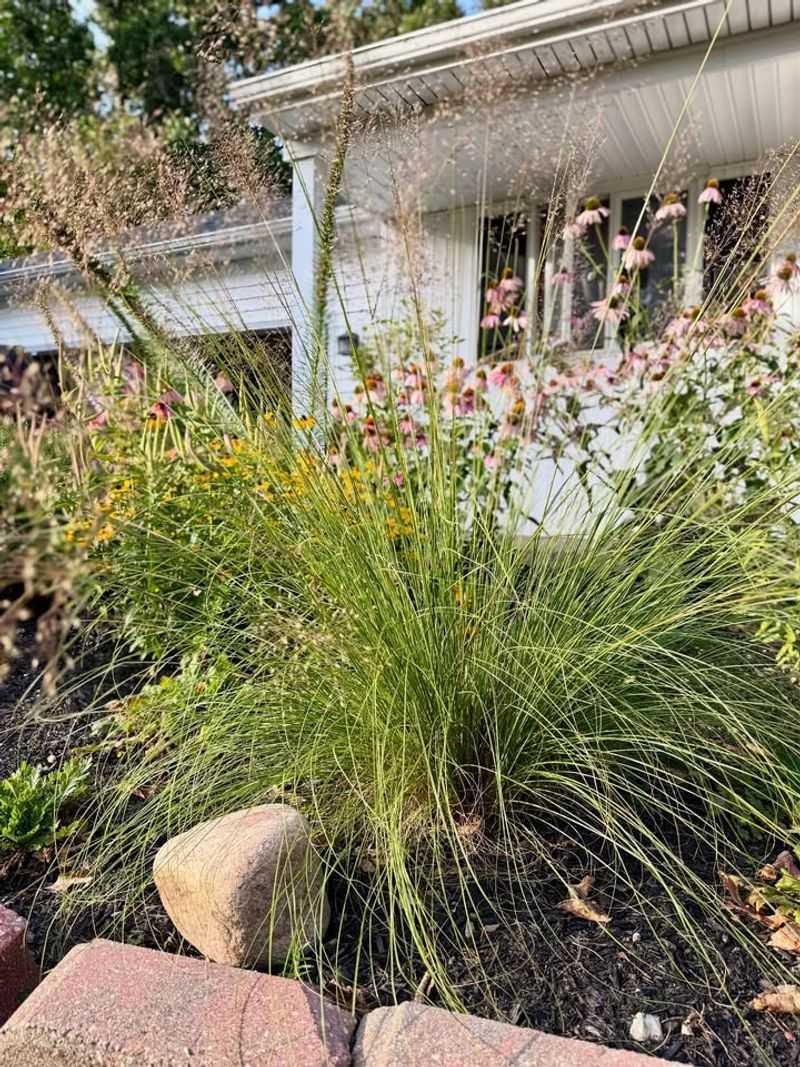
Graceful doesn’t usually describe grasses, but Prairie Dropseed earns that description effortlessly.
Fine emerald-green blades form perfect mounds that sway with every breeze. In autumn, foliage transforms into shades of gold and orange that rival any tree.
This ornamental grass blooms in late summer with airy seed heads. They emit a surprising fragrance reminiscent of buttered popcorn or cilantro. The scent delights some gardeners while puzzling others, creating interesting conversations.
Drought tolerance makes this grass virtually indestructible once established. It thrives in sandy, rocky, or clay soils without amendments. Full sun brings out its best qualities, though it tolerates light shade.
The dense root system prevents erosion on slopes and challenging sites. It also crowds out weeds naturally, reducing maintenance throughout the growing season. Simply cut foliage back in early spring before new growth emerges.
Plants grow 18-24 inches tall and wide, forming neat clumps. They never spread aggressively or require division, remaining exactly where you plant them.
Use them as edging, groundcover, or specimen plants in mixed borders for year-round texture and interest.
6. Wild Columbine (Aquilegia Canadensis)
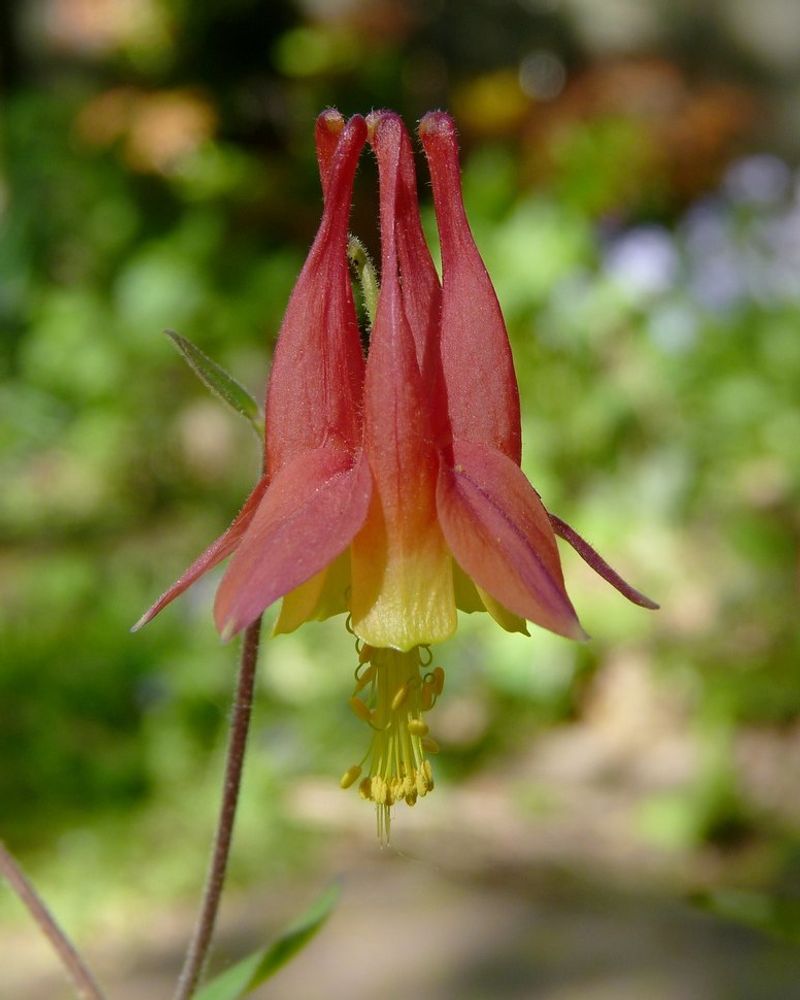
Hummingbirds zoom in like tiny helicopters when Wild Columbine blooms appear. These distinctive red and yellow flowers dangle like delicate lanterns from April through June.
Their unique shape perfectly matches hummingbird beaks, creating natural feeding stations throughout your garden.
Adaptability sets this native apart from fussier garden perennials. It flourishes in full sun or partial shade with equal enthusiasm. Rocky slopes, woodland edges, or formal borders all suit it well.
Self-seeding ensures new plants appear each year without any effort. Seedlings pop up in cracks, crevices, and unexpected spots, adding charm to the landscape. They reach blooming size within two years, creating ever-expanding colonies.
The foliage resembles delicate maidenhair fern with blue-green coloring. It remains attractive even after flowers fade, providing textural interest through summer. Plants go dormant in extreme heat but return reliably each spring.
Height ranges from 1-2 feet with a similar spread at maturity. Space plants 12-15 inches apart for best results. They combine beautifully with ferns, hostas, and other shade-loving natives in woodland settings or mixed borders throughout Michigan gardens.
7. Foamflower (Tiarella Cordifolia)
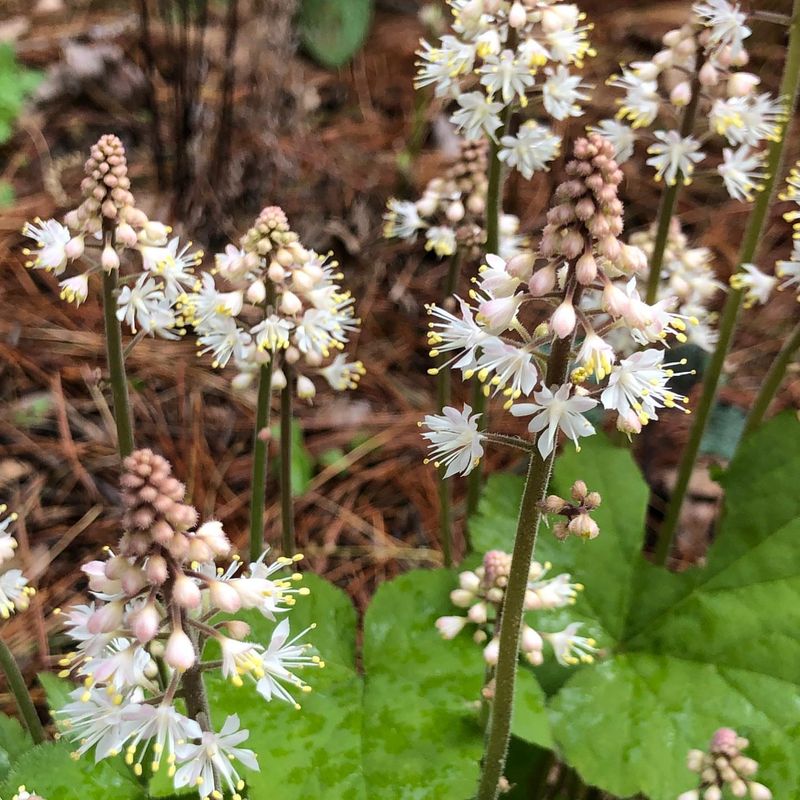
Shady spots under trees often frustrate gardeners searching for blooming plants. Foamflower solves that problem beautifully with clouds of white flowers in spring.
Delicate spikes rise above heart-shaped foliage, creating an ethereal appearance that brightens dark corners. This woodland native spreads slowly to form dense groundcover carpets.
It suppresses weeds naturally while requiring absolutely no maintenance beyond occasional watering during establishment. The evergreen foliage provides year-round interest in milder winters.
Flowers appear in April and May, attracting early-season pollinators. The blooms resemble tiny white bottlebrushes arranged along upright stems. They last several weeks, providing reliable spring color before summer perennials wake up.
Moist, humus-rich soil brings out the best growth and flowering. However, established plants tolerate average conditions and occasional dry spells remarkably well. They prefer partial to full shade, making them perfect for challenging spots.
Plants grow 6-12 inches tall and spread gradually outward. They never become invasive or require frequent division. Use them under deciduous trees, along shaded pathways, or as edging in woodland gardens for effortless beauty that returns faithfully each spring.
8. Butterfly Weed (Asclepias Tuberosa)
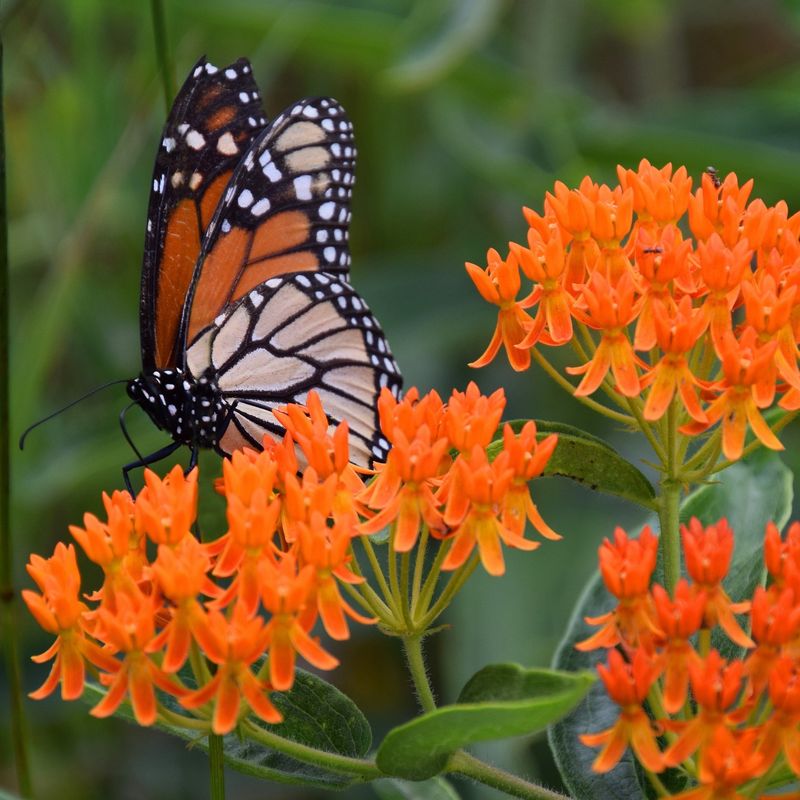
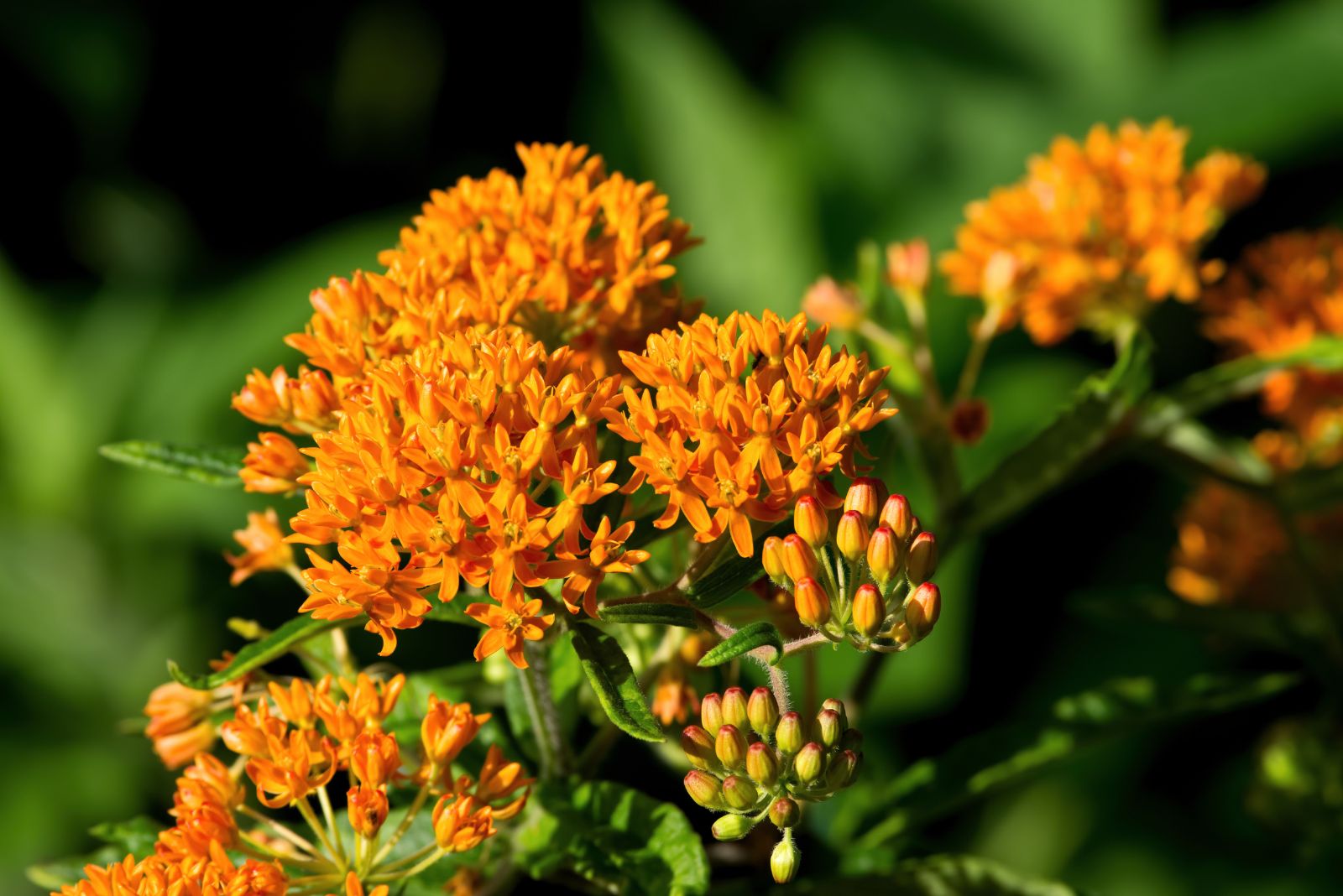
Brilliant orange blooms stop people in their tracks when Butterfly Weed flowers in summer.
These vibrant clusters attract monarchs, swallowtails, and countless other butterflies from June through August. As a milkweed species, it provides essential food for monarch caterpillars too.
The name perfectly describes this plant’s superpower for attracting winged visitors. Butterflies cover the flowers throughout sunny days, creating living kaleidoscopes of color. Watching their constant activity never gets old, even for experienced gardeners.
Drought tolerance becomes legendary once deep taproots establish themselves. This native survives weeks without rain, thriving in sandy or rocky soils. It actually performs better in poor soil than rich, amended beds.
Unlike other milkweeds, this species stays put without spreading aggressively. It forms neat clumps 1-2 feet tall and wide. The upright stems never require staking despite their height and heavy flower clusters.
Plant in full sun for maximum blooming and butterfly activity. Avoid disturbing established plants since taproots dislike transplanting.
Seed heads split open in fall, releasing fluffy seeds that float away on the breeze, potentially starting new colonies elsewhere in your Michigan landscape.
9. Virginia Bluebells (Mertensia Virginica)
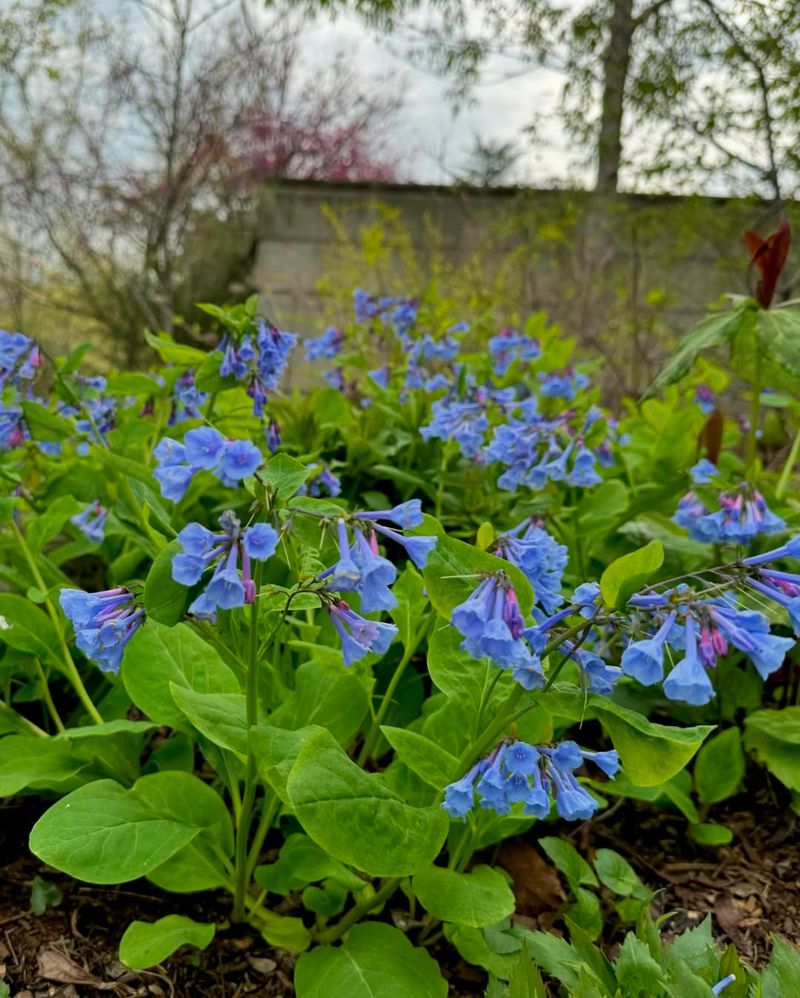
Spring arrives officially when Virginia Bluebells carpet woodland floors with blue flowers. Buds open pink then age to sky blue, creating two-toned displays. These spring ephemerals bloom in April and May before trees leaf out fully overhead.
The flowers hang in graceful clusters like tiny bells. Each blossom measures about an inch long, attracting early bumblebees and other pollinators. Plants emerge quickly in spring, bloom spectacularly, then disappear completely by summer.
This disappearing act actually reduces maintenance rather than increasing it. Foliage yellows and vanishes after flowering, making room for hostas, ferns, or other shade plants. Mark their locations to avoid accidentally digging them up during summer gardening.
Moist, rich soil suits them best, though established colonies tolerate average conditions. They naturalize readily through self-seeding, creating expanding drifts over years. Partial shade to full shade both work well in Michigan gardens.
Plants reach 12-24 inches tall during their brief appearance. Space bulbs 8-12 inches apart when planting.
They combine beautifully with spring bulbs, trilliums, and other early bloomers for stunning seasonal displays that require virtually no care once established in appropriate locations.