How To Keep Orchids Alive During Pennsylvania Winters
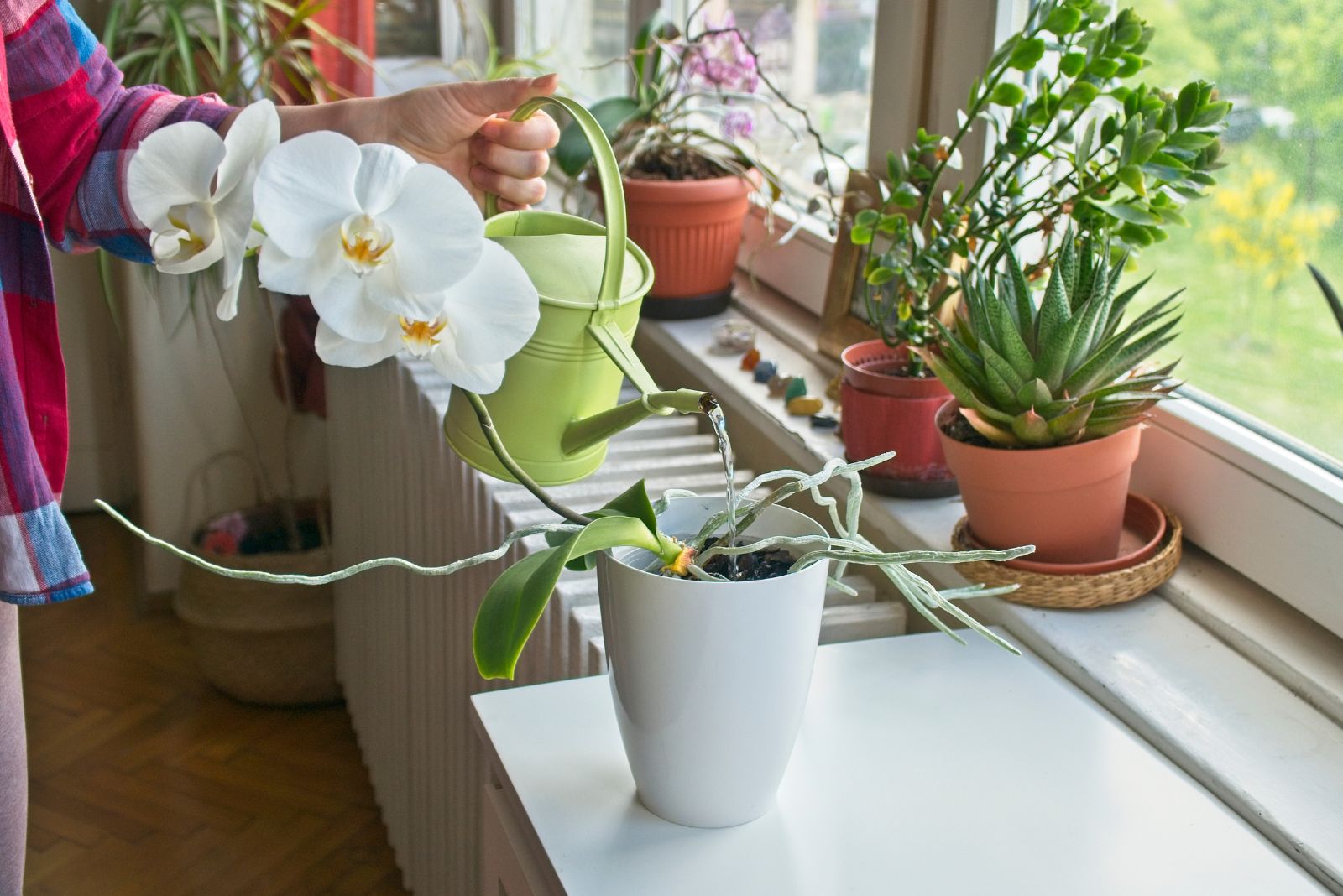
Keeping orchids alive during a Pennsylvania winter can feel challenging, especially when daylight is short and indoor air becomes dry. Many orchid owners notice drooping leaves, slow growth, or fewer blooms once cold weather sets in.
But with the right care, these beautiful plants can stay healthy and continue to thrive all season long. Orchids don’t need complicated routines, but they do need small adjustments to match winter conditions.
Simple changes in watering, light placement, and humidity can make a big difference. When you understand what orchids need during colder months, you can prevent common problems and enjoy stronger plants year-round.
Whether you’re new to orchids or already have a collection, learning these winter care tips will help you protect your plants and keep them looking their best until spring arrives.
1. Adjust Your Watering Schedule For Dry Indoor Heat
Pennsylvania homes get really dry when the heat kicks on during winter. Furnaces and radiators pull moisture from the air, which affects how quickly orchid roots dry out.
Most people make the mistake of watering their orchids the same way all year round, but winter demands a different approach.
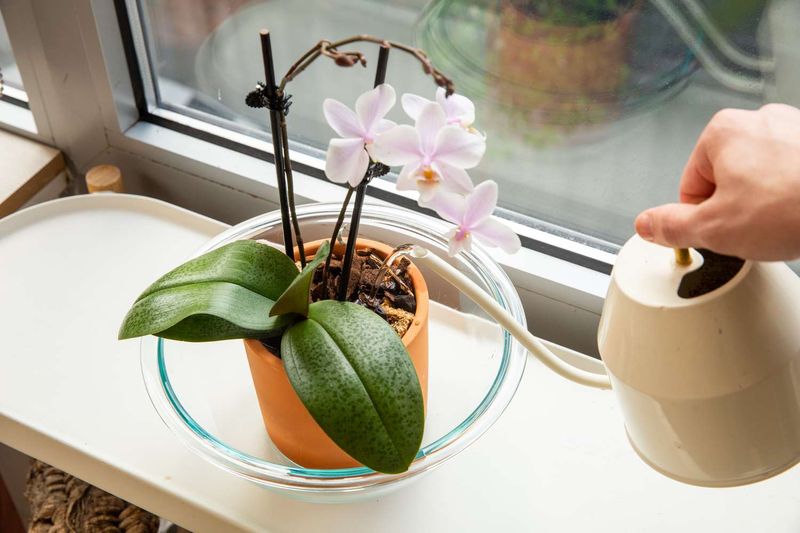
Orchids actually need less frequent watering during colder months because they grow more slowly. Check the potting medium by sticking your finger about an inch deep into the bark or moss.
If it feels dry, your plant is ready for water. If it still feels damp, wait another day or two before checking again.
Room temperature water works best for winter watering sessions. Cold water can shock the roots and slow growth even more.
Pour water slowly around the edges of the pot until it drains through the bottom holes, making sure the crown stays dry to prevent rot.
Pennsylvania tap water often contains minerals and chemicals that build up over time. Consider using filtered or distilled water if you notice white crusty deposits on your orchid pots. This small change can make a big difference in plant health.
Morning watering gives your orchids all day to absorb moisture before nighttime temperatures drop.
Wet roots sitting in cold conditions overnight can lead to root problems. Setting a regular morning schedule helps you remember to check your plants consistently.
Every orchid variety has slightly different needs, so pay attention to how your specific plants respond. Phalaenopsis orchids typically need water every 7-10 days in winter, while others might need more or less.
Watching your plants closely teaches you their unique preferences better than any general rule.
2. Boost Humidity Levels Around Your Plants
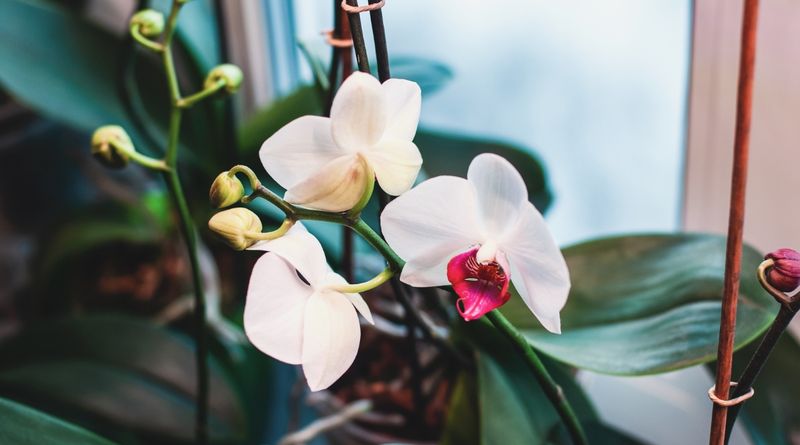
Heating systems in Pennsylvania homes can drop indoor humidity to desert-like levels during winter. Orchids come from tropical rainforests where humidity stays between 50-70 percent, so our dry winter air stresses them significantly.
Brown leaf tips and shriveled roots often signal that your orchids need more moisture in the air.
Creating a humidity tray is one of the easiest solutions for this problem. Fill a shallow tray with pebbles or gravel, add water until it reaches just below the top of the stones, then set your orchid pots on top.
Your Pennsylvania Garden Changes Every Week. Your Plan Should Too.
Gardening in Pennsylvania changes quickly throughout the season. Every Friday you’ll receive a simple weekly plan showing exactly what to plant, prune, fertilize, harvest, and protect so you never miss the right timing.
The water evaporates throughout the day, creating a humid microclimate around your plants without letting roots sit in standing water.
Grouping orchids together also helps them share humidity. Plants naturally release moisture through their leaves, and clustering several together means they benefit from each other’s transpiration.
This works especially well if you have multiple orchids on the same windowsill or table.
Small humidifiers designed for bedrooms work great near orchid collections. Place one in the room where you keep your plants and run it during the day when heating systems are most active.
This investment pays off quickly when you see healthier leaves and stronger blooms.
Misting seems helpful but actually provides very short-term relief. The moisture evaporates within minutes, and frequent misting can encourage fungal problems on leaves. Skip the spray bottle and focus on long-lasting humidity solutions instead.
Bathrooms and kitchens naturally have higher humidity from showers and cooking. Moving a few orchids to these rooms during Pennsylvania’s coldest months gives them a humidity boost without any extra equipment. Just make sure they still get enough light in their new location.
3. Provide Adequate Light Despite Shorter Days
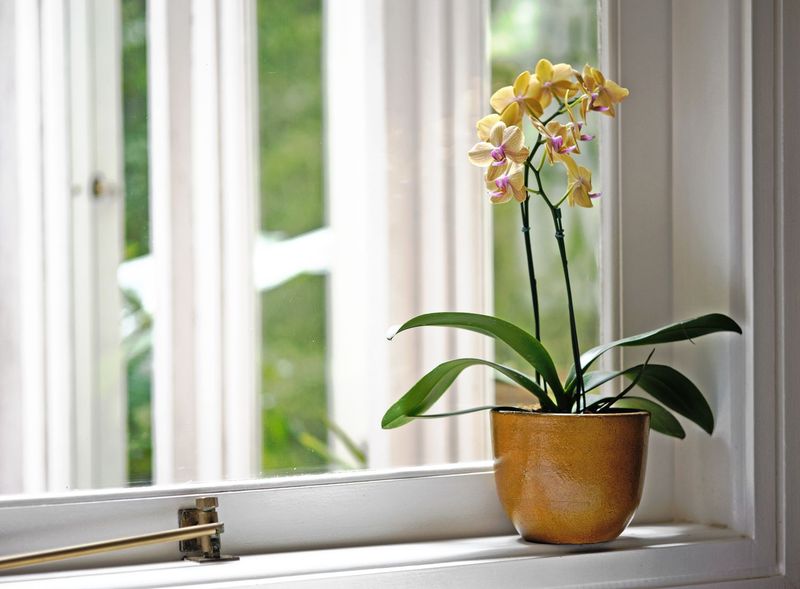
Winter days in Pennsylvania are noticeably shorter, with the sun setting before 5 PM in December and January. Orchids need good light to produce flowers and maintain healthy growth, but weak winter sunlight often isn’t enough.
South-facing windows provide the strongest natural light during these months, making them prime real estate for your orchid collection.
Moving orchids closer to windows helps them capture every available ray of sunshine. During summer, direct sun might burn leaves, but winter sun is much gentler and rarely causes damage. Keep plants within two feet of the glass for maximum light exposure.
Artificial lighting fills the gap when natural light falls short. LED grow lights designed for plants work perfectly and don’t generate much heat.
Position them about 6-12 inches above your orchids and run them for 12-14 hours daily to mimic tropical day length.
Leaf color tells you whether your orchid is getting enough light. Healthy leaves should be bright green, not dark forest green or yellowish.
Dark green suggests the plant needs more light, while yellow or reddish tones might mean too much direct sun.
Rotating your orchids every few days ensures all sides receive equal light exposure. Plants naturally grow toward the light source, and regular turning promotes balanced growth and prevents lopsided development. This simple habit takes just seconds but makes a real difference.
Clean windows let more light through during Pennsylvania’s gloomy winter months. Dust and grime block surprising amounts of sunshine, so wiping down your windowpanes helps your orchids get every bit of available light.
Dusting orchid leaves also improves their ability to absorb light for photosynthesis.
Some orchid varieties handle low light better than others. Phalaenopsis and Paphiopedilum orchids tolerate Pennsylvania winter light conditions better than sun-loving Cattleyas or Vandas, making them excellent choices for beginners in our region.
4. Maintain Proper Temperature Ranges Day And Night
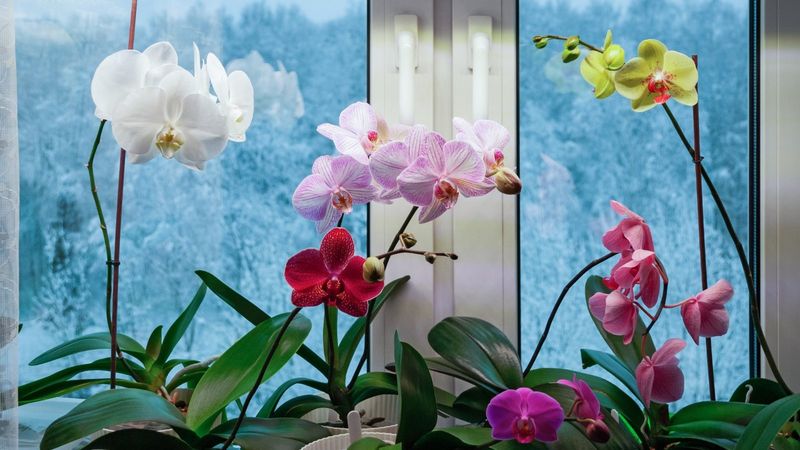
Temperature swings challenge orchids during Pennsylvania winters. Most orchids prefer daytime temperatures between 65-75 degrees Fahrenheit and nighttime drops of about 10-15 degrees.
This temperature difference actually triggers blooming in many varieties, so don’t worry about slight evening coolness.
Windowsills get surprisingly cold at night when temperatures outside plummet below freezing. Leaves touching cold glass can suffer damage, and roots near windows may get too chilly.
Pull plants back from windows on especially cold nights or place a towel between the pots and the glass to create insulation.
Avoid placing orchids directly above heating vents or radiators. Blasts of hot, dry air stress plants and cause buds to drop before opening.
The rapid temperature changes also confuse the plant’s natural cycles and can prevent blooming entirely.
Drafty doors and windows create temperature fluctuations that orchids dislike. Check for cold air leaks near your plants and either seal the drafts or relocate your orchids to more stable environments.
Consistent temperatures matter more than hitting exact numbers.
Pennsylvania homes often have cooler rooms that stay around 60-65 degrees in winter. These spots work well for orchids that prefer cooler conditions, like Cymbidiums and Dendrobiums.
Matching your orchids to different temperature zones in your house keeps everyone happy.
Using a simple thermometer near your orchids helps you understand their actual environment. Room thermostats measure air temperature several feet away, which might differ significantly from conditions right at your windowsill.
Knowing the real temperature where your plants live helps you make better care decisions.
Sudden temperature drops when you open doors can shock orchids. Try to keep plants away from frequently used exterior doors during winter months.
Mudrooms and entryways might seem like good spots for plants, but the constant temperature changes in these high-traffic areas create stressful conditions for tropical orchids.
5. Reduce Fertilizer Applications During Dormancy
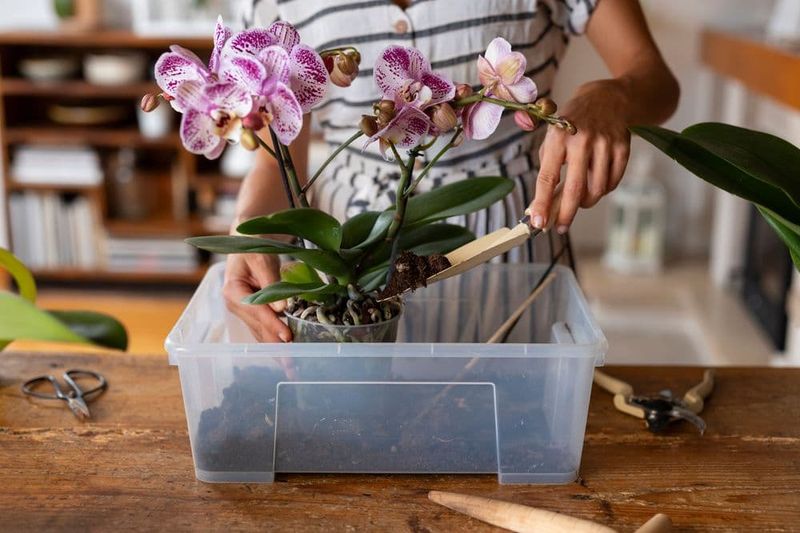
Growth slows way down for most orchids during Pennsylvania winters. Shorter days and cooler temperatures signal these tropical plants to take a rest period.
Continuing heavy fertilizer applications during this time wastes product and can actually harm your orchids by causing salt buildup in the potting medium.
Cutting back to half-strength fertilizer applied once monthly works well for winter care. Some growers stop fertilizing completely between December and February, which also produces healthy plants.
Either approach works better than maintaining the aggressive feeding schedule that supports summer growth.
The old saying among orchid growers is to fertilize weekly, weakly during the growing season. For Pennsylvania winters, change this to monthly, weakly or skip it altogether.
Your orchids will resume active growth when spring daylight increases, and that’s when they’ll need regular feeding again.
Salt deposits appear as white crusty buildup on pot edges and the surface of bark medium. These salts come from fertilizer minerals and can burn orchid roots over time.
Flushing pots thoroughly with plain water every few weeks during winter helps prevent this accumulation.
Orchids that continue blooming through winter, like many Phalaenopsis varieties, appreciate very light feeding to support their flowers.
Use quarter-strength orchid fertilizer every two weeks if you have plants actively blooming. This gives them just enough nutrition without overfeeding.
Different fertilizer formulations serve different purposes throughout the year. Balanced formulas with equal nitrogen, phosphorus, and potassium work well for general maintenance.
Some growers switch to bloom-booster formulas higher in phosphorus when flower spikes appear, though this matters less during the dormant winter period.
Reading your specific orchid fertilizer’s instructions helps you understand concentration levels. Orchid fertilizers are specially formulated to be gentler than regular houseplant foods.
Regular plant fertilizers are too strong and will damage orchid roots, so always use products specifically labeled for orchids.
6. Protect Plants From Cold Window Drafts
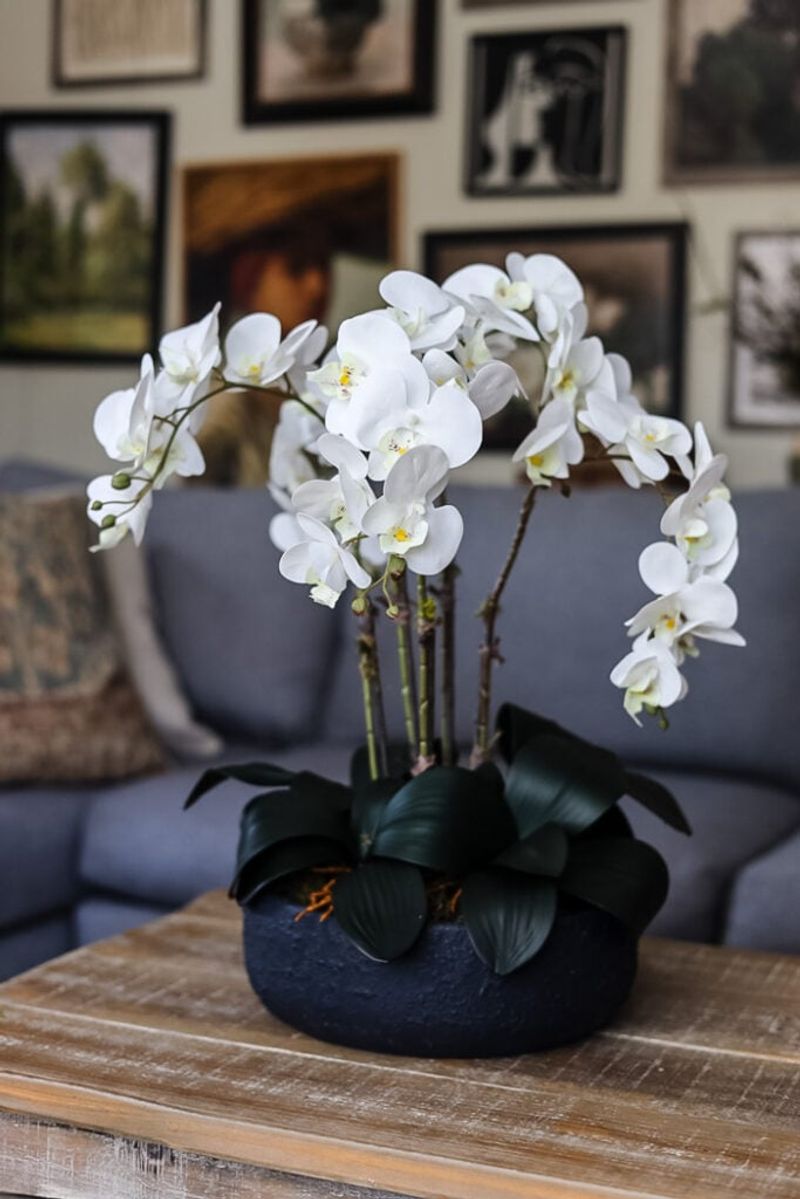
Windows offer the best light for orchids, but they also pose the biggest cold-weather threat in Pennsylvania homes.
Glass conducts cold efficiently, and even double-pane windows allow chilly air to affect plants sitting close by. Balancing light needs with temperature protection requires some creative solutions.
Bubble wrap makes excellent emergency insulation for orchid pots on extremely cold nights.
Wrap it around containers when forecasts predict single-digit temperatures, creating an air barrier that protects roots. Remove the wrapping during the day so pots can breathe and you can monitor plant health.
Placing orchids on shelves or plant stands instead of directly on windowsills creates distance from the coldest surface.
Even a few inches of elevation can make a significant difference in the temperature around your plants. Tiered stands also let you arrange multiple orchids to maximize light exposure.
Thermal curtains help retain heat in rooms overnight without blocking too much daytime light. Close them at dusk to trap warm air near windows, then open them fully each morning.
This simple routine protects plants during the coldest hours while still giving them access to winter sunshine.
Old windows leak more cold air than newer energy-efficient models. If you live in an older Pennsylvania home with original windows, you might need to move orchids further back from the glass or choose different windows entirely.
Testing different locations helps you find the sweet spot between light and warmth.
Checking leaves each morning reveals whether overnight cold affected your plants. Soft, translucent spots on leaves indicate cold damage, meaning you need to adjust placement or add more protection. Catching these signs early prevents more serious problems from developing.
Some orchid enthusiasts in Pennsylvania create mini greenhouse environments using clear storage containers or display cases near windows. These enclosures trap humidity and provide cold protection while still allowing light through.
This solution works especially well for smaller orchid collections or particularly sensitive varieties that struggle with Pennsylvania’s harsh winter conditions.