How To Stop Deer From Eating Your Pennsylvania Garden In Winter
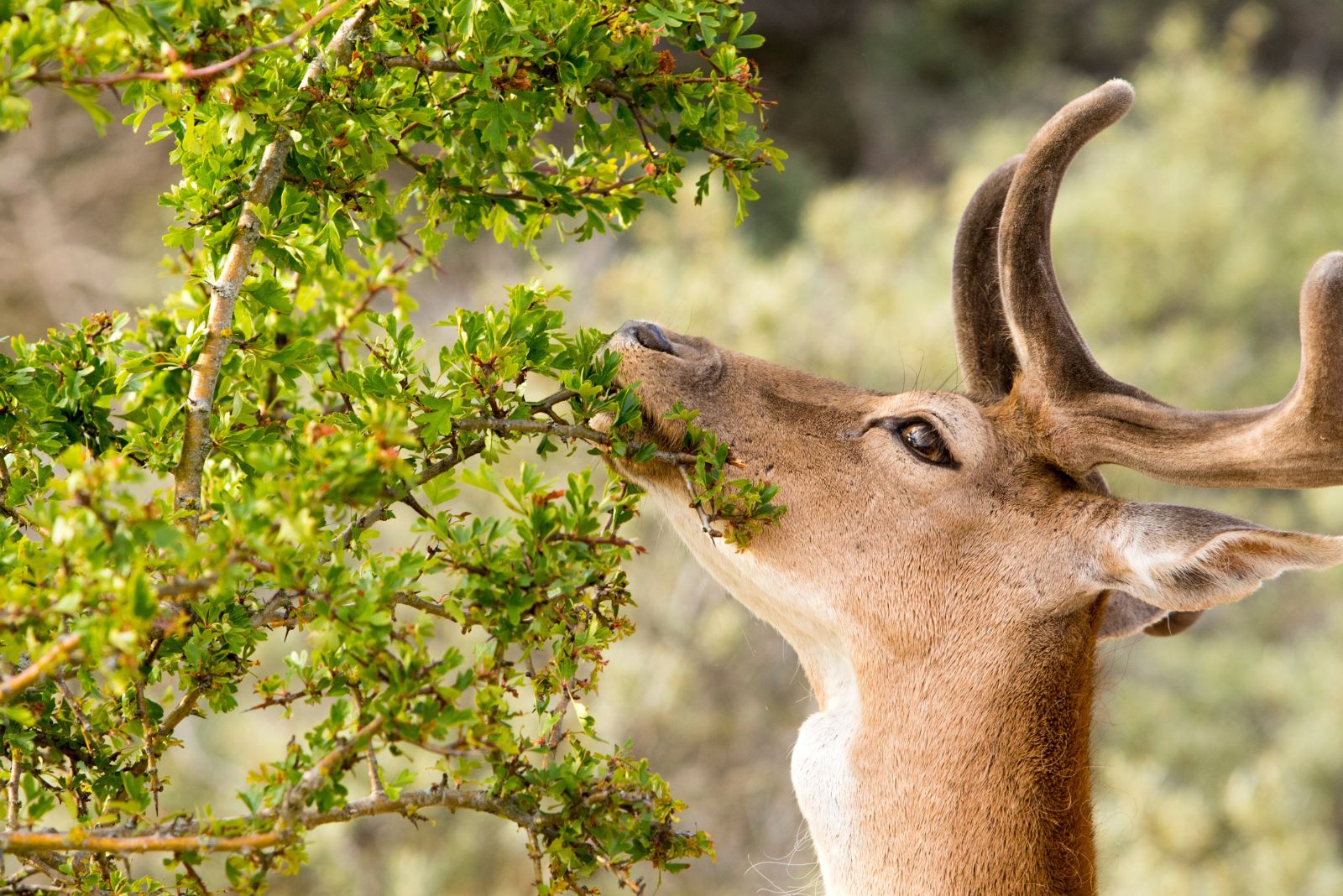
Watching deer eat your garden after all your hard work can be frustrating, especially during a Pennsylvania winter. When food is scarce, deer become bolder and will happily snack on shrubs, flowers, and even young trees.
Many homeowners wake up to find chewed leaves, broken stems, and damaged plants that took months to grow. The good news is that you don’t have to accept this as normal.
With the right strategies, you can protect your garden and keep deer from turning it into their winter buffet. Simple changes can make your yard less inviting and help your plants survive until spring.
Whether you grow flowers, vegetables, or decorative shrubs, learning how to stop deer damage is important for long-term garden success. Let’s explore the best ways to keep deer away and protect your Pennsylvania garden during the cold winter months.
1. Install A Tall Sturdy Fence Around Your Garden
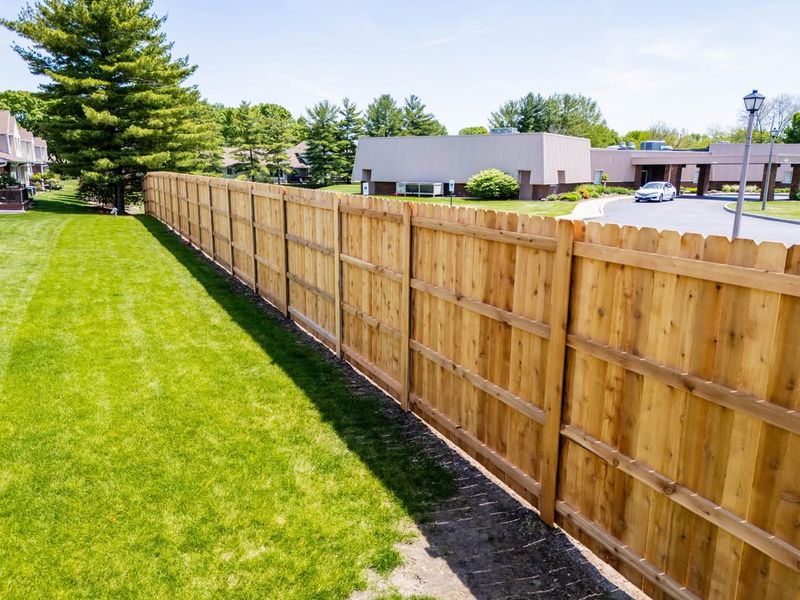
Building a proper fence remains the most reliable way to keep deer away from your Pennsylvania garden during winter. Deer can jump surprisingly high, so your fence needs to be at least eight feet tall to be truly effective.
Many gardeners make the mistake of installing shorter fences, only to find deer easily clearing them on snowy nights.
The fence material matters too. Metal wire fencing works well because deer can see it clearly and won’t try to push through.
Wooden privacy fences also do the job, though they cost more to install. Some Pennsylvania homeowners use electric fencing, which gives deer a mild shock when touched and teaches them to stay away.
Placement of your fence makes a difference in how well it protects your plants. The fence should completely surround the area you want to protect, with no gaps or weak spots.
Check the bottom regularly to make sure deer aren’t crawling underneath. Snow buildup can create ramps that let deer climb over shorter sections.
Maintenance becomes important once winter arrives in Pennsylvania. Heavy snow and ice can damage fence posts and wiring.
Walk around your fence every few weeks to look for problems. Repair any damage quickly before deer discover the weak points.
Double fencing offers extra protection if you have the space and budget. Two shorter fences placed three feet apart confuse deer because they can’t judge the distance needed to jump both barriers.
This method works especially well for smaller garden areas that need maximum protection during harsh Pennsylvania winters.
2. Apply Commercial Deer Repellent Sprays Regularly
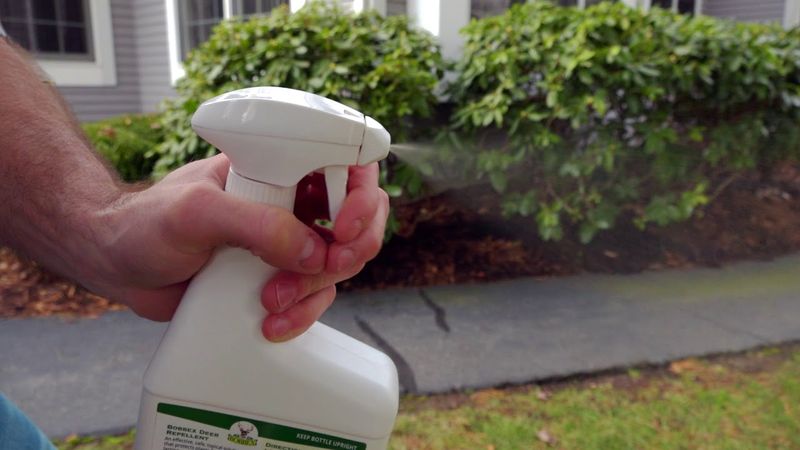
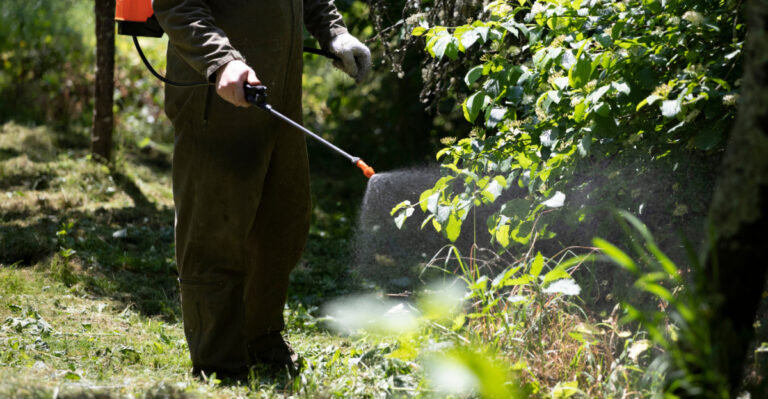
Commercial repellent sprays work by making your plants taste or smell terrible to deer. These products contain ingredients that deer naturally avoid, like rotten eggs, garlic, or hot peppers.
Pennsylvania garden centers stock many different brands designed specifically for winter use.
Timing your spray applications correctly makes them much more effective. Apply repellents before deer start visiting your garden, not after they’ve already developed a feeding pattern.
Reapply after heavy snow or rain washes the product away. Most repellents need fresh applications every three to four weeks during winter.
Your Pennsylvania Garden Changes Every Week. Your Plan Should Too.
Gardening in Pennsylvania changes quickly throughout the season. Every Friday you’ll receive a simple weekly plan showing exactly what to plant, prune, fertilize, harvest, and protect so you never miss the right timing.
Different products work better for different situations. Some repellents focus on taste, coating plants with bitter flavors that deer dislike.
Others use strong odors that keep deer from even approaching your garden. Read labels carefully to choose the right type for your Pennsylvania landscape.
Temperature affects how well these sprays perform. Some products don’t work when temperatures drop below freezing, which happens frequently during Pennsylvania winters.
Look for formulas specifically labeled as cold-weather or winter-safe. These versions remain effective even when ice and snow cover your plants.
Rotating between different repellent types prevents deer from getting used to one smell or taste. Deer are smart animals that adapt quickly.
Using the same product all winter long might stop working as deer learn to tolerate it. Switch between two or three different brands throughout the season.
Always follow package directions exactly. Using too much repellent wastes money and might harm sensitive plants. Too little won’t provide adequate protection against hungry winter deer in Pennsylvania.
3. Wrap Vulnerable Trees And Shrubs With Protective Barriers
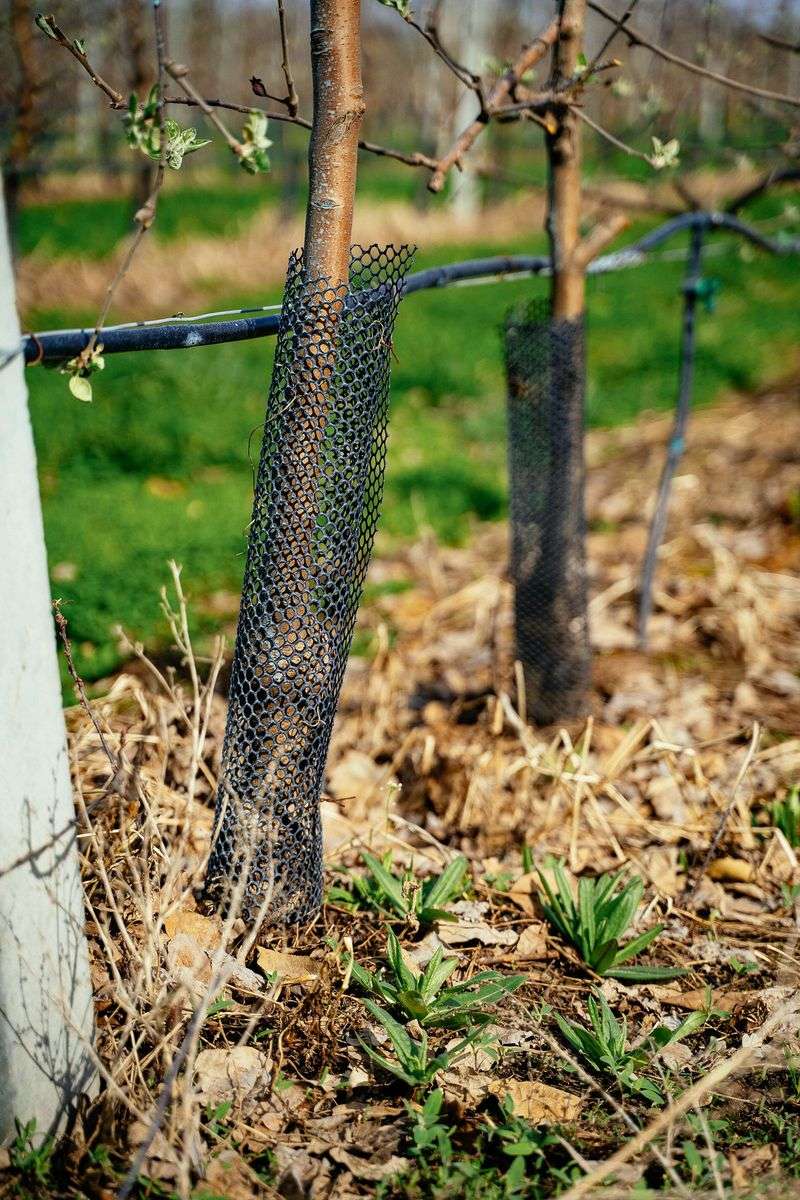
Young trees and expensive shrubs need extra protection during Pennsylvania winters when deer are desperately searching for food. Wrapping individual plants creates a physical barrier that stops deer from reaching the bark and branches.
This method works particularly well for newly planted specimens that haven’t established strong root systems yet.
Burlap makes an excellent wrapping material because it’s inexpensive and breathable. Wind the fabric around tree trunks from ground level up to about six feet high.
Secure it with twine or zip ties, but don’t make it so tight that it damages the bark underneath. The burlap blocks deer access while still allowing air circulation.
Wire mesh or chicken wire provides even stronger protection. Create a cylinder around each plant, leaving several inches of space between the wire and the branches.
This gap prevents deer from reaching through to nibble on buds and twigs. Stake the wire firmly into the ground so deer can’t knock it over.
Plastic tree guards offer a quicker installation option for Pennsylvania gardeners with many plants to protect. These tubes slip over young trees and expand as the plant grows.
They work best on saplings and smaller ornamental trees. Make sure guards are tall enough that deer can’t reach over the top.
Remove all wrappings in early spring before plants start their active growing season. Leaving barriers in place too long can trap moisture and create disease problems.
Mark your calendar to unwrap everything once the last frost passes and natural food sources return for deer in Pennsylvania.
4. Plant Deer-Resistant Species In Your Pennsylvania Landscape
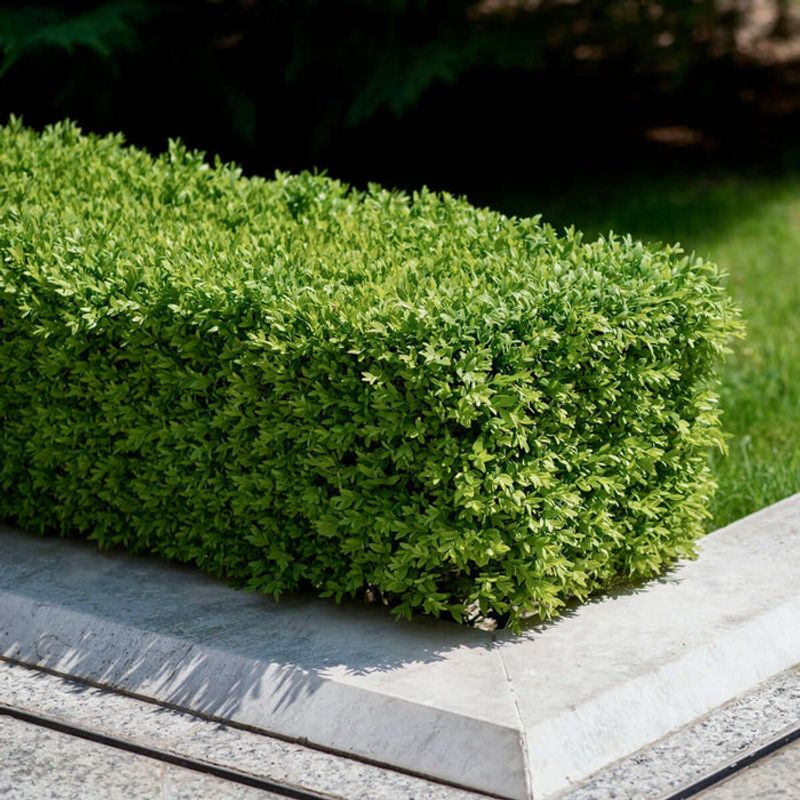
Choosing plants that deer naturally avoid saves you time and frustration during Pennsylvania winters. Certain species taste bad to deer or have textures they dislike.
Planning your landscape around these plants reduces the need for other protection methods.
Evergreens with strong scents often remain untouched by deer. Boxwood, juniper, and spruce trees contain oils that deer find unpleasant.
These plants also provide year-round color in your Pennsylvania garden, which looks especially beautiful against winter snow. Deer might sample them once but usually move on to easier meals.
Prickly or fuzzy plants make deer uncomfortable. Holly bushes have sharp leaves that poke deer noses.
Lamb’s ear and other fuzzy-leaved plants feel weird in their mouths. Ornamental grasses with rough edges also get passed over when deer search for winter food in Pennsylvania neighborhoods.
Daffodils and other spring bulbs contain toxins that deer instinctively avoid. Plant these in fall for early spring color that deer won’t touch.
Other bulbs like tulips are deer candy, so skip those if you have a serious deer problem in your area.
No plant is completely deer-proof when animals are starving. Pennsylvania’s harsh winters sometimes force deer to eat plants they would normally ignore.
Extremely hungry deer will sample almost anything. However, starting with resistant species gives your garden a much better chance of surviving winter intact.
Local Pennsylvania garden centers can recommend specific varieties that perform well in your region while resisting deer browsing. These experts understand which plants thrive in your county’s climate and soil conditions.
5. Use Motion-Activated Sprinklers And Lights As Deterrents
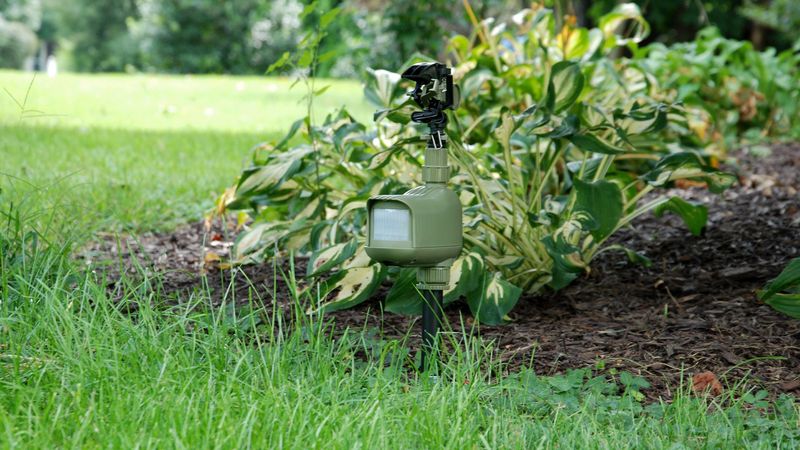
Technology offers clever solutions for keeping deer out of Pennsylvania gardens without constant human supervision. Motion-activated devices startle deer when they enter your property, teaching them to stay away.
These tools work day and night, providing protection even when you’re asleep or away from home.
Motion-activated sprinklers shoot bursts of water when they detect movement. Deer hate getting sprayed with cold water, especially during Pennsylvania winters.
The surprise factor works as much as the water itself. After a few encounters, deer learn to avoid the area completely.
Position sprinklers to cover main entry points where deer typically enter your yard. Check the detection range and adjust sensitivity settings to avoid wasting water on small animals or blowing leaves.
Some models let you set timers so they only operate during peak deer activity hours, usually dusk and dawn.
Motion-activated lights create similar surprise effects without using water. Bright flashing lights scare deer away from Pennsylvania gardens at night when they feel most comfortable feeding.
Solar-powered versions save electricity and work even during power outages. Place lights at deer height, about three to four feet off the ground, for maximum effectiveness.
Combining multiple deterrent types increases success rates. Use both sprinklers and lights together, or pair them with repellent sprays.
Deer become wary of areas where they encounter multiple unpleasant surprises. This layered approach works especially well in Pennsylvania suburbs where deer have grown comfortable around people.
Battery-powered devices need regular checks during winter. Cold temperatures drain batteries faster than normal.
Replace them monthly to ensure your protection system stays active throughout the entire Pennsylvania winter season.
6. Remove Attractants And Secure Potential Food Sources
Deer visit your Pennsylvania property because they find food there. Removing tempting food sources makes your yard less attractive compared to your neighbors’ landscapes.
This simple strategy costs nothing but requires paying attention to what might draw deer to your garden.
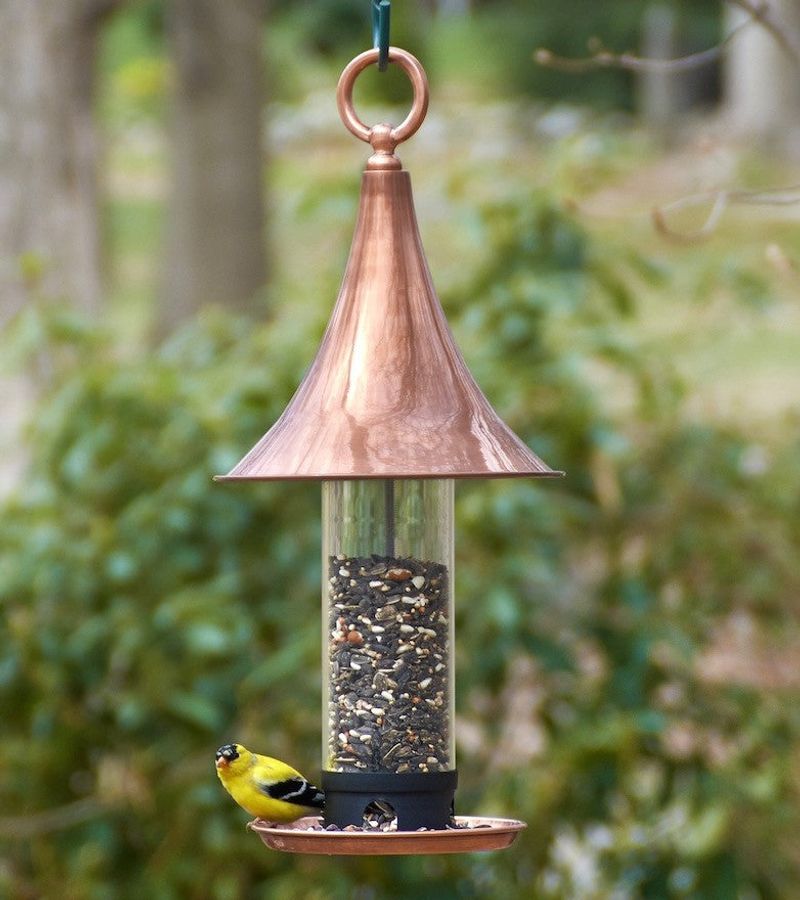
Bird feeders accidentally feed deer too. Deer easily reach hanging feeders or eat seeds that fall on the ground.
If you must feed birds during Pennsylvania winters, use feeders that deer can’t access. Hang them very high or place them inside fenced areas. Clean up spilled seeds daily.
Fallen fruit from trees attracts deer like magnets. Apples, pears, and crabapples lying in snow become prime deer food during winter.
Rake up fallen fruit regularly, even when snow covers your yard. Compost it away from your garden or dispose of it with your trash.
Vegetable gardens left standing after harvest invite deer to feast. Pull out dry plants in fall before winter arrives in Pennsylvania.
Don’t leave root vegetables in the ground unless you want to share them with deer. Clean garden beds completely so there’s nothing left to attract hungry animals.
Pet food left outside becomes deer food quickly. Deer will eat dog or cat food without hesitation, especially during harsh Pennsylvania winters.
Feed pets indoors or remove bowls immediately after feeding times. Store pet food in sealed containers inside your garage or shed.
Unsecured garbage cans offer another food source. Deer can knock over bins and tear open bags searching for scraps.
Use locking lids or store garbage cans in a garage until collection day. This also helps keep other wildlife away from your Pennsylvania property during winter months.