9 Beautiful Flowering Shrubs North Carolina Gardeners Are Planting Instead Of Hydrangeas
Hydrangeas used to be the default choice in North Carolina yards. You wanted big blooms, you planted hydrangeas, end of story.
Lately, that pattern has started to shift. Gardeners are experimenting more, paying attention to heat tolerance, bloom time, and low maintenance beauty.
The result is a new wave of flowering shrubs popping up in front yards and back gardens that feel fresh and exciting. Some handle summer heat better, others bloom longer, and a few bring colors hydrangeas never could.
It is not about giving up on classics. It is about finding options that work harder and look just as stunning.
If you have ever felt stuck planting the same shrubs every season, this is your sign to try something new. These alternatives are changing the look of North Carolina gardens one yard at a time.
1. Crape Myrtle (Lagerstroemia Indica)
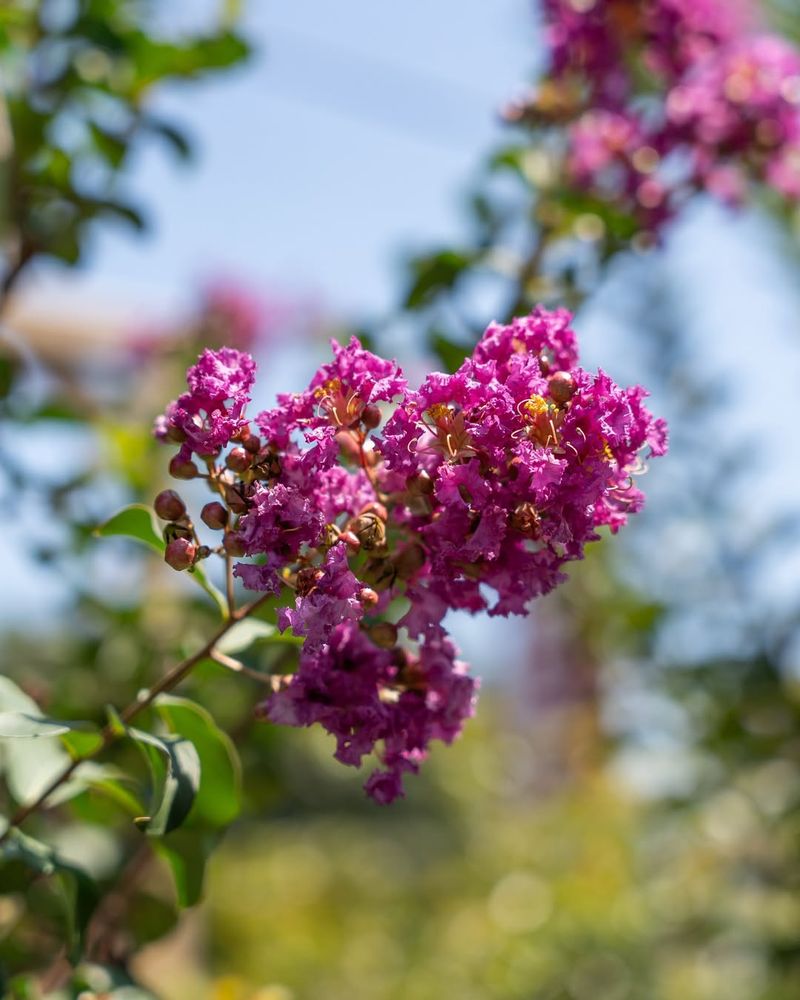
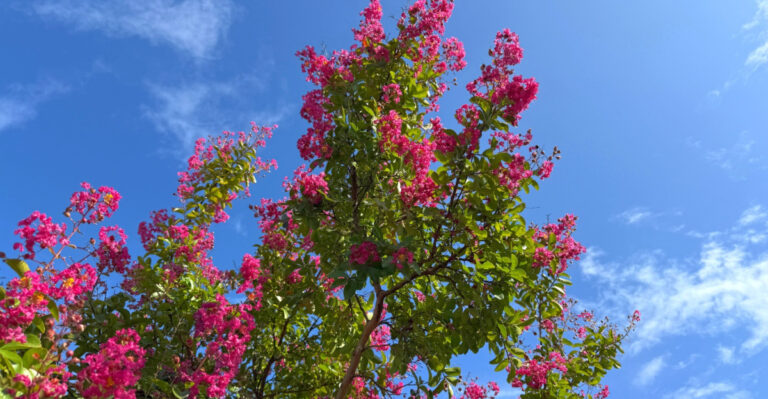
Picture a shrub that blooms for months on end, not just weeks. Crape myrtle delivers exactly that with spectacular flower clusters appearing from summer straight through early fall.
The blooms come in gorgeous shades ranging from pure white to deep magenta, giving you plenty of options to match your garden’s color scheme.
North Carolina’s warm summers make this shrub incredibly happy. It actually loves the heat and humidity that sometimes stress other plants.
The smooth, exfoliating bark adds winter interest when flowers fade, creating a multi-season focal point in your yard.
Planting crape myrtle is straightforward and rewarding. Choose a sunny spot with well-draining soil for best results.
Space them properly to allow air circulation, which helps prevent powdery mildew. Once established, they’re remarkably drought-tolerant and require minimal fussing.
Pruning in late winter encourages vigorous new growth and abundant blooms. Skip the severe topping that creates unsightly knobs.
Instead, selectively remove crossing branches and thin the canopy. This approach maintains the plant’s natural graceful form while promoting healthy flowering. Your neighbors will definitely ask what that stunning bloomer is.
2. Rose Of Sharon (Hibiscus Syriacus)
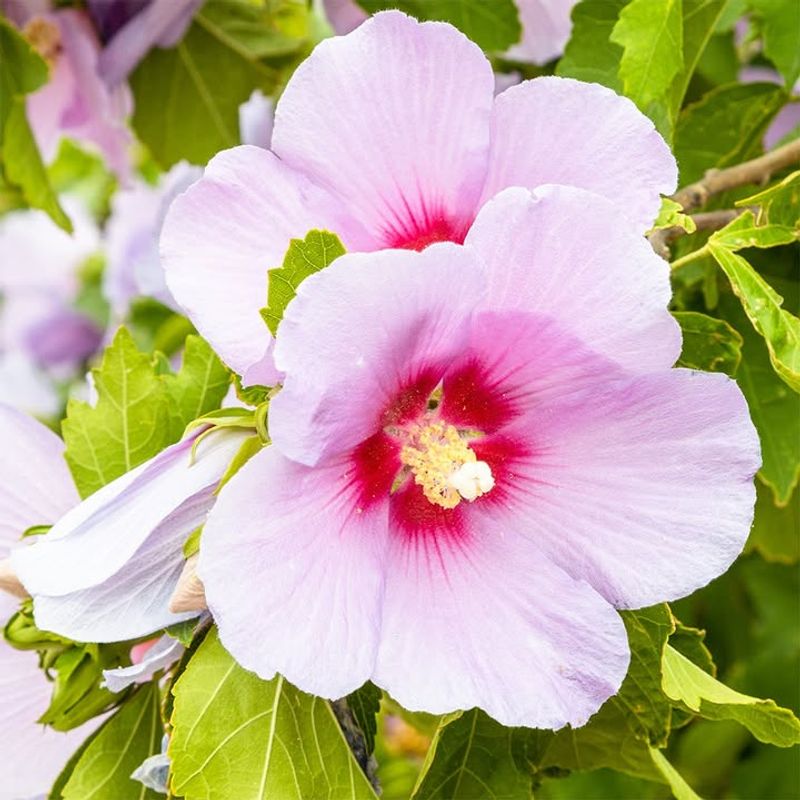
When summer heat arrives, Rose of Sharon comes alive with dinner-plate-sized blooms. These tropical-looking flowers appear daily from June through September, creating a continuous show.
Each blossom lasts just one day, but the plant produces so many that you’ll never notice gaps. This hardy hibiscus brings vertical drama to your landscape. Growing six to ten feet tall, it works beautifully as a privacy screen or backdrop plant.
The upright growth habit makes it perfect for narrow spaces between houses or along property lines. Full sun is where this shrub truly shines. It tolerates our clay soils remarkably well once established.
Water regularly during the first season, then let nature take over. Rose of Sharon handles summer droughts better than most flowering shrubs.
Pruning keeps plants compact and encourages more blooms. Cut back in late winter before new growth emerges.
Remove any crossing branches to improve air flow. Some gardeners worry about seedlings popping up, but newer cultivars produce fewer seeds.
Choose sterile varieties if self-seeding concerns you. The hummingbirds and butterflies will thank you for planting this pollinator magnet.
Your North Carolina Garden Changes Every Week. Your Plan Should Too.
Gardening in North Carolina changes quickly throughout the season. Every Friday you’ll receive a simple weekly plan showing exactly what to plant, prune, fertilize, harvest, and protect so you never miss the right timing.
3. Encore Azaleas (Rhododendron × Hybrid)
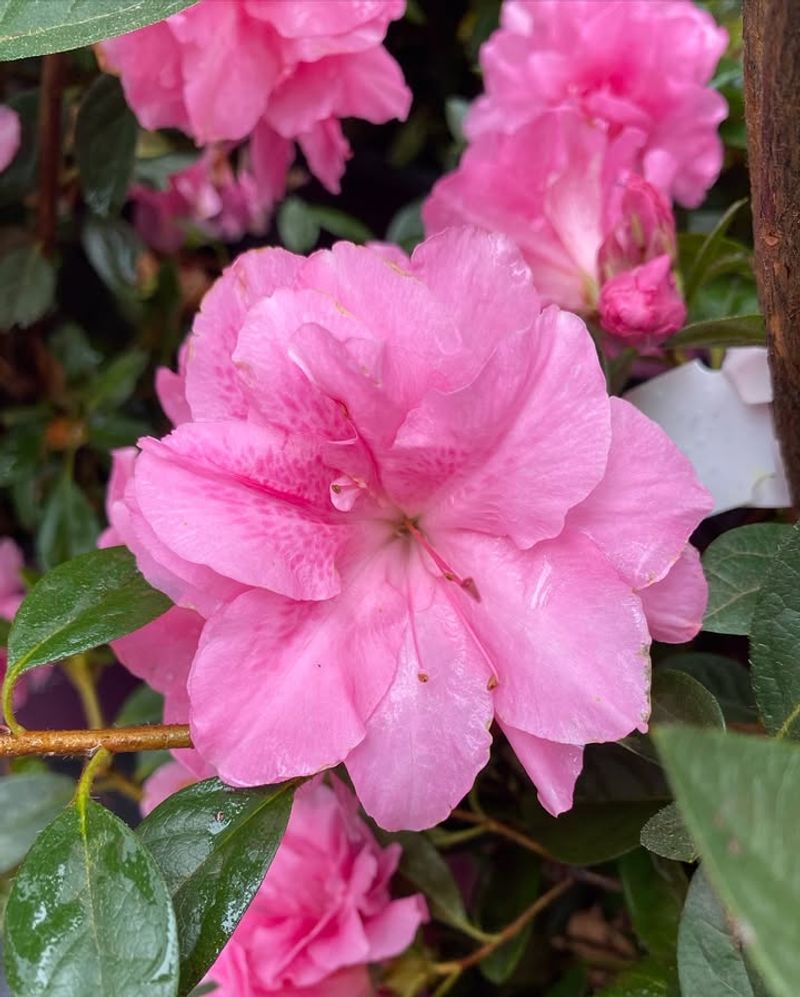
Traditional azaleas bloom once and call it quits for the year. Encore azaleas decided that wasn’t nearly enough.
These remarkable hybrids flower in spring, then rebloom in summer and fall, giving you three distinct shows annually.
The spring display rivals any classic azalea variety. Flowers blanket the entire plant in brilliant colors.
Then, just when you think the show’s over, new buds appear in summer. The fall encore often surprises visitors who assume azaleas only bloom in spring.
North Carolina’s climate suits these shrubs perfectly. They tolerate our summer heat better than traditional varieties.
Plant them in partial shade with acidic, well-draining soil. Morning sun with afternoon shade produces the best results in our region.
Maintenance is surprisingly minimal for such prolific bloomers. Water during dry spells and mulch to keep roots cool.
Fertilize after the spring bloom with an acid-loving plant food. Prune lightly after each bloom cycle to maintain shape.
Avoid heavy pruning in late summer, which removes fall flower buds. These colorful performers will keep your garden vibrant when other plants take summer breaks.
4. Beautyberry (Callicarpa Americana)
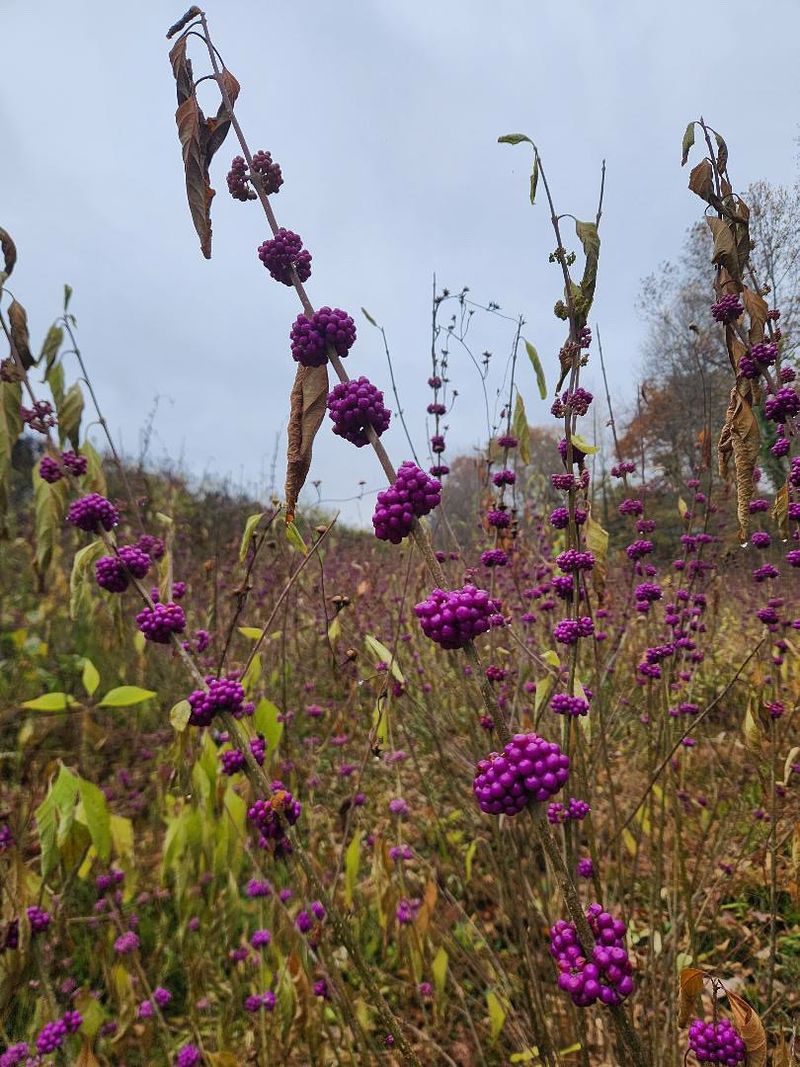
Forget flowers for a moment and imagine clusters of electric purple berries. Beautyberry produces the most eye-catching fruit display you’ll find on any native shrub.
These jewel-toned berries appear in fall, wrapping around branches like nature’s own beaded necklace.
This North Carolina native knows exactly how to thrive here. It tolerates our variable weather patterns without complaint.
The subtle summer flowers attract pollinators, but the real magic happens when those berries ripen in September and October. Wildlife absolutely adores beautyberry. Birds feast on the berries throughout fall and winter.
Deer typically leave it alone, making it perfect for areas where browsing is problematic. The arching branches create a graceful, informal shape that suits cottage gardens beautifully.
Growing beautyberry is almost foolproof. It adapts to sun or partial shade and various soil types. Cut it back hard in late winter to encourage vigorous new growth. The berries form on current season’s wood, so aggressive pruning actually increases the fall display.
Space plants about four feet apart for a natural hedge effect. Your autumn garden will glow with those stunning purple clusters that photographs simply cannot capture adequately.
5. Viburnum (Viburnum Spp.)
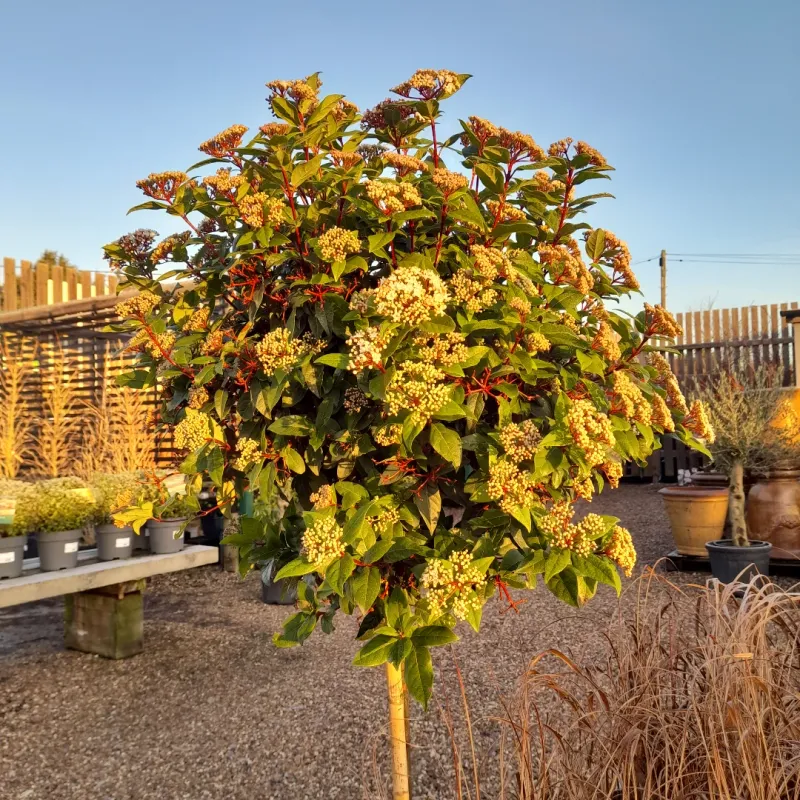
Viburnum offers something special that most shrubs lack: intoxicating fragrance. Korean spice viburnum perfumes entire neighborhoods when it blooms in early spring.
The scent combines vanilla, spice, and floral notes in a way that stops people in their tracks. This diverse plant family includes options for almost every garden situation. Arrowwood viburnum handles wet soils that would drown other shrubs.
Doublefile viburnum creates stunning horizontal branching patterns. Most varieties produce berries that birds devour, adding wildlife value to ornamental appeal.
North Carolina gardeners appreciate viburnum’s adaptability. These shrubs tolerate clay soils, occasional flooding, and summer heat.
They perform well in full sun or partial shade. Spring flowers give way to colorful berries, then many varieties offer brilliant fall foliage.
Planting viburnum requires minimal effort for maximum reward. Amend heavy clay with compost to improve drainage. Water regularly the first year, then reduce frequency. Most varieties need little pruning beyond removing damaged branches.
Space plants according to mature size to prevent crowding. The fragrant blooms will drift through open windows on spring mornings, making coffee on the porch an absolute delight.
6. Summersweet (Clethra Alnifolia)
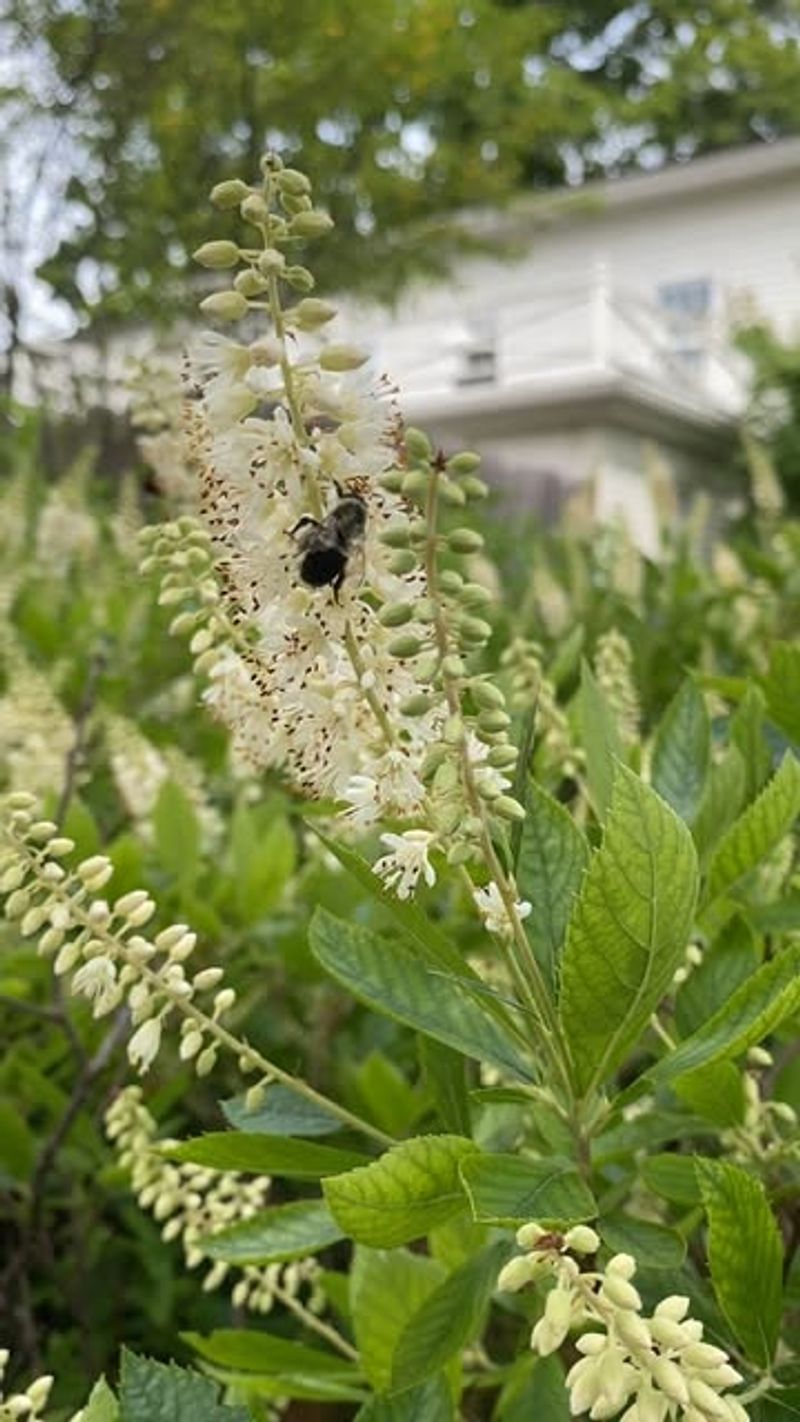
July and August can feel like a floral desert in many gardens. Summersweet fills that gap with sweetly scented flower spikes that emerge when most shrubs have finished blooming.
The fragrance carries across your yard, attracting every butterfly and bee in the neighborhood. This native shrub solves problems that stump other plants. It actually thrives in moist soils where many shrubs would struggle.
Partial shade doesn’t slow it down one bit. The glossy foliage stays attractive all season, then turns golden yellow in fall.
North Carolina’s understory conditions suit summersweet perfectly. Plant it beneath tall trees or along woodland edges.
It tolerates the root competition and dappled light that challenges less adaptable shrubs. The white or pink flower spikes brighten shady areas beautifully. Caring for summersweet is refreshingly simple. Keep soil consistently moist but not waterlogged.
Mulch heavily to retain moisture and suppress weeds. Prune in late winter if needed to control size.
The plant naturally forms a rounded shape that rarely needs correction. Pollinators will swarm those fragrant blooms, creating a living, buzzing garden feature that children find absolutely fascinating to observe safely.
7. Butterfly Bush (Buddleja Davidii)
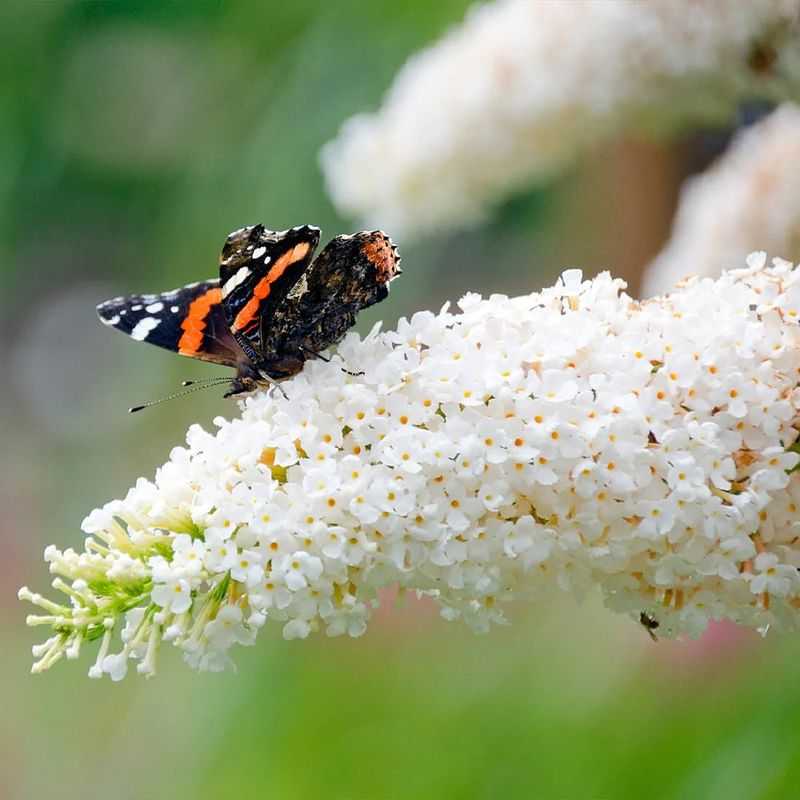
Want to turn your garden into a butterfly magnet? Plant butterfly bush and watch the magic unfold.
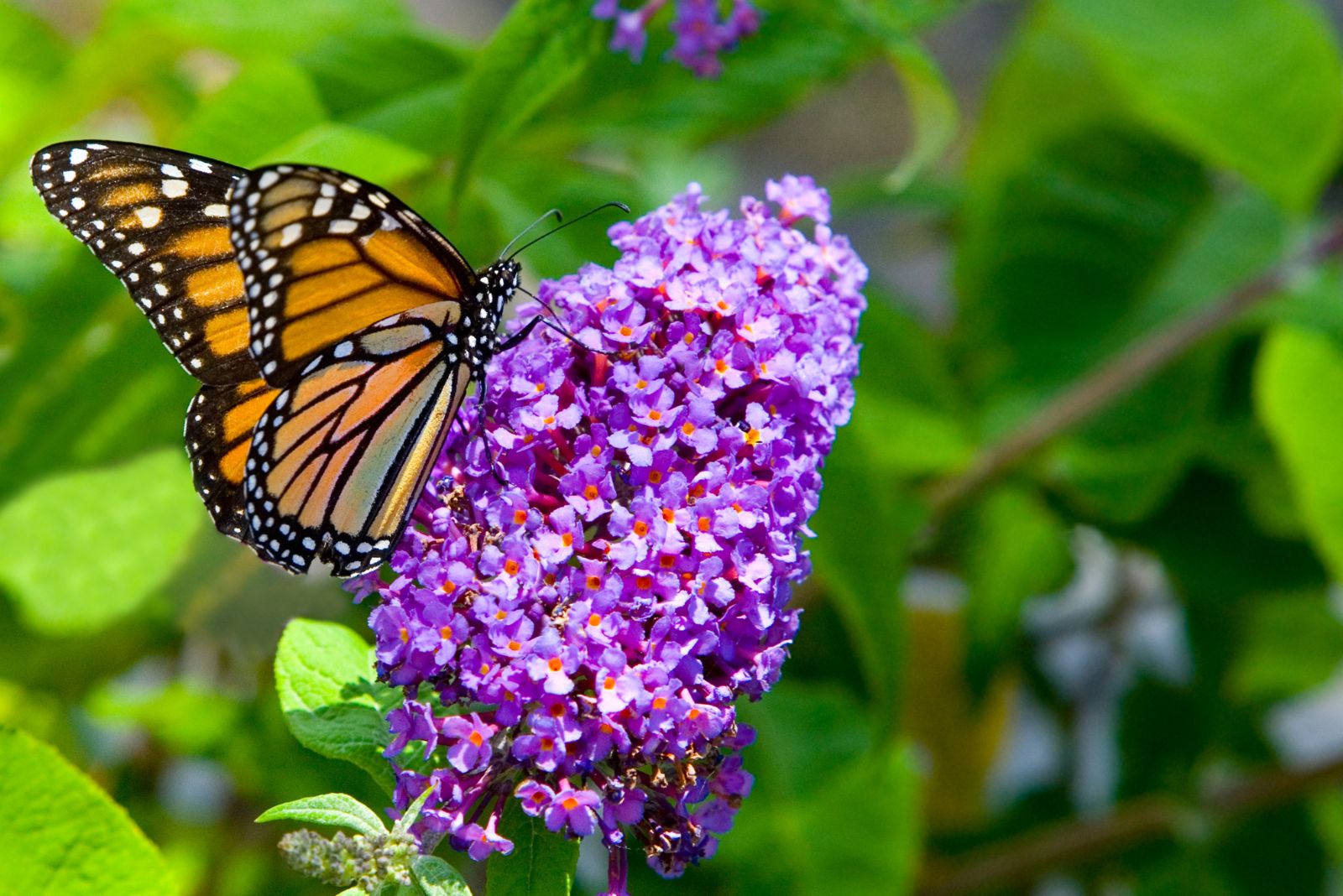
These shrubs produce foot-long flower spikes that attract swallowtails, monarchs, and dozens of other butterfly species from June through frost.
The blooms come in spectacular colors including deep purple, hot pink, and pure white. Each flower spike contains hundreds of tiny florets that open progressively.
This extended bloom sequence means continuous color for months. Hummingbirds visit just as frequently as butterflies. North Carolina summers suit butterfly bush perfectly. It loves full sun and heat.
Once established, it handles drought remarkably well. The rapid growth rate means you’ll have a substantial shrub within just one season.
Pruning is essential for keeping butterfly bush attractive and flooming prolifically. Cut plants back hard in late winter, leaving just twelve inches of stems.
This seems drastic but encourages vigorous growth and abundant flowers. Remove spent blooms throughout summer to promote continuous flowering.
Some varieties can self-seed aggressively, so choose sterile cultivars if that concerns you. Position plants where you can watch the butterfly activity from a favorite sitting spot for maximum enjoyment of nature’s airborne jewels.
8. Gardenia (Gardenia Jasminoides)
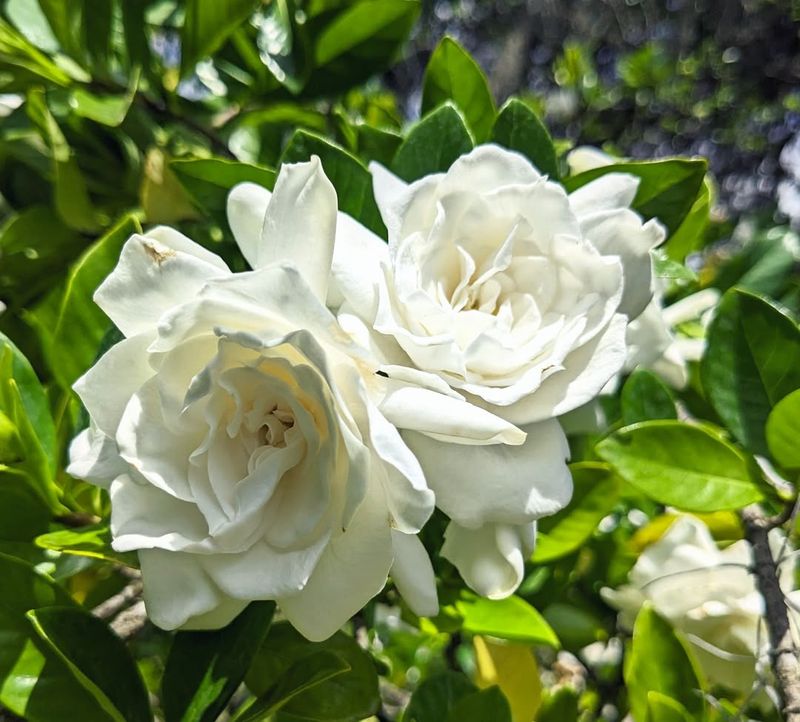
Few flowers match gardenia’s legendary fragrance. The creamy white blooms release an intoxicating perfume that fills evening air with sweetness.
Just one flower can scent an entire room when brought indoors. The glossy evergreen foliage provides year-round structure and beauty.
These Southern classics thrive in North Carolina’s climate when given proper conditions. Partial shade protects flowers from scorching sun.
Well-draining, acidic soil is absolutely essential for success. Morning sun with afternoon shade creates ideal growing conditions in our region.
Gardenias do require more attention than some alternatives. They’re particular about soil pH and nutrient levels.
Regular feeding with acid-loving plant fertilizer keeps foliage dark green. Consistent moisture without waterlogging prevents bud drop, a common frustration for gardeners.
Planting gardenias near patios or walkways maximizes fragrance enjoyment. Space plants three feet apart for a low hedge. Mulch heavily with pine straw to maintain soil acidity. Watch for whiteflies and treat promptly if they appear.
Prune after flowering to shape plants and remove spent blooms. The effort pays off when those magnificent flowers open and transform your garden into a fragrant paradise that rivals any expensive perfume.
9. Oakleaf Hydrangea (Hydrangea Quercifolia)
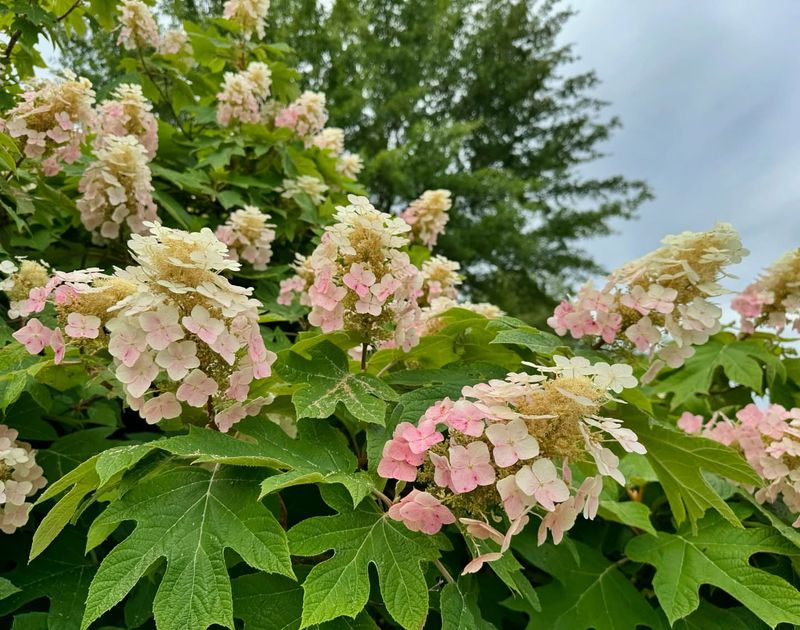
Yes, this is technically a hydrangea, but it’s so different from traditional varieties that many gardeners consider it a distinct choice. The dramatic oak-shaped leaves set it apart immediately.
Those leaves turn stunning shades of burgundy, orange, and red in fall, providing a second season of spectacular color.
The cone-shaped flower clusters emerge white in early summer. They gradually age to pink and finally russet brown, creating a long season of interest.
Unlike mophead hydrangeas, these blooms hold their shape beautifully when dried. The exfoliating bark adds winter texture that other hydrangeas lack.
North Carolina’s heat and humidity don’t faze oakleaf hydrangea. It tolerates our summer conditions far better than many traditional varieties.
Partial shade suits it perfectly, though it handles more sun than other hydrangeas. The native heritage means it’s naturally adapted to our regional climate.
Growing oakleaf hydrangea is straightforward and rewarding. Plant in rich, well-draining soil amended with compost.
Water regularly until established, then reduce frequency. Prune after flowering if needed, though the natural form is quite attractive.
Space plants five feet apart for a flowing hedge. This underappreciated beauty delivers year-round interest that traditional hydrangeas simply cannot match.