Pennsylvanians Use These 8 Plants To Improve Indoor Air Quality
Breathing clean air inside your home is more important than many people realize. During colder months in Pennsylvania, windows stay closed, heaters run often, and fresh air doesn’t always circulate well.
This can cause indoor air to feel stale and uncomfortable. That’s why more Pennsylvanians are turning to houseplants as a simple and natural way to improve air quality.
Certain plants help filter common indoor pollutants while adding beauty and life to your space. They also make rooms feel fresher and more relaxing.
The best part is that you don’t need special equipment or expensive systems to see results. With the right plant choices, your home can become healthier and more comfortable.
If you’re looking for an easy way to boost indoor air quality while decorating your space, these popular plants are a great place to start.
1. Snake Plant
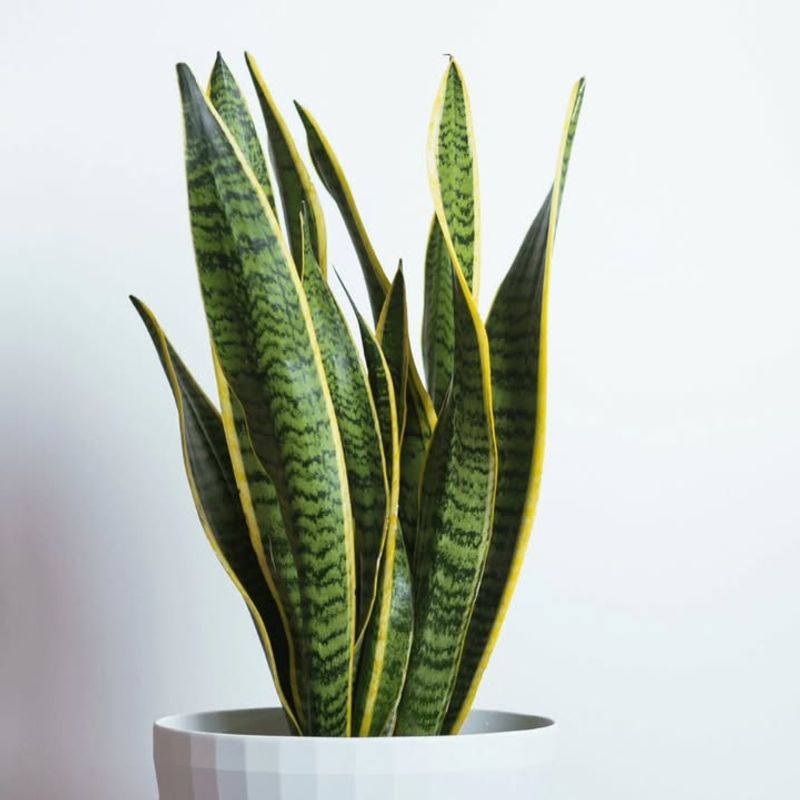
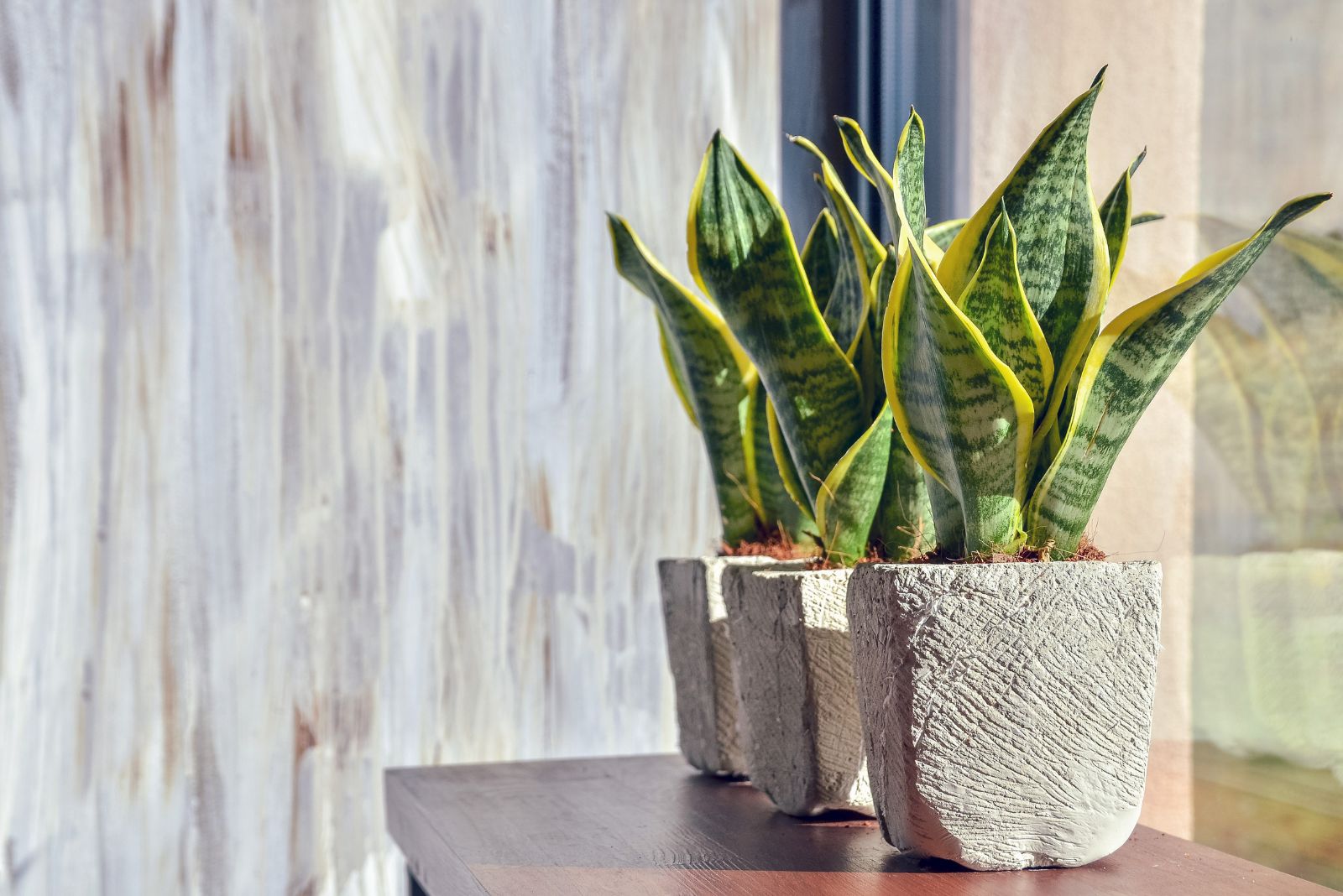
Walk into almost any Pennsylvania home, and you’ll likely spot a snake plant standing tall in a corner.
This tough plant earned its popularity because it refuses to give up, even when you forget to water it for weeks. The long, sword-shaped leaves store water like a cactus, making it perfect for busy families.
What makes this plant special is its nighttime work schedule. While most plants release oxygen during the day, snake plants keep working after dark.
They continue cleaning the air and producing oxygen while you sleep, which is why many Pennsylvanians keep them in bedrooms.
This plant tackles some nasty chemicals that hide in our homes. Formaldehyde from furniture, benzene from paint, and other toxins get absorbed by those sturdy leaves. Research shows that just one snake plant can clean the air in a small room.
Care couldn’t be simpler for Pennsylvania residents. Snake plants tolerate low light, which helps during those gray winter months.
They prefer dry soil, so overwatering causes more problems than neglect. Room temperature suits them fine, and they rarely attract pests.
The plant grows slowly but steadily, producing new shoots called pups. These baby plants can be separated and potted to create more air cleaners for other rooms. One snake plant can eventually become a whole collection without spending extra money.
2. Spider Plant
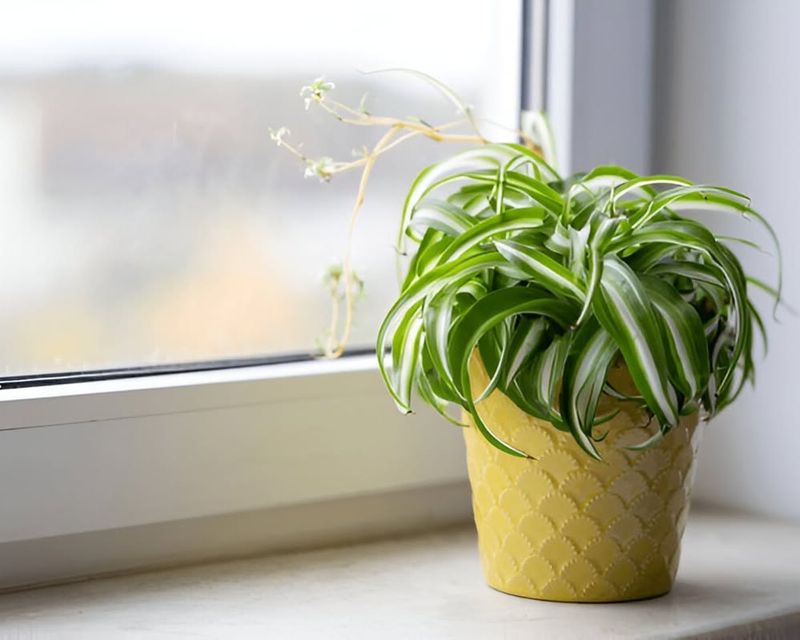
Spider plants have been cleaning Pennsylvania air since your grandmother’s time. These cheerful plants send out long stems covered with tiny white flowers that turn into baby plants. The cascading effect makes them perfect for hanging baskets near windows.
Families across Pennsylvania love spider plants because they forgive mistakes. Forgot to water for a few days? The plant bounces back quickly. Gave it too much water?
It usually survives that too. This resilience makes it ideal for people just starting their indoor garden journey.
The air-cleaning power of spider plants is well-documented. They excel at removing carbon monoxide and formaldehyde from indoor spaces.
In Pennsylvania homes with gas appliances or attached garages, these plants provide an extra layer of protection against harmful fumes.
Those baby plants, called spiderettes, offer a fun bonus. Kids enjoy watching them develop and can help pot them to create new plants.
Your Pennsylvania Garden Changes Every Week. Your Plan Should Too.
Gardening in Pennsylvania changes quickly throughout the season. Every Friday you’ll receive a simple weekly plan showing exactly what to plant, prune, fertilize, harvest, and protect so you never miss the right timing.
One spider plant can produce dozens of babies in a single growing season, giving you plenty to share with neighbors.
Spider plants thrive in bright, indirect light, which Pennsylvania homes provide nicely near east or west-facing windows.
They prefer slightly moist soil and benefit from occasional misting during dry winter months when heating systems run constantly. Brown leaf tips indicate water quality issues, which can be solved by using filtered water.
3. Peace Lily
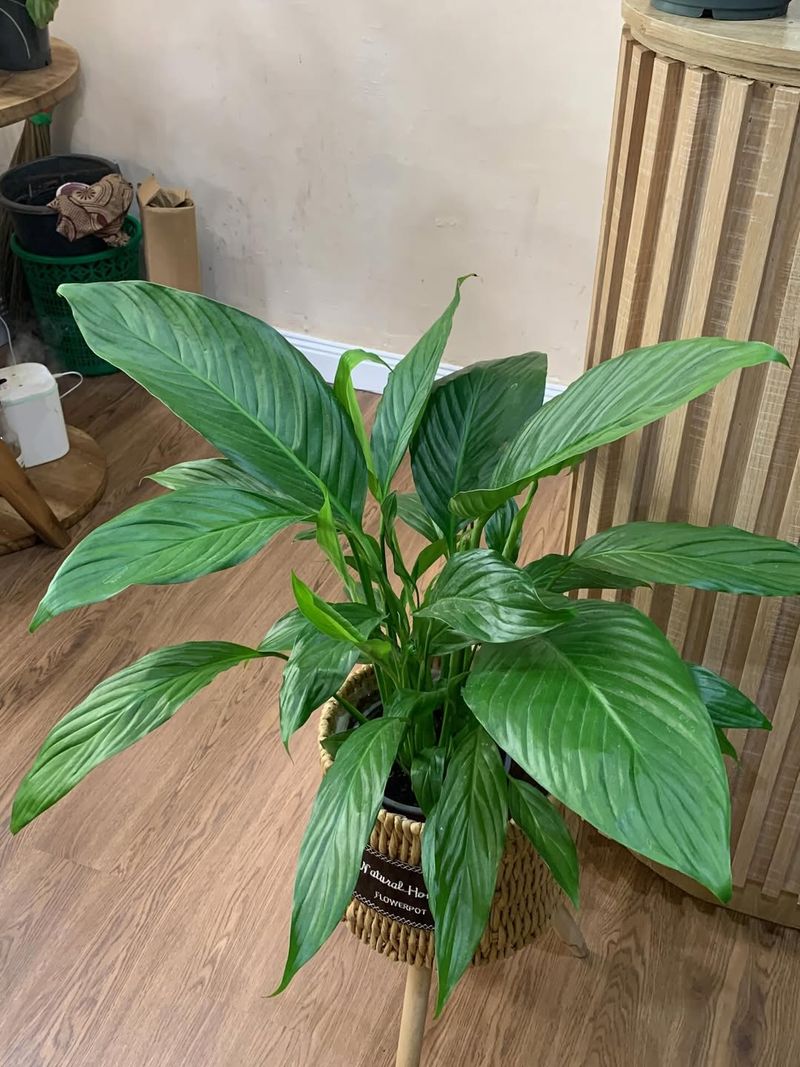
Peace lilies bring elegance to Pennsylvania homes while working hard to clean the air. Those glossy green leaves and stunning white flowers make them look expensive, but they’re actually quite affordable.
The flowers aren’t really flowers at all but modified leaves called spaths that can last for months.
NASA studied this plant and found it removes multiple air pollutants. Ammonia, benzene, formaldehyde, and trichloroethylene all get filtered out by peace lilies.
For Pennsylvania homes near industrial areas or busy roads, this plant provides valuable air cleaning.
The plant communicates its needs clearly, which helps inexperienced gardeners. When it needs water, the leaves droop dramatically.
After watering, they perk back up within hours. This visual signal prevents both overwatering and underwatering problems.
Peace lilies prefer shade, making them perfect for Pennsylvania rooms that don’t get much natural light. Bathrooms with windows make ideal spots because these plants love humidity. The moisture from showers keeps their leaves glossy and healthy.
One important note for Pennsylvania pet owners: peace lilies contain calcium oxalate crystals that irritate mouths and stomachs. Keep them on high shelves away from curious cats and dogs.
Despite this precaution, they remain popular because their air-cleaning abilities are so impressive. Regular dusting of leaves helps them work more efficiently at removing airborne toxins.
4. Pothos
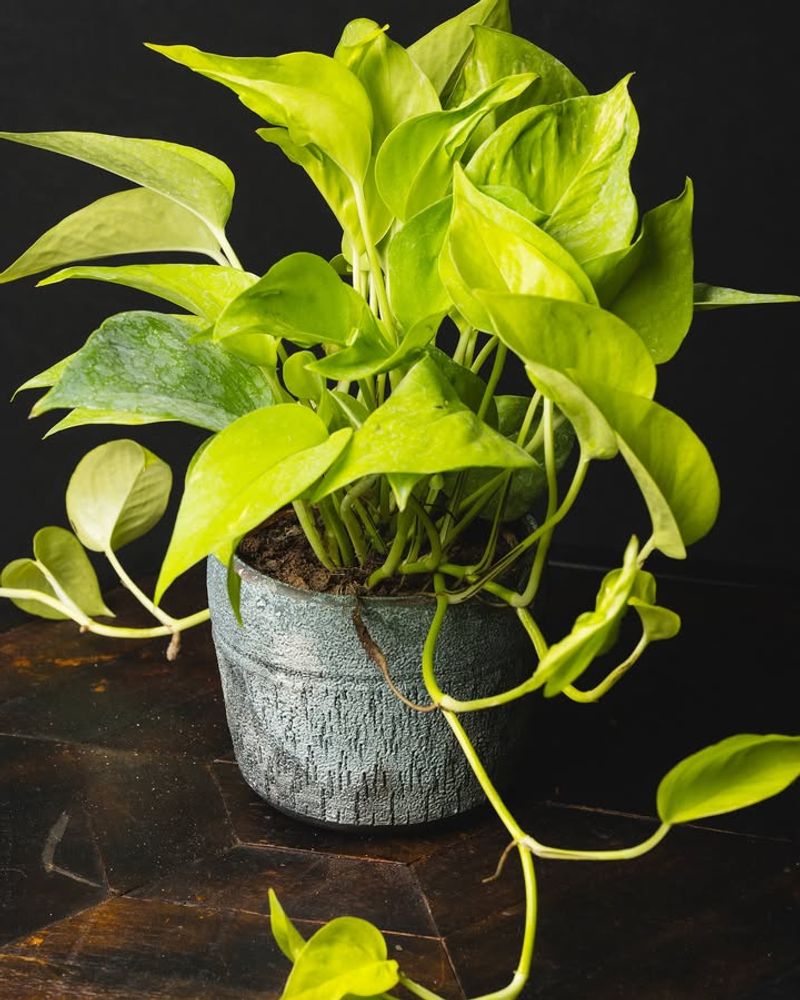
Pothos vines their way through Pennsylvania homes like green waterfalls. This plant grows so easily that people joke it thrives on neglect.
The heart-shaped leaves come in various colors, from solid green to marbled with yellow or white.
Formaldehyde doesn’t stand a chance against pothos. The plant absorbs this common indoor pollutant released by carpets, furniture, and building materials.
Many Pennsylvania homeowners place pothos in rooms with new furniture to help clear the air faster.
The vining nature of pothos makes it versatile for different spaces. Let it trail from a bookshelf, train it up a moss pole, or drape it across a mantel.
The plant grows quickly, sometimes adding several inches in a single week during growing season.
Pothos adapts to almost any light condition Pennsylvania homes offer. Bright indirect light produces the most vibrant leaf colors, but the plant survives in low light too.
The leaves just grow farther apart in dimmer conditions. Water when the soil feels dry an inch below the surface.
Propagating pothos is ridiculously easy. Cut a stem below a leaf node, stick it in water, and roots appear within weeks.
Pennsylvania residents often swap cuttings with friends and neighbors, spreading the air-cleaning benefits throughout their communities. The plant rarely suffers from pests and diseases, maintaining its reputation as a foolproof choice for improving indoor air quality.
5. Rubber Plant
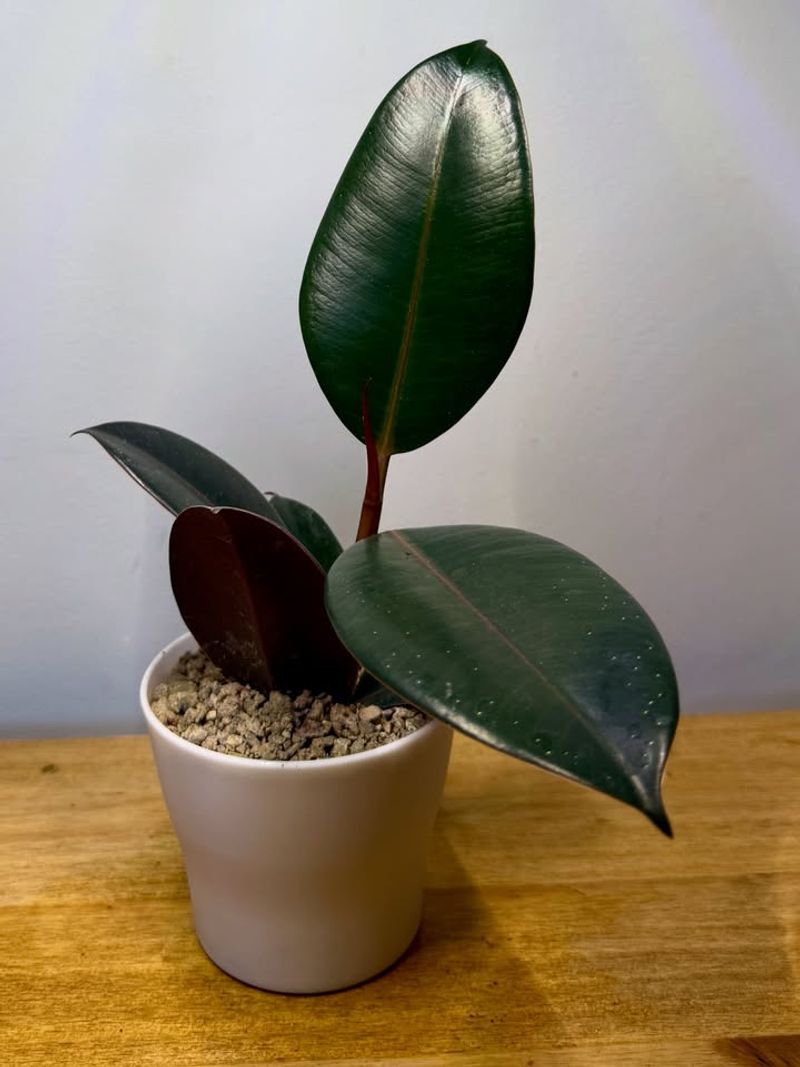
Rubber plants make bold statements in Pennsylvania homes with their large, shiny leaves. These plants can grow several feet tall, creating impressive focal points in living rooms or entryways. The leaves come in deep green or burgundy, adding rich color to indoor spaces.
The air-cleaning capacity of rubber plants is substantial because of those big leaves. More leaf surface means more area for absorbing pollutants.
Formaldehyde gets removed efficiently, and the plant also helps reduce airborne bacteria and mold spores that can trigger allergies.
Pennsylvania residents appreciate rubber plants for their low maintenance requirements. They tolerate some neglect and don’t demand constant attention.
Wipe the leaves monthly with a damp cloth to remove dust and help them photosynthesize better.
Bright, indirect light keeps rubber plants happy in Pennsylvania homes. They can handle some direct morning sun but prefer protection from harsh afternoon rays. Keep soil slightly moist but not soggy, allowing the top inch to dry between waterings.
The plant grows steadily upward, which some people love and others find too tall. Pruning controls the height and encourages bushier growth.
The milky sap that appears when cutting stems can irritate skin, so wear gloves during pruning sessions.
Rubber plants rarely bloom indoors but focus their energy on producing those gorgeous leaves that work constantly to improve your air quality throughout the year.
6. Aloe Vera
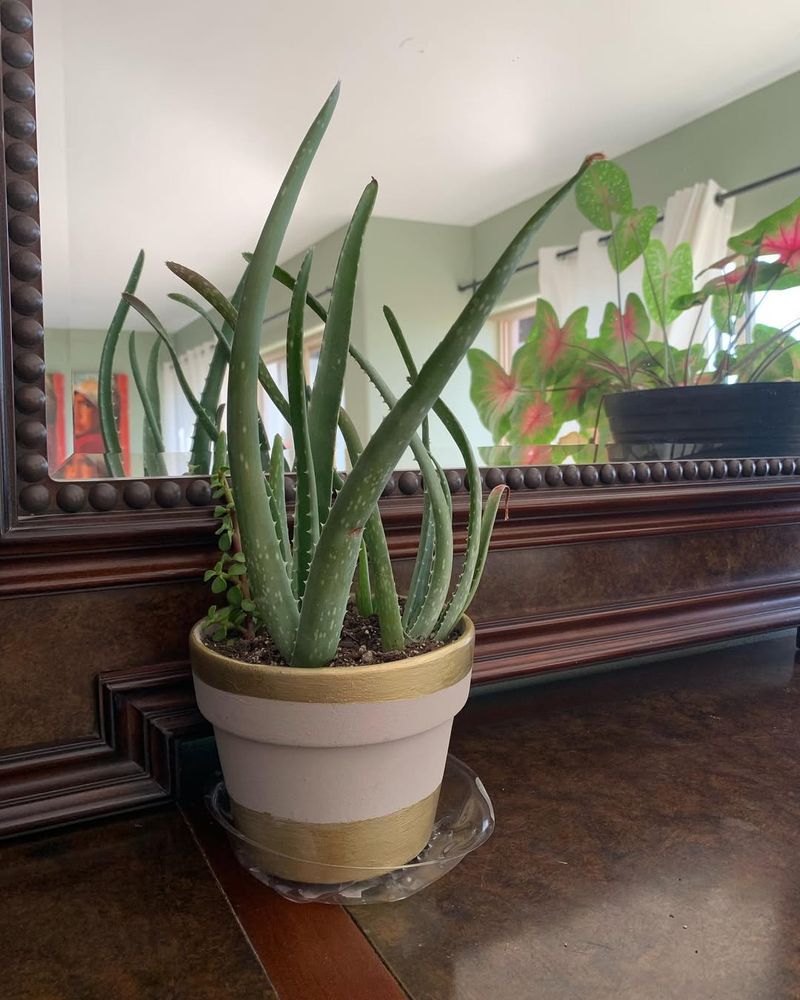
Aloe vera serves double duty in Pennsylvania homes as both an air purifier and a natural medicine cabinet. The thick, fleshy leaves contain a gel that soothes burns and skin irritations. Many families keep one in the kitchen for quick access to burn relief.
This succulent excels at removing formaldehyde from the air. When pollution levels get too high, brown spots appear on the leaves, acting as a visual air quality indicator. Pennsylvania homeowners use this feature to monitor their indoor environment.
Aloe plants need very little water, making them perfect for forgetful gardeners. The leaves store moisture for weeks, so underwatering rarely causes problems.
Overwatering, however, leads to root rot quickly. Let the soil dry completely between waterings.
Bright light is essential for healthy aloe plants. South-facing windows in Pennsylvania homes provide ideal conditions.
The plant may turn brown if it gets too much direct summer sun, but it recovers when moved to a slightly shadier spot.
Aloe produces baby plants called pups around its base. These can be separated and potted individually, creating new plants for other rooms.
The pups develop quickly and start purifying air within months. Pennsylvania gardeners often gift these babies to friends and family.
The plant’s spiky appearance adds architectural interest to windowsills, and knowing it’s actively cleaning the air while looking cool makes it even more valuable in your home.
7. Boston Fern
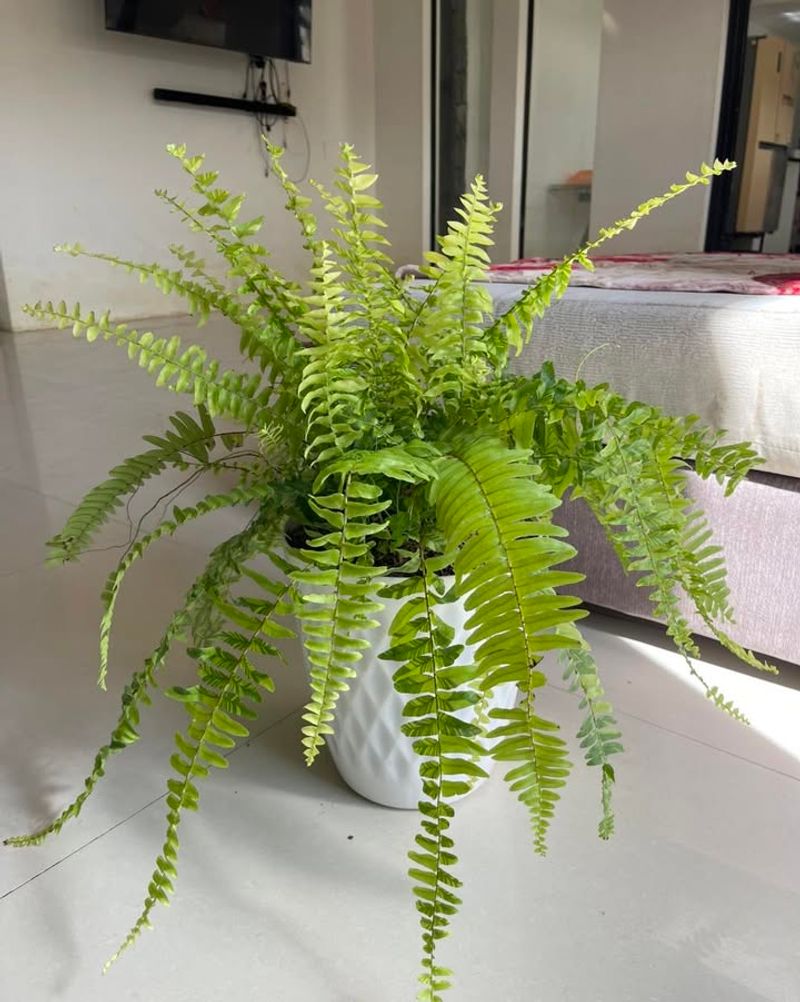
Boston ferns bring a touch of woodland beauty to Pennsylvania homes. The delicate, feathery fronds create soft, romantic displays that soften hard edges in modern rooms. These ferns remind many people of the lush forests found throughout Pennsylvania.
When it comes to removing formaldehyde and xylene from indoor air, Boston ferns rank among the best performers.
They also act as natural humidifiers, releasing moisture into dry Pennsylvania air during winter months when heating systems run constantly. This humidity helps prevent dry skin and respiratory irritation.
These ferns require more attention than some other air-purifying plants. They prefer consistently moist soil and suffer when allowed to dry out completely. Daily misting helps maintain the humidity levels they crave, especially in heated homes.
Bright, indirect light suits Boston ferns perfectly. Bathrooms with windows make excellent locations because shower steam provides natural humidity. Kitchens also work well, as cooking activities add moisture to the air.
The fronds grow continuously during warm months, creating fuller, more impressive displays. Brown, crispy fronds should be trimmed away to keep the plant looking its best.
Boston ferns benefit from monthly feeding during spring and summer. Pennsylvania residents often move these ferns outdoors to shaded porches during summer, where they thrive in natural humidity.
Bringing them back inside before frost extends their air-purifying benefits throughout the year while adding natural beauty to your indoor spaces.
8. Bamboo Palm
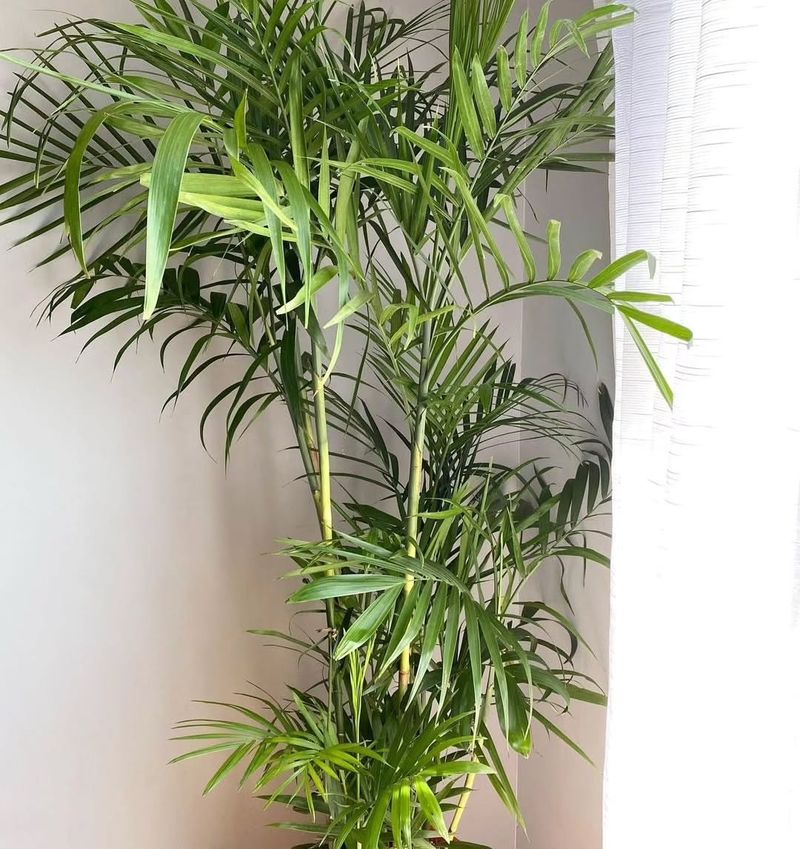
Bamboo palms transform Pennsylvania living spaces into tropical retreats. The tall, graceful stems topped with feathery fronds add height and drama to corners that need visual interest.
Despite their exotic appearance, these palms adapt well to typical Pennsylvania home conditions.
NASA research identified bamboo palms as top performers for removing formaldehyde, benzene, and trichloroethylene from indoor air.
They also filter out carbon monoxide, making them valuable in Pennsylvania homes with attached garages or gas appliances. The large surface area of all those fronds provides exceptional air-cleaning capacity.
These palms prefer consistent moisture but tolerate occasional drying better than constant soggy soil. Water when the top inch of soil feels dry.
They appreciate humidity, so misting the fronds weekly helps them stay healthy and vibrant.
Bright, indirect light keeps bamboo palms growing steadily. They tolerate lower light conditions but grow more slowly.
Avoid placing them in direct sunlight, which can scorch the delicate fronds and turn them brown.
Bamboo palms grow slowly but can eventually reach six feet tall indoors, creating impressive vertical elements in Pennsylvania homes. They rarely suffer from serious pest problems and maintain their good looks with minimal effort.
The plant’s ability to thrive in typical indoor temperatures makes it reliable for year-round air purification.
Regular feeding during growing season keeps the fronds deep green and healthy looking while maximizing their air-cleaning effectiveness throughout your home.