The Worst Vegetables To Plant In Michigan Garden Beds
Every spring in Michigan, garden beds fill up fast. Seeds go in, transplants settle down, and hopes for a big harvest run high.
Then reality hits. Some vegetables struggle in cool soil, others hate unpredictable weather, and a few attract pests the moment they sprout.
It can feel like wasted time when plants barely grow or produce disappointing results. The truth is that certain crops just do not match Michigan conditions, no matter how much care you give them.
Long winters, short growing windows, and sudden temperature swings make plant choice more important than most people realize. Once you know which vegetables tend to cause trouble, planning becomes easier and harvests get better.
Instead of guessing, you can focus on crops that actually thrive here. If you want to avoid frustration and grow smarter this season, this list is where to start.
1. Artichokes (Cynara scolymus)
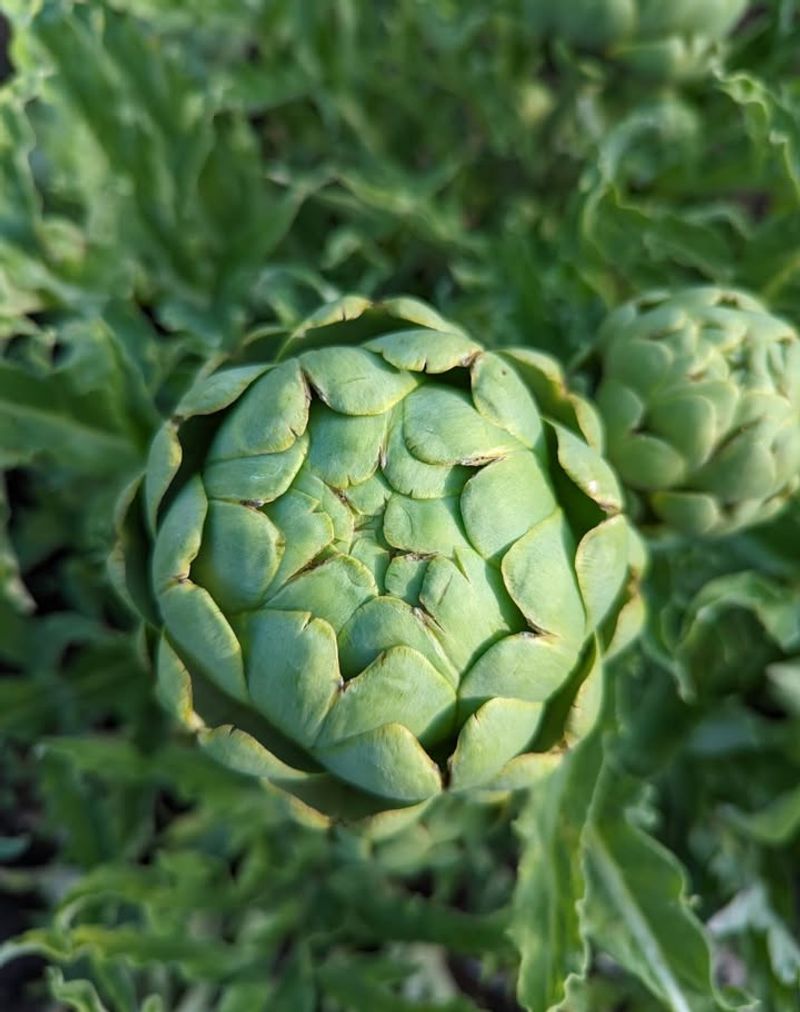
Artichokes belong in Mediterranean climates, not Michigan backyards where winters show no mercy. These perennial vegetables originated in regions with mild, frost-free winters year-round.
Michigan’s brutal cold snaps eliminate plants faster than you can say harvest. Temperatures dropping below 20 degrees spell disaster for artichoke roots and crowns. Even with heavy mulching, most plants won’t survive a typical Michigan winter.
You’re essentially growing them as expensive annuals with minimal payoff potential. The investment required for artichokes rarely matches the disappointing results in Michigan gardens. Plants need 85 to 100 days just to produce their first buds.
Michigan’s short growing season barely accommodates this lengthy timeline before frost arrives.
Container growing or greenhouse cultivation offers limited success but demands significant resources and space. You’ll spend more time and money than the few edible buds justify.
The effort-to-reward ratio simply doesn’t make practical sense for most gardeners. Consider growing globe thistle as an ornamental alternative that provides similar architectural interest.
For edible options, focus on vegetables that thrive in Michigan’s actual climate. Your garden will be more productive and far less frustrating overall.
2. Brussels Sprouts (Brassica oleracea var. gemmifera)
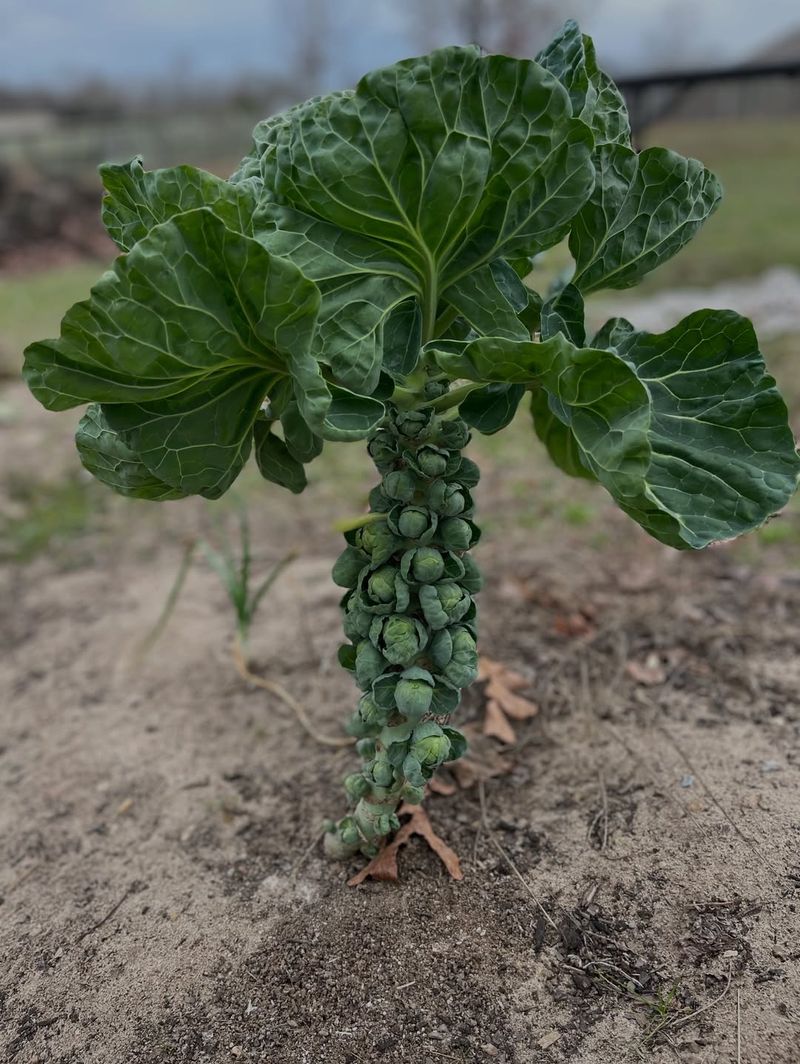
Brussels sprouts demand patience and perfect conditions that Michigan gardens rarely provide consistently. These miniature cabbage-like vegetables need approximately 90 to 100 days of cool weather.
Summer heat arrives too quickly in most Michigan regions. Temperature fluctuations wreak havoc on Brussels sprout development throughout the growing season.
When thermometers climb above 80 degrees, plants often bolt prematurely instead of forming heads.
Your carefully tended plants produce disappointing yields or none at all. Michigan’s compressed cool season creates a narrow planting window that’s difficult to hit. Spring plantings risk late frost damage while fall crops struggle to mature properly.
The state’s climate simply doesn’t align with what these vegetables require. Soil moisture needs add another layer of complexity to growing Brussels sprouts successfully.
Inconsistent rainfall patterns stress plants and reduce head quality significantly over time. You’ll find yourself constantly monitoring and adjusting water levels throughout summer.
Better alternatives include quick-maturing cabbage varieties or heat-tolerant kale for Michigan gardens. These crops handle temperature swings more gracefully and reward your efforts reliably.
Your Michigan Garden Changes Every Week. Your Plan Should Too.
Gardening in Michigan changes quickly throughout the season. Every Friday you’ll receive a simple weekly plan showing exactly what to plant, prune, fertilize, harvest, and protect so you never miss the right timing.
Save yourself the headache and choose vegetables naturally suited to Michigan’s conditions.
3. Fennel (Foeniculum vulgare)
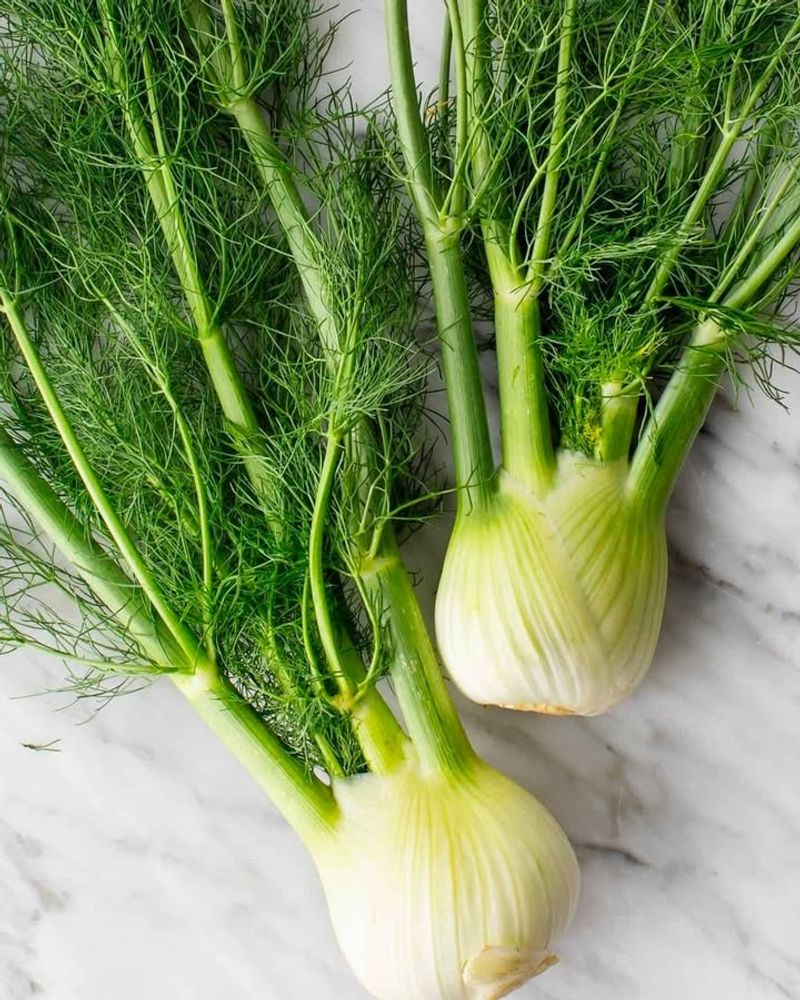
Fennel craves cool Mediterranean breezes but gets Michigan’s unpredictable temperature roller coaster instead. This licorice-flavored vegetable performs beautifully in coastal California but struggles mightily here.
Sudden warm spells trigger premature flowering that ruins bulb development completely. Michigan’s spring-to-summer transition happens too abruptly for fennel’s delicate growth requirements.
Plants need steady temperatures between 60 and 65 degrees for proper bulbing. One week of 80-degree weather sends them shooting up flower stalks.
Bolted fennel produces bitter, inedible bulbs that waste your garden space and effort. The timing required to avoid bolting is nearly impossible in Michigan’s variable climate. You’re gambling against weather patterns you simply cannot control or predict.
Fall plantings face their own challenges with early frost threatening immature bulbs regularly. Fennel needs 90 days minimum to develop harvestable bulbs from seed.
Michigan’s autumn growing window rarely provides sufficient time before hard freezes arrive. Dill offers similar anise flavor notes while tolerating Michigan conditions far more graciously.
For bulb vegetables, try kohlrabi which matures quickly and handles temperature fluctuations better. Choose crops that work with Michigan’s climate instead of fighting against it.
4. Cauliflower (Brassica oleracea var. botrytis)
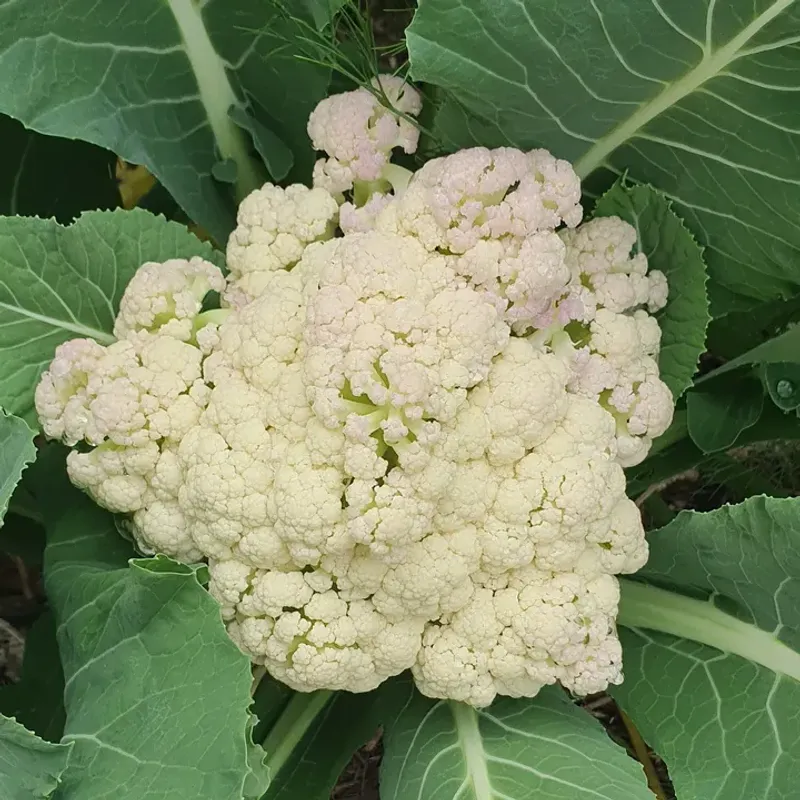
Cauliflower acts like a temperamental chef who quits when the kitchen gets hot. Temperature sensitivity makes this vegetable notoriously difficult for Michigan gardeners to master.
A few warm days can transform promising plants into total failures. Head formation requires consistent cool temperatures that Michigan springs rarely deliver reliably anymore.
When conditions swing above 75 degrees, cauliflower simply refuses to form proper heads. You’re left with leafy plants and bitter disappointment instead of harvest.
Spring plantings face frost risks while summer attempts encounter excessive heat problems constantly. The sweet spot for cauliflower growth lasts maybe three weeks in Michigan.
Hitting that narrow window perfectly requires luck more than skill or planning. Even when heads begin forming, heat stress causes them to separate into ricey texture. Flavor becomes strong and unpleasant rather than mild and sweet as desired.
Quality suffers dramatically under less-than-ideal temperature conditions throughout development.
Broccoli tolerates Michigan’s temperature swings considerably better while providing similar nutritional benefits. Cabbage varieties also offer more reliable harvests without the fussy temperature requirements.
Plant vegetables that forgive Michigan’s unpredictable weather patterns instead of punishing you for them.
5. Leeks (Allium ampeloprasum var. porrum)
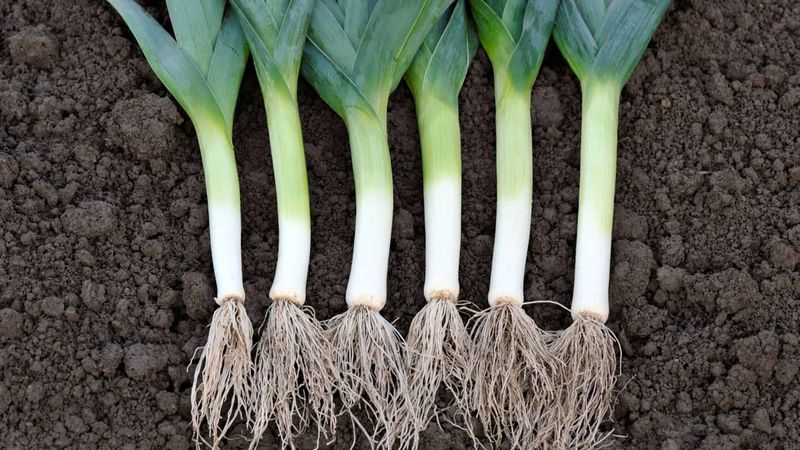
Leeks demand the patience of a saint and consistency that Michigan weather refuses to provide. These elongated onion relatives need 120 to 150 days to reach harvestable size.
Michigan’s growing season barely accommodates such lengthy timelines before frost threatens your investment.
Consistent soil moisture proves nearly impossible to maintain through Michigan’s erratic rainfall patterns. Dry spells stress plants while heavy rains cause rot in the blanched stems. You’ll spend your summer chasing perfect moisture levels that constantly shift.
The blanching process requires hilling soil around stems multiple times throughout the season. Michigan’s clay soils compact easily, making this task more labor-intensive than necessary.
Sandy soils drain too quickly, creating different but equally frustrating moisture challenges. Leeks also attract thrips and other pests that thrive in Michigan’s humid summers. Managing these insects adds another layer of complexity to an already demanding crop.
Your time investment grows while harvest expectations should probably shrink proportionally.
Green onions provide similar flavor in a fraction of the time and effort. Shallots also mature faster while tolerating Michigan conditions more gracefully than leeks. Focus your energy on vegetables that reward your hard work reliably.
6. Celery (Apium graveolens)
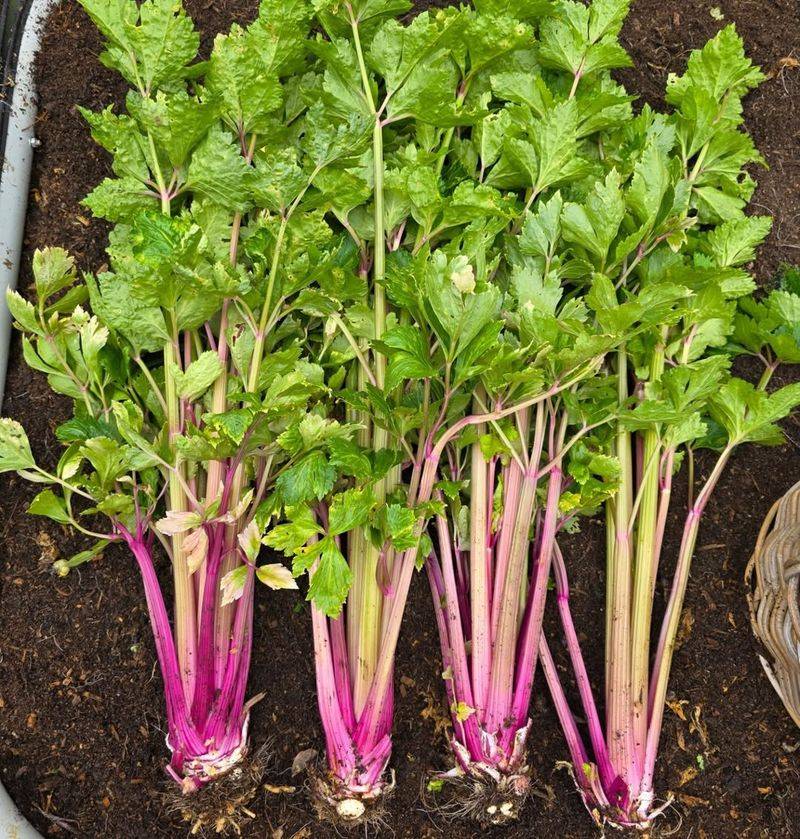
Growing celery in Michigan feels like trying to recreate a swamp in your backyard. This water-loving vegetable needs constantly moist soil and cool temperatures simultaneously.
Michigan summers provide heat and humidity but rarely the perfect moisture balance celery craves.
Temperatures above 75 degrees cause celery stalks to become tough and stringy. The crisp, tender texture you expect from store-bought celery becomes impossible to achieve.
Heat stress also triggers early bolting that renders plants virtually inedible quickly. Celery’s shallow root system requires daily watering during Michigan’s typical summer dry spells. Miss one day and plants suffer stress that affects final quality permanently.
The constant attention needed makes celery impractical for most home gardeners. Even with perfect moisture, celery takes 85 to 120 days to mature properly. Michigan’s variable spring weather delays planting while fall frost arrives before adequate growth.
You’re fighting calendar constraints alongside environmental challenges that stack against success.
Chard provides similar nutritional benefits with far less fuss in Michigan gardens. Bok choy also offers crisp texture while maturing much faster than celery.
Choose vegetables that appreciate Michigan’s climate instead of merely tolerating it poorly.
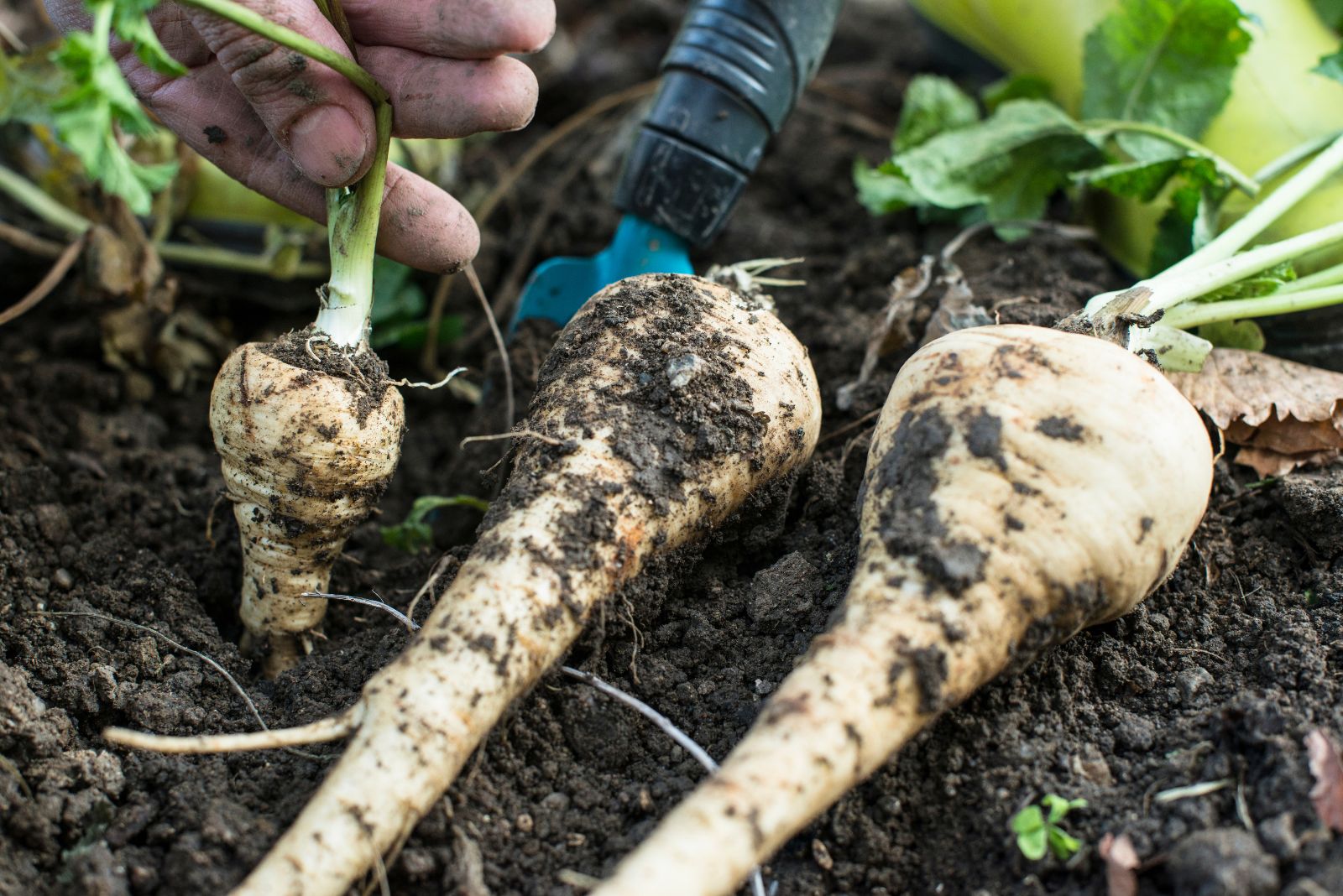
7. Parsnip (Pastinaca sativa)
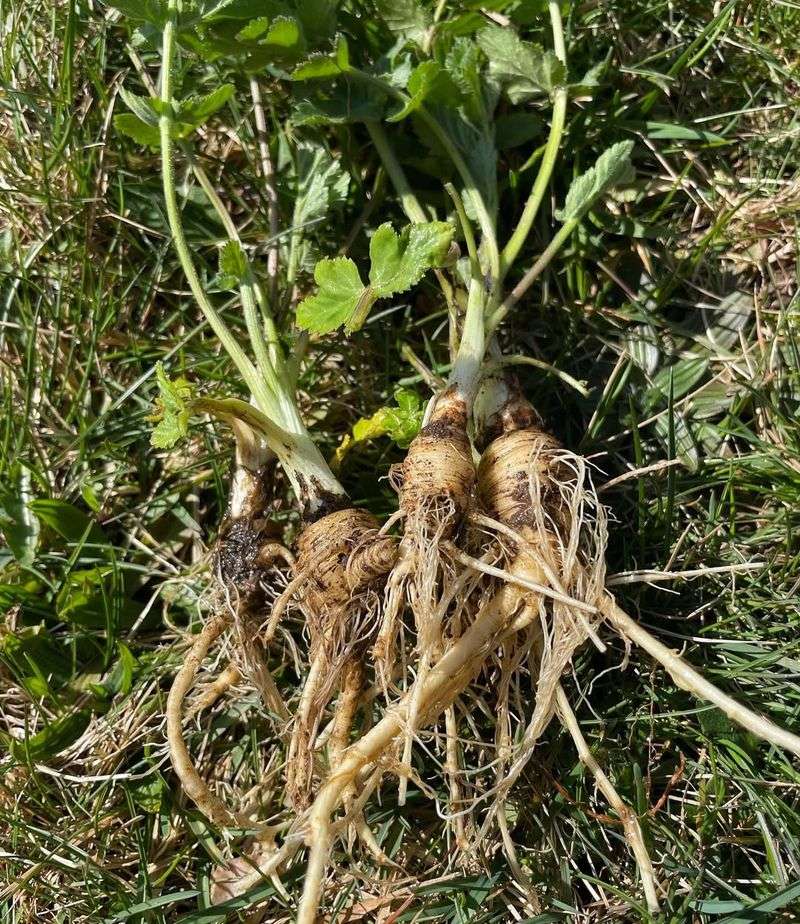
Parsnips take their sweet time maturing, which Michigan’s growing season doesn’t generously accommodate. These root vegetables need 105 to 130 days from seed to harvest.
Spring plantings face bolting risks while fall crops rarely finish before ground freezes. Warm spring temperatures trigger premature flowering in parsnips planted too early for safety. Once bolting starts, roots become woody and inedible despite their impressive size.
You’ve invested months only to harvest vegetables suitable for compost piles only. Parsnip seeds also have notoriously poor germination rates even under ideal conditions.
Michigan’s variable spring soil temperatures make germination even more unpredictable and frustrating. You’ll reseed multiple times before getting adequate stand establishment in beds.
Root development suffers in Michigan’s clay soils which become rock-hard during summer droughts. Parsnips need deep, loose soil to form their characteristic long taproots properly.
Amending soil extensively becomes necessary but doesn’t guarantee success at all. Carrots mature faster and handle Michigan conditions far more reliably than parsnips.
Turnips also provide root vegetable harvests without the extended growing time requirements. Plant vegetables that fit comfortably within Michigan’s actual growing season constraints.
8. Spinach (Spinacia oleracea)
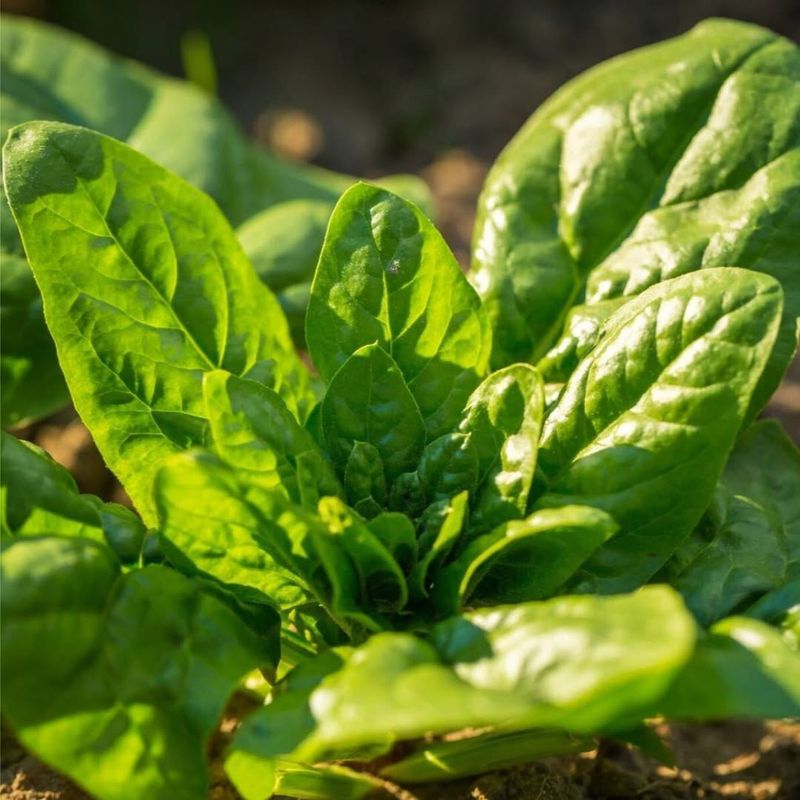
Spinach bolts faster than a scared rabbit when Michigan temperatures climb unexpectedly. This cool-season green needs consistent temperatures below 70 degrees for quality leaf production.
A single warm week in May can send your entire spinach crop flowering. The narrow growing window for spinach in Michigan creates frustrating timing challenges annually. Spring plantings produce for maybe three weeks before bolting begins in earnest.
Fall crops often get nipped by early frost before reaching harvestable size. Once spinach bolts, leaves become bitter and unpalatable almost overnight it seems. Plants redirect energy to flower and seed production instead of tender foliage.
Your harvest window slams shut before you’ve picked enough for one salad. Michigan’s increasingly unpredictable spring weather makes spinach success nearly impossible to guarantee.
Warm spells arrive earlier while late frosts linger longer than historical patterns. You’re gambling against climate trends that don’t favor this particular vegetable anymore.
Heat-tolerant alternatives like New Zealand spinach or Malabar spinach perform better in Michigan.
Swiss chard also provides greens throughout summer without bolting concerns constantly looming. Select vegetables adapted to Michigan’s actual temperature patterns for reliable harvests.
9. Rutabaga (Brassica napus subsp. napobrassica)
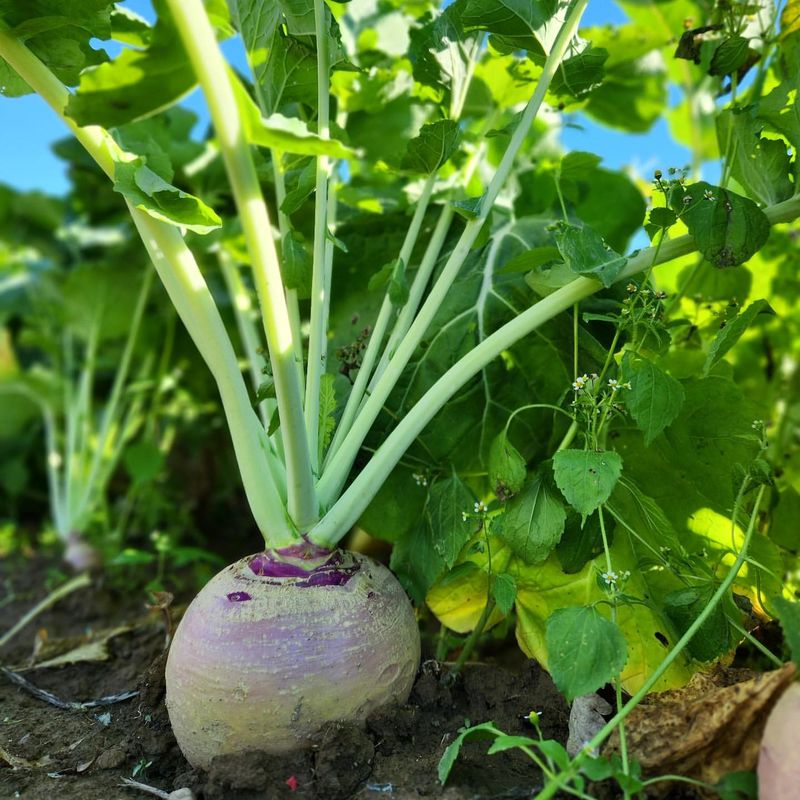
Rutabagas need a marathon growing season that Michigan’s climate barely provides at finish. These large root vegetables require 90 to 110 days of cool weather.
Michigan’s compressed autumn season rarely delivers sufficient time before hard freezes arrive unexpectedly.
Heat sensitivity makes spring plantings completely impractical for rutabaga cultivation in Michigan gardens. Summer temperatures cause roots to become woody and develop unpleasant strong flavors.
You’ll harvest vegetables that taste more like punishment than reward for effort. Fall plantings face their own considerable challenges with unpredictable first frost dates annually.
Early freezes can strike before rutabagas reach adequate size for harvesting and storage. Your investment of garden space and time yields disappointing results too often.
Rutabagas also attract flea beetles and cabbage root maggots that thrive in Michigan. Managing these pests adds complexity to an already challenging crop for gardeners.
The effort required rarely justifies the mediocre harvests most people actually achieve. Turnips mature much faster while providing similar culinary uses and nutritional benefits.
Radishes also offer root vegetable harvests in a fraction of the time. Choose crops that match Michigan’s growing season length instead of fighting against it.