These Invasive Plants Keep Damaging Pennsylvania Landscapes
Pennsylvania landscapes face a serious threat from plants that don’t belong here. These invasive species spread quickly across yards, parks, and natural areas throughout the state.
They crowd out native plants that local wildlife depends on for food and shelter. Once they take hold, these unwanted visitors change entire ecosystems and cost property owners time and money to control.
Understanding which plants cause the most damage helps Pennsylvania residents protect their property and local environment. Many of these invasive species look attractive at first glance, which explains how they arrived in gardens and landscaping projects.
However, their aggressive growth patterns soon reveal their true nature. They escape cultivation and invade wild spaces, where they outcompete native Pennsylvania plants that have grown here for centuries.
Learning to identify these problem plants gives you the power to stop their spread. Whether you own a small backyard or manage larger properties across Pennsylvania, knowing what to watch for makes a real difference.
Taking action against invasive plants protects the natural beauty and ecological health that makes Pennsylvania special.
1. Japanese Knotweed Destroys Property Foundations
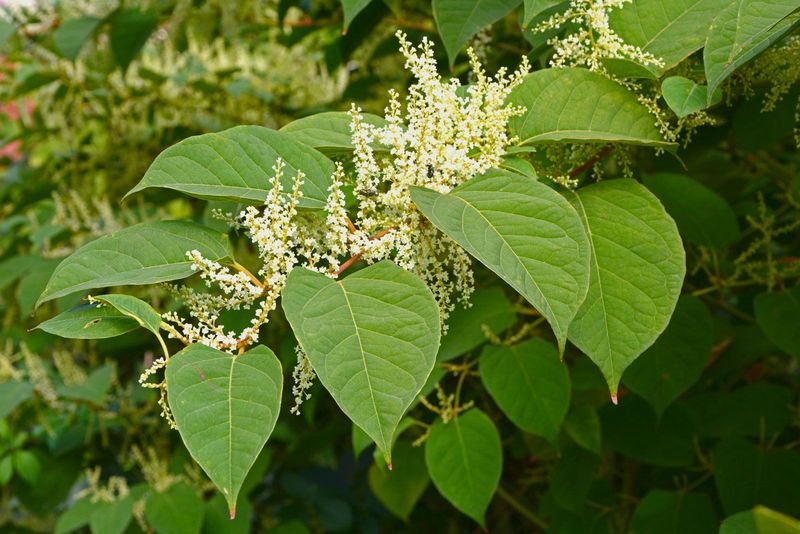
Bamboo-like stems shoot up through cracks in driveways and push against building foundations with surprising force. Japanese knotweed arrived in Pennsylvania as an ornamental plant, but it quickly showed its destructive side.
The plant grows up to four inches per day during peak season, sending roots deep underground that spread in every direction.
Property owners across Pennsylvania spend thousands of dollars fighting this aggressive invader. The roots, called rhizomes, can extend 20 feet horizontally and seven feet deep.
They grow through concrete, asphalt, and even penetrate drainage systems. A tiny piece of root left in the soil can sprout an entirely new plant colony within weeks.
The hollow stems grow 10 to 13 feet tall and create dense thickets that block out sunlight. Native plants cannot compete with this growth rate and soon disappear from affected areas.
Wildlife loses important food sources and habitat when knotweed takes over. Pennsylvania stream banks erode more quickly when knotweed replaces native vegetation with deep, stabilizing root systems.
Controlling Japanese knotweed requires persistence and proper technique. Cutting stems without treating roots actually makes the problem worse by stimulating new growth.
Professional removal often takes three to five years of repeated treatments. Pennsylvania residents should never compost or move soil containing knotweed fragments, as this spreads the invasion to new locations.
Early detection and immediate action offer the best chance of stopping this plant before it causes expensive property damage.
2. Multiflora Rose Forms Impenetrable Thickets
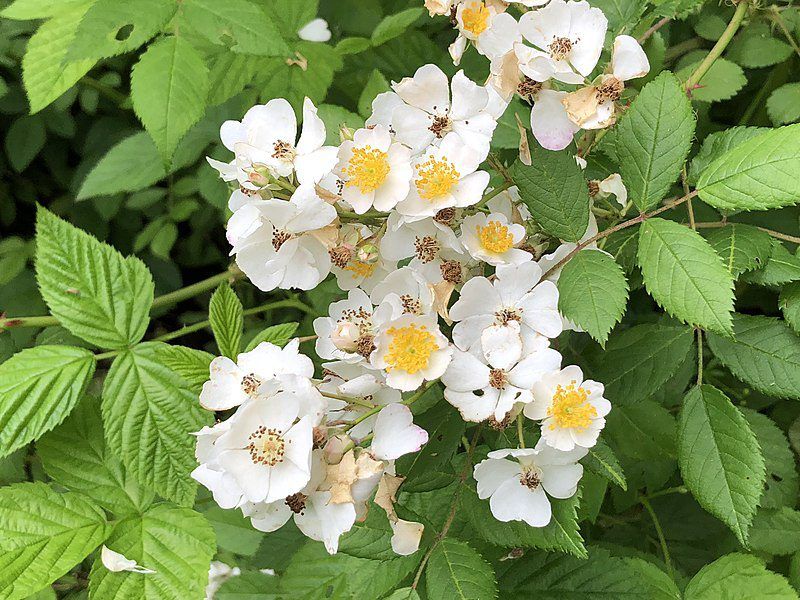
Arching canes covered in sharp thorns create barriers that nothing can pass through. Multiflora rose was intentionally planted across Pennsylvania for erosion control and livestock fencing decades ago.
That decision now haunts farmers, park managers, and homeowners who battle this thorny menace. A single plant produces up to 500,000 seeds annually, and birds spread them everywhere.
Pennsylvania pastures become unusable when multiflora rose invades grazing land. Cattle and horses avoid the painful thorns, leaving large sections of fields off-limits.
Your Pennsylvania Garden Changes Every Week. Your Plan Should Too.
Gardening in Pennsylvania changes quickly throughout the season. Every Friday you’ll receive a simple weekly plan showing exactly what to plant, prune, fertilize, harvest, and protect so you never miss the right timing.
The plant forms dense thickets 6 to 10 feet tall that block access to fence lines and water sources. Removing established plants requires heavy equipment and protective gear because the thorns easily puncture skin and clothing.
White flowers appear pretty in spring, but they signal trouble ahead. Each bloom develops into a small red fruit called a rose hip.
Birds eat these fruits and deposit seeds across Pennsylvania landscapes through their droppings. Seeds remain viable in soil for up to 20 years, creating a persistent seed bank that keeps producing new plants long after removal efforts.
Forest edges and woodland clearings suffer when multiflora rose moves in. The dense growth shades out wildflowers and tree seedlings that native wildlife needs.
Pennsylvania’s declining bird populations lose nesting sites and food sources when invasive roses replace native shrubs. Effective control combines cutting, herbicide treatment, and follow-up monitoring.
Persistence pays off, but property owners must commit to several years of management to reclaim invaded areas.
3. Tree Of Heaven Spreads Toxic Chemicals
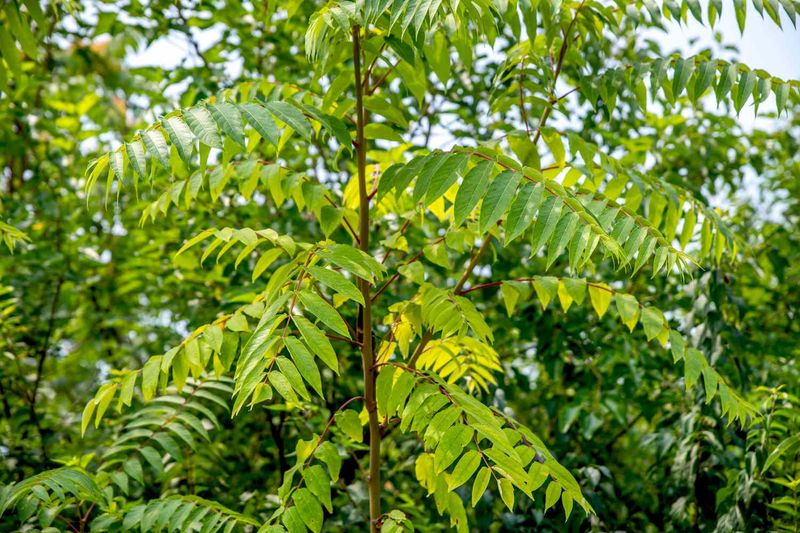
Rapid growth and distinctive smell make this tree easy to identify across Pennsylvania. Tree of heaven shoots up 6 feet or more in a single growing season, quickly towering over native vegetation.
The leaves release a strong odor similar to rancid peanut butter when crushed. Despite its heavenly name, this invasive species creates problems wherever it establishes itself in Pennsylvania communities.
Underground roots release chemicals that poison nearby plants through a process called allelopathy. These toxic compounds prevent other species from growing close to tree of heaven, giving it an unfair advantage.
Pennsylvania gardens and natural areas lose plant diversity when this aggressive invader moves in. A single tree produces up to 300,000 wind-dispersed seeds that travel far from the parent plant.
Urban and suburban areas provide perfect conditions for tree of heaven to thrive. The species tolerates pollution, compacted soil, and drought that would stress native Pennsylvania trees.
It sprouts in sidewalk cracks, vacant lots, and along railroad tracks. Root suckers emerge from underground networks, creating dense groves that exclude native species.
The spotted lanternfly problem makes tree of heaven even more troublesome in Pennsylvania. This invasive insect prefers tree of heaven as its host plant, using it to complete its life cycle.
Removing tree of heaven without proper planning can actually spread lanternfly populations to other areas. Property owners need strategic removal plans that consider both invasive species.
Cutting trees without treating stumps triggers aggressive root sprouting that creates more trees than you started with.
4. Purple Loosestrife Chokes Wetland Habitats
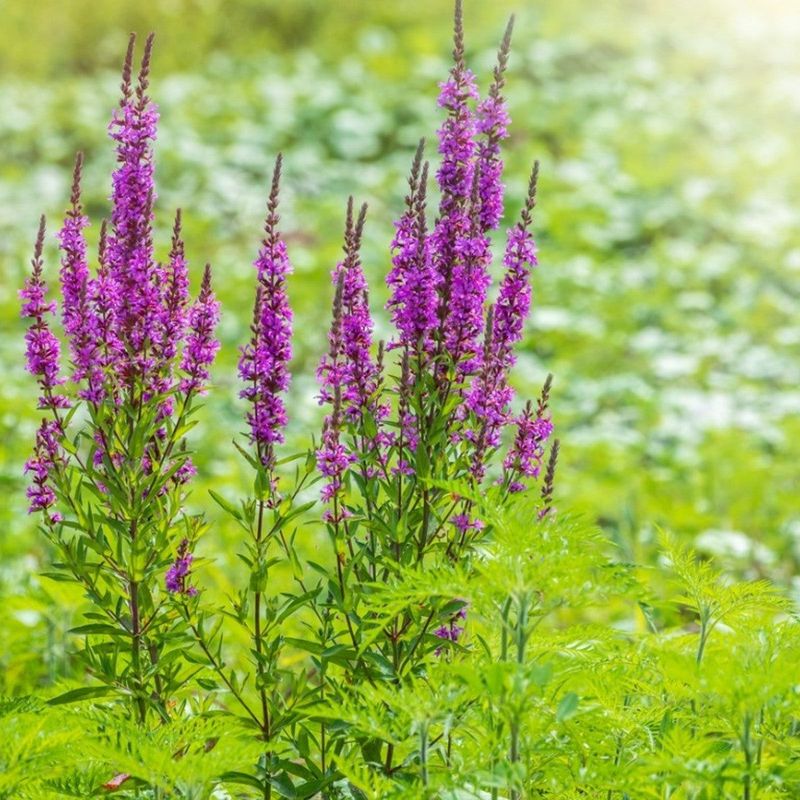
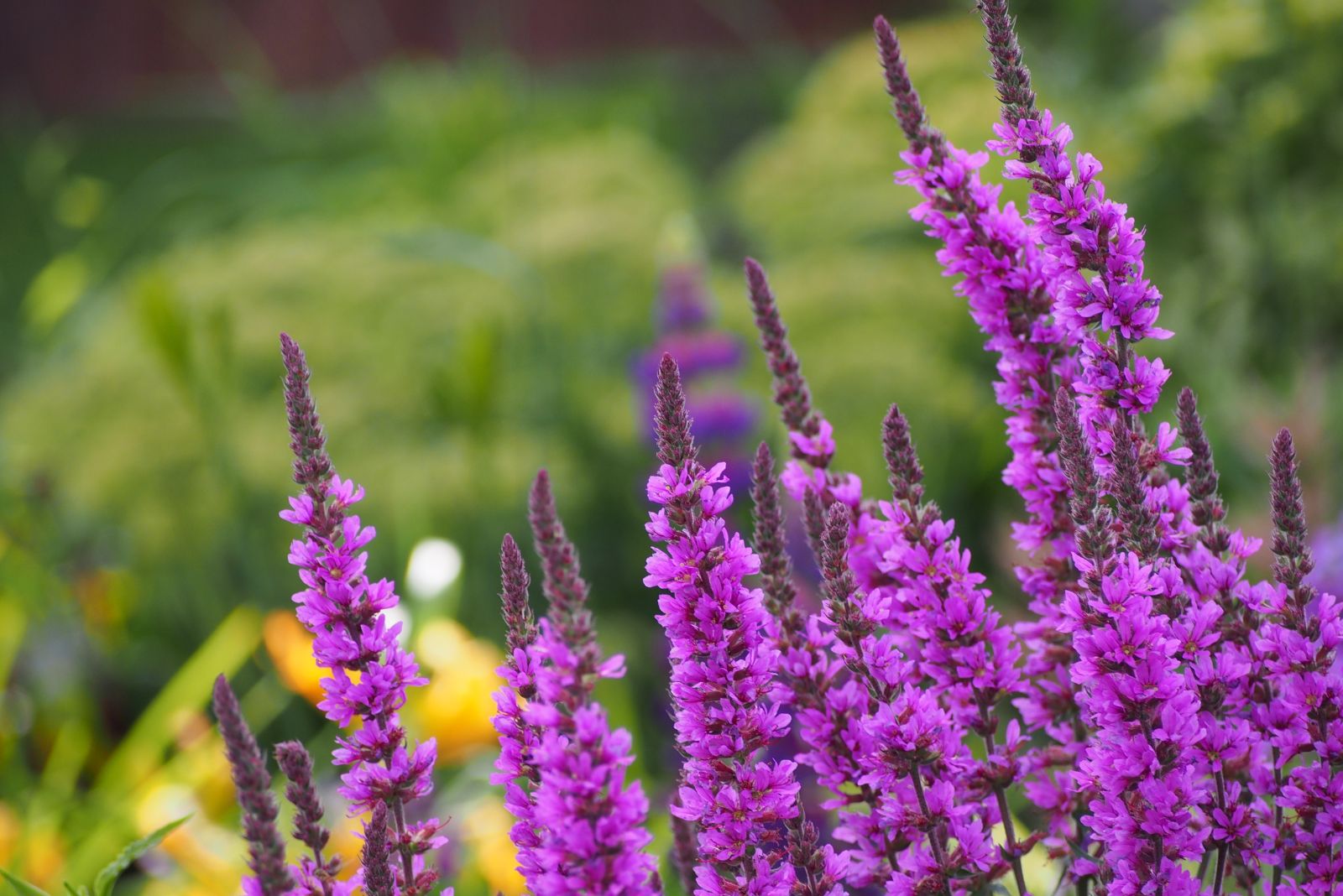
Brilliant purple flower spikes catch your eye along Pennsylvania wetlands and waterways. Purple loosestrife creates stunning displays that attract photographers and nature lovers.
However, this beautiful appearance hides serious ecological damage. A mature plant produces over 2 million tiny seeds each year, and water carries them to new locations throughout Pennsylvania’s interconnected waterways.
Wetland ecosystems collapse when purple loosestrife takes over. The dense growth forms solid walls of vegetation that crowd out native plants like cattails and bulrushes.
Pennsylvania’s wetland birds, frogs, and turtles lose critical breeding habitat when invasive loosestrife replaces diverse native plant communities. Waterfowl populations decline because loosestrife provides poor food value compared to native wetland species.
Root systems grow so thick that water flow slows down in affected areas. Pennsylvania streams and drainage channels become clogged with loosestrife growth.
Flooding risks increase in some areas while others experience reduced water availability. The plant tolerates various water levels, from standing water to damp soil, allowing it to spread across different wetland types.
Biological control offers hope for managing purple loosestrife across Pennsylvania. Scientists introduced several beetle species that feed specifically on this plant.
These natural enemies provide long-term suppression without harming native species. However, established loosestrife populations still require active management.
Hand-pulling small infestations works when done before seed production. Larger colonies need herbicide treatments applied by trained professionals who understand wetland regulations.
Pennsylvania property owners should never plant purple loosestrife, even though garden centers once sold it as an ornamental species.
5. Garlic Mustard Eliminates Forest Wildflowers
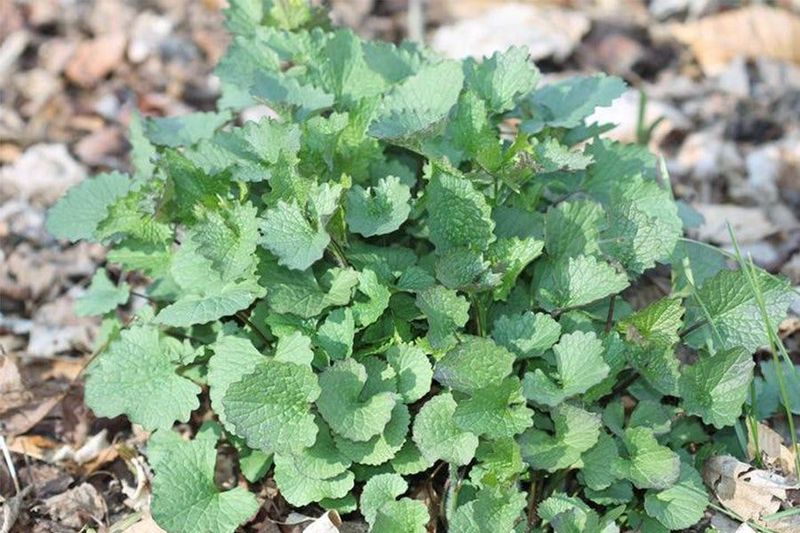
Walk through Pennsylvania forests in spring and you might notice a carpet of green leaves where wildflowers once bloomed. Garlic mustard has invaded woodlands across the state, creating biological deserts beneath the tree canopy.
The plant earned its name from the garlic smell released when leaves are crushed. Early European settlers brought it here as a food plant, never imagining it would become one of Pennsylvania’s worst forest invaders.
Chemical warfare gives garlic mustard an edge over native Pennsylvania plants. Roots release compounds that interfere with beneficial soil fungi called mycorrhizae.
Native wildflowers depend on these fungi to absorb water and nutrients from soil. Without healthy mycorrhizal networks, trilliums, wild ginger, and other spring wildflowers cannot survive.
Pennsylvania forests lose their spectacular spring flower displays when garlic mustard moves in.
Each plant produces thousands of seeds that remain viable in soil for five years or more. Seeds stick to shoes, pet fur, and equipment, spreading the invasion to new forest areas.
Garlic mustard tolerates deep shade better than most native species, allowing it to dominate the forest floor. The plant grows as a rosette during its first year, then sends up flowering stems in the second year.
Removing garlic mustard requires commitment but remains achievable for Pennsylvania landowners. Hand-pulling works best when soil is moist, allowing you to extract the entire root system.
Timing matters because pulling must happen before seeds mature in late spring. Removed plants should go in trash bags, not compost piles, to prevent seed spread.
Consistent removal over several years depletes the seed bank and allows native wildflowers to return.
6. Autumn Olive Outcompetes Native Shrubs
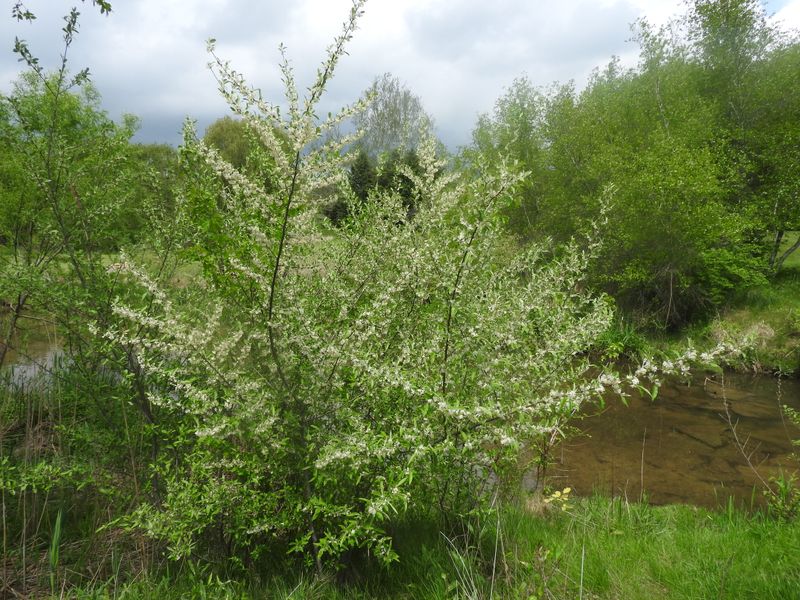
Silvery leaves shimmer in Pennsylvania fields and forest edges where autumn olive has established itself. Government agencies once promoted this shrub for wildlife habitat and erosion control.
That recommendation backfired spectacularly as autumn olive spread beyond planted areas. Birds feast on the abundant red berries and deposit seeds across Pennsylvania landscapes, creating new infestations far from original planting sites.
Nitrogen-fixing abilities give autumn olive an unfair advantage over native Pennsylvania shrubs. Special root nodules capture nitrogen from air and convert it into usable plant nutrients.
This adaptation allows autumn olive to thrive in poor soils where native species struggle. The extra nitrogen changes soil chemistry in ways that favor invasive plants over natives.
Pennsylvania ecosystems evolved without this nitrogen boost, and the altered conditions disrupt natural plant communities.
Dense thickets form quickly as autumn olive matures. Branches grow in tangled masses that shade out native shrubs and tree seedlings.
Pennsylvania’s young forests cannot regenerate properly when autumn olive dominates the understory. White-tailed deer avoid browsing autumn olive, giving it another advantage over native plants that deer prefer.
This selective feeding pressure accelerates the replacement of native shrubs with invasive autumn olive.
Fruit production reaches impressive levels on mature plants. A single shrub can produce up to 80 pounds of berries in one season.
While birds appreciate the abundant food source, the nutritional value of autumn olive berries falls short compared to native Pennsylvania fruits.
Removing autumn olive requires cutting stems close to ground level and immediately treating cut stumps with herbicide. Untreated stumps resprout vigorously, often producing more stems than the original plant.
7. Mile-A-Minute Vine Smothers Everything
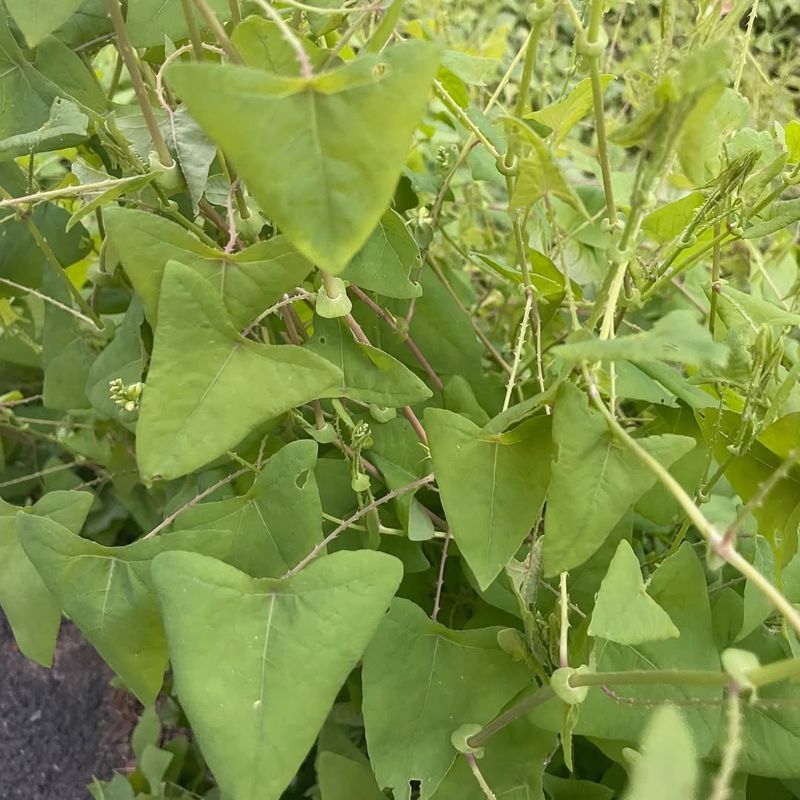
Triangular leaves attached to stems covered in sharp, recurved barbs identify this aggressive climber. Mile-a-minute vine lives up to its name by growing up to six inches daily during Pennsylvania’s growing season.
The plant drapes over shrubs, young trees, and ground vegetation like a thorny blanket. Everything underneath suffers from blocked sunlight and eventually weakens or disappears beneath the smothering growth.
Pennsylvania forest regeneration stops when mile-a-minute invades woodland edges. Tree seedlings and saplings cannot survive under the dense vine coverage.
The barbed stems latch onto any vertical surface, climbing 20 feet or higher in a single season. Native plants evolved without defenses against this Asian invader, leaving them vulnerable to its aggressive growth.
Wildlife habitat degrades rapidly as diverse plant communities transform into mile-a-minute monocultures.
Blue berries appear in late summer, each containing a single seed. Birds eat the fruits and spread seeds throughout Pennsylvania landscapes.
Seeds remain viable in soil for up to six years, creating persistent seed banks. The vine dies back to ground level each winter but regrows quickly from roots when warm weather returns.
This annual die-back makes mile-a-minute seem less threatening than woody invasives, but its rapid growth compensates for the seasonal setback.
Biological control shows promise against mile-a-minute in Pennsylvania. A tiny weevil from the plant’s native range feeds specifically on this vine.
The weevil cannot survive on native plants, making it safe for release. However, established infestations still require active management.
Hand-pulling small patches works when done carefully to avoid spreading seeds. Wear thick gloves because the barbs cause painful scratches. Larger infestations need herbicide treatments applied before seed production begins.