The Worst Vegetables To Plant In North Carolina Garden Beds
Every spring in North Carolina, gardeners get excited and plant everything that looks good at the garden center.
The problem is that not all vegetables enjoy our heat, humidity, and long growing season. Some struggle from day one, others attract pests, and a few barely produce before giving up.
It feels frustrating to water, weed, and wait only to end up with weak harvests. The good news is that these failures are not random. Certain vegetables simply do not match local conditions or require more effort than they are worth here.
Once you know which crops tend to cause trouble, planning becomes much easier and far more rewarding. Instead of guessing, you can focus on plants that actually thrive in North Carolina soil and weather.
If you want stronger harvests and fewer disappointments this season, this list will save you time, money, and garden space.
1. Brussels Sprouts (Brassica oleracea var. gemmifera)
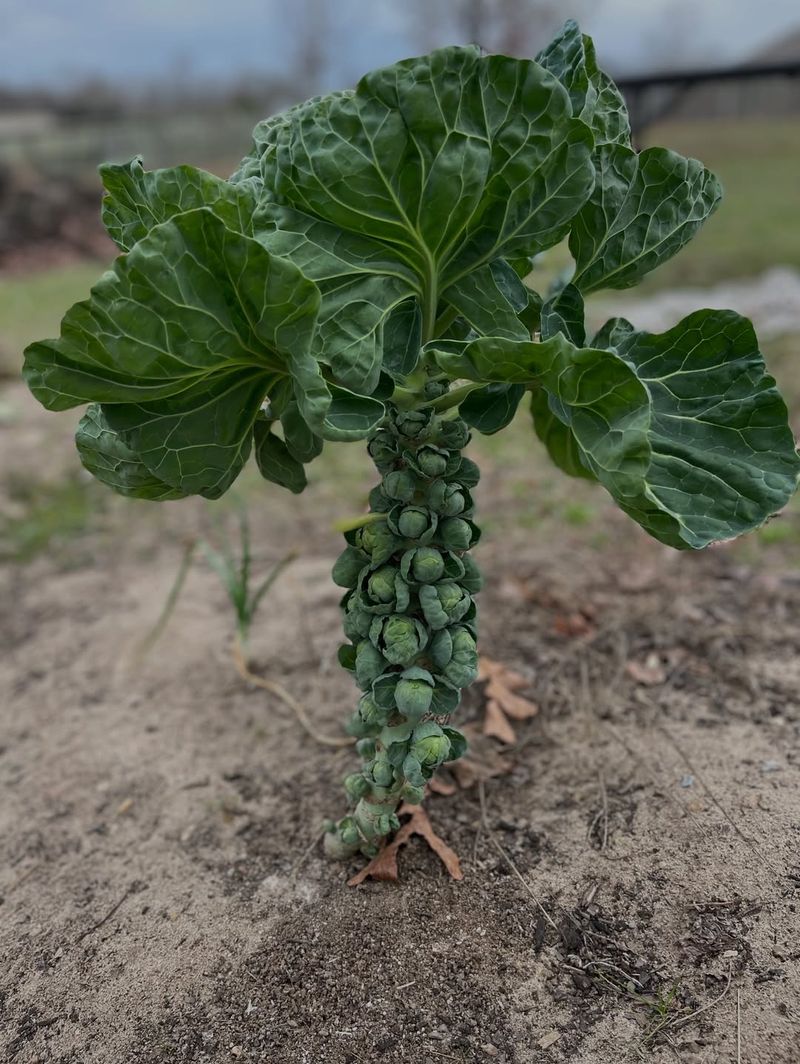
Brussels sprouts demand patience and cool weather that North Carolina rarely provides. These compact cabbages need temperatures between 45 and 75 degrees for months. Your summer heat sends them into panic mode almost immediately.
The plants bolt before forming proper sprouts when temperatures climb. Summer arrives fast in the Tar Heel State, cutting short their growing season. You’ll watch leaves yellow and sprouts remain tiny, never reaching harvest size.
Even fall plantings face problems with lingering warm weather. The transition period between seasons proves too brief for success. Your plants need consistent coolness that simply doesn’t exist here long enough.
Watering constantly becomes exhausting as they struggle against humidity. Pests love stressed Brussels sprouts, adding another layer of difficulty. The Piedmont and Coastal Plain regions experience particularly harsh conditions for these vegetables.
Better alternatives include collard greens or cabbage for similar nutrition. These crops tolerate heat much better than their fussy cousin. Southern gardeners find success with vegetables adapted to regional climate patterns instead.
2. Artichokes (Cynara scolymus)
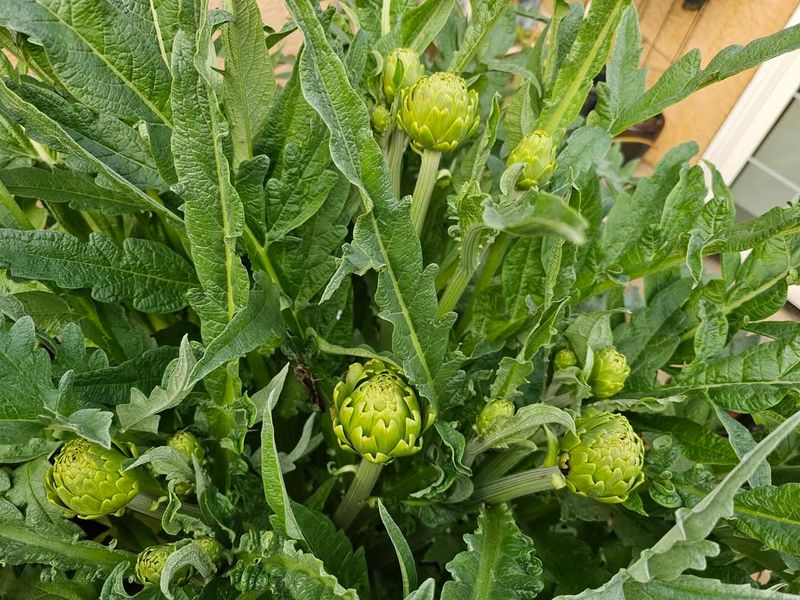
Artichokes belong in California, not Carolina. These Mediterranean natives crave mild winters without frost. North Carolina’s winter temperatures regularly plunge below their tolerance level, causing serious damage.
Perennial growth habits make them vulnerable to repeated cold snaps. One hard freeze can destroy months of careful cultivation. Your investment vanishes overnight when temperatures drop unexpectedly in January or February.
The plants require specific chilling hours without actual freezing conditions. This delicate balance proves nearly impossible to maintain outdoors here. Container growing offers slight improvement but demands constant monitoring and winter protection.
Even if plants survive winter, summer heat stresses them severely. They produce few edible buds under these contradictory conditions. Mountain regions might offer better chances, but coastal and piedmont areas remain unsuitable.
Greenhouse cultivation provides the only reliable method for artichoke success. This approach requires significant space, expense, and climate control equipment. Most home gardeners find the effort exceeds the reward considerably.
Consider asparagus instead for a perennial vegetable crop. It thrives in North Carolina conditions with minimal fuss once established.
3. Fennel (Foeniculum vulgare)
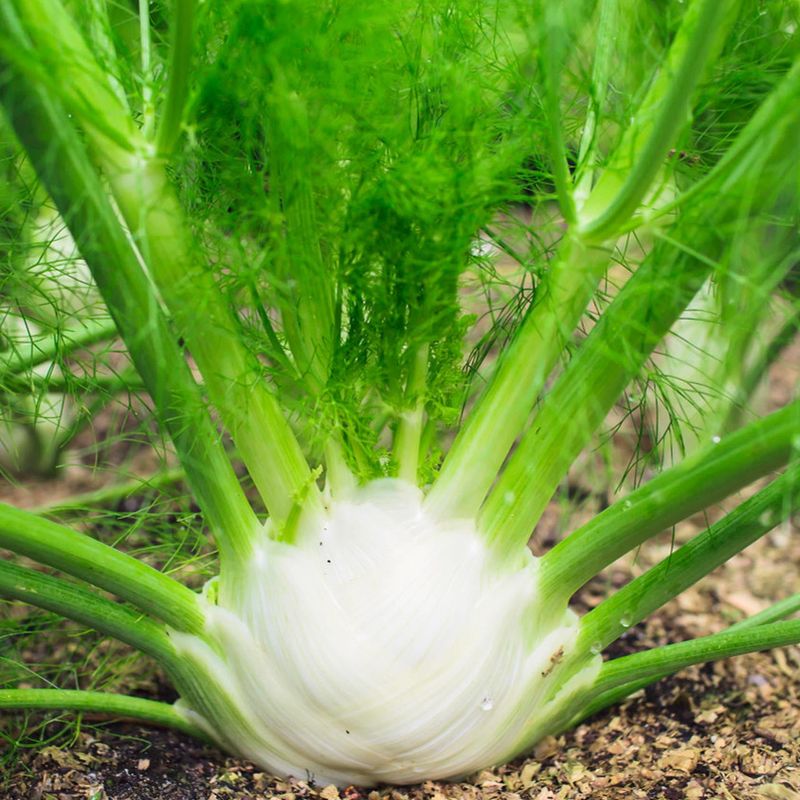
Fennel’s delicate licorice flavor disappears in North Carolina heat. Cool European climates suit this crop far better than southern gardens. Temperature swings trigger premature flowering, ruining your harvest before bulbs form properly.
Your North Carolina Garden Changes Every Week. Your Plan Should Too.
Gardening in North Carolina changes quickly throughout the season. Every Friday you’ll receive a simple weekly plan showing exactly what to plant, prune, fertilize, harvest, and protect so you never miss the right timing.
Bolting happens incredibly fast once warm weather arrives in spring. The plant shifts energy toward seed production instead of bulb development. You’ll notice tall flower stalks shooting up within days of temperature increases.
Coastal Plain and Piedmont regions experience particularly poor results. Heat combines with humidity to create miserable growing conditions for fennel. The bulbs that do form taste bitter and stringy rather than sweet.
Fall plantings sometimes work better but require precise timing. Plant too early and heat ruins them; too late and frost arrives. This narrow window makes successful fennel cultivation frustratingly unpredictable here.
Water needs increase dramatically as plants struggle with temperature stress. Even dedicated gardeners struggle to keep fennel happy through our seasons. The effort rarely produces worthwhile harvests compared to easier vegetables.
Try anise hyssop for similar flavor profiles with better heat tolerance. This herb thrives in southern gardens without demanding constant attention.
4. Cauliflower (Brassica oleracea var. botrytis)
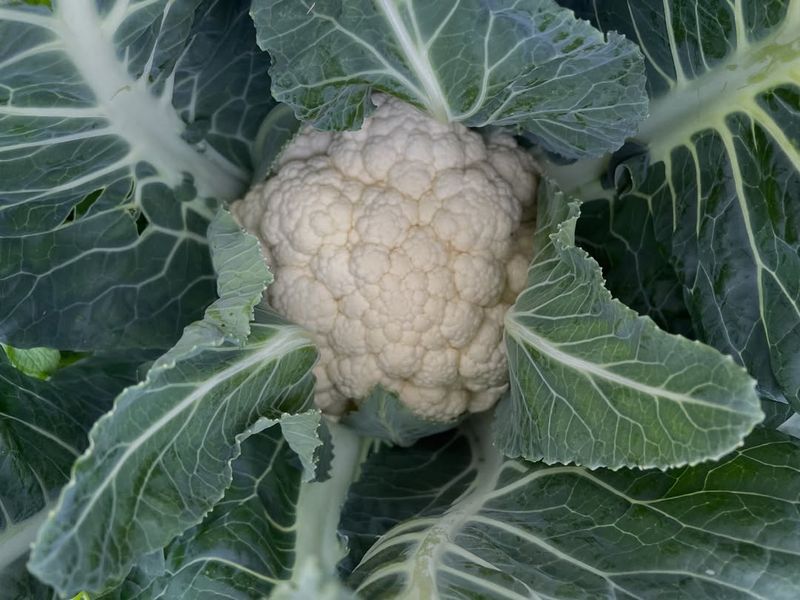
Cauliflower acts like a spoiled celebrity, demanding perfect conditions constantly. Temperatures must stay between 60 and 65 degrees for ideal head formation.
North Carolina weather laughs at these requirements, swinging wildly throughout growing seasons.
Spring plantings risk late frost damage that stunts early growth. Summer attempts result in complete failure as heat prevents heading. The narrow acceptable temperature range rarely aligns with our actual weather patterns.
Heads refuse to form when stressed by temperature fluctuations. You’ll watch plants grow leaves endlessly without producing edible portions. This vegetable needs stability that North Carolina simply cannot guarantee consistently.
Even successful head formation requires blanching by tying leaves over developing curds. This extra step adds labor to an already challenging crop. Many gardeners give up after repeated disappointments with cauliflower cultivation here.
Fall plantings offer slightly better odds but still face challenges. Early warm spells or unexpected cold snaps ruin carefully timed sowings. The precision required exceeds what most home gardeners can realistically achieve.
Broccoli provides similar nutrition with far greater heat tolerance. This cousin crop forgives temperature variations much more readily than fussy cauliflower.
5. Leeks (Allium ampeloprasum var. porrum)
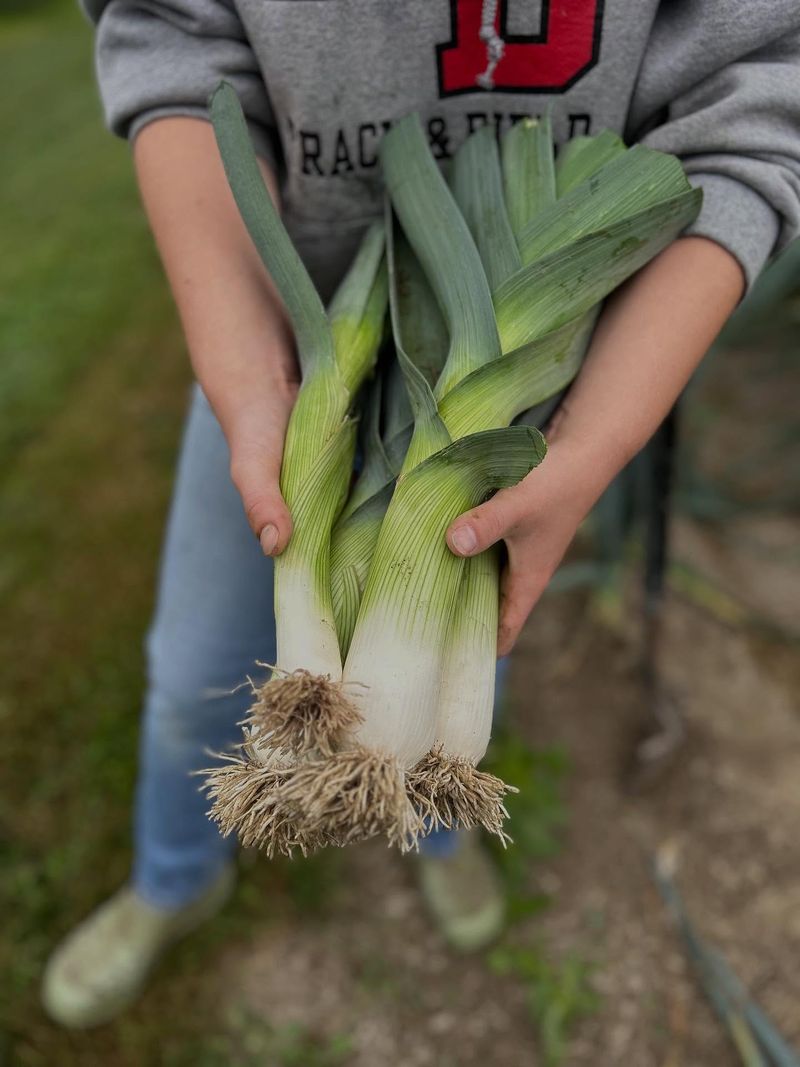
Leeks test your patience like few other vegetables can. They require nine months from seed to harvest in ideal conditions. North Carolina’s unpredictable weather makes this long journey treacherous and often unsuccessful.
Consistent moisture proves essential but difficult to maintain here. Spring rains arrive erratically, followed by summer drought periods. Your leeks suffer from this feast-or-famine water availability throughout their growth.
The plants need deep, rich soil that drains well yet retains moisture. Achieving this balance in Carolina clay or sandy coastal soils takes considerable amendment. Most garden beds require significant preparation before leeks will even consider thriving.
Summer heat slows growth dramatically, extending the already lengthy growing season. Pests discover stressed leeks easily, compounding your cultivation challenges. Thrips and onion maggots particularly enjoy attacking weakened plants during hot months.
Harvests often disappoint after months of careful tending and watering. The shanks remain thin and tough rather than tender and sweet. Your investment of time and resources rarely produces worthwhile returns here.
Regular onions or shallots provide similar flavors with shorter seasons. These allium relatives adapt much better to regional growing conditions and variable rainfall.
6. Celery (Apium graveolens)
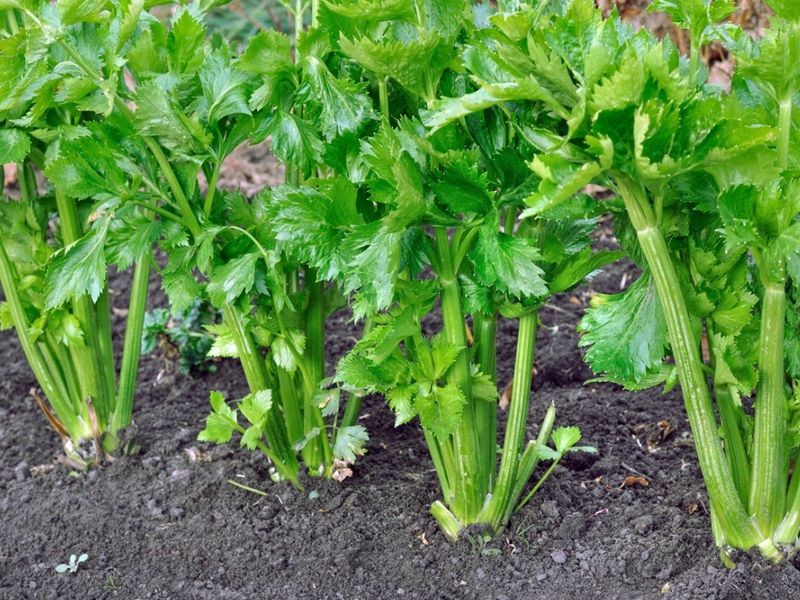
Celery craves constant pampering that exhausts even dedicated gardeners. This crop demands consistently moist soil and cool temperatures simultaneously. North Carolina summers make both requirements nearly impossible to maintain together successfully.
The stalks turn stringy and bitter when temperatures climb above 75 degrees. Heat stress triggers rapid bolting, ending your harvest prematurely. You’ll spend weeks nurturing seedlings only to watch them flower uselessly.
Water needs border on ridiculous during our hot, humid summers. Missing even one watering session can ruin stalk quality permanently. The shallow root system provides no buffer against drought stress whatsoever.
Blanching stalks requires additional labor through mounding soil or wrapping. This traditional technique improves tenderness but adds more work to demanding cultivation. Most home gardeners lack time for such intensive vegetable maintenance.
Commercial growers in cooler climates use specialized equipment and irrigation systems. Home gardeners cannot replicate these controlled conditions economically. Your backyard plot simply cannot compete with California’s celery-perfect climate.
Consider growing celery in containers with afternoon shade for partial success. Even then, expect smaller stalks with stronger flavors than store-bought varieties. Alternatively, try heat-tolerant herbs like lovage for similar flavor profiles.
7. Parsnip (Pastinaca sativa)
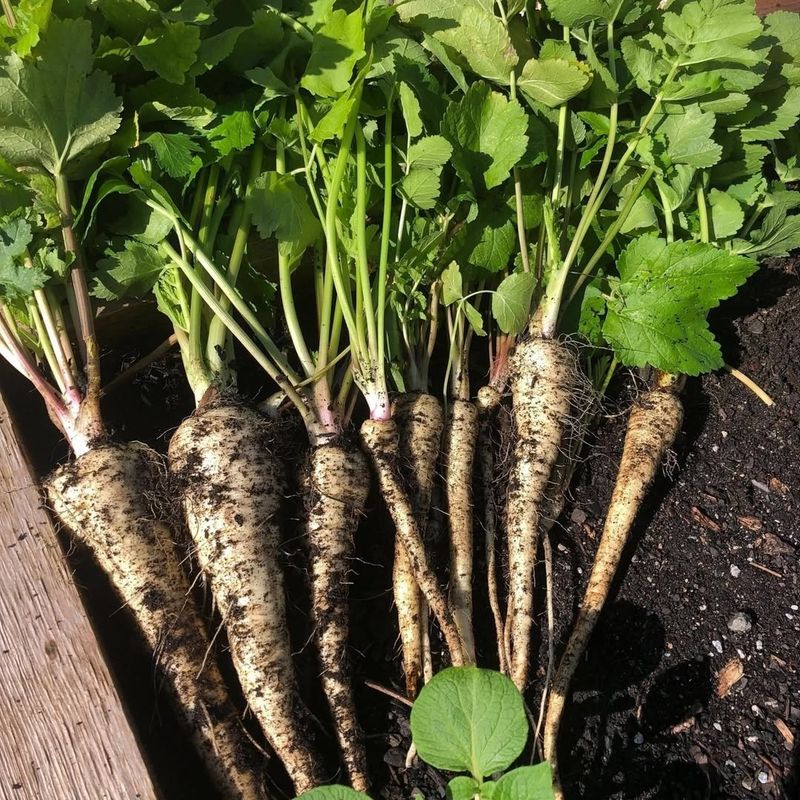
Parsnips move slower than molasses, requiring four months minimum to mature. This glacial pace clashes badly with North Carolina’s rapid spring warmup. Your plants bolt before roots reach proper size as temperatures climb.
Cool spring weather disappears quickly, replaced by summer heat that stresses roots. The parsnips develop woody, inedible centers when grown in warm soil. You’ll harvest tough, bitter roots instead of sweet, tender vegetables.
Germination alone takes three weeks under ideal conditions. Our variable spring temperatures make even sprouting unpredictable and frustrating. Many seeds simply rot in soil before emerging successfully.
The long taproot needs deep, loose soil without rocks or obstructions. Preparing beds to adequate depth requires significant labor and soil amendment. Clay soils common in piedmont regions prove particularly problematic for root development.
Fall plantings might work better but face their own timing challenges. Plant too late and roots never size up properly before winter. Too early and warm fall weather triggers unwanted bolting again.
Carrots provide similar sweetness with much shorter growing seasons. These root vegetables tolerate heat better and mature faster than troublesome parsnips. Your garden success rate improves dramatically with this simple substitution.
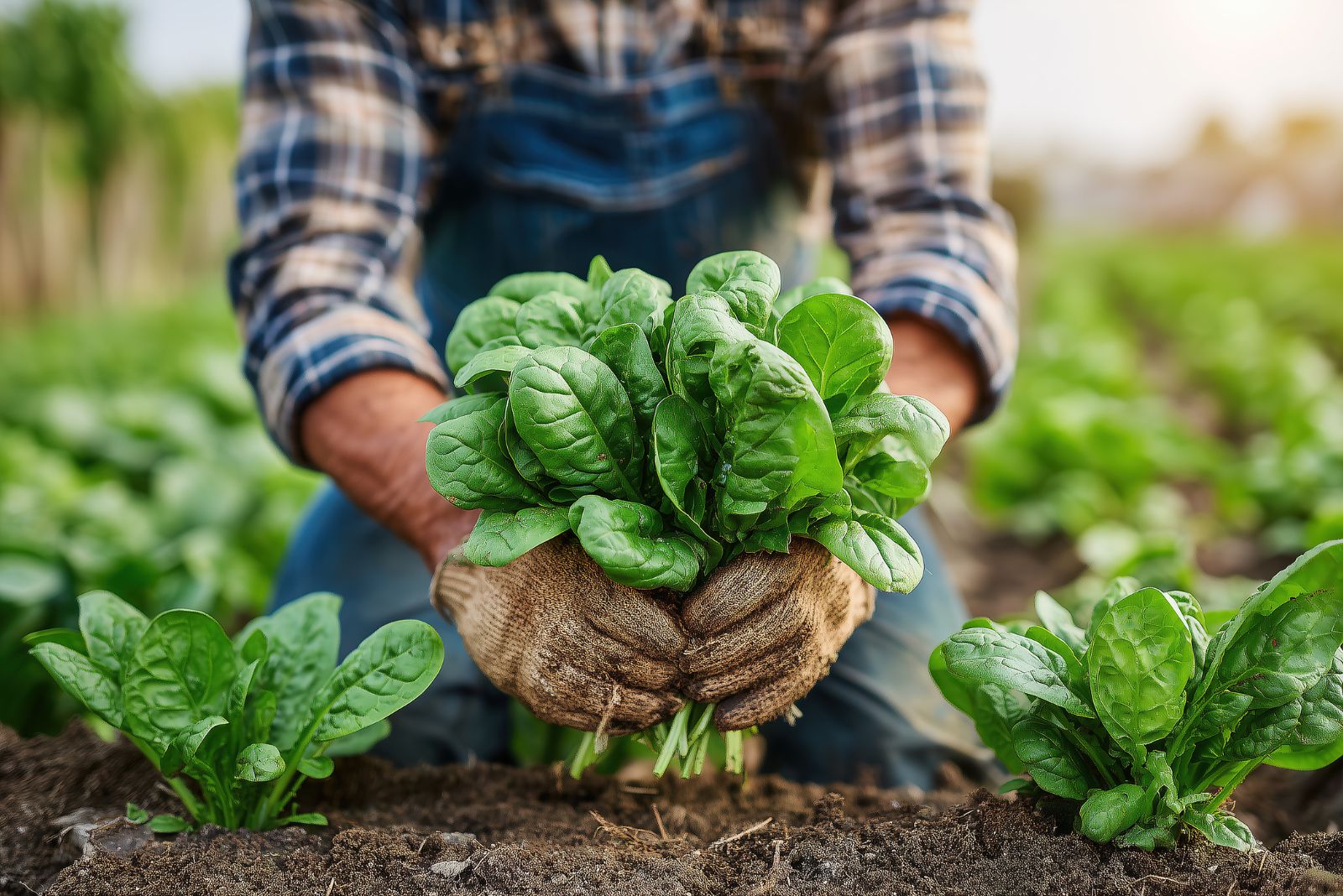
8. Spinach (Spinacia oleracea)
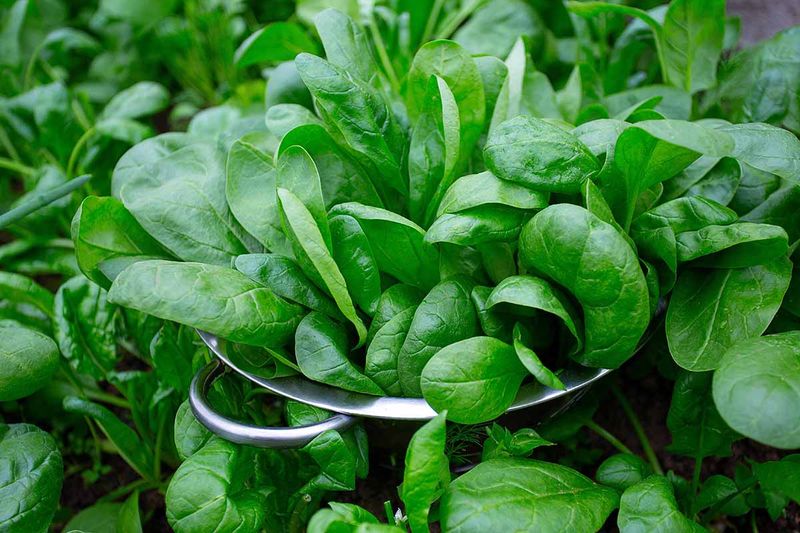
Spinach races toward flowering faster than you can harvest leaves. This cool-season green treats temperatures above 70 degrees as emergency signals. North Carolina springs warm up rapidly, triggering immediate bolting in spinach beds.
You’ll plant seeds with high hopes only to watch flower stalks appear. Leaf production stops completely once bolting begins. The brief harvest window often lasts mere days before plants become useless.
Even fall plantings struggle with lingering warm September and October weather. The plants need consistent coolness that arrives too late in autumn. By the time conditions improve, daylight hours decrease, slowing growth dramatically.
Successive plantings rarely work because the weather window stays too narrow. You cannot outwit the calendar no matter how carefully you time sowings. Spring warmth arrives suddenly, catching gardeners and spinach equally unprepared.
The leaves that do grow often taste bitter from heat stress. Quality suffers even when you manage to harvest some foliage. Your efforts produce disappointing results compared to grocery store spinach from cooler regions.
Try heat-tolerant alternatives like Malabar spinach or New Zealand spinach instead. These warm-season greens thrive in conditions that destroy regular spinach. Swiss chard also tolerates heat much better while providing similar nutrition.
9. Rutabaga (Brassica napus subsp. napobrassica)
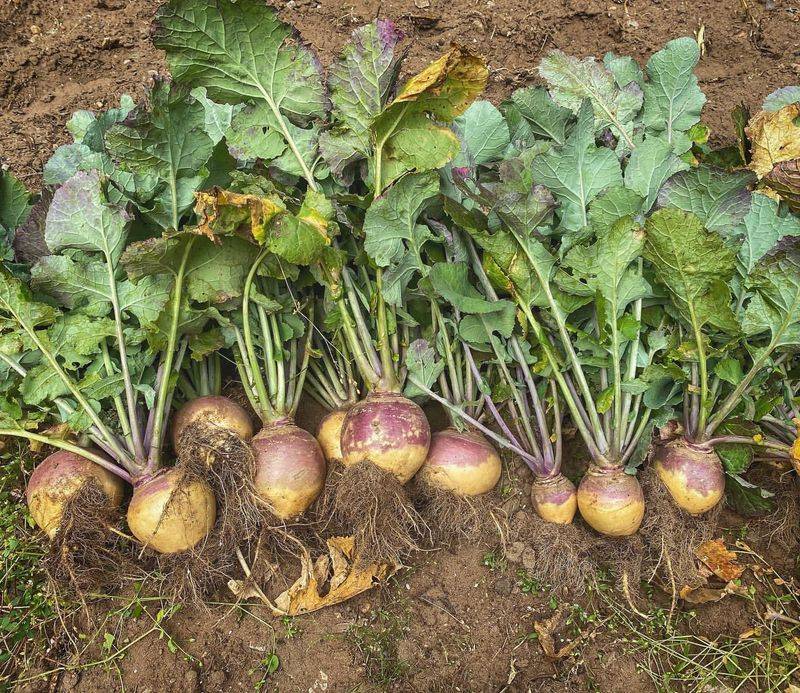
Rutabagas require patience that North Carolina weather refuses to reward. These large roots need three to four months of cool temperatures. Our growing seasons simply don’t provide this extended coolness reliably anywhere statewide.
Summer plantings fail spectacularly as heat prevents proper root development. The vegetables remain small and woody rather than growing large and sweet. You’ll wait months only to harvest disappointing, bitter roots barely worth eating.
Spring plantings race against rapidly warming weather that arrives too soon. The roots never reach full size before bolting becomes inevitable. This timing mismatch frustrates gardeners who follow traditional planting schedules.
Fall cultivation offers the best chance but still presents significant challenges. Timing must be perfect to allow maturation before hard freezes arrive. This narrow window closes quickly, leaving little room for error or weather delays.
The plants occupy garden space for months while producing minimal returns. This inefficient use of valuable bed area bothers gardeners with limited space. Other crops provide better yields in the same timeframe and conditions.
Consider turnips for similar flavor with much faster maturity times. These quick-growing roots adapt better to Carolina’s climate and temperature swings. Your harvest success improves dramatically with this practical substitution.
10. Endive And Escarole (Cichorium endivia)
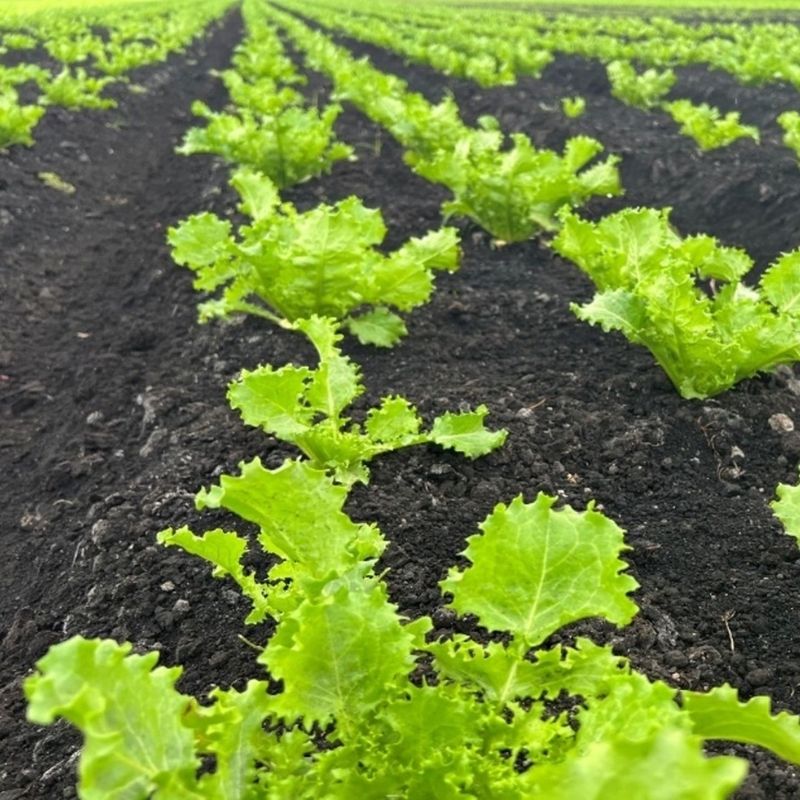
Endive and escarole demand European weather that North Carolina cannot provide. These bitter greens bolt faster than spinach when temperatures rise. Spring warmth arrives suddenly, catching these cool-season crops completely unprepared for southern conditions.
Humidity compounds heat problems, creating perfect conditions for rapid deterioration. The leaves turn increasingly bitter as plants struggle with environmental stress. You’ll harvest only briefly before quality declines below acceptable eating standards.
Consistent quality proves nearly impossible to maintain through our seasons. One warm week ruins entire plantings, triggering irreversible bolting. The narrow temperature tolerance leaves no margin for typical Carolina weather variability.
Fall plantings face similar challenges with unpredictable warm spells. September and early October often stay too hot for successful establishment. By the time conditions improve, shortened days slow growth frustratingly.
Even successful plants require blanching to reduce bitterness properly. This labor-intensive process adds extra work to already challenging cultivation. Most gardeners lack time or interest in such demanding vegetable maintenance.
The effort required rarely justifies the modest harvests you’ll achieve. Better options exist for salad greens adapted to regional conditions. Try heat-tolerant lettuces or Asian greens that forgive temperature fluctuations.
Your garden productivity increases significantly with climate-appropriate crop selections instead.