This Is The Best Time To Prune Fruit Trees In California For Bigger Harvests
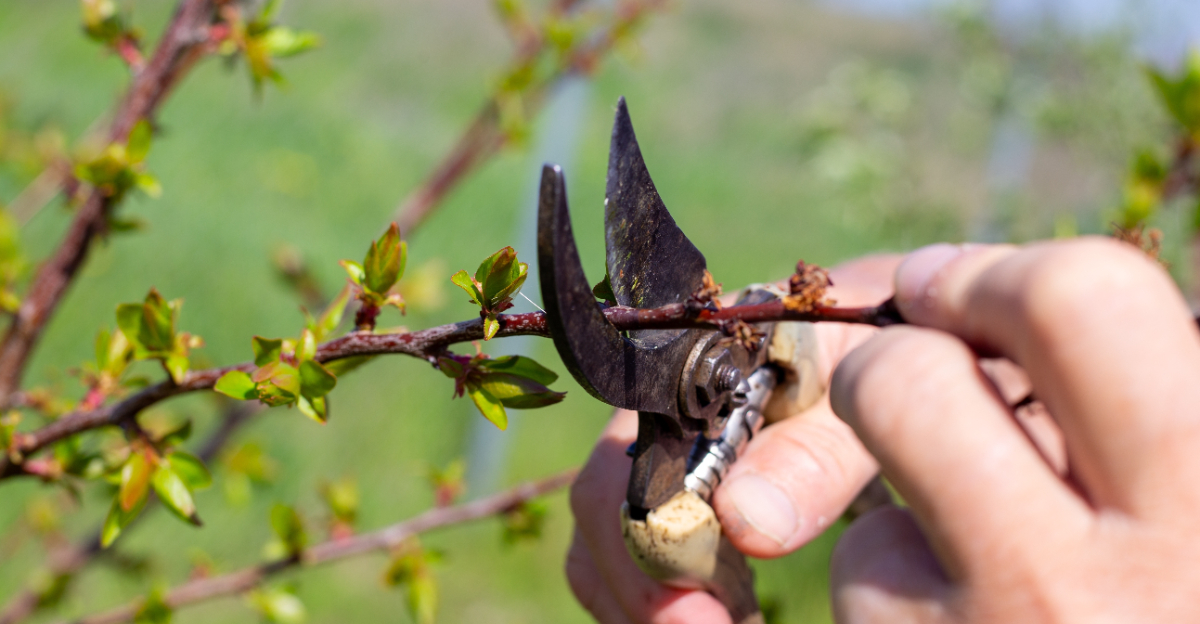
Timing is everything when it comes to pruning fruit trees in California. Cut at the right moment and you set the stage for stronger growth, better structure, and bigger harvests.
Wait too long or prune too early and you risk weak branches, fewer blossoms, and reduced fruit production. Right now offers the sweet spot growers aim for every year.
Trees are resting, sap flow is low, and branch structure is easy to see. This makes clean cuts more effective and less stressful for the plant.
Proper pruning also improves airflow and sunlight, two key factors for healthy fruit development. A short session with the right technique can shape your tree for the entire season ahead.
If you want fuller canopies, heavier yields, and healthier trees, this is the moment to act. A few smart cuts today can deliver baskets of fruit tomorrow.
1. Prune During Dormancy, Not Growth
Many California gardeners prune their fruit trees in spring when everything looks green and growing, thinking that’s when trees need shaping.
That approach actually forces trees to waste precious energy healing cuts when they should be pushing out blossoms and setting fruit.
Your harvest suffers because the tree redirects resources away from production.
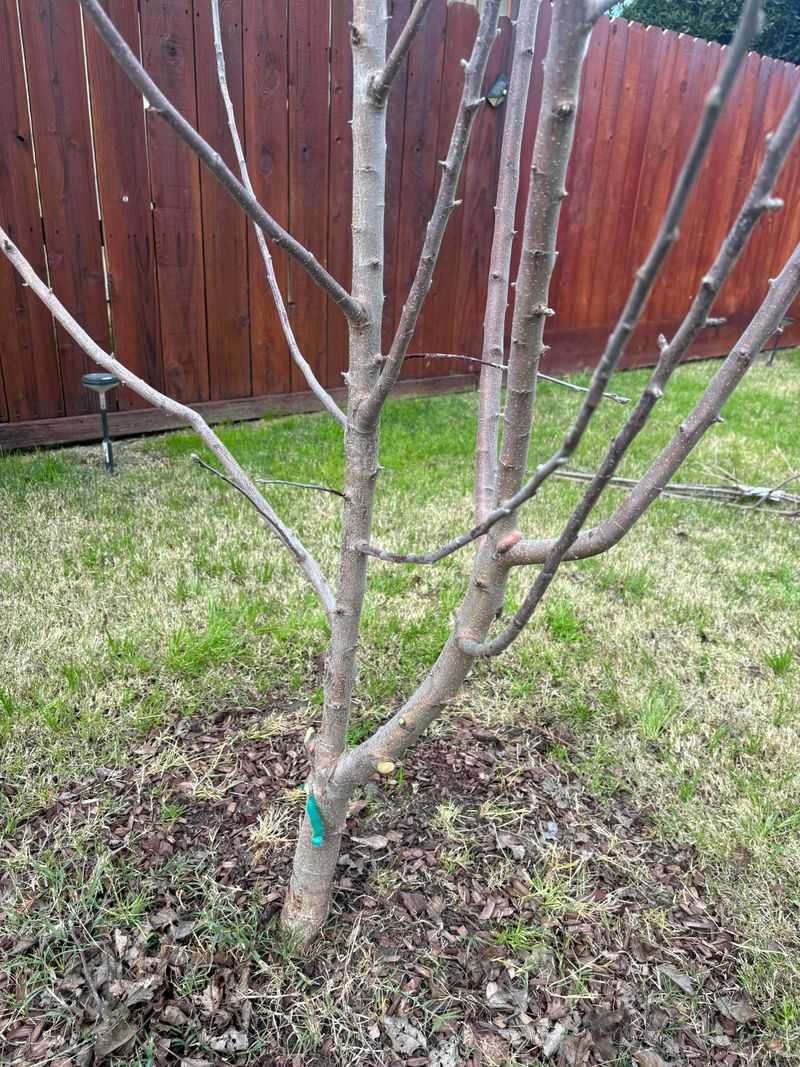
Dormant season pruning happens when trees have dropped their leaves and entered winter rest, typically between late December and early February across most of California. During dormancy, trees aren’t actively growing, so pruning cuts heal faster with less stress.
The tree saves energy for the upcoming bloom and fruit set instead of emergency wound repair.
Coastal gardeners can start pruning in late December since hard freezes rarely occur. Inland valleys should wait until mid-January when the coldest nights have usually passed.
Mountain foothill areas need patience until late January or early February to avoid freeze damage on fresh cuts.
Watch your specific trees rather than just calendar dates. When leaves have fully dropped and buds remain tight and unopened, that’s your pruning window.
Avoid pruning once buds start swelling or showing green tips, as growth has already begun and you’ll sacrifice potential fruiting wood and reduce your harvest size significantly.
2. Wait Until Frost Risk Drops
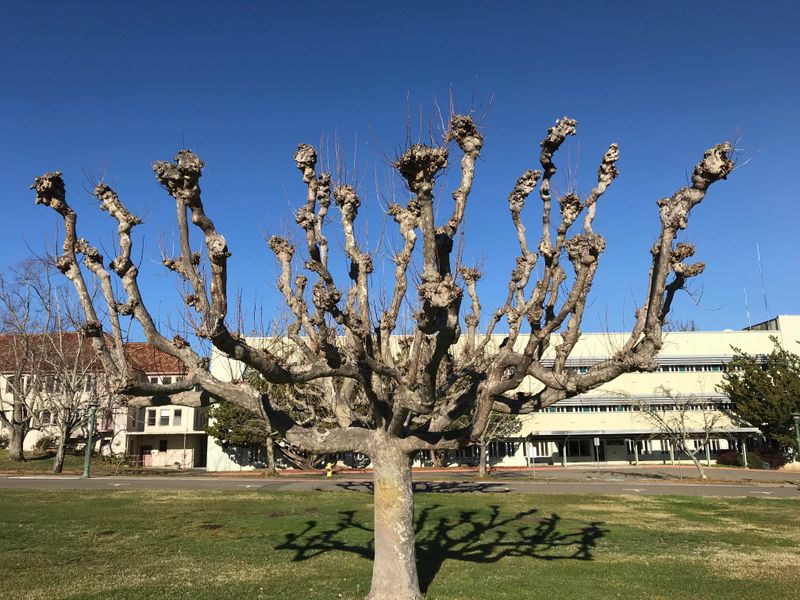
Homeowners often rush into January pruning during a warm weekend, eager to check orchard maintenance off their list. Fresh pruning cuts expose vulnerable inner wood that can suffer cellular damage when temperatures plunge below freezing shortly after cutting.
This frost injury creates entry points for disease and weakens branches that should be producing your best fruit.
California’s frost patterns vary dramatically by microclimate. Coastal regions rarely see hard freezes, so pruning can begin earlier with minimal risk.
Central Valley gardeners face frequent winter frost pockets where cold air settles in low areas, making timing more critical for backyard orchards in these zones.
Check your local frost date averages and wait until the worst cold has passed. For most inland areas, this means late January to mid-February provides the safest window.
Foothill properties above the valley floor often escape the coldest temperatures and can start slightly earlier.
Your California Garden Changes Every Week. Your Plan Should Too.
Gardening in California changes quickly throughout the season. Every Friday you’ll receive a simple weekly plan showing exactly what to plant, prune, fertilize, harvest, and protect so you never miss the right timing.
Morning pruning works best because cuts dry quickly as temperatures rise during the day. Avoid pruning right before predicted cold snaps, even if you’re within the general dormant season.
Give fresh cuts at least three to four days of mild weather to begin the healing process before any freeze arrives, protecting your tree’s productive capacity and ensuring strong fruit-bearing wood develops properly.
3. Open The Canopy For Sunlight
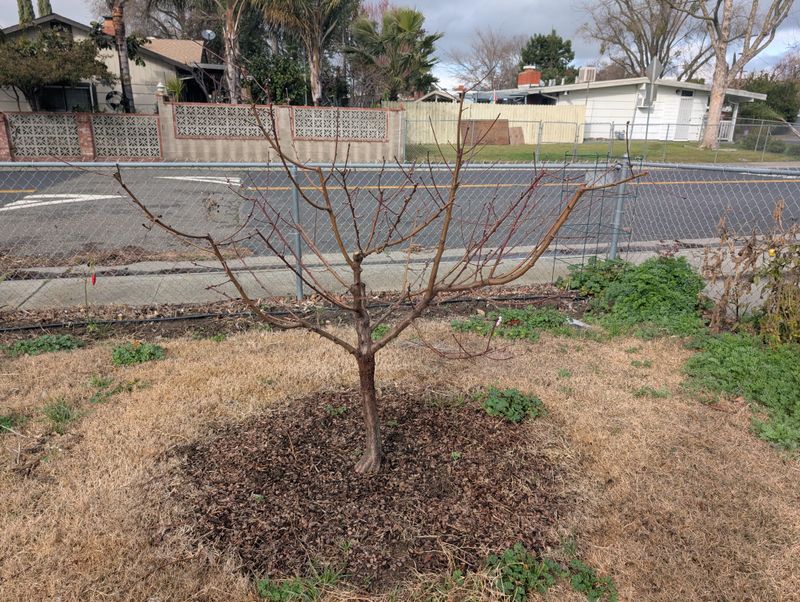
Dense, crowded canopies are incredibly common in California backyards because homeowners hesitate to remove what looks like healthy, productive wood.
Trees respond by creating shade inside their own canopy, and shaded fruit never develops full sugar content or proper size.
You end up with lots of small, mediocre fruit instead of fewer, larger, sweeter pieces worth harvesting.
Opening the canopy means removing interior branches that cross, rub, or grow toward the tree’s center. Sunlight needs to penetrate throughout the entire tree structure, reaching interior fruiting wood and lower branches.
This light exposure triggers better fruit bud formation and improves sugar development in ripening fruit.
Start by standing under your tree and looking up. If you can’t see much sky through the branches, the canopy is too dense for optimal production.
Remove enough wood so dappled sunlight reaches all levels, but don’t scalp the tree bare.
Coastal California trees can handle slightly denser canopies because marine layer clouds diffuse intense sun. Inland valley orchards need more aggressive opening since summer heat and direct sun are intense.
Foothill properties benefit from moderate opening that balances sun exposure with some shade protection during peak heat.
Proper canopy structure also improves air circulation, reducing fungal disease pressure and helping fruit dry faster after irrigation or rain, which matters significantly for fruit quality and storage potential.
4. Remove Weak Wood First
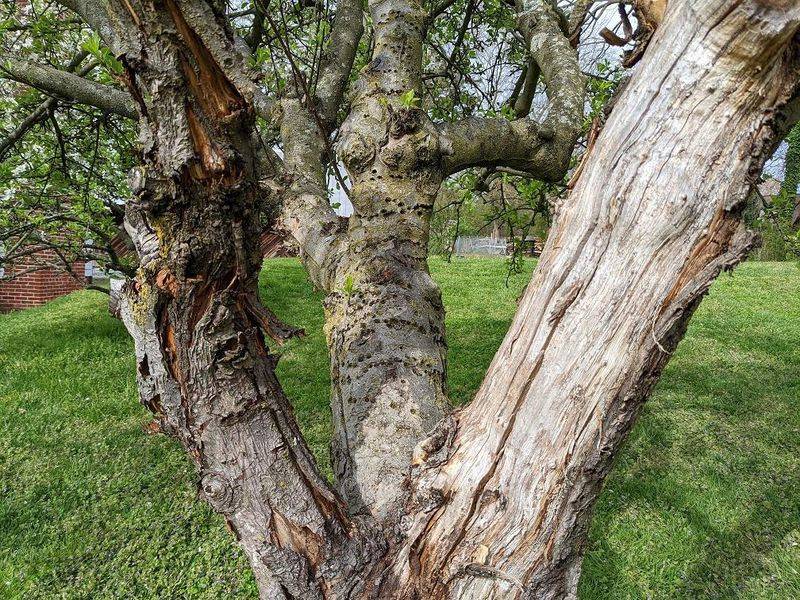
Gardeners sometimes focus on shaping their trees for appearance while leaving withered stubs and weak, spindly growth scattered throughout the canopy.
Damaged wood harbors disease and insects that spread to healthy tissue, while weak branches produce inferior fruit or break under crop weight.
Neither contributes to your harvest goals, and both drain tree resources better used elsewhere.
Begin every pruning session by walking around your tree and identifying obviously diseased, or damaged wood. Withered branches appear gray or black, break easily, and show no living buds.
Diseased wood often displays cankers, unusual swelling, or discolored bark that indicates infection.
Remove this problem wood completely, cutting back to healthy tissue where you see clean, light-colored wood inside. Weak shoots growing straight up from main branches, called watersprouts, rarely produce quality fruit and should come out entirely.
Thin, spindly growth that developed in shade also gets removed since it won’t bear well.
This cleanup work immediately improves tree health and redirects energy toward productive branches. It also lets you see the tree’s true structure more clearly, making subsequent shaping decisions easier and more effective.
Dispose of diseased wood away from your orchard area. Composting diseased material can spread problems to other plants.
Bag it for green waste pickup or burn it if local regulations allow, protecting your entire garden from potential infection cycles that reduce future harvests.
5. Use Thinning Cuts For Better Fruit Size
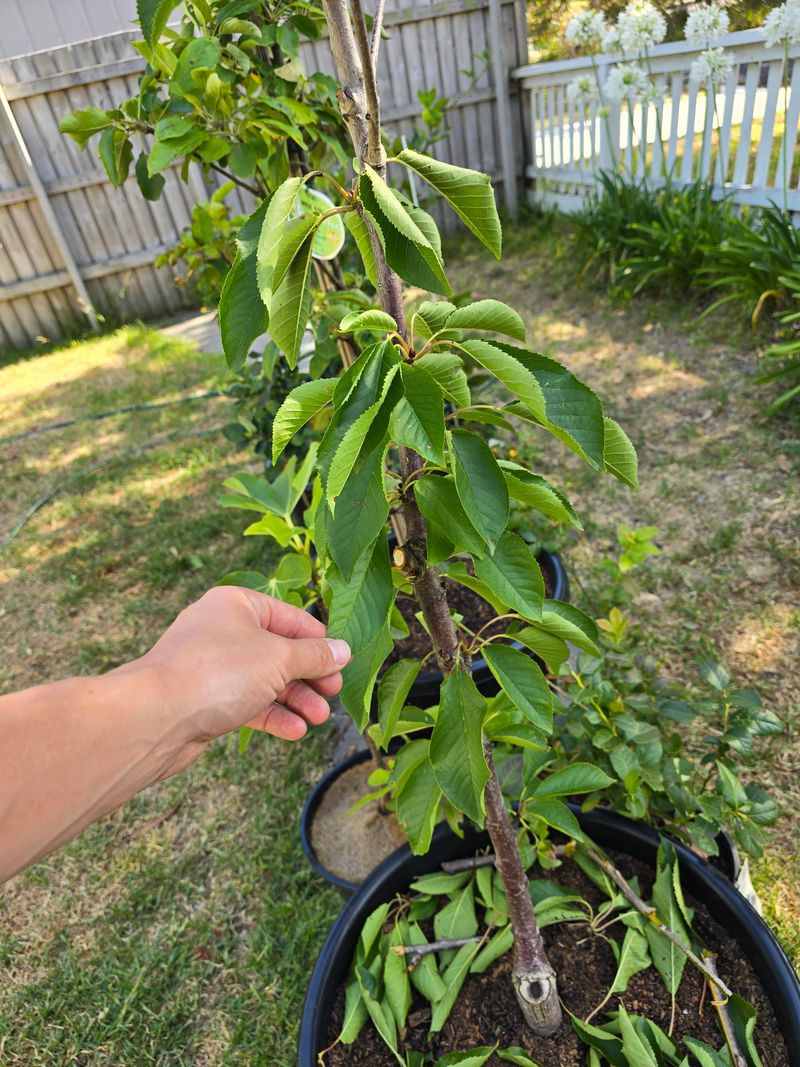
Most homeowners make heading cuts that shorten branches by cutting partway along their length, which triggers multiple new shoots to sprout near the cut.
These shoots create bushy growth that crowds the canopy and produces lots of small fruit instead of the large, impressive pieces you want.
Heading cuts have their place, but overusing them works against harvest quality.
Thinning cuts remove entire branches back to their point of origin, whether that’s the trunk, a main scaffold branch, or a lateral branch. This technique reduces overall branch numbers without triggering excessive regrowth.
Trees respond by directing energy into remaining branches, which produce larger, better-quality fruit.
Select branches to thin by looking for those growing toward the tree’s center, crossing other branches, or duplicating the same space as a better-positioned branch.
Cut flush with the branch collar, the slight swelling where branches connect, without leaving stubs or cutting into the collar itself.
Thinning also improves fruit spacing naturally. When you remove competing branches, remaining fruiting wood has more resources available.
Each fruit gets better nutrition, more sunlight, and develops to full size potential.
California’s long growing season means properly thinned trees can support impressive crops without breaking branches. Coastal areas with moderate temperatures produce particularly well when trees are properly thinned, while inland gardens benefit from the improved air circulation that thinning provides during hot summer months.
6. Adjust Timing By Fruit Type
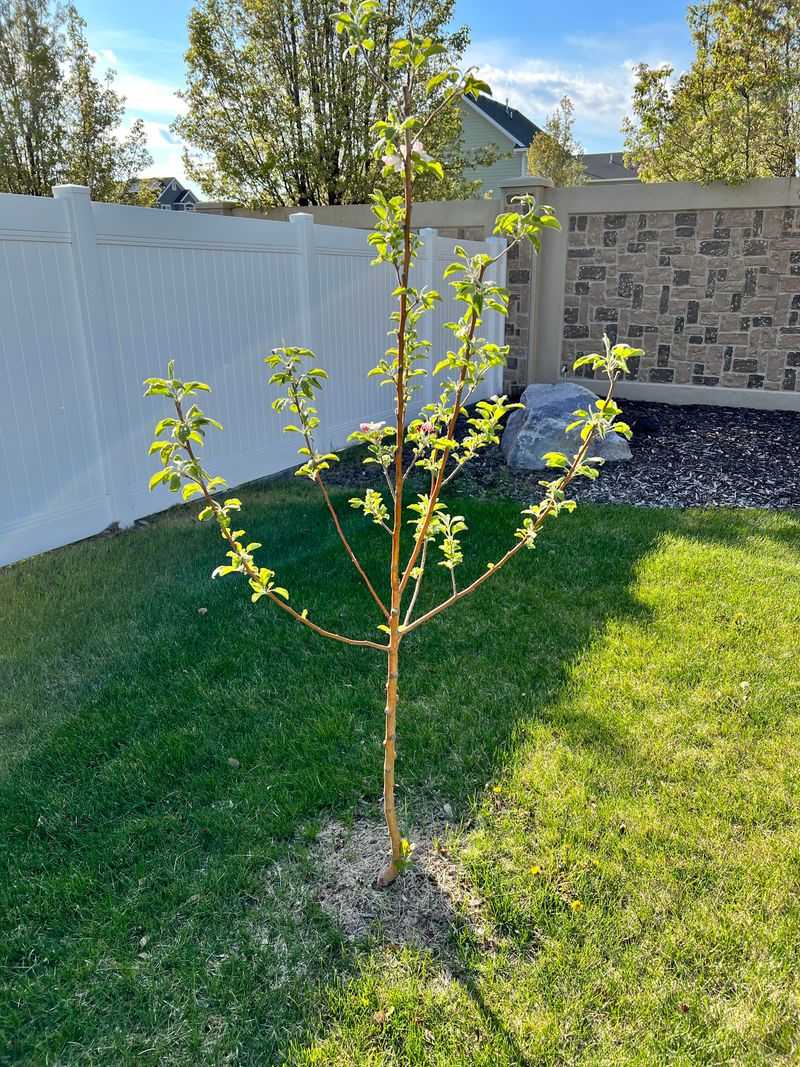
Treating all fruit trees the same is a common mistake that reduces harvest potential across your entire orchard. Different fruit types have different growth patterns, disease susceptibilities, and optimal pruning windows.
Stone fruits, pome fruits, and citrus each need specific timing for best results, and California’s climate adds another layer of regional variation.
Stone fruits like peaches, nectarines, plums, and apricots should be pruned later in the dormant season, ideally mid-February to early March. These trees are highly susceptible to fungal diseases that spread through wet winter pruning cuts.
Later pruning means drier weather and faster healing, significantly reducing disease pressure.
Apples and pears, the pome fruits, tolerate earlier pruning and can be addressed in February across most California regions. These trees are less disease-prone and benefit from pruning before active growth begins.
Citrus trees follow completely different rules since they’re evergreen and don’t go dormant. Light shaping can happen almost anytime, but avoid heavy pruning before winter cold or during active bloom.
Late February through March works well for structural citrus pruning in most California areas.
Figs produce best with minimal pruning, just removing withered wood and suckers. Persimmons need very light pruning to maintain structure.
Cherries should be pruned in late summer after harvest to avoid disease issues that plague spring-pruned cherry trees throughout California’s diverse growing regions.
7. Support Trees After Pruning
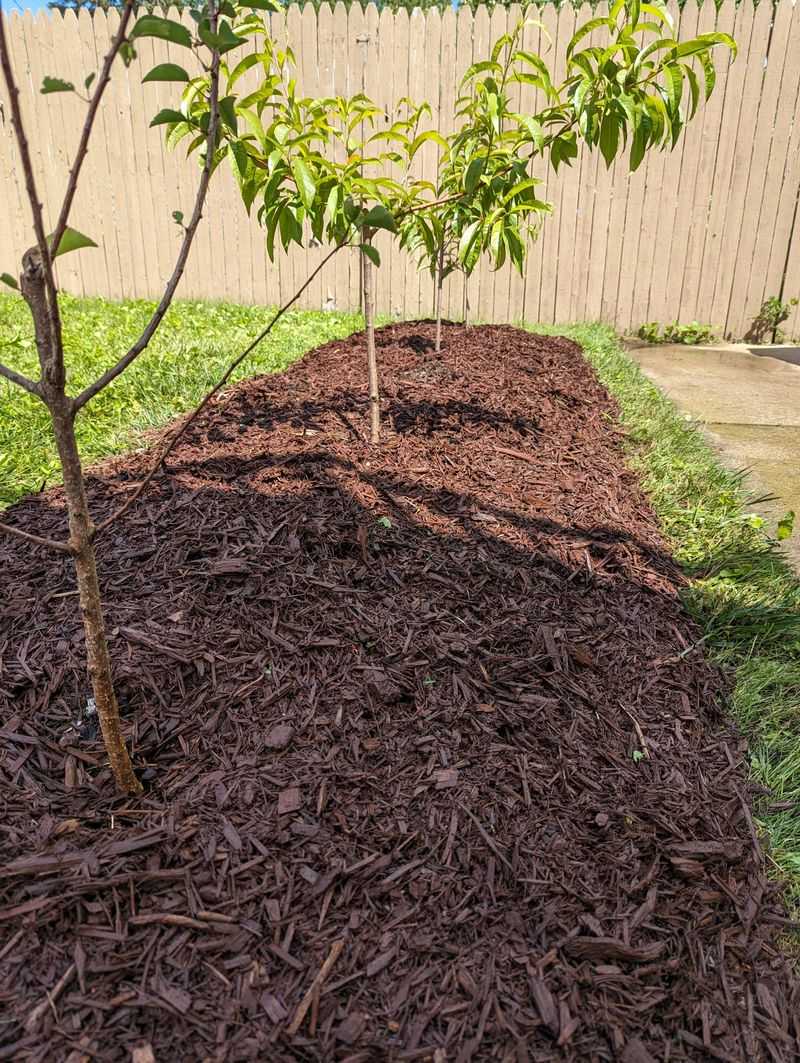
Many gardeners prune their trees and then walk away, assuming the work is done. Pruning creates stress regardless of how carefully you time and execute cuts.
Trees need appropriate support during their recovery period to maximize the harvest benefits your pruning work should deliver. Neglecting post-pruning care wastes the effort you invested and can actually reduce yields.
Water deeply after pruning, even during winter dormancy. California’s dry winters mean soil moisture drops significantly, and trees need adequate water to heal cuts and prepare for spring growth.
Drip irrigation or deep hand watering every two to three weeks during dry periods keeps trees healthy without overwatering.
Apply a fresh layer of organic mulch around the tree’s drip line, keeping it several inches away from the trunk. Mulch conserves moisture, moderates soil temperature, and feeds beneficial soil organisms that support tree health.
Well-mulched trees show better growth and fruit production than those growing in bare soil.
Avoid fertilizing immediately after pruning. Wait until you see active spring growth beginning, then apply a balanced organic fertilizer according to package directions.
Early fertilization can push excessive vegetative growth at the expense of fruit production.
Monitor pruning cuts for signs of disease or pest problems during spring. Properly timed cuts heal quickly, but occasional issues arise.
Catching problems early prevents them from compromising your harvest later in the season.