13 Backyard Trees That Stay Small But Provide Big Shade In North Carolina
Standing in a North Carolina backyard on a hot summer afternoon makes one thing very clear. Shade is priceless. The challenge is that many homeowners want cooling relief without planting trees that eventually tower over the house or crowd the yard.
That is where small but mighty shade trees come in. These compact growers stay manageable in size while still creating cool pockets of relief, lowering temperatures, and making outdoor spaces more comfortable.
They fit well in tight lots, near patios, and along fences where large trees would cause problems. With the right choices, you can enjoy leafy coverage, better curb appeal, and less maintenance all at once.
If you have been dreaming about a cooler backyard but worry about space or long term growth, these shade trees offer the perfect middle ground. Let’s find the ones that work best for North Carolina yards.
1. Dogwood (Cornus Florida)
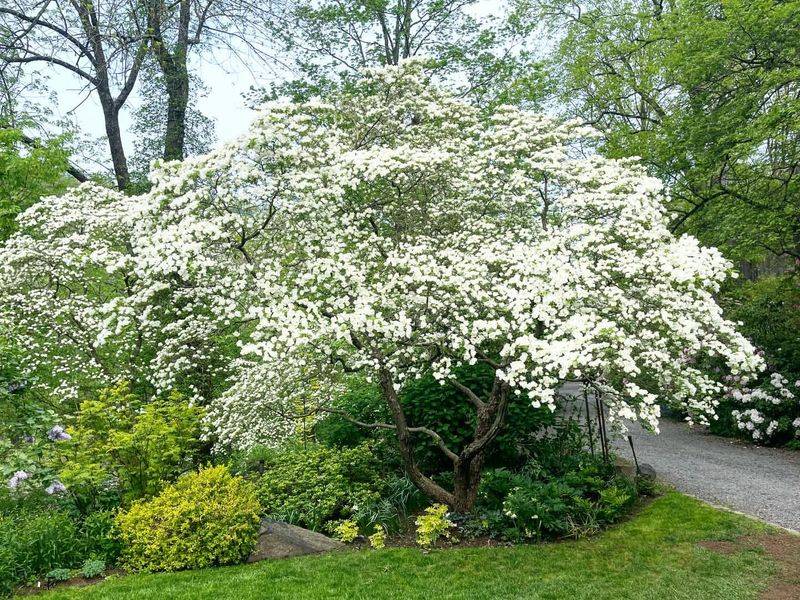
Few trees capture the essence of Southern spring quite like the flowering dogwood. Its white or pink blossoms arrive each April, transforming neighborhoods into postcard-perfect scenes.
This native beauty reaches just 15 to 25 feet tall, making it ideal for yards where space comes at a premium.
The spreading canopy creates a comfortable umbrella of shade perfect for patio areas. Branches grow horizontally in distinctive layers, giving the tree an architectural quality even in winter. Fall brings another show when leaves turn deep burgundy and bright red.
Dogwoods prefer partial shade, especially protection from intense afternoon sun. They thrive in North Carolina’s acidic soil and appreciate consistent moisture without waterlogging.
Plant them away from lawn areas where grass competes for nutrients and water. Consider the tree’s mature width when choosing a location, typically 20 to 25 feet across. Morning sun with afternoon shade provides optimal growing conditions.
Mulch around the base helps retain moisture and regulate soil temperature. Spring blooms attract pollinators while fall berries feed songbirds. The tree’s moderate growth rate means you won’t wait decades for shade.
With proper placement and care, dogwoods become beloved focal points that enhance property value and daily enjoyment of outdoor spaces.
2. Redbud (Cercis Canadensis)
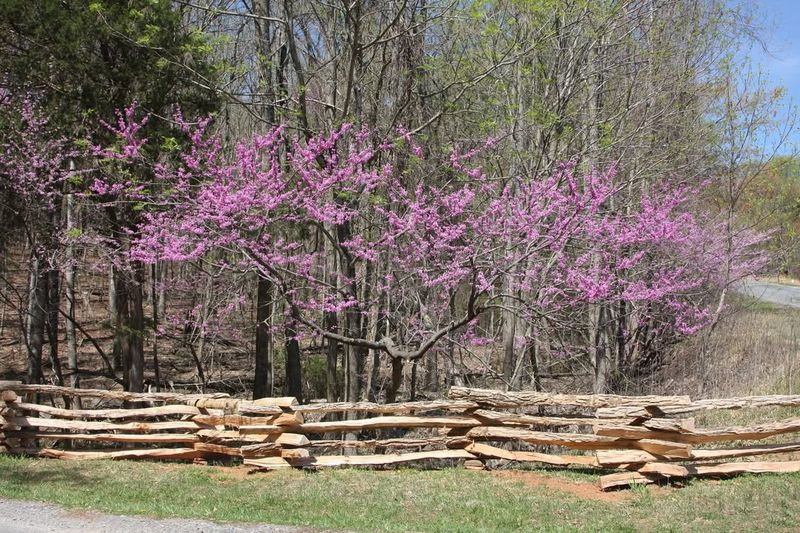
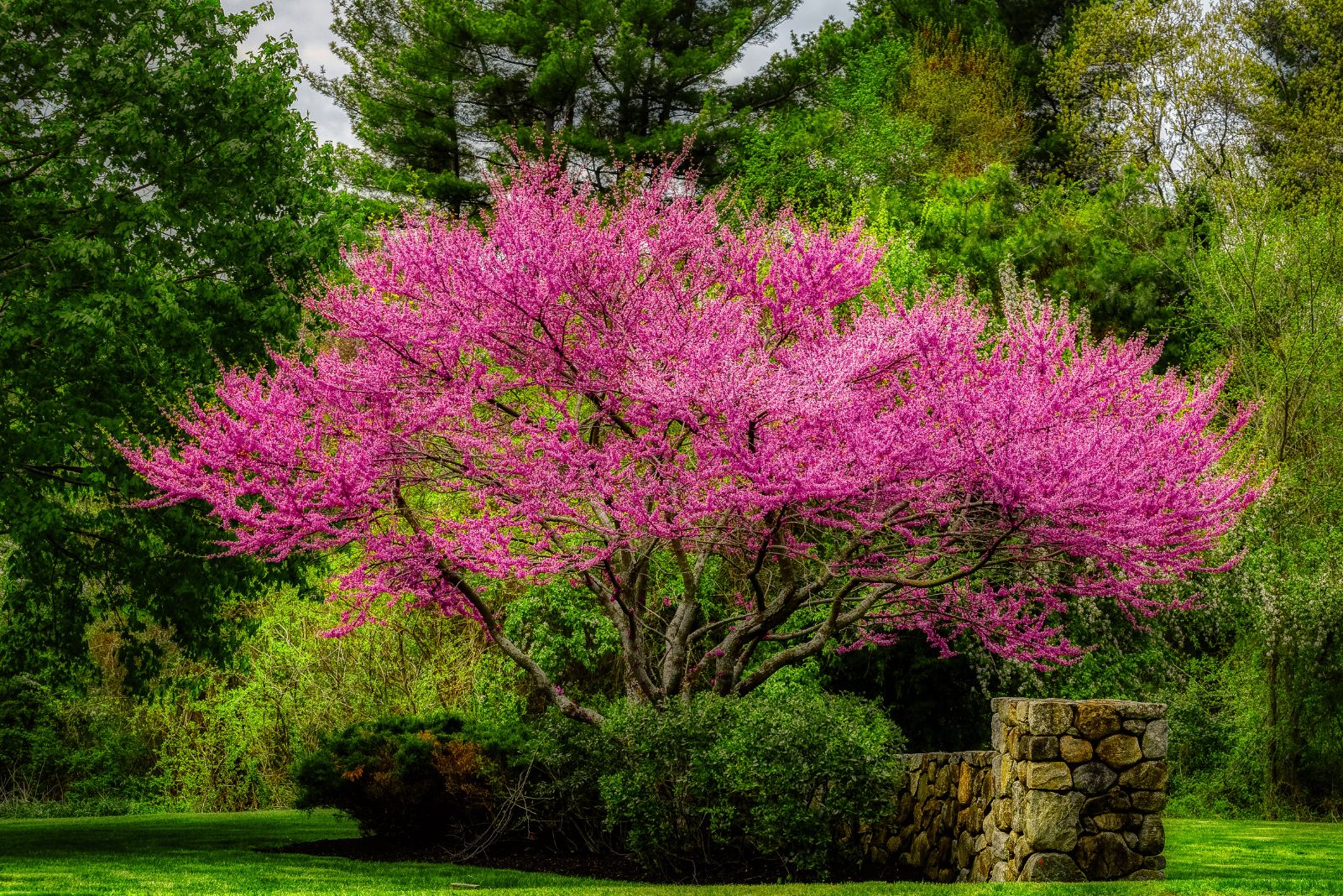
Before most trees even think about leafing out, redbuds burst into color. Vivid magenta-pink flowers cover bare branches in early spring, creating a stunning display that announces winter’s end.
This compact native grows 20 to 30 feet tall with a rounded, vase-shaped form that fits beautifully in smaller yards.
Heart-shaped leaves emerge after flowering, providing filtered shade throughout summer months. The foliage creates a dappled light effect, perfect for understory plantings or comfortable seating areas.
Leaves start out with a reddish tint before maturing to blue-green. Redbuds adapt well to various soil types common in North Carolina. They tolerate clay, loam, and sandy conditions as long as drainage remains adequate.
These trees handle both full sun and partial shade, though some afternoon protection helps in hotter regions.
Branches grow in graceful layers that complement contemporary and traditional landscapes alike. The tree requires minimal pruning to maintain its natural shape. Fall brings golden-yellow foliage that adds another seasonal highlight.
Your North Carolina Garden Changes Every Week. Your Plan Should Too.
Gardening in North Carolina changes quickly throughout the season. Every Friday you’ll receive a simple weekly plan showing exactly what to plant, prune, fertilize, harvest, and protect so you never miss the right timing.
Wildlife benefits include early nectar for bees and butterflies when few other sources exist.
Seedpods that follow flowers provide food for birds. Redbuds work wonderfully as specimen trees, in groupings, or along property borders where their spring show can be appreciated from multiple angles.
3. Japanese Maple (Acer Palmatum)
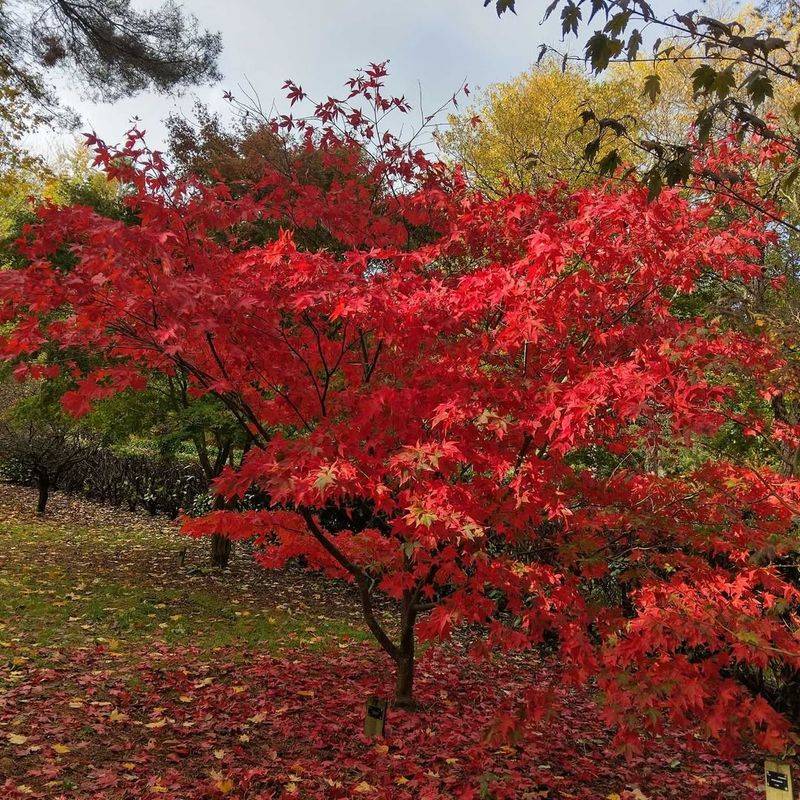
Elegance defines the Japanese maple, with its refined branching and spectacular foliage. Varieties range from 10 to 25 feet depending on cultivar selection.
Leaf colors span from burgundy and crimson to chartreuse and orange, with many changing dramatically through seasons.
The delicate, palm-shaped leaves create an artistic canopy that filters sunlight beautifully. Branches grow in graceful patterns that look stunning even without foliage. This tree transforms any space into a contemplative garden retreat.
Partial shade suits Japanese maples best in North Carolina’s climate. Morning sun with afternoon protection prevents leaf scorch during summer heat. Well-draining, slightly acidic soil encourages healthy growth and vibrant color.
Dwarf varieties fit perfectly in small courtyards or near patios. Larger cultivars work as focal points in open lawn areas. The tree’s slow to moderate growth rate means years of enjoyment without overwhelming your space.
Fall color rivals spring’s new growth, with leaves turning brilliant shades before dropping. Winter reveals the tree’s sculptural branching pattern and smooth bark. Mulching helps maintain consistent soil moisture and temperature.
Japanese maples complement Asian-inspired gardens but also enhance traditional Southern landscapes.
Their refined appearance adds sophistication without appearing fussy. Container growing works for the smallest varieties, bringing portable shade and beauty to decks and patios where permanent planting isn’t possible.
4. Fringe Tree (Chionanthus Virginicus)
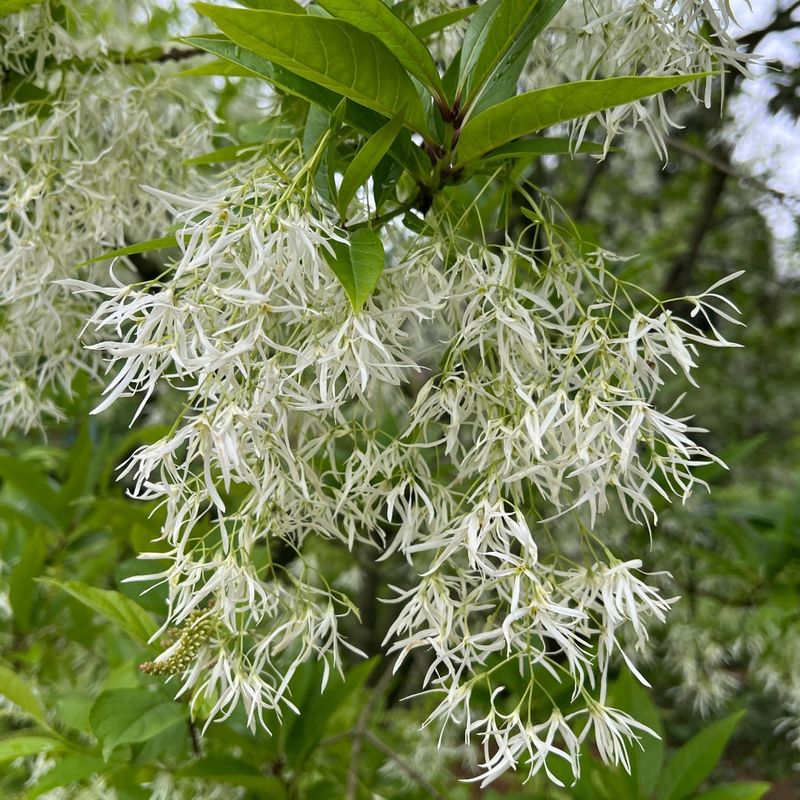
When fringe tree blooms in late spring, neighbors will stop to admire it. Fragrant white flowers hang in loose clusters, resembling shredded cotton or fringe.
This native treasure grows 12 to 20 feet tall with an equally wide spread, creating a cloud of shade perfect for smaller properties.
The tree’s common name perfectly describes those distinctive blooms. Individual flowers have narrow, ribbon-like petals that flutter in the breeze. Their sweet fragrance attracts beneficial insects and delights anyone nearby.
Fringe trees tolerate various growing conditions but prefer moist, well-drained soil. They handle both sun and partial shade in North Carolina landscapes. The tree’s adaptability makes it easier to place than more finicky ornamentals.
Dark blue fruits appear on female trees in late summer, providing food for birds. Fall foliage turns golden-yellow, adding another season of interest. The tree’s moderate growth rate means manageable maintenance over time.
Bark becomes attractively furrowed with age, adding winter interest. Multiple trunks often develop naturally, creating an appealing multi-stemmed form. Pruning needs remain minimal once the tree establishes its shape.
This native species supports local ecosystems better than imported ornamentals. It rarely suffers from serious pest or disease problems. Fringe trees work beautifully as understory plantings beneath taller trees or as standalone specimens in sunny locations.
5. Crabapple (Malus Spp.)
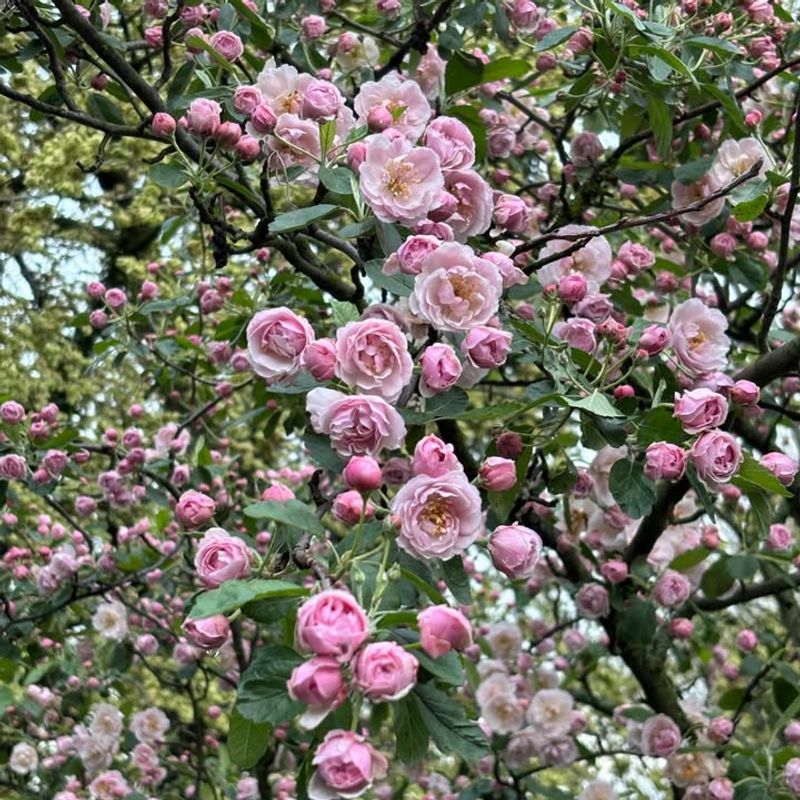
Crabapples deliver spectacular spring flower displays that rival cherry blossoms. Blooms appear in shades of white, pink, and red depending on variety. These small trees typically reach 15 to 20 feet tall, offering substantial shade without dominating your yard.
Spring blossoms cover branches so densely that foliage almost disappears beneath the color. The floral show lasts several weeks, creating a stunning focal point. Sweet fragrance fills the air and attracts pollinators.
Small fruits that give crabapples their name appear in summer and persist into winter. Modern disease-resistant varieties have been developed specifically for hassle-free growing.
Choose cultivars bred for North Carolina’s climate to minimize maintenance issues. Rounded canopies provide excellent shade for patios, play areas, or garden seating.
The tree’s dense branching creates substantial coverage despite its compact size. Fall foliage ranges from yellow to orange-red before dropping.
Crabapples prefer full sun and well-drained soil. They tolerate urban conditions better than many flowering trees. Proper variety selection prevents the messy fruit drop some older types produce.
Wildlife benefits include food for birds and shelter for beneficial insects. The tree’s moderate growth rate allows you to enjoy its beauty relatively quickly.
Crabapples work wonderfully as specimen trees, in rows along driveways, or grouped in larger landscapes where their seasonal shows create maximum impact.
6. Serviceberry (Amelanchier Canadensis)
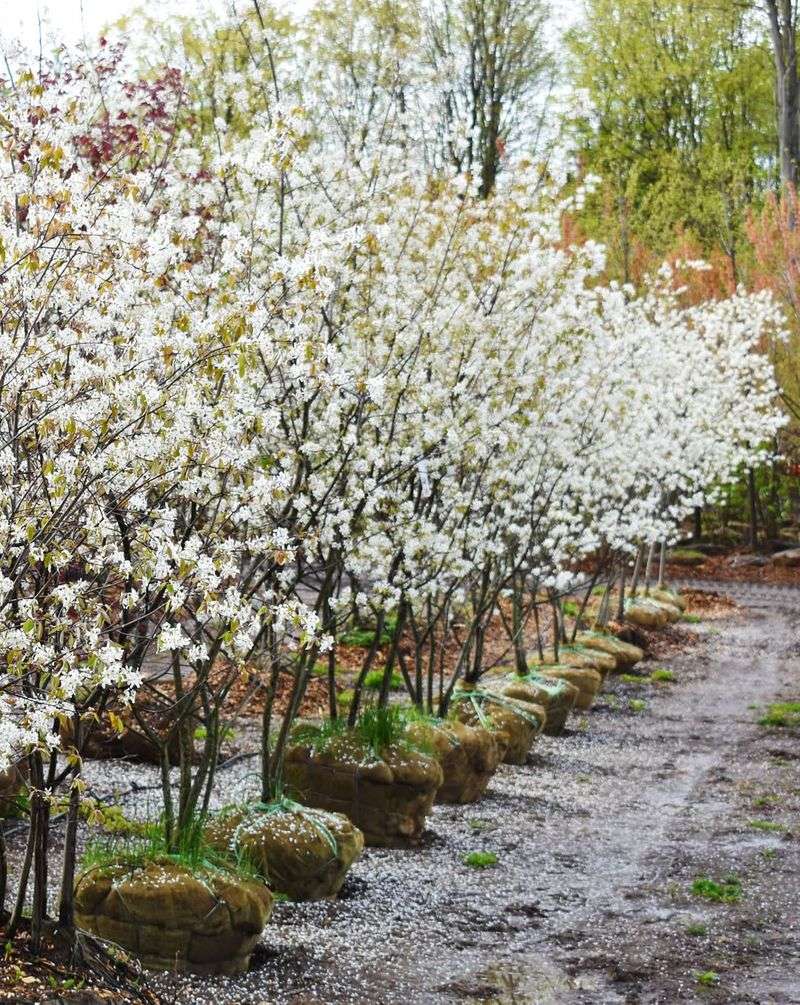
Serviceberry offers something special in every season. White flowers bloom in early spring before leaves fully emerge. Edible berries ripen to dark purple in June, and fall foliage blazes in shades of orange and red.
This native multi-stemmed tree grows 15 to 25 feet tall, providing light, filtered shade. The sweet berries taste similar to blueberries and attract numerous bird species.
You can harvest them for pies, jams, or fresh eating if you beat the birds to them. This edible aspect adds practical value beyond ornamental beauty.
Serviceberry adapts to various soil types and moisture levels. It tolerates both full sun and partial shade throughout North Carolina. The tree’s flexibility makes placement easier than more demanding species.
Smooth gray bark becomes more interesting with age, adding winter appeal. Multiple slender trunks create an elegant, upright form that fits well in tight spaces. The tree rarely requires extensive pruning to maintain its shape.
Light shade from serviceberry’s open canopy allows grass or shade-loving perennials to grow beneath. This makes it ideal for layered landscape designs. The tree supports local wildlife better than non-native alternatives.
Fall color rivals any ornamental tree, with leaves turning brilliant hues. Serviceberry works beautifully as a naturalized planting, in mixed borders, or as a small specimen tree where its multi-season interest can be fully appreciated.
7. Sourwood (Oxydendrum Arboreum)
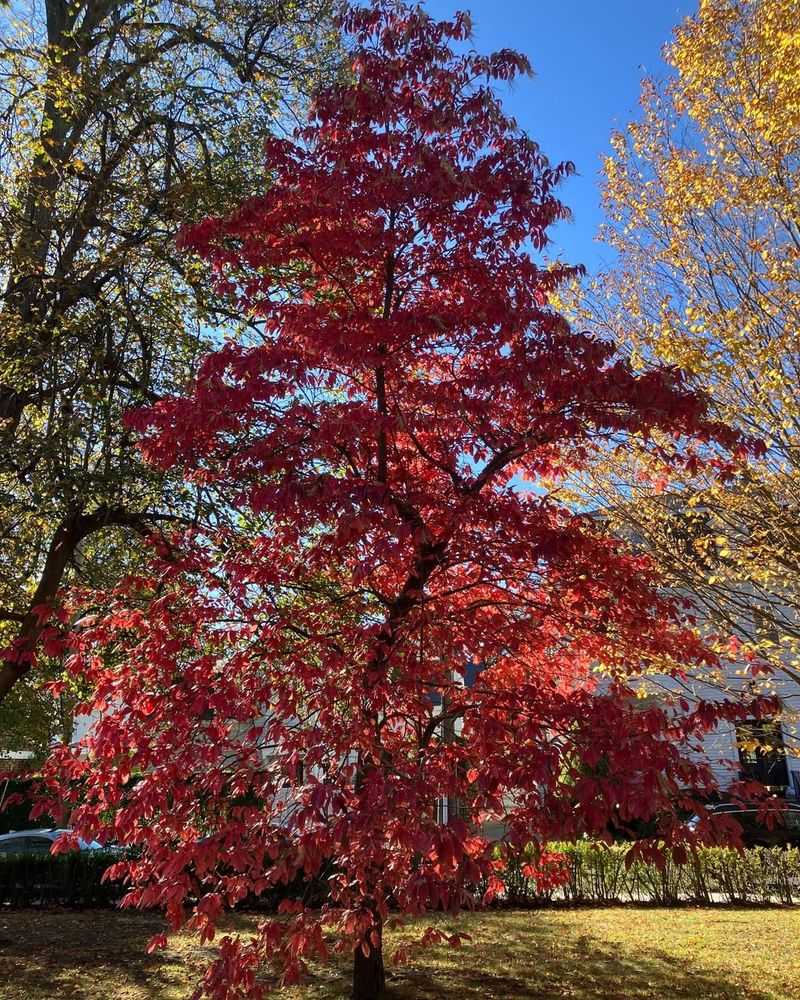
Sourwood earns its place through stunning fall color and unique summer blooms. Fragrant white flowers hang in drooping clusters resembling lily-of-the-valley during midsummer.
This native tree grows 20 to 30 feet tall with a pyramidal to rounded form, casting filtered shade perfect for southern gardens.
The tree’s common name comes from sour-tasting leaves. Fall foliage turns brilliant shades of scarlet, burgundy, and purple, often beginning in late summer. This early color change makes sourwood stand out when other trees remain green.
Sourwood prefers acidic soil and consistent moisture, conditions naturally present in much of North Carolina. It grows best in full sun to partial shade. The tree’s moderate growth rate and manageable size suit residential landscapes.
Honey produced from sourwood flowers is highly prized for its distinctive flavor. Beekeepers specifically seek out sourwood trees for this valuable honey. Summer blooms also attract butterflies and other beneficial pollinators.
Bark develops interesting furrows and ridges as the tree matures. Winter branching patterns show attractive structure. The tree rarely suffers from serious pest or disease problems.
Sourwood works wonderfully as a specimen tree where its fall color can be showcased. It naturalizes well in woodland settings or mixed plantings.
The tree’s filtered shade allows understory plants to thrive while still providing comfortable coverage for outdoor spaces beneath its canopy.
8. Flowering Dogwood Hybrids (Cornus Florida Hybrids)
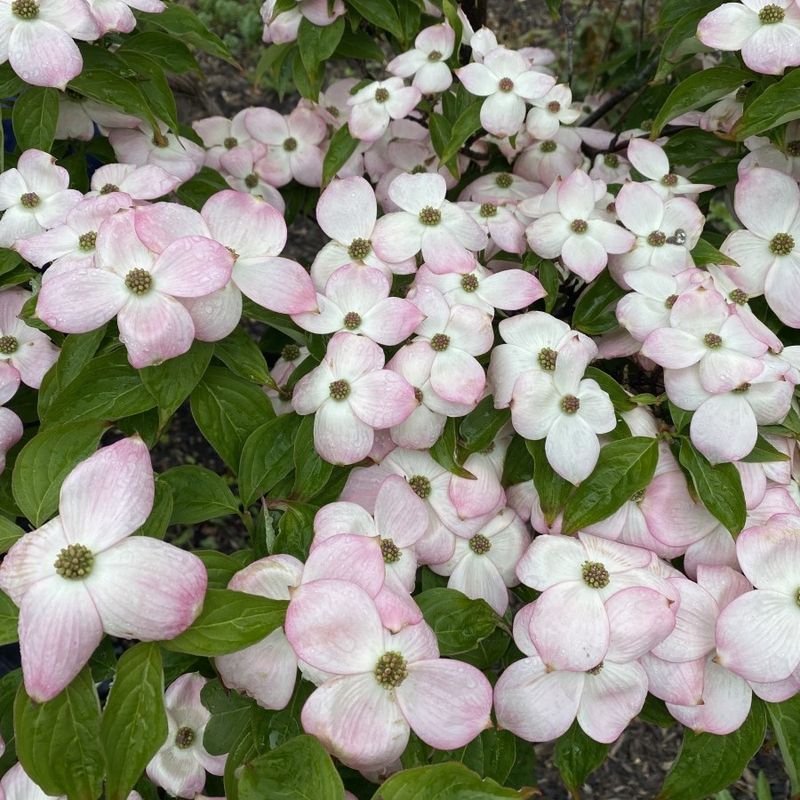
Modern breeding has created dogwood hybrids with superior disease resistance. These improved varieties maintain the beloved characteristics of traditional dogwoods while standing up to anthracnose and other problems.
Compact cultivars reach 15 to 25 feet tall, delivering classic beauty without the worries. Hybrid vigor means stronger growth and better performance in challenging conditions. Flowers still appear in spring with the same romantic appeal.
Breeders have developed varieties with enhanced flower size, unique colors, and improved heat tolerance.
These hybrids adapt better to full sun than their native parents. They tolerate urban conditions and less-than-ideal soil more readily. This resilience makes them practical choices for North Carolina yards where traditional dogwoods struggle.
Fall color remains impressive, with leaves turning burgundy and red. Berries feed songbirds through autumn and winter. The tree’s layered branching creates substantial shade despite compact size.
Named cultivars offer predictable characteristics, from flower color to mature height. This allows precise landscape planning. Many hybrids resist both powdery mildew and spot anthracnose that plague older varieties.
Hybrid dogwoods require the same care as traditional types but deliver better results. Morning sun with afternoon shade still provides ideal conditions. Mulching and proper watering establish healthy trees that thrive for decades.
These improved varieties let you enjoy dogwood beauty without the frustration of watching a beloved tree decline from disease.
9. Carolina Silverbell (Halesia Carolina)
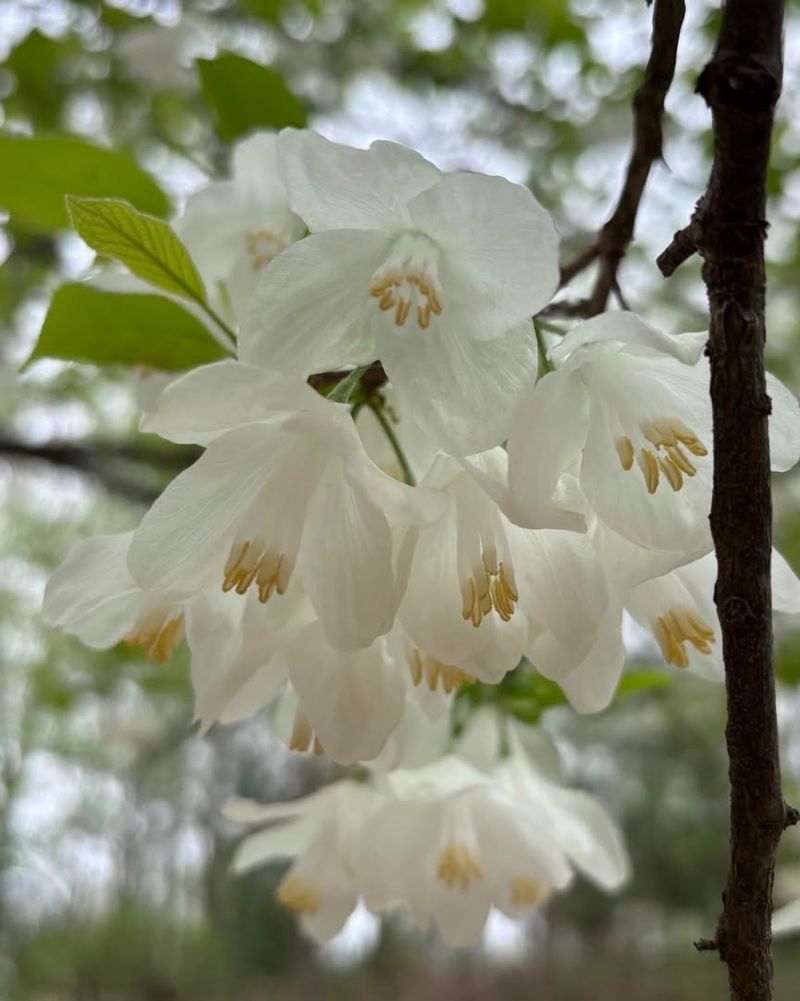
Delicate bell-shaped flowers dangle from every branch when Carolina silverbell blooms in spring. These white to pale pink blossoms create an enchanting display that seems almost magical.
This native tree grows 20 to 30 feet tall with an open, rounded canopy that provides light, dappled shade.
The flowers appear just as leaves emerge, creating a beautiful combination of fresh green and white. Each bloom hangs downward like a tiny bell, inspiring the tree’s common name. Their subtle beauty rewards close observation.
Carolina silverbell prefers moist, well-drained acidic soil common in North Carolina. It grows naturally in woodland settings, making it perfect for shaded gardens. The tree tolerates full sun to partial shade.
Four-winged fruits follow flowers, adding textural interest through summer and fall. Fall foliage turns golden-yellow before dropping. The tree’s graceful branching pattern shows well even in winter.
This native species supports local ecosystems and wildlife better than imported ornamentals. It rarely faces serious pest or disease issues. The tree’s moderate growth rate keeps maintenance manageable.
Silverbell works beautifully as an understory tree beneath taller species or as a specimen in partially shaded locations. Its open canopy allows light to filter through for shade-loving plants below.
The tree naturalizes well in woodland gardens while also enhancing more formal landscapes with its refined appearance and seasonal interest.
10. Hawthorn (Crataegus Spp.)
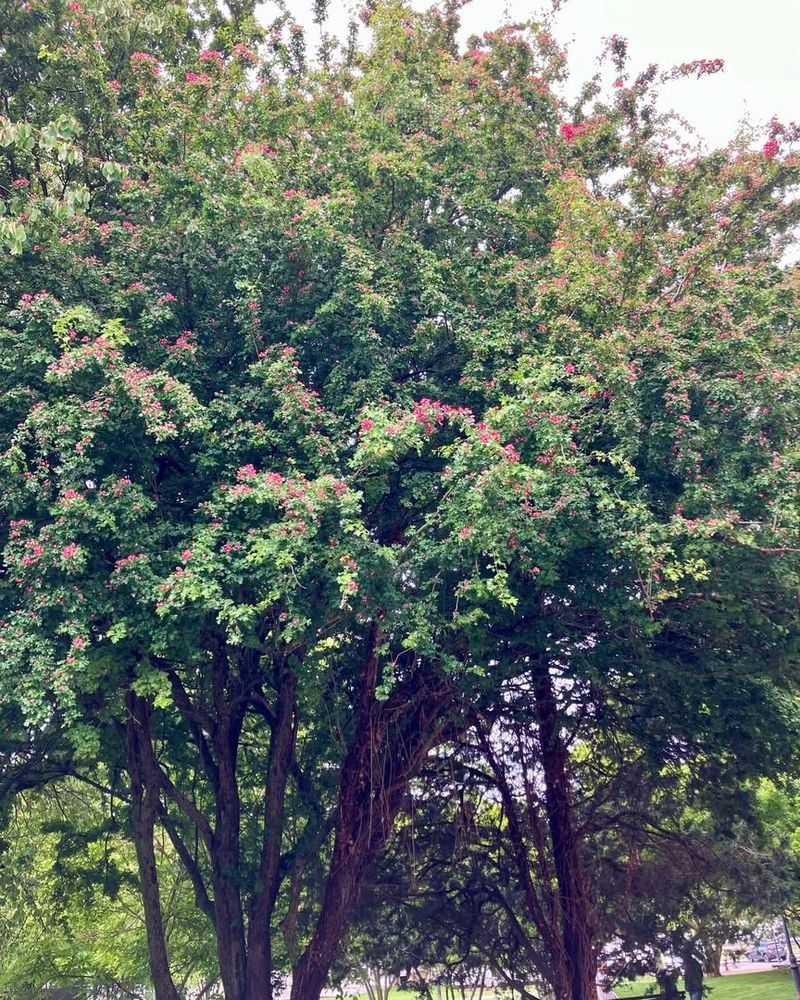
Hawthorns pack incredible value into compact frames. Spring flowers blanket branches in white or pink clusters. Small red fruits follow, persisting into winter and feeding numerous bird species.
These hardy trees grow 15 to 25 feet tall, creating substantial shade while supporting local wildlife.
Thorny branches provide excellent nesting sites and protection for songbirds. This wildlife value exceeds most ornamental trees. Fall foliage turns shades of orange, scarlet, and burgundy before dropping.
Hawthorns tolerate a wide range of soil conditions common in North Carolina. They handle clay, rocky soil, and moderate drought once established. Full sun brings the best flowering and fruiting.
Modern cultivars have been selected for disease resistance and improved form. These varieties minimize the leaf spot issues that affected older types. Compact growth habits suit residential landscapes perfectly.
The tree’s dense branching creates substantial shade despite modest height. Rounded canopies provide comfortable coverage for seating areas. Hawthorns adapt well to urban conditions and tolerate pollution.
Thorns require careful placement away from play areas and walkways. However, this characteristic also makes hawthorns effective barrier plantings.
The tree’s multi-season interest includes spring flowers, summer fruit, fall color, and winter berries that add landscape value throughout the year while providing essential habitat and food sources for beneficial wildlife.
11. Goldenrain Tree (Koelreuteria Paniculata)
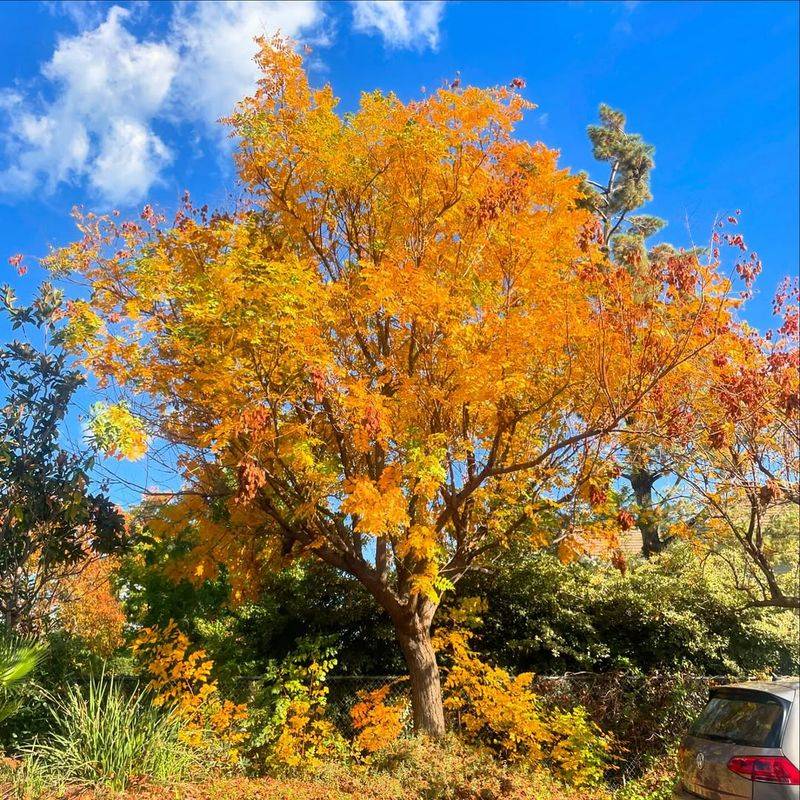
Midsummer blooms set goldenrain tree apart from spring-flowering species. Showy yellow flower clusters appear in July when few other trees bloom.
This small ornamental grows 20 to 30 feet tall with a rounded canopy that provides dappled shade perfect for hot North Carolina summers.
Large flower panicles stand upright above the foliage, creating a golden crown effect. Papery seed pods follow, resembling small Chinese lanterns. These decorative pods persist into fall, adding unique textural interest.
Goldenrain tree tolerates heat, drought, and poor soil better than most ornamentals. It adapts to various pH levels and handles urban conditions. This toughness makes it ideal for challenging sites where other trees struggle.
Compound leaves create an airy, tropical appearance. Fall foliage turns golden-yellow before dropping. The tree’s moderate growth rate and manageable size suit residential landscapes.
Drought tolerance once established means less supplemental watering during dry spells. The tree rarely suffers from serious pest or disease problems. Its adaptability reduces maintenance requirements.
Goldenrain tree works beautifully as a specimen, shade tree, or street tree. The unique summer blooming period provides color when gardens need it most. Dappled shade beneath allows grass or shade-tolerant plants to thrive.
This tree’s combination of ornamental features, toughness, and manageable size makes it an excellent choice for North Carolina yards seeking reliable shade without constant upkeep.
12. Crape Myrtle Trees (Lagerstroemia Indica – Dwarf Cultivars)
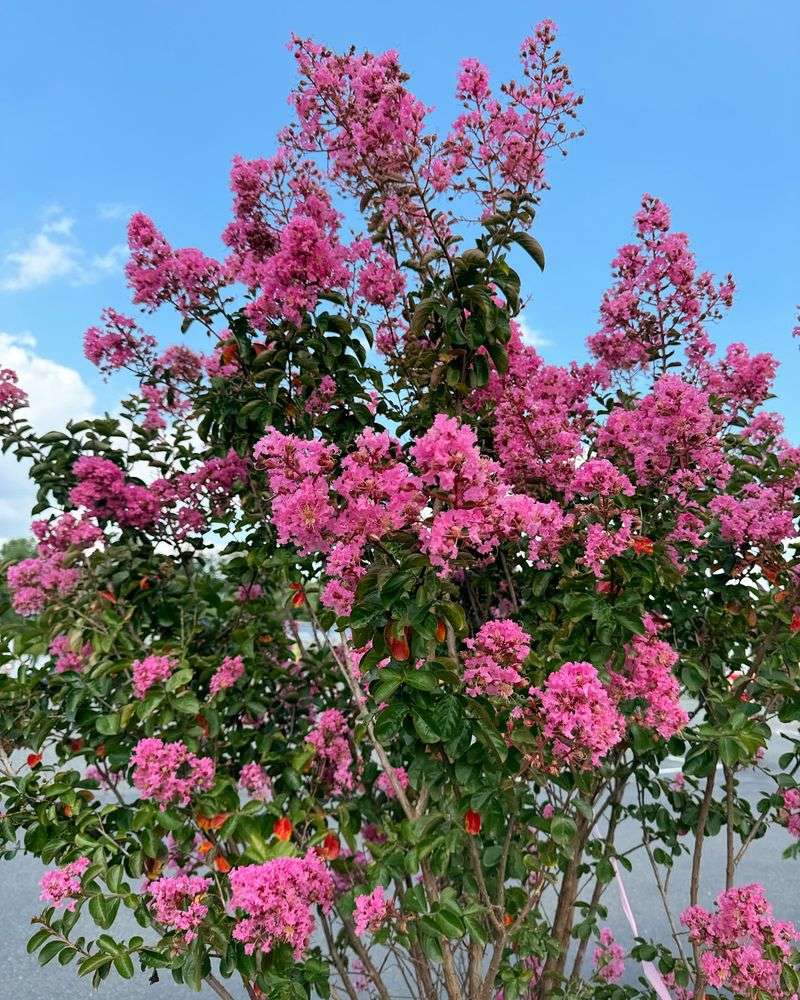
Summer wouldn’t be the same in the South without crape myrtles blooming. Dwarf cultivars stay between 15 and 25 feet tall, delivering the beloved summer flower show in manageable sizes.
Blooms appear in shades of white, pink, red, and purple, lasting for months in the heat. Filtered shade comes from the tree’s open canopy.
Smooth, exfoliating bark adds year-round interest with attractive mottled patterns. Fall foliage turns brilliant shades of orange, red, and burgundy.
Crape myrtles thrive in North Carolina’s heat and humidity. They prefer full sun and well-drained soil. Once established, these trees tolerate drought remarkably well, reducing watering needs.
Modern disease-resistant varieties resist powdery mildew that plagued older types. Improved cultivars offer predictable sizes and enhanced characteristics. This makes variety selection easier for specific landscape needs.
The tree’s multi-season interest includes summer flowers, fall color, winter bark, and spring’s fresh foliage. Proper pruning maintains attractive form and maximizes blooming. Avoid topping, which creates ugly stubs and weak growth.
Dwarf crape myrtles work wonderfully as small shade trees, specimen plantings, or in groupings. Their long blooming period provides color when many plants fade in summer heat.
The tree’s adaptability, beauty, and manageable size make it a Southern favorite that performs reliably in North Carolina landscapes, offering shade and ornamental value throughout the year.
13. Fringe Tree Cultivars (Chionanthus Virginicus Cultivars)
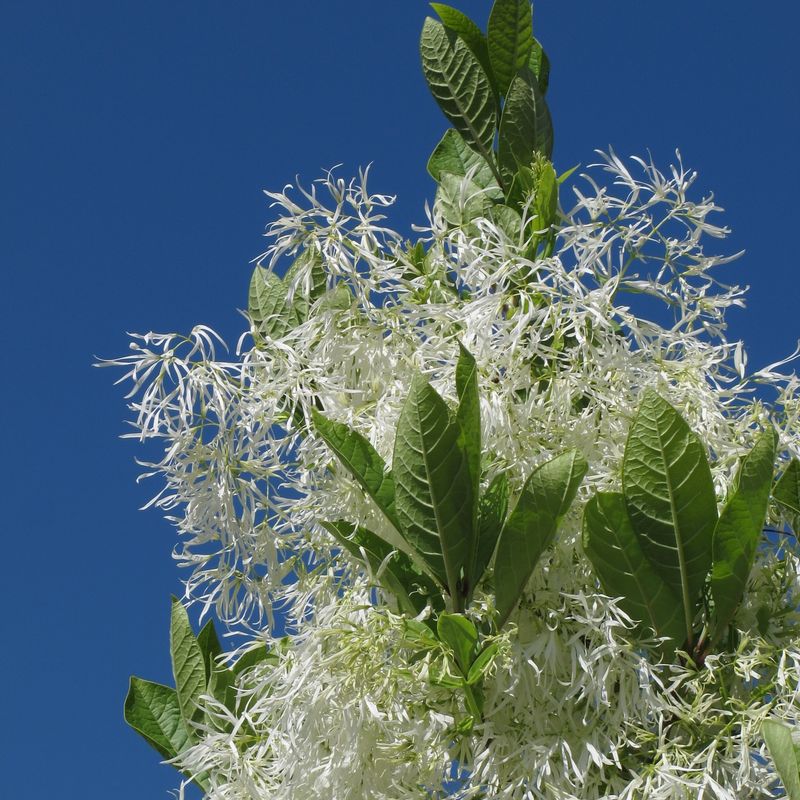
Improved fringe tree cultivars bring enhanced characteristics to an already wonderful native.
Compact selections stay under 20 feet tall while maintaining the species’ fragrant white spring flowers. These refined varieties fit perfectly in yards where space comes at a premium.
Plant breeders have selected for improved flowering, compact habit, and consistent performance. Named cultivars offer predictable characteristics from flower abundance to mature size. This allows precise landscape planning.
The distinctive fringed flowers still appear in late spring, creating clouds of fragrant white blooms. Compact forms deliver this beauty in tighter spaces. Fall foliage turns golden-yellow before dropping.
These cultivars maintain the species’ adaptability to various growing conditions. They tolerate both sun and partial shade throughout North Carolina. Well-drained soil and consistent moisture encourage the best growth.
Compact fringe trees work beautifully near patios, in foundation plantings, or as focal points. Their manageable size prevents overwhelming small properties. The tree’s moderate growth rate keeps maintenance reasonable.
Native genetics mean better adaptation to local climate and support for regional wildlife. Female cultivars produce the dark blue fruits that feed birds. The tree’s refined appearance suits both formal and naturalistic landscapes.
These improved varieties let you enjoy fringe tree beauty in spaces where the straight species might grow too large. Fragrant spring blooms, golden fall color, and wildlife value combine in a perfectly sized package for contemporary North Carolina yards.