How Michigan Homeowners Keep Spider Plants Healthy During Long Winter Months
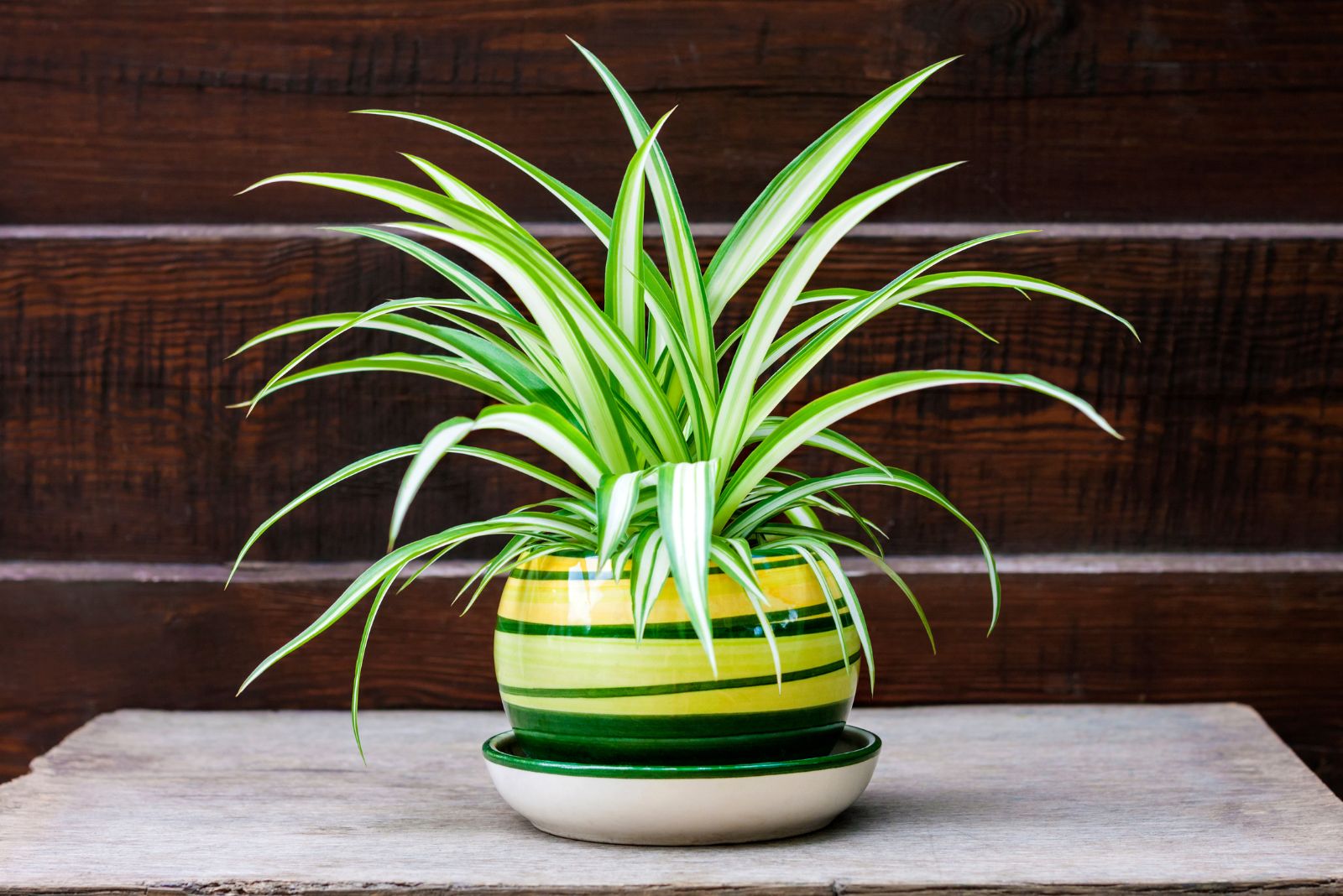
Winter in Michigan can be rough on houseplants, especially when spider plants are stuck dealing with short days, dry air, and heaters running nonstop. One week they look fine, the next you notice pale leaves, brown tips, or slow growth.
It makes you wonder if they are just supposed to struggle this time of year. The good news is that many homeowners manage to keep their spider plants green and happy all winter long with a few simple adjustments.
It is not about complicated routines or expensive products. Small changes in light placement, watering habits, and humidity can make a noticeable difference fast.
Once you understand what these plants really need during cold months, winter care becomes much easier and less stressful. If you want your spider plant to stay healthy until spring instead of barely hanging on, this is where it starts.
Provide Bright, Indirect Light
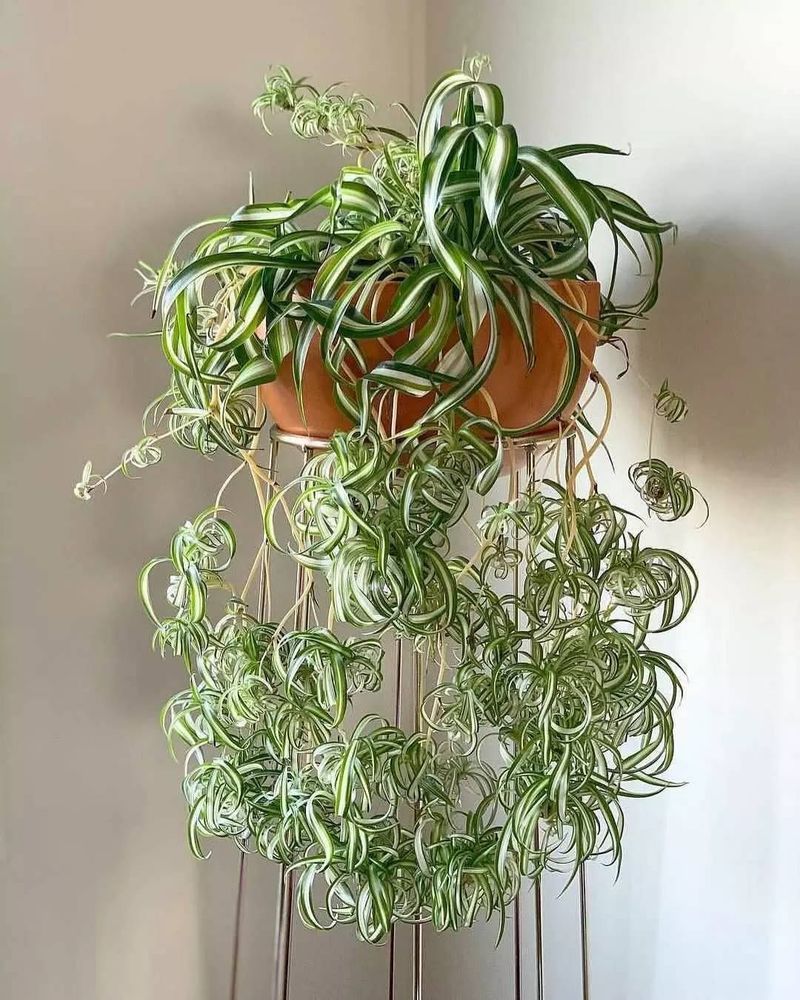
Winter days in Michigan grow noticeably shorter and darker. Your spider plant still craves plenty of light to maintain its health.
North-facing windows offer consistent brightness without harsh intensity throughout the day. East-facing windows work beautifully too, providing gentle morning sunshine. The soft light from these directions mimics the plant’s natural preference.
Spider plants originally come from South African forests where they grow beneath tree canopies.
Position your plant within three to five feet of the window. This distance ensures adequate light reaches every leaf. Too far away and the plant stretches awkwardly toward the light source.
Consider the angle of winter sun in Michigan. Even indirect light becomes more valuable during December and January. Rotate your plant occasionally so all sides receive equal exposure.
Watch for signs your plant needs repositioning. Pale leaves or slow growth indicate insufficient light.
Conversely, bleached or faded foliage suggests too much direct exposure even in winter months.
Avoid Direct Sunlight
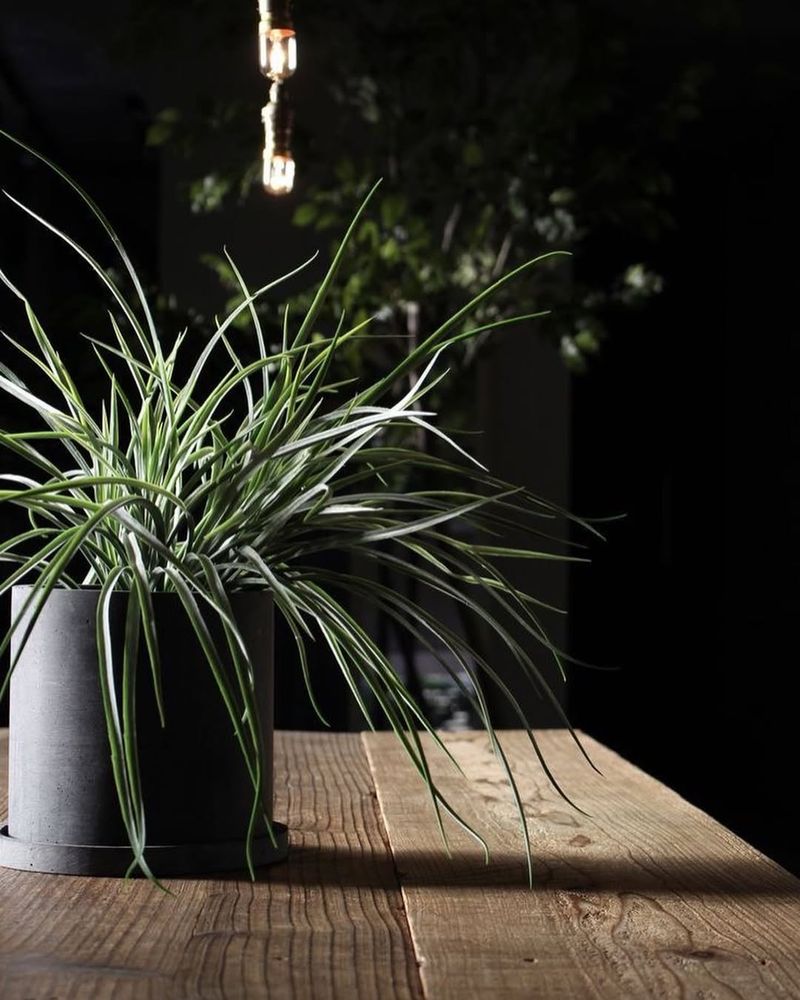
Michigan’s winter sun sits lower on the horizon throughout the day. This angle creates surprisingly intense rays that stream through windows. Glass magnifies sunlight and can scorch delicate spider plant leaves quickly.
South and west-facing windows pose the greatest risk during winter. The concentrated beams passing through cold glass create unexpected heat. Your spider plant’s thin leaves lack protection against this intensity.
Sheer curtains offer an excellent solution for filtering harsh rays. They diffuse light beautifully while maintaining brightness levels. Alternatively, move plants a few feet back from problem windows.
Brown, crispy leaf tips often signal sun damage rather than other issues. These scorched areas won’t recover and should be trimmed. Prevention saves your plant from unnecessary stress and keeps foliage attractive.
Monitor your plant’s location as seasons shift through winter months. The sun’s path changes gradually but significantly from November through February. What works in early winter might need adjustment by late February.
Maintain Moderate Indoor Temperatures
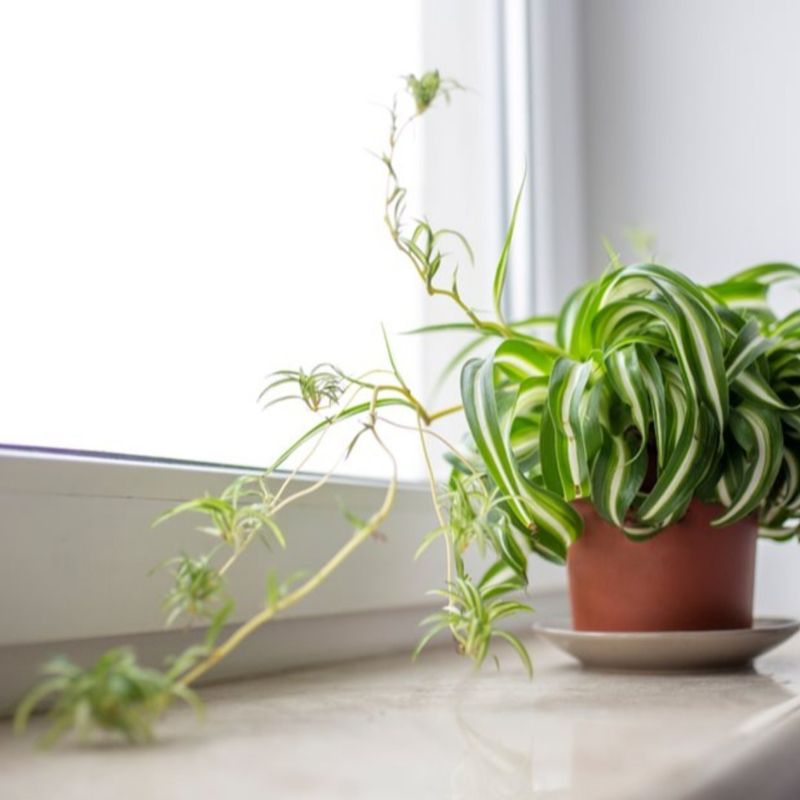
Spider plants appreciate consistency when it comes to temperature ranges. They thrive best between sixty and seventy-five degrees Fahrenheit.
Most Michigan homes naturally maintain temperatures within this comfortable zone during winter.
Your Michigan Garden Changes Every Week. Your Plan Should Too.
Gardening in Michigan changes quickly throughout the season. Every Friday you’ll receive a simple weekly plan showing exactly what to plant, prune, fertilize, harvest, and protect so you never miss the right timing.
Heating vents create problematic hot spots throughout your living spaces. Blasts of warm, dry air stress plants and dry foliage quickly.
Position your spider plant away from these direct airflow paths. Exterior doors and poorly insulated windows create cold drafts unexpectedly. Even brief exposure to chilly air shocks tropical plants like spiders.
Check for drafts by holding your hand near potential problem areas. Basements often stay cooler than main living areas throughout winter. While spider plants tolerate slightly cooler temperatures, prolonged cold slows growth.
Fifty-five degrees becomes the lower threshold for healthy plant function. Sudden temperature fluctuations cause more damage than steady, slightly cooler conditions. Your spider plant adapts better to consistent environments.
Avoid placing plants near frequently opened doors or drafty hallways during Michigan’s coldest months.
Reduce Watering Frequency
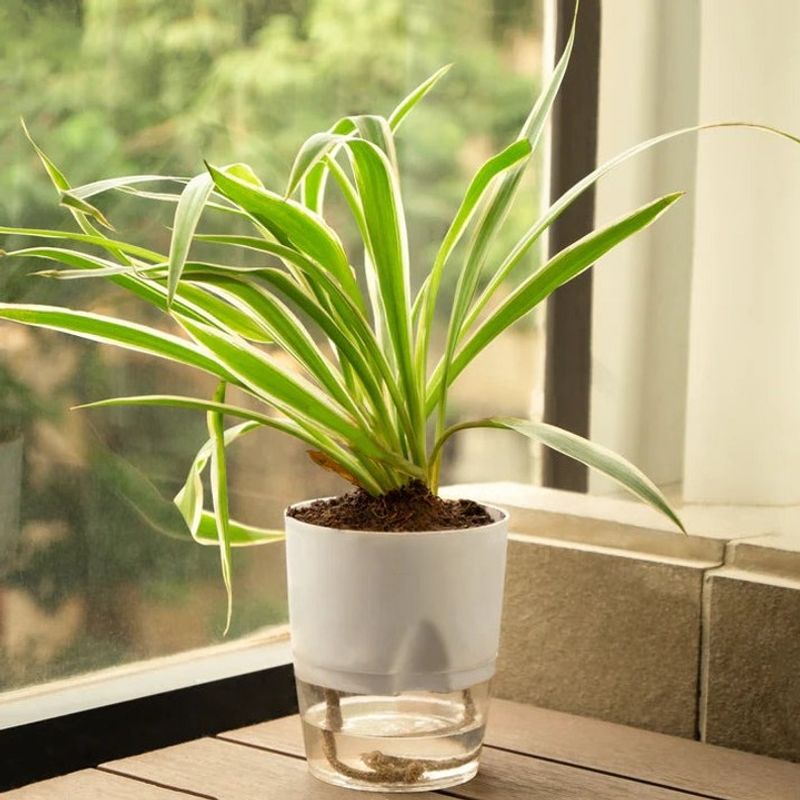
Growth slows dramatically for spider plants during shorter winter days. Reduced photosynthesis means less water consumption throughout the plant. Overwatering becomes the primary threat to indoor plants during cold months.
Check soil moisture before watering rather than following a rigid schedule. Stick your finger two inches deep into the potting mix. Soil should feel dry at this depth before adding water.
Michigan’s indoor heating creates deceptively dry surface conditions on soil. The top layer dries quickly while deeper soil remains saturated. This misleading appearance tricks many plant owners into overwatering.
Root rot develops silently beneath the soil when watering stays excessive. Yellowing lower leaves and mushy stems signal this serious problem. Prevention through careful watering proves far easier than treating damaged roots.
Pour water slowly until it drains from bottom holes completely. Empty saucers after fifteen minutes to prevent root sitting.
Winter watering might occur only every two to three weeks depending on your home’s humidity and temperature conditions.
Increase Humidity
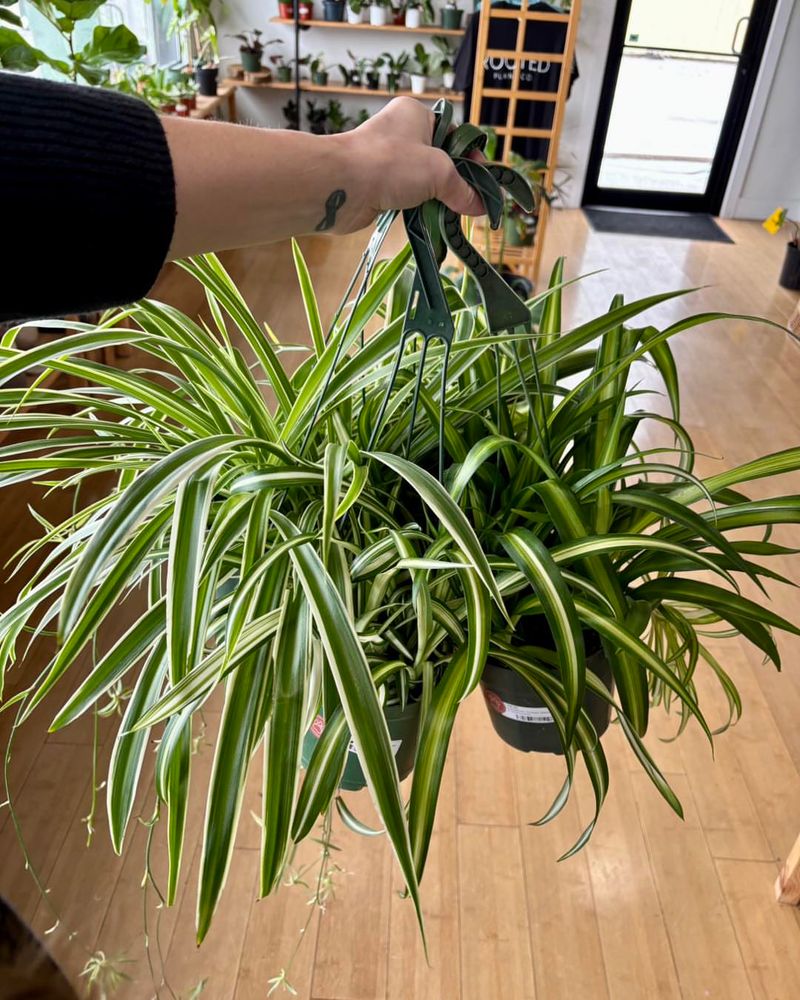
Forced-air heating systems drastically reduce indoor humidity levels throughout Michigan winters. Humidity often drops below thirty percent in heated homes. Spider plants prefer humidity levels closer to fifty or sixty percent.
Brown leaf tips frequently result from excessively dry air conditions. These crispy edges spread gradually if humidity stays too low. Increasing moisture in the air prevents this common winter problem.
Small humidifiers work wonderfully for plant collections in specific rooms. Place the unit near but not directly beside your plants. Running it several hours daily makes a noticeable difference.
Pebble trays offer a simpler, electricity-free humidity solution for individual plants. Fill a shallow tray with stones and add water below the pebble tops. Set your potted spider plant on the stones above water.
Grouping plants together creates a micro-climate with higher humidity naturally. Plants release moisture through their leaves in a process called transpiration.
This collective moisture benefits all nearby plants during dry winter months in Michigan homes.
Fertilize Sparingly
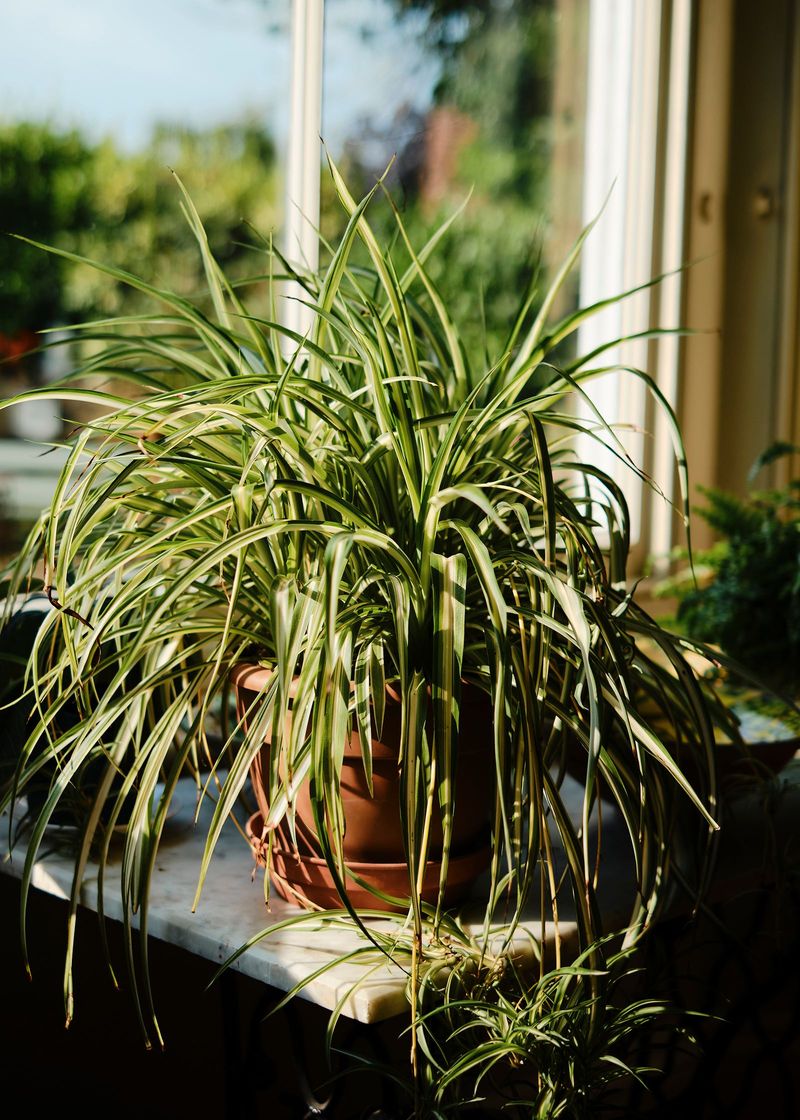
Active growth pauses for spider plants during winter’s reduced daylight hours. Dormancy or semi-dormancy means nutrient needs decrease substantially during cold months. Heavy fertilization during this period causes more harm than benefit.
Salt buildup from excess fertilizer damages roots and causes leaf browning. These mineral deposits accumulate in soil when plants can’t absorb nutrients quickly. Winter’s slow growth period makes this accumulation particularly problematic.
Apply balanced liquid fertilizer at half the recommended package strength. Water-soluble formulas like 10-10-10 or 20-20-20 work well when diluted properly. Feed only every six to eight weeks throughout winter.
Some experienced Michigan gardeners skip winter fertilization entirely without problems. Spider plants store nutrients efficiently and tolerate lean periods well. Resume regular feeding schedules when spring daylight increases noticeably.
Flush soil occasionally with plain water to remove accumulated salts. Water thoroughly until liquid runs freely from drainage holes several times.
This simple practice prevents fertilizer buildup and keeps roots healthy through winter months.
Rotate The Plant Occasionally
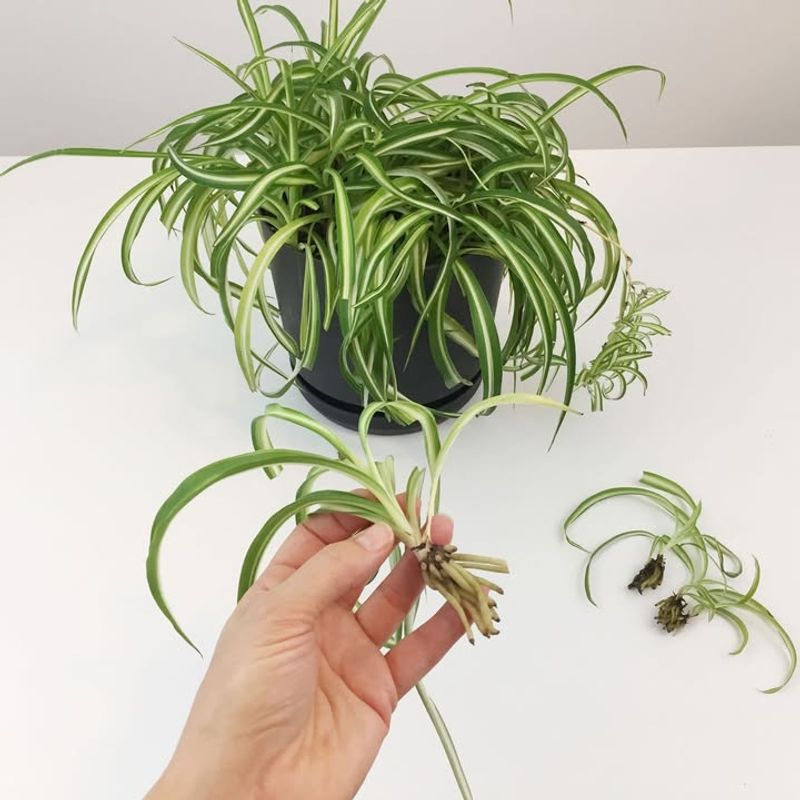
Plants naturally grow toward their primary light source throughout the day. This phototropic response causes uneven development over time. One side becomes fuller while the opposite side grows sparse and stretched.
Winter’s limited light intensifies this lopsided growth pattern in Michigan homes. Your spider plant leans noticeably toward the window within weeks. Regular rotation counteracts this tendency and promotes balanced, attractive foliage.
Turn your plant one-quarter rotation every two or three weeks consistently. Mark the pot with tape or choose a recognizable side. This simple habit takes seconds but makes a significant difference.
Even growth means healthier plants with better structural integrity overall. Balanced foliage also looks more attractive as a decorative element. Your spider plant becomes a showpiece rather than a lopsided oddity.
Rotating also helps you inspect all sides for potential problems. Check undersides of leaves for pests during each turn.
Early detection of issues like spider mites or scale prevents serious infestations during winter’s challenging conditions for indoor plants.
Remove Brown Or Yellowing Leaves
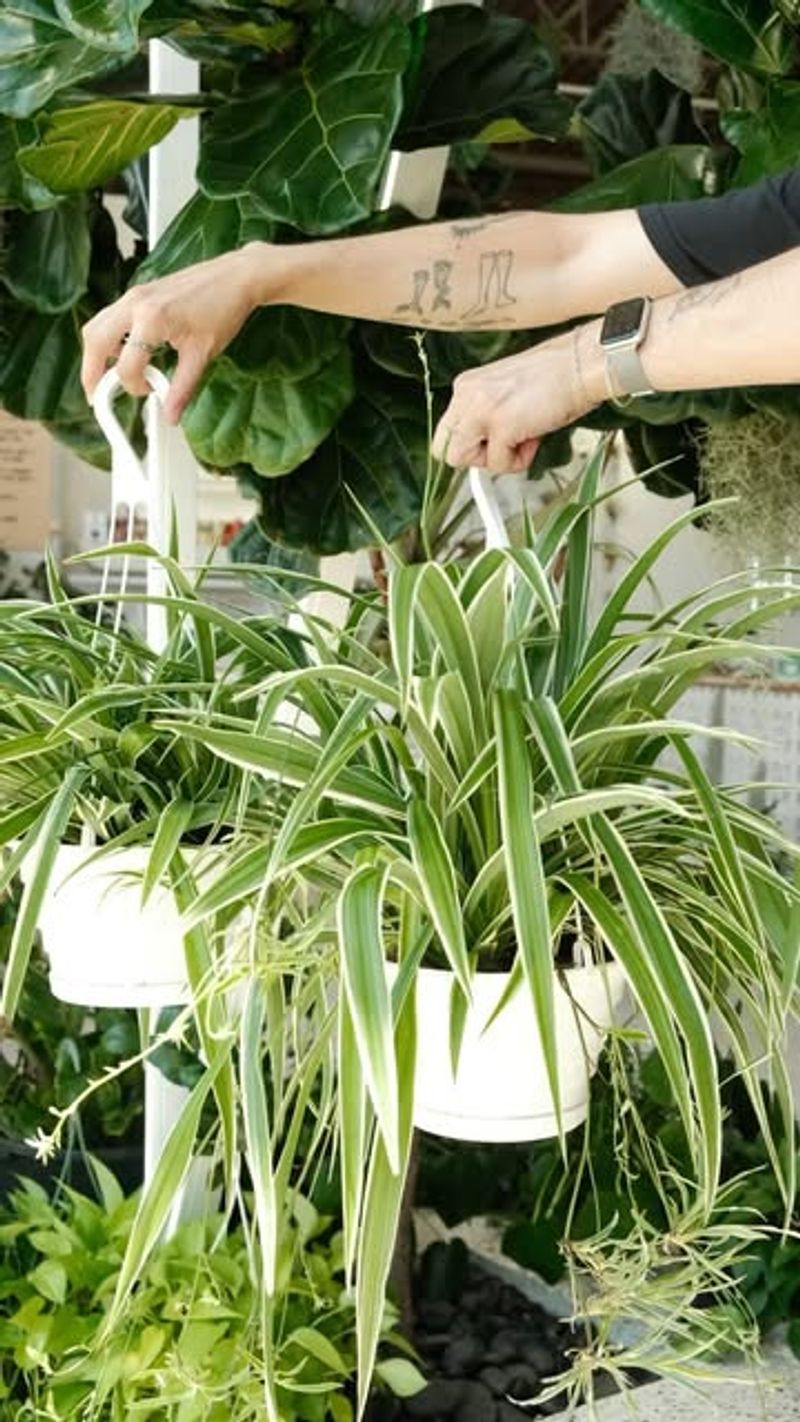
Lower leaves naturally age and yellow as spider plants mature normally. Brown leaf tips develop from various environmental stresses during winter months. Removing these damaged portions keeps your plant looking fresh and vibrant.
Sharp, clean scissors or pruning shears work best for trimming operations. Sterilize blades with rubbing alcohol before cutting to prevent disease spread. Make cuts at an angle just above healthy green tissue.
Trim only the brown or yellow portions rather than entire leaves when possible. Healthy green sections still photosynthesize and benefit the plant. Complete leaf removal becomes necessary only when damage extends throughout.
Damaged foliage drains energy as the plant attempts unsuccessful repairs. Removal redirects resources toward healthy growth and new leaf production. Your spider plant recovers faster and looks better after grooming.
Collect and dispose of all trimmings rather than leaving them in the pot. Decaying plant material attracts fungus gnats and other pests.
Winter’s indoor conditions can turn small pest problems into major infestations quickly in Michigan homes.
Repot Only When Necessary
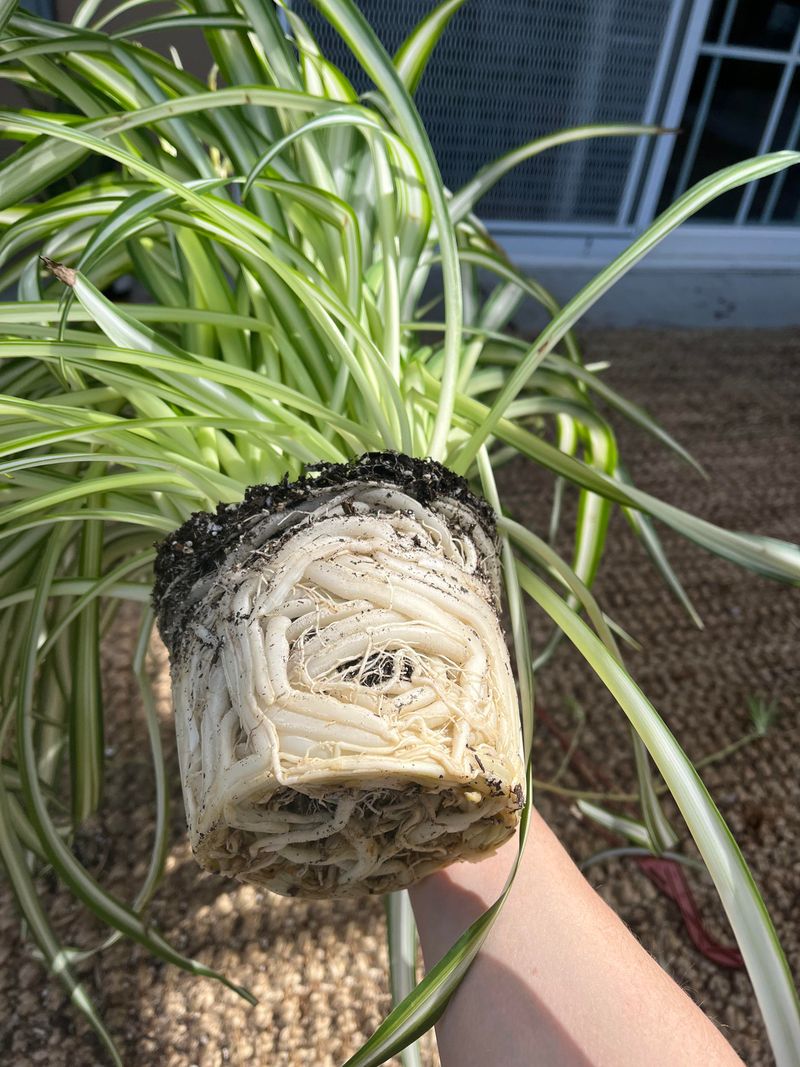
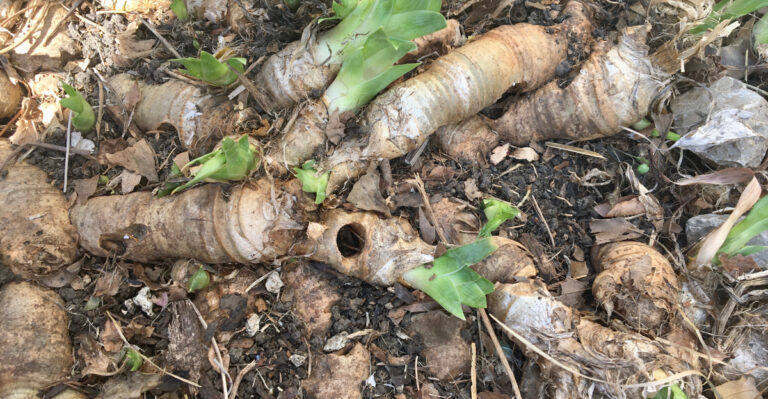
Spider plants develop substantial root systems that eventually outgrow their containers. Thick, fleshy roots store water and nutrients efficiently for the plant.
These tuberous roots become visible through drainage holes when repotting becomes necessary.
Winter represents the worst possible time for repotting most houseplants. Dormant or slow-growing plants struggle to recover from transplant stress. Cold temperatures and low light compound the difficulty of root establishment.
Wait until late March or April when daylight increases noticeably. Spring’s longer days and warmer temperatures support rapid root growth. Your spider plant recovers quickly and thrives after spring repotting.
Severely rootbound plants show declining health despite proper care otherwise. Wilting between waterings or extremely slow growth signal serious crowding. In these rare cases, careful winter repotting becomes the lesser evil.
Choose a pot only one or two inches larger than the current container. Excess soil around roots stays soggy and promotes rot during winter.
Use fresh, well-draining potting mix formulated for houseplants rather than garden soil for best results in Michigan homes.