The #1 Fruit Tree Pruning Mistake Ohio Gardeners Make Every Spring
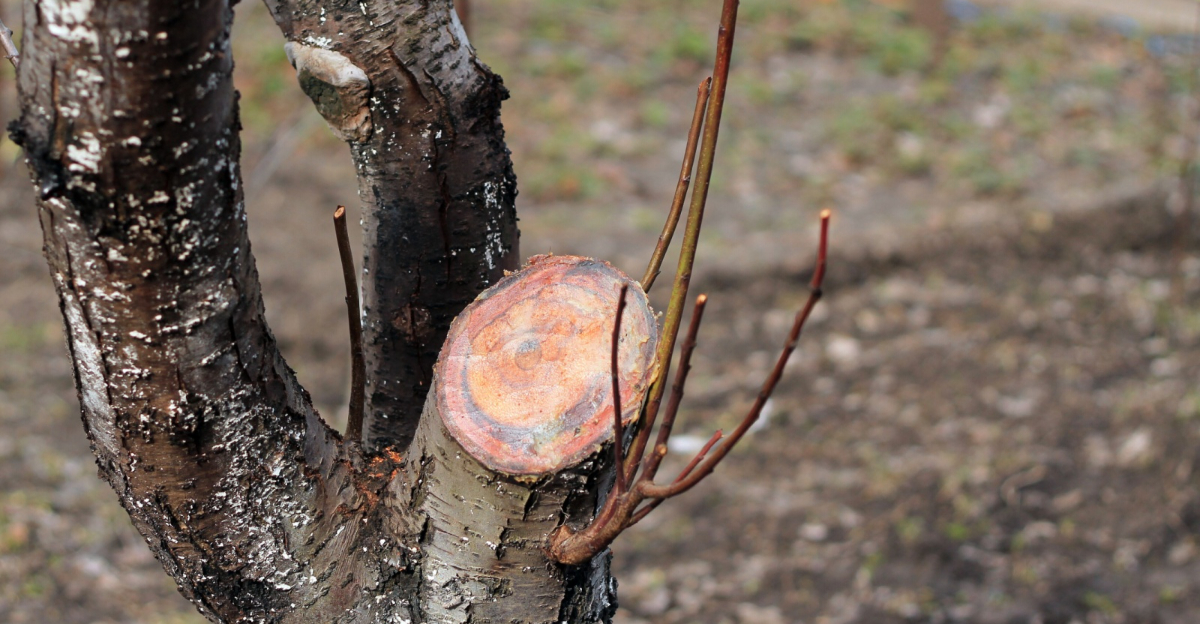
Ohio gardeners, stop scrolling. This one mistake is quietly wrecking fruit harvests every spring.
You plant the tree, water it, baby it, and still end up with weak growth, tiny fruit, or bare branches. Frustrating, right?
The truth is, most backyard growers are pruning at the wrong time and in the wrong way, and it costs them flavor, yield, and tree health. One bad cut can invite disease, stunt production, and undo years of care.
The good news? Fixing this problem is fast, simple, and incredibly effective once you know what to avoid.
If you want stronger branches, bigger harvests, and trees that actually thrive in Ohio’s unpredictable weather, this is the must-read guide you cannot afford to skip. Before you grab the shears this spring, take two minutes to learn the mistake nearly everyone makes and how to prune with confidence instead.
Your future fruit baskets will thank you.
1. The “Looks Fine To Me” Moment That Wrecks Your Harvest
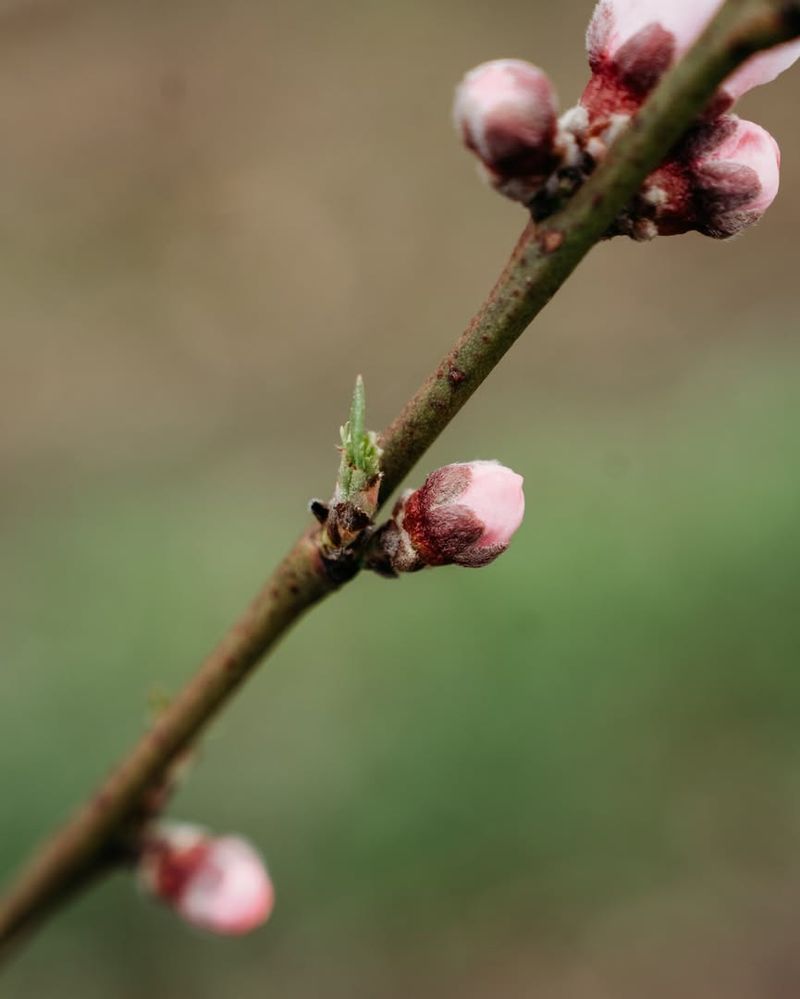
Gardeners often wait until they can actually see what’s happening on their trees before making pruning decisions. When those first leaves pop out and buds start swelling, it feels reassuring to finally see where growth is occurring.
You can spot the dead wood easily, identify crossing branches, and the whole job seems more straightforward when everything is visible.
But here’s what’s really happening inside that tree. Once buds break and leaves start unfurling, the tree has already invested significant stored energy into that new growth.
Cutting away those fresh shoots after the tree has spent its reserves is like withdrawing money from a bank account that’s already been spent. The tree can’t get that energy back, and it still needs to heal the wounds you’ve just created.
Ohio fruit trees need every bit of energy they can muster for a strong harvest. When you prune after growth begins, you’re forcing the tree to divide resources between healing cuts and producing fruit.
Most trees will prioritize wound closure over fruit development, which means your harvest suffers. The branches you leave behind also have to work harder to compensate for the loss, often resulting in smaller fruit or reduced yields across the entire tree even if it looks healthy on the surface.
2. Why Spring Growth Is The Worst Time To Grab Your Pruners
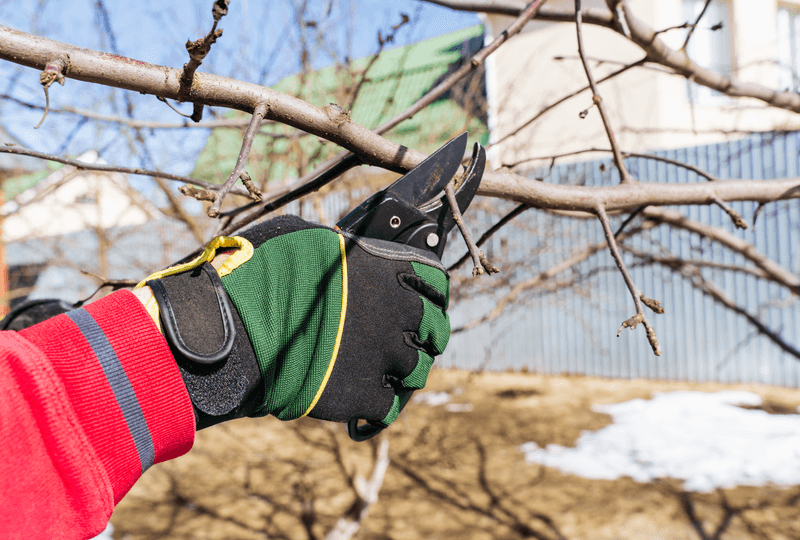
Trees operate on an internal clock that’s completely different from what we see on the surface. Throughout winter, fruit trees in Ohio enter a state of dormancy where all their systems slow down dramatically.
Sap flow decreases to a trickle, cells aren’t actively dividing, and the tree essentially goes into hibernation mode. This dormant period is actually when trees are most resilient to pruning cuts because they’re not trying to grow or produce anything.
Once temperatures start climbing consistently and daylight hours increase, everything changes rapidly. Sap begins flowing vigorously from the roots up through the trunk and into every branch.
Cells start dividing at incredible rates to produce new leaves, flowers, and shoots. The entire tree becomes a highway of nutrients and water moving at full speed.
Your Ohio Garden Changes Every Week. Your Plan Should Too.
Gardening in Ohio changes quickly throughout the season. Every Friday you’ll receive a simple weekly plan showing exactly what to plant, prune, fertilize, harvest, and protect so you never miss the right timing.
Cutting into a tree during this active growth phase removes tissue the tree has already invested stored energy into. This forces the tree to redirect resources away from fruit production and recovery.
While trees can form healing tissue during active growth, spring conditions also favor bacteria and fungi, which increases the risk of infection before wounds fully seal. Every cut you make during active growth creates an entry point for diseases and pests at exactly the moment when your tree is most vulnerable and least able to defend itself effectively.
3. The Silent Damage You Cause When You Cut Too Late
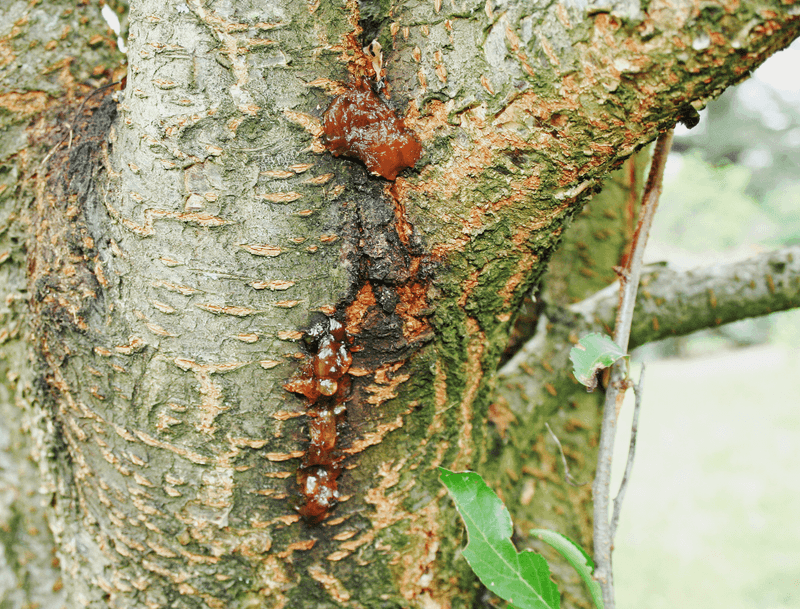
Late pruning doesn’t always show its consequences immediately, which makes it particularly deceptive. Your tree might look fine for weeks or even months after you’ve made those spring cuts.
The leaves keep growing, flowers might still appear, and everything seems normal on the surface. Meanwhile, beneath the bark, your tree is struggling in ways you can’t easily observe.
Each pruning wound creates a site where moisture can escape and pathogens can enter. When you prune during dormancy, the tree begins sealing wounds once growth resumes, with lower disease pressure during the dormant period.
But when you prune during active growth, the healing process gets delayed because the tree’s energy is divided. Those open wounds remain exposed longer during peak disease and insect activity, increasing infection risk.
The real damage accumulates over time throughout the Ohio growing season. Bacterial and fungal spores land on those unhealed cuts and establish infections that spread through the wood.
The tree diverts even more energy away from fruit production to fight these infections. Branch dieback can occur later in the season as infections or stress accumulate.
Fruit that does develop may be smaller, less sweet, or prone to dropping early. By the time you notice problems with your harvest or tree health, the damage from late pruning has already been compounding for the entire season.
4. How One Warm Week Tricks Gardeners Into Pruning At The Wrong Time
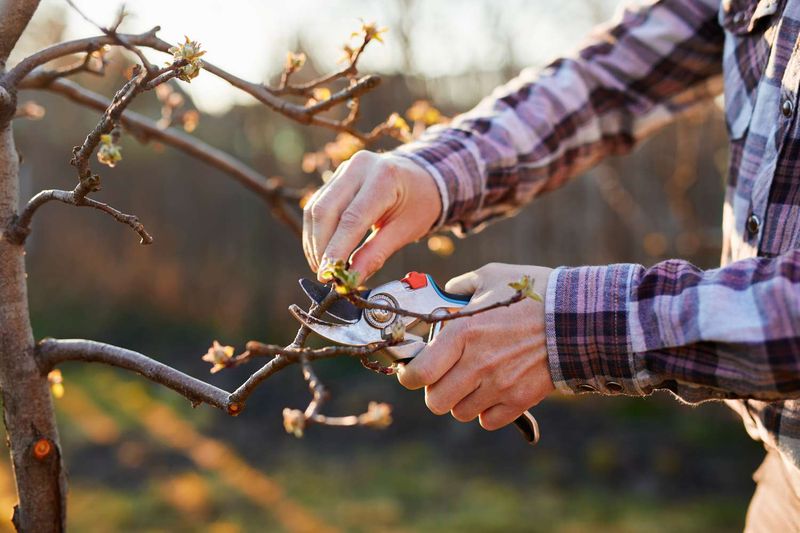
Ohio weather is notoriously unpredictable, and that’s exactly what catches so many gardeners off guard. February or early March might bring a stretch of unusually warm days where temperatures climb into the 50s or even 60s.
The snow melts, the ground softens, and it genuinely feels like spring has arrived early. Fruit trees respond to these temperature signals by starting to wake up from dormancy.
When you see those first signs of bud swell during a warm spell, the temptation to prune becomes almost irresistible. The weather is pleasant for working outside, and it seems like the perfect opportunity to get ahead on garden chores.
Many gardeners figure they’re being proactive by taking advantage of the nice weather. The problem is that Ohio almost always experiences additional cold snaps after these early warm periods.
Pruning during a false spring creates a double problem for your trees. First, you’re cutting during a period when growth processes are restarting and internal sap flow is increasing.
Second, when temperatures drop again, fresh cuts, especially on sensitive fruit trees like peaches and cherries, can be more vulnerable to cold injury. The exposed tissue can suffer cold injury that wouldn’t affect intact bark.
Your tree then has to heal both the pruning wounds and the frost damage simultaneously. This combination weakens the tree significantly and reduces its ability to produce a good crop later in the season when conditions finally stabilize.
5. This Is Exactly When Ohio Fruit Trees Should Be Pruned Instead
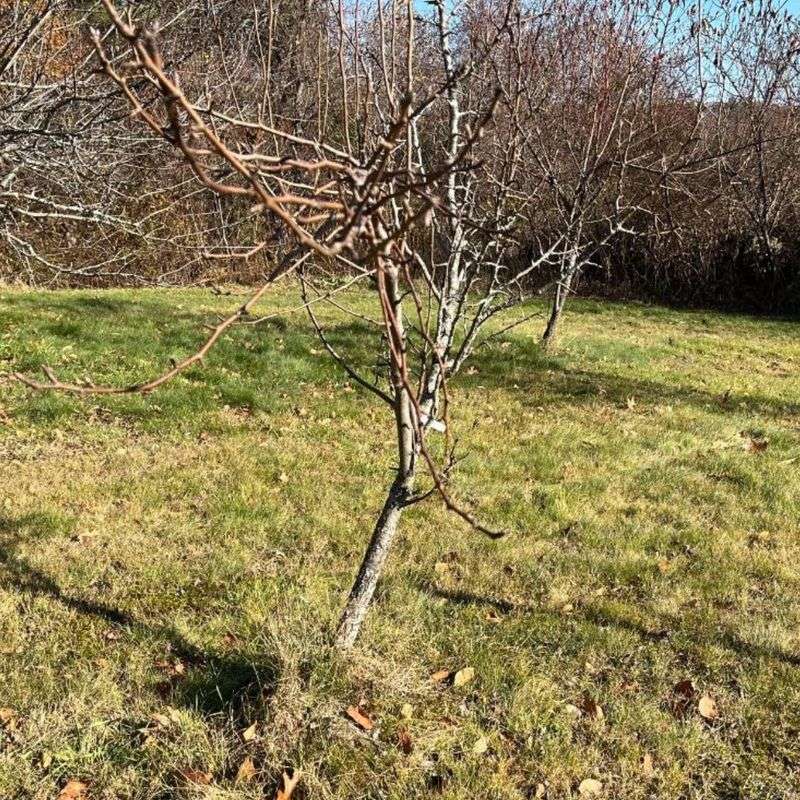
The ideal pruning window for most Ohio fruit trees falls during late winter, typically from mid-February through early March, depending on your specific location within the state. This timing hits the sweet spot when trees are still fully dormant but you’re close enough to spring that healing can begin relatively quickly once growth resumes.
The key is completing all pruning before you see any green tissue or swelling buds.
Northern Ohio gardeners should aim for the later part of this window, while those in southern counties can sometimes start slightly earlier. Peaches and cherries are often pruned slightly later than apples and pears to reduce disease pressure, but still before full leaf-out.
The goal is to prune when temperatures are consistently above the extreme cold of January but before the tree shows any signs of breaking dormancy. On the day you prune, temperatures should ideally be above freezing so you’re not cutting frozen wood, which can shatter and create ragged wounds.
Checking your trees regularly throughout February helps you catch the right moment. Look for buds that are still tight and closed, with no hint of green or swelling.
The bark should still have that dull, winter appearance rather than the slightly shinier look that comes with rising sap. If you’re unsure about timing, err on the side of pruning earlier rather than later.
A tree pruned in mid-February while fully dormant will generally fare better than one pruned in late March or April when growth has already started, even if that means working in slightly colder conditions.
6. What To Do If Your Tree Has Already Started Leafing Out
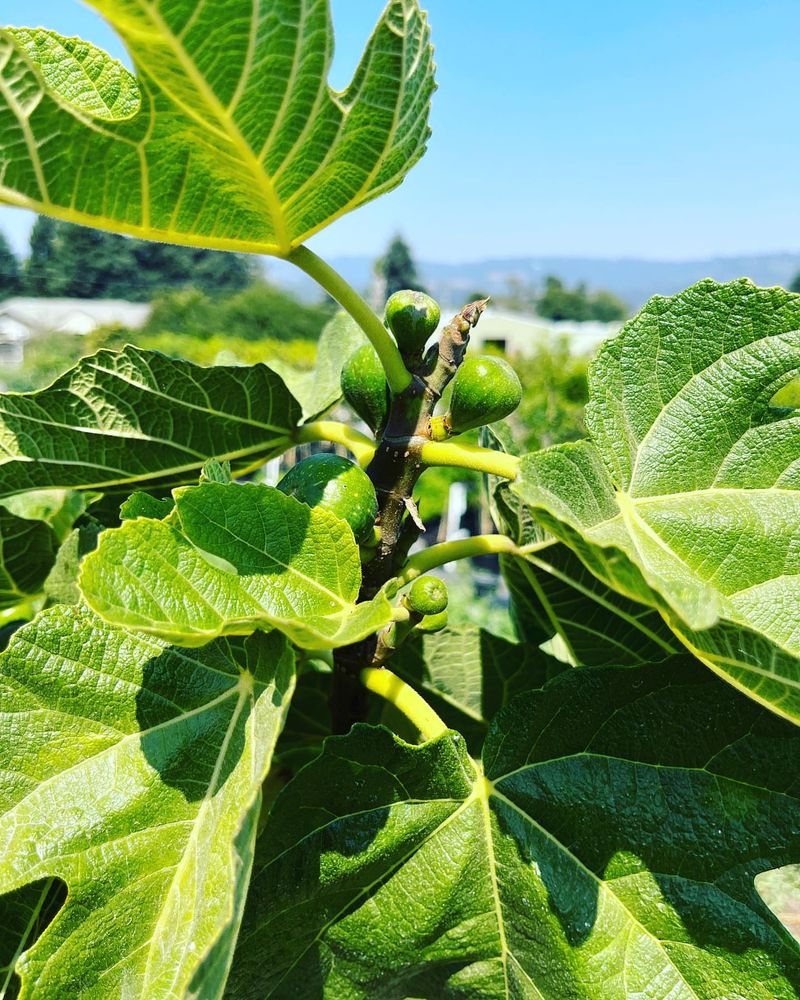
Sometimes life gets busy and you miss the ideal pruning window entirely. You look out one day and realize your fruit trees already have leaves emerging and buds opening.
The first instinct might be to rush out and prune anyway, thinking that late is better than never. Actually, in this situation, restraint is your best strategy for protecting your tree’s health and harvest potential.
If your Ohio fruit trees have already leafed out, wait until next dormant season for any major pruning work. The exception is removing branches that are clearly withered, diseased, or broken, which should always be addressed immediately regardless of timing.
These damaged parts won’t contribute to the tree anyway and removing them prevents problems from spreading. But for regular shaping, thinning, or size reduction, patience will serve you better than action.
Focus instead on other tree care tasks during the growing season. Make sure your trees receive adequate water, especially during Ohio’s sometimes dry summer months.
Monitor for pest activity and address any issues promptly. Take notes about which branches you want to remove next winter so you have a clear plan when the proper time arrives.
Apply mulch around the base to conserve moisture and regulate soil temperature. Mark the calendar for late February next year and commit to hitting that pruning window.
Your tree will be much healthier with one season of imperfect shape than with spring pruning damage that affects its vitality for years.
7. The Disease Explosion That Late Pruning Can Trigger
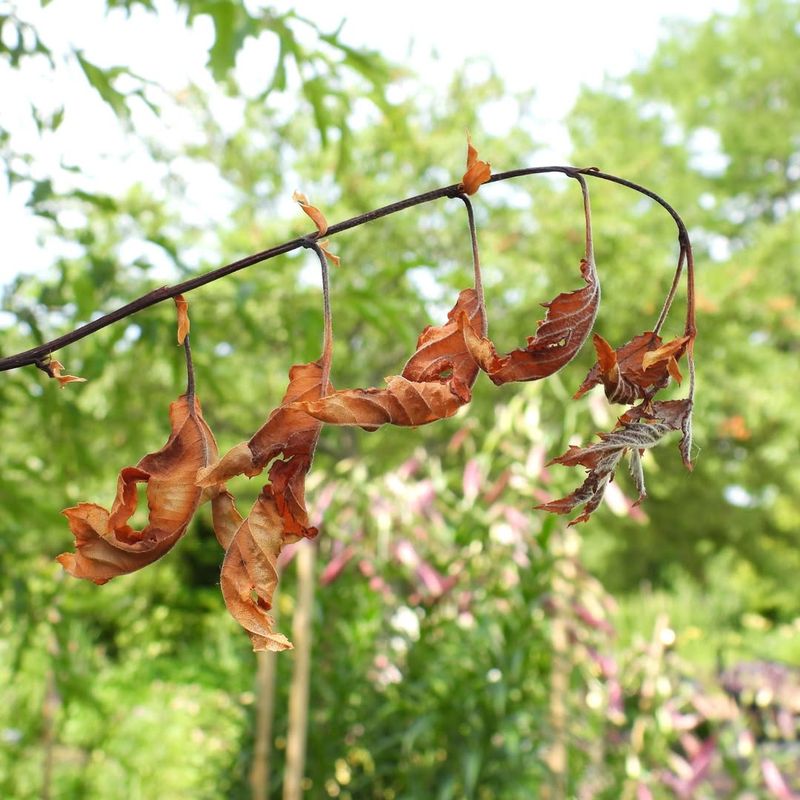
Fire blight stands as one of the most devastating diseases affecting Ohio fruit trees, particularly apples and pears. This bacterial infection spreads rapidly during warm, wet spring weather, which coincides exactly with when many gardeners are out making late pruning cuts.
The bacteria enter through any opening in the bark, and fresh pruning wounds provide perfect entry points when the disease is most active.
When you prune during spring growth, you’re essentially rolling out a welcome mat for pathogens. The moisture-rich environment inside an actively growing tree creates ideal conditions for bacterial and fungal growth.
Spores and bacteria floating in the spring air land on those fresh cuts and immediately begin colonizing the exposed tissue. Fire blight can move through susceptible branches at shocking speed, sometimes spreading rapidly through young shoots during favorable conditions.
Other diseases also take advantage of late pruning wounds throughout Ohio. Bacterial canker, various fungal infections, and wood-rotting organisms all find it easier to establish when trees are pruned during active growth.
Once these diseases gain a foothold, they can persist in the tree for years, causing ongoing damage and reducing productivity. Some infections spread to the main trunk and eventually threaten the entire tree.
Proper pruning timing serves as your first and most important line of defense against these common orchard diseases that plague fruit growers across the state.
8. The Simple Calendar Rule That Prevents This Mistake Forever
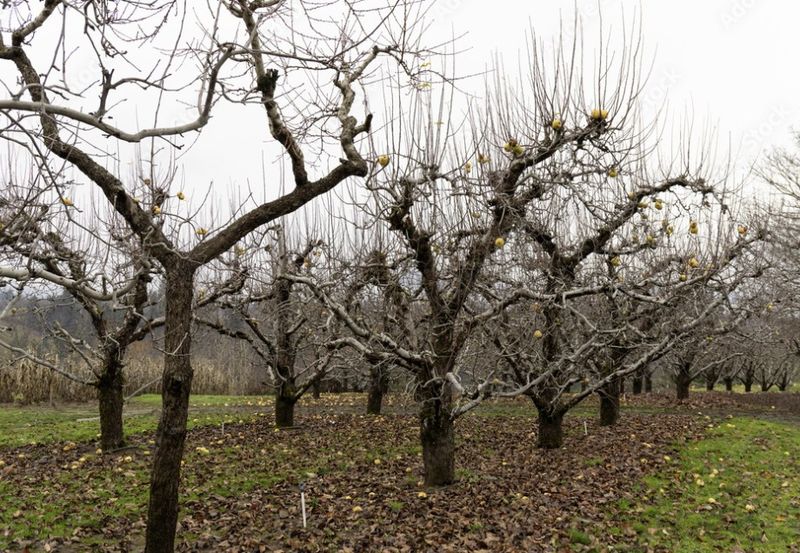
Preventing the spring pruning mistake doesn’t require complex horticultural knowledge or advanced tree expertise. You just need a calendar and a simple commitment to timing.
Mark late February on your calendar every year as your fruit tree pruning reminder. This single habit will save your trees from the most common mistake Ohio gardeners make and dramatically improve your harvest results.
Set the reminder for a weekend in the third week of February, which gives you flexibility to adjust based on weather conditions. If that particular weekend brings a snowstorm or extreme cold, you can shift to the following weekend.
The important thing is having that reminder in place so pruning doesn’t slip your mind until spring growth has already started. Add a second reminder for early March as your final deadline for completing any remaining pruning work.
Take fifteen minutes during that February weekend to assess each fruit tree, even if you don’t prune them all immediately. This quick inspection helps you prioritize which trees need the most attention and how much time you’ll need to allocate.
Make pruning a regular part of your late winter routine, just like changing smoke detector batteries or other seasonal maintenance tasks. Once this timing becomes habitual, you’ll never again face the temptation to prune too late.
Your Ohio fruit trees will reward your discipline with healthier growth, better disease resistance, and more abundant harvests year after year.