This Is What Ohio Homeowners Can Do To Help Birds During Cold Snaps
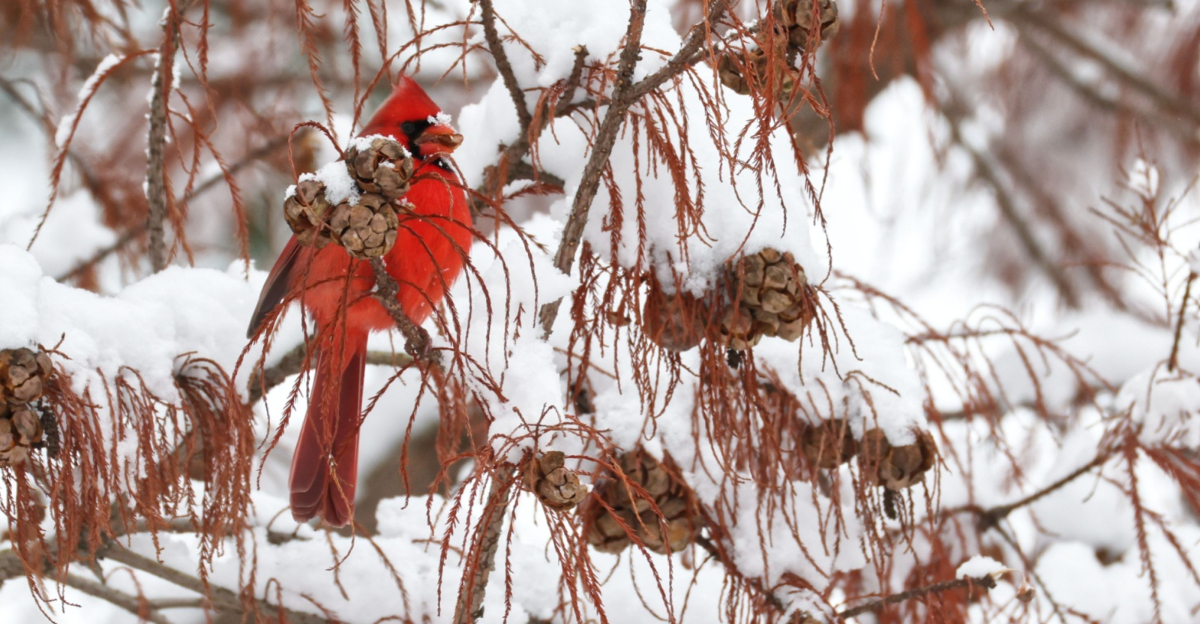
When Arctic air barrels into Ohio, backyard birds go into survival mode. Every calorie matters.
Every shelter spot counts. And your yard can become the difference between struggle and safety.
Most homeowners have no idea how powerful a few small changes can be during brutal cold snaps. Warmth, water, and the right food sources can turn an ordinary backyard into a winter lifeline.
Imagine cardinals puffed up on your fence, chickadees darting to feeders, and songbirds making it through the freeze because of what you set up. That is impact you can see.
Cold weather does not have to mean silent, empty yards. With smart, simple actions, you can help local birds conserve energy, avoid danger, and survive Ohio’s harshest days.
If you care about wildlife and want your yard buzzing with life even in winter, this is where it starts.
1. Cold Snaps Put Ohio’s Backyard Birds In Survival Mode
Birds experience winter weather very differently than humans do, and what feels like a chilly day to us can push them into a life-threatening situation.
Small birds may need to consume up to half their body weight in food each day during extreme cold to maintain energy reserves.
Ohio’s winter weather patterns create particularly challenging conditions because temperatures can drop twenty or thirty degrees within hours.
Chickadees, for example, can lose up to ten percent of their body weight overnight during extreme cold.
They enter a state of controlled hypothermia to conserve energy, lowering their body temperature by as much as twelve degrees.
Cardinals and other larger birds fluff their feathers to trap air for insulation, but this only works if they have enough fat reserves. When cold snaps hit Ohio communities, birds face a race against time.
Every calorie they find during daylight hours directly impacts whether they’ll make it through the night.
Understanding this urgent reality helps homeowners recognize why their assistance matters so much. Your backyard transforms from a pleasant habitat into critical survival territory when temperatures crash.
Birds that have established feeding patterns in your yard depend on those resources becoming even more reliable during weather emergencies.
2. High-Energy Food Keeps Birds Alive When Temperatures Crash
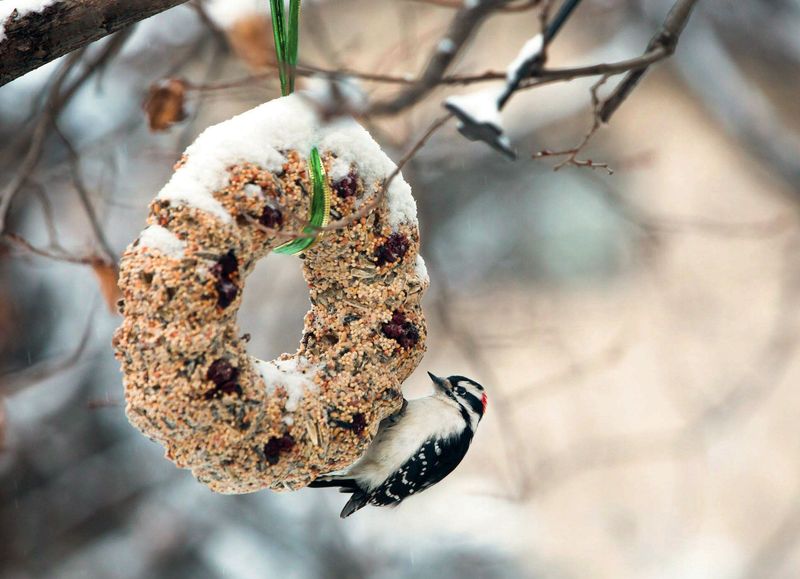
Calories become currency during cold snaps, and not all bird food provides equal value when temperatures plummet. Black oil sunflower seeds pack more fat and protein per seed than striped varieties, making them the gold standard for winter feeding.
Suet cakes deliver concentrated energy that helps birds maintain body heat through long, frigid nights.
Woodpeckers, nuthatches, and chickadees particularly rely on these fatty food sources during Ohio’s harshest weather.
Peanuts offer another excellent high-calorie option, whether you provide them shelled or in the shell. Many Ohio homeowners don’t realize that seed mixes containing millet and cracked corn actually provide less nutritional value during extreme cold.
Birds will eat these fillers when nothing else is available, but they burn through the calories too quickly.
Nyjer seeds attract finches and provide good energy, though they work best as a supplement rather than the primary food source.
Your Ohio Garden Changes Every Week. Your Plan Should Too.
Gardening in Ohio changes quickly throughout the season. Every Friday you’ll receive a simple weekly plan showing exactly what to plant, prune, fertilize, harvest, and protect so you never miss the right timing.
Mealworms, either dried or live, give insect-eating birds like bluebirds the protein they need. During a cold snap, keep feeders consistently full and expect birds to consume significantly more food than usual.
Birds will visit feeders more frequently and consume larger quantities as they desperately try to fuel their metabolisms.
Fresh food matters too because old, stale seeds lose nutritional value and may contain harmful mold.
3. Proper Feeding Stations Turn Your Yard Into A Winter Lifeline
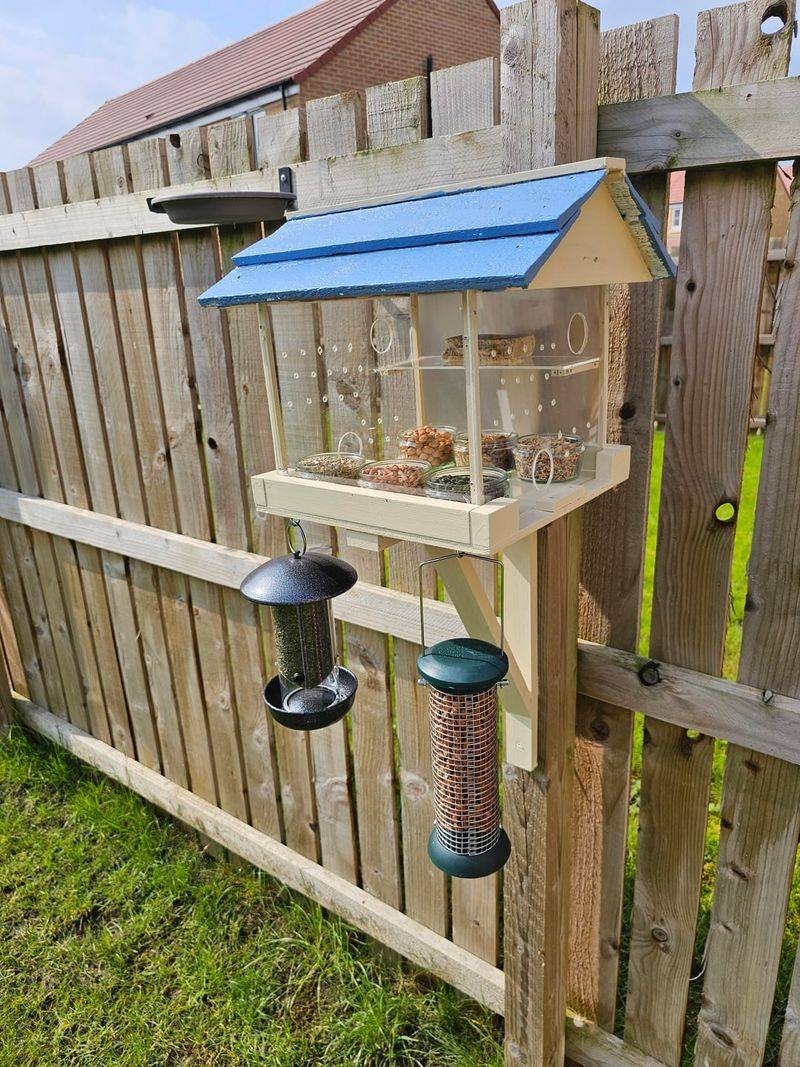
Location and setup of your feeding stations dramatically affect how well they serve birds during dangerous weather. Feeders placed near natural shelter like evergreen trees or dense shrubs give birds quick escape routes from predators and wind.
Ohio homeowners should position feeders where they can easily access them for refilling even in deep snow or ice.
Multiple feeding stations spread across your yard prevent aggressive birds from dominating all the food sources. Different feeder types attract different species, so variety helps more birds survive.
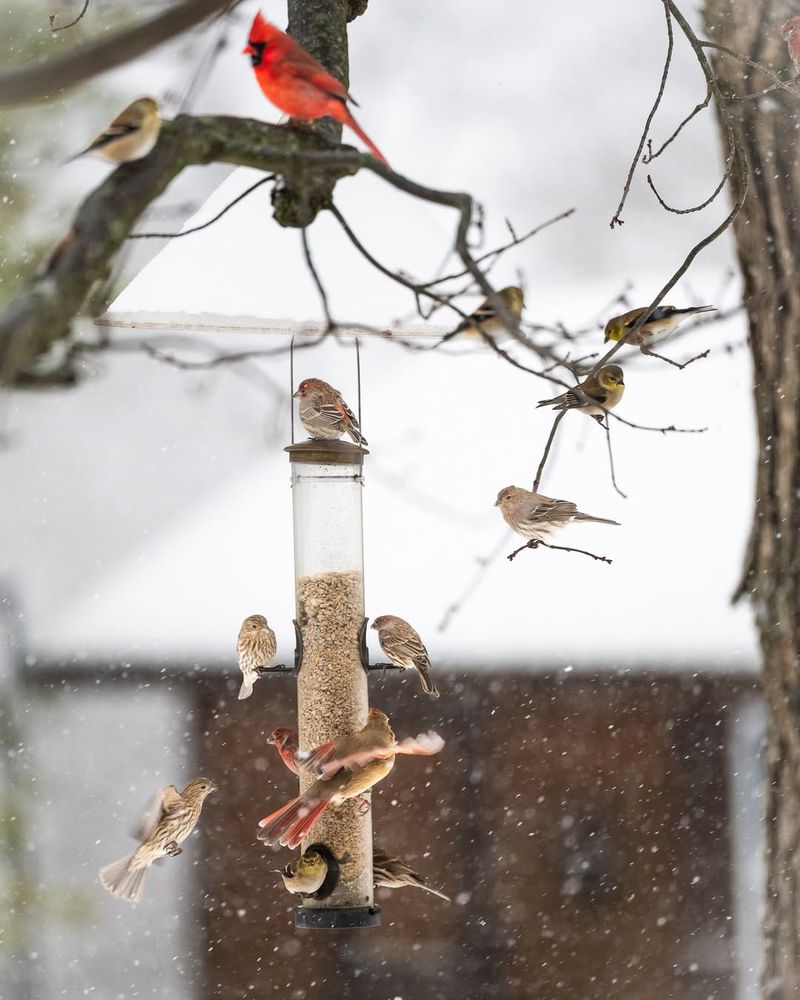
Tube feeders work well for small birds like finches and chickadees, while platform feeders accommodate larger species like cardinals and jays.
Suet feeders should hang where woodpeckers and nuthatches can cling comfortably while feeding.
During cold snaps, check feeders twice daily if possible, refilling them before they empty completely. Birds learn feeding schedules and will time their visits accordingly, so consistency matters enormously.
Clear snow and ice from feeding platforms immediately after storms so birds can actually access the food.
Baffles above and below feeders prevent squirrels from stealing high-energy food meant for birds.
Keep feeders at least five feet from structures to reduce window collision risks when birds flee from threats.
4. Unfrozen Water Becomes More Valuable Than Food
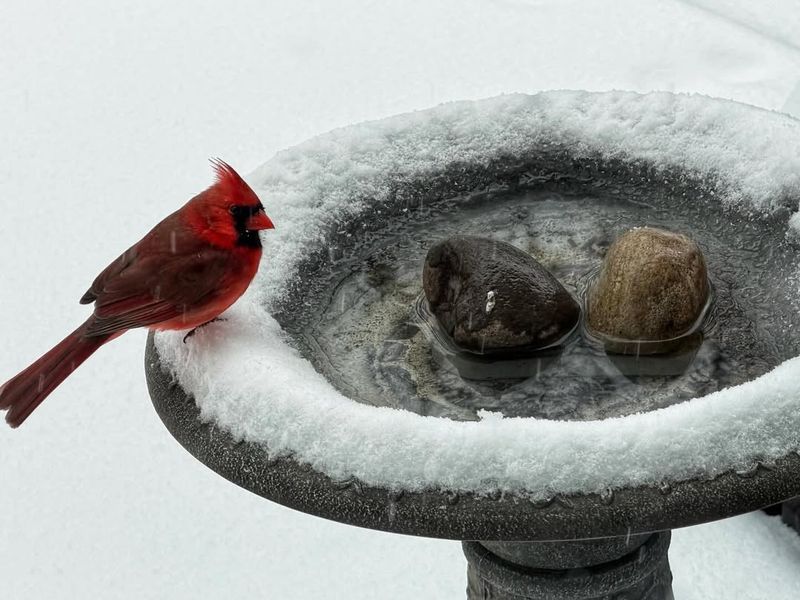
Most people focus on food during cold weather, but accessible water actually becomes the limiting factor for bird survival. Birds need water for drinking and maintaining feather condition, which directly affects their insulation ability.
When natural water sources freeze solid during Ohio cold snaps, eating snow forces birds to burn extra energy just to warm the cold water internally.
This metabolic cost can tip the balance from survival to crisis for already stressed birds.
Heated bird baths solve this problem beautifully, keeping water liquid even when temperatures drop below zero. Modern heated baths use surprisingly little electricity while providing life-saving resources.
Place your heated bath near feeders so birds can easily move between food and water.
Shallow water works best because birds can safely drink and bathe without risk of getting too wet in dangerous cold.
Clean the bath daily during cold snaps because birds will use it heavily, and contamination spreads quickly.
If you can’t invest in a heated bath, bring out fresh warm water several times throughout the day. Even water that stays liquid for just an hour or two helps birds tremendously.
Ohio homeowners often see bird activity double or triple around water sources during extreme cold compared to normal winter days.
5. Wind Protection And Shelter Save Critical Body Heat
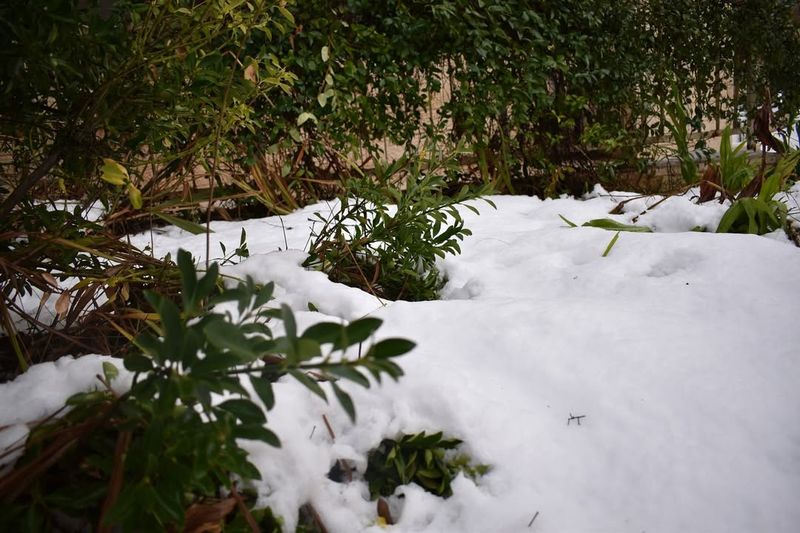
Windchill affects birds just as dramatically as it affects humans, stripping away precious body heat.
Because wind strips away body heat, thirty-degree temperatures with strong wind can stress birds more than colder calm conditions.
Natural windbreaks in your Ohio yard give birds places to feed and rest without fighting constant heat loss. Evergreen trees and shrubs provide the best protection because their dense foliage blocks wind even in the depths of winter.
Planting native species like Eastern Red Cedar or American Holly creates year-round shelter that benefits birds beyond just cold snaps.
Brush piles made from fallen branches and pruned limbs offer surprisingly effective protection.
Stack branches loosely so birds can move inside the pile to escape wind and predators.
Position brush piles on the south or east side of your yard where they’ll catch morning sun.
Roosting boxes specifically designed for winter use give small birds communal spaces to huddle together and share body heat. These boxes work differently than nesting boxes, with entrance holes at the bottom and perches inside for multiple birds.
Ohio homeowners can also leave some areas of their yard deliberately messy through winter.
Tall grass clumps and standing flower stalks provide micro-habitats where birds find both food and shelter from harsh winds.
6. Common Winter Bird Help Mistakes Cause Real Harm
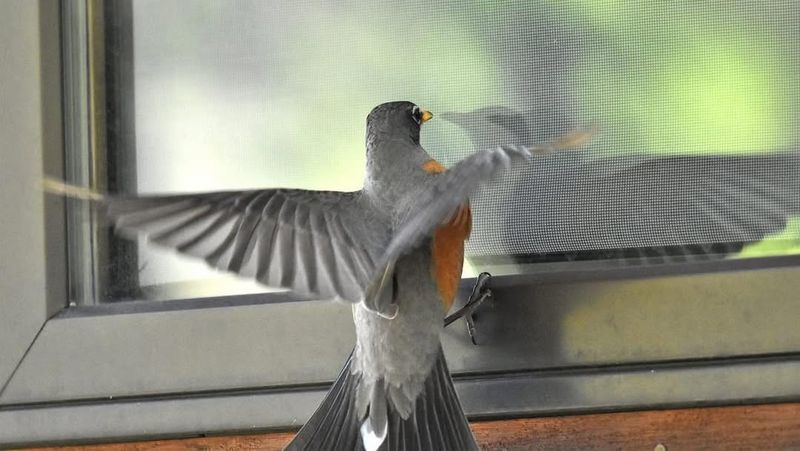
Good intentions sometimes lead Ohio homeowners to provide help that actually harms birds during cold weather. Bread, crackers, and other human food scraps lack the nutrition birds need and can fill their stomachs without providing useful calories.
These empty calories become especially dangerous during cold snaps when every feeding opportunity must deliver maximum energy.
Dirty feeders spread diseases rapidly when birds congregate heavily during extreme weather.
Clean all feeders with a ten percent bleach solution at least weekly during winter, more often during heavy use. Placing feeders too close to windows causes collisions that increase when birds flee in panic from hawks or other threats.
Salt and chemical ice melters near feeding areas can poison birds that ingest contaminated seeds or water.
Using sand or bird-safe ice melt products protects your feathered visitors from accidental poisoning. Some homeowners stop filling feeders during cold snaps because they worry about creating dependency.
However, birds continue natural foraging, but feeders often become a critical backup resource during harsh winter weather.
Stopping suddenly during a weather emergency removes a resource birds have incorporated into their survival strategy. Inconsistent feeding during cold weather actually creates more stress than not feeding at all would have caused.
7. Post-Cold Snap Support Prevents Delayed Losses
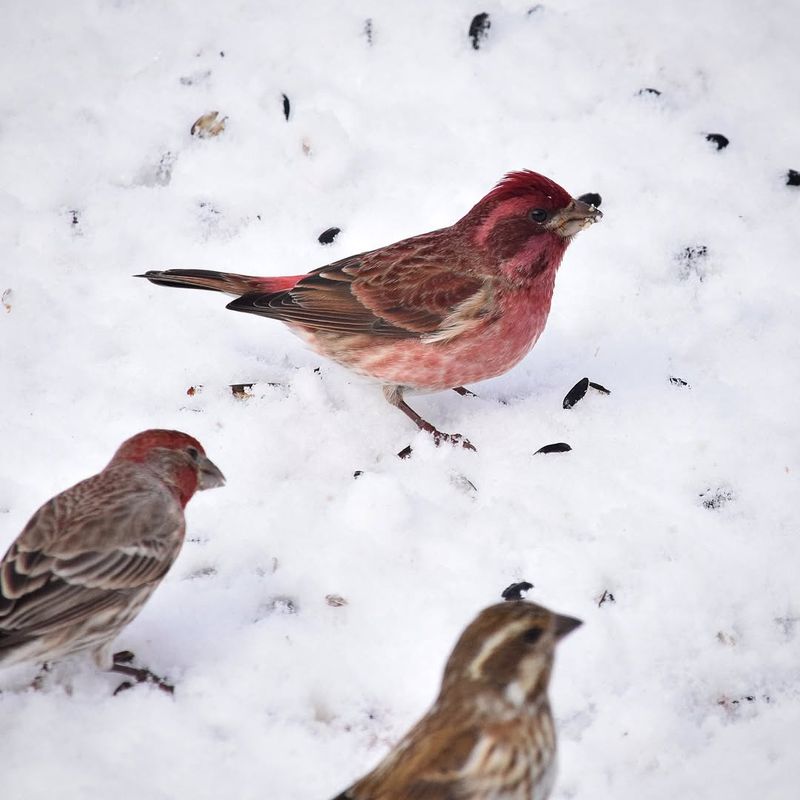
The danger doesn’t end when temperatures moderate after a severe cold snap passes through Ohio. Birds emerge from extreme weather events depleted, having burned through fat reserves that took weeks to build.
They need continued high-quality food to recover their body condition before the next weather challenge arrives.
Many birds that survive the immediate crisis succumb days later because they couldn’t rebuild reserves fast enough.
Continue providing abundant high-energy foods for at least a week after temperatures return to normal winter levels.
Watch for birds that appear fluffed up, lethargic, or reluctant to fly, as these signs indicate severe energy depletion. Maintaining water sources remains crucial during the recovery period because birds need to rehydrate after days of metabolic stress.
Clean feeding areas thoroughly once weather improves because concentrated bird activity during the emergency creates contamination.
Remove any uneaten food that got wet or moldy during the storm to prevent disease transmission. Ohio’s winter typically brings multiple cold snaps rather than just one, so birds need to recover quickly.
Your continued support between weather events helps them build the reserves they’ll need when the next arctic blast arrives.
Think of post-cold snap care as helping birds recharge their batteries for the ongoing winter marathon.
8. Daily Yard Habits Create A Safe Haven For Winter Birds
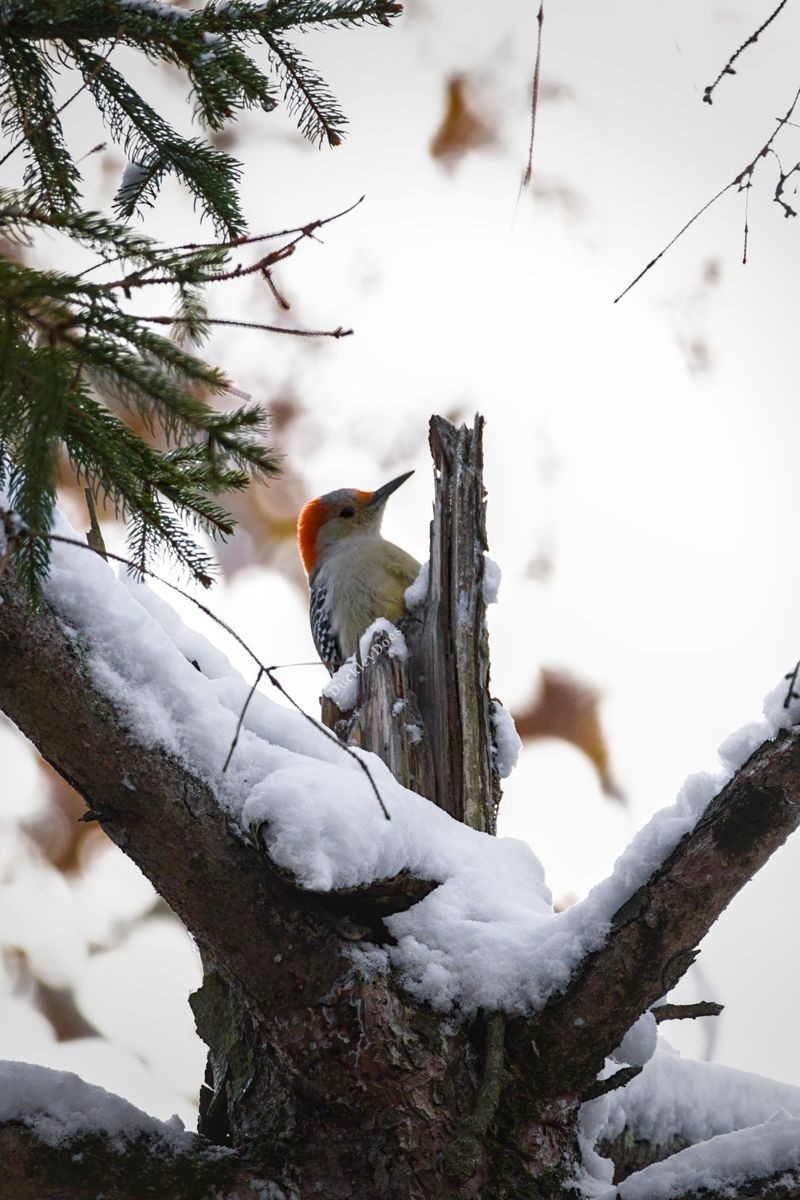
Establishing consistent daily routines helps birds survive not just individual cold snaps but the entire Ohio winter season. Check feeders each morning and add food if levels have dropped below half full.
Morning feeding is particularly important because birds have fasted all night and need immediate calories to warm up.
Scan your yard for predators like hawks or neighborhood cats that might be taking advantage of concentrated bird activity.
A simple clap or presence often moves predators along without disturbing the birds too much. Note which species visit your yard and adjust your food offerings to serve them better.
Evening checks ensure birds have full feeders going into the night when they’ll need maximum resources.
Keep pathways to feeders clear of snow and ice so you can maintain access during any weather.
Document unusual bird visitors during extreme cold, as some species shift their ranges when conditions become severe. Share observations with local bird clubs or online communities to help track how cold snaps affect Ohio bird populations.
Your daily attention creates predictability that birds learn to count on throughout the winter months.
This reliability transforms your yard from just another potential feeding spot into a true sanctuary where birds know they’ll find consistent support during their most challenging season.