The Top 11 Native Ohio Perennials To Plant This Season
Ohio gardeners, this is the planting upgrade your yard has been waiting for. Skip the fussy imports and bring in plants that actually love Ohio soil, weather, and seasons.
Native perennials come back stronger every year, laugh at unpredictable spring temps, attract pollinators, and save you time on watering and maintenance. Even better, they create a landscape that looks beautiful while working with nature instead of against it.
Imagine bold summer color, healthier soil, more butterflies, and a garden that practically takes care of itself. One smart planting season can set you up for years of low-effort blooms and nonstop backyard life.
If you want long-lasting beauty, stronger plants, and a garden that thrives without constant babysitting, these native picks deserve a spot in your yard right now.
1. Purple Coneflower Delivers Nonstop Color And Pollinator Power
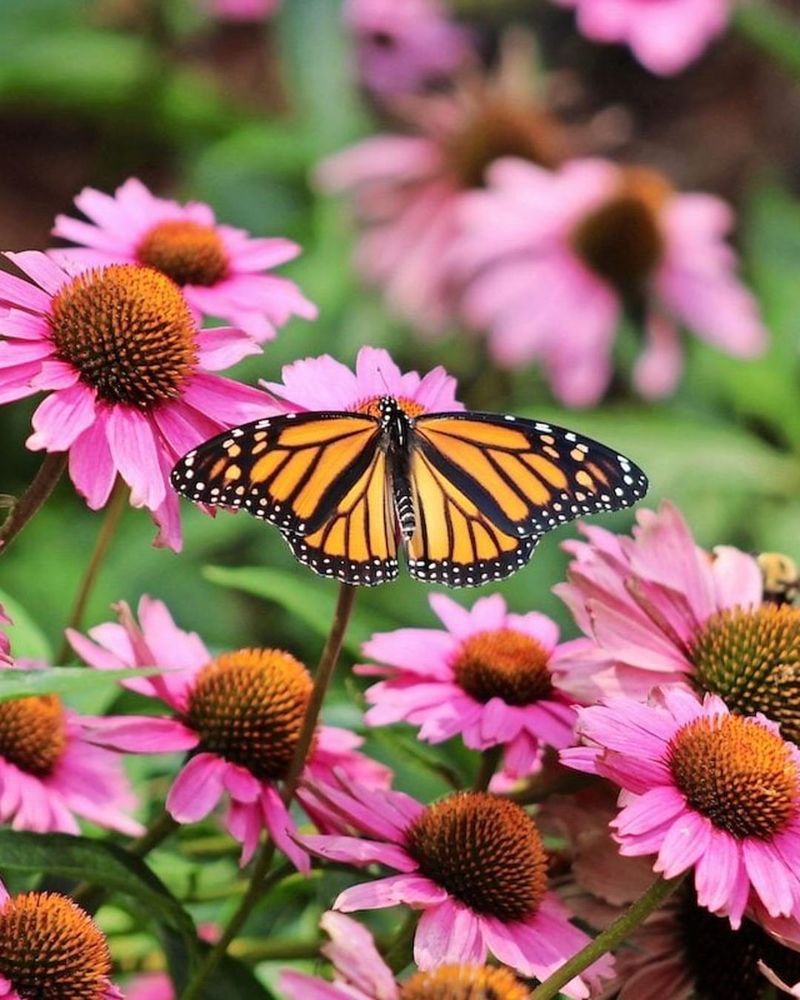
Purple coneflower stands as one of Ohio’s most reliable garden champions, blooming from June through September with barely any effort from you. The big daisy-like flowers feature drooping pink-purple petals surrounding a spiky orange center that butterflies and bees absolutely love.
Each plant grows about three feet tall and spreads slowly into nice clumps that fill empty spots without taking over your whole garden.
Goldfinches flock to purple coneflower in late summer and fall, perching on the seed heads and feasting on the nutritious seeds while entertaining you with their bright yellow feathers and acrobatic feeding style. The sturdy stems stand up to Ohio’s summer storms and keep looking good even when other flowers flop over.
Purple coneflower tolerates clay soil, drought, humidity, and even a bit of shade, though it blooms best with at least six hours of sun.
Plant purple coneflower in groups of three or five for the biggest visual punch and the most pollinator activity. Deadheading spent blooms encourages more flowers, but leaving some seed heads feeds birds and adds winter interest to your Ohio landscape.
This native perennial combines beautifully with black-eyed Susans, ornamental grasses, and other prairie plants for a low-maintenance garden that looks amazing all season long.
2. Black-Eyed Susan Brings Classic Ohio Wildflower Beauty
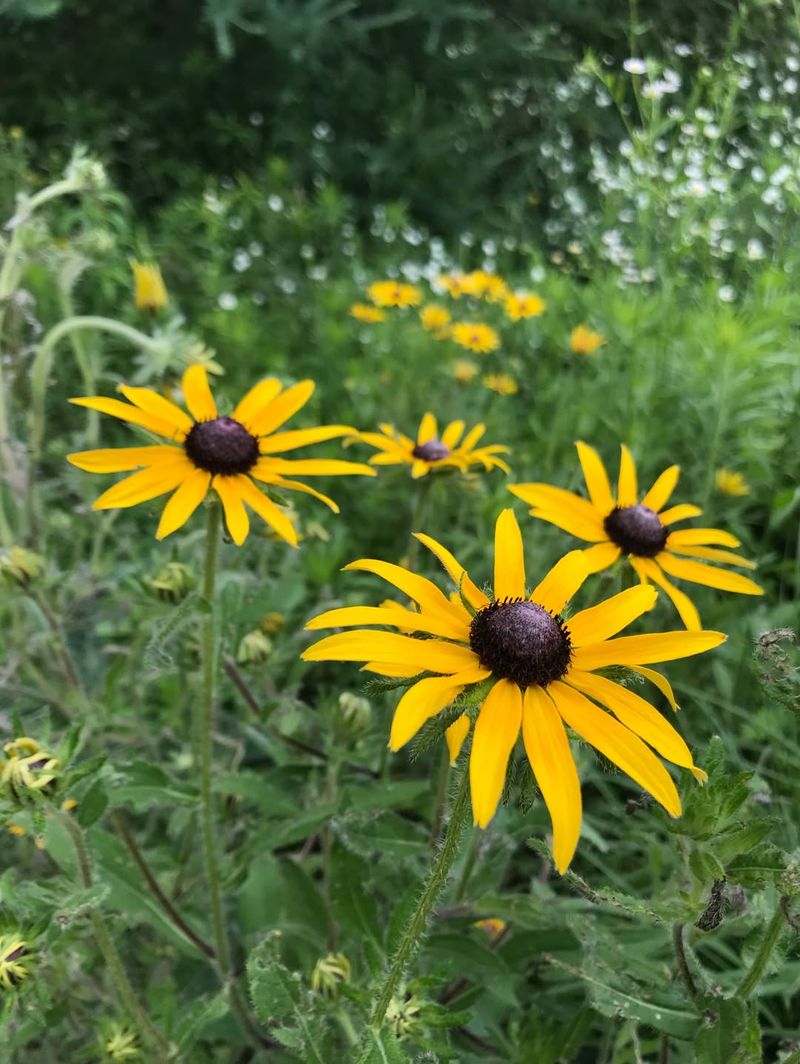
Driving down Ohio country roads in summer, you’ll spot black-eyed Susans lighting up ditches and meadows with their cheerful golden faces. Bringing this tough wildflower into your garden gives you months of bright yellow blooms from June through October without any special soil or constant watering.
The chocolate-brown center buttons contrast beautifully with the sunny yellow petals, creating flowers that practically glow in your landscape.
Black-eyed Susans grow between one and three feet tall depending on the variety, making them perfect for the middle of flower beds or naturalized areas. These Ohio natives handle heat, humidity, clay soil, and dry spells like absolute pros, rarely showing stress even during tough summers.
Butterflies, bees, and other pollinators visit the flowers constantly during daylight hours, while goldfinches and other seed-eating birds clean up the seed heads in fall and winter.
Starting black-eyed Susans from seed works great and costs almost nothing, or you can buy plants for faster results. They self-seed moderately, popping up in nearby spots without becoming weedy or annoying.
Your Ohio Garden Changes Every Week. Your Plan Should Too.
Gardening in Ohio changes quickly throughout the season. Every Friday you’ll receive a simple weekly plan showing exactly what to plant, prune, fertilize, harvest, and protect so you never miss the right timing.
Pair black-eyed Susans with purple coneflowers, ornamental grasses, or blazing star for a classic prairie look that celebrates Ohio’s natural heritage while keeping your garden colorful and full of life.
3. Butterfly Weed Turns Your Yard Into A Monarch Magnet
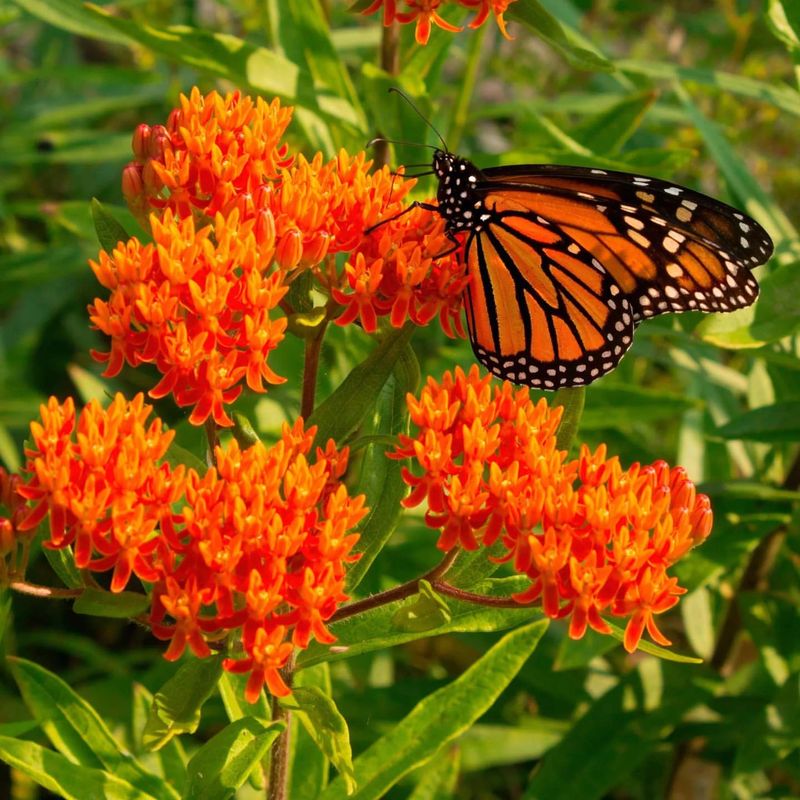
Monarch butterflies travel thousands of miles each year, and butterfly weed serves as one of their most important fuel stops right here in Ohio. The brilliant orange flower clusters bloom from June through August, acting like neon signs that draw monarchs, swallowtails, and dozens of other butterfly species from impressive distances.
Each plant grows about two feet tall and wide, forming neat clumps that never spread aggressively or take over your garden.
Butterfly weed belongs to the milkweed family but has far less milky sap than other milkweeds, making it cleaner and easier to handle. The deep taproot makes established plants incredibly drought-tolerant and perfect for hot, dry spots where other perennials struggle.
Ohio’s clay soil doesn’t bother butterfly weed as long as the area drains reasonably well and gets full sun for most of the day.
Planting butterfly weed helps monarch populations by providing nectar for adults and food for caterpillars, supporting these amazing insects through their entire life cycle. The flowers also attract hummingbirds, bees, and beneficial insects that keep your garden healthy.
Butterfly weed takes a year or two to establish its deep root system, but once settled, it comes back reliably every spring and blooms its heart out all summer with zero pampering required.
4. New England Aster Fuels Fall Pollinators When Other Flowers Quit
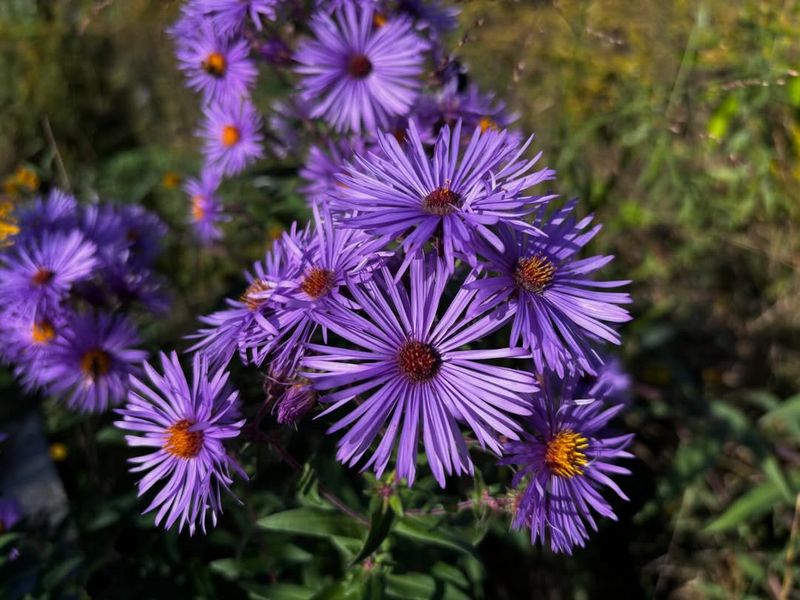
Most perennials finish blooming by late summer, but New England aster just gets started, exploding with purple-pink flowers from September through October when pollinators desperately need food before winter. The plants grow three to five feet tall and nearly as wide, creating huge clouds of color that look amazing in the back of borders or naturalized areas.
Each flower measures about an inch across with a yellow center surrounded by thin petals that butterflies, bees, and other insects visit constantly.
New England aster thrives in Ohio’s climate and tolerates clay soil, humidity, and occasional dry spells without complaint. The plants prefer full sun but handle partial shade reasonably well, though they bloom less heavily and may grow taller and floppier in shadier spots.
Cutting plants back by half in early June creates bushier growth and more flowers, but even without this extra step, New England aster puts on an impressive show.
Migrating monarch butterflies frequently use fall-blooming natives like New England aster as nectar sources to fuel their journey to Mexico, making this plant an important part of fall pollinator habitat. The flowers also support bumblebee queens who need to fatten up before winter hibernation.
New England aster combines beautifully with ornamental grasses, goldenrod, and other fall bloomers for a spectacular end-of-season display that celebrates Ohio’s native plant heritage.
5. Cardinal Flower Creates Instant Hummingbird Traffic
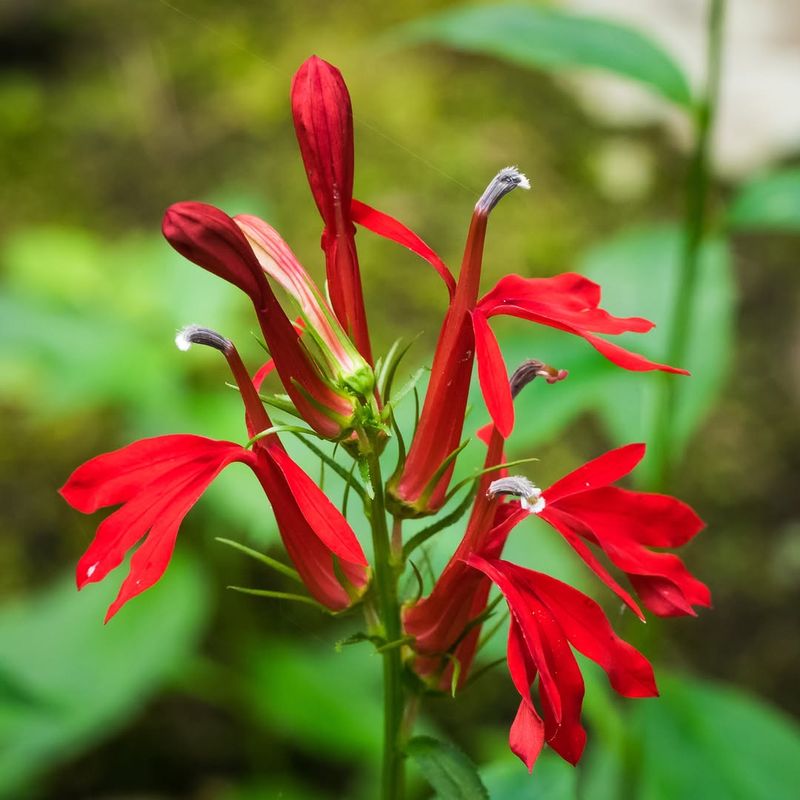
Ruby-throated hummingbirds zoom straight to cardinal flower like tiny feathered missiles, unable to resist the brilliant red flower spikes that bloom from late June through August, sometimes extending into early September. The tubular flowers match hummingbird beaks perfectly, and the intense red color acts as a hummingbird magnet visible from impressive distances.
Each plant sends up two to four flower spikes that reach three to four feet tall, creating vertical accents that add drama to Ohio gardens.
Cardinal flower naturally grows along streams and pond edges throughout Ohio, so it appreciates consistent moisture and tolerates wet soil that would rot many other perennials. The plant handles full sun to part shade, though it blooms most heavily with at least four hours of direct sunlight.
Cardinal flower works beautifully in rain gardens, along water features, or in regular garden beds as long as you water during dry spells.
Watching hummingbirds visit cardinal flower provides endless entertainment as the tiny birds hover, feed, and chase each other away from favorite blooms. The plants also attract swallowtail butterflies and some bees, though hummingbirds remain the star visitors.
Cardinal flower self-seeds lightly in moist areas, gradually forming small colonies that increase the hummingbird show each year without becoming weedy or problematic in Ohio landscapes.
6. Blazing Star Sends Butterflies Flocking All Summer
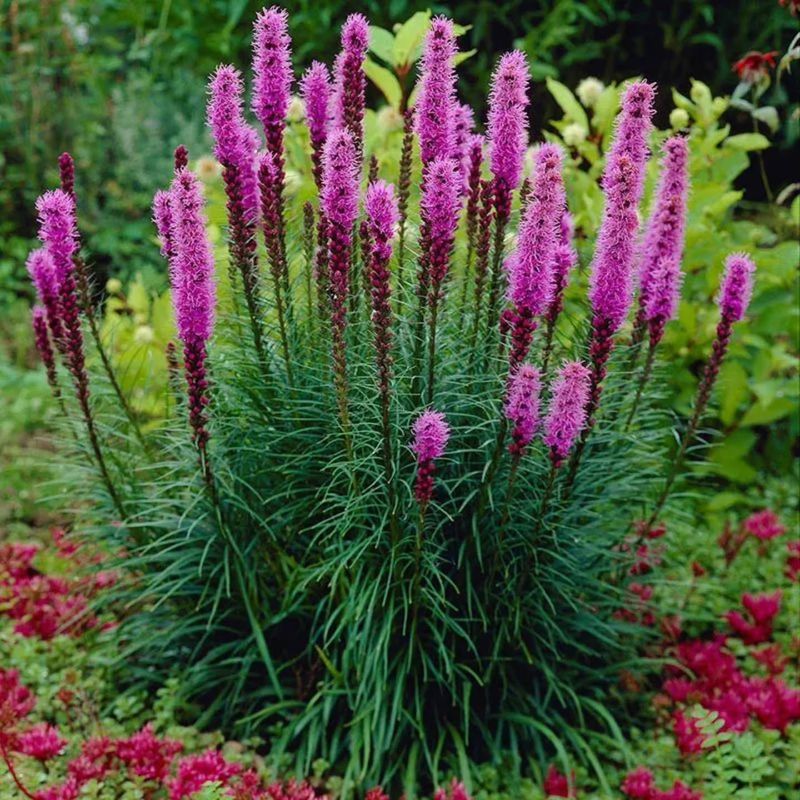
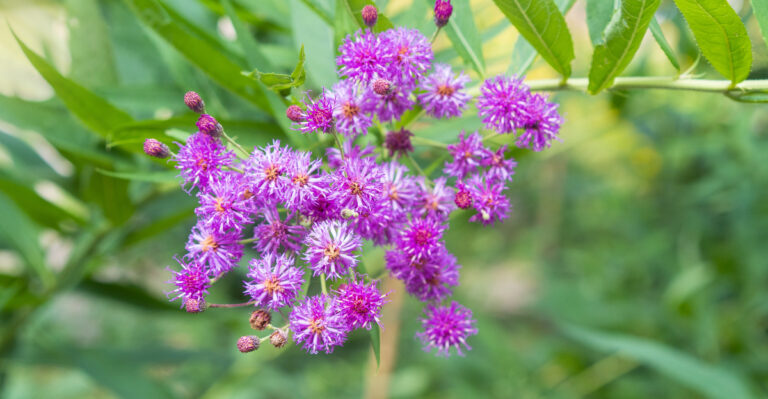
Blazing star grows wild in Ohio prairies and meadows, sending up poker-straight flower spikes covered with fuzzy purple blooms that butterflies find absolutely irresistible. The flowers open from top to bottom instead of bottom to top like most spiky flowers, creating an unusual effect that catches attention from across the yard.
Each spike reaches two to four feet tall, and the grass-like foliage at the base stays neat and tidy throughout the growing season.
Butterflies mob blazing star from July through September, often covering the flower spikes so completely you can barely see the purple blooms underneath. Swallowtails, monarchs, fritillaries, and dozens of other species visit constantly, making blazing star essential for any Ohio butterfly garden.
The flowers also attract bees and beneficial insects while providing seeds for goldfinches and other birds in fall and winter.
Blazing star handles Ohio’s clay soil, summer heat, and humidity without any fussing, though it performs best in full sun with decent drainage. The plants are generally well-behaved, non-invasive, and don’t require staking despite their height, making them easy to grow.
Combine blazing star with coneflowers, black-eyed Susans, and ornamental grasses for a prairie-style garden that celebrates Ohio’s native plant communities while keeping your landscape colorful and full of wildlife activity all season long.
7. Wild Bergamot Fills Gardens With Fragrance And Bee Activity
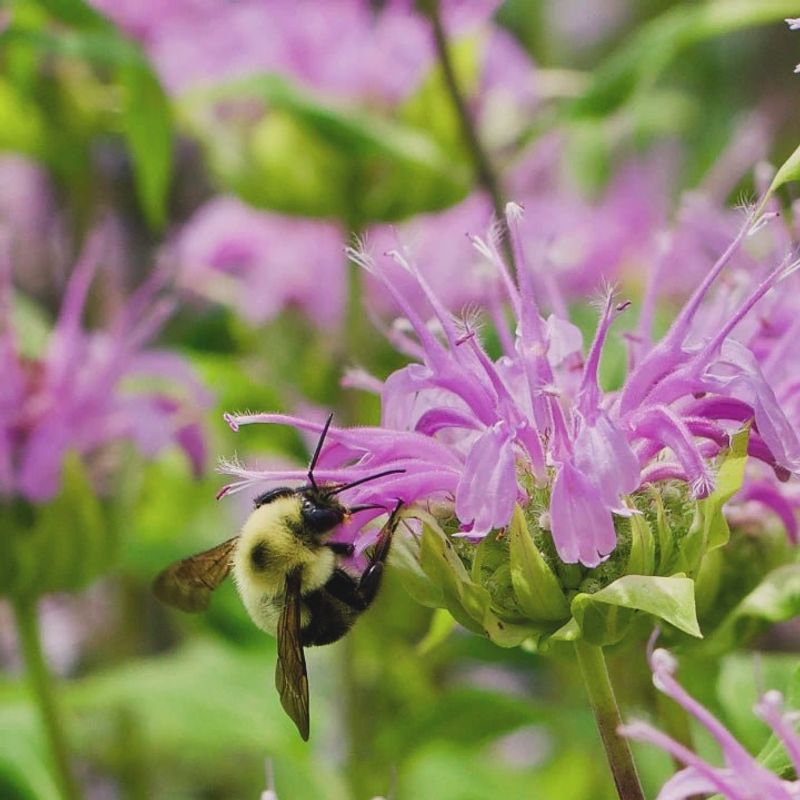
Brushing against wild bergamot releases an amazing minty-oregano scent that fills your Ohio garden with fragrance all summer long. The lavender-pink pom-pom flowers bloom from June through August, creating unusual rounded shapes that contrast beautifully with daisy-shaped flowers like coneflowers and black-eyed Susans.
Each plant grows three to four feet tall and spreads moderately through underground runners, forming nice patches without becoming overly aggressive.
Bees go absolutely crazy for wild bergamot, with bumblebees, honeybees, and native bees covering the flowers from dawn to dusk on sunny days. Hummingbirds also visit regularly, and butterflies stop by between trips to other flowers.
Wild bergamot belongs to the mint family and shares the family’s tough constitution, handling clay soil, humidity, drought, and Ohio’s variable weather without complaint.
Native Americans and early settlers used wild bergamot for tea and medicine, and the leaves still make a pleasant herbal tea with a flavor similar to Earl Grey. The plant tolerates more shade than most prairie natives, making it useful for gardens that don’t get full sun all day.
Wild bergamot combines beautifully with other Ohio natives in cottage-style gardens or naturalized areas, providing months of color, fragrance, and pollinator activity that brings your landscape to life in the most delightful ways.
8. Common Milkweed Builds The Next Generation Of Monarchs
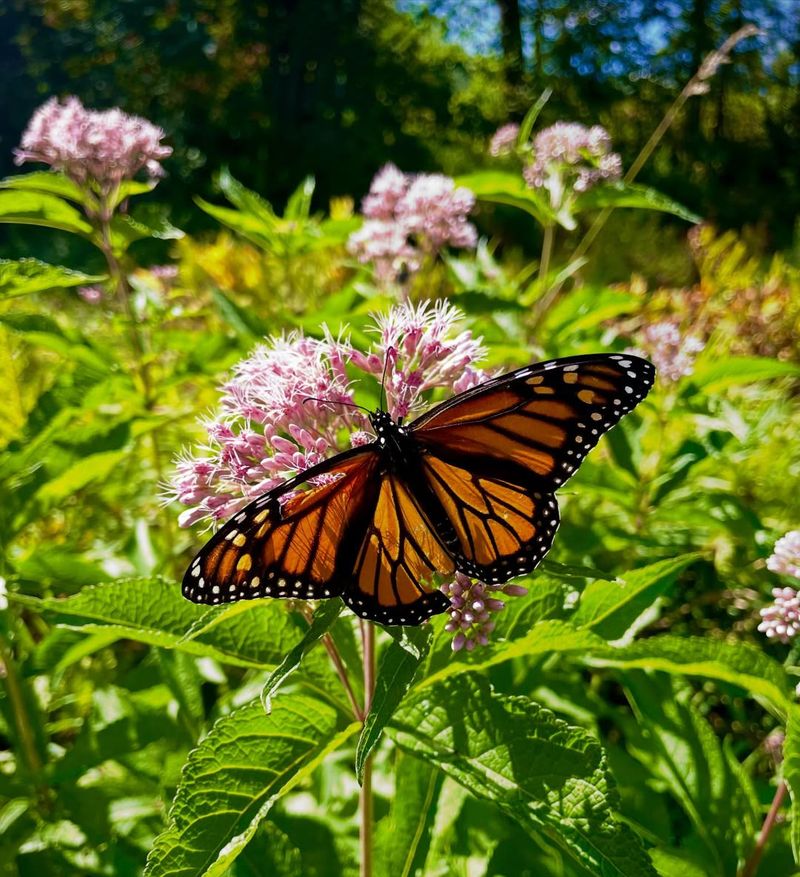
Monarch butterflies need milkweed to survive, and common milkweed stands as one of the most important species for monarchs throughout Ohio and the Midwest. Female monarchs lay eggs exclusively on milkweed plants, and the caterpillars eat nothing but milkweed leaves as they grow.
The pink-purple flower clusters bloom in June and July, filling the air with sweet fragrance while attracting butterflies, bees, and other pollinators by the dozens.
Common milkweed grows four to six feet tall and spreads through underground runners, eventually forming colonies that support multiple monarch families at once. The large leaves provide plenty of food for hungry caterpillars, and each plant can host several caterpillars without suffering any permanent damage.
Ohio gardeners with space for milkweed patches directly contribute to monarch conservation, helping these amazing butterflies complete their incredible migration cycle.
Plant common milkweed in areas where spreading won’t cause problems, or grow it in large containers to control the roots. The flowers produce unique seed pods that split open in fall, releasing seeds attached to silky parachutes that float away on the breeze.
Common milkweed tolerates clay soil, drought, and tough conditions that would stress many garden plants, making it easy to grow throughout Ohio while providing essential habitat for one of North America’s most beloved butterfly species.
9. Ohio Spiderwort Adds Early-Season Blue Color Fast
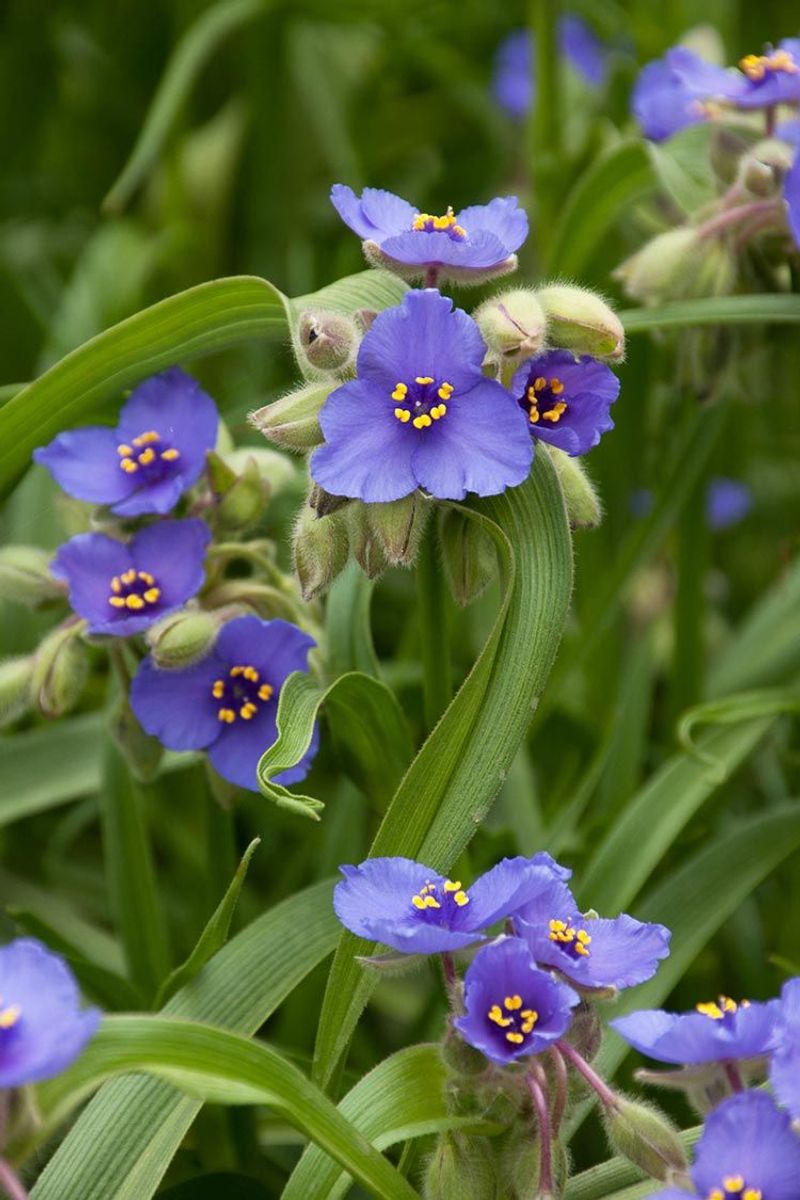
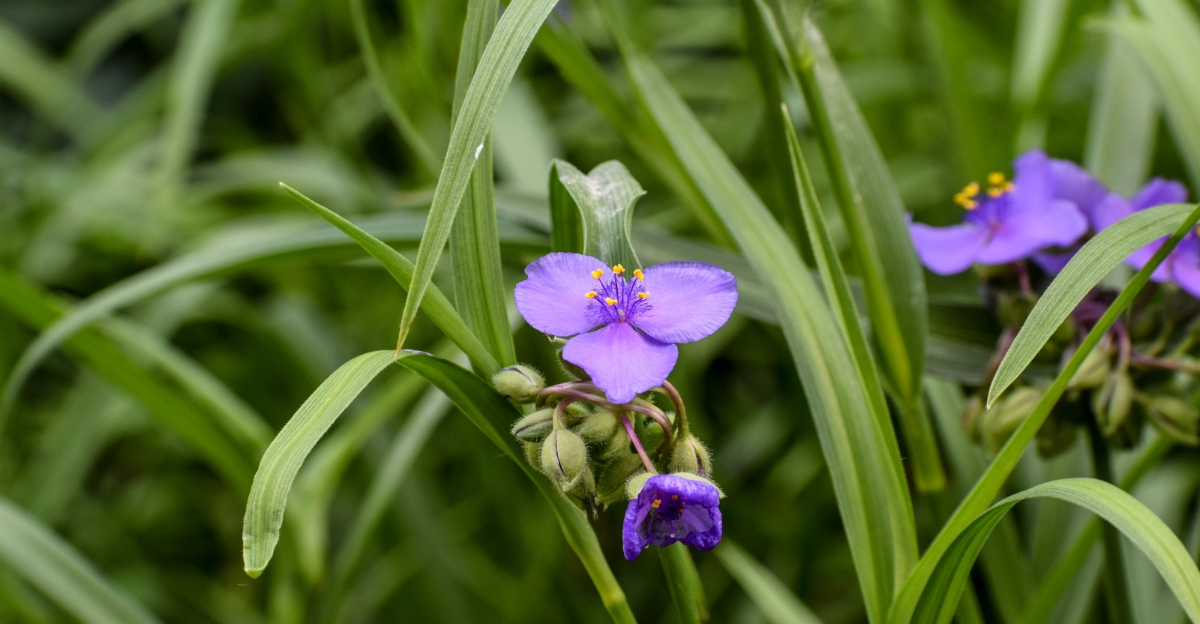
Finding true blue flowers for Ohio gardens can be tricky, but spiderwort delivers gorgeous blue-purple blooms from May through July when many perennials haven’t started flowering yet. Each flower lasts just one day, but plants produce so many buds that fresh blooms open every morning throughout the season.
The three-petaled flowers measure about an inch across and appear in clusters at the tips of arching stems surrounded by grass-like foliage.
Ohio spiderwort grows one to two feet tall and wide, forming neat clumps that fill in quickly and provide early-season interest before summer perennials take over. The foliage may look tired by late summer, so plant spiderwort where later-blooming perennials can hide the leaves, or simply cut plants back after flowering to encourage fresh growth.
Spiderwort handles sun or shade and Ohio’s clay soil, performing best in moderately moist, well-drained conditions rather than extreme drought.
Native bees and other small pollinators visit spiderwort flowers throughout the morning hours before the blooms close in afternoon heat. The plants self-seed lightly and also spread slowly through creeping roots, gradually expanding into nice patches without becoming weedy.
Combine Ohio spiderwort with ferns, wild ginger, and other shade-tolerant natives for woodland gardens, or pair it with prairie plants in sunnier spots for early-season color that celebrates Ohio’s diverse native plant communities.
10. Blue Wild Indigo Delivers Shrub-Size Impact Without Shrubs
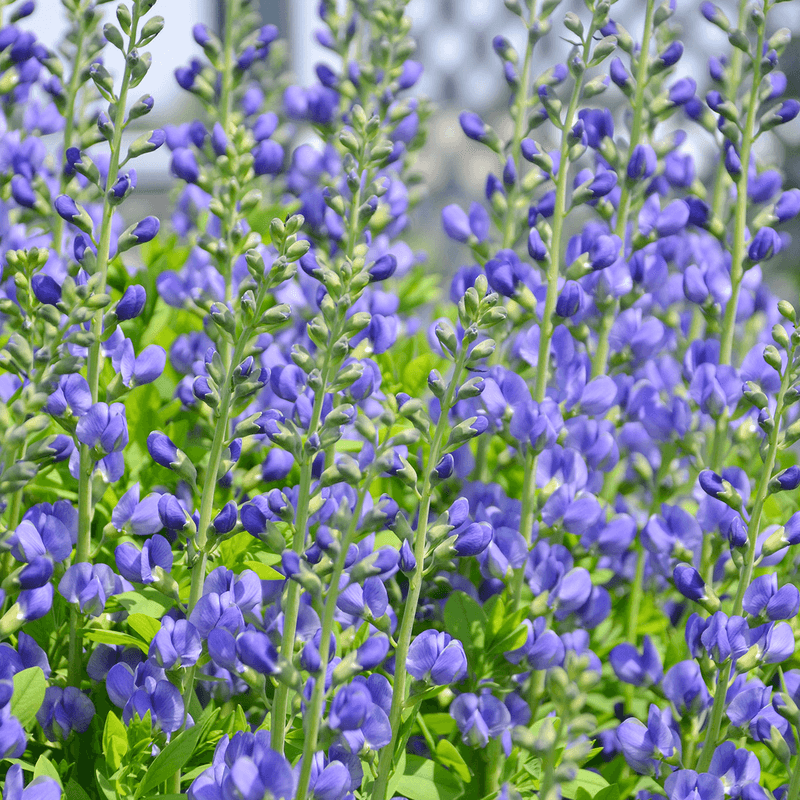
Blue wild indigo grows into a substantial three-foot-tall and four-foot-wide mound of blue-green foliage topped with spikes of blue-purple flowers in May and June. The plant looks more like a small shrub than a typical perennial, providing structure and presence that anchors garden beds without the commitment of planting actual shrubs.
The pea-like flowers appear in upright clusters that resemble lupines, attracting bumblebees and other long-tongued pollinators throughout the bloom period.
After flowering, blue wild indigo produces interesting dark seed pods that rattle in the breeze and add sound effects to your Ohio garden. The foliage stays attractive all season, maintaining its shrub-like shape without flopping or looking messy.
Blue wild indigo takes several years to reach full size, but once established, the deep taproot makes plants incredibly drought-tolerant and virtually indestructible.
This Ohio native fixes nitrogen in the soil like other members of the pea family, actually improving your garden while it grows. Blue wild indigo handles clay soil, humidity, heat, and cold without complaint, thriving in full sun to light shade.
The plant never needs staking, dividing, or special care, making it perfect for low-maintenance landscapes throughout Ohio. Combine blue wild indigo with ornamental grasses, coneflowers, and other prairie natives for a bold, structural element that provides year-round interest and celebrates the Buckeye State’s native plant heritage.
11. Jacob’s Ladder Brightens Shady Ohio Gardens In Spring
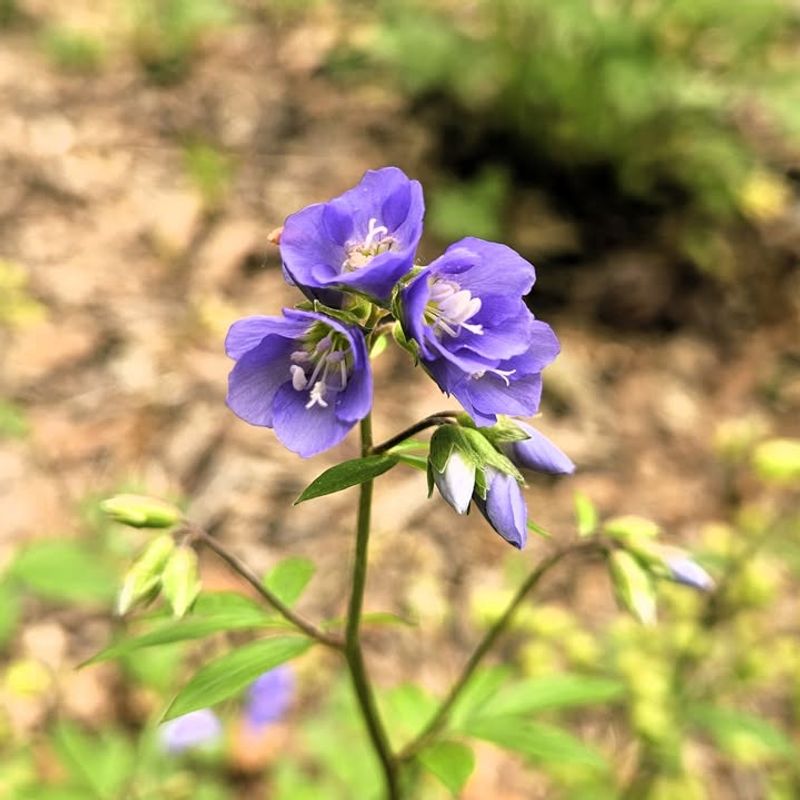
Most spring wildflowers bloom white or yellow, but Jacob’s ladder offers beautiful lavender-blue flowers that brighten shady spots from April through May. The bell-shaped blooms appear in loose clusters above distinctive foliage with leaflets arranged in pairs along the stem like the rungs of a ladder.
Each plant grows about one foot tall and wide, forming tidy clumps that spread slowly without becoming aggressive or weedy.
Jacob’s ladder naturally grows in Ohio woodlands and shaded areas, making it perfect for gardens under trees or along the north side of buildings where sun-loving perennials struggle. The plant tolerates deep shade but blooms most heavily with a few hours of morning sun or dappled light throughout the day.
Jacob’s ladder appreciates consistent moisture and rich soil but handles typical Ohio conditions without constant attention.
Native bees and early butterflies visit Jacob’s ladder flowers for nectar when few other food sources are available in spring. The foliage remains attractive through summer, providing groundcover that suppresses weeds and adds texture to shaded areas.
Combine Jacob’s ladder with ferns, wild ginger, Virginia bluebells, and other shade-loving Ohio natives for a woodland garden that celebrates the state’s natural plant communities. This reliable native perennial brings much-needed blue color to shady gardens while supporting early-season pollinators and creating beautiful spring displays year after year.