6 Ways To Tell Snow Mold From Winter Lawn Damage In Ohio Right Now
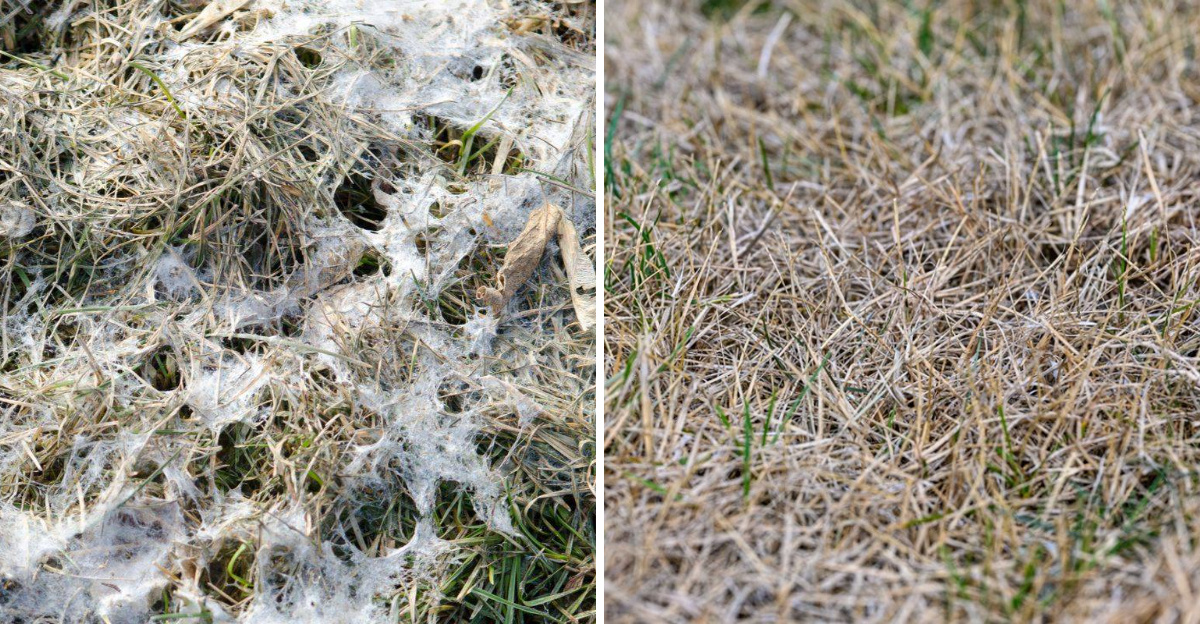
Brown patches popping up across Ohio lawns are causing serious panic right now. Is it snow mold creeping in or just winter damage showing its ugly side?
The two look shockingly similar, but the fix is completely different. Treat the wrong problem and you can make things worse fast.
Timing matters. Visual clues matter.
Even smell and texture can tell a story most homeowners miss. Before you dump fertilizer, rake aggressively, or call in expensive treatments, it pays to know exactly what you are dealing with.
Your lawn is waking up from months of cold stress and the choices you make this early can shape how it looks all season. If you want thick green grass instead of spreading patchy messes, it starts with spotting the right signs and acting smart from day one.
1. Snow Mold Leaves Powdery White Or Pink Patches Behind
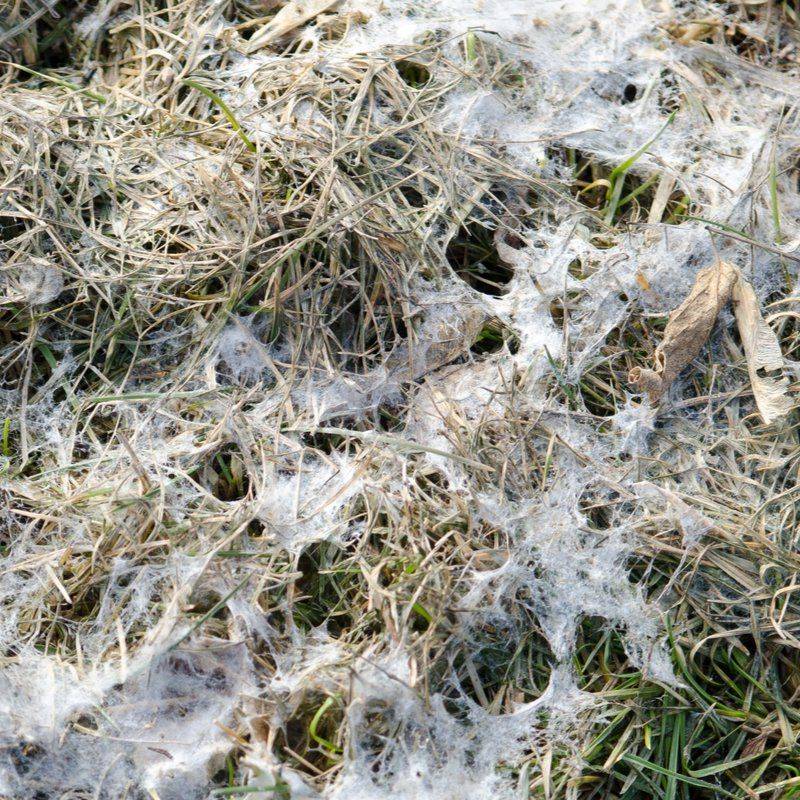
Walking across your Ohio lawn after the last snow melts can reveal some surprising sights. One of the clearest signs of snow mold is the presence of fuzzy, powdery patches that appear white, gray, or even pink in color.
These patches stand out dramatically against healthy green grass and look almost like someone sprinkled flour or cotton candy across sections of your yard.
Gray snow mold, often called Microdochium patch, creates grayish-white webbing that covers the grass blades. Pink snow mold, caused by a different fungus, leaves behind patches with a distinctive salmon or pink tint.
Both types create a moldy, almost fuzzy appearance that you won’t see with regular winter damage.
Regular winter stress doesn’t produce this powdery coating. Instead, cold-damaged grass simply looks pale, brown, or straw-colored without any fuzzy growth on top.
The powdery substance you see with snow mold is actually the fungus itself, actively growing and spreading across your lawn.
You can often spot this fungal growth most clearly in the morning when dew makes it more visible.
Running your hand over affected areas might reveal a damp, soft, or matted texture underneath the powdery coating. This damp, matted texture comes from the fungus colonizing the grass tissue and trapping moisture as it grows.
Homeowners throughout Ohio cities like Columbus, Cleveland, and Cincinnati commonly report these distinctive patches each spring.
The powdery appearance usually fades as the weather warms and dries out, but the damage to your grass remains visible for weeks.
Taking photos of these patches helps you track whether the problem spreads or improves over time.
Understanding this visual clue gives you confidence in identifying the real problem affecting your yard.
2. Winter Damage Turns Grass Pale, Flat, And Lifeless Looking
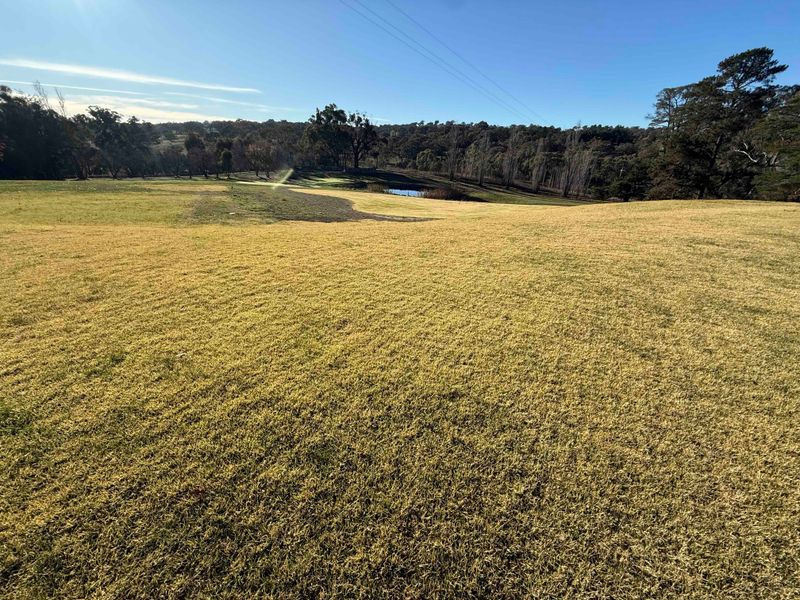
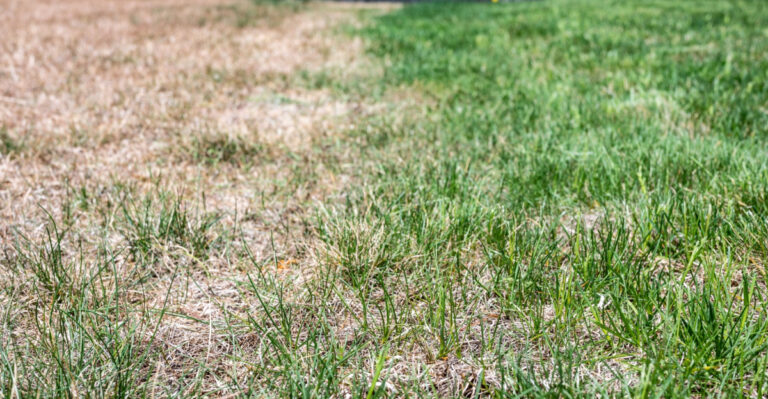
Cold stress affects grass differently than fungal diseases do. When Ohio winters take their toll on your lawn, the grass blades typically turn pale tan, straw-yellow, or light brown.
This color change happens uniformly across the affected areas without the fuzzy patches or webbing you see with snow mold.
Winter-damaged grass lies flat against the ground, pressed down by snow and ice, but it doesn’t mat together in the sticky, webbed clumps characteristic of fungal problems.
Your Ohio Garden Changes Every Week. Your Plan Should Too.
Gardening in Ohio changes quickly throughout the season. Every Friday you’ll receive a simple weekly plan showing exactly what to plant, prune, fertilize, harvest, and protect so you never miss the right timing.
The blades simply look compressed and deflated, like they’ve been stepped on repeatedly. You won’t find any powdery coating or slimy residue when you touch winter-stressed grass.
Instead, the blades feel dry and papery, sometimes even crunchy when you walk across them.
This type of damage spreads across your lawn in irregular patterns, often affecting exposed areas, slopes, and spots where snow piled up heavily.
Unlike the circular or ring-shaped patterns of snow mold, winter damage follows the natural contours of your yard and areas exposed to harsh conditions. Grass suffering from cold stress alone will usually bounce back once temperatures warm up and you begin regular lawn care.
The crown of the grass plant, located at the soil level, typically survives even when the blades above look terrible.
Many Ohio homeowners worry unnecessarily when they see pale, flat grass in early spring. Give your lawn a few weeks of warmer weather before assuming the worst.
New growth often emerges from the base of seemingly lifeless plants once conditions improve.
Raking gently across winter-damaged areas helps lift the compressed blades and allows air circulation. This simple step encourages recovery and helps you see which plants are truly struggling versus just temporarily stressed.
3. Matted, Webbed Grass Points Straight To Snow Mold
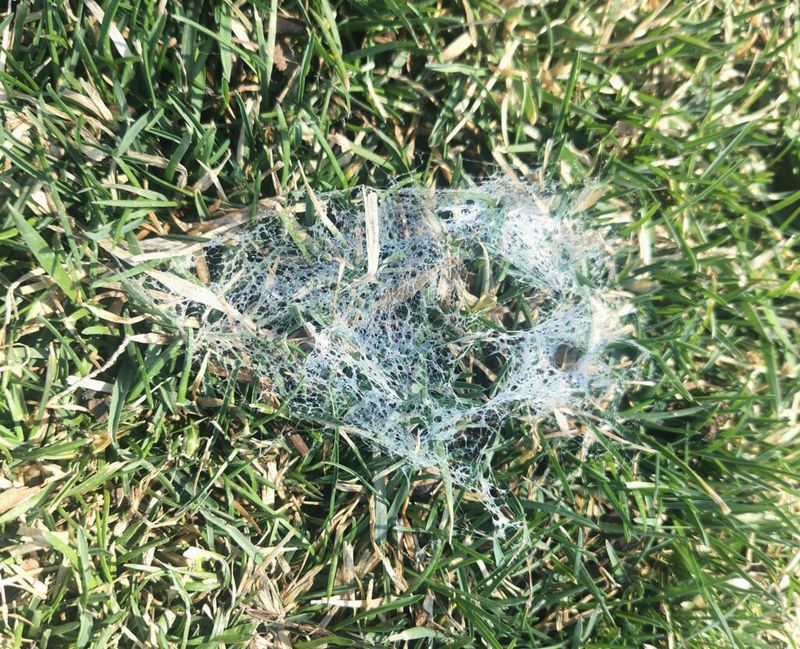
Something feels wrong when you walk across certain patches of your lawn and notice grass that sticks together in clumps.
Snow mold creates distinctive matted areas where grass blades appear glued to each other and to the soil surface. This matting happens because the fungus produces substances that bind everything together as it grows.
When you try to separate the grass blades in these areas, they resist pulling apart and might even tear rather than lift cleanly.
The webbed appearance looks similar to spider webs stretched across your lawn, but it’s actually fungal mycelium connecting blade to blade. Early morning visits to your yard in Ohio reveal this webbing most clearly, especially when moisture makes the strands more visible.
Regular winter damage never creates this sticky, matted effect.
Cold-stressed grass might lie flat, but the individual blades remain separate and move independently when you rake through them. With snow mold, the entire affected patch moves as one unit because everything is bound together.
In severe cases, sections of matted grass may lift more easily than healthy turf. This phenomenon occurs most commonly in areas where snow accumulated and remained on the ground for extended periods.
The fungus thrives in the dark, moist environment created under snow cover, spreading its web-like growth throughout the grass.
Homeowners in northern Ohio cities like Toledo and Akron see this matting more frequently due to heavier, longer-lasting snow cover. Breaking up these matted areas requires gentle raking to separate the grass blades and restore air circulation.
Leaving the matted grass untouched prevents new growth from emerging and can suffocate the crowns of your grass plants.
The sticky residue eventually dries out, but the damage to your lawn’s appearance persists until new growth fills in the affected spots.
4. Dry, Brittle Blades Signal Cold Stress Problems
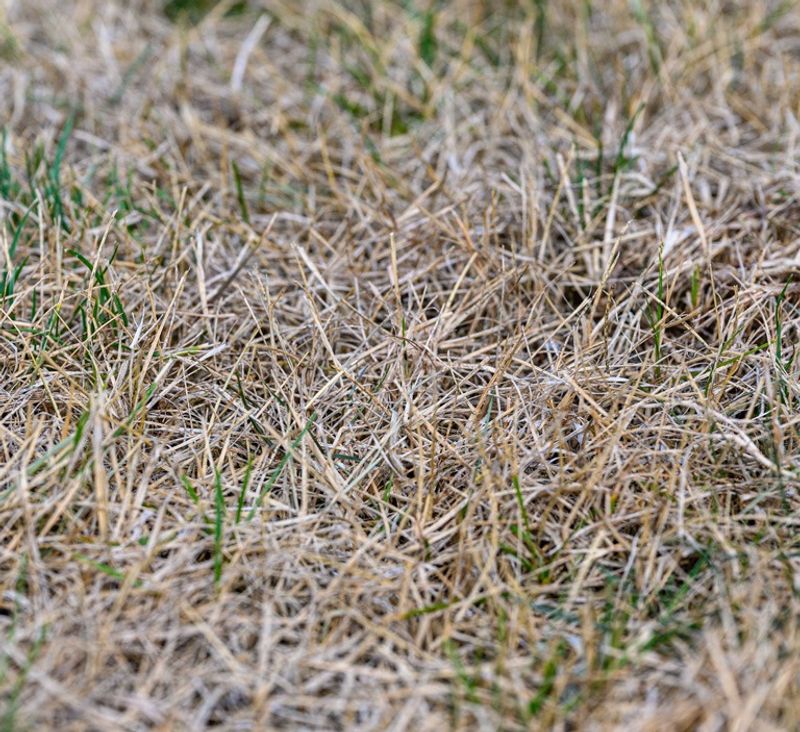
Texture tells an important story when diagnosing lawn problems in Ohio. Grass damaged by winter cold and desiccation develops a distinctly dry, brittle quality that breaks easily when you handle it.
These damaged blades snap cleanly between your fingers, much like dry straw or withered leaves.
Winter winds and fluctuating temperatures pull moisture from grass blades faster than the frozen ground can replace it, leading to this desiccation. The grass essentially experiences drought conditions even while surrounded by snow and ice.
This type of damage affects the above-ground portions of the plant while often leaving the root system and crown intact. Snow mold-infected grass feels completely different when you touch it.
Rather than dry and brittle, grass affected by fungal disease often feels damp, soft, or musty even several days after the snow melts.
The fungus retains moisture and creates a distinctly unpleasant texture that your fingers recognize immediately. In severe snow mold infections, the crown area may be weakened, causing some grass plants to pull free more easily than healthy turf.
This happens because the fungus attacks the base of the grass plant, weakening its connection to the roots.
Cold-stressed grass, despite looking terrible, usually remains firmly anchored in the soil. Testing this difference helps you determine what you’re dealing with in your yard.
Gently tug on grass in affected areas to see if it pulls free easily or stays put.
Ohio’s freeze-thaw cycles throughout winter create perfect conditions for desiccation damage, especially on south-facing slopes and exposed areas.
Understanding these textural differences helps you avoid misdiagnosing your lawn’s problems and applying unnecessary treatments. Simple observation and touch testing provide valuable clues about whether you’re facing fungal disease or environmental stress.
5. Perfect Circles And Rings Reveal Fungal Activity
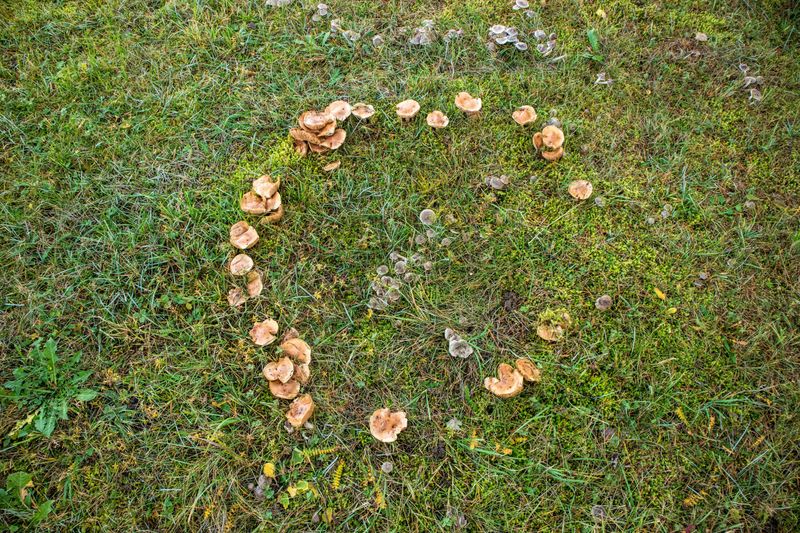
Geometry becomes your diagnostic tool when examining spring lawn damage. Snow mold typically creates distinctive circular or ring-shaped patterns that range from a few inches to several feet in diameter.
These nearly perfect circles appear randomly across your lawn, sometimes overlapping to create larger irregular shapes.
The circular growth pattern happens because the fungus spreads outward from a central point in all directions at roughly the same rate. You might notice that the grass at the outer edge of these circles looks worse than the center, creating a ring or donut shape.
This occurs because the fungus actively feeds at the expanding edge while the center begins recovering.
Winter stress damage doesn’t follow these geometric patterns. Instead, cold damage appears in irregular patches that correspond to environmental factors like wind exposure, snow drift locations, or areas with poor drainage.
You won’t see the neat, almost mathematical precision of fungal growth rings with simple winter injury.
Looking down at your Ohio lawn from a second-story window or deck helps you spot these circular patterns more easily.
The bird’s-eye view reveals the organization that’s harder to see when you’re standing right in the middle of affected areas. Some homeowners discover dozens of these circles scattered across their property, particularly in yards with a history of snow mold problems.
The size of the circles can indicate how long the fungus had to grow under snow cover.
Larger rings suggest the disease had more time to spread before the snow melted.
Photographing these patterns helps you track whether the same areas get infected year after year, which often indicates underlying issues with drainage, thatch buildup, or soil compaction.
Recognizing these telltale shapes gives you confidence in your diagnosis and helps you explain the problem to lawn care professionals if you need assistance.
6. Wet Soil And Heavy Thatch Expose The Real Culprit
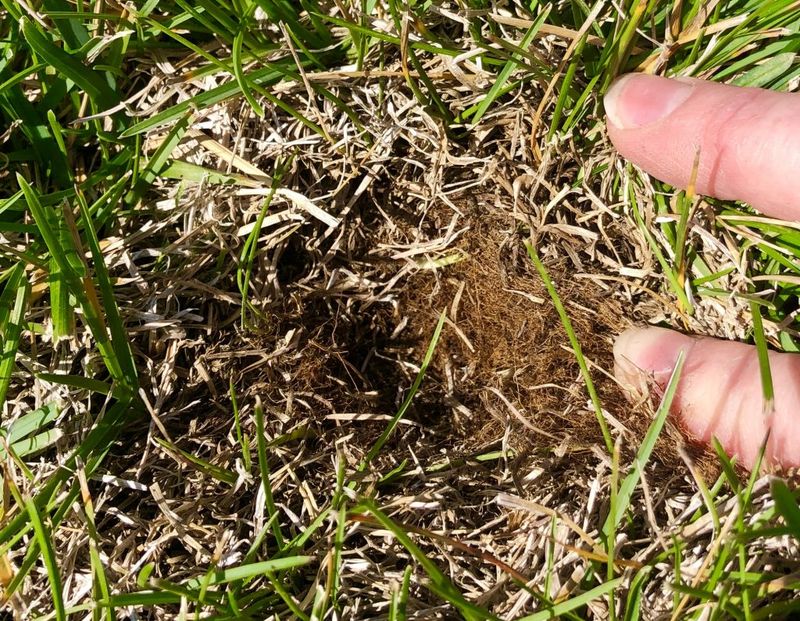
Conditions beneath your grass tell the complete story of what happened during winter.
Snow mold thrives in specific environmental situations that regular winter damage doesn’t require.
Pushing aside the grass in affected areas often reveals extremely wet, sometimes even muddy soil underneath. This excessive moisture comes from poor drainage combined with melting snow that couldn’t escape quickly enough.
The fungus loves this waterlogged environment and uses the moisture to fuel its growth. Examining the base of your grass plants might reveal another important clue: thick, spongy thatch buildup.
Thatch is the layer of withered grass stems, roots, and debris that accumulates between the soil surface and the green grass above. A thick thatch layer holds moisture like a sponge and creates the perfect breeding ground for snow mold fungi.
You can measure thatch depth by cutting a small wedge from your lawn and looking at the cross-section.
Thatch thicker than about half an inch can increase the risk of disease problems. Areas of your Ohio lawn with heavy thatch and poor drainage get hit hardest by snow mold each year.
Snow mold is more strongly associated with wet, thatchy areas, while winter injury can occur across many site conditions.
Cold stress affects exposed, well-drained spots just as easily as poorly-drained ones. The environmental factors matter more for fungal diseases than for simple weather-related injury.
Checking multiple spots across your lawn helps you see patterns.
If the worst damage consistently appears in low areas where water collects or in sections you know have drainage issues, snow mold becomes the more likely diagnosis.
Addressing these underlying conditions prevents repeated infections in future years.
Core aeration, dethatching, and improving drainage solve the root cause rather than just treating symptoms each spring. Understanding this connection empowers you to make your Ohio lawn less hospitable to fungal diseases.