Seeing Tracks In The Snow? Ohio Voles May Already Be Eating Your Trees
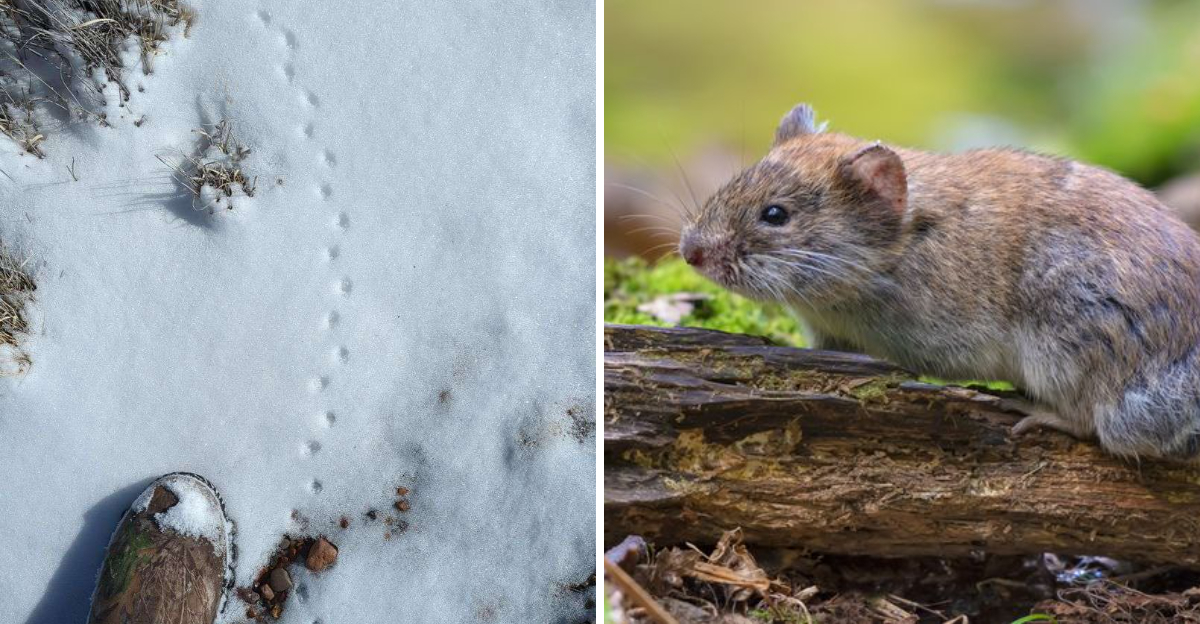
Those tiny trails zigzagging across your snow are not just cute winter wildlife activity. They can be a warning sign that voles are already chewing on your trees right now.
While everything looks quiet above ground, serious damage may be happening at the base of trunks and under the snow line. By the time spring arrives, many Ohio homeowners are shocked to find girdled bark, weakened trees, and sudden dieback.
The scary part is how fast voles work when food is scarce and cover is thick. One cold season is enough to cause long-term harm.
If you care about protecting young trees, fruit trees, and ornamentals, now is the moment to pay attention. Spotting the signs early and taking action can mean the difference between healthy growth and expensive replacements once the snow finally melts.
1. Snow Tracks Expose Secret Vole Traffic
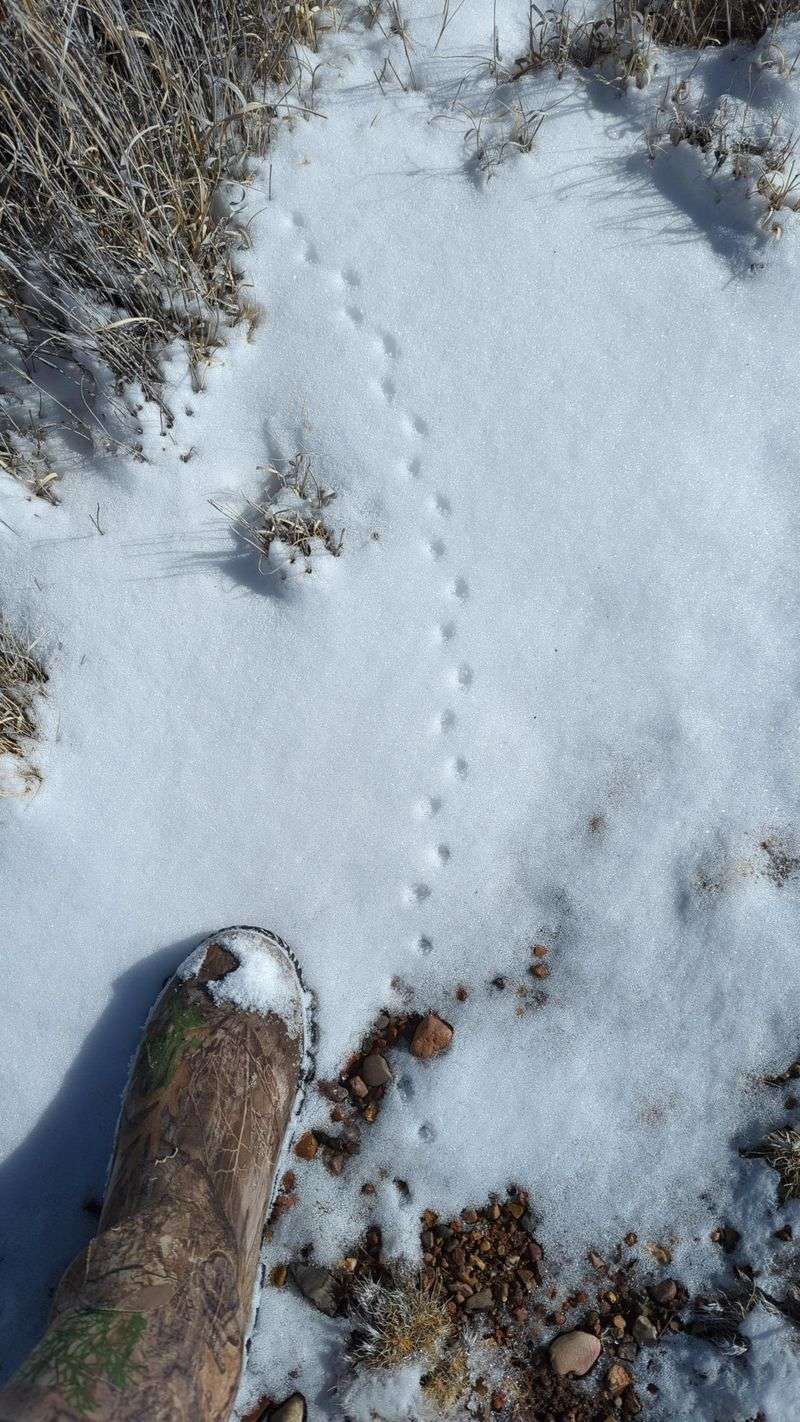
Fresh snowfall can sometimes reveal vole movement patterns, but most activity occurs beneath the snow in hidden runways. Small footprints with tail drag marks form visible highways between trees, shrubs, and protective cover areas.
Voles prefer moving under snow cover, but their tracks betray their secret routes across open spaces.
These rodents typically create paths about one to two inches wide that connect feeding areas to their burrow systems. The tracks lead from woodpiles, dense ground cover, or mulched beds directly to the base of vulnerable trees.
Following these trails helps identify which trees face the highest risk of damage.
Ohio winters with consistent snow cover provide ideal conditions for vole activity by insulating their tunnel networks. The animals remain active throughout cold months, feeding constantly to maintain body temperature.
Unlike many creatures that hibernate, voles continue gnawing bark day and night during winter.
Examining tracks closely reveals the difference between voles and other small animals. Vole activity is better identified by narrow surface runways, tail drag marks, and feeding damage near tree bases rather than individual toe prints.
Mouse tracks look similar but typically show longer jumps between print clusters.
Regular winter inspections, especially after snow melt or thaw periods, help you monitor vole activity levels. Increased track density near specific trees signals immediate danger to those plants.
Early detection through snow tracking gives you time to install protective barriers before extensive bark removal occurs, potentially saving young trees from girdling damage that could threaten their survival in your Ohio landscape.
2. Missing Bark Means Big Trouble
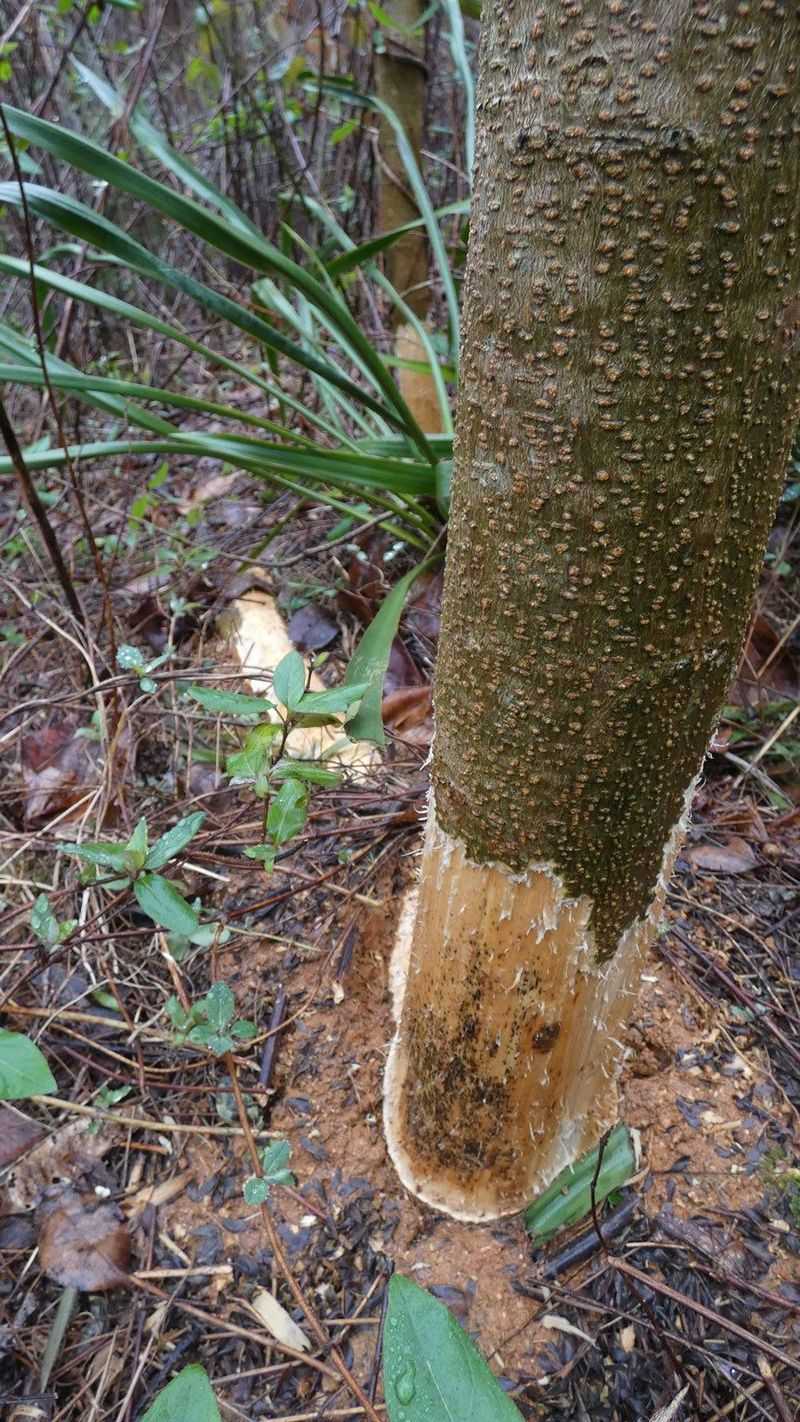
Bark serves as the protective skin that keeps trees alive and healthy throughout their lifetime. When voles strip away this essential layer, they expose the vulnerable cambium tissue underneath.
This thin layer produces new vascular tissue that allows trees to continue transporting water and sugars, making it critical for tree survival.
Vole damage typically appears as irregular patches of missing bark near ground level. The gnaw marks show tiny parallel grooves from their sharp incisor teeth.
Fresh damage appears light colored and moist, while older injuries darken and dry out over time.
Ohio homeowners often discover bark damage after snow melts in late winter or early spring. By this time, voles may have been feeding for months beneath the snow cover.
Your Ohio Garden Changes Every Week. Your Plan Should Too.
Gardening in Ohio changes quickly throughout the season. Every Friday you’ll receive a simple weekly plan showing exactly what to plant, prune, fertilize, harvest, and protect so you never miss the right timing.
The extent of damage determines whether trees can recover or face serious decline.
Partial bark removal allows trees to heal by growing new tissue around wounded areas. Complete girdling, where bark is removed entirely around the trunk circumference, cuts off nutrient flow.
Girdling disrupts sugar movement from leaves to roots, eventually starving the root system and leading to tree death.
Young trees with thin bark suffer the most severe consequences from vole feeding. Their small diameter means even minor bark loss represents a significant percentage of their protective covering.
Established trees with thick, rough bark resist vole damage better, though they remain vulnerable during heavy vole population years across Ohio.
3. Chew Rings Strangle Tree Growth
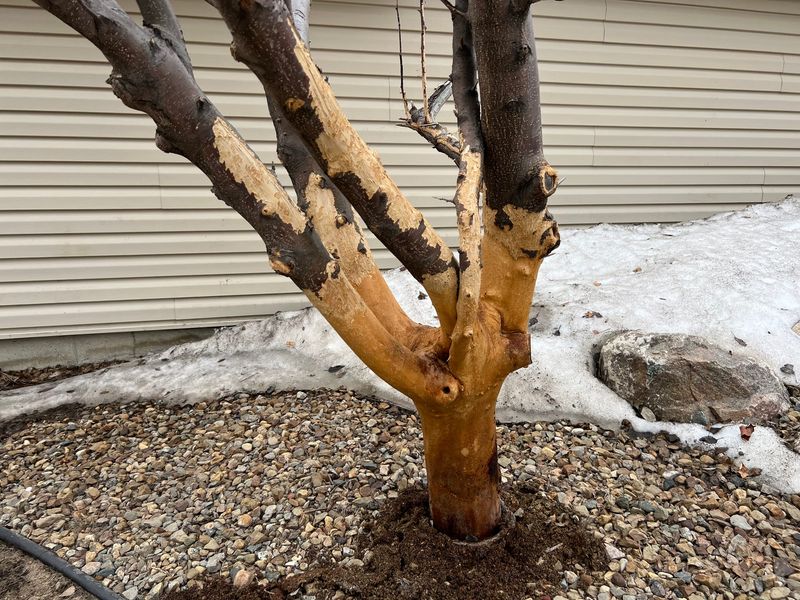
Girdling occurs when voles chew bark completely around a tree trunk, creating a fatal ring of damage. This circular injury severs the connection between roots and upper branches.
Even a narrow band of missing bark can prove fatal if it extends around the entire circumference.
Trees rely on continuous bark coverage to move sugars from leaves downward to roots. Simultaneously, water and minerals travel upward through inner wood layers.
When girdling interrupts this two-way transport system, trees essentially starve despite having healthy roots and foliage.
Ohio fruit tree growers face particularly high losses from vole girdling during harsh winters. Apple, cherry, and pear trees attract voles with their sweet, tender bark.
Young orchard trees represent years of investment that can be lost to a single winter of vole activity.
Symptoms of girdled trees may not appear immediately after damage occurs. Trees often leaf out normally in spring, using stored energy reserves.
However, as summer progresses, foliage yellows and wilts as nutrient supplies become exhausted. Some girdled trees linger for months before succumbing completely.
Partial girdling, where some bark remains intact around the trunk, gives trees a fighting chance. The remaining bark tissue works overtime to transport nutrients, sometimes allowing trees to survive and slowly heal.
Complete girdling leaves few options beyond bridge grafting, an advanced technique that reconnects tissue above and below the damaged area in Ohio landscapes.
4. Mulch Turns Into Vole Superhighways
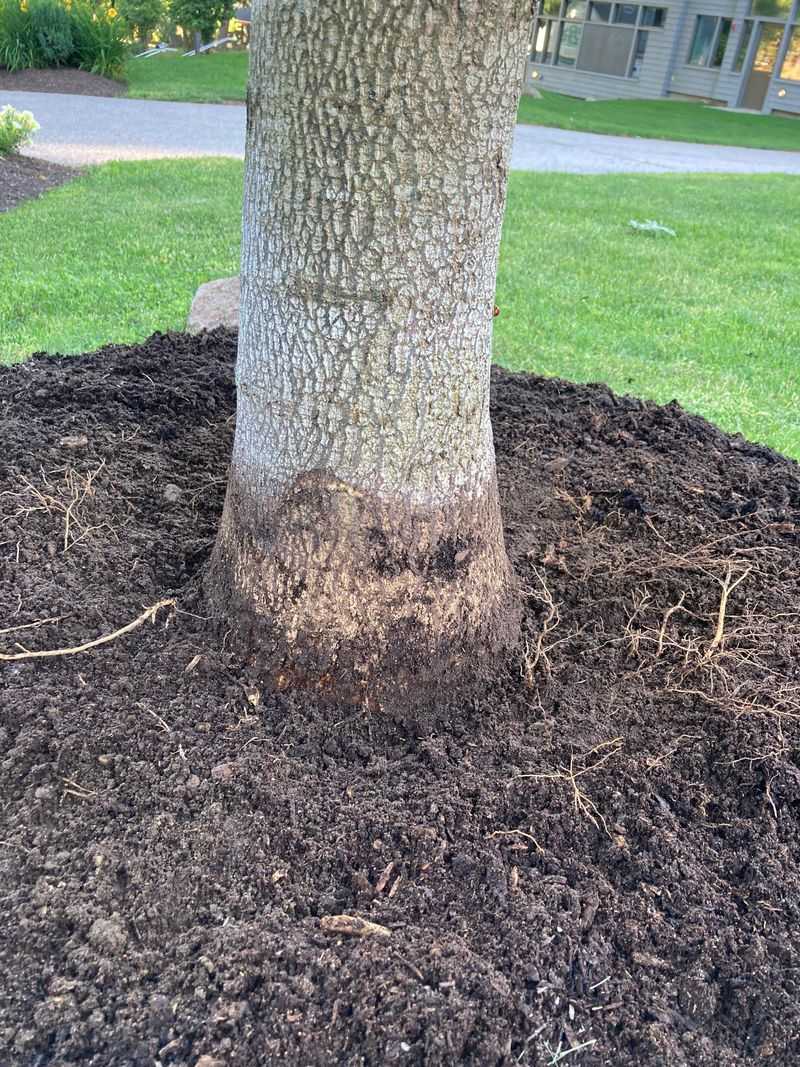
Garden mulch provides numerous benefits for plants, but excessive mulch creates perfect vole habitat. Thick mulch layers piled against tree trunks offer protection, insulation, and convenient tunneling material.
Voles construct elaborate runway systems through mulch, allowing them to reach tree bark while remaining hidden from predators.
The ideal mulch depth for plant health measures two to three inches, spread several inches away from trunk bases. Many Ohio homeowners unknowingly create “mulch volcanoes” by piling material directly against tree bark.
These mounds trap moisture, encourage disease, and invite vole damage simultaneously.
Wood chips, shredded bark, and leaf mulch all provide excellent vole cover when applied too thickly. The rodents burrow through these materials, creating protected pathways between feeding sites.
Snow covering mulch beds adds another insulating layer, making conditions even more attractive to voles during Ohio winters.
Proper mulch management significantly reduces vole problems without eliminating mulch benefits. Pulling mulch back from trunks creates a bare soil ring about six inches wide around each tree.
This mulch-free zone exposes voles to predators when they approach trees, making them think twice about feeding.
Gravel or stone mulch near vulnerable trees offers an alternative that voles find less appealing. These materials provide poor tunneling substrate while still suppressing weeds.
Combining proper mulch depth with trunk clearance and strategic material choices helps Ohio gardeners maintain attractive landscapes without creating vole paradise around valuable trees.
5. Young Trees Become Easy Targets
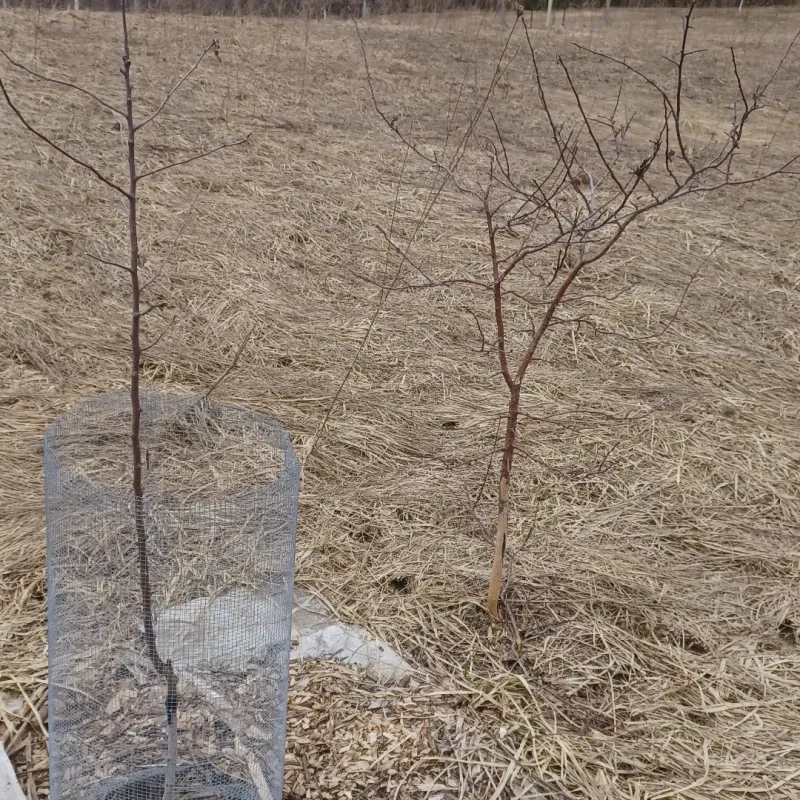
Saplings and recently planted trees face the greatest risk from vole feeding across Ohio properties. Their thin, smooth bark contains high moisture content and tender tissue that voles find irresistible.
Young trees lack the thick, corky bark that protects mature specimens from rodent damage.
Fruit tree nursery stock represents a particularly vulnerable category. Apple, peach, and plum trees often arrive with bark barely thicker than paper.
A single night of vole feeding can remove enough bark to girdle these small trees completely.
Ornamental trees planted within the past three years deserve special protection during winter months. Their root systems remain limited, meaning they have fewer resources to recover from bark damage.
Stress from establishment combined with vole injury often proves too much for young trees to overcome.
Ohio landscapers recognize that the first three winters after planting determine long-term tree survival. Vole damage during this critical establishment period can set trees back years or eliminate them entirely.
The cost of replacing young trees plus lost growth time makes prevention essential.
Tree size matters when assessing vole risk. Trunks measuring less than three inches in diameter require protection throughout winter.
As bark thickens and becomes rougher with age, trees naturally resist vole feeding. However, during population boom years, even larger trees suffer damage when voles exhaust preferred food sources.
Protecting young trees pays dividends for decades to come. Simple barriers installed before snow arrives in Ohio safeguard landscape investments through vulnerable early years until trees develop natural defenses against vole feeding.
6. Winter Barriers Block Future Damage
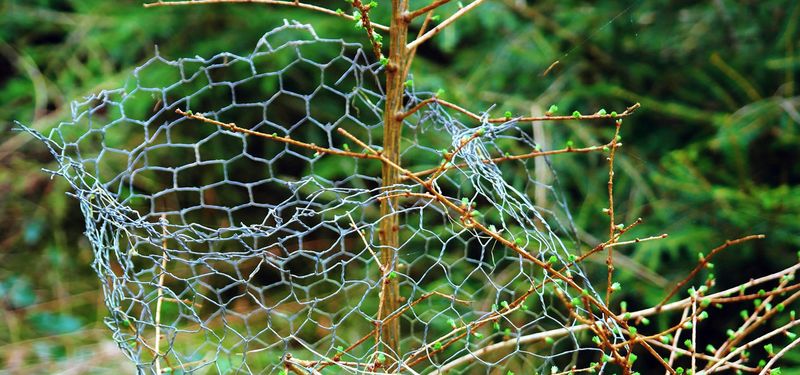
Physical barriers provide the most reliable protection against vole damage throughout Ohio winters. Hardware cloth cylinders surrounding tree trunks create a highly effective physical barrier that prevents most vole damage.
Quarter-inch mesh wire works perfectly, as voles cannot squeeze through or chew through the metal.
Installing guards properly ensures maximum effectiveness. Cylinders should stand at least 18 inches tall to extend above typical snow depth.
Bury the bottom edge two to three inches into soil to prevent voles from burrowing underneath.
The guard should stand several inches away from the trunk, creating a protective cage rather than wrapping tightly against bark. This spacing prevents the wire from damaging bark as the tree grows.
Loose soil or mulch inside the cylinder gets removed to eliminate vole hiding spots.
Plastic tree guards offer a convenient alternative to wire mesh for protecting young trees. These spiral wraps or solid tubes slip over trunks quickly and expand as trees grow.
However, plastic guards can deter chewing but may trap moisture or allow rodents to hide underneath if not installed correctly.
Timing matters when installing vole barriers. Guards should be in place before the first heavy snowfall, typically by late November in most Ohio regions.
Late installation allows voles to establish feeding patterns before protection arrives.
Barriers remain effective for multiple winters with minimal maintenance. Annual inspection ensures guards stay properly positioned and haven’t been pushed aside by snow or settling soil.
This simple preventive measure saves countless young trees from vole damage each winter in Ohio landscapes.
7. Early Action Saves Trees Fast
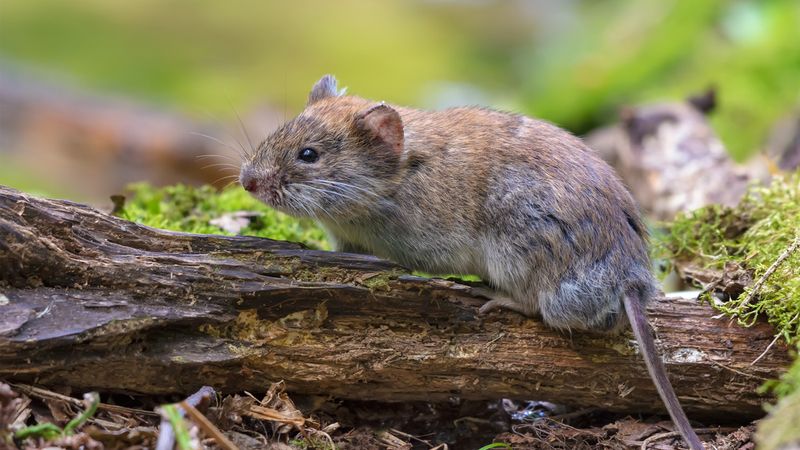
Discovering vole damage early dramatically improves tree survival chances across Ohio properties. Regular winter inspections, even through snow, help catch problems before they become catastrophic.
Brushing snow away from tree bases reveals active feeding before complete girdling occurs.
Immediate action stops ongoing damage and gives trees their best recovery opportunity. Installing barriers around partially damaged trees prevents voles from returning to finish the job.
Even trees with significant bark loss can survive if feeding stops before complete girdling happens.
Ohio homeowners should inspect vulnerable trees monthly throughout winter. Look for fresh wood chips or sawdust around tree bases, indicating active gnawing.
Bright, moist wood exposed beneath bark signals recent damage that requires urgent attention.
Trapping can reduce local vole activity near damaged trees but does not eliminate populations long-term. Snap traps baited with peanut butter and placed along active runways catch voles effectively.
Multiple traps increase success rates, as vole colonies contain numerous individuals.
Removing protective cover near damaged trees makes the area less attractive to remaining voles. Clear away excess mulch, leaf piles, and dense ground cover within ten feet of affected trees.
This habitat modification encourages voles to relocate elsewhere on your property.
Documentation helps track damage progression and evaluate protection strategies. Photograph damaged areas when discovered and monitor changes over subsequent weeks.
These records prove valuable for insurance claims and help you refine prevention tactics for future winters.
Speed matters when addressing vole problems. Trees protected within days of damage discovery show better survival rates than those left exposed for weeks across Ohio landscapes.
8. Spring Fixes Help Trees Bounce Back
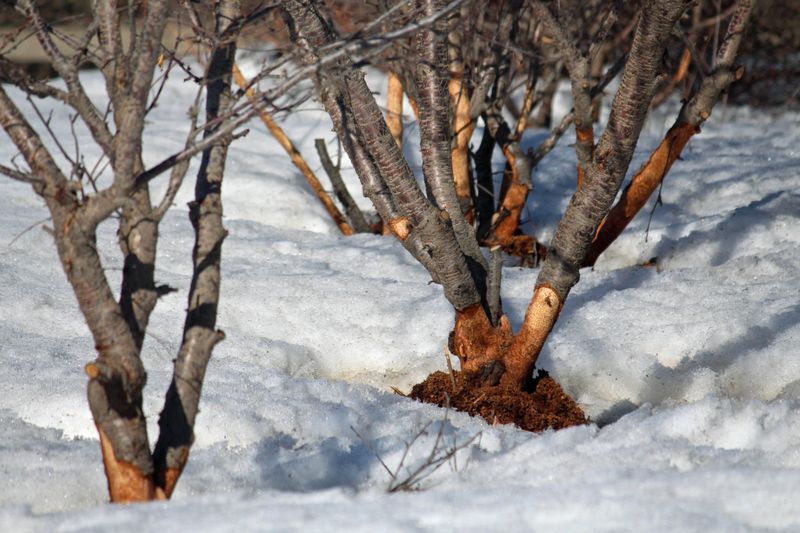
Spring arrival brings opportunities to help damaged trees recover from winter vole feeding. Once snow melts completely, assess the full extent of bark loss on affected trees.
Clean damaged areas by trimming loose bark edges with a sharp knife to create smooth margins.
Trees with partial girdling benefit from proper wound care. Remove any remaining shredded bark that could harbor disease or insects.
Avoid applying wound dressings or tree paint, as research shows these products don’t improve healing and may trap moisture.
Bridge grafting offers a lifesaving technique for completely girdled trees in Ohio landscapes. This advanced procedure involves attaching small branches across the damaged area to reconnect tissue above and below the injury.
Success requires timing during spring when cambium is actively growing and bark separates easily from wood.
Fertilization and proper watering support recovery efforts for damaged trees. Apply balanced fertilizer according to soil test recommendations to provide nutrients for new tissue growth.
Deep watering during dry periods helps stressed trees maintain adequate moisture levels.
Monitor recovering trees closely throughout the growing season. Watch for signs of continued decline, including wilting leaves, damaged branches, or fungal growth on damaged areas.
Some trees appear to recover initially but succumb later as stored energy depletes.
Prevention planning for next winter should begin immediately in spring. Install permanent barriers around vulnerable trees before next season arrives.
Adjust landscape management practices to reduce vole habitat throughout your Ohio property.
Patient observation determines which damaged trees will ultimately survive. Some bounce back vigorously, while others decline slowly over months, helping you make informed decisions about replacement versus continued care.