This One Winter Feeding Mistake Could Be Hurting Birds In Your Ohio Backyard
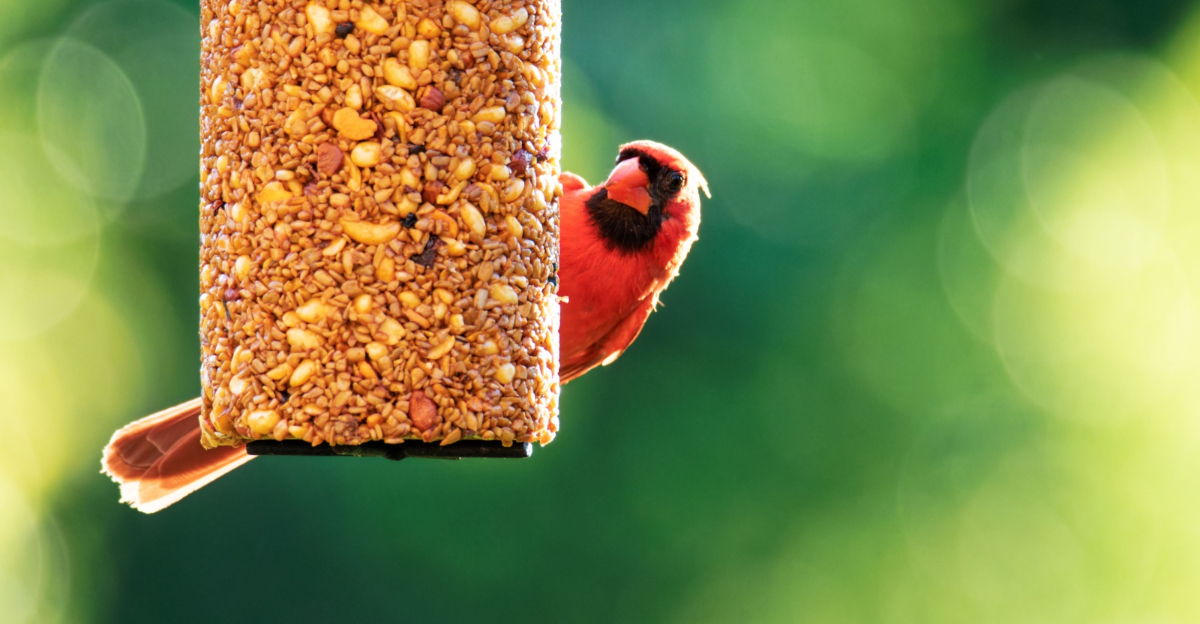
Ohio backyard bird lovers, there’s one winter feeding habit that seems harmless, even helpful, but it could quietly be putting birds at risk. Every cold season, thousands of well-meaning people make this same mistake without realizing the impact it can have on local wildlife.
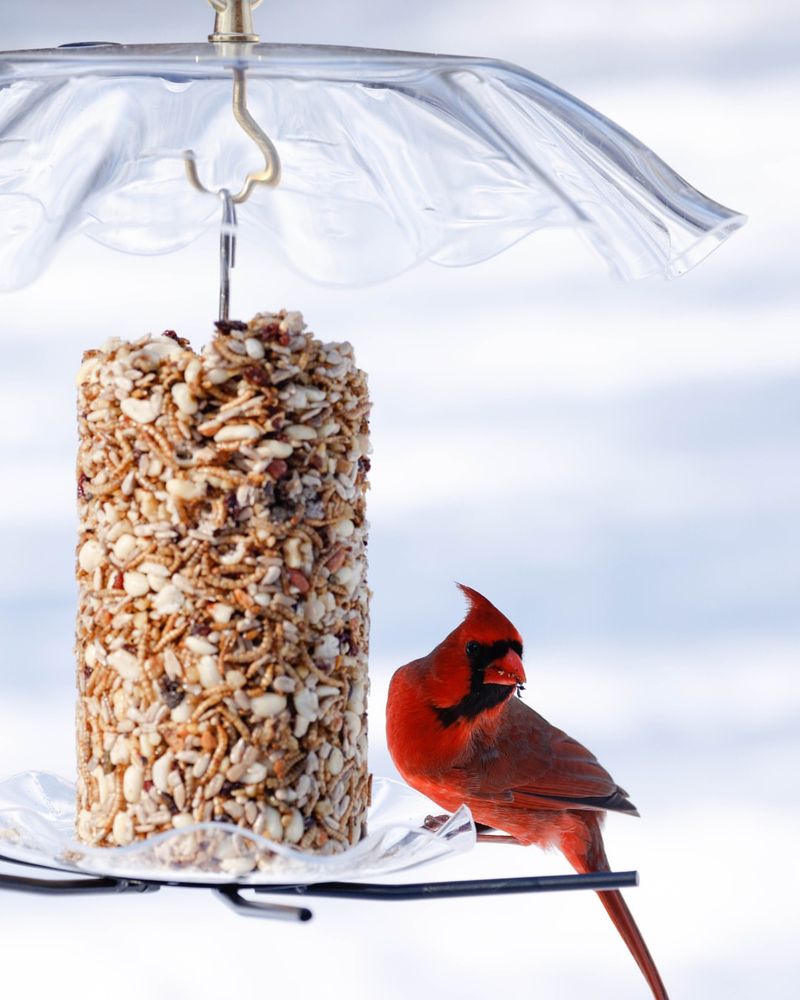
When temperatures drop and natural food sources disappear, birds like cardinals, chickadees, blue jays, and finches depend heavily on backyard feeders to survive.
Small changes in what you offer and how you offer it can affect their energy levels, immune systems, and ability to make it through long cold nights.
One simple adjustment could turn your feeder from a casual decoration into a real lifeline.
Winter is already the toughest season for birds in Ohio, and your backyard choices matter far more than most people realize.
1. Stop Feeding Birds Bread This Winter
Bread offers almost nothing birds need to survive Ohio winters. While it fills their stomachs temporarily, bread lacks the proteins, fats, and essential nutrients that keep birds warm and energized during freezing weather.
Cardinals, chickadees, and finches visiting your backyard need calorie-dense foods that fuel their tiny bodies through long, cold nights.
When birds eat bread instead of nutritious options, they feel full but remain nutritionally starved. This false sense of satisfaction stops them from seeking out the seeds, nuts, and insects their bodies actually require.
Young birds especially suffer because bread provides none of the building blocks needed for healthy feather development and strong immune systems.
Ohio’s winter temperatures drop dramatically, and birds must maintain high body temperatures to survive. Bread simply cannot provide the energy density required for this biological challenge.
Every piece of bread a bird eats represents a missed opportunity to consume food that actually helps rather than hinders survival.
Backyard feeders throughout Ohio should become bread-free zones immediately. Making this single change protects every bird species that visits your yard during winter months.
2. A Backyard Tradition That Needs To End
Many Ohio residents grew up tossing bread crusts to birds, creating a deeply ingrained habit that’s surprisingly hard to break. Grandparents taught parents, who taught children, and suddenly three generations believe bread makes acceptable bird food.
Understanding why this tradition needs to end starts with recognizing that good intentions don’t always produce good results.
Bread contains high amounts of carbohydrates but virtually no protein or healthy fats. Birds burn through these empty calories quickly, gaining no lasting benefit.
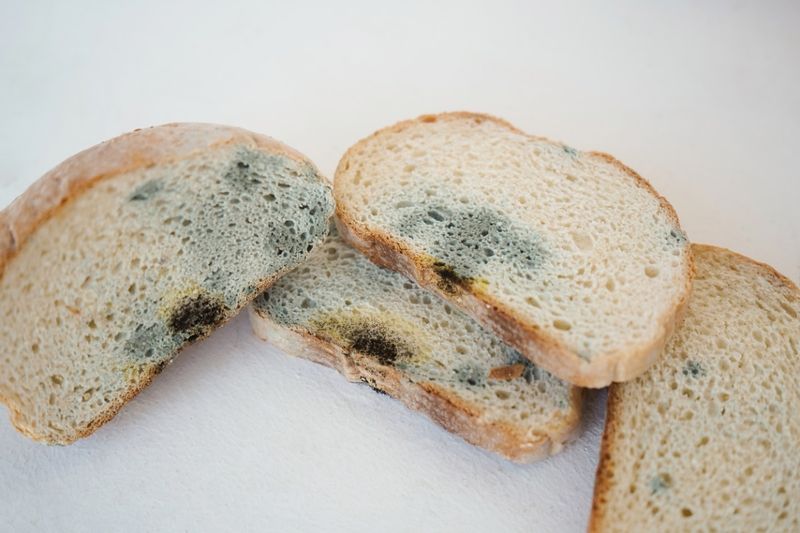
Worse yet, moldy bread can harbor dangerous toxins that sicken birds, and wet bread freezes solid in Ohio’s winter weather, becoming completely inedible.
Breaking this habit means actively choosing better alternatives every single time you think about feeding birds. Keep a mental note that bread belongs in your kitchen, not your backyard feeder.
When neighbors or family members suggest using old bread for birds, politely share what you’ve learned about proper winter nutrition.
Replacing bread with appropriate foods takes minimal effort but creates maximum impact.
Your Ohio backyard birds will noticeably thrive once bread disappears from their diet completely and permanently.
Your Ohio Garden Changes Every Week. Your Plan Should Too.
Gardening in Ohio changes quickly throughout the season. Every Friday you’ll receive a simple weekly plan showing exactly what to plant, prune, fertilize, harvest, and protect so you never miss the right timing.
3. Treat Winter Feeding Like Survival Support
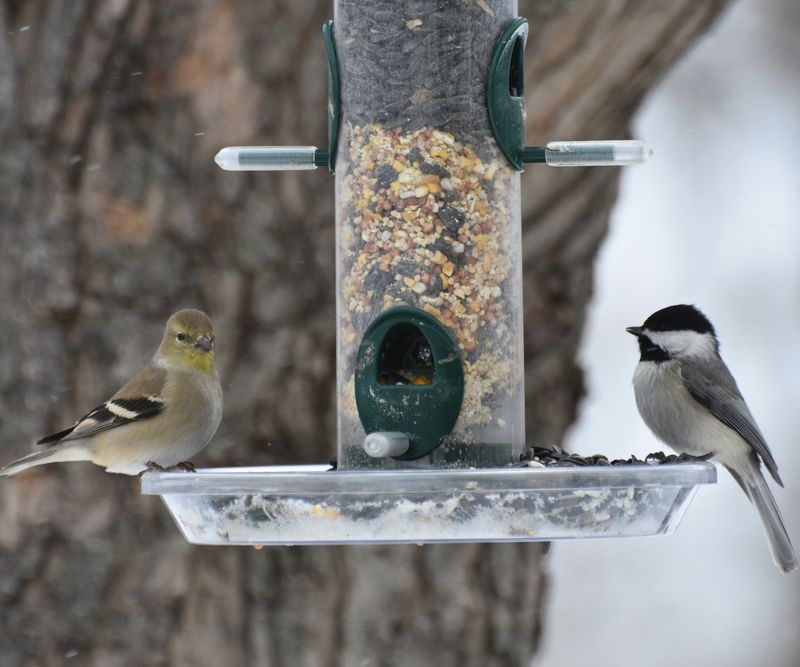
Winter feeding isn’t just a pleasant hobby in Ohio but rather a critical survival resource for local bird populations. Temperatures regularly drop below freezing, natural food sources disappear under snow and ice, and birds face genuine life-or-death challenges finding adequate nutrition.
During extreme cold, snow, and ice, backyard feeders can provide important supplemental energy that helps birds survive harsh conditions.
Birds visiting your feeder during winter months depend on you to provide foods that genuinely support their biological needs. They’re not looking for treats or snacks, but rather high-energy foods that help them maintain body heat and activity levels in extreme cold.
Black oil sunflower seeds, suet cakes, and nyjer seeds contain the fats and proteins birds absolutely must have.
Thinking about winter feeding as survival support changes how seriously you take this responsibility. It means keeping feeders consistently stocked, choosing quality foods over cheap fillers, and understanding that birds may regularly return to reliable feeding locations, especially during severe winter weather.
When Ohio weather turns brutal, your feeder becomes a lifeline.
Taking this approach transforms casual bird feeding into meaningful conservation work that directly benefits wildlife in your immediate community and neighborhood.
4. Bread Weakens Birds From The Inside
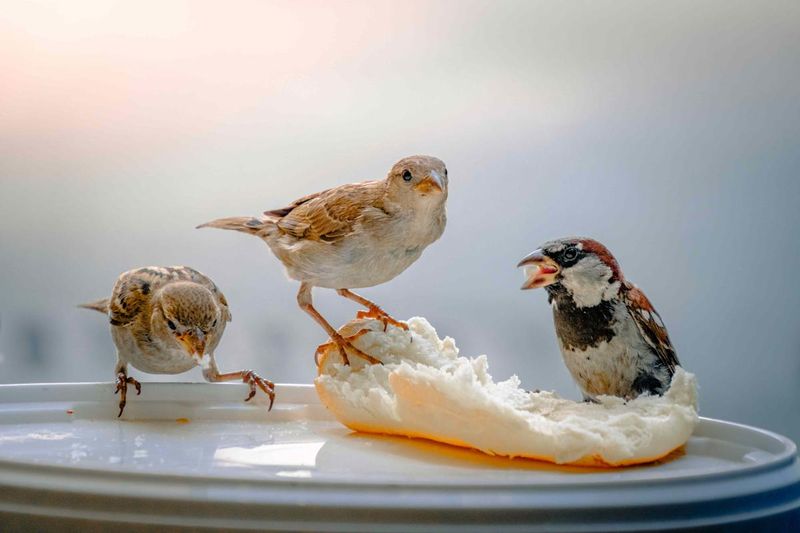
Regular bread consumption contributes to hidden nutritional deficiencies inside birds’ bodies. The digestive systems of cardinals, sparrows, and other common Ohio birds evolved to process seeds, insects, and berries, not processed wheat products designed for human consumption.
When birds regularly eat bread, their bodies struggle to extract any meaningful nutrition from these unnatural foods.
Over time, bread-based diets lead to serious nutritional deficiencies that compromise immune function, weaken bones, and damage feather quality. Birds may appear fine on the outside while suffering internally from malnutrition.
In waterfowl such as ducks and geese, bread-heavy diets have been linked to a condition called angel wing, which permanently deforms growing wings. While this condition is rare in backyard songbirds, the example highlights how improper human foods can disrupt normal development in birds.
The metabolic stress of processing bread while gaining minimal nutrition exhausts birds’ systems during the very season when they need maximum strength. Ohio’s winter demands that birds maintain peak physical condition, and bread undermines this requirement at a fundamental biological level.
Each bread meal represents accumulated damage that weakens birds progressively.
Protecting birds from this internal harm requires completely eliminating bread from your feeding routine and encouraging others to do the same throughout Ohio neighborhoods.
5. Avoid These Harmful Foods From Your Feeder, Too
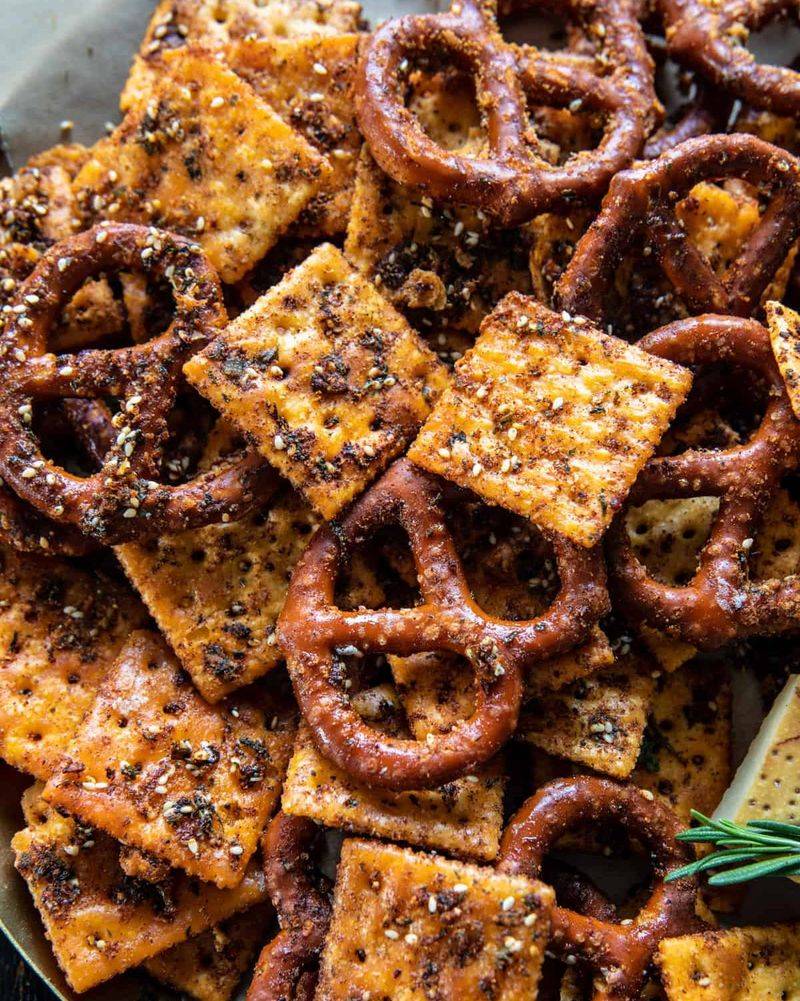
Beyond bread, numerous other human foods commonly offered to Ohio backyard birds cause similar nutritional problems and health risks. Crackers, cookies, chips, and pastries all share bread’s fundamental flaws: high in carbohydrates, low in essential nutrients, and completely inappropriate for bird biology.
These processed foods might seem convenient, but they’re actually harmful substitutes for proper bird nutrition.
Salty snacks present additional dangers because birds cannot process high sodium levels the way humans can. Excessive salt damages birds’ kidneys and creates dangerous dehydration during winter when water sources may already be scarce or frozen.
Sweetened foods like donuts or cake cause similar problems, spiking blood sugar without providing sustained energy.
Plain rice is not toxic to birds, but it provides very little nutritional value compared to seeds, nuts, and natural foods, making it a poor choice for winter feeding. Spoiled or moldy foods of any kind harbor bacteria and fungi that sicken birds quickly.
Ohio bird feeders should contain only foods specifically beneficial to wild bird species.
Cleaning out your feeding area means removing all human food items and committing to bird-appropriate options exclusively. This single decision immediately improves the health of every bird visiting your Ohio backyard throughout winter.
6. Switch To Real Fuel For Winter Birds
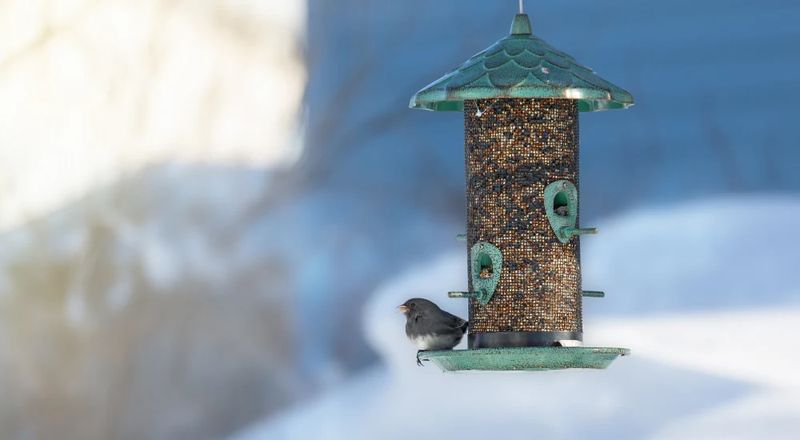
Black oil sunflower seeds rank among the absolute best foods for Ohio winter birds, providing high fat content and protein in a package that numerous species can easily crack and digest. Cardinals, chickadees, nuthatches, and finches all eagerly consume these nutritional powerhouses.
The black variety contains more calories than striped sunflower seeds, making them superior for winter feeding.
Suet cakes offer concentrated fat that birds desperately need during cold weather, delivering sustained energy that helps them maintain body temperature through freezing nights. Woodpeckers, wrens, and even some warbler species seek out suet during Ohio winters.
Choose suet without added fillers or artificial ingredients for maximum nutritional benefit.
Nyjer seeds attract goldfinches, siskins, and other small finches that might otherwise struggle finding adequate winter food. These tiny, oil-rich seeds provide excellent nutrition in a size perfectly suited to small beaks.
Peanuts, either shelled or in-shell, offer protein and healthy fats that jays, woodpeckers, and nuthatches particularly appreciate.
Investing in quality bird food costs more than tossing out bread, but the health benefits for your Ohio backyard birds make this expense completely worthwhile and genuinely impactful.
7. Clean Your Feeder Before Disease Spreads
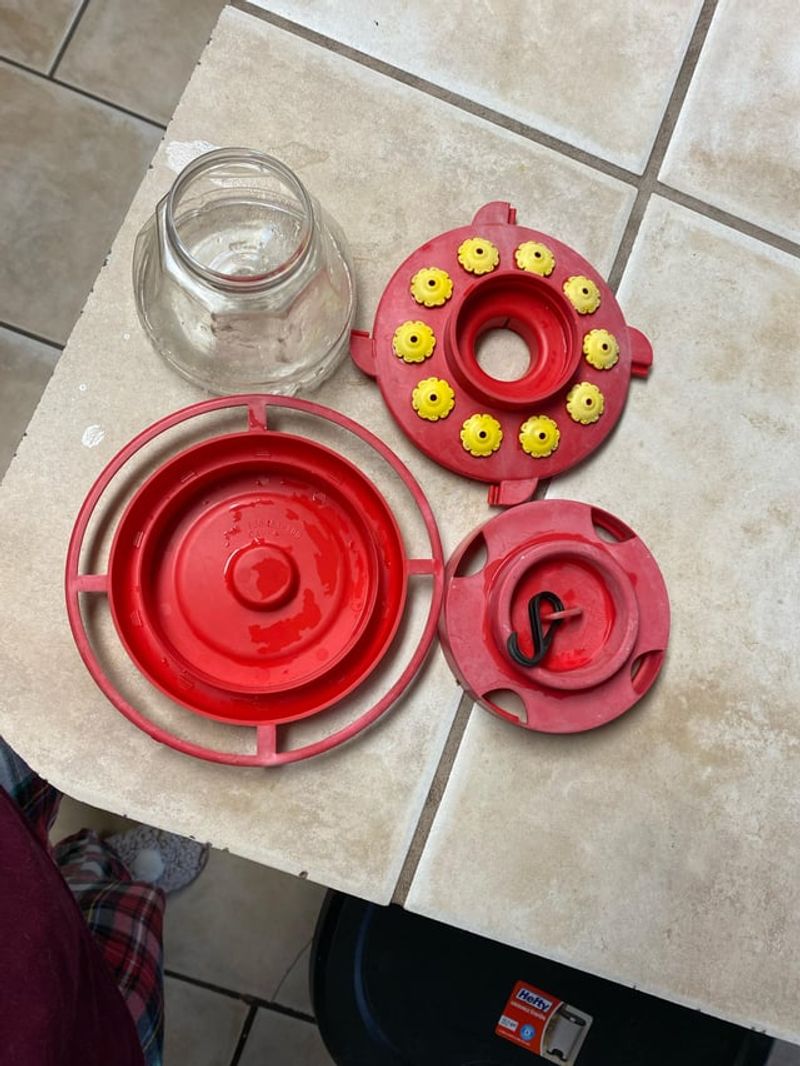
Dirty feeders become breeding grounds for bacteria, fungi, and parasites that spread quickly among bird populations visiting your Ohio backyard. When multiple birds feed from the same contaminated surface, diseases like salmonellosis and aspergillosis transfer easily from one individual to another.
Regular cleaning prevents these outbreaks and keeps your feeding station safe rather than dangerous.
Bird droppings accumulate around feeders, and when these mix with spilled food and moisture, they create ideal conditions for pathogen growth. Ohio’s winter weather cycles between freezing and thawing, which can trap bacteria in ice then release them as temperatures rise slightly.
This cycle makes winter feeder hygiene especially important despite the cold weather.
Clean feeders thoroughly every two weeks minimum, using hot soapy water followed by a diluted bleach solution rinse. Allow feeders to dry completely before refilling them with fresh food.
Remove old, wet, or moldy food immediately rather than letting it accumulate beneath feeders where birds might consume it.
Ground-feeding areas need attention too since many Ohio birds naturally forage on the ground. Rake up waste regularly to prevent disease concentration in your backyard feeding zone.
8. Protect Backyard Birds With One Small Change
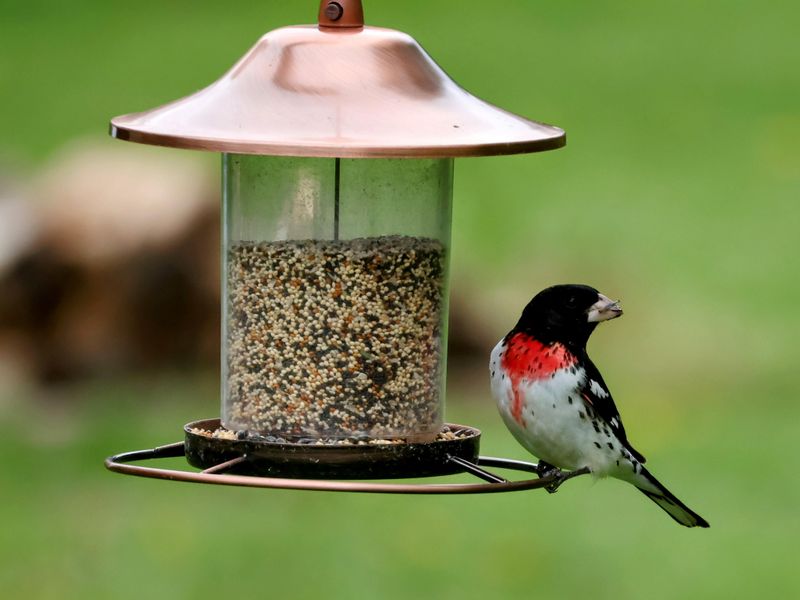
Eliminating bread from your bird feeding routine represents one simple change that creates disproportionately large benefits for Ohio’s backyard bird populations. This single decision immediately improves the nutritional quality of every meal birds consume at your feeder, supporting stronger immune systems, healthier feathers, and better overall survival rates through harsh winter conditions.
Your individual choice ripples outward as neighbors notice your thriving bird populations and ask about your feeding practices. Sharing what you’ve learned about proper bird nutrition helps spread better practices throughout Ohio communities.
Social media posts, casual conversations, and leading by example all contribute to protecting more birds across wider areas.
Children who learn correct bird feeding practices from the start develop lifelong habits that benefit wildlife for decades.
Teaching younger generations why bread harms birds while quality seeds help them creates informed future conservationists who understand the importance of evidence-based wildlife care rather than well-intentioned but harmful traditions.
The collective impact of thousands of Ohio residents making this one small change transforms backyard bird feeding from a potentially harmful activity into genuine wildlife support that strengthens local ecosystems and bird populations throughout the entire state.