Here’s Why California Gardeners Should Avoid Overwatering In February
February is when many California gardens drown in good intentions. The hose comes out, sprinklers run, and plants end up sitting in cold, soggy soil that slowly weakens their roots.
It feels helpful, but it’s doing real damage. Overwatering this month can stunt growth, invite disease, and set plants back before spring even begins.
Roots need oxygen just as much as water, and winter conditions already keep moisture trapped in the ground longer than you think. One extra watering can tip the balance from healthy to harmful.
The scary part is you often won’t see the problem until leaves yellow, stems soften, or growth suddenly stalls.
Let’s look at why February watering mistakes are so common and how to fix them fast.
1. Cold Soil Holds Water Longer
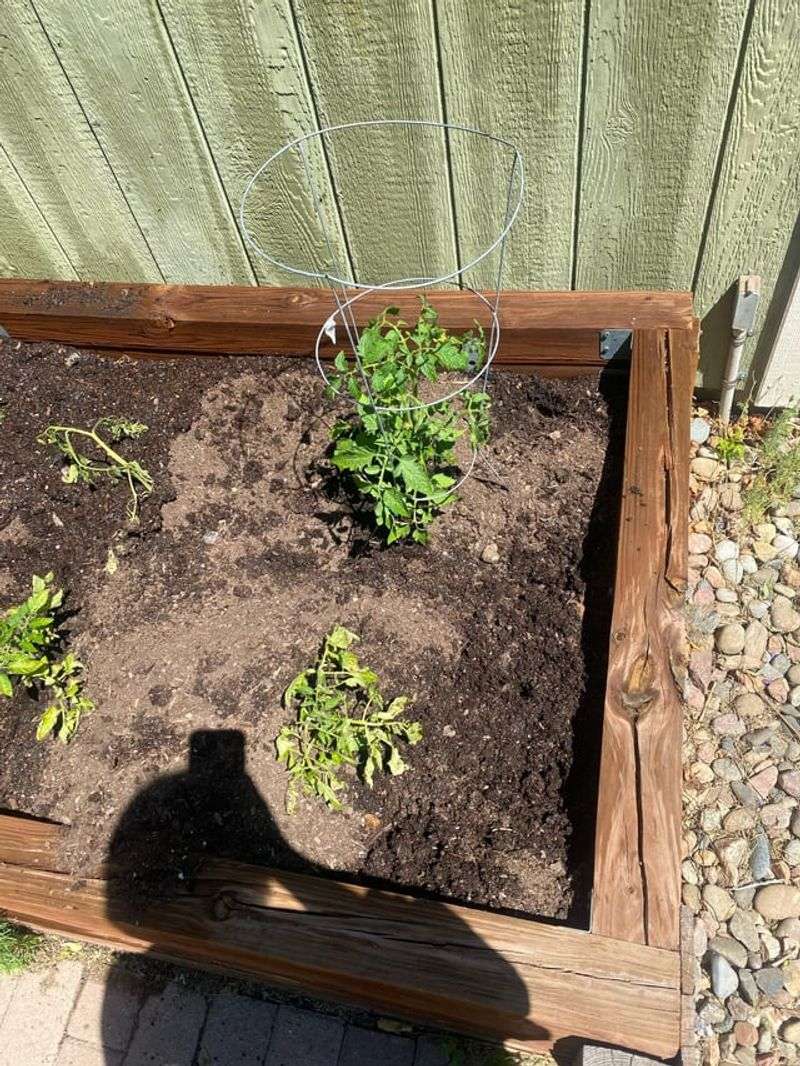
Winter temperatures across California slow down how quickly soil dries out after watering or rainfall.
When the ground stays cold, water molecules move more slowly and evaporation happens at a much reduced rate compared to summer months.
Your garden beds might look dry on top, but just an inch below the surface, moisture lingers far longer than you realize.
This extended moisture retention means roots sit in dampness for days or even weeks. Plants absorb water based on their active growth rate, which drops significantly during cooler months.
February finds most California plants in a semi-dormant state, using only a fraction of the water they consume during peak growing season.
Checking soil moisture before adding more water becomes critical during this time. Stick your finger two to three inches down into the earth around your plants.
If it feels damp or cool to the touch, hold off on watering regardless of how the surface appears. Many California gardeners make the mistake of watering on a schedule rather than checking actual soil conditions.
Overwatering in cold soil creates a waterlogged environment that suffocates roots and invites disease. Your plants would rather stay slightly dry than sit in perpetually wet conditions during February’s cooler days.
2. Roots Can Rot Fast
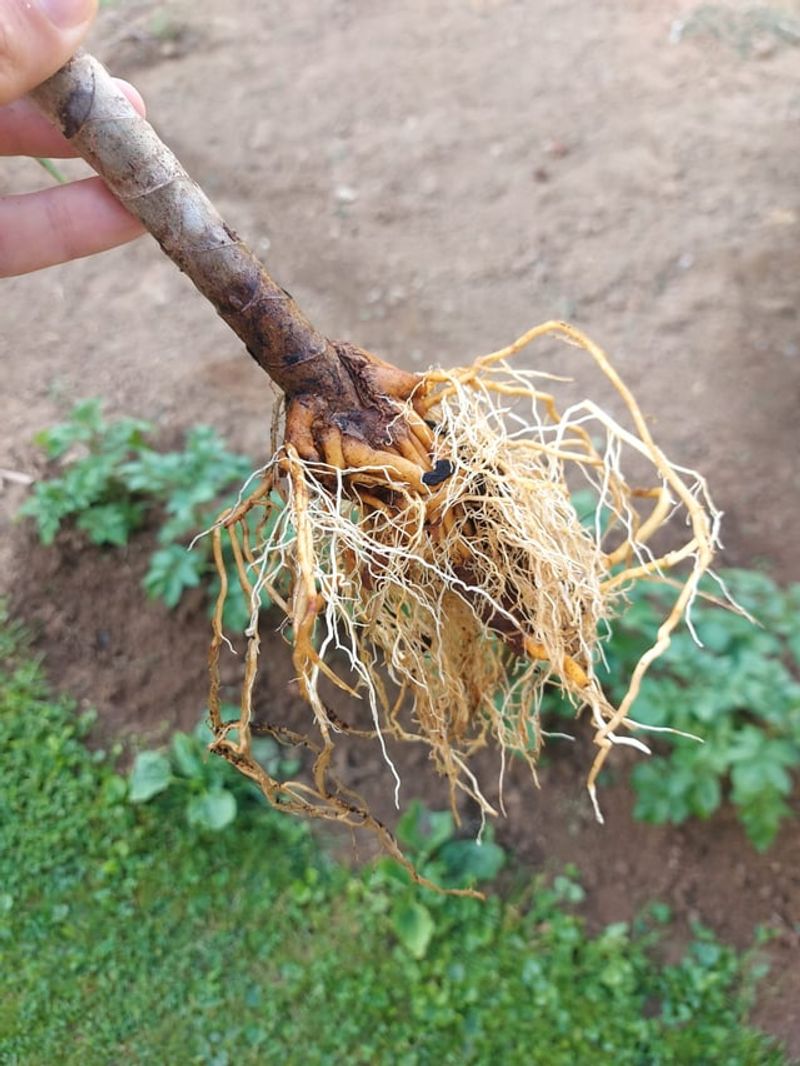
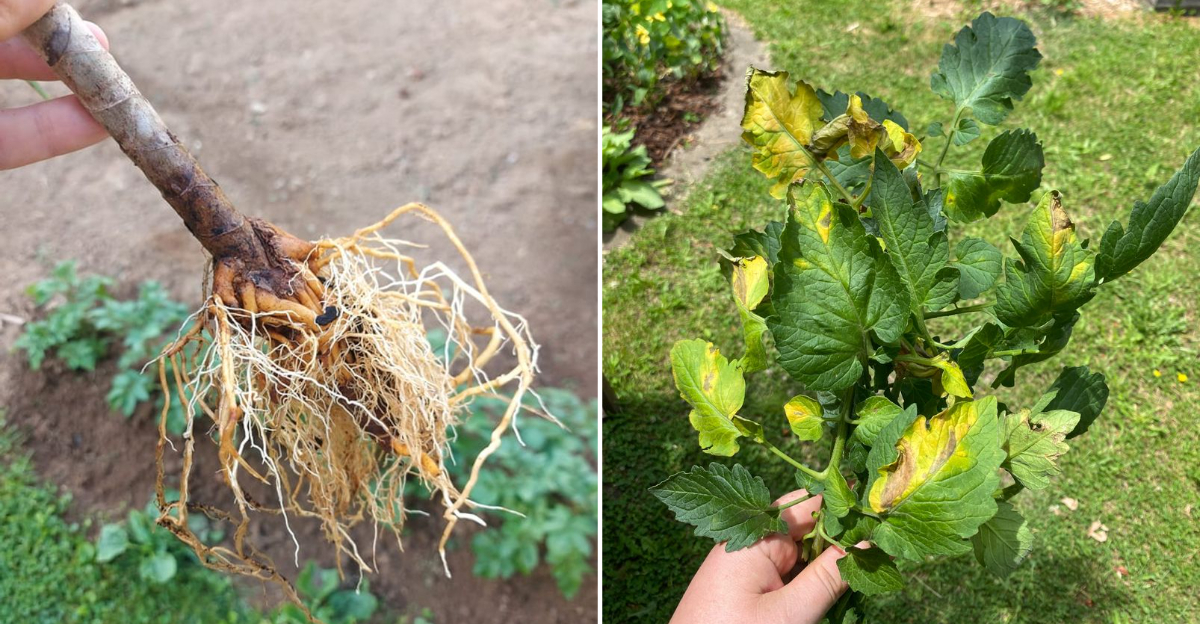
Plant roots need oxygen just as much as they need water to function properly. When soil stays saturated for extended periods, air pockets disappear and roots essentially drown in the waterlogged environment.
February’s combination of cooler temperatures and excess moisture creates perfect conditions for root rot to develop quickly in California gardens.
Root rot starts with small sections of roots turning brown and mushy instead of maintaining their firm white or tan appearance.
The damage spreads rapidly through the root system, preventing plants from absorbing nutrients and water even though plenty surrounds them.
You might notice leaves turning yellow or wilting despite wet soil, which signals serious root problems developing below ground.
California native plants and Mediterranean species especially struggle with overwatering during winter months. These plants evolved to handle dry periods and their roots cannot tolerate constant wetness.
Even plants that enjoy moisture during summer need drier conditions when temperatures drop and growth slows.
Preventing root rot requires letting soil dry out between waterings throughout February. Feel the soil several inches deep before reaching for the hose.
Your California Garden Changes Every Week. Your Plan Should Too.
Gardening in California changes quickly throughout the season. Every Friday you’ll receive a simple weekly plan showing exactly what to plant, prune, fertilize, harvest, and protect so you never miss the right timing.
Once root rot establishes itself, saving affected plants becomes extremely difficult and often impossible, making prevention your best strategy for maintaining healthy gardens.
3. Fungus Thrives In Wet Beds
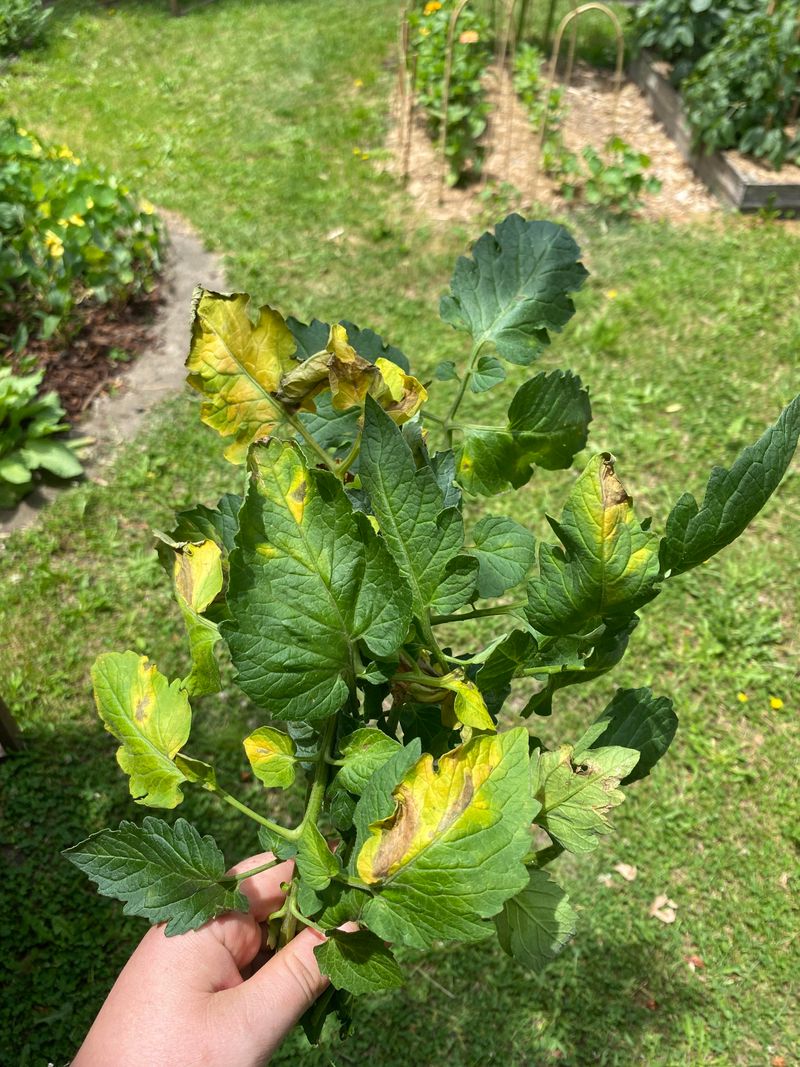
Fungal spores exist everywhere in garden environments, waiting for the right conditions to activate and spread. Wet soil combined with cool February temperatures in California creates an ideal breeding ground for various fungal diseases that can devastate plants.
Powdery mildew, damping off, and other fungal problems multiply rapidly when moisture levels stay consistently high.
These fungal infections attack leaves, stems, and roots with equal enthusiasm. You might spot white powdery coatings on foliage, dark spots spreading across leaves, or stems that suddenly collapse near the soil line.
Once fungal diseases establish themselves in your garden beds, they spread quickly from plant to plant through water splash and air movement.
California’s mild winter weather means many fungal spores remain active even during cooler months. Overwatering essentially rolls out the welcome mat for these destructive organisms.
Garden beds that stay constantly moist provide continuous habitat for fungal growth, while drier conditions keep spores dormant and harmless.
Reducing watering frequency during February helps keep fungal problems under control naturally. Allow soil surfaces to dry between waterings and avoid overhead watering that splashes spores around.
Proper spacing between plants also improves air circulation, which helps foliage dry faster after rain or morning dew.
4. Weeds Love Extra Water
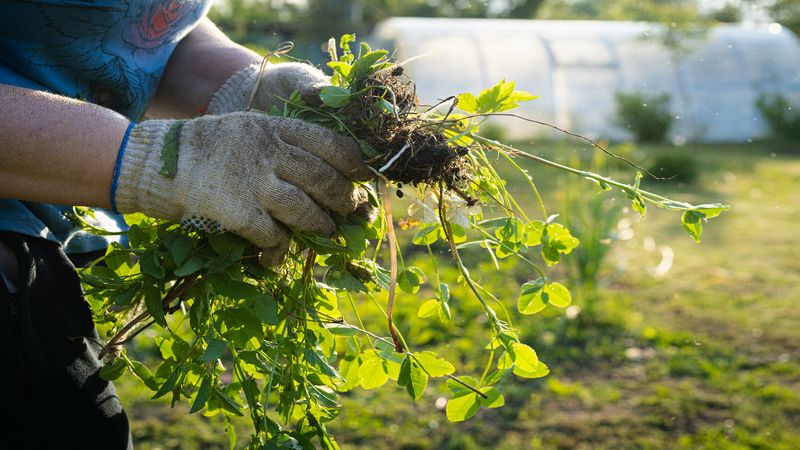
February brings germination season for many common California weeds that have been waiting for moisture and mild temperatures. When you overwater during this time, you essentially water weeds along with your desired plants.
Many weed species actually germinate better in cooler, wet conditions that February provides across California gardens.
Chickweed, annual bluegrass, and various other winter weeds thrive when soil stays consistently moist. These opportunistic plants grow quickly, stealing nutrients, water, and space from your garden plants.
Extra watering gives weeds a competitive advantage, allowing them to establish deep root systems before warmer weather arrives.
Controlling weeds becomes much harder once they establish themselves in February. Their roots grow strong in moist soil, making them difficult to pull without disturbing nearby plants.
Weeds also produce seeds rapidly, creating future problems that multiply throughout the growing season.
Keeping soil on the drier side during February slows weed germination significantly. Most desirable garden plants tolerate drier conditions better than common weeds during winter months.
By reducing water, you give your cultivated plants an advantage while making conditions less favorable for weed establishment. This simple strategy saves hours of weeding work later in the season and keeps your California garden beds cleaner and healthier.
5. Nutrients Get Washed Away
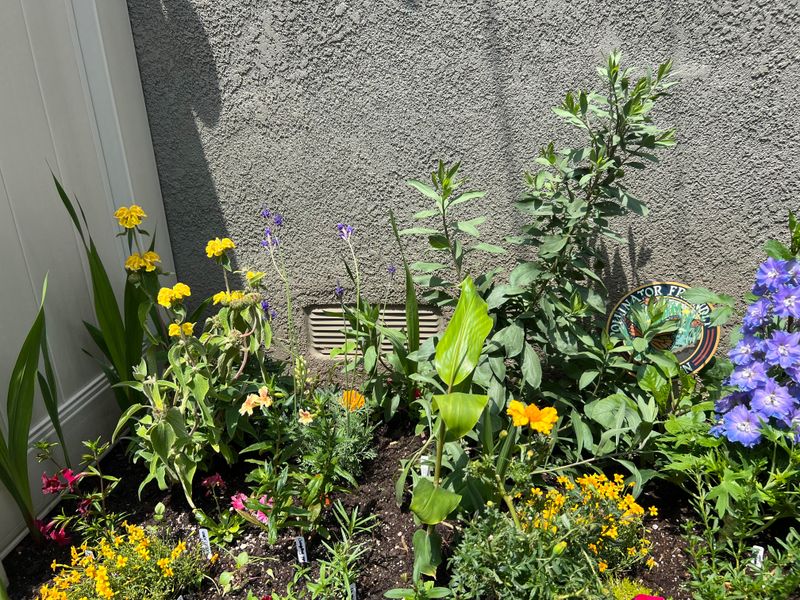
Garden soil holds essential nutrients that plants need for healthy growth, but these nutrients can wash away when excess water flows through the soil profile.
Nitrogen, potassium, and other vital elements dissolve in water and move downward with each heavy watering or rain event.
February overwatering in California gardens accelerates this nutrient leaching process significantly.
Plants absorb fewer nutrients during cooler months because their growth slows dramatically. When you add excess water that plants cannot use, it simply percolates through the soil carrying dissolved nutrients beyond root reach.
Sandy soils common in many California regions drain quickly, making nutrient leaching even more problematic with overwatering.
The nutrients you worked hard to add through compost, fertilizers, or amendments literally wash away with unnecessary watering. By spring, your soil might be depleted of essential elements that plants need for vigorous growth.
You end up spending more money and effort replacing nutrients that should have stayed in your garden beds.
Watering only when plants actually need moisture helps keep nutrients available in the root zone. February’s cooler temperatures and occasional rainfall often provide enough moisture without additional irrigation.
Check soil before watering and apply only what plants can actually use during their slower growth period.
6. Mosquitoes Start Early
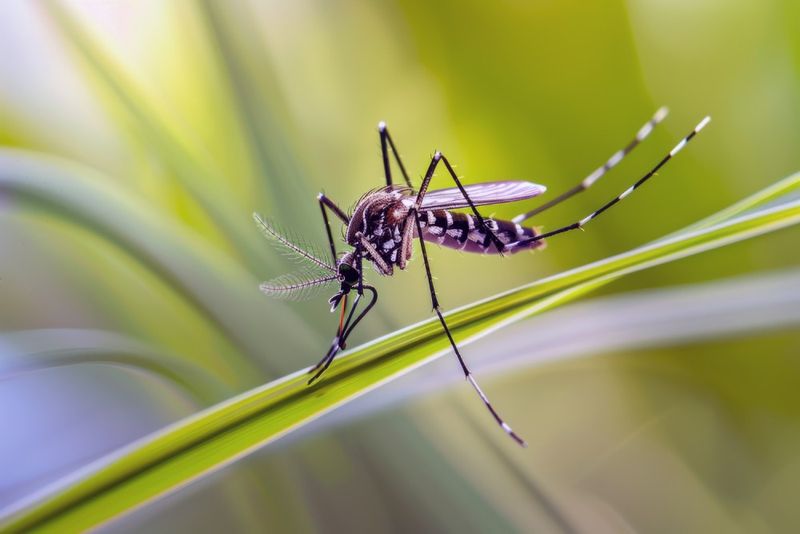
Standing water from overwatering creates breeding grounds for mosquitoes even during February in California’s mild climate.
Female mosquitoes need only a small amount of stagnant water to lay eggs, and larvae develop quickly in temperatures above 50 degrees Fahrenheit.
Many California regions stay warm enough during February for mosquitoes to remain active and reproduce.
Overwatered garden beds, saucers under pots, and low spots that collect excess irrigation water become mosquito nurseries. A single female mosquito can lay hundreds of eggs that hatch within days under favorable conditions.
By creating wet areas through overwatering, you essentially invite mosquito populations to establish themselves early in the season.
These early-season mosquitoes multiply rapidly as temperatures warm through spring. What starts as a small mosquito problem in February becomes a major nuisance by summer.
Mosquitoes also carry diseases that affect both humans and pets, making their control important for health reasons beyond just annoyance.
Eliminating unnecessary watering during February reduces standing water that mosquitoes need for breeding. Empty saucers under containers regularly and avoid creating puddles or soggy areas in garden beds.
Proper drainage and appropriate watering practices keep mosquito populations low throughout the year in your California garden.
7. Plants Grow Weak Roots
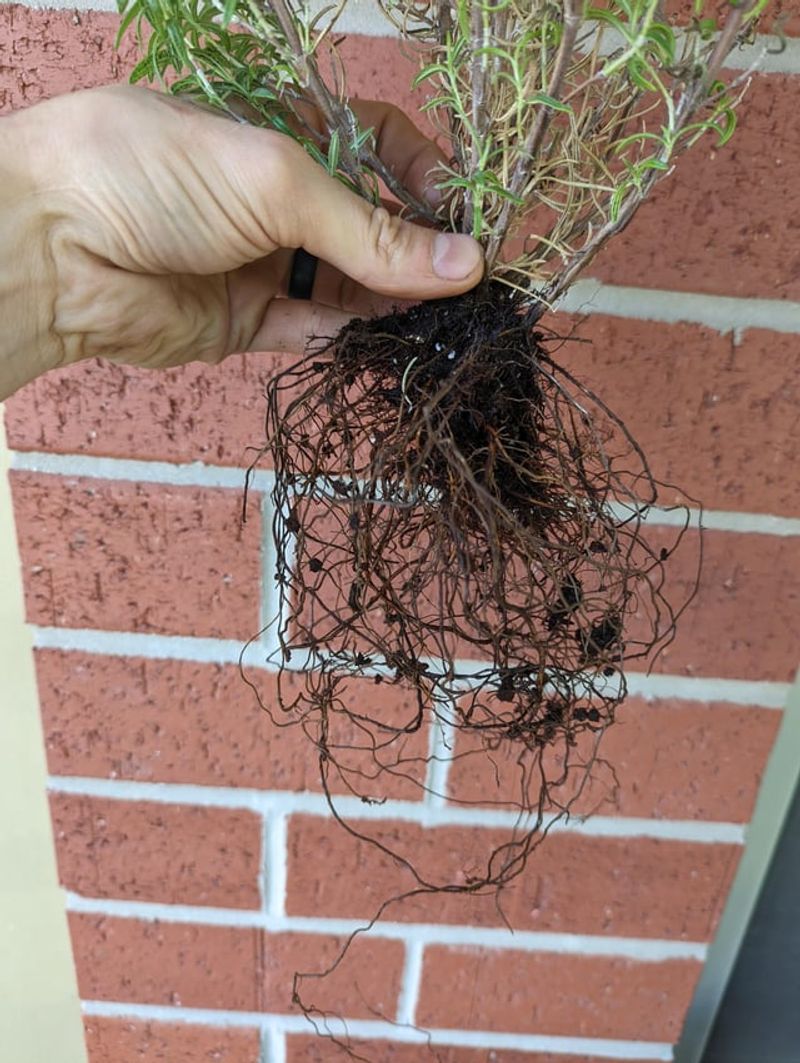
Roots grow in search of water and nutrients, developing strong deep systems when they must reach downward into the soil. When you overwater during February, roots have no reason to grow deep because moisture stays readily available near the surface.
This creates shallow root systems that leave plants vulnerable to stress during California’s dry summer months.
Shallow-rooted plants struggle when irrigation decreases or drought conditions arrive. Their limited root systems cannot access moisture deeper in the soil profile, making them dependent on frequent watering throughout the growing season.
You essentially create high-maintenance plants by overwatering during their slower growth period.
Strong root development during cooler months prepares plants for summer challenges. February provides ideal conditions for roots to grow deep without excessive top growth competing for resources.
By keeping soil moderately dry, you encourage roots to explore downward seeking moisture, building robust systems that support healthy plants year-round.
California gardens benefit tremendously from deep-rooted plants that withstand dry periods naturally. Allow soil to dry between waterings during February, forcing roots to grow deeper and stronger.
This simple practice creates resilient plants that need less water and care throughout the year, saving time, money, and resources while producing healthier gardens.