Plant These 7 Flowering Shrubs Instead Of Hydrangeas In California This Season
Hydrangeas get all the attention, but they aren’t always the best choice for California gardens. High water needs, heat stress, and constant maintenance leave many gardeners frustrated.
This season is the perfect time to try something better. There are flowering shrubs that bloom just as boldly, handle drought with ease, and thrive in local conditions.
Some attract pollinators. Others offer year-round color and texture.
Many require far less effort to keep looking great. Swap out high-maintenance favorites for smarter, tougher options and your garden will thank you.
You’ll save water, reduce upkeep, and still enjoy eye-catching flowers that steal the spotlight.
1. Island Snapdragon (Gambelia speciosa)
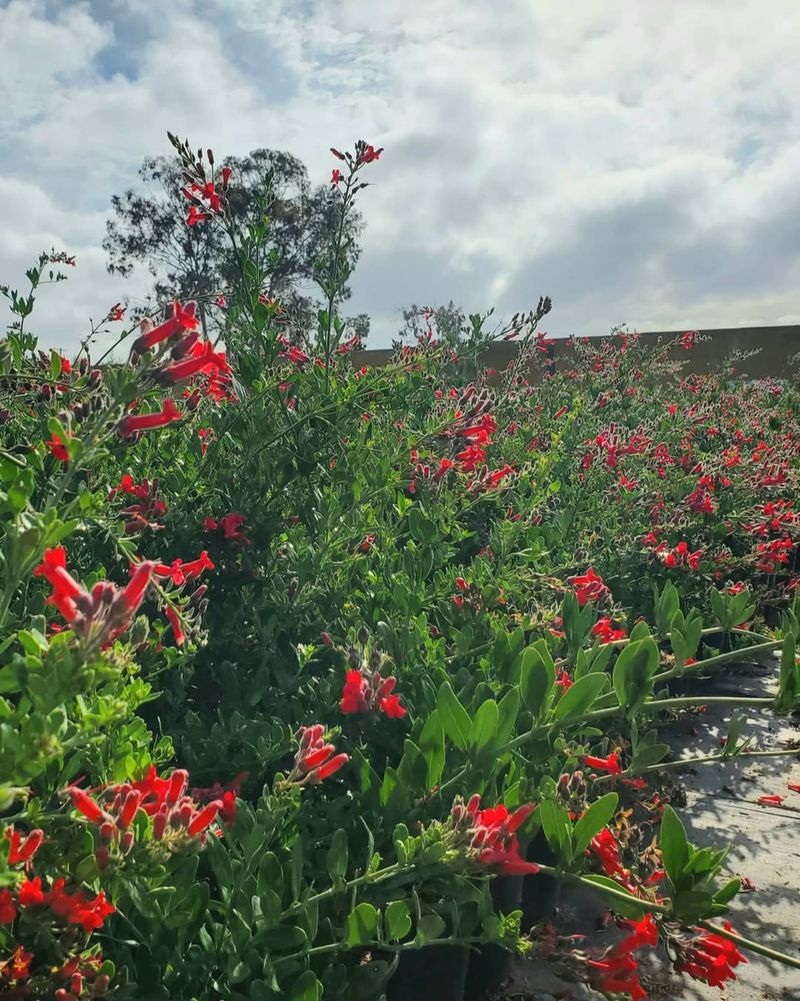
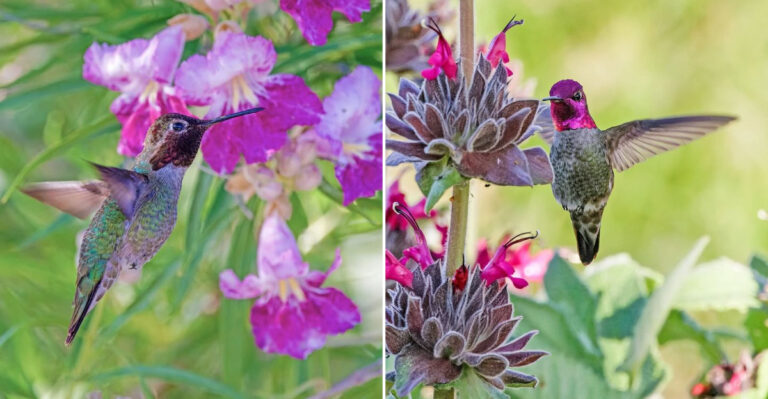
Hydrangeas offer big blooms for a few weeks, then fade into background greenery that still demands regular water. Island Snapdragon delivers months of brilliant red tubular flowers that hummingbirds absolutely cannot resist, blooming from spring through fall with occasional winter flowers in mild climates.
This sprawling evergreen shrub grows three to four feet tall and spreads six feet wide, making it perfect for cascading over walls, filling slopes, or creating colorful groundcover. The bright scarlet flowers appear in clusters along arching stems, creating a fountain effect that catches attention from across the yard.
Each bloom lasts for days, and new flowers keep emerging for months.
Native to California’s Channel Islands, this shrub handles coastal wind, salt spray, and fog better than almost any other flowering plant. Inland gardens succeed too, especially with occasional deep watering during extreme heat.
Established plants tolerate significant drought but bloom more prolifically with monthly summer water.
Plant in full sun or light shade with decent drainage. The fast growth rate means you’ll see significant size and flowering the first year.
Prune lightly after major bloom cycles to maintain shape and encourage fresh growth. Island Snapdragon attracts hummingbirds daily during peak bloom, creating constant motion and life in your garden.
The extended flowering season and hummingbird activity deliver far more interest than hydrangeas ever could in California conditions.
2. Manzanita (Arctostaphylos spp.)
Rising water costs make maintaining thirsty hydrangeas feel like watching money pour down the drain. Every time you turn on the hose, you’re fighting California’s natural climate.
Manzanita represents the opposite approach, a stunning evergreen shrub with sculptural beauty that celebrates drought rather than battling it.
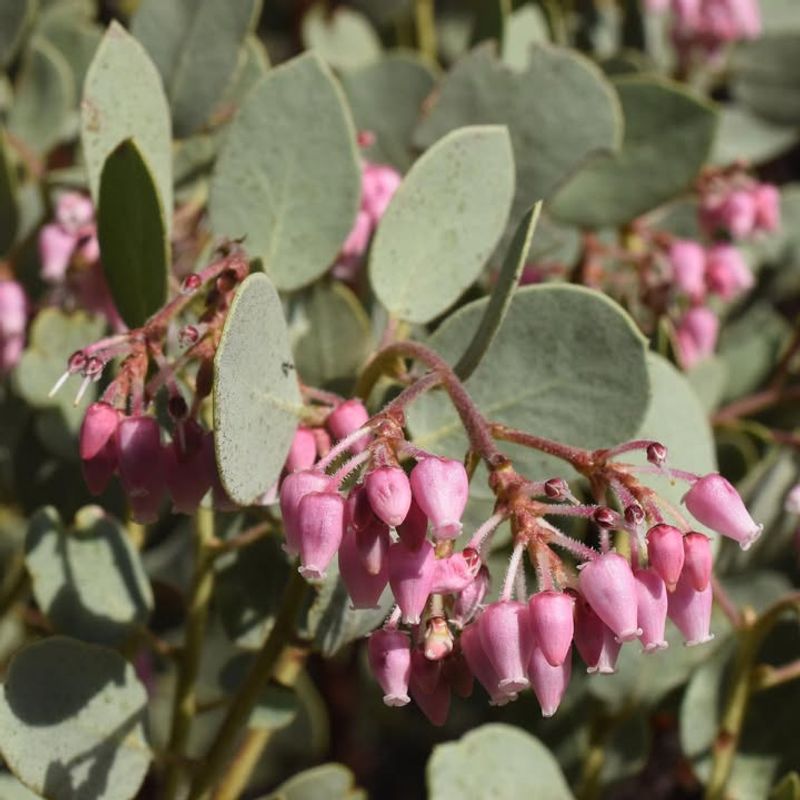
Smooth mahogany-red bark catches sunlight year-round, creating visual interest even without flowers. Come late winter through spring, delicate pink or white urn-shaped blooms dangle in clusters, feeding early-season hummingbirds and native bees.
The flowers eventually become small berries that birds devour.
Dozens of manzanita species exist, from low-growing groundcovers to tree-sized specimens reaching fifteen feet tall. Coastal gardeners succeed with species like ‘Emerald Carpet’ or ‘Pacific Mist,’ while inland areas do well with ‘Austin Griffiths’ or ‘Dr. Hurd.’ All share the same drought-tough personality once roots establish.
Perfect drainage is non-negotiable, manzanitas hate wet feet and will rot in heavy clay without amendments or mounding. Plant in full sun, water deeply but infrequently during establishment, then back off completely.
Your California Garden Changes Every Week. Your Plan Should Too.
Gardening in California changes quickly throughout the season. Every Friday you’ll receive a simple weekly plan showing exactly what to plant, prune, fertilize, harvest, and protect so you never miss the right timing.
Summer watering actually harms mature plants in many cases. The architectural form and evergreen presence create four-season interest that hydrangeas can’t match, especially during California’s long dry months when structure matters most.
3. Bush Anemone (Carpenteria californica)
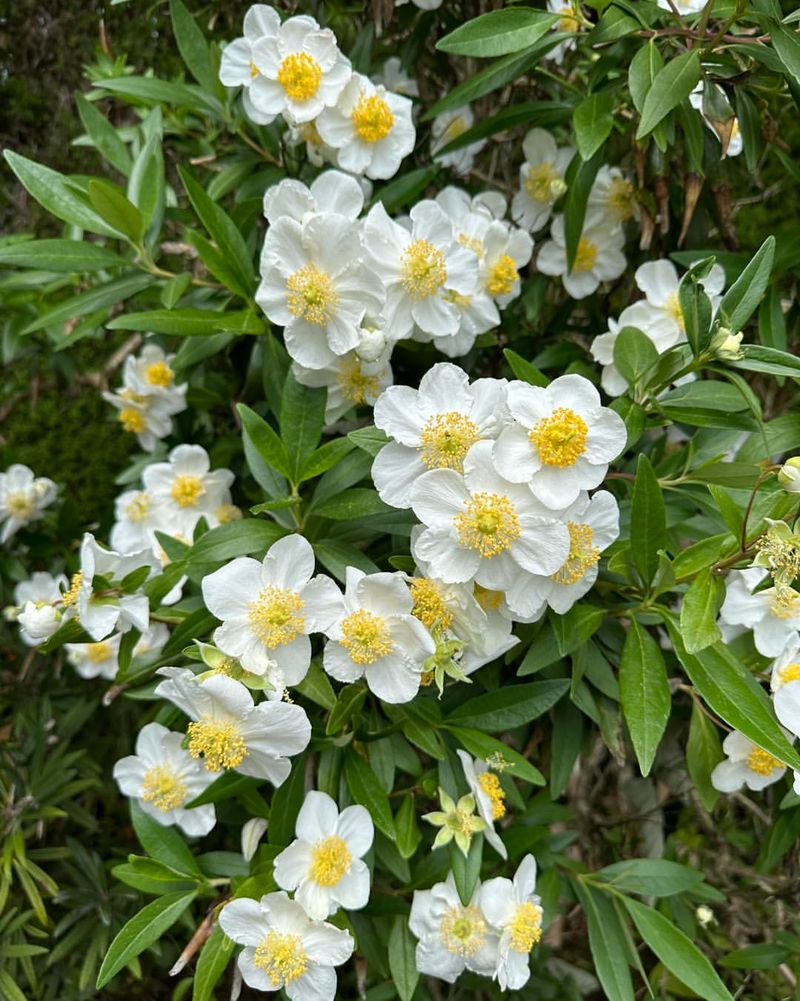
Hydrangea blooms fade to disappointing beige by midsummer, leaving you with tired-looking plants taking up valuable garden space. Bush Anemone delivers something completely different, pristine white flowers with golden centers that practically glow against dark evergreen foliage from late spring into summer.
This California native grows naturally in the Sierra Nevada foothills, giving it excellent heat tolerance that hydrangeas lack. Each flower spans two to three inches across, resembling a wild rose or single camellia bloom.
The fragrance attracts butterflies, while the dense evergreen structure provides year-round privacy and screening.
Bush Anemone reaches six to eight feet tall and wide, making it perfect for foundation plantings or informal hedges. It tolerates more shade than most California natives, succeeding in bright filtered light or morning sun locations where hydrangeas would demand constant moisture.
Established plants need occasional deep watering during extended dry spells but nothing like the daily drenching hydrangeas require.
Plant in well-draining soil amended with compost. Coastal gardens see the best performance, though inland areas succeed with afternoon shade protection.
Light pruning after flowering maintains shape without sacrificing next year’s blooms. The white flowers brighten shady corners and create stunning contrast against darker plants, offering sophisticated beauty without the water waste or constant maintenance hydrangeas demand throughout California’s challenging growing season.
4. Cleveland Sage (Salvia clevelandii)
Summer heat turns hydrangea leaves crispy brown despite your best watering efforts. You’re trapped in an endless cycle of trying to keep struggling plants alive.
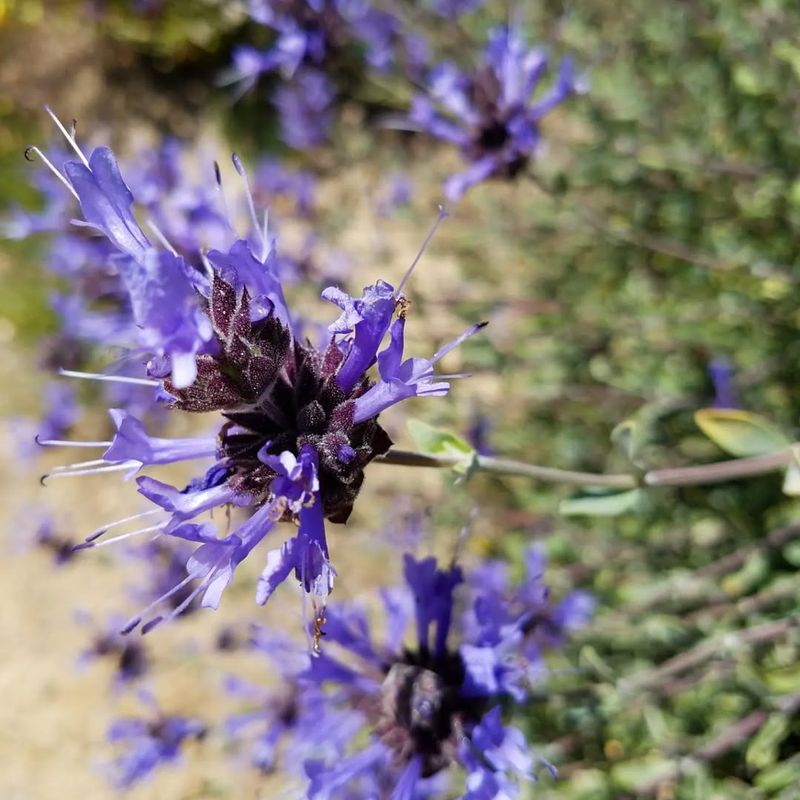
Cleveland Sage thrives in the exact hot, dry conditions that destroy hydrangeas, producing fragrant purple-blue flowers that hummingbirds visit constantly.
This compact sage grows three to five feet tall and wide, forming a rounded mound of intensely aromatic gray-green foliage. Brush against it and your hands smell like concentrated summer, a mix of sage, lavender, and something uniquely Californian.
The flowers emerge on tall spikes in late spring and early summer, creating vertical interest that hydrangeas never achieve.
Cleveland Sage needs zero summer water once established, making it perfect for water-restricted areas or anyone tired of high bills. Plant it in full sun with fast-draining soil, and watch it flourish through heat waves that would kill hydrangeas.
Inland valleys, coastal bluffs, hillside gardens, Cleveland Sage succeeds everywhere.
Butterflies, bees, and hummingbirds mob the flowers for weeks. The aromatic foliage deters deer and rabbits naturally, solving another common garden problem.
Shear plants lightly after flowering to maintain compact form and encourage potential fall rebloom. The silvery foliage contrasts beautifully with darker greens, creating depth and texture.
You finally get reliable color, incredible fragrance, and genuine California toughness instead of battling another disappointing hydrangea.
5. California Lilac (Ceanothus spp.)
Watching your hydrangeas wilt by noon every summer gets old fast. The constant watering, the drooping leaves, the disappointed feeling when those big flower heads turn crispy brown, it’s exhausting.
California Lilac offers a completely different experience, thriving in the exact conditions that make hydrangeas miserable.
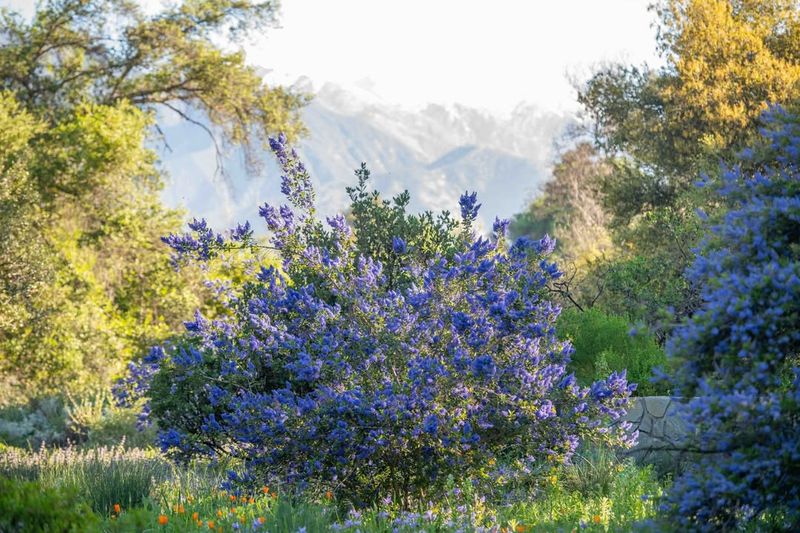
This gorgeous native shrub produces clouds of fragrant blue, purple, or white flowers from spring through early summer, creating a show that rivals any hydrangea display. Varieties range from low groundcovers to tall hedges, fitting into almost any landscape design.
Once established, California Lilac needs minimal summer water, sometimes none at all in coastal areas.
Plant it in full sun with excellent drainage, and watch it flourish where hydrangeas would struggle. Inland gardeners should choose heat-tolerant varieties like ‘Ray Hartman’ or ‘Dark Star,’ while coastal yards can grow almost any selection.
The flowers attract native bees, butterflies, and beneficial insects that support your entire garden ecosystem.
Pruning happens right after flowering ends, keeping plants compact and encouraging next year’s blooms. Skip the fertilizer, California Lilac actually prefers lean soil.
Your water bill drops, your curb appeal soars, and you finally have a flowering shrub that works with California’s climate instead of fighting it.
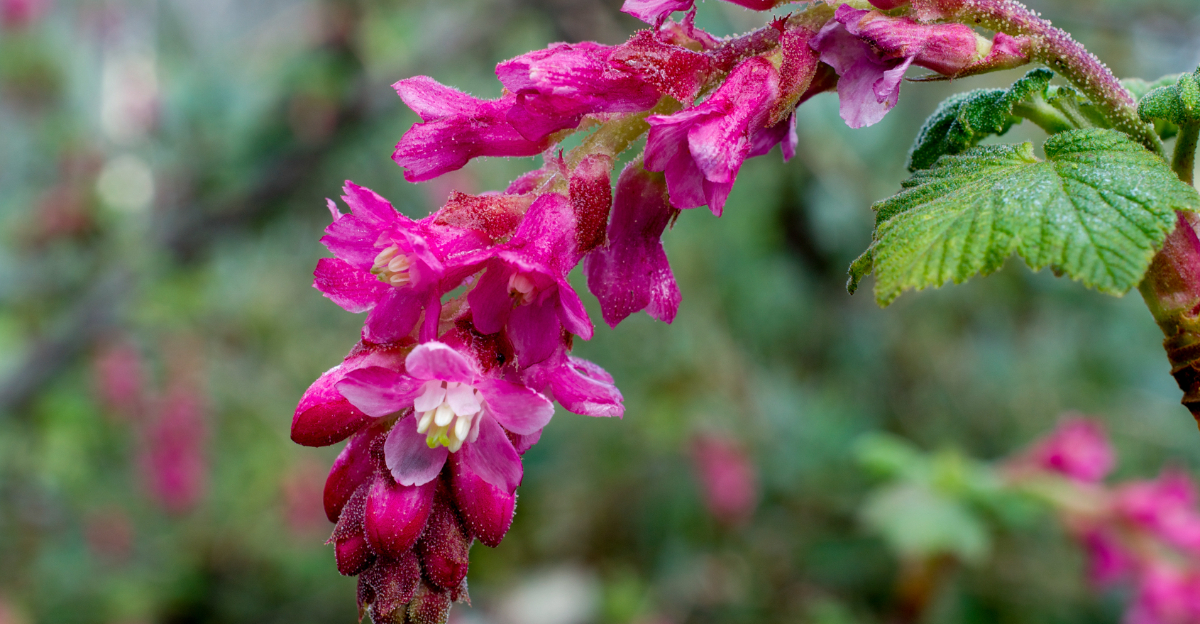
6. Chaparral Currant (Ribes malvaceum)
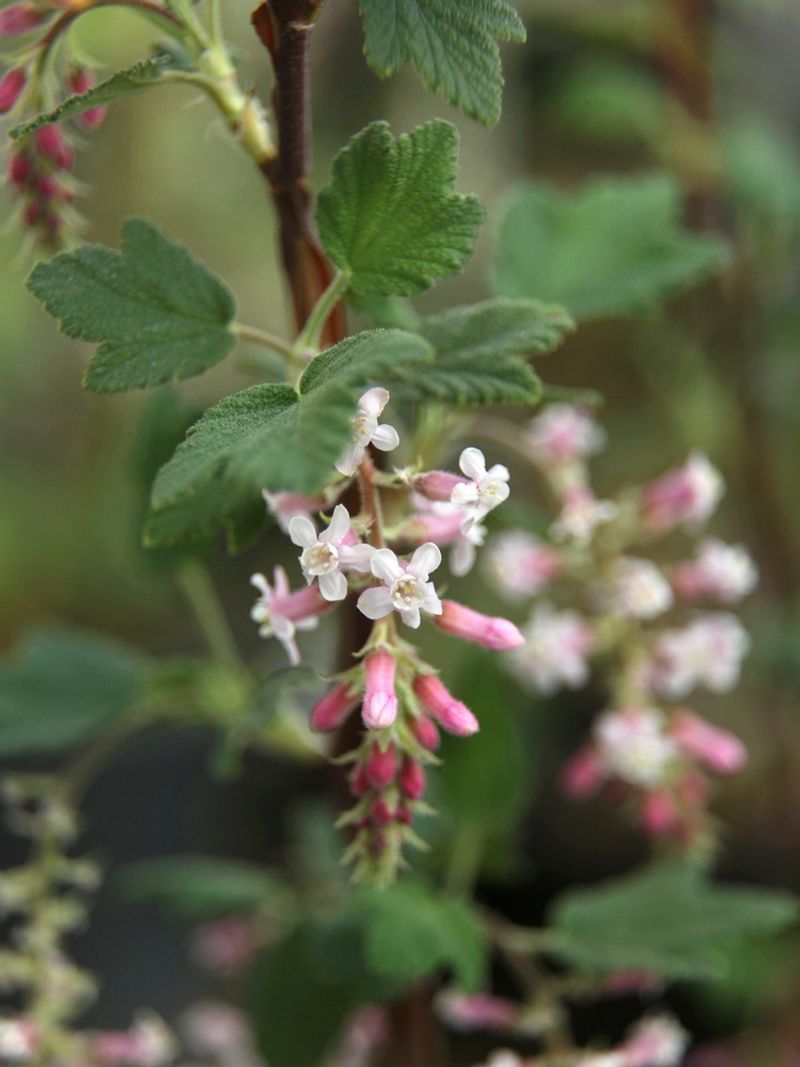
February arrives and your hydrangeas sit dormant, offering nothing while you wait for spring. Chaparral Currant takes the opposite approach, producing dangling clusters of pink flowers during winter and early spring when almost nothing else blooms.
Hummingbirds arrive daily, desperate for nectar during the lean season.
This deciduous California native grows five to eight feet tall, forming an upright, vase-shaped shrub perfect for mixed borders or wildlife gardens. The flowers emerge before leaves fully develop, creating a cloud of pink that stands out dramatically in the winter landscape.
Each blossom cluster dangles like a tiny chandelier, moving gently in the breeze.
Chaparral Currant tolerates shade better than most flowering shrubs, succeeding under oak trees or on north-facing slopes where hydrangeas would demand impossible amounts of water. The maple-like leaves emerge after flowering, staying attractive through spring before dropping in summer, a natural adaptation that eliminates water needs during the driest months.
Plant in partial shade with decent drainage. Established plants need zero summer water, going completely dormant until fall rains return.
The early flowers provide critical food for hummingbirds, native bees, and butterflies emerging from winter dormancy. Small edible berries follow the flowers, feeding birds through late spring.
This shrub works with California’s seasonal patterns instead of fighting them, delivering beauty and wildlife value without the constant care hydrangeas demand year-round.
7. Flannel Bush (Fremontodendron californicum)
Curb appeal matters, especially when selling a home or simply taking pride in your property. Hydrangeas promise big impact but deliver constant disappointment in California heat.
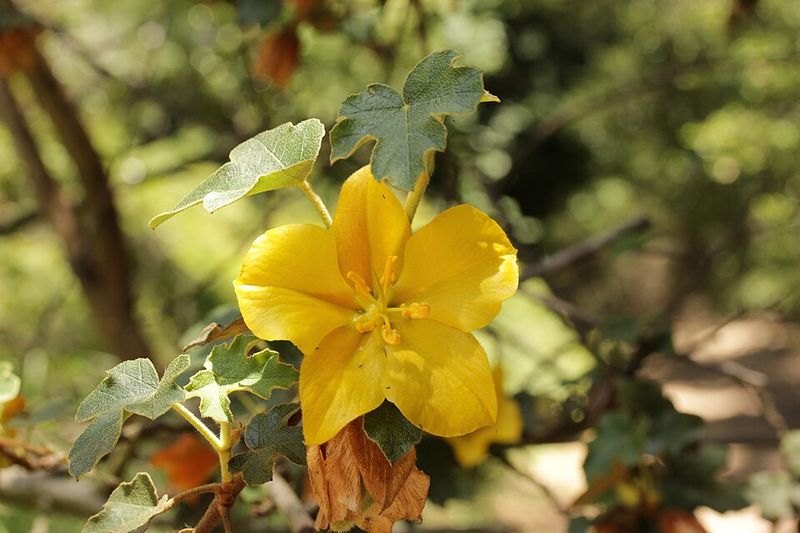
Flannel Bush creates jaw-dropping displays of massive golden-yellow flowers that neighbors stop to photograph, all while thriving in conditions that would kill hydrangeas within weeks.
Each flower spans two to three inches across, glowing like captured sunshine against fuzzy gray-green foliage. Bloom time runs from spring through early summer, with occasional flowers appearing into fall.
The sheer number of blooms covering the plant creates a solid sheet of yellow that transforms your landscape into something magazine-worthy.
Flannel Bush grows eight to fifteen feet tall, making it suitable for large spaces, hillside plantings, or dramatic focal points. Fast growth means you’ll see significant size quickly.
This shrub evolved in California’s toughest foothill environments, giving it extreme heat and drought tolerance. Zero summer water once established, truly zero.
Overwatering actually kills Flannel Bush faster than drought ever would.
Plant in full sun with excellent drainage, preferably on slopes or mounded beds. Coastal gardens should choose carefully, as this shrub prefers inland heat.
The fuzzy foliage can irritate sensitive skin, so plant away from pathways. Minimal pruning needed, just remove damaged wood.
Flannel Bush delivers maximum visual impact with minimum care, finally giving California gardeners the bold flowering statement hydrangeas promise but rarely deliver in our climate.