These 9 California Flowers Bloom Early And Help Feed Pollinators
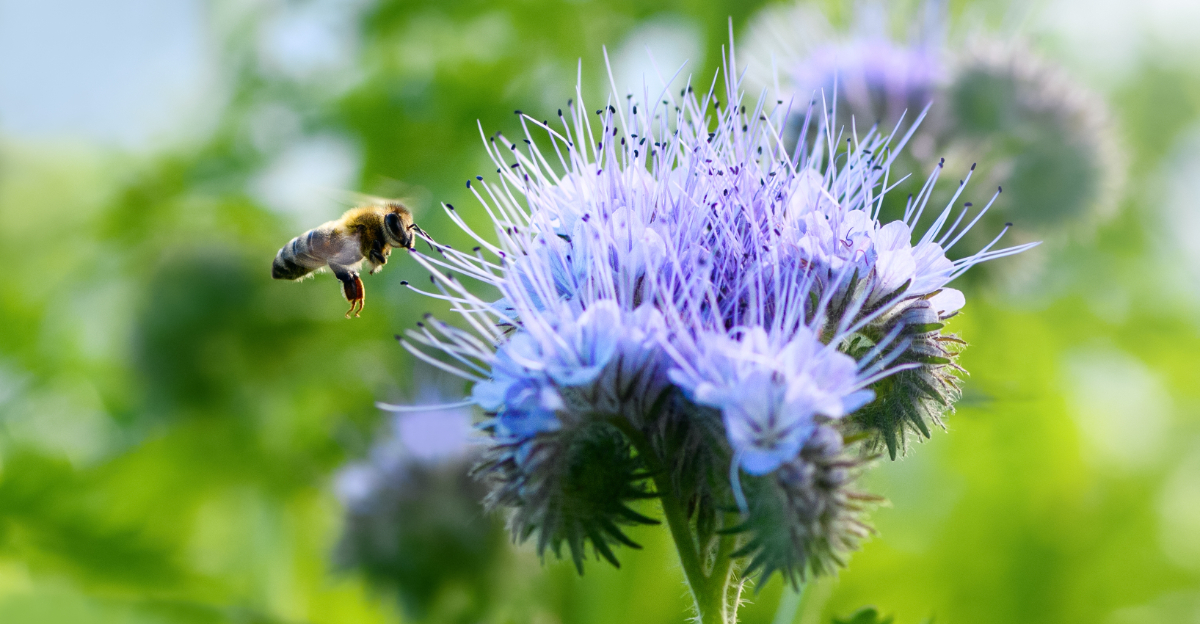
California gardens don’t have to wait until late spring to burst into color. Some flowers wake up early and start blooming when pollinators need them most.
Bees, butterflies, and hummingbirds rely on these early blossoms as one of their first food sources of the season. Plant the right flowers and your garden becomes a lifesaving pit stop filled with nectar and pollen.
You also get fresh color and movement while other landscapes still look quiet. These early bloomers thrive in local conditions and reward gardeners with fast results and long-lasting beauty.
Even small gardens and patios can make a big impact. If you want more life, more color, and more buzzing activity outside your door, these California flowers are the perfect place to start.
1. Tidy Tips
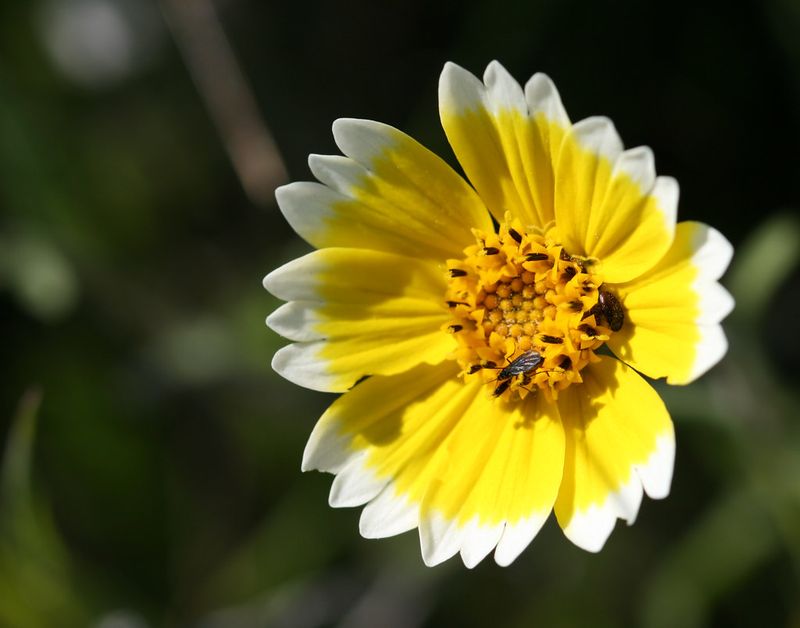
Cheerful yellow daisies with distinctive white petal tips create a two-tone effect that brightens California landscapes from February through May. Tidy tips earned their common name from those neat white edges that look like someone carefully painted each petal tip.
These annual wildflowers often carpet entire hillsides in California’s Central Valley and coastal regions, creating golden displays that rival the more famous poppy blooms.
Native bees and honeybees both visit tidy tips enthusiastically, collecting pollen from the central disk flowers. The blooms open during sunny weather and provide accessible food sources for many pollinator species.
Each plant produces numerous flowers over several weeks, ensuring a long-lasting food supply during critical early season months.
Scatter tidy tips seeds in fall across prepared soil, then let winter rains handle the watering. These California natives germinate readily without special treatment and grow quickly once temperatures warm in late winter.
They prefer full sun and well-draining soil but aren’t particularly fussy about soil fertility. Tidy tips work beautifully in wildflower meadows, along sunny slopes, or anywhere you want low-maintenance color that supports pollinators.
The plants will reseed themselves in favorable conditions, returning year after year with minimal intervention.
2. Manzanita
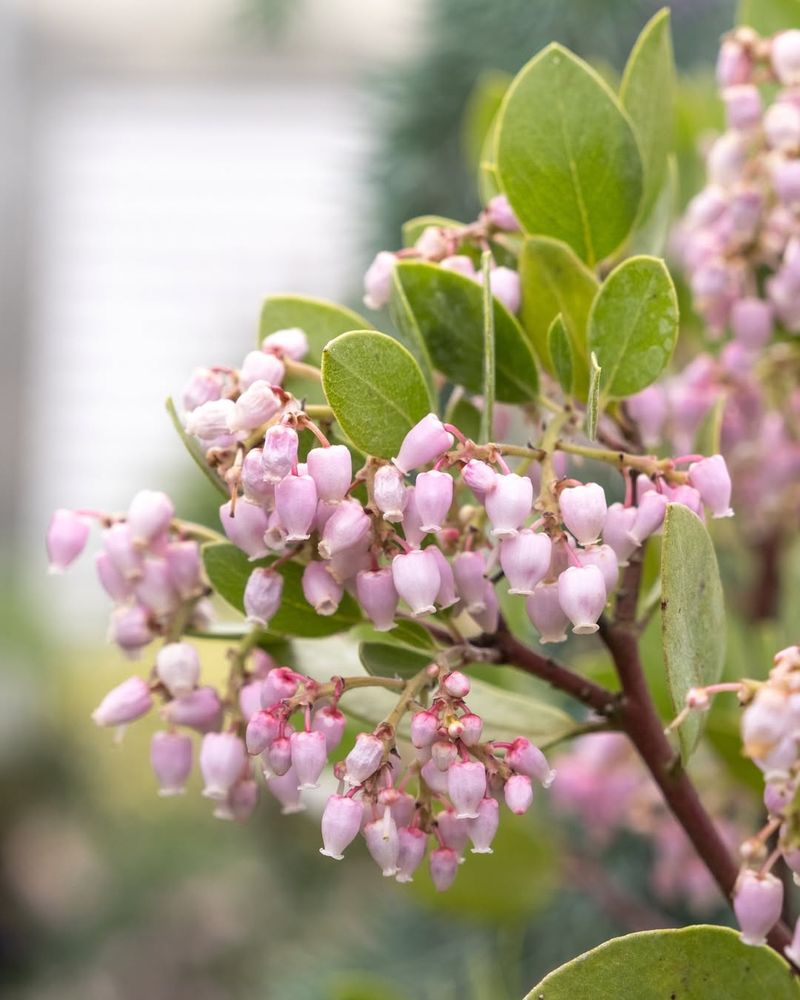
Delicate pink bells dangle from smooth red branches in late winter, creating an elegant display that hummingbirds find irresistible. Manzanita’s distinctive peeling bark adds year-round interest to California gardens, but the early flowers provide critical nectar when temperatures first warm up.
These evergreen shrubs range from groundcovers to small trees, offering options for nearly any landscape size.
Hummingbirds hover around manzanita blooms from dawn until dusk, their iridescent feathers catching sunlight as they feed. Native bees also visit these flowers, though the tubular shape suits hummingbird beaks perfectly.
The blooming period often starts in January or February, depending on your specific California location and the manzanita variety you choose.
Excellent drainage is absolutely essential for growing manzanita successfully. These plants evolved in rocky, fast-draining soils and will struggle or perish in heavy clay or areas that stay moist.
Once established in the right conditions, manzanitas become incredibly drought-tolerant and need zero summer water in most California regions. Their architectural form and beautiful bark make them standout specimens even when flowers aren’t present, giving you four-season beauty with minimal effort.
Your California Garden Changes Every Week. Your Plan Should Too.
Gardening in California changes quickly throughout the season. Every Friday you’ll receive a simple weekly plan showing exactly what to plant, prune, fertilize, harvest, and protect so you never miss the right timing.
3. California Poppy
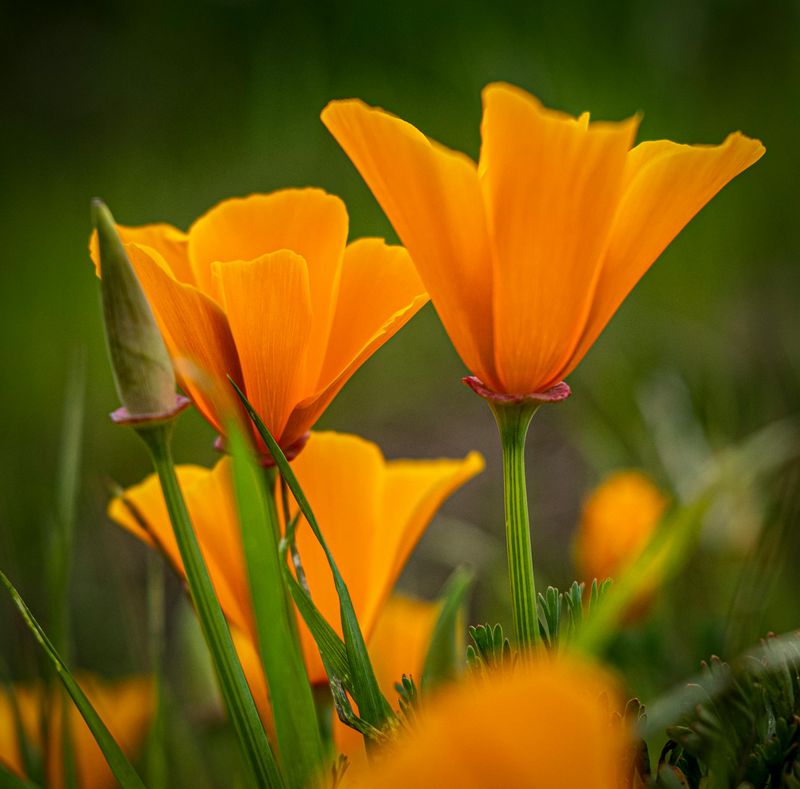
Golden-orange petals unfold like silk across California hillsides starting in February, creating waves of color that photographers and nature lovers chase each year.
California poppies don’t just look beautiful, they’re survival experts that have mastered the art of thriving in dry conditions with minimal care.
These cheerful flowers open wide during sunny days and close up when clouds roll in or evening arrives.
Pollinators absolutely love visiting these blooms for pollen since California poppies don’t produce nectar. Native bees collect the golden pollen to feed their young, making early morning the best time to watch them work.
The flowers keep blooming for months if you plant them in full sun with well-draining soil.
Growing California poppies from seed is incredibly simple, even for beginning gardeners. Scatter seeds directly on bare soil in fall or early winter, and they’ll sprout with the first good rains.
These drought-tolerant beauties reseed themselves year after year, creating natural drifts of color throughout your California garden. Once established, they need almost no water during summer, making them perfect for water-wise landscapes.
4. Lupine
© summerlandornamentalgardens
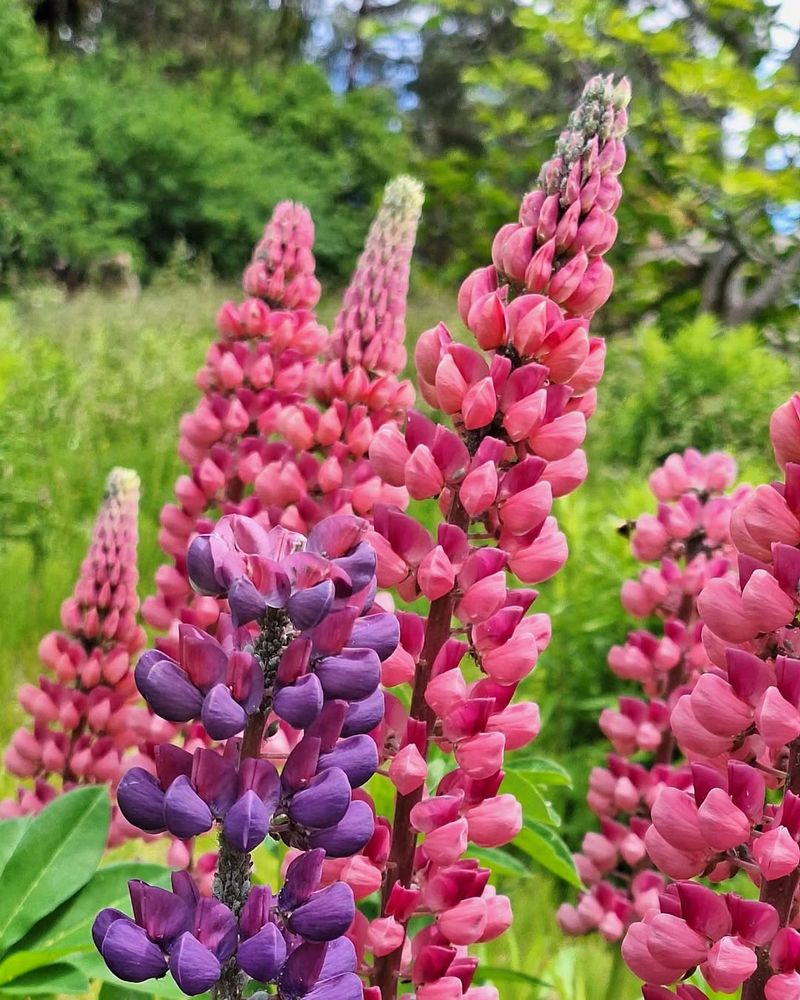
Towering spikes of purple, blue, pink, or yellow flowers rise above feathery foliage, creating dramatic vertical accents in early California gardens. Lupines belong to the legume family, which means they actually improve soil by adding nitrogen through special root nodules.
Bumblebees are especially fond of these flowers and have learned the trick of opening the specialized blooms to reach hidden pollen and nectar inside.
Watch carefully and you’ll see bumblebees land on lower petals, then use their weight to pop open the flower and crawl inside. This pollination dance has evolved over thousands of years between California lupines and native bees.
The flowers bloom in dense clusters that can reach two feet tall, making them visible from far across the garden.
Start lupines from seed in fall by scratching the hard seed coat with sandpaper before planting directly in the ground. This process, called scarification, helps water penetrate the tough outer layer so germination happens more reliably.
Lupines prefer full sun and well-draining soil in California gardens. They’ll reseed themselves in favorable conditions, gradually naturalizing across sunny slopes and meadow areas where they create stunning spring displays year after year.
5. Phacelia (Lacy Phacelia)
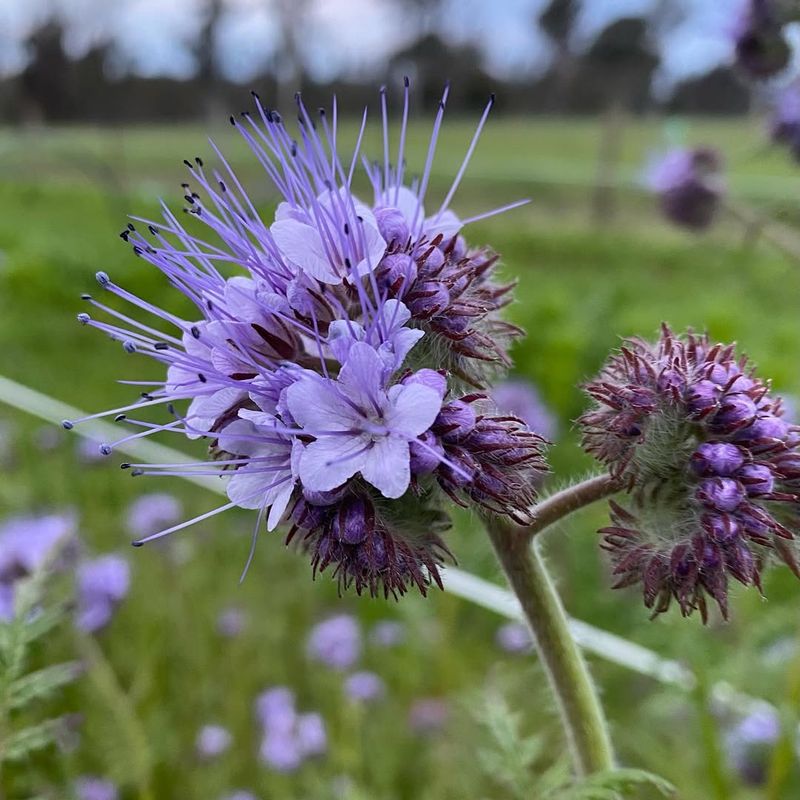
Fernlike leaves and coiled purple flower clusters give Phacelia an almost otherworldly appearance that stops garden visitors in their tracks.
Lacy phacelia ranks among the absolute best plants for supporting native bee populations because it produces abundant pollen and nectar that many bee species prefer.
The flowers unfurl from distinctive coiled stems called croziers, gradually opening into purple-blue blooms that last for weeks.
California farmers sometimes plant entire fields of phacelia specifically to support beneficial insects that help control crop pests naturally.
Home gardeners can achieve similar results on a smaller scale by including this powerhouse pollinator plant in their yards.
The blooming season starts early, often in March, providing food when spring bee populations are building rapidly.
Growing phacelia from seed is straightforward and inexpensive, making it perfect for covering large areas or filling gaps in new gardens. Broadcast seeds in fall or early winter over prepared soil, then wait for rain to trigger germination.
This California native prefers full sun but tolerates partial shade better than many wildflowers. Phacelia reseeds readily without becoming invasive, creating bigger displays each year as plants naturalize across your landscape.
6. Yarrow
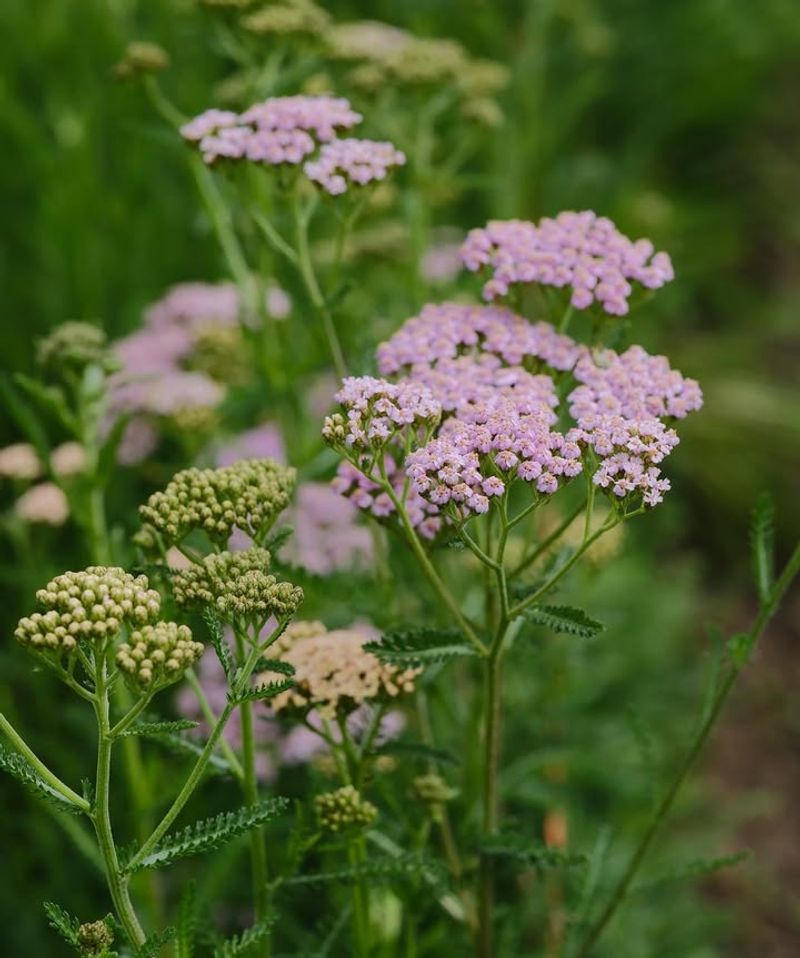
Flat-topped flower clusters in white, yellow, or pink create landing platforms that butterflies and small native bees find perfect for feeding.
Yarrow’s feathery foliage releases a pleasant herbal scent when brushed, and the entire plant has been used medicinally by California indigenous peoples for thousands of years.
Each flower head actually contains dozens of tiny individual flowers packed together, offering abundant nectar in an easy-to-access arrangement.
Butterflies especially appreciate yarrow because they can walk across the flat flower surface while sipping nectar, unlike tubular flowers that require hovering. Small native bees and beneficial wasps also visit these blooms constantly during the spring flowering period.
California yarrow typically blooms from March through June, though deadheading spent flowers often encourages additional blooming waves.
Plant yarrow in full sun with average to poor soil for best results. Rich soil actually causes yarrow to grow too lush and flop over, while leaner conditions produce compact, sturdy plants.
This California native tolerates drought beautifully once established and needs no fertilizer or special care.
Yarrow spreads gradually through underground rhizomes, creating attractive drifts over time without becoming aggressively invasive in most garden situations.
7. Blue-Eyed Grass
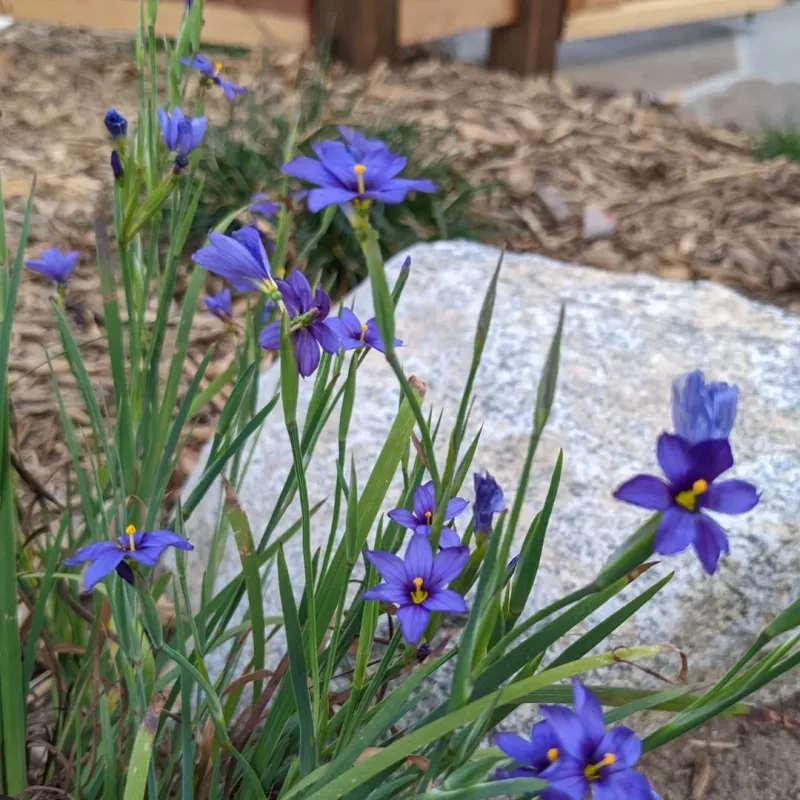
Tiny star-shaped flowers in brilliant blue-purple with golden centers peek out from grass-like foliage, creating charming surprises in spring gardens.
Blue-eyed grass isn’t actually a grass at all—it belongs to the iris family, though its slender leaves certainly look grass-like at first glance.
Small native bees and tiny flies visit these modest blooms, which open wide on sunny mornings and close during cloudy weather or afternoon heat.
Each flower lasts only one day, but plants produce new blooms continuously for several weeks during their peak season. The flowering period typically runs from March through May in most California locations.
Despite their delicate appearance, blue-eyed grass plants are surprisingly tough and adaptable to various garden conditions.
Use blue-eyed grass along pathways, in rock gardens, or mixed into meadow plantings where their small stature works perfectly. They prefer full sun to light shade and tolerate a range of soil types as long as drainage is reasonable.
In California gardens, these charming natives need regular water during their active growing and blooming season but can tolerate dry conditions during summer dormancy.
Plants often self-sow in favorable locations, gradually creating larger colonies that naturalize beautifully without overwhelming neighboring plants.
8. Ceanothus (California Lilac)
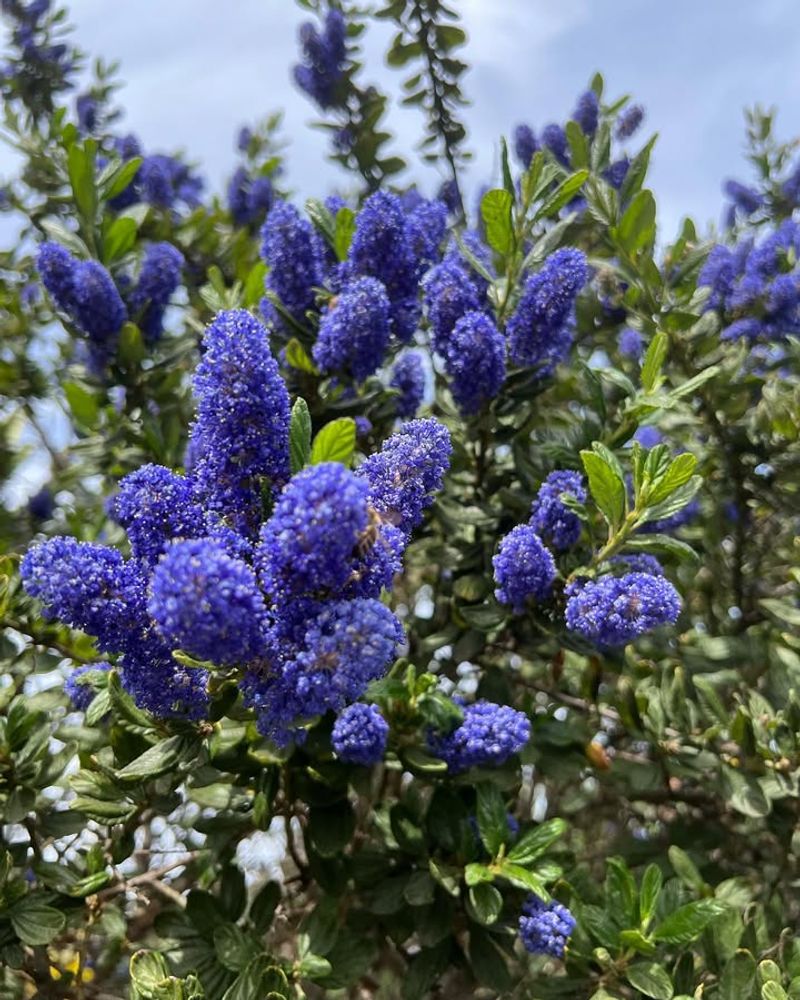
Clouds of blue or purple flowers transform Ceanothus shrubs into pollinator magnets starting as early as January in coastal California regions.
California lilac isn’t actually related to true lilacs, but the fragrant flower clusters smell sweetly similar and attract even more beneficial insects.
Hummingbirds, native bees, and butterflies visit these blooms constantly during the early season when few other food sources exist.
Different Ceanothus varieties offer various sizes, from low groundcovers to tall shrubs reaching fifteen feet high. All types produce abundant nectar that pollinators desperately need after winter dormancy.
The flowers appear in such dense clusters that entire branches seem to disappear under blankets of blue.
Plant California lilac in full sun with excellent drainage for best results. These California natives evolved on hillsides and slopes, so they hate soggy soil but tolerate dry summers beautifully once their roots establish.
Water them deeply but infrequently during their first year, then let nature take over.
Many gardeners in California consider Ceanothus the ultimate low-maintenance shrub because it needs no fertilizer, minimal pruning, and practically no summer irrigation after establishment.
9. Baby Blue Eyes
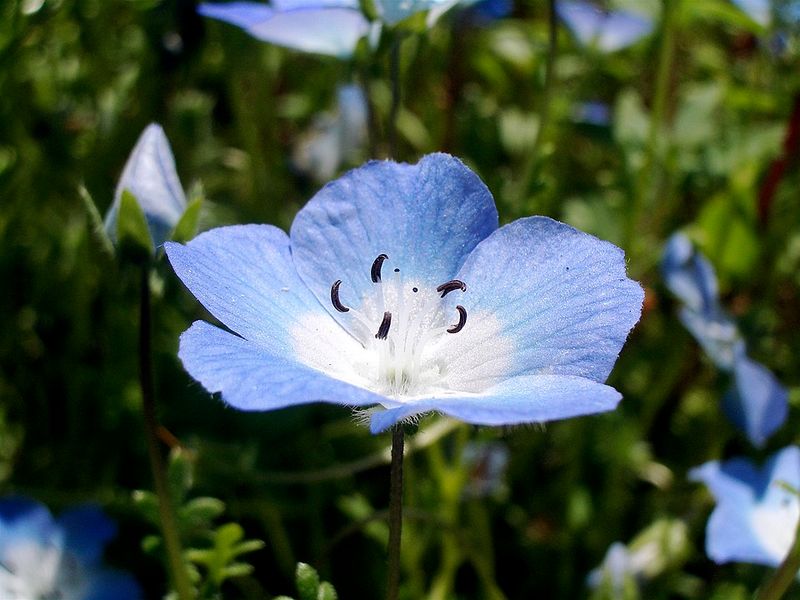
Sky-blue petals with pale centers create carpets of color that seem to reflect California’s clear spring skies. Baby blue eyes rank among the most beloved California wildflowers because their intense blue shade is relatively rare in the plant world.
These low-growing annuals spread across the ground, creating solid sheets of color when planted in groups or allowed to naturalize in favorable locations.
Small native bees and syrphid flies visit baby blue eyes frequently, attracted by both the bright color and accessible flower structure. The blooms appear from March through May in most California regions, though coastal gardens may see even earlier flowering.
Each plant produces dozens of flowers over its blooming period, creating impressive displays from relatively few plants.
Sow baby blue eyes seeds in fall for spring blooming, scattering them across bare soil in sunny to partially shaded locations. These California natives prefer regular moisture during their growing season but don’t tolerate soggy conditions.
They work wonderfully under deciduous trees, in rock gardens, or along pathway edges where their low growth habit and brilliant color create maximum impact.
Baby blue eyes often reseed themselves, gradually expanding their territory year after year to create ever-larger displays of stunning blue flowers.