The 7 Best Companion Vegetable Pairs For Oregon Container Gardens
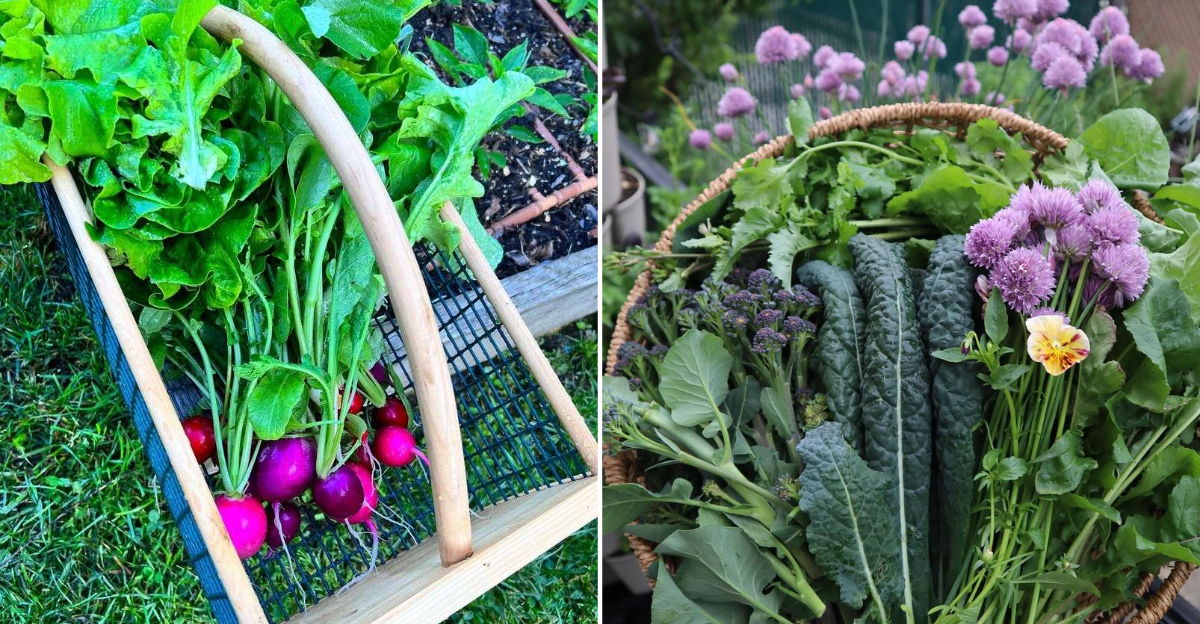
Container gardening in Oregon is way more fun when your vegetables get along. Think of companion planting like setting up the perfect roommate situation.
The right pairs share space, support each other, and help everyone thrive. The wrong ones fight for nutrients, crowd the pot, and slow growth.
When you choose smart combinations, plants grow faster, stay healthier, and produce more food with less effort from you. You also get natural pest control and better use of every inch of container space.
That means fewer problems and more harvests from your patio, balcony, or backyard. No fancy gear required.
Just good plant chemistry!
1. Tomatoes + Basil
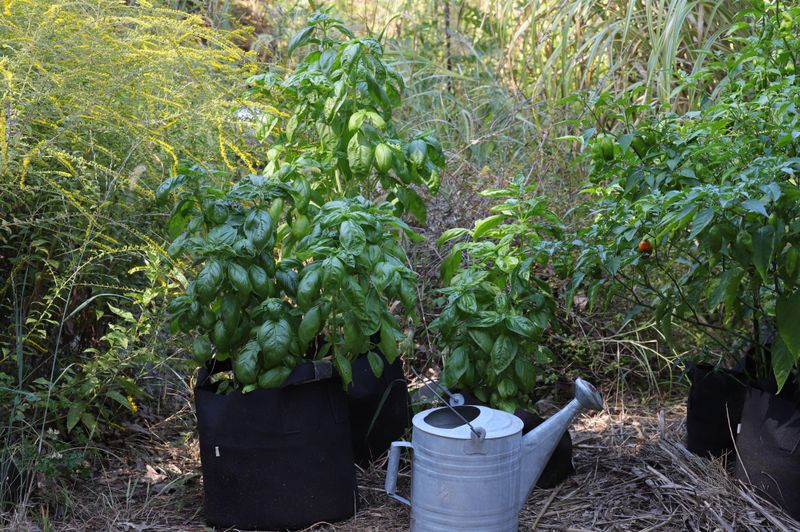
Pairing tomatoes with basil creates one of the most beloved partnerships in any container garden. Fresh tomatoes taste even better when you can snip basil leaves from the same pot, making this combination both practical and delicious for Oregon gardeners.
Basil naturally repels aphids, whiteflies, and hornworms that commonly attack tomato plants throughout the Pacific Northwest growing season. The aromatic oils in basil leaves confuse these pests and keep them away from your precious tomatoes.
Meanwhile, tomatoes provide afternoon shade that prevents basil from bolting too quickly during Oregon’s sunny summer days.
Choose a container at least 18 inches deep and 20 inches wide to give both plants enough room to develop strong root systems. Plant one tomato in the center with two to three basil plants around the edges.
This arrangement works beautifully on south-facing patios where both plants can soak up plenty of sunshine.
Water consistently to keep the soil evenly moist but never waterlogged, which matters especially during Portland’s dry summers. Both plants are heavy feeders, so mix compost into your potting soil and add organic fertilizer every three weeks.
Pinch basil flowers as they appear to encourage bushier growth and more flavorful leaves. This classic pairing thrives from late May through September in most Oregon locations, giving you months of fresh ingredients for caprese salads and homemade pasta sauce.
2. Lettuce + Radishes
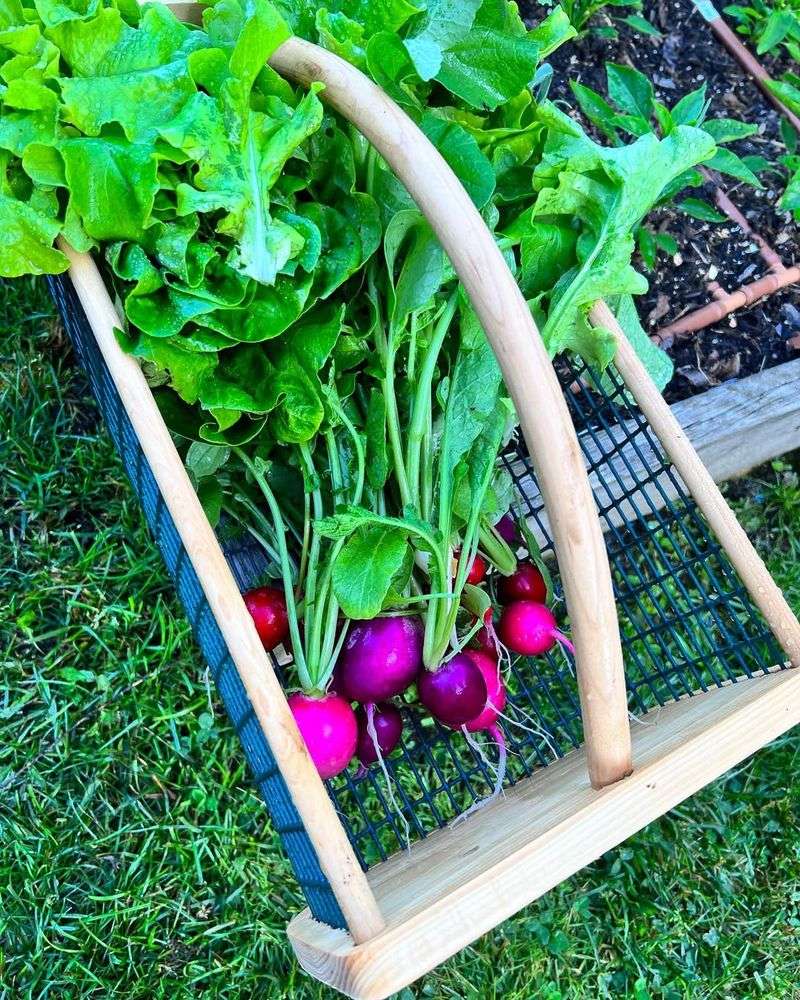
Radishes and lettuce make fantastic container companions because they grow at different speeds and use space efficiently.
Radishes mature in just three to four weeks, while lettuce takes six to eight weeks, allowing you to harvest radishes without disturbing your lettuce crop.
Fast-growing radishes actually help break up compacted soil as their roots push downward, creating better drainage for lettuce roots. This natural soil improvement becomes especially valuable in containers where space is limited.
Lettuce provides ground cover that keeps soil cool and moist, which radishes appreciate during Oregon’s warmer spring and fall days.
Select a container at least 8 inches deep and as wide as your space allows for the best results. Scatter radish seeds throughout the container, then plant lettuce seedlings or seeds between them.
This interplanting method maximizes your harvest from limited container space.
Both vegetables prefer cooler temperatures, making them perfect for Oregon’s spring and fall growing seasons. Start planting in March or April for spring crops, then again in late August for fall harvests that can continue through November in milder areas.
Your Oregon Garden Changes Every Week. Your Plan Should Too.
Gardening in Oregon changes quickly throughout the season. Every Friday you’ll receive a simple weekly plan showing exactly what to plant, prune, fertilize, harvest, and protect so you never miss the right timing.
Water regularly to keep soil consistently moist, as both plants develop bitter flavors when stressed by drought.
Radishes can handle partial shade, making this pair ideal for Oregon balconies that receive only four to six hours of direct sunlight daily. Harvest radishes as soon as they reach marble size for the sweetest flavor.
3. Carrots + Green Onions
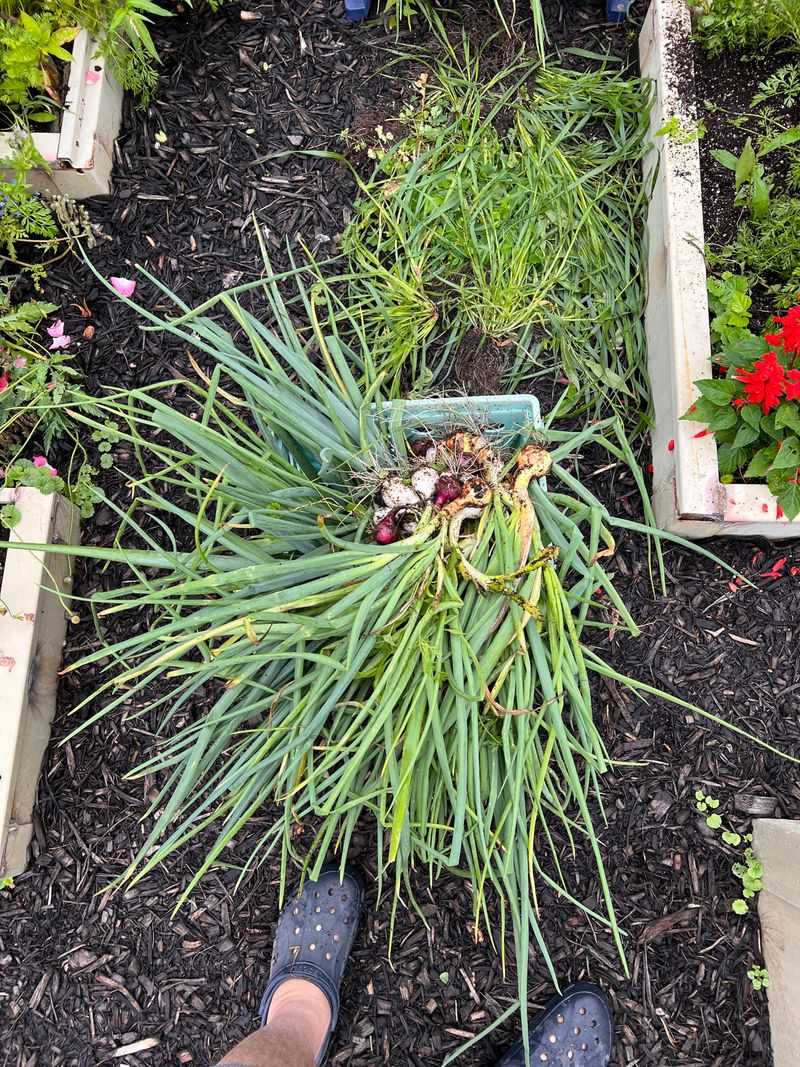
These root vegetables share space peacefully because their roots grow at different depths and don’t compete for nutrients or water.
Green onions release sulfur compounds that naturally discourage carrot rust flies, one of the most frustrating pests for Oregon carrot growers. The strong onion scent masks the sweet carrot smell that attracts these destructive insects.
Carrots, meanwhile, don’t mind sharing their container since green onions have shallow roots that stay near the surface.
Pick a container at least 12 inches deep to accommodate carrot roots, which need plenty of room to develop straight and long. Plant carrot seeds in rows or blocks, then tuck green onion sets or transplants between the carrot seedlings.
This arrangement gives you two harvests from one pot.
Both vegetables thrive in Oregon’s cool spring weather and can tolerate light frosts, allowing early planting in March or April. Keep soil loose and well-draining by mixing sand or perlite into your potting mix, which prevents carrots from becoming forked or twisted.
Water deeply but infrequently to encourage carrot roots to grow downward searching for moisture.
Harvest green onions continuously throughout the growing season by snipping leaves or pulling entire plants. Carrots take 60 to 80 days to mature, depending on variety.
This pairing works wonderfully on patios with morning sun and afternoon shade.
4. Peppers + Spinach
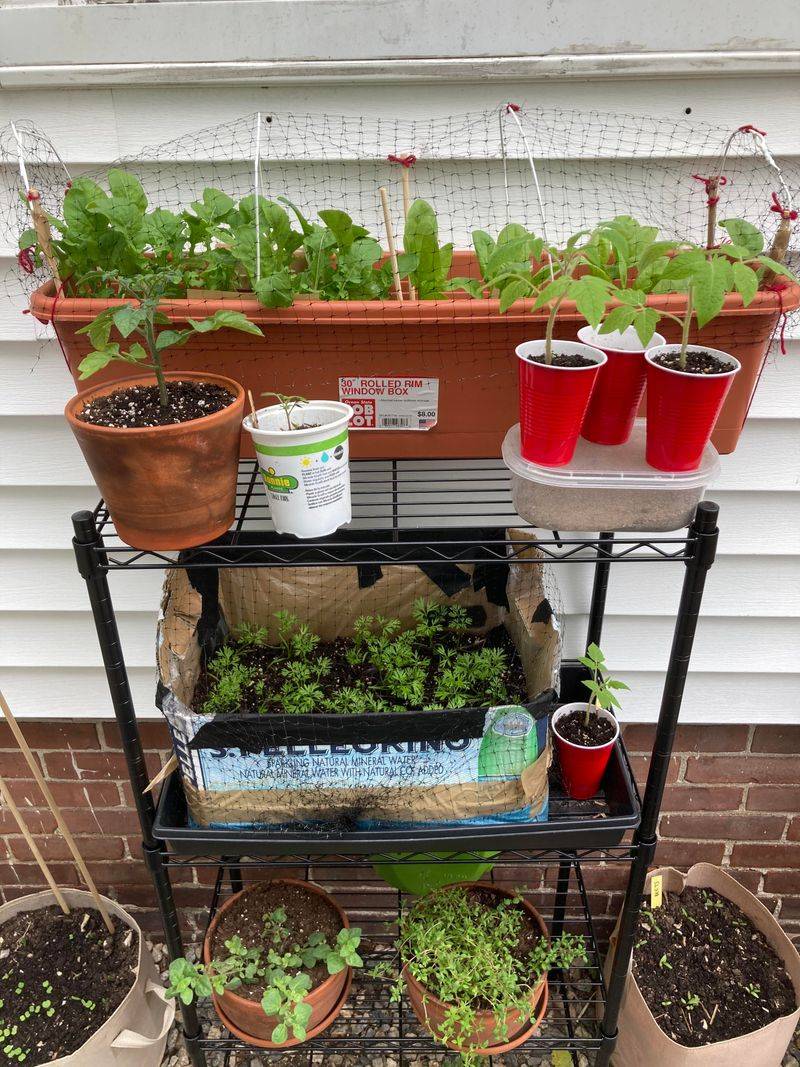
Combining peppers with spinach creates a productive vertical partnership in Oregon containers. Peppers grow upward while spinach spreads horizontally, making efficient use of every inch of container space available.
Spinach acts as a living mulch that keeps soil cool and moist around pepper roots during Oregon’s warmest summer months. This ground cover reduces water evaporation and prevents soil from drying out too quickly between waterings.
Peppers provide light shade that extends the spinach harvest by preventing early bolting when temperatures climb.
Choose a container at least 14 inches deep and wide enough to accommodate one or two pepper plants with spinach around the edges. Plant peppers first, then sow spinach seeds in a circle around them once nighttime temperatures stay consistently above 50 degrees.
This typically happens in mid-May throughout most Oregon growing zones.
Both plants appreciate consistent moisture but hate waterlogged soil, so ensure your container has excellent drainage holes.
Add a balanced organic fertilizer monthly to support both crops, as peppers are moderate feeders while spinach needs nitrogen for leafy growth.
Harvest outer spinach leaves continuously, which encourages new growth and keeps plants productive longer.
Peppers take 60 to 90 days to produce ripe fruit, depending on variety and Oregon’s summer temperatures.
This combination works exceptionally well in Eugene, Salem, and Portland, where summers provide enough warmth for peppers without getting too hot for spinach.
Morning sun with afternoon shade creates ideal conditions for this pairing.
5. Cucumbers + Dill
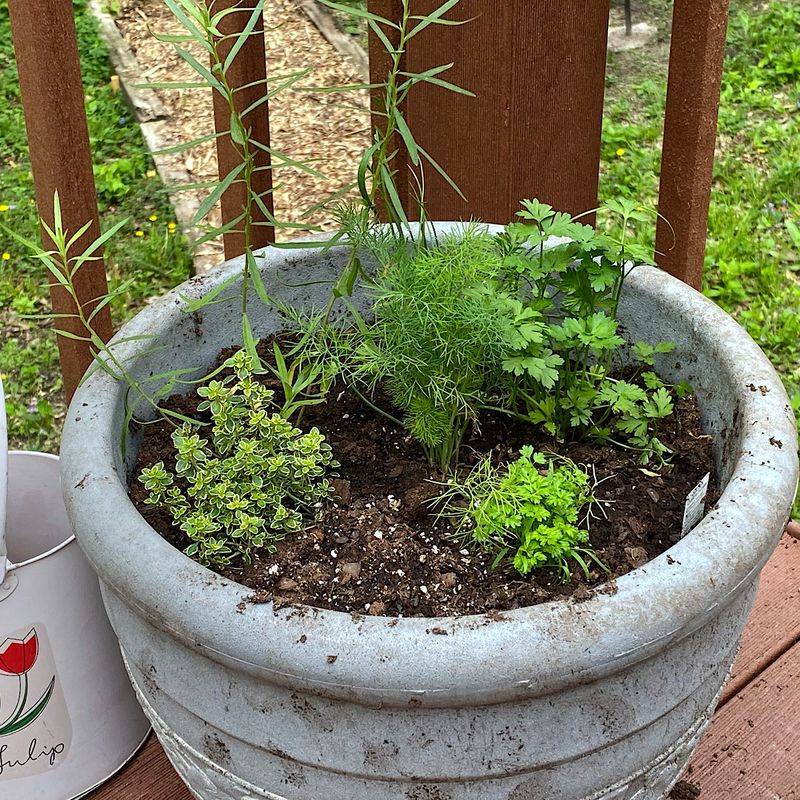
Beyond their culinary connection, these plants support each other’s growth and health throughout the growing season.
Dill attracts beneficial insects like ladybugs, lacewings, and parasitic wasps that prey on cucumber beetles and aphids. These helpful predators keep pest populations under control naturally, reducing problems that commonly plague cucumber plants.
Dill’s delicate foliage doesn’t compete with cucumber vines for sunlight, allowing both plants to photosynthesize efficiently.
Select a large container at least 16 inches deep and 18 inches wide, with a trellis or cage for cucumber vines to climb vertically. Plant one cucumber at the base of your trellis, then sow dill seeds around the container’s perimeter.
This arrangement maximizes space while keeping both plants accessible for harvesting.
Both vegetables love Oregon’s warm summer weather and need full sun for at least six to eight hours daily. Water deeply and regularly, especially during Portland’s dry July and August when containers can dry out quickly.
Cucumbers are heavy feeders, so mix compost into your potting soil and fertilize every two weeks with fish emulsion or another organic fertilizer.
Harvest cucumbers when they reach desired size, checking plants daily during peak production. Snip dill leaves as needed, and allow some plants to flower for attracting beneficial insects.
This pairing produces abundantly from June through September in most Oregon locations, giving you plenty of fresh ingredients for homemade pickles.
6. Bush Beans + Beets
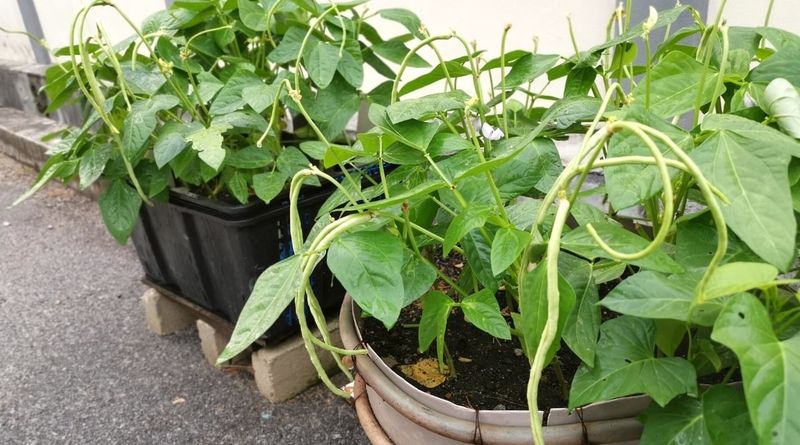
Beans fix atmospheric nitrogen in the soil through special bacteria in their root nodules, enriching the growing medium for beets.
Beets have shallow roots that spread horizontally near the soil surface, while bush bean roots grow deeper, allowing both plants to access water and nutrients without competing. This root zone separation makes them ideal container companions.
Beans grow quickly and provide light shade that keeps beet roots from getting woody during Oregon’s warmer days.
Use a container at least 12 inches deep and as wide as possible to accommodate multiple plants. Plant bush beans in the center or back of your container, then sow beet seeds around the front and sides.
This arrangement gives you easy access to both crops at harvest time.
Both vegetables prefer cool to moderate temperatures, making them perfect for Oregon’s spring and early summer growing season. Plant in late April or early May when soil temperatures reach 50 degrees.
Water consistently to keep soil evenly moist, which prevents beets from developing tough, fibrous roots.
Bush beans mature in 50 to 60 days and produce heavily for several weeks when harvested regularly. Beets take 55 to 70 days, with both roots and greens being edible and nutritious.
This combination works beautifully in Bend, Corvallis, and other Oregon cities where spring weather can be unpredictable. Harvest beets when roots reach golf ball size for the most tender, sweet flavor.
7. Kale + Chives
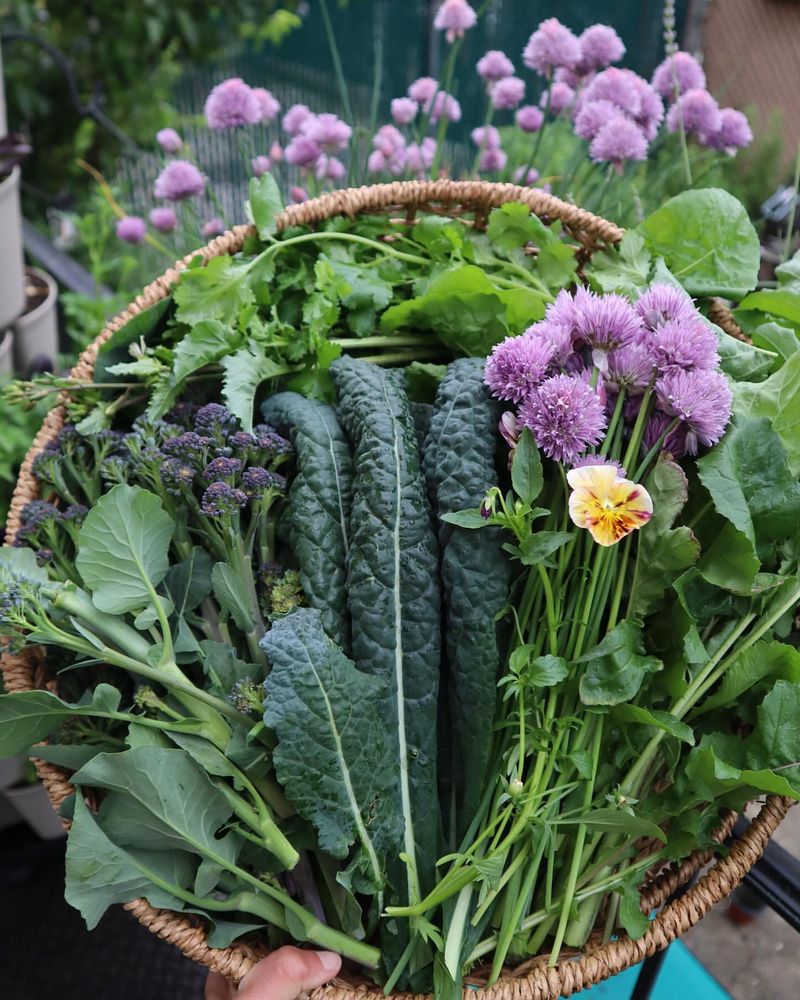
These two form a powerhouse pairing for Oregon container gardens that produce food nearly year-round. Both plants tolerate cold temperatures remarkably well, continuing to grow through Oregon’s mild winters when most other vegetables have finished.
Chives repel aphids that commonly attack kale leaves during spring and fall growing seasons. The onion-like compounds in chives confuse and deter these soft-bodied pests naturally without any chemicals.
Chive flowers attract pollinators and beneficial insects that help protect your entire container garden ecosystem.
Choose a container at least 10 inches deep and 16 inches wide to give both plants adequate root space. Plant kale in the center with chive clumps around the edges, creating an attractive arrangement that looks ornamental while producing abundant harvests.
This setup works wonderfully on Oregon porches and patios where you want containers that look beautiful and provide fresh ingredients.
Both plants thrive in full sun to partial shade, making them adaptable to various Oregon locations and exposures. Water regularly during dry periods, but both plants tolerate occasional drought better than most vegetables.
Kale actually tastes sweeter after exposure to frost, making it perfect for fall and winter harvests throughout the Willamette Valley.
Harvest outer kale leaves continuously, leaving the central growing point intact for ongoing production. Snip chive leaves as needed, cutting them down to about two inches above soil level.
Allow some chives to flower in spring for their beautiful purple blooms and to attract beneficial insects. This pairing can produce for you from March through December in most Oregon growing zones.