10 Best Native Plants For Ohio Pollinators (Ranked By Bloom Season)
Ohio’s pollinators are hungry and your garden can be the all-you-can-eat buffet they’ve been searching for. From the first warm days of spring to the last golden weeks of fall, bees, butterflies, and hummingbirds depend on steady blooms to survive.
The problem is many yards go quiet for months at a time, leaving long gaps with little nectar or pollen. Native plants fix that.
They are built for Ohio weather, thrive with less work, and line up perfectly with pollinator needs. Timing matters just as much as plant choice.
A garden that blooms in waves keeps pollinators coming back all season long. The real magic happens when the right natives take turns flowering and turn your yard into a nonstop pollinator hotspot.
1. Wild Columbine And Virginia Bluebells Kickstart Spring Pollinators
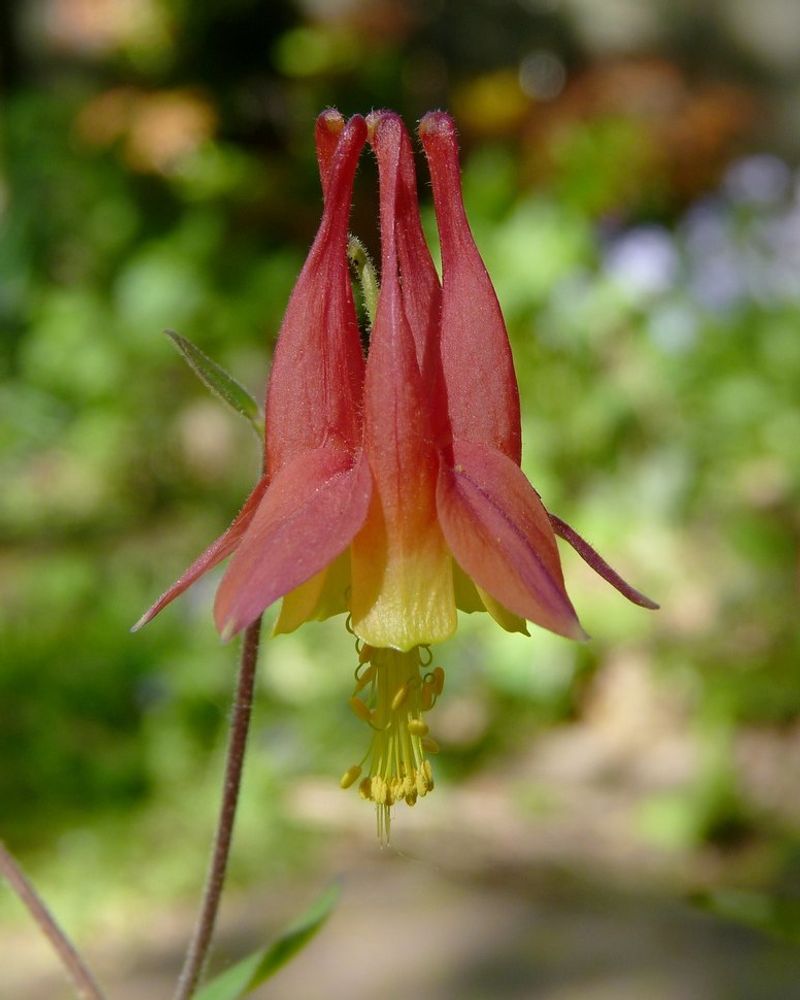
March and April bring the first hungry pollinators out of dormancy, and these two early bloomers provide critical nectar when food sources remain scarce across Ohio. Wild columbine displays delicate red and yellow flowers dangling like lanterns, while Virginia bluebells carpet shaded areas with clusters of pink buds that open into sky-blue trumpets.
Hummingbirds returning from migration make a beeline for columbine’s nectar-rich spurs, which perfectly match their long beaks and tongues. Native bees emerging from winter hibernation depend on bluebells for their first substantial pollen meals.
Both plants thrive in partial shade beneath deciduous trees, making them ideal for woodland gardens or the north side of buildings.
Columbine self-seeds readily without becoming invasive, creating charming drifts over time throughout Ohio landscapes. The foliage resembles delicate maidenhair fern and remains attractive even after the blooms fade in late spring.
Virginia bluebells go dormant by midsummer, so plant them alongside hostas or ferns that will fill the space.
These spring ephemerals need minimal care once established in Ohio’s clay-rich soils. They prefer consistent moisture but tolerate brief dry spells after their bloom period ends.
Combining both species creates a stunning early-season display that supports multiple pollinator species during a critical transition period when weather remains unpredictable and food sources limited.
2. Golden Alexanders Power Up Early Season Bees
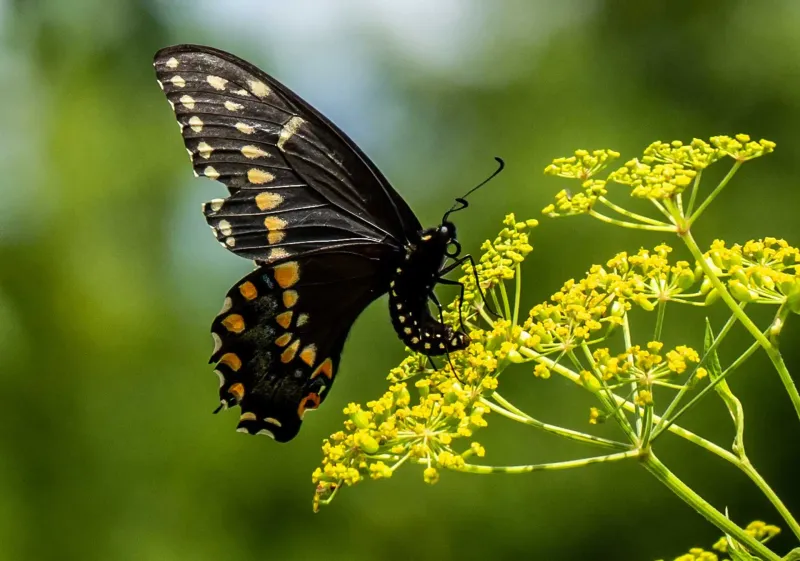
Bright yellow flower clusters emerge in late April across Ohio, signaling that golden alexanders has arrived to fuel spring’s pollinator rush. This member of the carrot family produces flat-topped umbels that serve as landing platforms for dozens of native bee species.
The chartreuse foliage provides a stunning backdrop that illuminates shaded garden areas even before blooms appear.
Short-tongued bees particularly benefit from the accessible nectar and pollen golden alexanders offers during May. Unlike many spring flowers that cater to long-tongued specialists, these open flower structures accommodate various pollinator sizes and feeding styles.
Black swallowtail butterflies also lay eggs on the foliage, making this plant a host for their caterpillars.
Golden alexanders adapts to both full sun and partial shade throughout Ohio, though it grows more compact in brighter locations. The plants reach 18 to 24 inches tall and spread slowly to form attractive clumps.
They tolerate wet spring soils better than many natives, making them perfect for rain gardens or low spots that collect runoff.
Your Ohio Garden Changes Every Week. Your Plan Should Too.
Gardening in Ohio changes quickly throughout the season. Every Friday you’ll receive a simple weekly plan showing exactly what to plant, prune, fertilize, harvest, and protect so you never miss the right timing.
Once established in Ohio gardens, golden alexanders requires virtually no maintenance or supplemental watering. The seeds provide food for songbirds in late summer after the flowers fade.
This underutilized native deserves a place in every Ohio pollinator garden for its early bloom time and exceptional wildlife value.
3. Penstemon Beardtongue Brings Late Spring Nectar
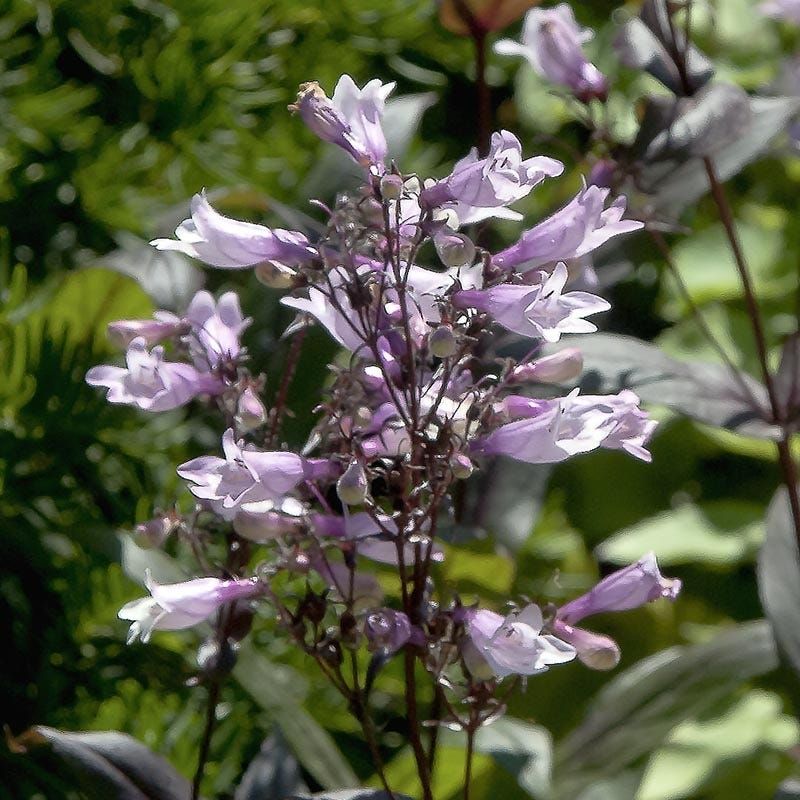
Tubular flowers in shades of white, pink, or lavender rise on sturdy stalks throughout May and early June across Ohio landscapes. Penstemon species, commonly called beardtongue, bridge the gap between early spring ephemerals and summer’s abundant bloomers.
The flowers cluster densely along upright spikes that can reach two to three feet tall depending on the variety.
Bumblebees with their longer tongues excel at accessing the nectar hidden deep within beardtongue flowers. Watching these fuzzy pollinators work their way up a flower spike provides endless entertainment in Ohio gardens.
Hummingbirds also visit frequently, hovering before each blossom to extract sweet rewards.
Several penstemon species thrive in Ohio’s varied soil conditions, from sandy loam to heavier clay. They prefer full sun and excellent drainage, making them perfect for rock gardens or raised beds.
The semi-evergreen foliage forms attractive rosettes that persist through mild Ohio winters.
Deadheading spent flower stalks encourages additional blooms and prevents excessive self-seeding in garden beds. However, leaving some seed heads provides food for goldfinches and other small birds.
Penstemon rarely suffers from pest or disease problems when planted in appropriate locations with good air circulation. These reliable performers deserve wider use in Ohio pollinator gardens for their late spring bloom time and architectural presence that adds vertical interest to perennial borders.
4. Butterfly Milkweed Feeds Monarchs And Native Bees
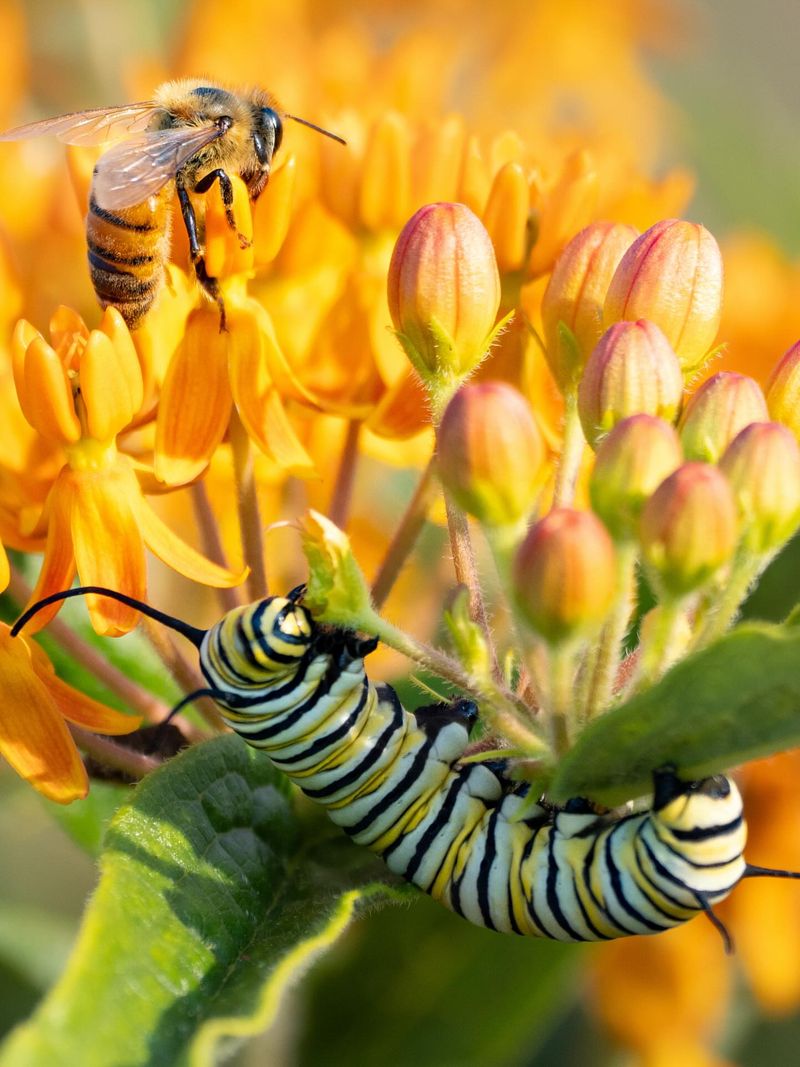
Blazing orange flower clusters ignite Ohio gardens from June through August, drawing monarchs like magnets to this essential native plant. Butterfly milkweed serves double duty as both a nectar source for adult butterflies and one of the essential milkweed host plants monarch caterpillars depend on for survival.
The brilliant orange blooms also attract dozens of native bee species, creating a constant buzz of pollinator activity.
Unlike its wetland-loving cousin common milkweed, this species thrives in well-drained soils and full sun across Ohio. Plants grow 12 to 18 inches tall with multiple flowering stems emerging from a deep taproot.
That extensive root system makes butterfly milkweed drought-tolerant once established, perfect for low-maintenance Ohio landscapes.
Monarchs lay eggs exclusively on milkweed species, making these plants critical for the species’ survival during their incredible migration. By planting butterfly milkweed, Ohio gardeners directly contribute to monarch conservation efforts.
The flowers produce abundant nectar that also sustains swallowtails, fritillaries, skippers, and countless other butterfly species.
Seedpods split open in fall to release silky-tufted seeds that birds use for nest building material. The plants emerge late in spring, so mark their locations to avoid accidentally disturbing them during early garden cleanup.
Butterfly milkweed rarely needs division and actually resents root disturbance. This spectacular native brings unmatched color and wildlife value to Ohio gardens throughout the peak summer season.
5. Purple Coneflower Dominates Summer Pollinator Traffic
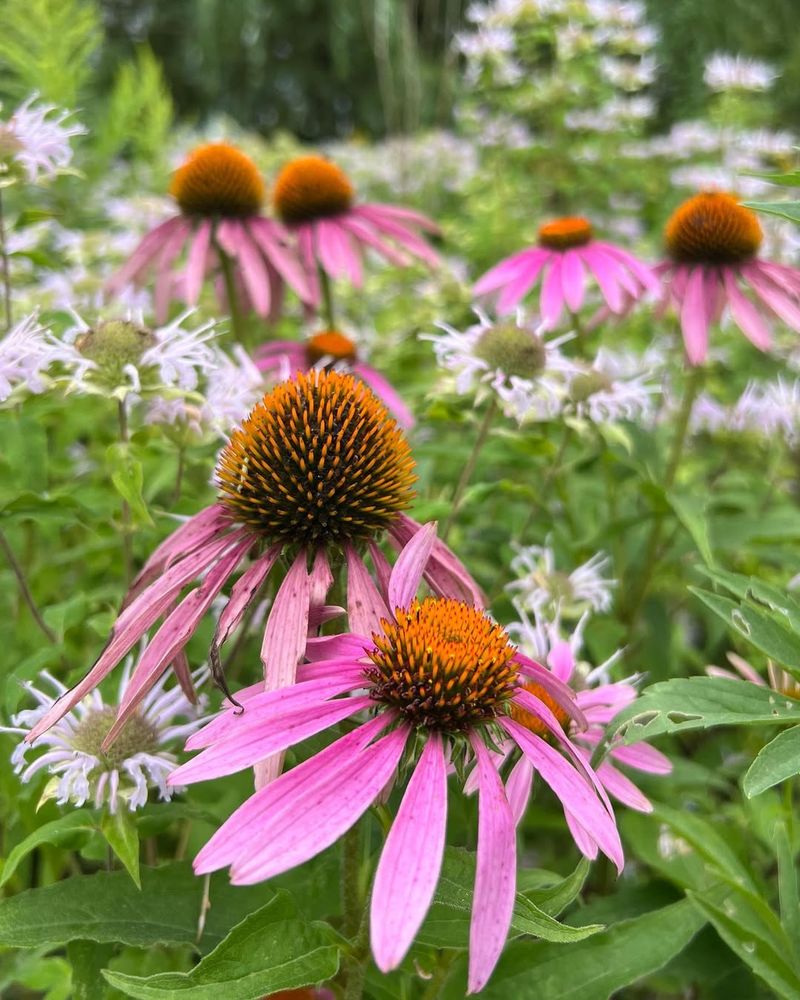
Few native plants match the pollinator-attracting power of purple coneflower during Ohio’s hottest months. From late June through September, the distinctive pink-purple petals surrounding prominent orange cones create landing pads that accommodate insects of all sizes.
Bumblebees, honeybees, sweat bees, butterflies, and beetles all visit these flowers throughout the day.
The raised central cone provides easy access to pollen, which bees collect by wrapping their legs around the structure. Butterflies prefer to sip nectar while perched on the drooping petals.
Goldfinches arrive in late summer to feast on ripening seeds, clinging acrobatically to spent flower heads.
Purple coneflower adapts to various soil types across Ohio but performs best in full sun with moderate moisture. Plants grow two to four feet tall with strong stems that rarely require staking.
They tolerate heat, humidity, and brief drought periods that challenge many garden perennials.
Deadheading extends the bloom season, but leave some flowers to develop seeds for winter bird food. Purple coneflower self-seeds moderately, creating natural-looking drifts without becoming weedy.
The plants increase slowly from the crown, forming substantial clumps over several years. This workhorse native deserves a prominent place in every Ohio pollinator garden for its extended bloom period, minimal maintenance requirements, and exceptional wildlife value that continues from summer through winter when birds rely on the nutritious seeds.
6. Bee Balm Turns Gardens Into Hummingbird Hotspots
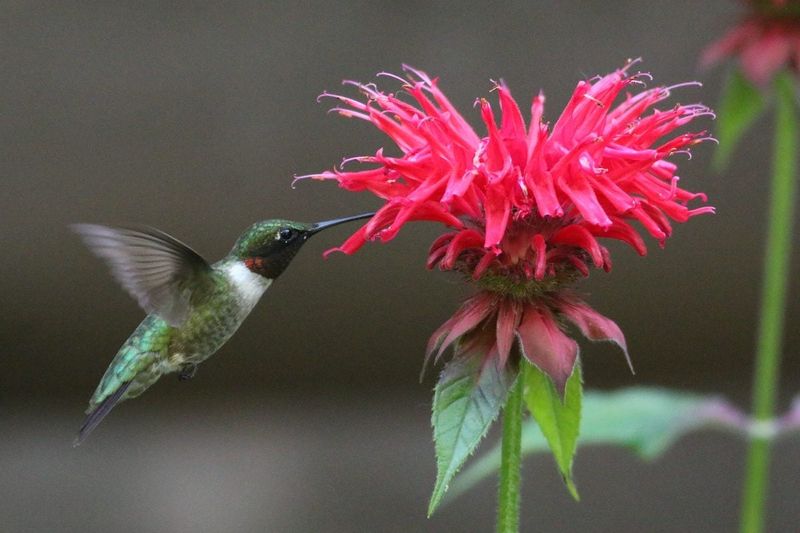
Scarlet flower heads explode with tubular blooms that hummingbirds find absolutely irresistible throughout July and August in Ohio. Bee balm, also called Oswego tea, produces dense clusters of red, pink, or purple flowers atop square stems typical of the mint family.
The tubular shape perfectly matches hummingbird beaks, making this plant one of the most effective ways to attract these aerial acrobats.
Ruby-throated hummingbirds visit bee balm dozens of times daily, establishing regular feeding routes through Ohio gardens. Bumblebees and butterflies also probe the flowers for nectar, creating a constant parade of pollinator activity.
The aromatic foliage releases a pleasant citrus-mint fragrance when brushed, adding sensory appeal beyond the visual display.
Bee balm prefers consistently moist soil and tolerates more shade than many summer bloomers, making it ideal for Ohio rain gardens or areas near downspouts. Good air circulation helps prevent powdery mildew, a common issue in humid conditions.
Newer cultivars show improved disease resistance while maintaining excellent pollinator appeal.
Deadheading encourages additional bloom flushes and prevents excessive self-seeding throughout garden beds. The plants spread by rhizomes, forming colonies that can be divided every few years to control size.
Bee balm’s extended bloom period and hummingbird magnetism make it indispensable in Ohio pollinator gardens, especially when planted in groups of three or more for maximum visual impact and wildlife attraction.
7. Black Eyed Susan Keeps Mid Summer Blooms Rolling
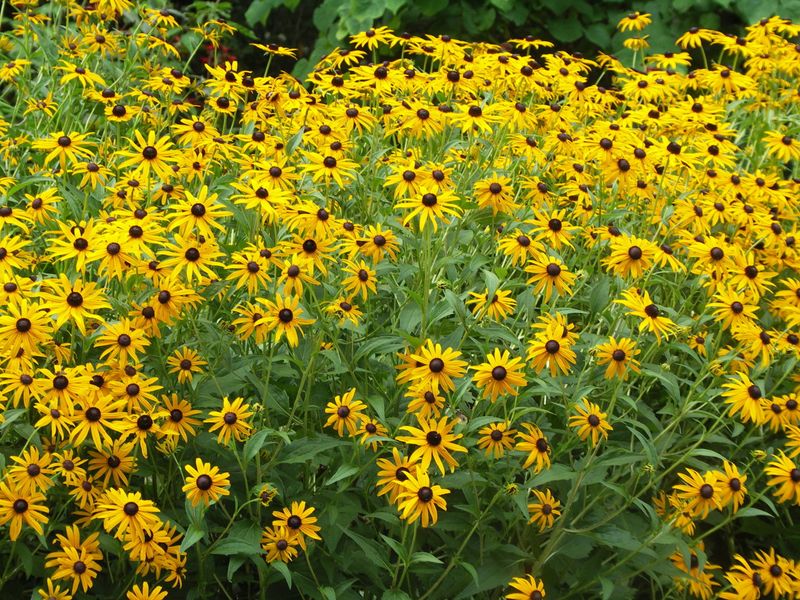
Cheerful golden petals surrounding chocolate-brown centers blanket Ohio roadsides and gardens from July through September. Black-eyed Susans deliver reliable color during the dog days of summer when many plants struggle with heat and humidity.
The daisy-like flowers grow on sturdy stems that sway gracefully in breezes without requiring staking or support.
Native bees, including sweat bees and mining bees, work the flowers methodically throughout daylight hours collecting pollen. Butterflies land on the prominent centers to sip nectar while resting their wings.
As seeds mature in fall, goldfinches and other finches perform acrobatic feeding displays that entertain through winter.
Black-eyed Susans thrive in full sun across virtually any soil type found in Ohio, from sandy to heavy clay. They tolerate drought, poor soil, and neglect better than most garden perennials.
Plants typically reach 18 to 36 inches tall depending on growing conditions and available moisture.
This native behaves as a short-lived perennial, often lasting just two to three years, but self-seeds prolifically to maintain populations. Seedlings are easy to transplant or remove if they appear in unwanted locations.
Black-eyed Susans combine beautifully with purple coneflowers and ornamental grasses for low-maintenance Ohio meadow gardens. Their long bloom period and adaptability to challenging sites make them essential for extending pollinator support through the critical late summer period when food sources begin declining across the landscape.
8. New England Aster Saves Late Season Pollinators
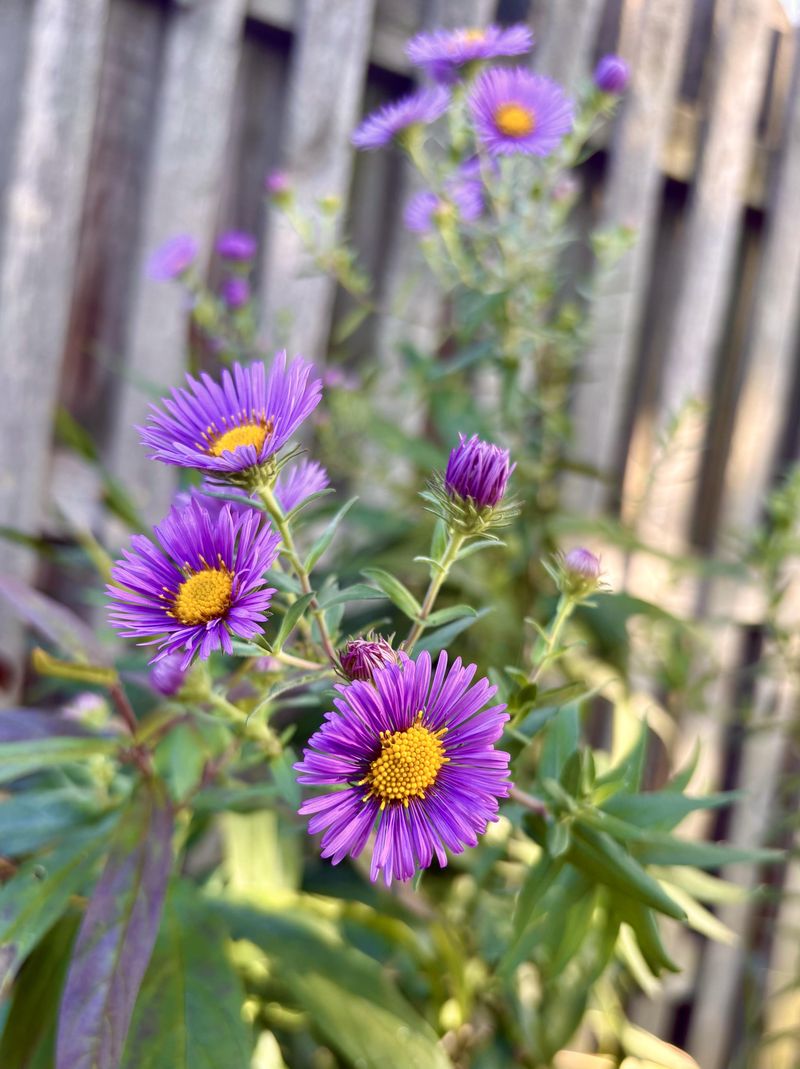
September and October bring spectacular displays of purple-pink flowers just when pollinators need them most in Ohio. New England asters produce hundreds of small daisy-like blooms per plant, creating clouds of color that glow in autumn light.
Monarch butterflies fueling up for their migration south depend heavily on these late-season nectar sources.
Native bees preparing for winter dormancy visit asters constantly to gather final pollen supplies. Bumblebee queens seeking energy reserves before hibernation find critical sustenance in these abundant flowers.
The blooms continue opening even after light frosts, extending the feeding season when few other options remain available.
New England asters grow three to five feet tall in full sun across Ohio, forming substantial clumps that expand yearly. They tolerate various soil types but prefer consistent moisture during the growing season.
Pinching stems back by half in early June creates bushier plants with more flowers and reduces the need for staking.
The plants can develop powdery mildew in humid conditions, but this rarely affects overall health or bloom production. Leaving dried stems standing through winter provides shelter for beneficial insects and adds architectural interest to dormant gardens.
Seeds feed winter birds when other food sources disappear under snow. New England aster’s late bloom time makes it irreplaceable in Ohio pollinator gardens, providing essential support when butterflies and bees face their most desperate need for nutrition before winter arrives.
9. Goldenrod Finishes The Year Strong For Bees
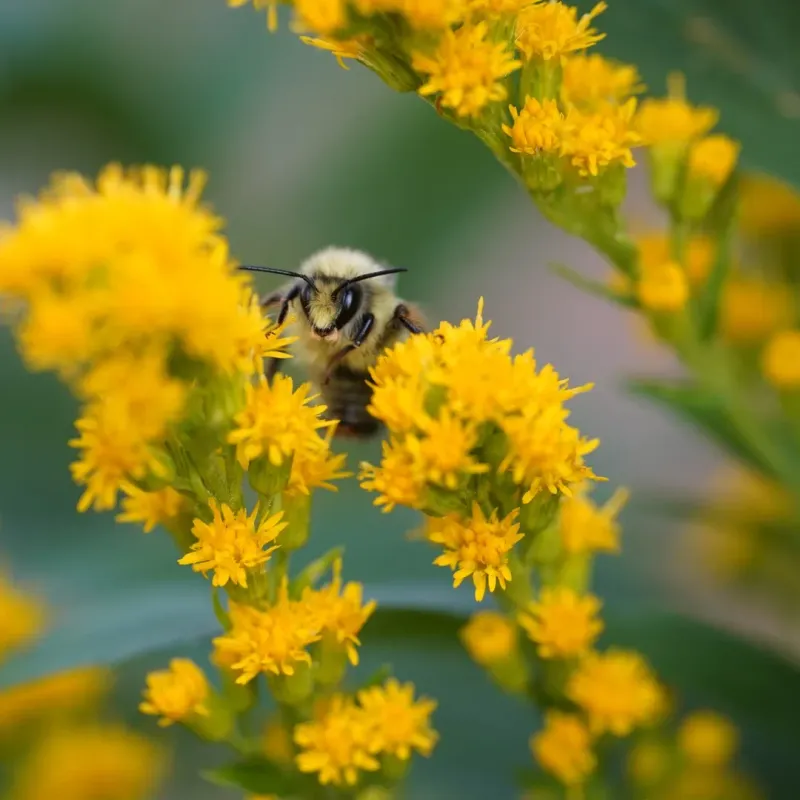
Golden plumes rise across Ohio landscapes from August through October, providing the season’s final major nectar flow for bees. Goldenrod species produce abundant pollen and nectar when most other plants have finished blooming.
This late-season abundance allows honeybees to build winter food stores and native bees to prepare for dormancy.
Contrary to popular belief, goldenrod does not cause hay fever since its pollen is too heavy to become airborne. Ragweed, which blooms simultaneously, deserves blame for seasonal allergies.
Goldenrod’s bright yellow flowers actually trap airborne pollen on their sticky surfaces, potentially reducing allergens in the air.
Several goldenrod species thrive in Ohio, from compact varieties reaching 18 inches to towering types exceeding five feet. They adapt to various soil conditions and tolerate both full sun and light shade.
The plants spread by rhizomes but rarely become problematic in garden settings when given adequate space.
Goldenrod combines beautifully with purple asters for stunning fall color combinations that support maximum pollinator diversity. The dried flower heads persist through winter, providing seeds for birds and structure in dormant gardens.
Cutting plants back in spring allows fresh growth to emerge vigorously. Goldenrod’s reputation as an essential fall pollinator plant cannot be overstated, making it the perfect finale for Ohio gardens committed to supporting bees, butterflies, and other beneficial insects throughout the entire growing season when continuous food sources determine survival success.
10. Joe Pye Weed Commands Attention In Late Summer
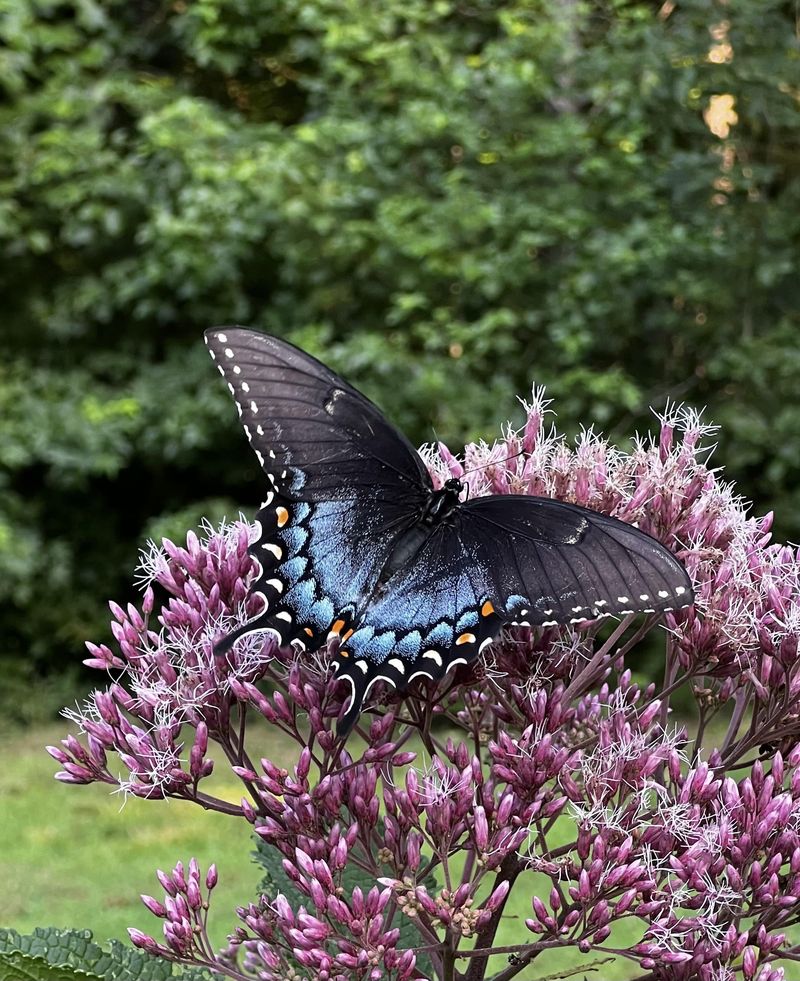
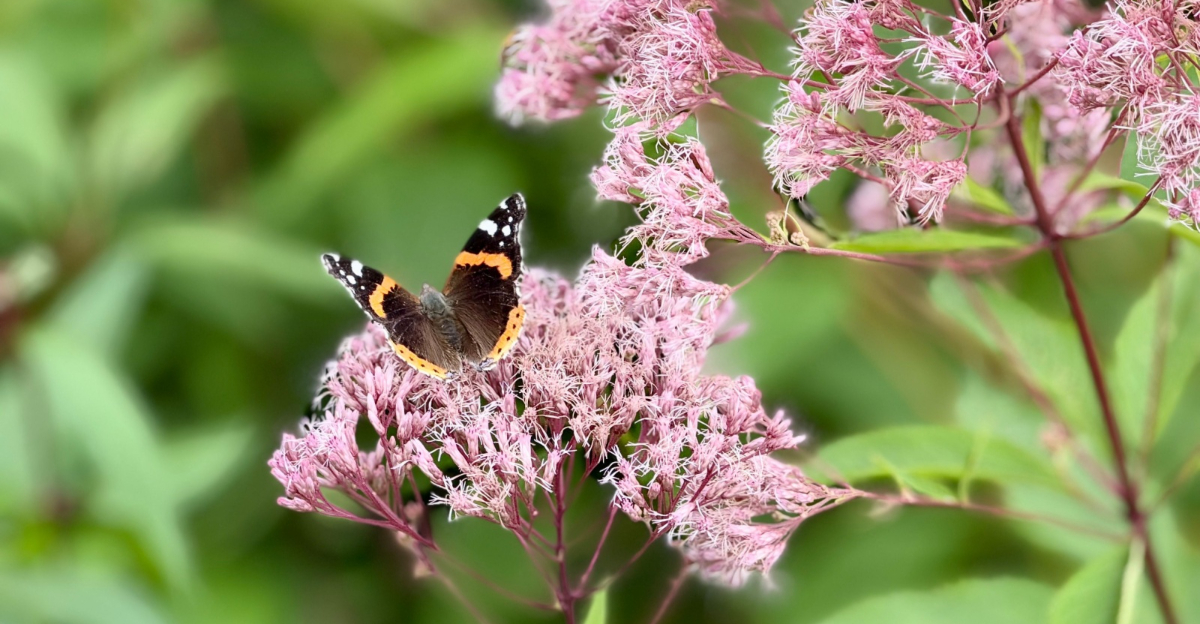
Towering stems crowned with massive dusty-rose flower clusters dominate Ohio gardens from late July through September. Joe Pye weed grows five to seven feet tall, creating dramatic vertical accents that serve as pollinator beacons visible from considerable distances.
The enormous compound flower heads consist of hundreds of tiny tubular florets packed together in rounded clusters.
Swallowtail butterflies, particularly tiger swallowtails, visit Joe Pye weed constantly throughout the day. Bumblebees work the flowers methodically while smaller native bees dart between individual florets.
The vanilla-scented blooms attract moths at night, extending pollinator support beyond daylight hours.
Despite its imposing size, Joe Pye weed rarely requires staking when grown in full sun with adequate moisture. The strong hollow stems remain upright through storms and wind.
Plants prefer consistently moist soil, making them excellent choices for rain gardens or areas with heavy clay that stays damp.
Newer cultivars offer more compact growth habits for smaller Ohio gardens while maintaining the species’ exceptional pollinator value. The plants emerge late in spring, so mark locations to avoid disturbing dormant roots during early cleanup.
Joe Pye weed provides crucial nectar during the late summer period when butterflies prepare for migration or reproduction.
Its architectural presence and wildlife magnetism make it a statement plant that anchors pollinator gardens while supporting the greatest diversity of butterfly species during a critical transition period between summer abundance and fall scarcity.