These 8 Early Spring Plants Are Thriving In Oregon Right Now
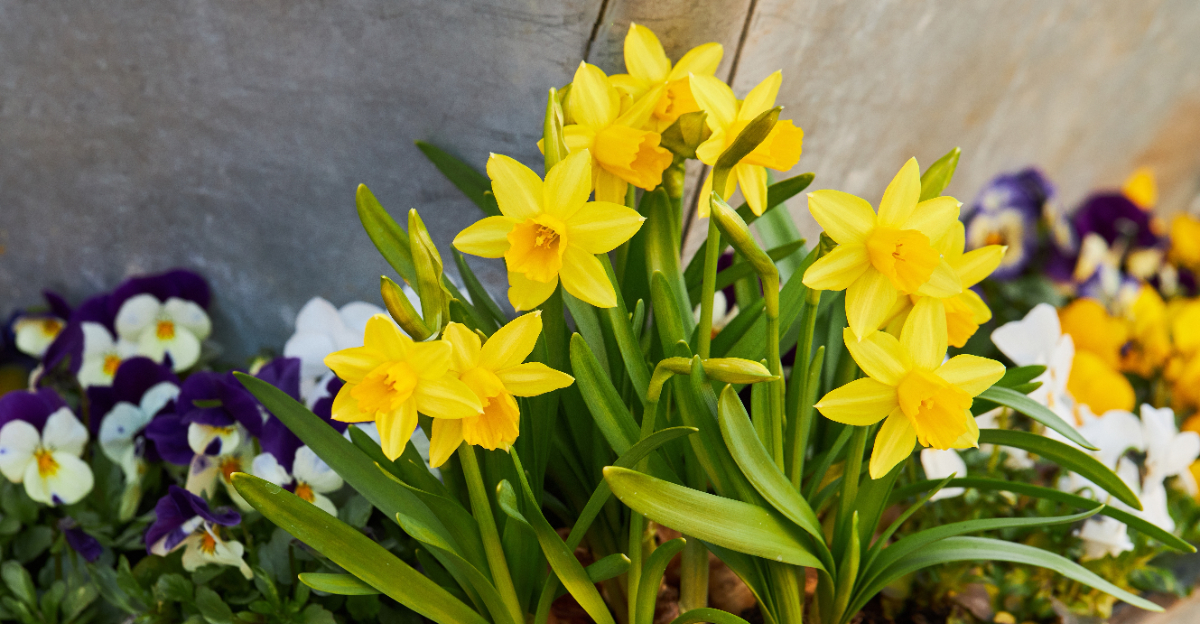
Oregon gardens are waking up, and some plants are already stealing the spotlight. While winter is still fading, these early spring stars are pushing out fresh growth, bold color, and new life right now.
Cool temperatures and steady moisture give them the perfect boost, helping them grow strong before the rest of the garden catches up. Walk through neighborhoods and you’ll start spotting brighter beds, greener borders, and early blooms popping up everywhere.
These plants don’t wait around for perfect weather. They take advantage of the season’s sweet spot and thrive while others are still getting started.
Adding them to your garden brings instant energy and a head start on spring beauty. Get ready to meet the plants that are turning Oregon landscapes vibrant before the season fully arrives.
1. Daffodils
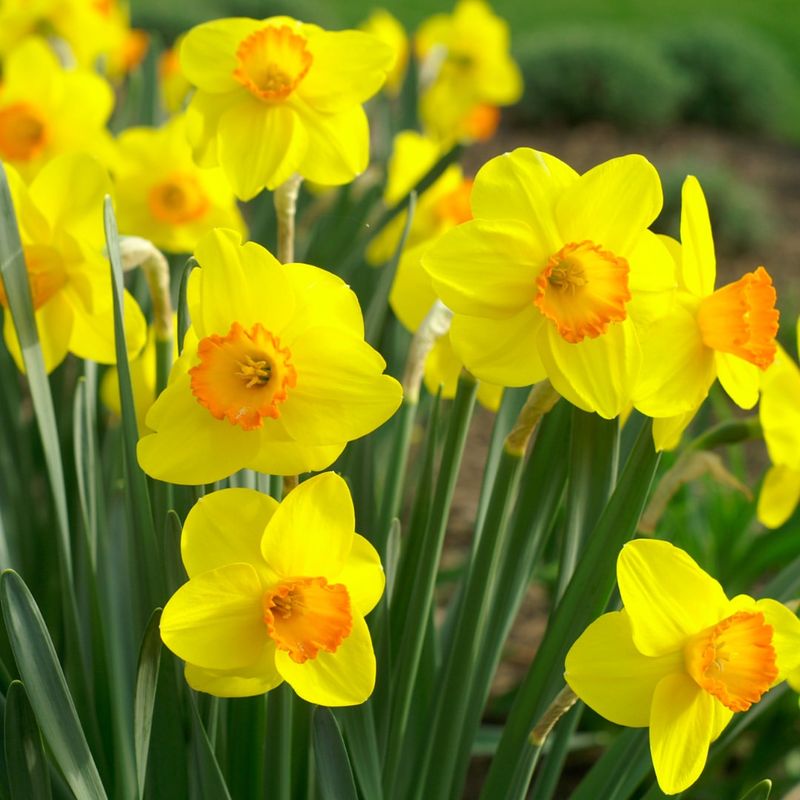
Bright yellow trumpets announce spring’s arrival louder than any other flower in Oregon gardens right now. Daffodils have been poking through the ground since late February, and they’re currently putting on quite a show across the state.
These cheerful flowers don’t mind Oregon’s occasional spring rain showers, in fact, they seem to thrive on them.
Gardeners love daffodils because deer and rabbits leave them alone, which makes them perfect for Oregon’s wildlife-filled neighborhoods. Once you plant the bulbs in fall, they’ll come back year after year without any extra work from you.
They multiply underground too, creating bigger displays each spring.
You’ll find daffodils blooming in every color from pure white to deep orange, though the classic yellow varieties remain the most popular. They grow well in both sunny spots and partial shade, adapting easily to different garden conditions.
Plant them in clusters rather than straight lines for a more natural look that mimics how they grow in the wild.
The flowers last for weeks, giving you plenty of time to enjoy their beauty. Cut a few stems to bring their sunshine indoors, where they’ll brighten up any room.
Just remember to keep them in their own vase since their stems release a substance that shortens the life of other flowers.
2. Crocus
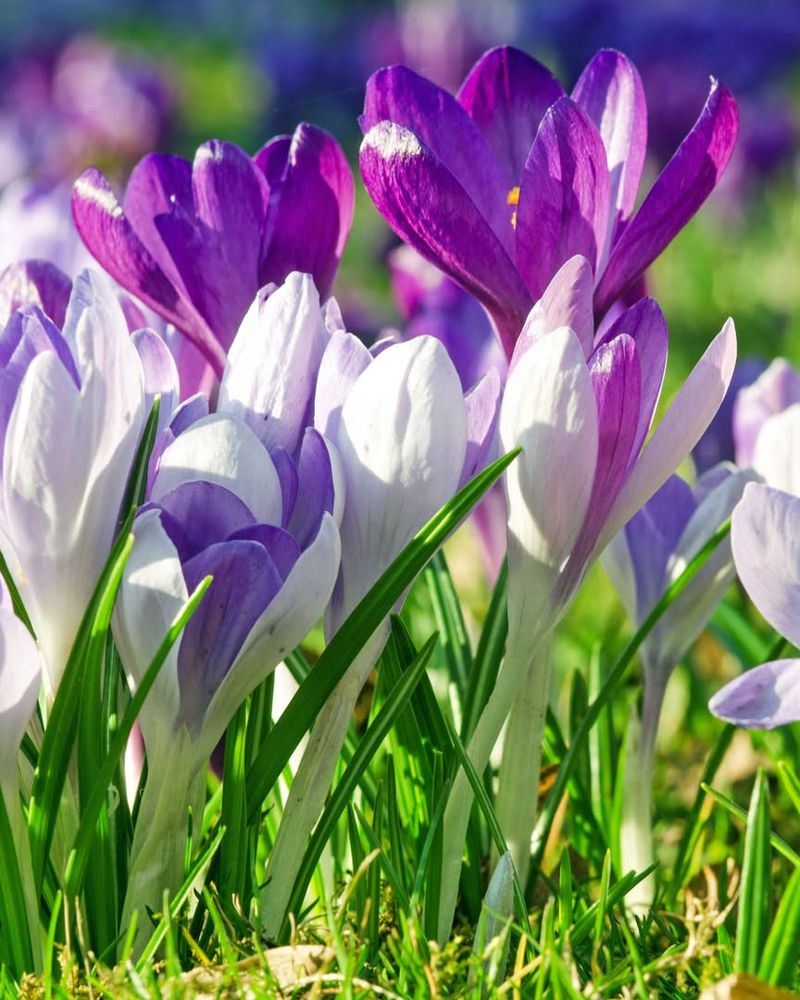
Tiny but mighty, crocuses are among the very first flowers to bloom in Oregon each year. These petite beauties often appear while frost still threatens, pushing through cold soil with remarkable determination.
Their cup-shaped blooms come in purple, yellow, white, and striped varieties that create delightful surprises throughout lawns and garden beds.
What makes crocuses special is their ability to naturalize, spreading slowly to form colorful carpets over time. Plant them once and they’ll reward you for decades, multiplying gradually without becoming invasive.
They’re especially stunning when planted in drifts across lawns, where they bloom before you need to start mowing.
Bees absolutely adore crocus flowers because they provide crucial early-season nectar when few other plants are blooming. Watching fuzzy bumblebees work these small flowers is one of spring’s simple pleasures.
The blooms open wide on sunny days and close up tight when clouds roll in, protecting their precious pollen.
Your Oregon Garden Changes Every Week. Your Plan Should Too.
Gardening in Oregon changes quickly throughout the season. Every Friday you’ll receive a simple weekly plan showing exactly what to plant, prune, fertilize, harvest, and protect so you never miss the right timing.
Crocuses prefer well-drained soil, which Oregon’s raised beds and sloped gardens provide perfectly. They’re also excellent for container gardening, bringing early color to patios and balconies throughout Portland, Salem, and smaller Oregon towns.
Plant the bulbs in fall about three inches deep, then wait for their cheerful faces to greet you come late winter.
3. Forsythia
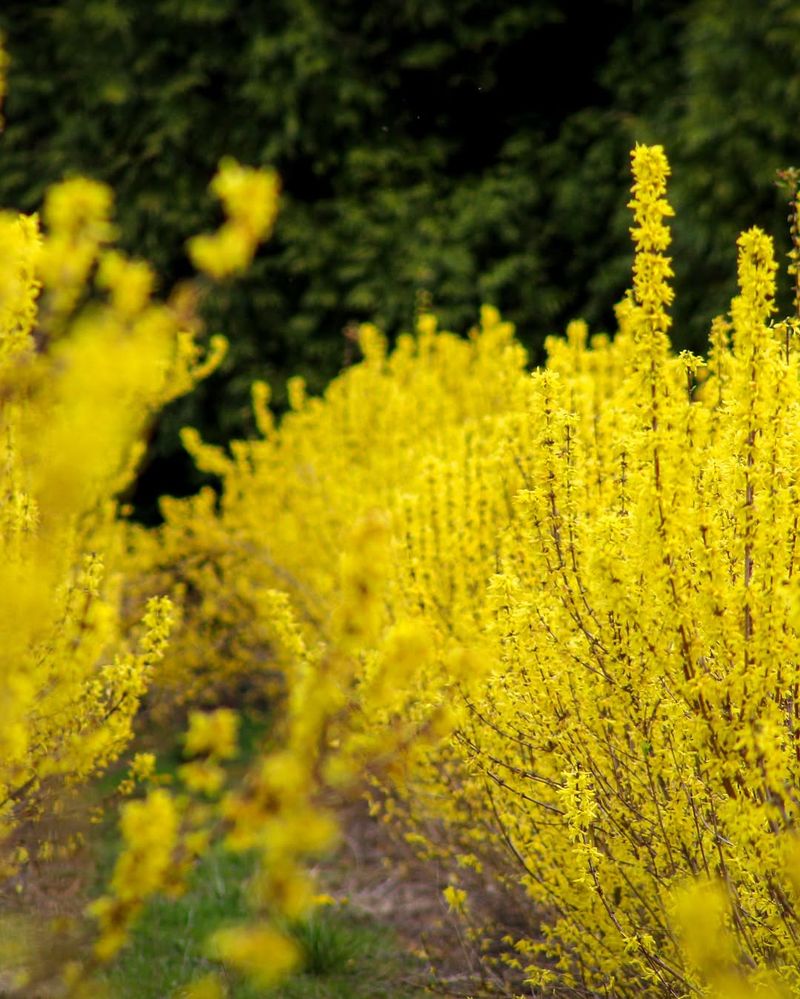
Golden branches explode with color before a single leaf appears on forsythia bushes across Oregon. This shrub creates dramatic displays that you can spot from blocks away, covering entire plants in brilliant yellow blooms.
Forsythia doesn’t wait for perfect weather, it blooms reliably every March, rain or shine.
The fountain-like shape of mature forsythia makes it a favorite for landscaping around Oregon homes and businesses. These tough shrubs handle our wet springs without developing fungal problems that plague more delicate plants.
They grow quickly too, filling in empty spots in your yard within just a few seasons.
Pruning forsythia is easy if you follow one simple rule: trim it right after flowering ends. Cutting branches in fall or winter removes next spring’s flower buds, leaving you with a green bush instead of a golden spectacle.
Many Oregon gardeners cut flowering branches in late winter to force blooms indoors, enjoying the flowers weeks early.
Forsythia adapts to various soil types found throughout Oregon, from clay to sandy loam. It tolerates both full sun and partial shade, though you’ll get more flowers with at least six hours of sunlight daily.
The only thing forsythia really dislikes is soggy soil that stays wet all winter, so plant it where drainage is decent.
4. Tulips
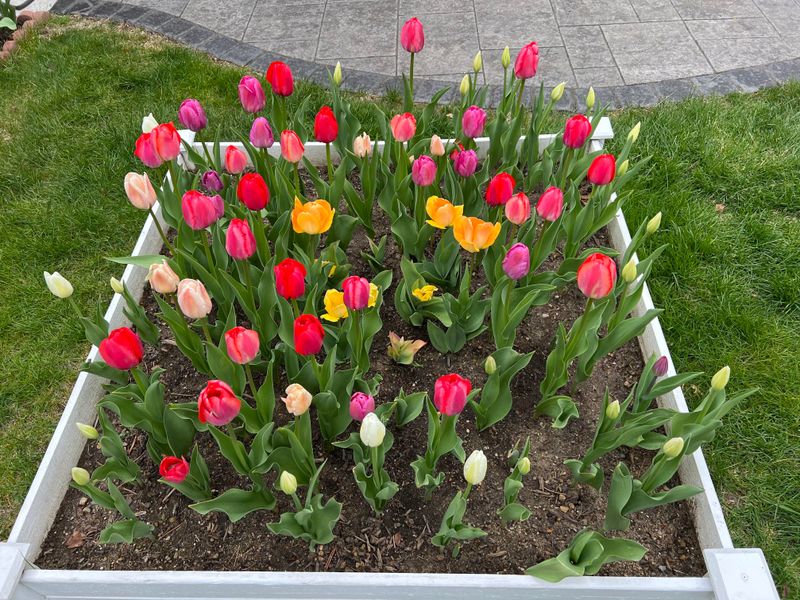
Few flowers match tulips for sheer variety and spectacular spring color in Oregon gardens. Right now, early varieties are opening while mid-season types are showing their first hints of color.
Tulips transform ordinary garden beds into works of art, available in practically every color imaginable plus wild patterns and fringed edges.
Oregon’s cool spring temperatures help tulips last longer than they would in warmer climates. The flowers stay fresh and vibrant for weeks, especially if you deadhead spent blooms before they form seed pods.
Cutting tulips for indoor bouquets actually helps the bulbs by redirecting energy back underground.
While some tulips act like annuals in Oregon, many varieties return reliably for several years. Darwin hybrids and species tulips tend to perennialize better than fancy parrot or fringed types.
Plant bulbs deeper than the standard recommendation, about eight inches down, to encourage them to come back.
Tulips need well-drained soil and full sun to perform their best, conditions found in many Oregon gardens. Mix different varieties with staggered bloom times to extend your tulip season from March through May.
Squirrels love tulip bulbs, so protect new plantings with wire mesh or plant daffodils nearby as a natural deterrent since squirrels avoid those bulbs completely.
5. Hellebores
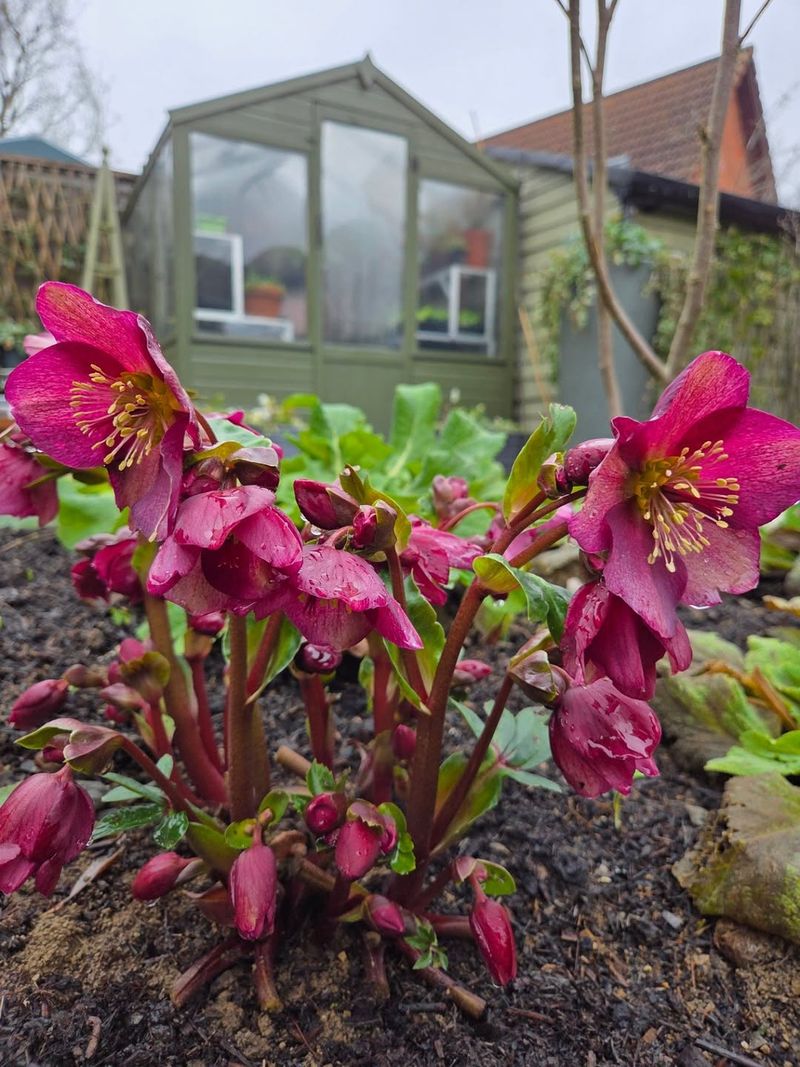
Elegant and tough, hellebores bloom when most other plants are still sleeping through winter. These remarkable perennials handle Oregon’s shade better than almost any other flowering plant, making them perfect for woodland gardens and north-facing beds.
Their flowers nod gracefully on sturdy stems, ranging from pure white to deep purple, often speckled or veined with contrasting colors.
What gardeners really appreciate about hellebores is their evergreen foliage that looks good all year long. The leathery leaves stay attractive even during Oregon’s wettest months, providing structure in the garden when everything else has gone dormant.
Deer won’t touch them either, which makes them invaluable in rural Oregon properties.
Hellebores improve with age, growing larger and producing more flowers each year. A mature plant can display dozens of blooms simultaneously, creating an impressive show in late winter and early spring.
The flowers last for months rather than weeks, slowly fading to green as seeds develop.
Plant hellebores in rich, well-amended soil with good drainage for best results. They appreciate regular moisture during their growing season but tolerate summer drought once established, which suits Oregon’s dry summers perfectly.
Divide overgrown clumps in early fall, giving divisions to friends or spreading them throughout your own garden for even more blooms next spring.
6. Red Flowering Currant
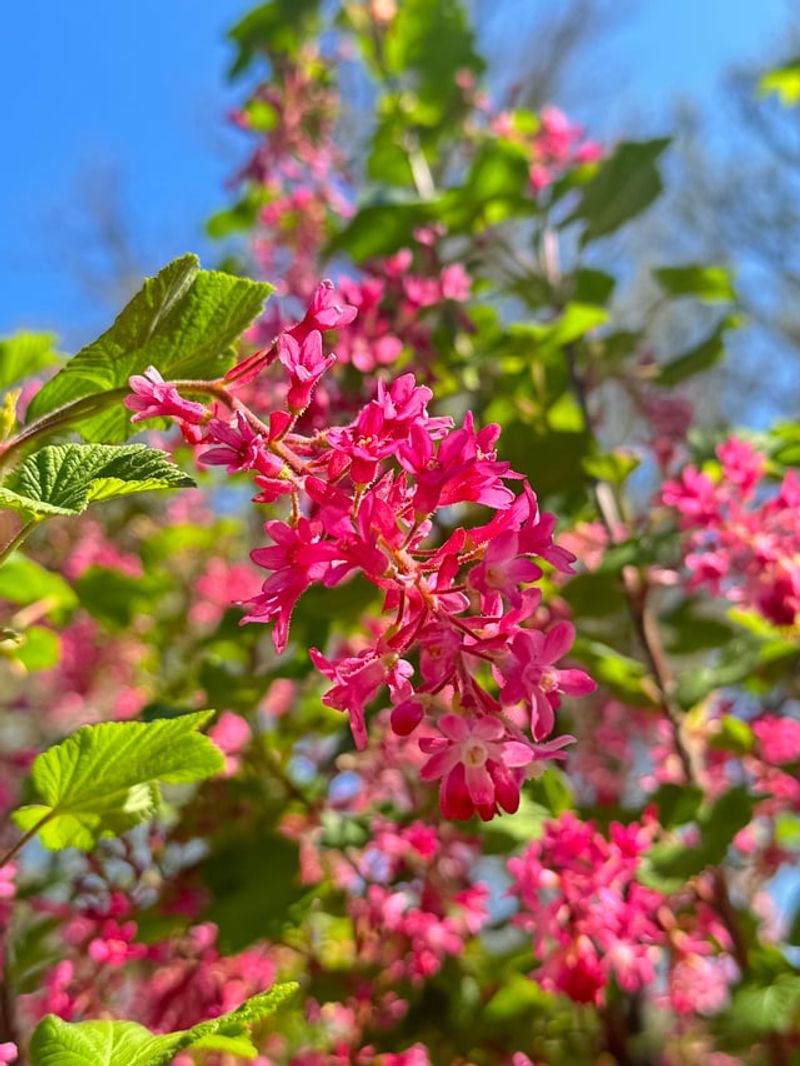
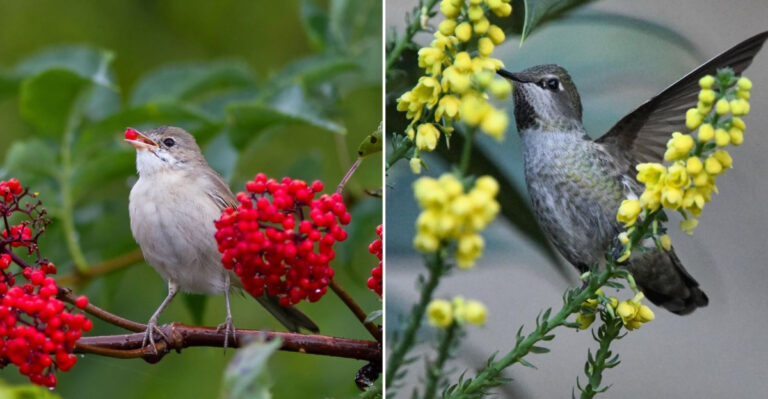
Native to Oregon, red flowering currant brings both beauty and ecological value to spring gardens. Cascades of tubular pink flowers dangle from arching branches, creating a stunning display that hummingbirds find irresistible.
This shrub blooms earlier than most other hummingbird plants, providing crucial nectar when these tiny birds return from their winter migration.
Red flowering currant grows wild throughout Oregon’s forests and hillsides, proving how perfectly adapted it is to our climate. It handles everything from coastal fog to inland heat, thriving in conditions that challenge less adaptable plants.
The shrub reaches about six to ten feet tall, making it ideal for screening or as a specimen plant.
After the flowers fade, small blue-black berries appear that birds devour enthusiastically. The fruits are edible for humans too, though they’re quite tart and better suited for jelly-making than fresh eating.
By midsummer, the plant goes dormant, losing its leaves to conserve energy during Oregon’s dry season.
Plant red flowering currant in full sun to partial shade, spacing multiple plants about eight feet apart. It adapts to various soil types and requires no supplemental water once established, making it perfect for low-maintenance Oregon landscapes.
Prune lightly after flowering if needed, but this shrub looks best when allowed to grow in its natural fountain shape without heavy shaping.
7. Oregon Grape
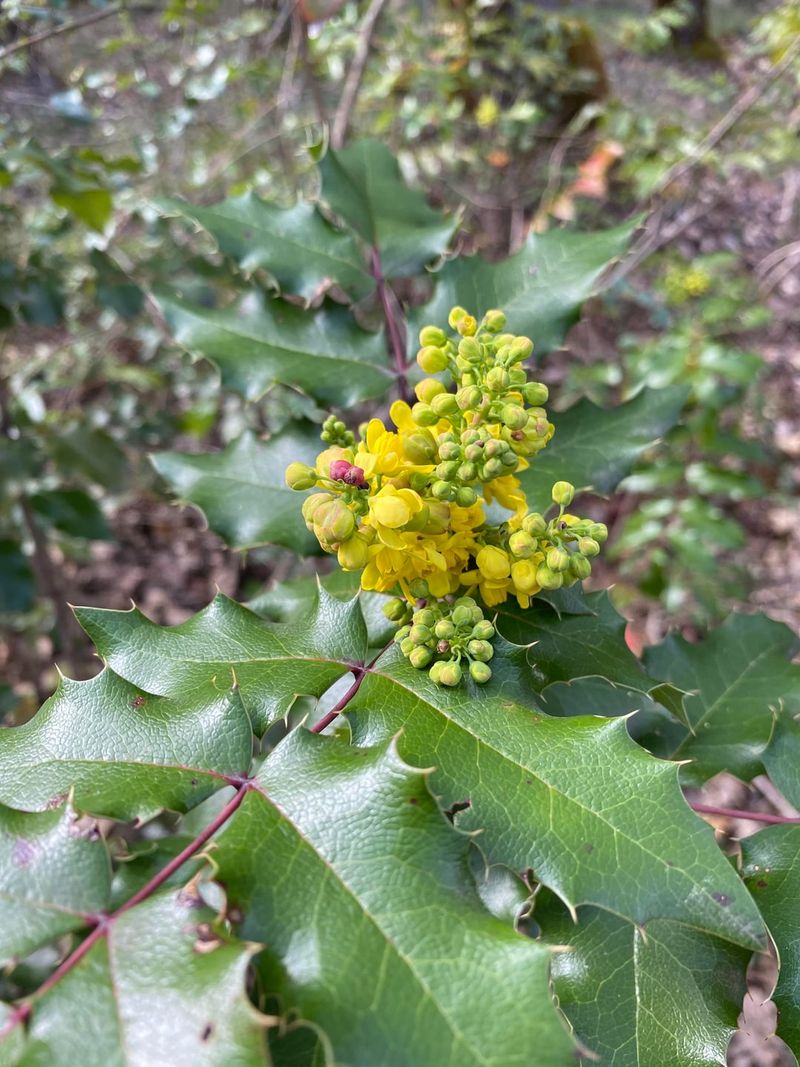
Oregon’s state flower deserves a spot in every garden, and right now it’s showing off bright yellow flower clusters. Oregon grape isn’t actually a grape at all, it’s a native evergreen shrub with holly-like leaves that turn bronze and purple in winter.
The cheerful yellow blooms appear in early spring, standing out beautifully against the glossy foliage.
This tough native plant handles Oregon’s shade exceptionally well, making it perfect for those difficult spots under trees where grass refuses to grow.
It spreads slowly by underground runners, eventually forming attractive groundcover that suppresses weeds naturally.
The spiny leaves discourage foot traffic, making it useful for barrier plantings along property lines.
Come summer, clusters of blue berries replace the flowers, giving the plant its common name. Birds love these tart fruits, and you can use them to make jelly with a flavor similar to blueberries.
The berries are too sour for most people to enjoy fresh, but they’re packed with beneficial compounds.
Oregon grape requires virtually no care once established in the garden. It tolerates drought, poor soil, and deep shade, conditions that would stress most flowering plants.
The low-growing variety stays under two feet tall, while tall Oregon grape can reach six feet, giving you options for different landscape needs throughout your Oregon property.
8. Pansies
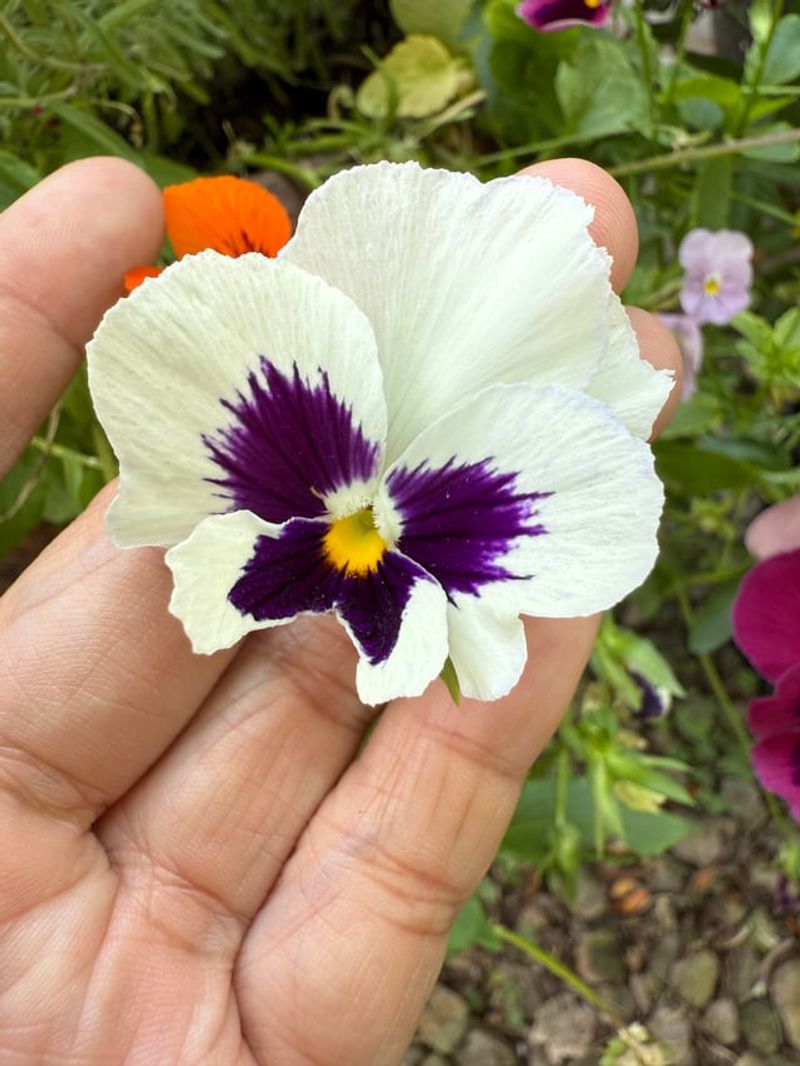
Cheerful faces peer up from gardens and containers all across Oregon right now as pansies hit their stride. These cold-tolerant annuals actually prefer cool weather, which makes them perfect for Oregon’s spring climate.
They bloom continuously from early spring through early summer, providing reliable color when you need it most.
Pansies come in an astounding array of colors and patterns, from solid jewel tones to faces with contrasting whiskers and blotches. Many varieties are fragrant too, releasing a sweet scent on warm afternoons.
Gardeners can choose from tiny-flowered violas or large-flowered pansies, depending on the look they want to achieve.
These versatile plants work beautifully in containers, hanging baskets, and garden beds throughout Oregon. They’re perfect for filling gaps between perennials that haven’t emerged yet, adding instant color to bare spots.
Deadheading spent flowers encourages more blooms, though modern varieties keep flowering even without this extra attention.
Pansies handle Oregon’s spring rains without rotting, unlike some more delicate annuals. They’ll even survive light frosts that occasionally surprise us in March and April.
Plant them in well-drained soil with regular water, and feed them monthly with balanced fertilizer for the best performance.
When summer heat arrives, replace tired pansies with heat-loving annuals, or move containers to shadier spots where they might continue blooming a bit longer.