Why Ohio Gardeners Swear By Marigolds In Vegetable Gardens
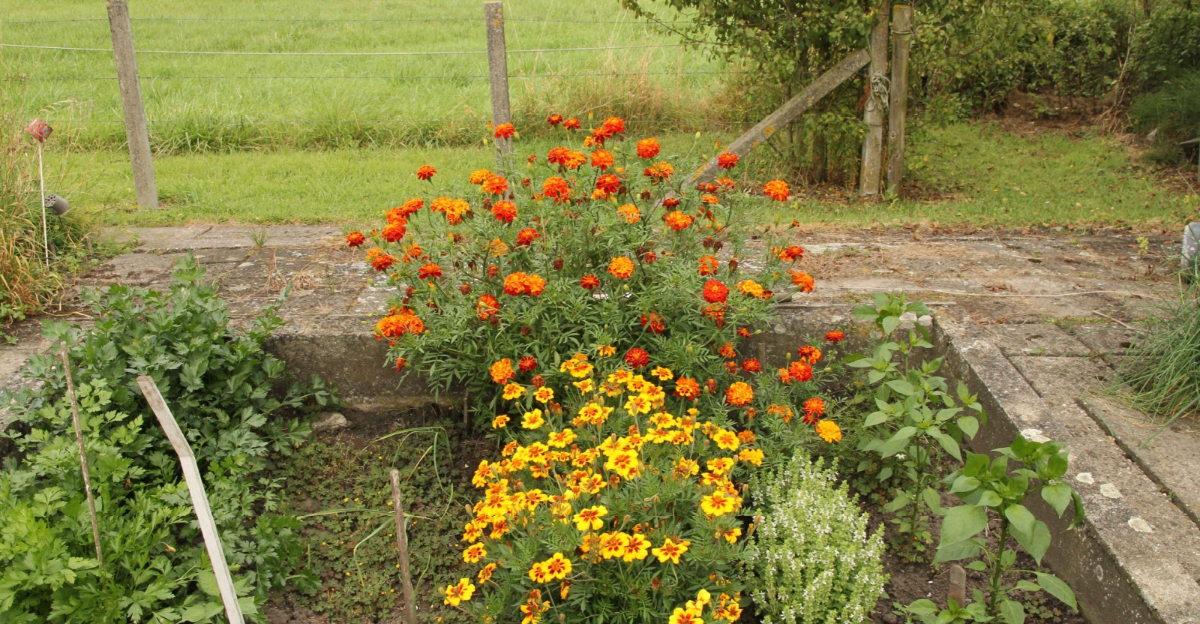
Marigolds might look like simple, old-school flowers, but Ohio gardeners treat them like secret weapons in the vegetable garden. Year after year, these bright blooms keep popping up between tomatoes, peppers, and squash, and it is not just for looks.
Something about marigolds makes veggie beds feel more alive, more productive, and easier to manage. New gardeners often skip them, thinking they are just decorative fillers.
Seasoned growers know better. From stronger plants to fewer garden headaches, marigolds have earned their place in Ohio soil.
The more you learn about what these flowers do below the surface and above it, the more surprising their role becomes.
1. Marigolds Will Help You Control Garden Pests Naturally
Marigolds support natural pest control primarily by attracting beneficial insects that prey on common garden pests. Ladybugs, lacewings, and hoverflies are drawn to marigold flowers and help reduce aphid and soft-bodied insect populations naturally.
Ohio gardeners appreciate this pest-deterrent quality because it reduces the need for sprays and treatments that can harm beneficial insects.
The roots of marigolds produce compounds that spread through the surrounding soil.
These natural chemicals discourage nematodes, tiny worms that attack vegetable roots and stunt plant growth.
By planting marigolds near susceptible crops like tomatoes and peppers, you create an invisible barrier that keeps these underground pests away from your harvest. French marigolds work especially well for pest control because they produce stronger concentrations of these protective compounds.
Planting them as borders around garden beds or interspersed between vegetable rows provides maximum coverage.
Many Ohio gardeners plant marigolds every 18 to 24 inches throughout their gardens to ensure consistent protection across all growing areas. As long as marigolds remain healthy and blooming, they continue supporting beneficial insects and contributing to a balanced garden environment.
This ongoing support helps reduce pest pressure naturally throughout the growing season and improves overall garden resilience.
This ongoing protection means fewer damaged vegetables and better overall yields without constant monitoring or intervention from you.
2. Your Vegetables Will Grow Stronger With Companion Planting
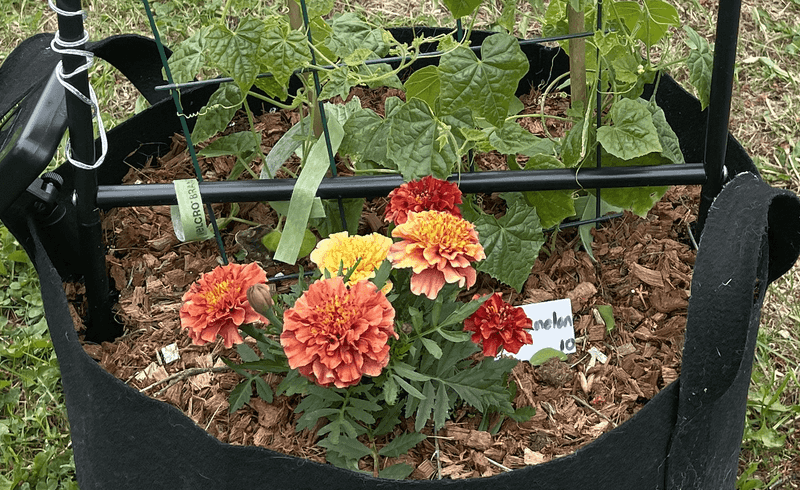
Companion planting pairs different plants together so they can help each other grow better and produce more.
Marigolds make excellent companions for nearly every vegetable because they offer multiple benefits without competing for nutrients or space.
Gardeners throughout Ohio have noticed that vegetables planted near marigolds often look healthier and more vigorous than those growing alone. Tomatoes especially benefit from having marigolds nearby since these flowers help repel hornworms and other destructive insects.
Peppers, cucumbers, and squash also thrive when marigolds are planted close by, creating mutually beneficial relationships in the garden.
The flowers don’t shade out vegetables or spread aggressively, making them perfect neighbors that respect boundaries while still providing protection. Strategic placement matters when companion planting with marigolds in Ohio gardens.
Planting them at the ends of rows creates protective barriers, while tucking them between vegetables provides close-range defense against pests.
Some gardeners prefer creating alternating patterns, planting one marigold for every two or three vegetable plants to maximize coverage. The visual appeal of companion planting shouldn’t be overlooked either.
Your Ohio Garden Changes Every Week. Your Plan Should Too.
Gardening in Ohio changes quickly throughout the season. Every Friday you’ll receive a simple weekly plan showing exactly what to plant, prune, fertilize, harvest, and protect so you never miss the right timing.
Marigolds add cheerful pops of color throughout vegetable gardens, making the space more enjoyable to work in and visit.
This combination of practical benefits and aesthetic improvement explains why companion planting with marigolds has become standard practice in gardens across Ohio.
3. Even Your Soil Can Benefit From Marigold Roots
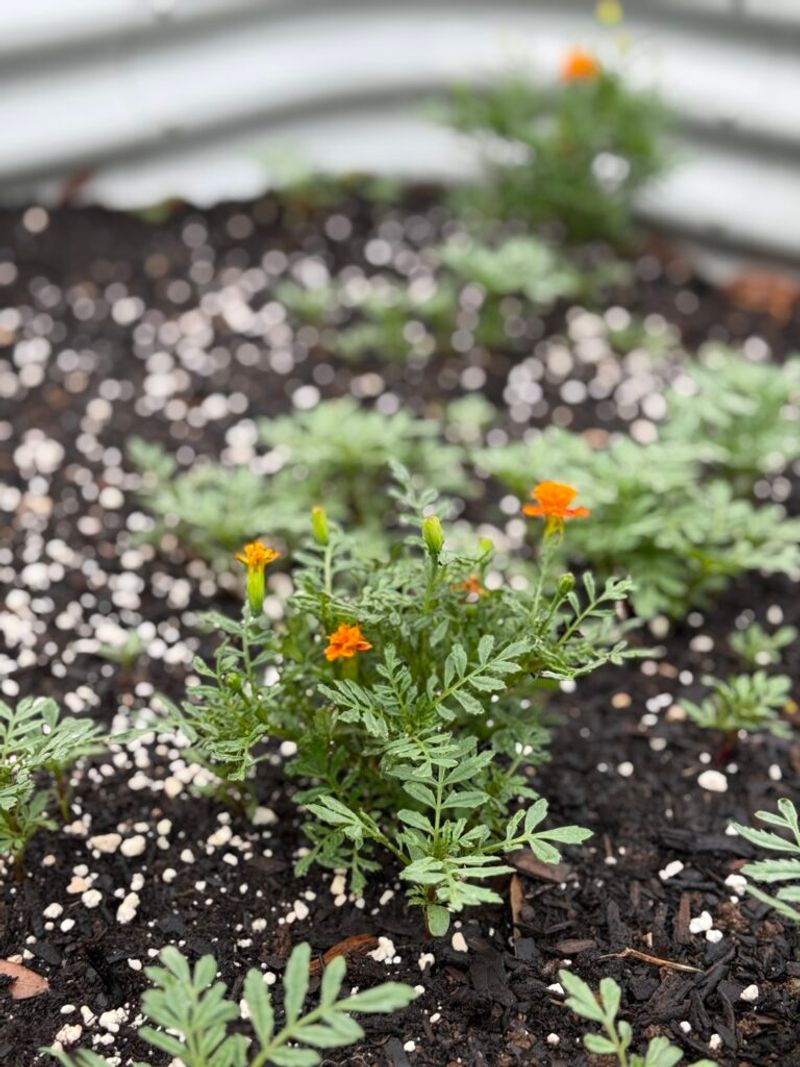
Underground benefits often go unnoticed, but marigold roots actively improve soil quality while the plants grow.
Their root systems release organic compounds that suppress harmful soil organisms while encouraging beneficial microbes to flourish.
Ohio’s clay-heavy soils particularly benefit from these improvements, which help create better growing conditions for vegetables with deeper root systems. When marigolds finish their growing season, smart gardeners chop up the plants and work them directly into the soil.
This practice adds organic matter that breaks down over winter, enriching the earth for next year’s crops.
The decomposing plant material continues releasing beneficial compounds even after the flowers have faded, providing lasting improvements to soil structure and fertility. French marigolds have been studied specifically for their ability to reduce root-knot nematode populations in garden soil.
Planting them in problem areas for one full season can significantly decrease these pest populations, making the soil safer for sensitive vegetables.
Many Ohio gardeners rotate marigolds through different garden sections each year to systematically improve soil quality across their entire growing space. The fibrous root structure of marigolds also helps break up compacted soil as they grow.
This natural aeration allows water and nutrients to penetrate deeper, benefiting nearby vegetables.
Over multiple growing seasons, areas where marigolds have grown consistently show improved drainage and better overall soil texture than sections without these helpful flowers.
4. Pollinators And Beneficial Insects Will Flock To Your Garden
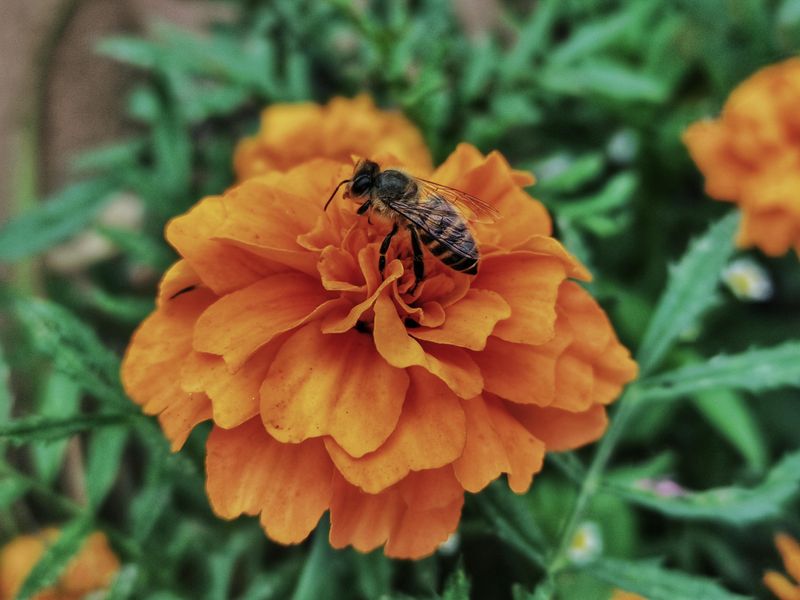
Bees, butterflies, and other pollinators find marigold blooms irresistible, visiting them frequently throughout the day.
While visiting marigold blooms, pollinators also help pollinate nearby flowering vegetables such as squash, cucumbers, and melons, improving fruit development and yields. Increased insect activity also supports overall garden biodiversity, which benefits even self-pollinating crops like tomatoes and peppers through improved plant health and pest balance.
Ladybugs and lacewings, two of the most beneficial predatory insects, are also drawn to gardens with marigolds.
These helpful bugs feed on aphids, mites, and other pests that damage vegetables, providing natural pest control without any effort from you.
By creating habitat that attracts these beneficial insects, marigolds help maintain a balanced ecosystem where pests rarely become serious problems. Hoverflies represent another valuable visitor that marigolds attract to Ohio vegetable gardens.
Adult hoverflies feed on marigold nectar while their larvae consume hundreds of aphids and other soft-bodied pests.
This two-generation benefit means that attracting adult hoverflies with marigolds results in pest control that continues even after the adults have moved on. Creating pollinator pathways with marigolds throughout your garden encourages these beneficial insects to visit all areas.
Planting marigolds in clusters rather than single plants makes them more visible to pollinators flying overhead.
This strategy ensures that every section of your vegetable garden receives regular visits from helpful insects that boost both pollination and pest management.
5. Your Garden Will Look Better While Producing More
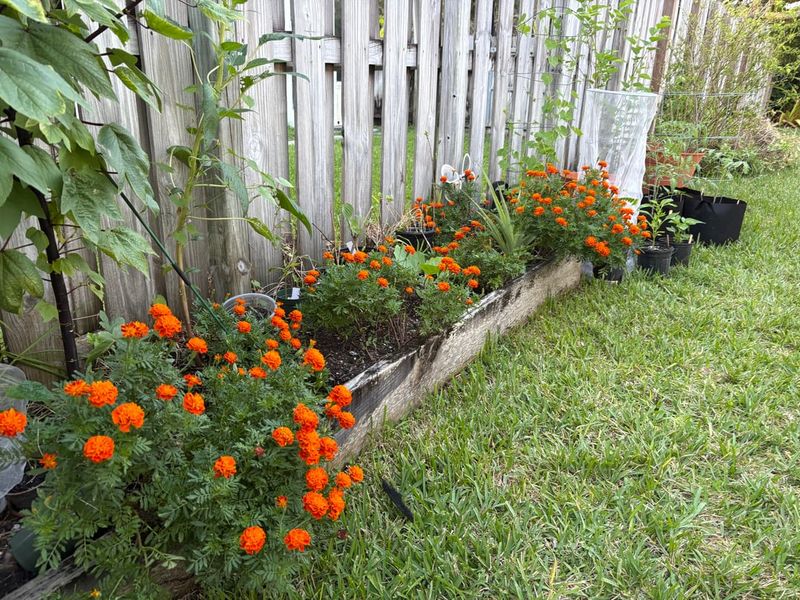
Functionality meets beauty when marigolds join your vegetable garden, creating spaces that are both productive and visually appealing.
The bright blooms provide continuous color from late spring through the first frost, transforming utilitarian vegetable patches into attractive landscape features.
Ohio gardeners take pride in gardens that look good while producing abundant harvests, and marigolds make achieving both goals easier. Different marigold varieties offer various heights, colors, and bloom sizes, allowing creative design options throughout vegetable gardens.
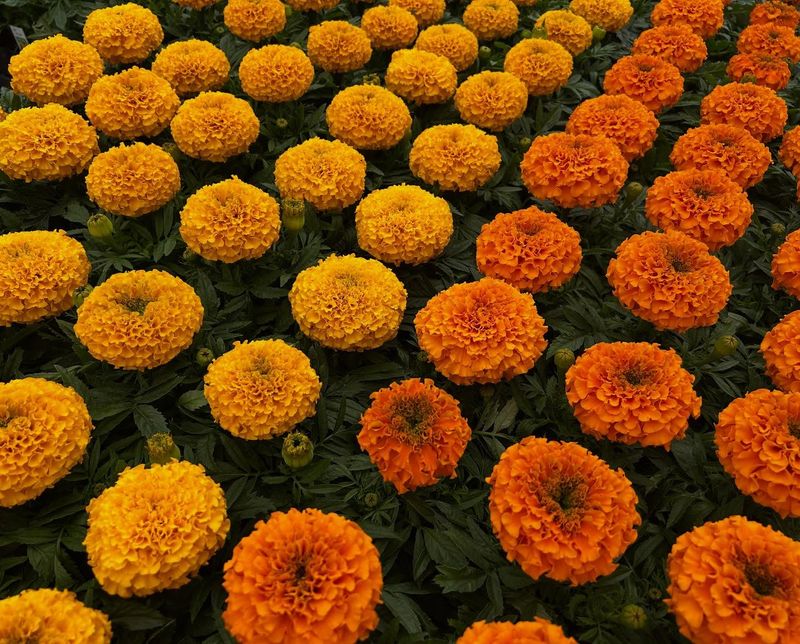
Tall African marigolds work well as backdrop plants, while compact French varieties edge beds perfectly.
Mixing different types creates visual interest and texture that makes vegetable gardens feel more intentional and designed rather than purely functional. The long blooming period of marigolds ensures that gardens maintain their attractive appearance throughout Ohio’s entire growing season.
Unlike many flowers that bloom briefly then fade, marigolds keep producing new flowers continuously when deadheaded regularly.
This reliable performance means your garden looks its best from May through October without requiring constant replanting or maintenance. Visitors and neighbors often compliment gardens that incorporate marigolds among vegetables, noting how inviting and well-maintained they appear.
This aesthetic appeal can inspire you to spend more time in the garden, leading to better care and attention for all your plants.
When gardens look beautiful, people naturally feel more motivated to maintain them properly, creating a positive cycle that benefits everything growing there.
6. The Right Planting Spots Make All The Difference
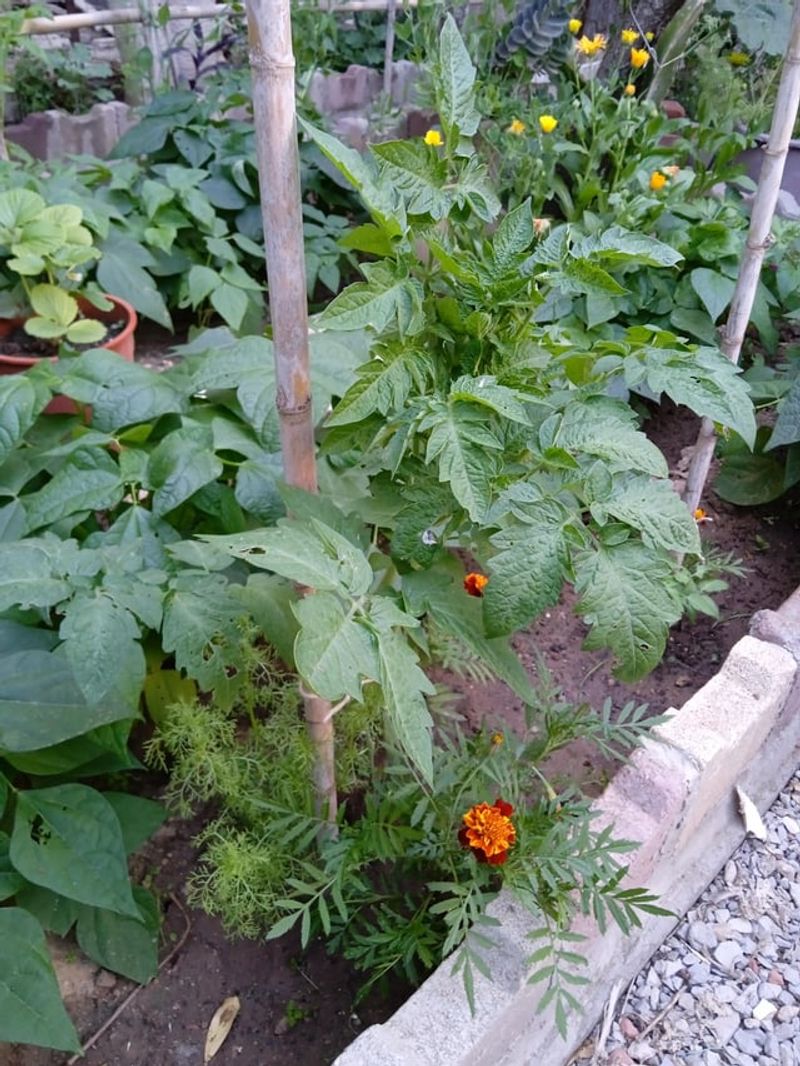
Location determines how effectively marigolds protect and support your vegetables, so thoughtful placement matters more than most gardeners realize.
Planting marigolds at the ends of vegetable rows creates entry barriers that deter pests from moving down the line.
Ohio gardeners who use this strategy report fewer pest problems overall because insects encounter marigolds before reaching vulnerable vegetables. Interspersing marigolds directly among vegetables provides close-range protection that’s especially effective against crawling pests.
Placing one marigold plant every few feet within rows ensures that all vegetables stay within the protective zone.
This intimate mixing works particularly well for tomatoes, peppers, and eggplants, which benefit greatly from having marigolds as immediate neighbors. Border plantings of marigolds around entire garden beds create perimeter defenses that many pests won’t cross.
This approach works well for raised beds and defined garden spaces where you want comprehensive protection.
Many Ohio gardeners combine border plantings with interior placement for maximum coverage, essentially surrounding and filling vegetable gardens with these helpful flowers. Sunny spots with good drainage produce the healthiest, most effective marigolds that offer maximum benefits to nearby vegetables.
Avoid shady areas where marigolds will stretch and bloom less vigorously, reducing their protective and attractive qualities.
When marigolds receive at least six hours of direct sunlight daily, they thrive and provide all the benefits that make them valuable companions in vegetable gardens throughout Ohio.
7. Choosing The Best Varieties Boosts Results
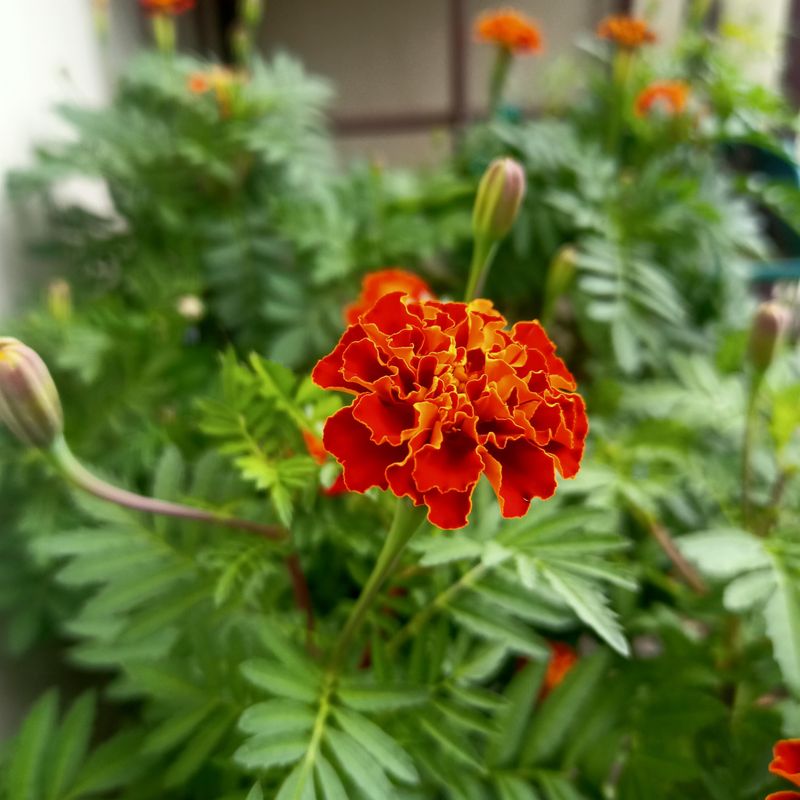
Not all marigolds offer the same benefits, so selecting appropriate varieties for your specific needs improves results significantly.
French marigolds, with their compact size and strong pest-deterrent properties, work best for close companion planting among vegetables.
These smaller plants fit easily between rows and don’t shade or crowd neighboring crops, making them ideal for intensive garden layouts common in Ohio. African marigolds grow much taller, reaching heights of two to three feet, which makes them perfect for background plantings or creating visual screens.
Their larger blooms attract more pollinators and beneficial insects, though their size requires more space between vegetable plants.
Ohio gardeners often use African marigolds along garden edges or behind shorter vegetables where their height adds dimension without causing shade problems. Signet marigolds offer edible flowers with citrus flavors, adding culinary value to their pest-control benefits.
These delicate varieties work well in herb and salad gardens where their small stature and fine foliage complement other edible plants.
Some adventurous Ohio gardeners incorporate signet marigolds specifically for their dual-purpose nature, enjoying both their protective qualities and their contribution to fresh salads. Selecting disease-resistant varieties ensures that your marigolds stay healthy throughout the growing season, maintaining their protective benefits consistently.
Look for varieties bred specifically for garden performance rather than just ornamental appeal.
Local garden centers across Ohio typically stock varieties proven to perform well in the region’s climate, making variety selection easier for gardeners at any experience level.
8. Simple Care Keeps Marigolds Blooming Longer
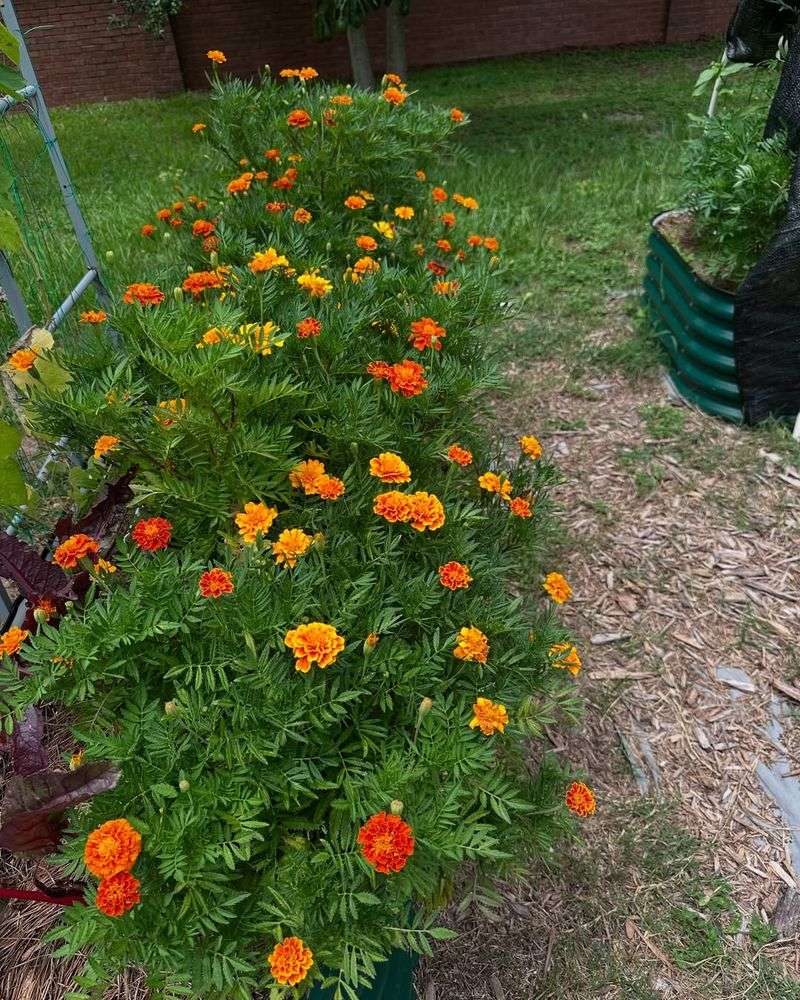
Marigolds require minimal maintenance, but a few simple care practices keep them blooming vigorously all season long.
Regular deadheading, removing spent flowers before they set seed, encourages plants to produce more blooms continuously.
Ohio gardeners who deadhead marigolds weekly notice significantly more flowers and longer bloom periods compared to plants left unattended. Watering needs remain modest once marigolds establish themselves in garden soil.
These drought-tolerant plants prefer soil that dries slightly between waterings, making them perfect for busy gardeners.
Overwatering causes more problems than underwatering, so allowing soil to dry out between irrigation sessions keeps marigolds healthier and more resistant to fungal issues common in Ohio’s humid summers. Fertilizing marigolds lightly produces the best results, as too much nitrogen causes excessive foliage growth at the expense of flowers.
Applying a balanced, diluted fertilizer once monthly provides adequate nutrition without overstimulating leafy growth.
Many gardeners skip fertilizing marigolds entirely, allowing them to thrive on nutrients already present in amended vegetable garden soil. Monitoring for occasional pest problems helps maintain healthy marigolds that effectively protect vegetables.
While marigolds resist most pests, spider mites sometimes appear during hot, dry periods.
Spraying affected plants with water dislodges mites before populations build, keeping marigolds healthy without pesticides.
Healthy marigolds continue providing all their beneficial qualities throughout Ohio’s growing season, making simple preventive care worthwhile for maintaining productive vegetable gardens.