What Your Birth Flower Reveals About You (Plus How To Grow It In Ohio)
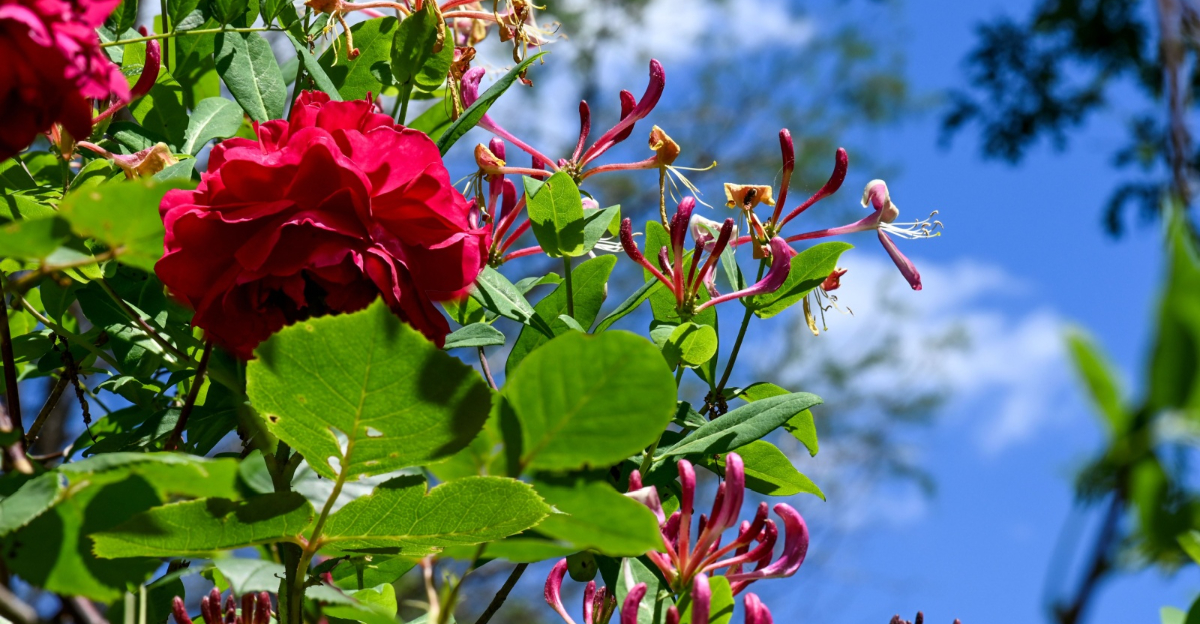
Your birth month comes with more than a zodiac sign. It also has a flower that’s been tied to personality traits, history, and symbolism for centuries.
Some are linked to loyalty, others to boldness, creativity, or quiet strength. But these blooms are not just fun facts for greeting cards.
Many of them can actually thrive right here in Ohio with the right care. Imagine growing the flower that represents your birth month in your own yard or on a sunny windowsill.
It adds a personal twist to gardening and turns ordinary plants into meaningful ones. Once you discover what your birth flower says about you and how easy it can be to grow locally, it may change the way you choose plants forever.
1. January Carnation And Snowdrop And The Strength That Starts It All
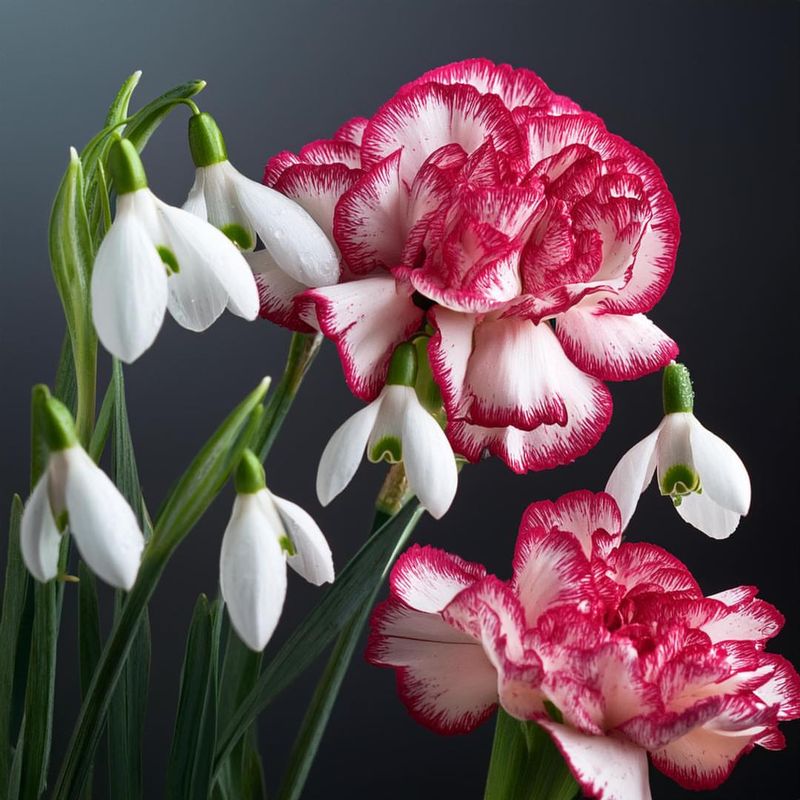
People born in January carry the resilience of carnations and snowdrops, two flowers that refuse to back down when temperatures plunge. Carnations symbolize fascination, distinction, and love that lasts through tough times.
Snowdrops represent hope and the promise that warmer days will return. If January is your birth month, you likely possess an inner strength that others admire, along with an optimistic outlook that helps you push through challenges.
Growing carnations in Ohio requires well-drained soil and a sunny spot that gets at least six hours of light daily. Plant them in spring after the last frost, spacing them about twelve inches apart.
Carnations prefer slightly alkaline soil, so adding lime can help them thrive. Water them regularly but avoid overwatering, as soggy roots can cause problems.
Deadhead spent blooms to encourage more flowers throughout the growing season.
Snowdrops are even hardier and can be planted in fall before the ground freezes. These small white flowers often push through snow in late winter, bringing the first signs of life to Ohio gardens.
They prefer partial shade and moist, well-drained soil rich in organic matter. Plant bulbs about three inches deep and three inches apart.
Once established, snowdrops multiply naturally and require very little care. Both flowers reward January-born gardeners with beauty that matches their determined spirit.
2. February Violet And Primrose And The Heart That Feels Deeply
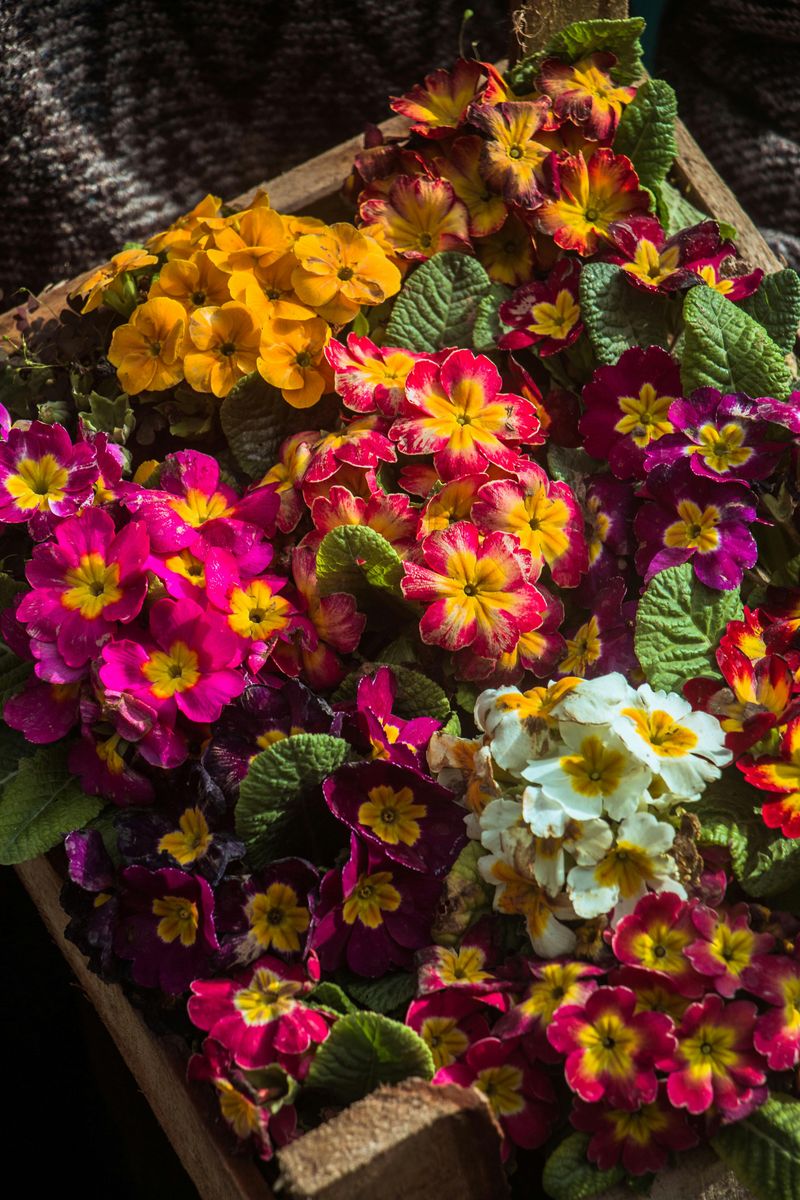
February babies share their month with violets and primroses, flowers known for representing faithfulness, humility, and deep emotional connection. Violets have heart-shaped leaves that mirror the compassionate nature of those born in this month.
Primroses signal young love and the kind of sensitivity that makes February people excellent friends and partners. Your ability to understand others’ feelings sets you apart, and like these flowers, you bring color to the coldest days.
Violets thrive in Ohio’s climate when planted in areas with partial shade and rich, moist soil. They spread naturally through runners and self-seeding, creating beautiful ground cover over time.
Plant them in early spring or fall, keeping soil consistently moist but not waterlogged. Violets can tolerate full sun in cooler months but appreciate shade during hot Ohio summers.
They’re low-maintenance once established and often naturalize in woodland garden settings.
Your Ohio Garden Changes Every Week. Your Plan Should Too.
Gardening in Ohio changes quickly throughout the season. Every Friday you’ll receive a simple weekly plan showing exactly what to plant, prune, fertilize, harvest, and protect so you never miss the right timing.
Primroses prefer similar conditions with partial shade and moist, well-drained soil high in organic matter. Plant them in spring after frost danger passes, spacing them about eight inches apart.
In Ohio, primroses bloom best in cooler temperatures of spring and fall. Mulch around plants to retain moisture and keep roots cool during warmer months.
Both violets and primroses attract early pollinators, making them valuable additions to any Ohio garden while perfectly matching the caring nature of February-born individuals.
3. March Daffodil And The Spark Of Fresh Beginnings
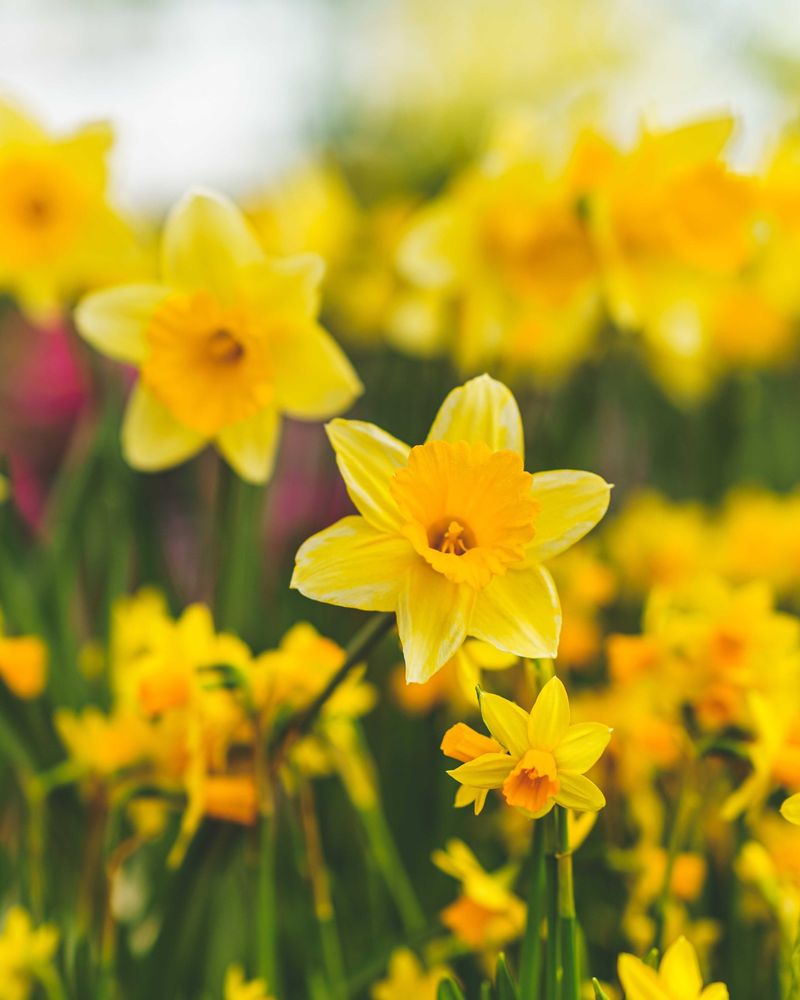
March welcomes spring with daffodils, cheerful yellow blooms that symbolize new beginnings, rebirth, and unmatched optimism. If you were born in March, you probably light up every room you enter with natural enthusiasm and a forward-thinking mindset.
Daffodils represent regard and respect, traits that March people earn through their positive energy and willingness to embrace change. Your personality mirrors these sunny flowers that refuse to let late winter cold dampen their spirit.
Daffodils are among the easiest flowers to grow in Ohio, making them perfect for gardeners of all skill levels. Plant bulbs in fall, about six inches deep and four to six inches apart, in locations with full sun to partial shade.
They prefer well-drained soil and will rot in areas that stay too wet. Daffodils naturalize beautifully, meaning they multiply and return stronger each year without much effort.
They’re also deer-resistant, which is a huge advantage in many Ohio neighborhoods.
After daffodils finish blooming in spring, allow their foliage to remain until it turns yellow and withers naturally. This process feeds the bulb for next year’s display.
Avoid braiding or cutting back green leaves, even though they look messy for a few weeks. Daffodils require minimal fertilization but benefit from a balanced bulb fertilizer applied in fall.
These low-maintenance beauties perfectly match the easygoing yet vibrant personality of March-born individuals throughout Ohio gardens.
4. April Daisy And Sweet Pea And Pure Joy In Bloom
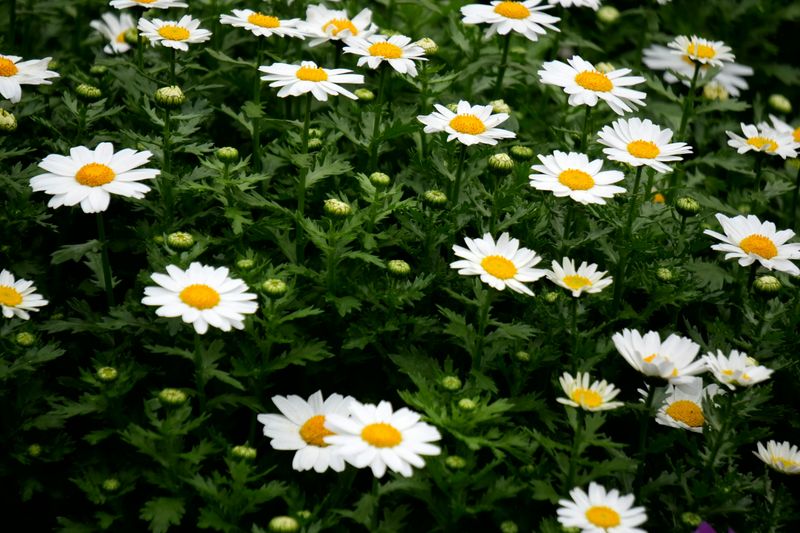
April showers bring May flowers, but they also bring daisies and sweet peas that capture the innocent joy and purity of springtime. Daisies symbolize true love, innocence, and loyal affection, while sweet peas represent blissful pleasure and delicate beauty.
People born in April often display childlike wonder combined with genuine kindness that makes others feel instantly comfortable. Your cheerful disposition and ability to find happiness in simple moments reflect these delightful blooms perfectly.
Daisies grow exceptionally well throughout Ohio in full sun with moderate water requirements. Plant them in spring after frost danger passes, spacing them twelve to eighteen inches apart depending on variety.
They prefer well-drained soil and tolerate drought once established, though regular watering produces more abundant blooms. Deadheading spent flowers encourages continuous blooming from late spring through fall.
Daisies spread readily and may need division every few years to prevent overcrowding.
Sweet peas require a bit more attention but reward Ohio gardeners with incredible fragrance and beautiful cut flowers. Plant seeds directly in garden soil in early spring, as soon as ground can be worked.
They prefer cool weather and may struggle during hot Ohio summers. Provide support like trellises or fences for their climbing vines.
Keep soil consistently moist and pick flowers frequently to encourage more blooms. Both daisies and sweet peas bring the carefree happiness that April-born people naturally spread wherever they go.
5. May Lily Of The Valley And Timeless Gentle Beauty
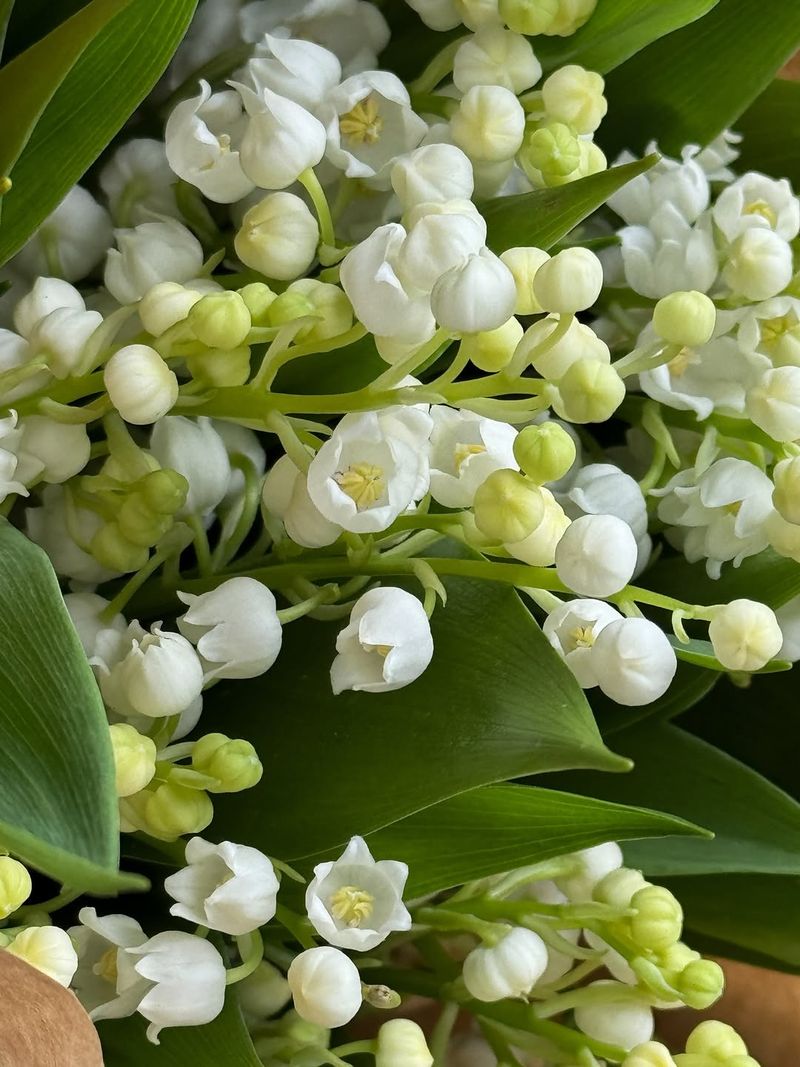
May babies claim the lily of the valley, a flower celebrated for sweetness, humility, and a return to happiness. These delicate bell-shaped blooms hide in shaded gardens, much like May people who possess quiet confidence rather than showy bravado.
The flower represents purity and motherhood, qualities often found in those born during this month. Your understated elegance and reliable nature make you someone others turn to when life gets complicated, just as gardeners treasure these fragrant spring favorites.
Lily of the valley thrives in Ohio’s shaded areas where other flowers struggle to perform. Plant rhizomes in fall or early spring in locations with partial to full shade and rich, moist soil.
Space them about four inches apart and barely cover with soil, as they prefer shallow planting. These plants spread through underground rhizomes and can become quite vigorous, so consider planting them in contained areas or where spreading is welcome.
In many parts of Ohio, lily of the valley is considered aggressive and can overtake native plants, so planting in containers or bordered beds is strongly recommended. They tolerate dry shade once established but bloom better with consistent moisture.
The sweet fragrance of lily of the valley makes it worth the wait, as plants may take a year or two to establish before blooming heavily. They require little maintenance beyond occasional watering during dry spells.
The flowers appear in late spring, followed by attractive green foliage that remains throughout summer. Be aware that all parts of this plant are toxic if ingested, so plant away from areas where children or pets play.
This timeless beauty perfectly suits the graceful, dependable personality of May-born individuals across Ohio.
6. June Rose And Honeysuckle And Natural Born Romance
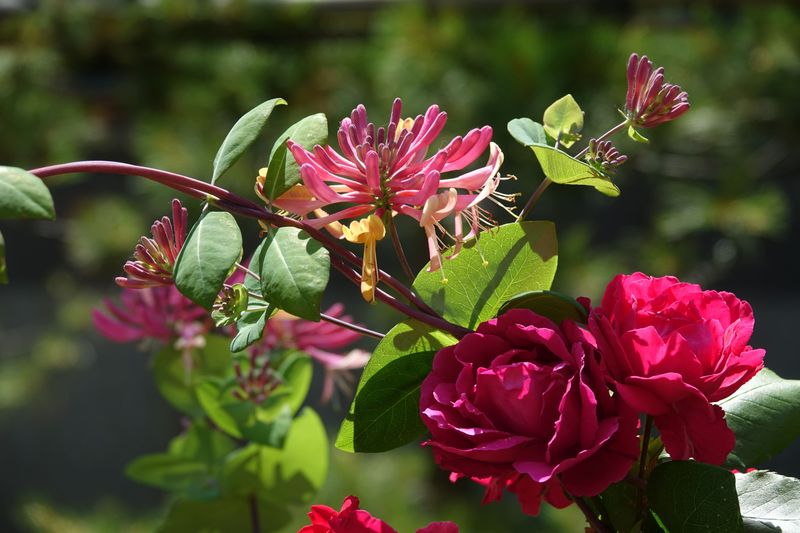
Romance blooms in June with roses and honeysuckle, flowers that have symbolized love and devotion for centuries. Roses speak the language of deep emotion, with different colors carrying different messages of affection.
Honeysuckle represents the bonds of love and nostalgic happiness. June babies often possess magnetic charm and an appreciation for beauty in all its forms.
Your romantic soul and ability to create meaningful connections mirror these classic flowers that poets and lovers have celebrated throughout history.
Roses grow beautifully in Ohio when given proper care and the right location. Choose a spot with at least six hours of direct sunlight and well-drained soil enriched with compost.
Plant bare-root roses in early spring or container roses throughout the growing season. Space them according to variety, typically three to four feet apart for most types.
Water deeply and regularly, especially during establishment and dry periods. Mulch around plants to retain moisture and suppress weeds, keeping mulch away from stems.
Honeysuckle vines need sturdy support structures like fences, arbors, or trellises to climb. Plant them in full sun to partial shade with average, well-drained soil.
They’re quite vigorous in Ohio and may require pruning to keep them in bounds. Water regularly during the first growing season, then they become quite drought-tolerant.
Both roses and honeysuckle attract pollinators including hummingbirds and butterflies. Together, they create a romantic garden atmosphere that perfectly matches the passionate, loving nature of June-born individuals.
7. July Larkspur And Water Lily And Bold Yet Balanced Energy
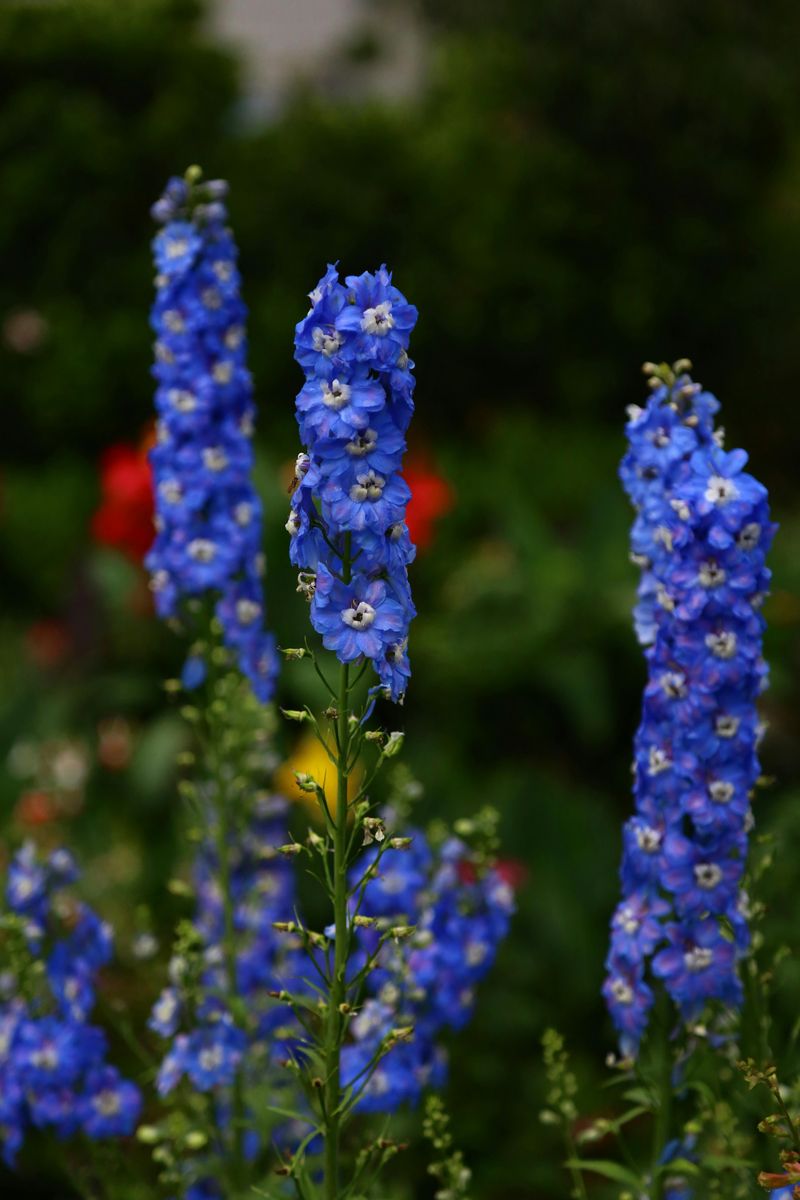
July brings the heat along with larkspur and water lilies, two flowers that couldn’t be more different yet share the same birth month. Larkspur towers with bold spikes of blue, purple, or pink flowers representing an open heart and strong attachment.
Water lilies float serenely on still water, symbolizing purity and enlightenment. People born in July balance these contrasting energies, showing both passionate intensity and calm reflection.
Your ability to be both bold and peaceful makes you adaptable to any situation life presents.
Larkspur grows well in Ohio gardens when planted in full sun with rich, well-drained soil. Start seeds indoors six to eight weeks before the last frost or direct sow in early spring.
These tall plants may need staking in areas with strong winds. Space them twelve to fifteen inches apart and water regularly, especially during dry spells.
Larkspur prefers cooler temperatures and performs best in Ohio’s spring and early summer. Deadheading improves appearance and limits self-seeding, but larkspur usually produces only one main bloom cycle with limited reblooming.
Water lilies require a pond or water garden to thrive, making them more specialized than most flowers. They need at least six hours of direct sunlight and still water between one and four feet deep depending on variety.
Plant hardy varieties in Ohio, as they’ll survive winter if roots stay below the freeze line. Fertilize monthly during growing season with aquatic plant tablets.
Both larkspur and water lilies bring dramatic beauty that reflects the dynamic personality of July-born individuals.
8. August Gladiolus And Poppy And Fearless Summer Confidence
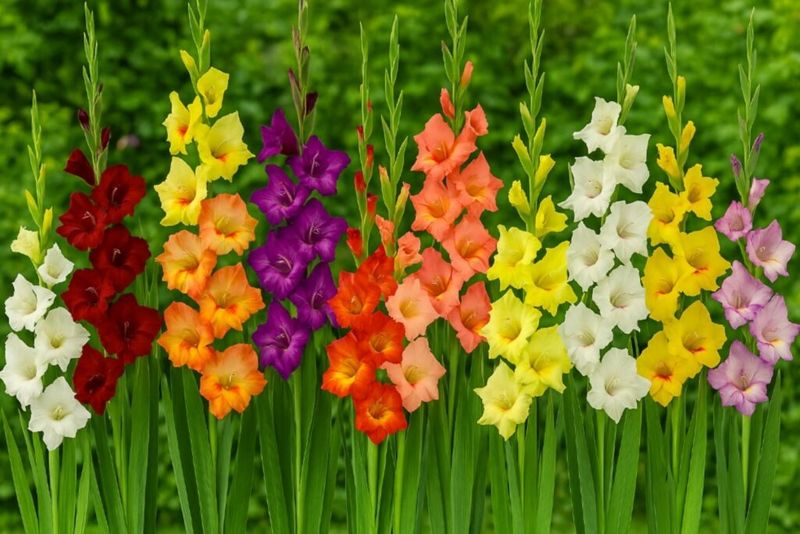
August heat doesn’t intimidate gladiolus and poppies, flowers that stand tall with unmistakable presence and vibrant color. Gladiolus represents strength of character, moral integrity, and remembrance, while poppies symbolize imagination and peaceful rest.
Those born in August typically display remarkable confidence and aren’t afraid to stand out from the crowd. Your bold personality and natural leadership abilities mirror these eye-catching flowers that command attention in any garden setting.
Gladiolus corms should be planted in Ohio after all danger of frost passes, typically late April through early June. Choose a location with full sun and well-drained soil.
Plant corms four to six inches deep and six inches apart, with the pointed end facing up. For continuous blooms throughout summer, plant new corms every two weeks until mid-July.
Tall varieties need staking to prevent wind damage. Water regularly and fertilize monthly with a balanced fertilizer.
After the first fall frost, dig up corms, let them dry, and store in a cool, dry place for replanting next spring.
Poppies grow easily from seed scattered directly in the garden in early spring or fall. They prefer full sun and well-drained soil but tolerate poor conditions better than many flowers.
Thin seedlings to six to twelve inches apart once they emerge. Poppies resent transplanting, so plant them where you want them to stay.
They require minimal water and no fertilization. Both gladiolus and poppies bring the fearless beauty that matches August-born individuals’ confident approach to life in Ohio gardens.
9. September Aster And Morning Glory And Creative Thoughtful Minds
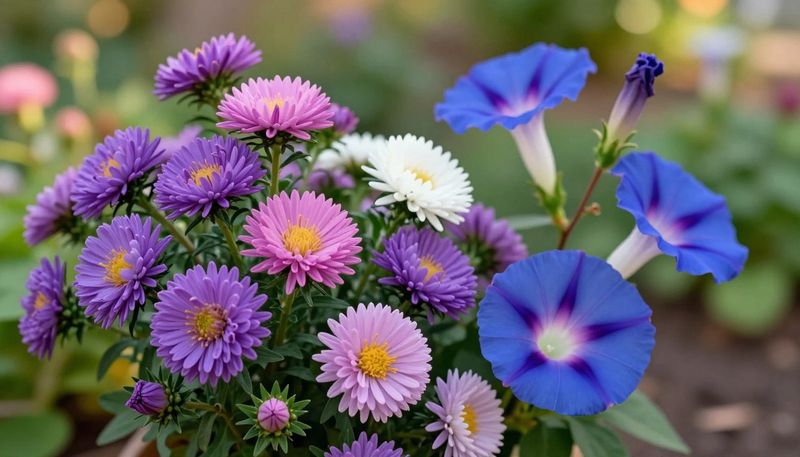
September marks the transition to fall with asters and morning glories, flowers representing wisdom, faith, and the kind of thoughtful reflection that comes with changing seasons. Asters symbolize patience and elegance, while morning glories represent affection and the fleeting nature of life’s beautiful moments.
People born in September often possess analytical minds combined with creative spirits. Your ability to think deeply while appreciating beauty makes you both practical and artistic, much like these flowers that bridge summer and autumn.
Asters are native to many parts of North America and grow exceptionally well throughout Ohio. Plant them in spring or fall in locations with full sun to light shade and well-drained soil.
Space plants eighteen to twenty-four inches apart depending on variety. They tolerate a wide range of soil conditions but perform best with consistent moisture.
Pinch back stems in early summer to encourage bushier growth and more flowers. Asters bloom from late summer through fall, providing crucial nectar for migrating butterflies and other pollinators when many other flowers have finished.
Morning glories start easily from seed sown directly in the garden after the last frost. Nick seeds or soak them overnight before planting to improve germination.
They need full sun and average, well-drained soil. Provide trellises, fences, or other support for their vigorous vines.
Avoid wild or bindweed-type morning glories, which are considered invasive weeds in Ohio, and choose ornamental varieties such as Heavenly Blue instead. Both asters and morning glories reflect the balanced, contemplative nature of September-born individuals in Ohio landscapes.
10. October Marigold And Cosmos And Warm Golden Spirit
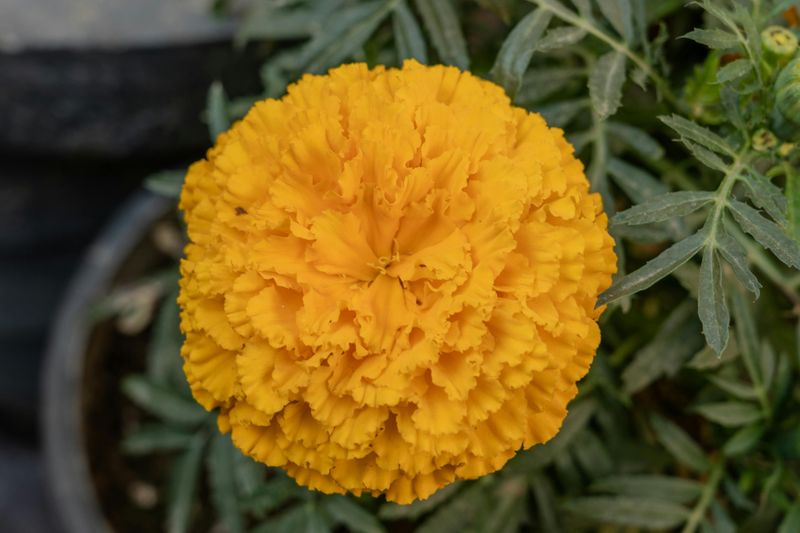
October glows with marigolds and cosmos, flowers that capture autumn’s golden warmth and vibrant energy. Marigolds represent passion and creativity, while cosmos symbolize order, harmony, and peaceful coexistence.
October babies typically radiate warmth that draws others near, combined with an organized mind that brings calm to chaos. Your balanced approach to life and natural ability to make others feel welcome mirror these cheerful flowers that brighten gardens as temperatures drop and days grow shorter across Ohio.
Marigolds rank among the easiest flowers to grow in Ohio, making them perfect for beginning gardeners and children. Plant seeds directly in the garden after the last frost or start transplants indoors four to six weeks earlier.
They need full sun and well-drained soil but tolerate poor conditions and drought once established. Space plants six to twelve inches apart depending on variety.
Marigolds bloom continuously from early summer until frost with no deadheading required, though removing spent flowers promotes even more blooms. They also repel certain garden pests, making them valuable companion plants.
Cosmos grow just as easily from seed scattered directly in garden beds after frost danger passes. They prefer full sun but tolerate partial shade and thrive in average to poor soil.
Rich soil produces lots of foliage but fewer flowers. Space plants twelve to eighteen inches apart and provide support for taller varieties.
Both marigolds and cosmos bloom prolifically through fall, often surviving light frosts. Their carefree nature and cheerful blooms perfectly match the welcoming, organized spirit of October-born individuals throughout Ohio.
11. November Chrysanthemum And Peony And Loyal Lasting Strength
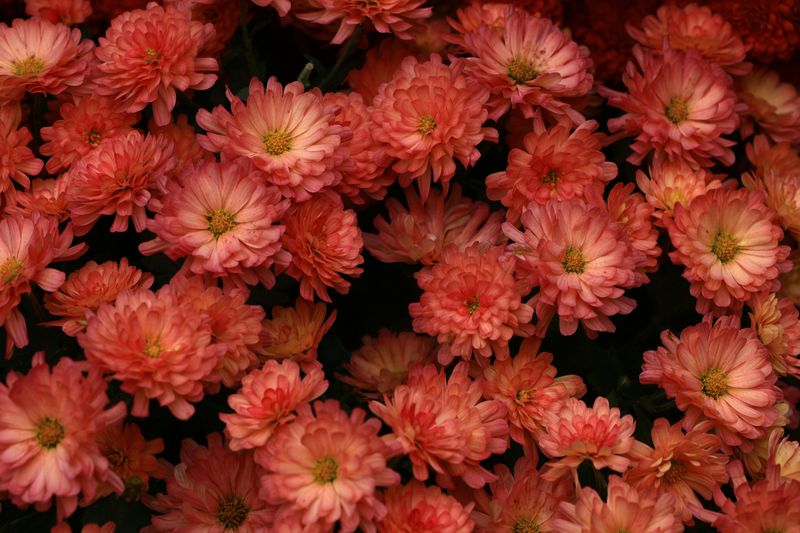
November closes the growing season with chrysanthemums, flowers symbolizing loyalty, devoted love, and the kind of friendship that endures through difficult times. Though peonies bloom in spring, they share November as a birth flower, representing honor, prosperity, and lasting relationships.
People born in November display unwavering loyalty to those they love and possess inner strength that becomes more apparent during challenging periods. Your dependable nature and ability to remain steadfast mirror these flowers that represent some of the deepest human connections.
Chrysanthemums are fall superstars in Ohio, blooming when most other flowers have finished for the season. Plant them in spring for best results, though garden centers sell blooming mums in fall that can be planted then.
Choose locations with full sun and well-drained soil. Space plants eighteen to twenty-four inches apart and keep soil consistently moist.
Pinch back stems in early summer to encourage bushier growth and more flower buds. Hardy garden mums overwinter best in Ohio when planted in spring or early summer, while fall-planted mums are often treated as seasonal color and may not survive winter.
Peonies require patience but reward Ohio gardeners with decades of spectacular spring blooms. Plant bare-root peonies in fall with eyes only one to two inches below soil surface in locations with full sun and excellent drainage.
They need cold winter temperatures to bloom well, making Ohio ideal. Space plants three to four feet apart and avoid transplanting once established.
Peonies may take two to three years to bloom heavily but can live fifty years or more. Both chrysanthemums and peonies embody the loyal, enduring spirit of November-born individuals.
12. December Narcissus And Holly And Winter Tough Beauty
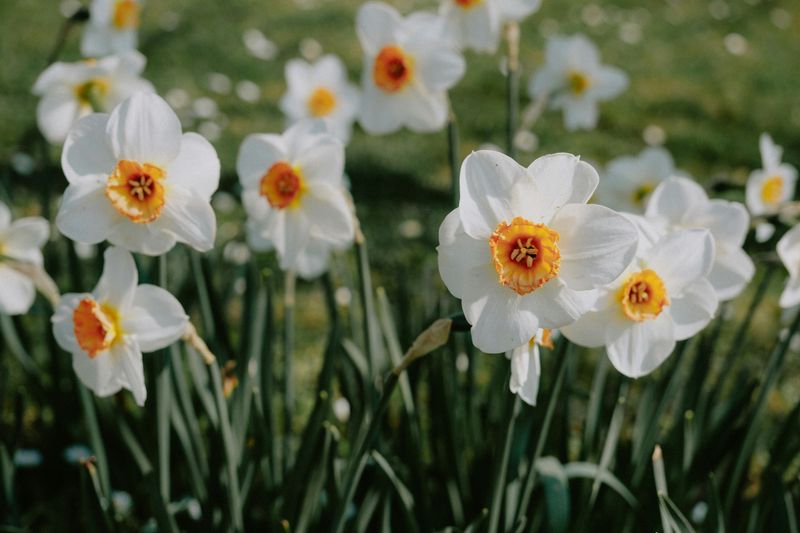
December wraps up the year with narcissus and holly, plants that represent self-respect, good wishes, and the kind of toughness required to thrive when conditions turn harsh. Narcissus symbolizes hope and renewal, while holly represents protection and domestic happiness.
December babies possess resilience that helps them weather any storm, combined with optimism that keeps spirits bright even during dark winter days. Your ability to find beauty and maintain strength during difficult times mirrors these plants that refuse to surrender to winter’s challenges across Ohio.
Narcissus includes daffodils and paperwhites, with many varieties suitable for Ohio gardens. Plant bulbs in fall about six inches deep in locations with full sun to partial shade and well-drained soil.
They naturalize readily and require minimal care once established. For indoor winter blooms, paperwhite narcissus can be forced in containers with just water and stones.
Paperwhites are not winter-hardy in Ohio and should be grown indoors only, unlike outdoor daffodil varieties. They’ll bloom indoors in three to six weeks, bringing fragrance and cheer to December days.
Outdoor varieties planted in fall will bloom the following spring, then return year after year.
Holly grows as evergreen shrubs or small trees throughout Ohio, providing year-round interest with glossy leaves and bright red berries. Plant hollies in spring or fall in locations with full sun to partial shade and acidic, well-drained soil.
Most varieties need both male and female plants for berry production. Space according to mature size, which varies greatly by variety.
Holly tolerates pruning well and can be shaped as desired. Both narcissus and holly bring enduring beauty that reflects the tough, optimistic spirit of December-born individuals in Ohio landscapes.