Why You Can Get Ahead By Starting Your Georgia Garden In February
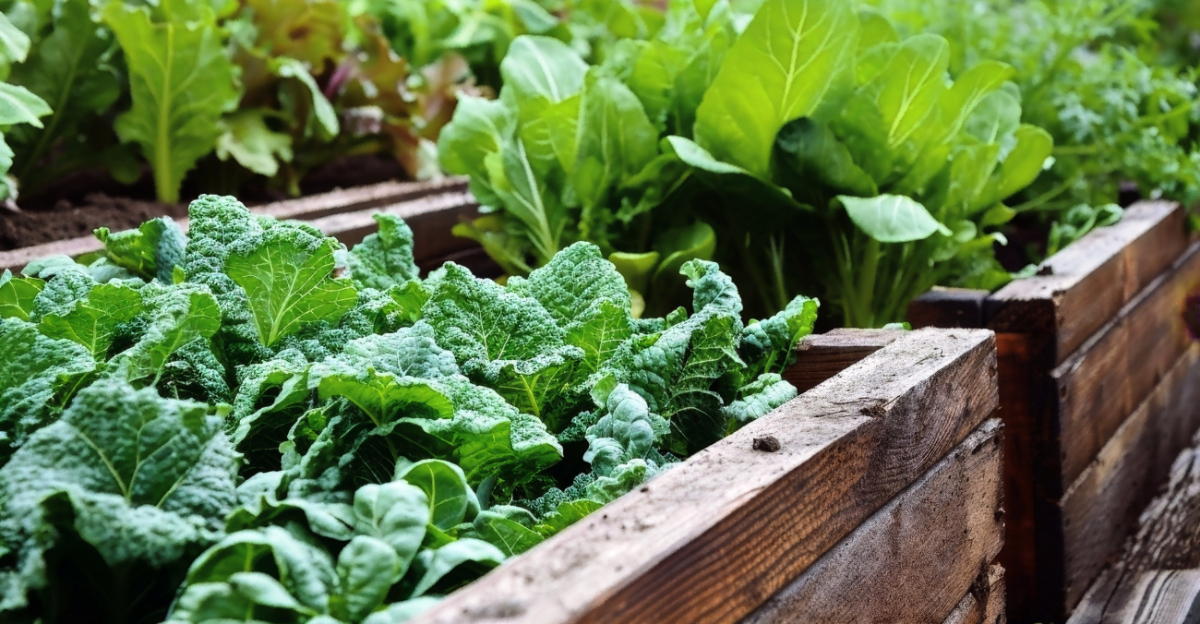
Have you ever noticed how Georgia gardens seem to wake up early, even when winter hasn’t fully let go yet?
February quietly opens a window that most people overlook, and missing it can mean playing catch-up all spring.
This is the month when soil starts warming, daylight stretches just enough longer, and plants respond faster than you expect.
Getting started now isn’t about rushing the season. It’s about working with Georgia’s mild winters instead of waiting for a perfect spring that always arrives later than planned.
A few smart moves in February can set your garden up to grow stronger, fill in faster, and handle spring weather swings with less stress. The gardeners who start early aren’t doing more work.
They’re just starting at the right moment.
1. Soil Is Workable Earlier Than Many Gardeners Expect
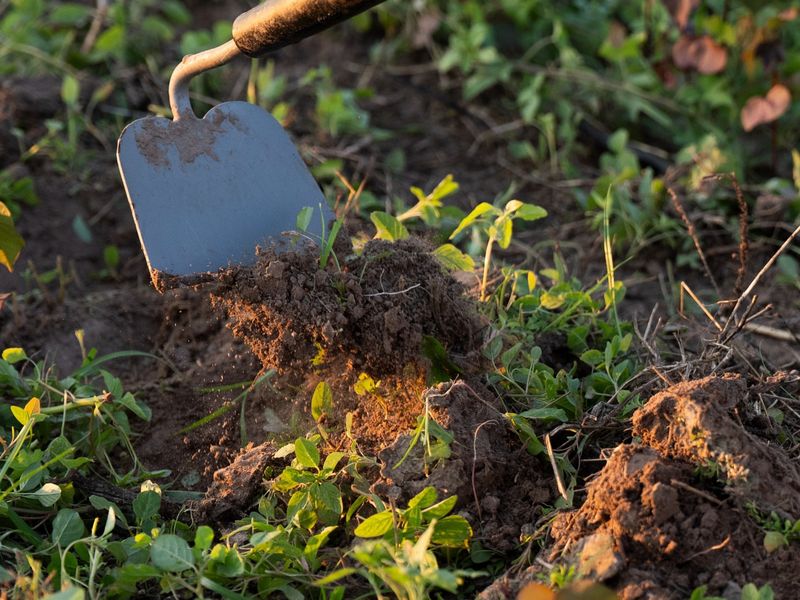
Georgia soil in February surprises newcomers with how manageable it becomes after winter rains have passed.
The ground reaches a perfect consistency that allows digging and turning without the sticky mud of January or the rock-hard dryness that sometimes appears by late spring.
Testing this readiness is simple: grab a handful of soil and squeeze it into a ball, then poke it with your finger. When it crumbles easily rather than staying compacted or feeling wet, you have ideal working conditions.
Working soil during this window lets you incorporate organic matter like compost or aged manure deeply into your beds. These amendments need time to integrate with existing soil particles and begin breaking down before planting.
February gives you four to six weeks of processing time that improves soil structure dramatically. The microbial activity in Georgia soil increases as temperatures gradually warm, meaning those organisms can start working on your amendments immediately.
Early soil preparation also reveals problems you might otherwise miss. Compacted layers, drainage issues, or pH imbalances become obvious when you work the ground in February.
You still have time to address these challenges with lime, sulfur, or other corrections before planting dates arrive. Gardens across Georgia benefit from this head start because correcting soil problems takes weeks or months, not days.
The physical benefits extend to your body too. Turning beds in February means cooler temperatures and lower humidity, making the hard work of soil preparation much more comfortable than doing the same tasks in April or May when Georgia heat builds rapidly.
2. Cool-Season Crops Can Be Planted Without Risk
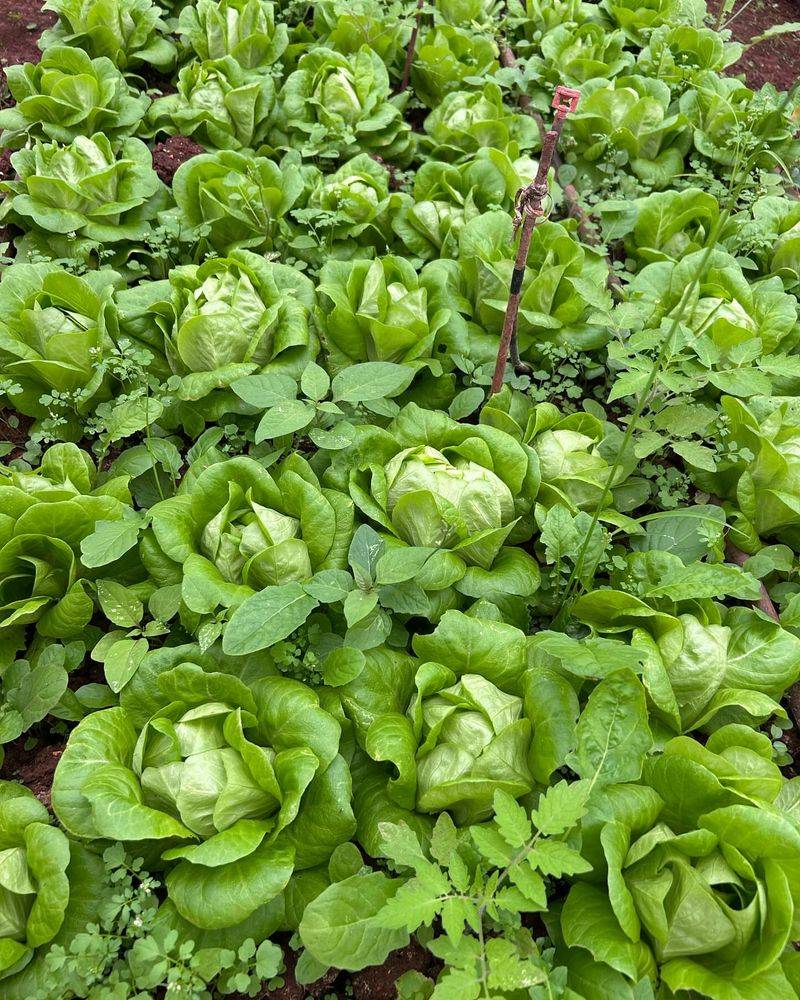
Lettuce, spinach, kale, peas, and other cool-season vegetables thrive when planted in February across most of Georgia. These crops actually prefer the cooler temperatures and shorter days of late winter, developing better flavor and texture than when planted later.
The key advantage comes from their ability to establish strong root systems before warmer weather arrives. Plants started in February mature during optimal conditions rather than struggling against increasing heat.
Timing matters significantly for these vegetables. Peas planted in February produce heavy yields in April and early May, finishing before temperatures climb too high.
Wait until March, and your harvest window shrinks considerably. The same principle applies to leafy greens, which become bitter and bolt quickly once Georgia temperatures regularly exceed 75 degrees.
Your Georgia Garden Changes Every Week. Your Plan Should Too.
Gardening in Georgia changes quickly throughout the season. Every Friday you’ll receive a simple weekly plan showing exactly what to plant, prune, fertilize, harvest, and protect so you never miss the right timing.
February planting gives you six to eight weeks of prime growing conditions.
Root vegetables like carrots, radishes, and beets also benefit from February sowing in Georgia gardens. They germinate readily in cool soil and develop slowly, creating tender, sweet roots.
The gradual temperature increase of late winter and early spring produces better-quality vegetables than quick growth in warmer months. Radishes planted in February mature in just three to four weeks, providing your first harvest while other gardens are barely started.
Many Georgia gardeners succession plant cool-season crops every two weeks starting in February. This strategy delivers continuous harvests rather than one overwhelming flush.
You can enjoy fresh salads and stir-fries from your own garden for months by starting early and planning carefully.
3. Weeds Are Easier To Control Before Spring Growth Explodes
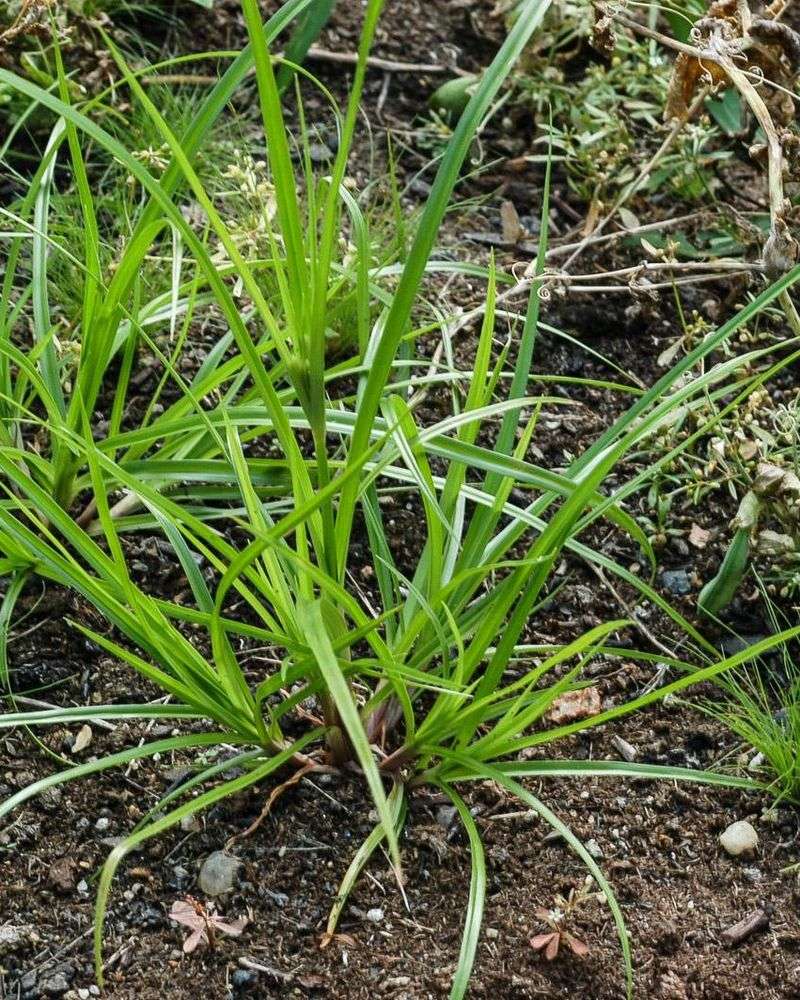
Weed seeds germinate continuously in Georgia, but February offers a strategic advantage because most weeds are still small and manageable.
The same warming temperatures that make soil workable also trigger weed germination, but these seedlings remain vulnerable for several weeks.
Removing them now prevents the exponential growth that happens once spring truly arrives. One hour of weeding in February saves five hours in April.
Winter annual weeds like chickweed, henbit, and deadnettle become obvious in February as they prepare to flower.
Pulling or hoeing these plants before they set seed eliminates thousands of potential weeds from future seasons.
Each plant can produce hundreds or thousands of seeds, so early intervention dramatically reduces your weed pressure for years.
Georgia gardens that receive February attention stay cleaner throughout the growing season.
Perennial weeds also show themselves in February, sending up new growth from established root systems. Identifying and removing these persistent problems becomes easier when your garden beds are relatively bare.
You can see exactly where bermudagrass, nutsedge, or other troublesome weeds are located and take appropriate action.
Some gardeners in Georgia use this time to solarize problem areas with clear plastic, using February and March sunshine to heat the soil enough to weaken perennial weed roots.
Mulching after your February soil preparation and weeding creates a barrier that suppresses additional weed germination.
The mulch settles and begins breaking down gradually, improving your soil while blocking light from reaching weed seeds. This combination of removing existing weeds and preventing new ones gives you a much cleaner garden.
4. Mild Days Allow Pruning Without Stressing Plants
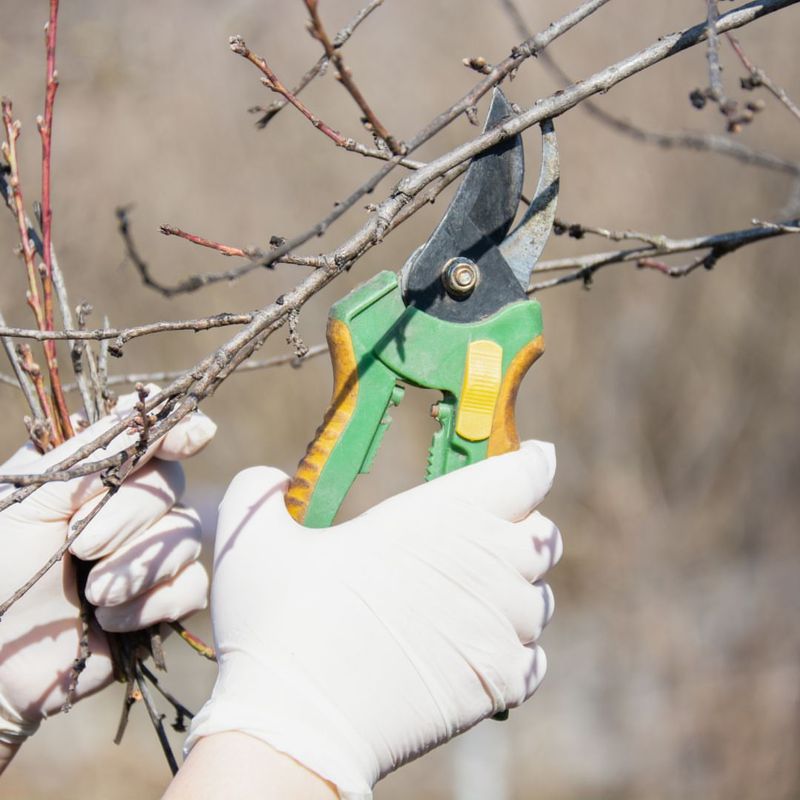
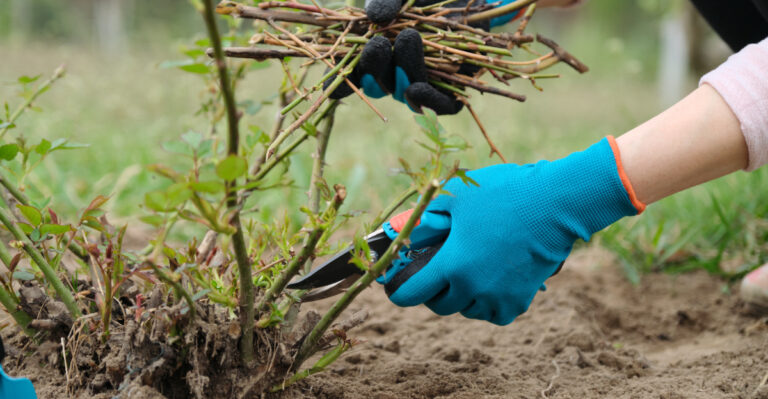
Fruit trees, roses, and many shrubs benefit from pruning during their dormant period, and February provides ideal conditions in Georgia. Plants have not yet broken dormancy completely, so pruning cuts heal quickly once growth resumes without causing excessive stress.
The mild temperatures make the work comfortable while the lack of foliage allows you to see the plant structure clearly. You can make better decisions about which branches to remove when you have an unobstructed view.
Peach and plum trees particularly need February pruning in Georgia to maintain their shape and encourage productive growth. These fruit trees produce best on one-year-old wood, so annual pruning ensures a steady supply of new fruiting branches.
Pruning also opens the canopy to improve air circulation, reducing disease pressure during humid Georgia summers. February timing means wounds have weeks to begin healing before insects and diseases become active.
Roses respond beautifully to late winter pruning, producing vigorous new growth that flowers heavily in spring. Cutting back hybrid teas, floribundas, and climbing roses in February stimulates the plant to send out fresh canes from the base.
Georgia rose gardeners know this timing produces the best flower displays.
Removing damaged wood helps prevent disease organisms from gaining a foothold as temperatures warm.
Blueberries, blackberries, and other fruit-bearing shrubs also get pruned in February across Georgia. Removing old canes from blackberries makes room for new productive growth.
Blueberries need thinning to prevent overbearing, which weakens the plant. The dormant season gives you time to complete these tasks thoughtfully without rushing.
5. Roots Establish Before Heat And Humidity Arrive

Transplanting perennials, shrubs, and trees in February gives these plants crucial weeks to develop root systems before Georgia’s challenging summer conditions begin.
Roots grow actively whenever soil temperatures exceed 40 degrees, which happens regularly in February across most of the state. Plants moved during this period focus energy on root development rather than supporting foliage or flowers, creating stronger, more resilient specimens.
The gradual temperature increase of late winter and early spring allows roots to explore surrounding soil without stress. Plants establish connections with beneficial soil organisms and begin accessing nutrients and water from a wider area.
By the time June heat arrives, February-planted specimens have root systems extensive enough to support them through dry spells and high temperatures.
Gardens across Georgia demonstrate this principle every year as early-planted materials outperform those installed later.
Container-grown plants particularly benefit from February planting because they transition from potting mix to garden soil during favorable conditions. The shock of transplanting affects plants minimally when temperatures are moderate and rainfall typically adequate.
Roots grow out of the original root ball and into surrounding soil, anchoring the plant securely. This establishment period proves critical for long-term survival and vigor.
Native plants and adapted perennials respond especially well to February planting in Georgia. Species like coneflowers, black-eyed susans, and salvias establish quickly, often flowering the same year.
Shrubs like azaleas, camellias, and hydrangeas also transplant successfully in February, recovering from any root disturbance before summer stress tests them.
The combination of cool air temperatures and warming soil creates perfect establishment conditions.
6. Garden Beds Can Be Prepared Without Rushing Later
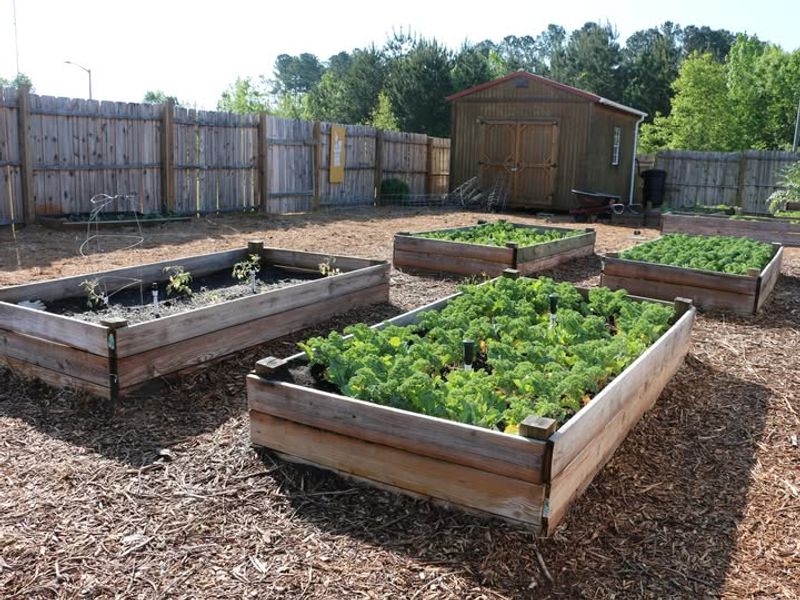
Building new beds or renovating existing ones takes time and physical effort that becomes much less pleasant as Georgia weather warms. February offers comfortable working conditions that let you focus on doing the job properly rather than rushing to finish before heat becomes unbearable.
Constructing raised beds, installing edging, or expanding your garden footprint proceeds smoothly when temperatures stay in the 50s and 60s.
You can work for hours without exhaustion or heat-related problems.
Soil amendments incorporated in February have time to integrate and begin improving soil structure before planting. Adding compost, peat moss, or other organic materials works best when you can mix them thoroughly and then let the bed rest for a few weeks.
Microbial populations increase, aggregates form, and the soil develops better structure. Gardens prepared in February show noticeably improved texture and drainage compared to beds prepared immediately before planting.
Installing irrigation systems or setting up drip lines also makes sense during February in Georgia. You can test everything thoroughly and make adjustments while plants are not yet depending on the system.
Leaks, clogs, or coverage gaps become obvious during test runs, giving you time to fix problems.
Once growing season begins in earnest, you want irrigation functioning perfectly rather than troubleshooting while crops suffer.
The psychological benefit of early preparation should not be underestimated. Knowing your beds are ready and waiting removes stress from the busy spring planting season.
You can focus on timing and plant selection rather than scrambling to prepare ground. Georgia gardeners who complete preparation in February consistently report more enjoyable and successful growing seasons.
7. Plants Get A Head Start Before Spring Pests Appear
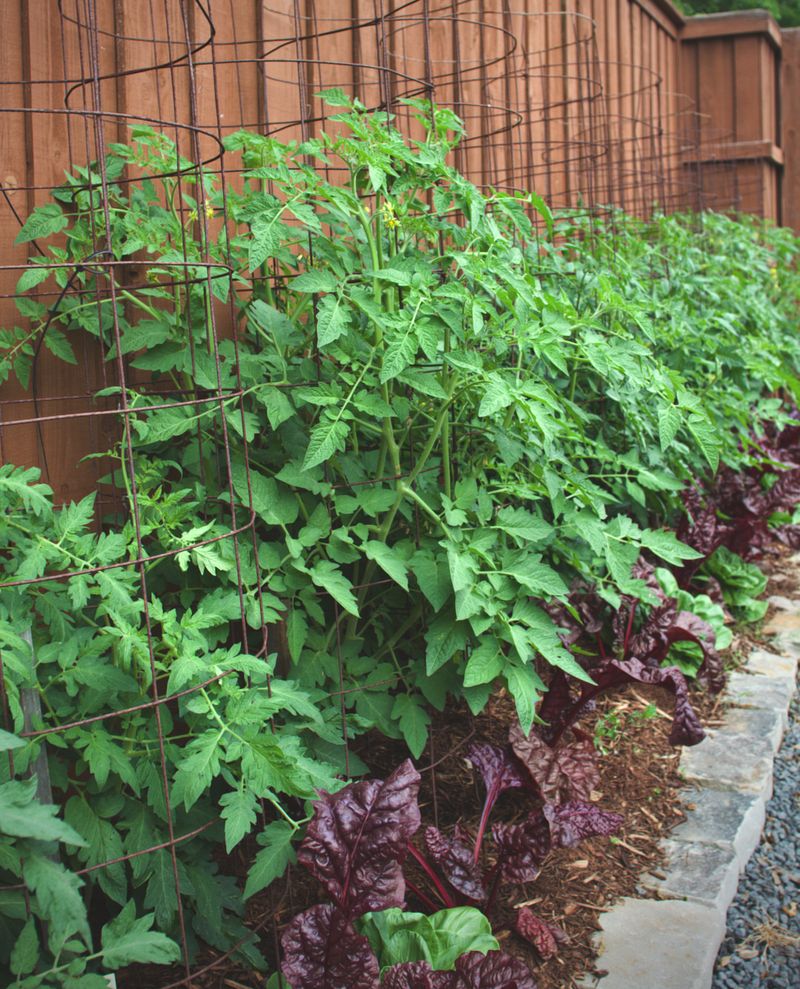
Insect pests remain largely inactive during February across Georgia, giving plants several weeks to establish before facing pressure from aphids, caterpillars, and other common garden insects.
This head start means stronger, more vigorous plants that can better withstand pest damage when it inevitably arrives. Young seedlings planted in April emerge just as pest populations explode, making them vulnerable from the beginning.
February plantings mature past their most susceptible stage before pests become numerous.
The same principle applies to diseases. Fungal spores and bacterial pathogens increase dramatically as humidity rises in late spring and summer.
Plants established in February develop robust immune systems and structural strength before disease pressure peaks. Tomatoes, peppers, and squash planted early show significantly less disease damage than identical varieties planted later.
The extra weeks of growth in favorable conditions make a measurable difference in plant health.
Early planting also allows you to use physical barriers like row covers more effectively. Covering crops immediately after February planting protects them from the first waves of pests in March and April.
By the time you remove covers to allow pollination, plants are large enough to tolerate some pest damage without significant yield loss.
Georgia gardeners use this strategy successfully for cabbage family crops, which face heavy pressure from cabbage worms and harlequin bugs.
The psychological advantage of having established plants before pest season begins should not be overlooked. You feel less anxious watching healthy, growing plants face their first pests than you do protecting tiny, vulnerable seedlings.
February planting gives you confidence and reduces the stress of pest management throughout the season.