Easy Winter Pruning Tips For Fruit Trees In Pennsylvania
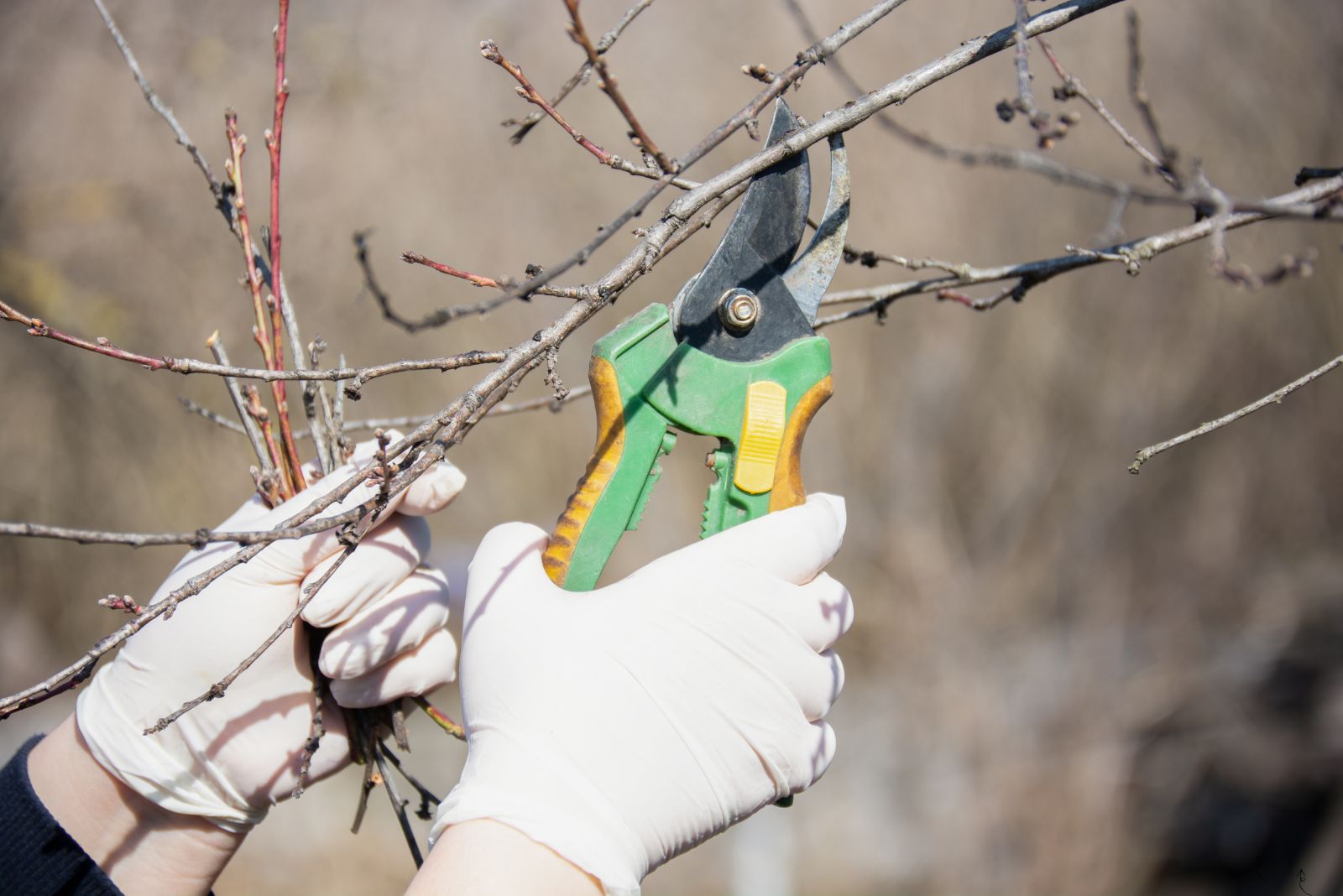
Winter might seem like a time to take a break from gardening, but it’s actually one of the best times to help your fruit trees thrive, especially in Pennsylvania.
Pruning during the colder months sets your trees up for healthier growth and bigger harvests in the spring and summer.
It may sound intimidating, but winter pruning doesn’t have to be complicated. In fact, with a few easy tips, you can shape your trees, remove dry or weak branches, and improve airflow, all without needing professional tools or experience.
Plus, since the trees are dormant, you’ll get a clear view of the branches and structure, making it easier to make smart cuts. Whether you’re growing apples, pears, or plums, a little winter care goes a long way.
Ready to get started? Here are some simple winter pruning tips Pennsylvania homeowners use to keep their fruit trees healthy and productive.
1. Wait For The Right Timing In Pennsylvania’s Climate
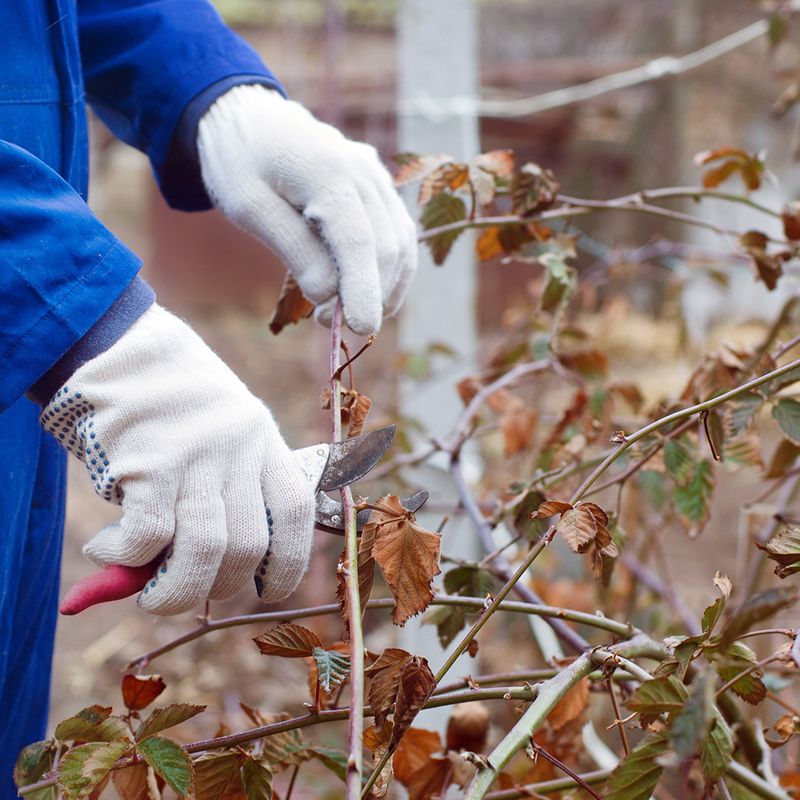
Timing makes all the difference when pruning fruit trees in Pennsylvania. You want to prune when your trees are fully dormant, which means they’ve stopped growing and dropped all their leaves.
Most Pennsylvania gardeners find that late January through early March works perfectly for this task. Pruning too early in winter can expose your trees to harsh cold snaps that damage the fresh cuts.
Waiting too long means you might start cutting just as the buds begin to swell, which wastes the tree’s energy. The sweet spot is when temperatures consistently stay below 40 degrees Fahrenheit but above zero.
Pennsylvania’s weather can be unpredictable, so watch your local forecast carefully. Pick a dry day when temperatures are above freezing if possible.
This makes the work more comfortable for you and prevents the spread of diseases that thrive in wet conditions. Avoid pruning during ice storms or when branches are coated in heavy snow.
The extra weight makes it harder to see the tree’s true structure, and frozen wood can splinter unpredictably. Clear, calm days give you the best visibility and safest working conditions.
Different fruit trees have slightly different preferences, but the general dormant period applies to most varieties grown in Pennsylvania. Apples, pears, and cherries all respond well to late winter pruning.
Peaches and nectarines can be pruned slightly later, closer to early spring, since they’re more susceptible to winter injury.
Understanding your specific tree varieties and Pennsylvania’s unique climate patterns helps you choose the absolute best pruning window for maximum tree health and fruit production.
2. Invest In Sharp, Quality Pruning Tools
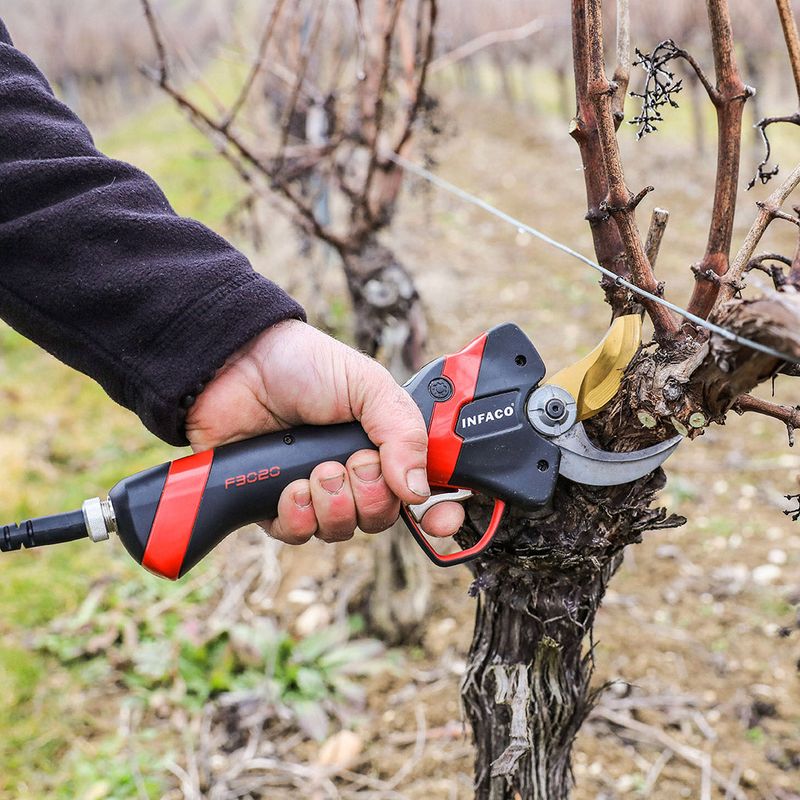
Sharp tools make pruning easier, safer, and healthier for your trees. Dull blades crush and tear the wood instead of making clean cuts, which invites disease and slows healing.
Quality pruning shears, loppers, and a pruning saw should be your basic toolkit for maintaining fruit trees in Pennsylvania. Hand pruners work perfectly for branches up to three-quarters of an inch thick.
Loppers handle branches between three-quarters of an inch and two inches in diameter. For anything thicker, a sharp pruning saw gives you the control and power you need without damaging the tree.
Your Pennsylvania Garden Changes Every Week. Your Plan Should Too.
Gardening in Pennsylvania changes quickly throughout the season. Every Friday you’ll receive a simple weekly plan showing exactly what to plant, prune, fertilize, harvest, and protect so you never miss the right timing.
Before you start any pruning session, clean your tools with rubbing alcohol or a bleach solution. This simple step prevents spreading diseases between cuts and between different trees.
Wipe the blades down after every few cuts, especially if you notice any diseased wood. Sharpening your tools regularly keeps them performing at their best.
You can use a sharpening stone or file to maintain the cutting edge, or take them to a professional sharpener once a season. Sharp tools require less force, which means less strain on your hands and arms during long pruning sessions.
Don’t forget about safety equipment either. Sturdy gloves protect your hands from rough bark and sharp branches.
Safety glasses shield your eyes from flying wood chips and sawdust. Pennsylvania winters can be slippery, so wear boots with good traction when working around your fruit trees.
Quality tools might cost more upfront, but they last for years and make every pruning job more successful and enjoyable.
3. Remove Dry, Diseased, And Damaged Branches First
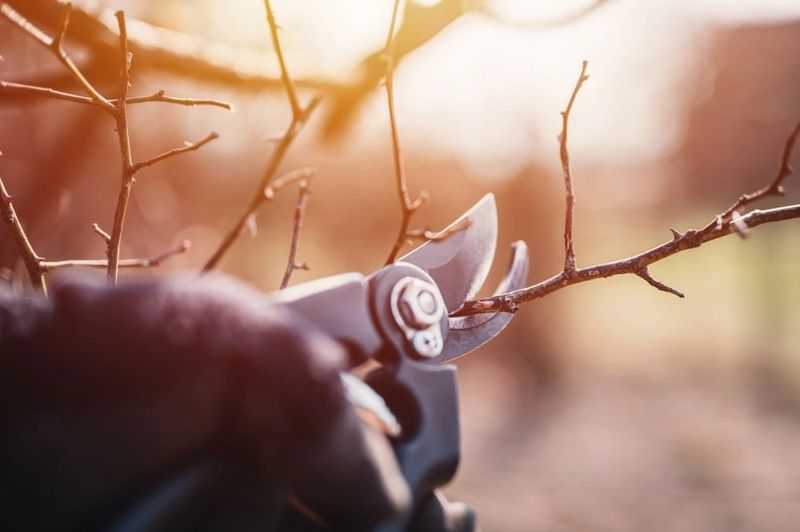
Start every pruning session by identifying and removing problem branches. Dry wood appears gray or brown and feels brittle when you bend it.
Diseased branches often show discolored bark, unusual growths, or cankers. Damaged limbs might have cracks, splits, or areas where bark has peeled away.
These problem branches serve no purpose and actually harm your tree’s overall health. Dry wood provides a home for insects and diseases that can spread to healthy parts of the tree.
Removing them first gives you a clearer picture of what your tree really looks like underneath. Pennsylvania’s winter weather can cause significant branch damage from ice, snow, and wind.
Walk around your tree completely and inspect it from all angles. Look up into the canopy and check low branches near the ground.
Sometimes the worst damage hides in the interior of the tree where it’s harder to spot. When you find a problem branch, trace it back to where it connects with a larger, healthy branch or the trunk.
Make your cut just outside the branch collar, which is the slightly swollen area where the branch meets its parent limb. This helps the tree heal properly and prevents decay from entering the trunk.
Don’t worry about removing too much during this first step. Clearing out the bad wood is always beneficial, regardless of how much you need to take out.
Your Pennsylvania fruit trees will thank you by growing more vigorously and producing healthier fruit once these problem areas are gone. Focus on creating a clean, healthy foundation before moving on to shaping and thinning cuts.
4. Open Up The Center For Better Air Circulation
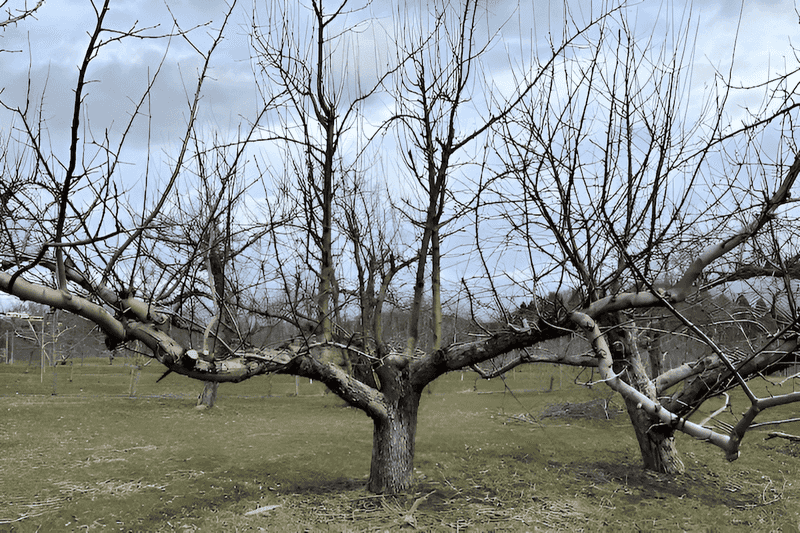
Good air circulation prevents many common fruit tree diseases that plague Pennsylvania orchards. Fungal problems like apple scab, fire blight, and brown rot thrive in humid, crowded conditions.
Opening up your tree’s center allows air to flow freely through the branches, keeping foliage drier and healthier. Look for branches that grow straight up through the middle of the tree or cross over each other.
These create dense tangles that block airflow and sunlight. Choose the weaker or poorly positioned branch and remove it completely, leaving the stronger one to grow.
Pennsylvania’s humid summers create perfect conditions for disease when trees are too crowded. By pruning in winter, you’re setting up your tree for success months before disease season arrives.
The open structure you create now will make a huge difference when warm, moist weather returns. Aim for a vase or bowl shape with most varieties, where the center is relatively open and main branches spread outward.
Peach trees especially benefit from this open-center approach. Apple and pear trees can use a modified central leader system, but still need good spacing between branches.
Stand back frequently while pruning to evaluate your progress. You should be able to see through the tree somewhat, with branches spaced evenly around the trunk.
Sunlight should reach into the interior, not just the outer edges. This balanced structure helps fruit ripen evenly and makes it easier to spot problems before they become serious.
Pennsylvania fruit growers who maintain open, airy tree structures consistently report fewer disease problems and better quality fruit throughout the growing season.
5. Cut Back To Outward-Facing Buds For Better Shape
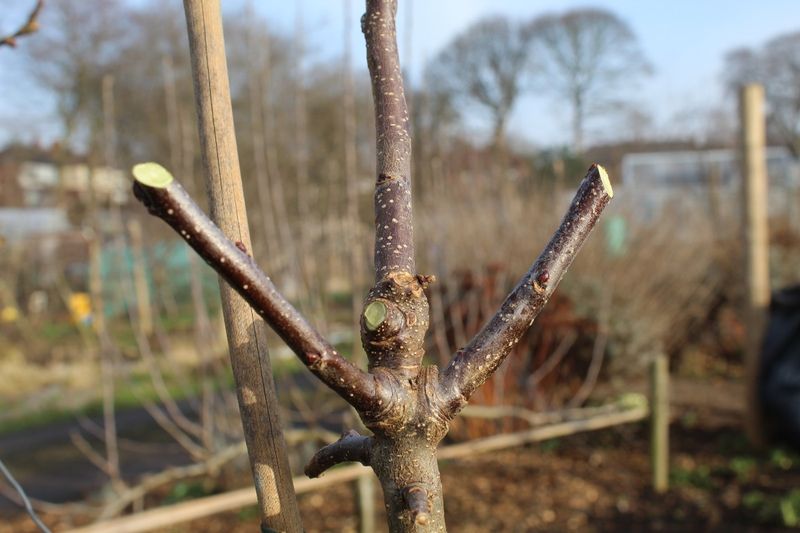
Every branch on your fruit tree has tiny buds along its length that will sprout into new growth come spring. The direction these buds face determines which way the new shoots will grow.
Making your cuts just above buds that point outward encourages your tree to spread wide rather than grow inward. Find a healthy bud pointing away from the tree’s center and make your cut about a quarter inch above it at a slight angle.
The angle should slope away from the bud so water runs off instead of pooling near the cut. This small detail makes a big difference in how well the wound heals.
Cutting to outward-facing buds prevents your Pennsylvania fruit trees from becoming tangled messes. New growth that heads toward the center creates the same crowding problems you just spent time fixing.
Directing growth outward maintains that open structure you worked hard to create. This technique works for all types of pruning cuts, whether you’re shortening a branch or removing just the tip.
Always look for that next good bud before making your cut. Sometimes you’ll need to cut back farther than you initially planned to find a bud facing the right direction.
The results of this careful attention to bud direction become obvious by summer. Your tree grows in a balanced, attractive shape with branches spreading evenly. Fruit develops on the outer edges where it gets plenty of sunlight and ripens beautifully.
Pennsylvania gardeners who master this simple technique find their trees easier to manage year after year, requiring less corrective pruning and producing more abundant harvests with fruit that’s easier to reach.
6. Don’t Remove More Than One-Third Of The Tree
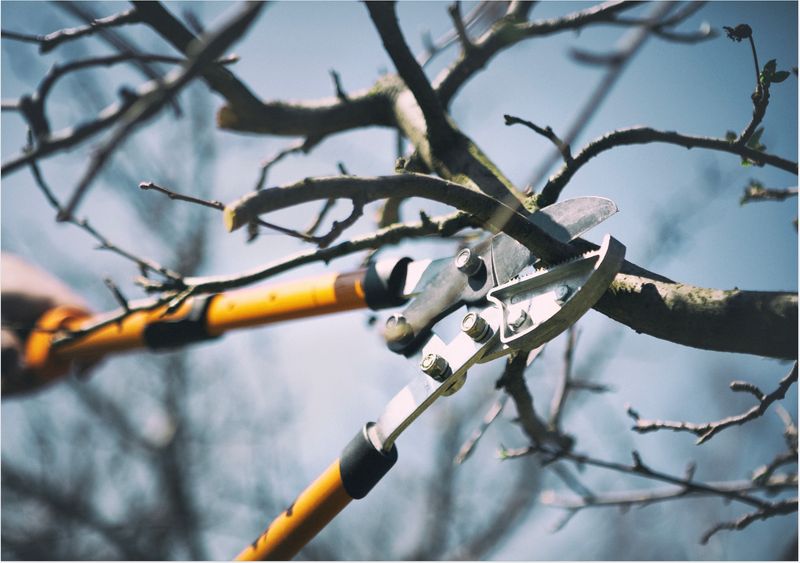
Restraint is important when pruning fruit trees, even though it’s tempting to keep cutting once you start. Removing more than one-third of the tree’s total growth in a single season stresses the tree and can actually reduce fruit production.
Pennsylvania fruit trees need time to recover and adjust to major changes. Heavy pruning triggers excessive new growth the following spring, creating lots of vigorous shoots called water sprouts.
These grow straight up, don’t produce fruit, and crowd your tree again. You end up with more pruning work and less fruit, which defeats the whole purpose.
If your tree needs major renovation because it hasn’t been pruned in years, spread the work over two or three winters. Focus on the worst problems the first year, then continue shaping and refining in following seasons.
This gradual approach keeps your tree healthy and productive throughout the process. Step back regularly to assess how much you’ve removed.
It’s easy to lose track when you’re focused on individual cuts. Looking at the whole tree helps you maintain perspective and avoid over-pruning.
Remember that every branch you remove is potential fruit production you’re sacrificing. Young trees need lighter pruning than mature ones because they’re still developing their basic structure.
Older, established trees can handle more aggressive pruning, but the one-third rule still applies. Pennsylvania’s growing season gives your trees plenty of time to recover from moderate winter pruning, but excessive cutting sets them back significantly.
Trust the process and resist the urge to do too much at once for the healthiest, most productive fruit trees possible.