The Secret North Carolina Gardeners Use For Early Spring Blooms

Early color changes the whole mood of a yard. One bright bloom can make winter feel finished. Gardeners who enjoy early spring flowers usually follow one simple habit that pays off fast.
Good timing matters. Smart prep matters more. Many growers in California already use this approach to wake up their landscapes before the season fully arrives.
The same trick works in North Carolina where soil warms slowly and weather likes to surprise you. Small steps taken weeks earlier can lead to fuller beds and longer bloom windows. Fewer gaps mean more color.
Better planning brings stronger plants. Early action saves effort later. Neighbors notice. Pollinators show up sooner. Your yard feels alive again.
Curious what North Carolina gardeners rely on to unlock those early spring blooms and keep flowers coming strong? Keep reading and learn the simple secret that puts your garden ahead of the curve.
Selecting Early-Blooming Native And Adapted Cultivars
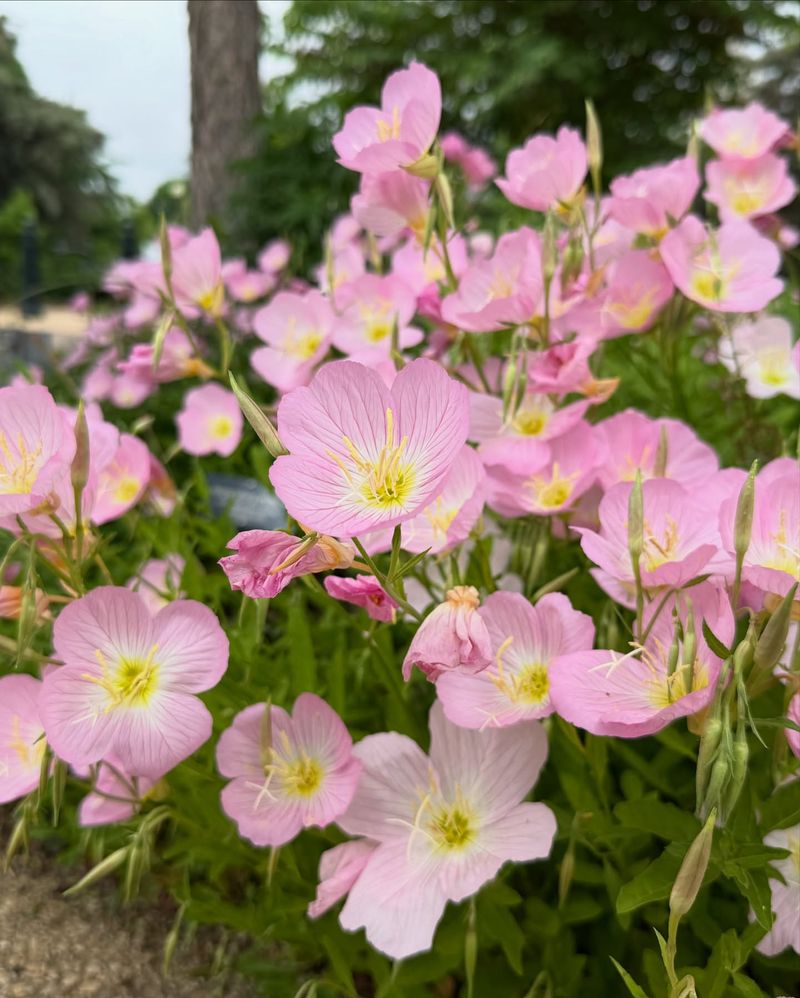
Plant selection makes all the difference when you want early blooms. North Carolina gardeners know that certain flowers are simply programmed to wake up faster. Crocus, primrose, and hellebores evolved to flower at winter’s first retreat.
These plants read temperature cues that others ignore completely. Their internal clocks respond to subtle warming trends in late winter. When soil temperatures creep just above freezing, they begin their blooming process.
Choosing adapted cultivars means working smarter, not harder in your garden. Native and regionally adapted plants already understand North Carolina’s climate patterns. They don’t need coaxing or special treatment to perform beautifully.
Gardeners who plant these varieties see blooms in February and March. Meanwhile, gardens filled with non-adapted species remain dormant until April. The difference can be six weeks of extra color and joy.
Your local nursery stocks these early performers for good reason. They’re reliable, low-maintenance, and perfectly suited to the region. Visit in fall to plant bulbs and perennials that will reward you come late winter with cheerful flowers.
Using Mulch To Moderate Soil Temperature

Mulch does far more than make your garden look tidy. A two to three inch layer acts like a thermal blanket. It traps geothermal warmth rising from deeper soil layers during cold nights.
Pine straw and shredded bark are North Carolina favorites for good reasons. They insulate roots from temperature swings that can damage tender growth. Cold snaps that would normally set plants back barely penetrate this protective layer.
Warmer soil beneath mulch encourages root systems to wake up sooner. Active roots mean earlier bud development and faster flowering timelines. This simple addition can advance bloom time by two full weeks.
Application timing matters as much as the mulch itself, though. Spread your layer in late fall after the ground cools slightly. This locks in residual warmth while preventing premature spring activity during warm winter days.
Organic mulches break down gradually, enriching your soil over time. They also suppress weeds that would compete with your early bloomers. The investment of a few bags pays dividends in both earlier flowers and healthier plants throughout the growing season.
Your North Carolina Garden Changes Every Week. Your Plan Should Too.
Gardening in North Carolina changes quickly throughout the season. Every Friday you’ll receive a simple weekly plan showing exactly what to plant, prune, fertilize, harvest, and protect so you never miss the right timing.
Cold Frames And Cloches For Microclimate Control

Creating your own mini greenhouse changes everything about early spring gardening. Cold frames and cloches trap solar energy during the day. At night, they release that warmth slowly, keeping plants cozy when temperatures drop.
The temperature difference inside these structures is genuinely remarkable. Protected areas can be ten to twenty degrees warmer than surrounding garden spaces. That’s enough to grow tender plants weeks before your neighbors even think about planting.
Simple cold frames built from old windows work beautifully for most gardeners. Position them facing south to maximize sun exposure throughout short winter days. The investment of time and materials is minimal compared to the results.
Individual cloches protect specific plants or small groups of seedlings perfectly. Clear plastic jugs with bottoms cut off make excellent improvised versions. Even upside-down glass jars create effective microclimates for delicate transplants.
Ventilation becomes important on sunny days, even in late winter. Crack open lids or remove cloches when temperatures inside climb too high. This prevents overheating and ensures your plants stay healthy while enjoying their protected environment.
Seed Starting Indoors Before Frost Ends
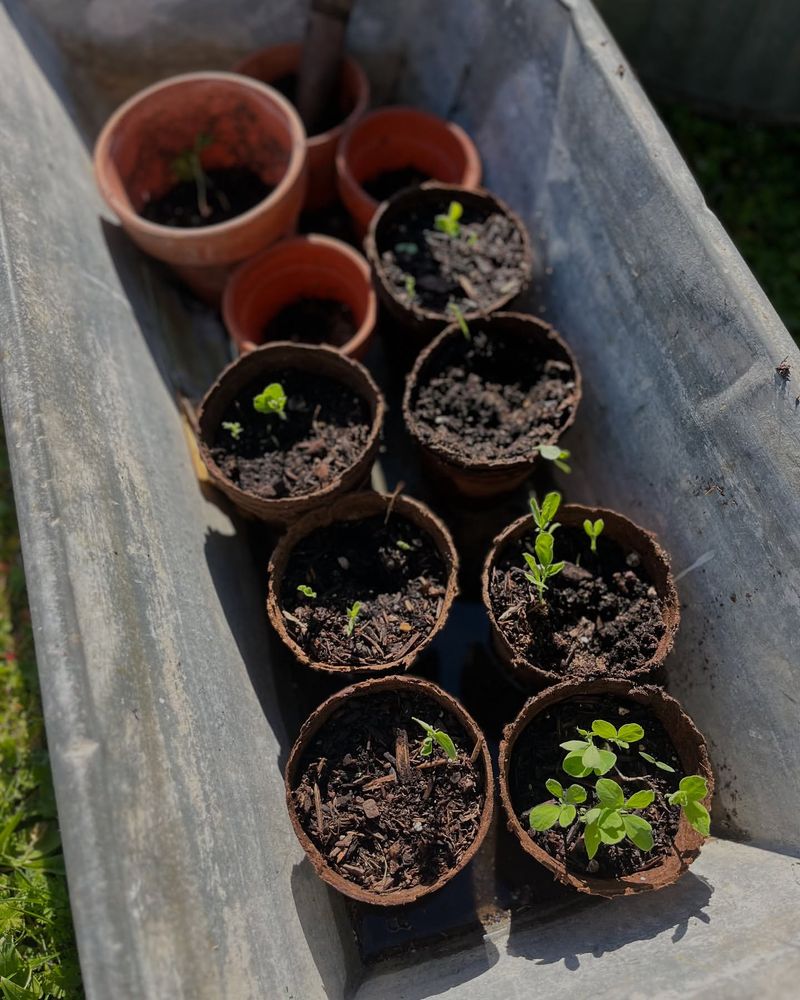
Indoor seed starting gives your plants a serious head start. Beginning four to eight weeks before the last frost creates mature seedlings. These established plants skip the vulnerable germination phase outdoors and jump straight into growth mode.
Timing varies depending on what you’re growing, of course. Fast growers like marigolds need just four weeks of indoor pampering. Slower bloomers such as petunias benefit from eight full weeks under lights.
The advantage becomes obvious when transplant time arrives in spring. Your indoor-started plants already have developed root systems and multiple sets of leaves. Direct-sown seeds are just beginning to poke through soil at that point.
This maturity difference translates directly into earlier flowering for most species. Plants that skipped outdoor germination stress bloom two to four weeks sooner. They’re also stronger and more resistant to pest pressure and weather challenges.
Setting up an indoor growing station doesn’t require expensive equipment either. A sunny window, basic potting mix, and seed trays get you started. Add inexpensive grow lights if your windows don’t provide enough brightness during short winter days.
Sun-Seeking Garden Placement

Location dramatically affects when your flowers decide to bloom each year. South-facing and southwest-facing beds capture maximum sunlight during winter and early spring. This extra solar energy makes a measurable difference in soil temperature.
Even a few degrees of warmth accelerates plant metabolism significantly. Warmer soil means faster root growth and earlier bud break. Plants in these prime locations often bloom a full week ahead of those in shadier spots.
North Carolina’s winter sun follows a low arc across the southern sky. Gardens positioned to intercept this light absorb heat all day long. The cumulative effect over weeks creates noticeably warmer growing conditions.
Buildings and fences can work to your advantage in this strategy. A south-facing wall reflects additional light and radiates stored heat at night. This creates an even more favorable microclimate for eager early bloomers.
Observe your property throughout late winter to identify these sweet spots. Notice where snow melts first and where frost disappears earliest each morning. Those locations are your best bets for planting species you want to bloom as soon as possible.
Soil Preparation With Compost And Fertility
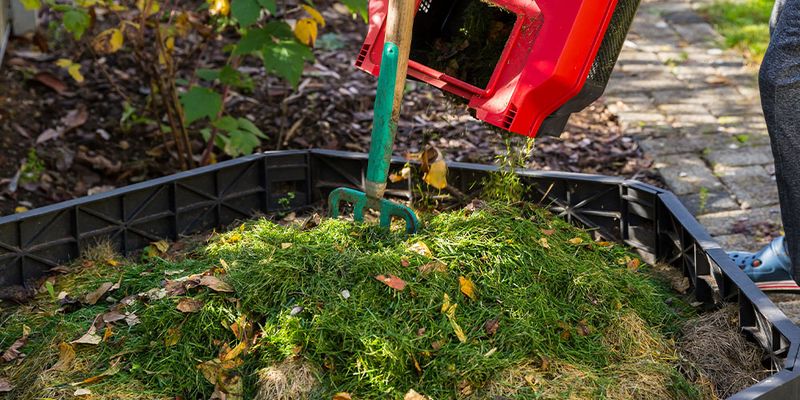
Fall soil preparation sets the stage for spectacular spring performance. Adding quality compost and balanced nutrients before winter gives plants everything they need. Come spring, roots encounter perfect growing conditions the moment they start exploring.
Phosphorus deserves special attention in this pre-season amendment process. This nutrient directly supports flower bud formation and root development. Plants with adequate phosphorus bloom more reliably and more abundantly than those without.
Compost does double duty by improving both soil structure and fertility. Better structure means improved drainage and aeration for healthier root systems. Enhanced fertility provides the building blocks plants need for vigorous early growth.
Timing this work in fall rather than spring offers distinct advantages. Amendments have months to integrate fully into your soil ecosystem. Microorganisms break down organic matter, making nutrients readily available when plants wake up.
The difference between amended and unamended soil becomes obvious each spring. Plants in prepared beds emerge stronger, grow faster, and bloom earlier. They also show better overall health and resilience throughout the entire growing season ahead.
Timing Pruning For Flower Bud Formation

Pruning timing can make or remove next spring’s flower show. Many spring-blooming shrubs form their flower buds during the previous growing season. Azaleas, forsythia, and similar plants set buds in summer and fall for next year’s display.
Cutting these shrubs in fall or winter removes the very buds you’re hoping to see bloom. Late pruning essentially guarantees disappointing spring color or none at all. This mistake frustrates gardeners who wonder why their healthy plants refuse to flower.
The solution is surprisingly simple once you understand the timing. Prune spring bloomers immediately after their flowers fade in late spring. This gives plants the entire summer to develop next year’s buds on new growth.
Summer-blooming shrubs follow different rules and can handle late winter pruning just fine. They form flower buds on current-season growth, so timing matters less. Learning which category your plants fall into prevents accidental bud removal.
Keeping a simple garden calendar helps track pruning schedules for different species. Note when each shrub finishes blooming and schedule pruning accordingly. This small organizational step ensures maximum flower production year after year without fail.
Row Covers Against Late Frosts

Late frosts pose the biggest threat to early spring blooms. One unexpected freeze can destroy weeks of careful planning and anticipation. Lightweight row covers provide insurance against these unpredictable cold snaps without blocking essential sunlight.
These floating fabrics work by trapping a thin layer of warm air around plants. The buffer zone prevents frost crystals from forming on delicate petals and buds. Plants underneath stay several degrees warmer than the surrounding unprotected garden.
The beauty of modern row covers lies in their light transmission. Unlike solid tarps or sheets, they allow seventy to ninety percent of sunlight through. Plants continue photosynthesizing and growing normally while enjoying frost protection at night.
Application is quick and easy when frost threatens your blooming plants. Simply drape the fabric over beds and secure edges with rocks or soil. Remove covers the next morning once temperatures rise above freezing again.
Reusable covers last multiple seasons with proper care and storage. The modest investment protects countless hours of gardening work and ensures your early blooms survive to delight you. Many North Carolina gardeners consider them absolutely essential spring equipment.
Using Black Plastic Or Landscape Fabric To Warm Soil

Dark materials absorb solar radiation far more efficiently than bare soil. Laying black plastic or landscape fabric over beds in late winter raises soil temperatures significantly. The effect is similar to how pavement gets hot on sunny days even when air remains cool.
This technique can warm soil by five to ten degrees within just a few weeks. Warmer soil accelerates seed germination and stimulates dormant root systems to wake up. The result is earlier flowering and faster overall plant development.
Installation requires minimal effort for maximum impact on your garden. Simply spread the material over prepared beds and secure edges with landscape staples. Cut planting holes where you want seeds or transplants to go.
The warming effect begins immediately on sunny days, even in February. Heat absorbed during daylight hours radiates slowly at night, maintaining elevated soil temperatures. This consistent warmth encourages steady, reliable plant growth.
Remove the covering once plants establish themselves and outdoor temperatures stabilize. By then, you’ve gained several weeks of growing time and advanced bloom dates. The same pieces of fabric or plastic can be reused year after year for continued benefits.