8 Simple Ways North Carolina Gardeners Brighten Winter Gardens
Winter gardens do not have to look dull. A few smart touches can bring color back fast. Small changes make big visual wins.
Evergreen texture adds life. Bright containers lift the mood. Simple lighting warms the space. Gardeners across California already use winter styling tricks to keep outdoor spaces inviting.
The same ideas work well in North Carolina where cool days and shorter light hours challenge garden color. Practical choices keep landscapes looking fresh. Easy updates boost curb appeal. Low effort upgrades create high impact results. Friends notice.
Neighbors ask questions. Your yard feels cared for again. Winter becomes a season to enjoy instead of ignore.
Curious how North Carolina gardeners brighten winter gardens without spending a fortune or adding extra work? Keep reading to discover eight simple ways to bring energy and color back to your garden even during the coldest months.
1. Plant Winter-Flowering Hellebores For Early Season Color
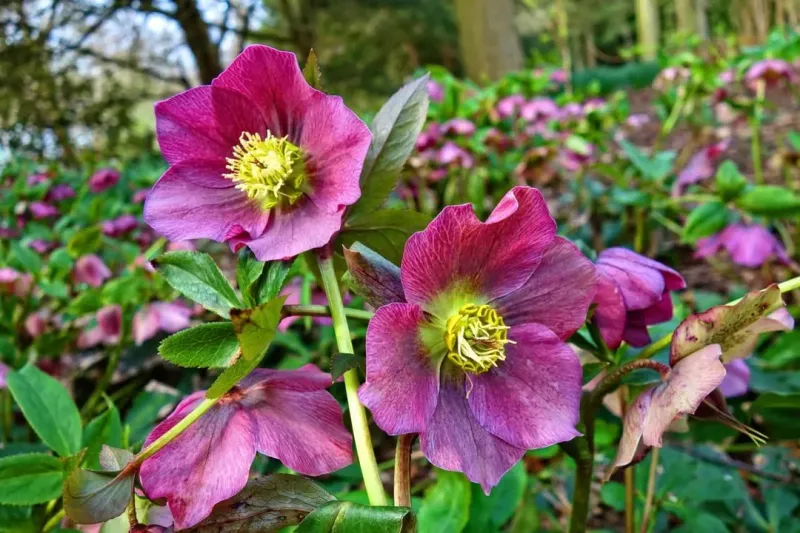
Hellebores earn their nickname as the Christmas rose for good reason. These tough perennials push up their nodding blooms when most other plants are still sleeping.
You’ll spot their flowers from late winter into early spring, bringing much-needed color to shady spots.
North Carolina’s mild winters suit hellebores perfectly. They thrive in zones 6 through 9, which covers most of the state. Plant them under trees or along north-facing walls where they’ll get protection from harsh afternoon sun.
The flowers come in gorgeous shades ranging from pure white to deep purple. Some varieties feature spotted petals or picotee edges that add extra interest. Once established, these plants need very little attention from you.
Hellebores spread slowly to form attractive clumps over time. Their leathery evergreen leaves look handsome even when flowers aren’t present. Deer typically leave them alone, which makes them even more valuable.
Add organic matter to your soil before planting for best results. Water regularly during their first season to help roots establish. After that, they’ll handle dry spells quite well and reward you with reliable blooms year after year.
2. Include Evergreen Shrubs To Maintain Year-Round Structure
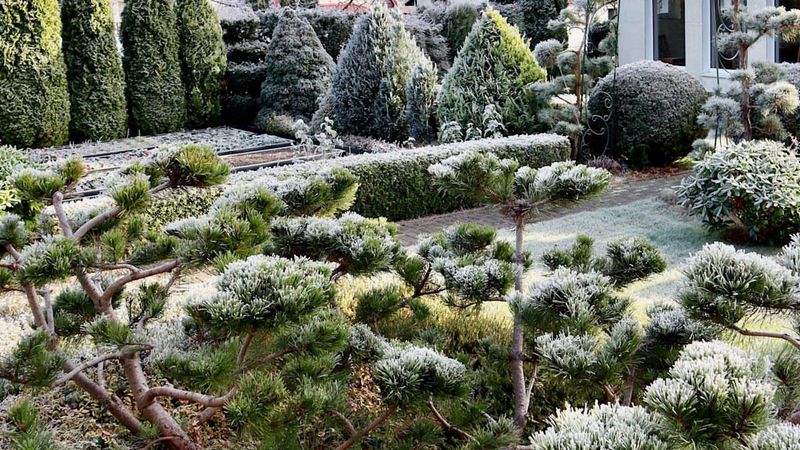
Evergreen shrubs act as the backbone of your winter landscape design. While deciduous plants lose their leaves and fade away, evergreens keep your garden looking intentional and cared for.
They provide constant visual weight that holds everything together during sparse months. Native options like American holly work beautifully in North Carolina gardens.
These plants already know how to handle local weather patterns and soil conditions. Viburnums offer glossy leaves that catch winter sunlight in appealing ways.
Mahonia brings something extra special with its architectural form. The compound leaves have a bold texture that stands out against simpler foliage. Some varieties produce fragrant yellow flowers in late winter as a bonus.
Arrange evergreens at different heights to create depth and dimension. Taller specimens can anchor corners or frame entryways with authority. Lower-growing types work well along pathways or as foundation plantings.
These shrubs need minimal pruning to look their best throughout winter. Their dense foliage also provides shelter for birds seeking refuge from cold winds. You’ll appreciate how they make your garden feel complete even when temperatures drop below freezing.
Your North Carolina Garden Changes Every Week. Your Plan Should Too.
Gardening in North Carolina changes quickly throughout the season. Every Friday you’ll receive a simple weekly plan showing exactly what to plant, prune, fertilize, harvest, and protect so you never miss the right timing.
3. Add Ornamental Grasses For Texture And Movement
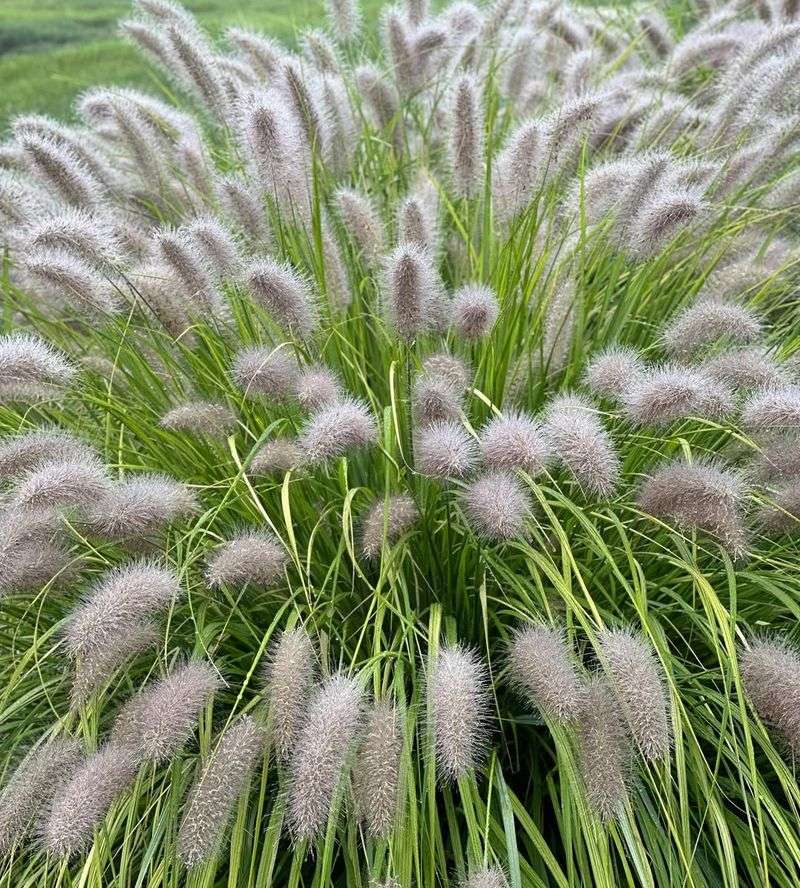
Ornamental grasses transform into living sculptures when winter arrives. Their dried seed heads and tan foliage catch light in ways that green plants simply cannot match. Every breeze sets them dancing, adding motion and life to otherwise still gardens.
Miscanthus varieties tower above other plants with their graceful arching form. The plumes turn silvery as they age, creating a soft glow against blue winter skies. Switchgrass takes on warm copper and burgundy tones that intensify as temperatures drop.
Sedges stay semi-evergreen in North Carolina’s milder zones. Their fountain-like growth habit softens hard edges around patios and walkways. These grasses require almost no maintenance once you get them established in your beds.
Leave the foliage standing all winter instead of cutting it back. The dried blades provide important habitat for beneficial insects. They also trap snow and frost in beautiful patterns that create natural garden art.
Morning light makes the seed heads practically glow with backlighting. Pair grasses with dark evergreens for maximum contrast and visual impact. You’ll find yourself watching them sway even on the coldest days when you’d rather stay inside.
4. Plant Winter-Blooming Camellias For Stunning Flowers
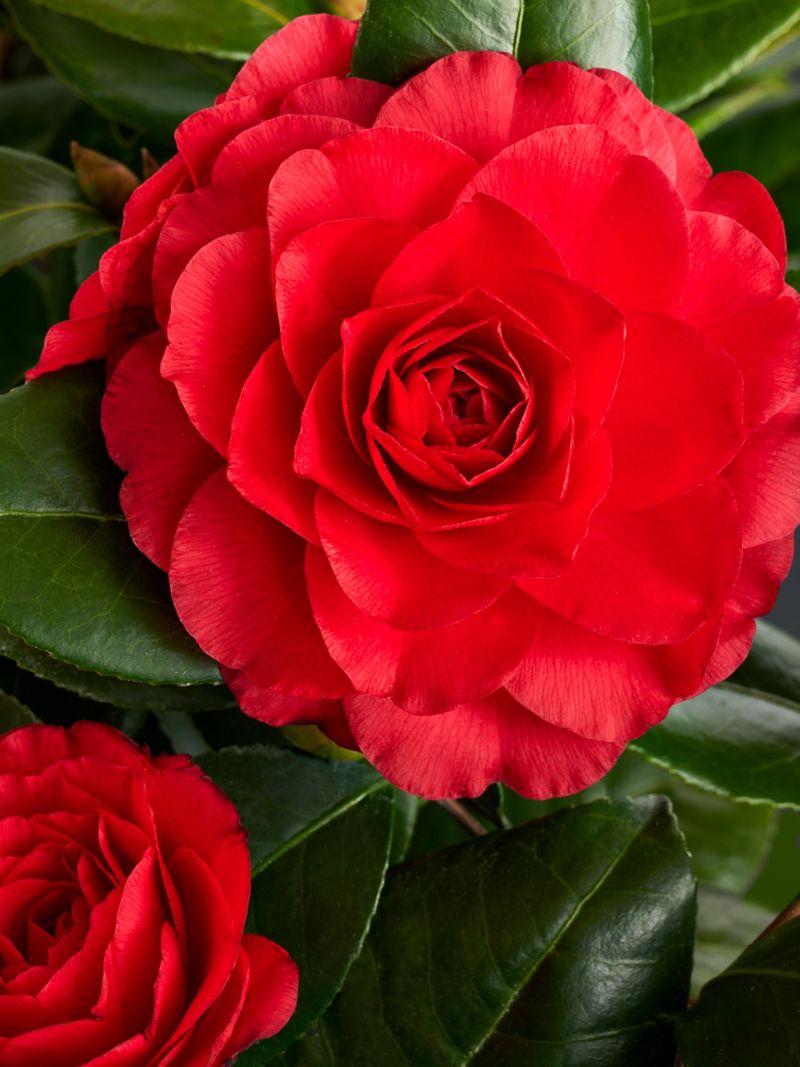
Camellias defy winter with an impressive display of flowers that seem impossible. These evergreen shrubs produce blooms from late fall straight through winter when color is most precious. The flowers range from simple singles to elaborate doubles that rival roses.
Camellia sasanqua handles North Carolina winters better than its spring-blooming cousins. This species tolerates more sun and adapts to various soil types throughout the state. The glossy leaves stay attractive all year, not just during bloom time.
Colors span from pure white through every shade of pink to deep red. Some varieties feature variegated petals with stripes or specks of contrasting hues. Each flower lasts several days before dropping cleanly without turning brown first.
Plant camellias where they’ll get morning sun and afternoon shade for best performance. They prefer acidic soil, so add sulfur if your pH runs too high. Mulch around the base to keep roots cool and maintain consistent moisture levels.
These shrubs grow slowly but eventually reach impressive sizes over many years. Prune lightly after flowering ends to maintain shape and encourage branching. Your patience will be rewarded with increasing flower production as plants mature and settle in.
5. Use Winter Containers With Seasonal Foliage For Instant Impact
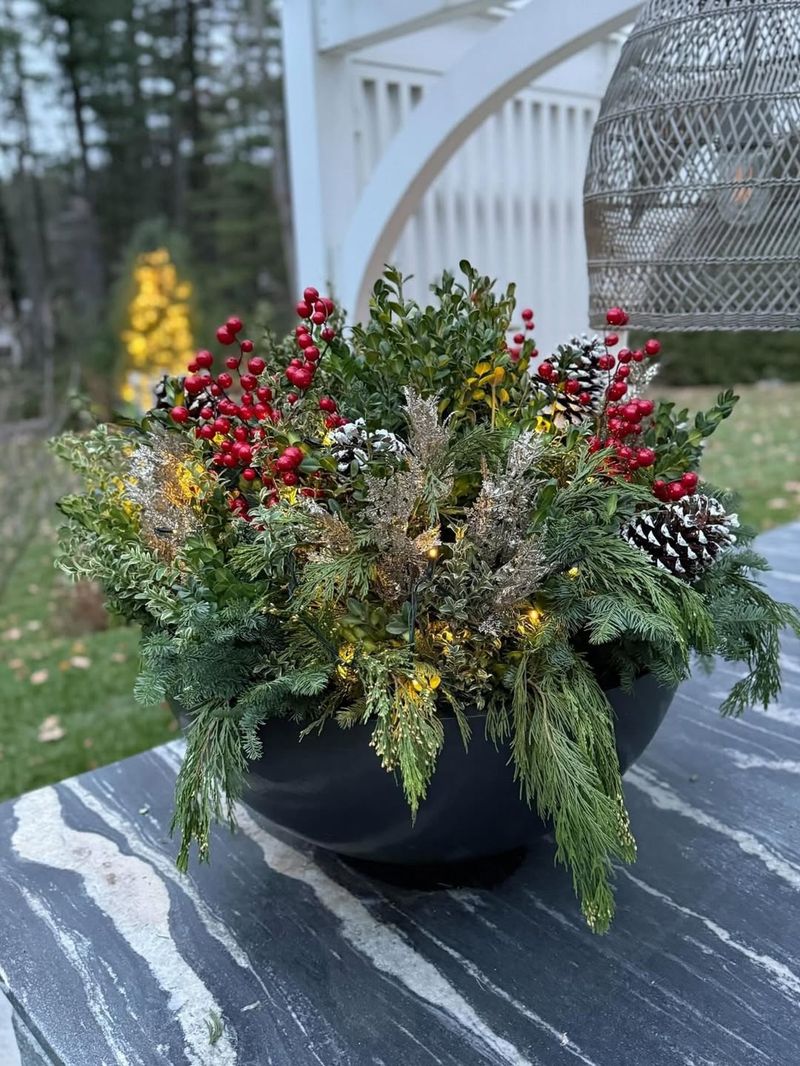
Container gardens let you bring color exactly where you want it most. Fill pots with evergreen combinations that look fresh throughout the coldest months. Place them flanking doorways, on steps, or anywhere that needs a visual boost right away.
Boxwoods form the classic foundation for winter containers in North Carolina. Their dense foliage stays bright green regardless of temperature drops. Add small conifers for height variation and different textures that create more interest.
Mix in trailing plants like ivy to soften container edges and add movement. Variegated varieties bring light-colored foliage that brightens shady spots near entries. Consider adding berry-producing plants for pops of red or orange color.
Choose frost-resistant containers that won’t crack when temperatures fluctuate wildly. Glazed ceramic and quality resin pots work better than terracotta in winter conditions. Make sure drainage holes remain open so roots don’t sit in frozen water.
Group containers in odd numbers for the most pleasing visual arrangements. Vary heights by using pot feet or stands beneath some containers. Refresh the look by tucking in cut branches or adding seasonal decorations as holidays approach throughout winter months.
6. Include Red Or Yellow Berry-Producing Shrubs For Color Pops
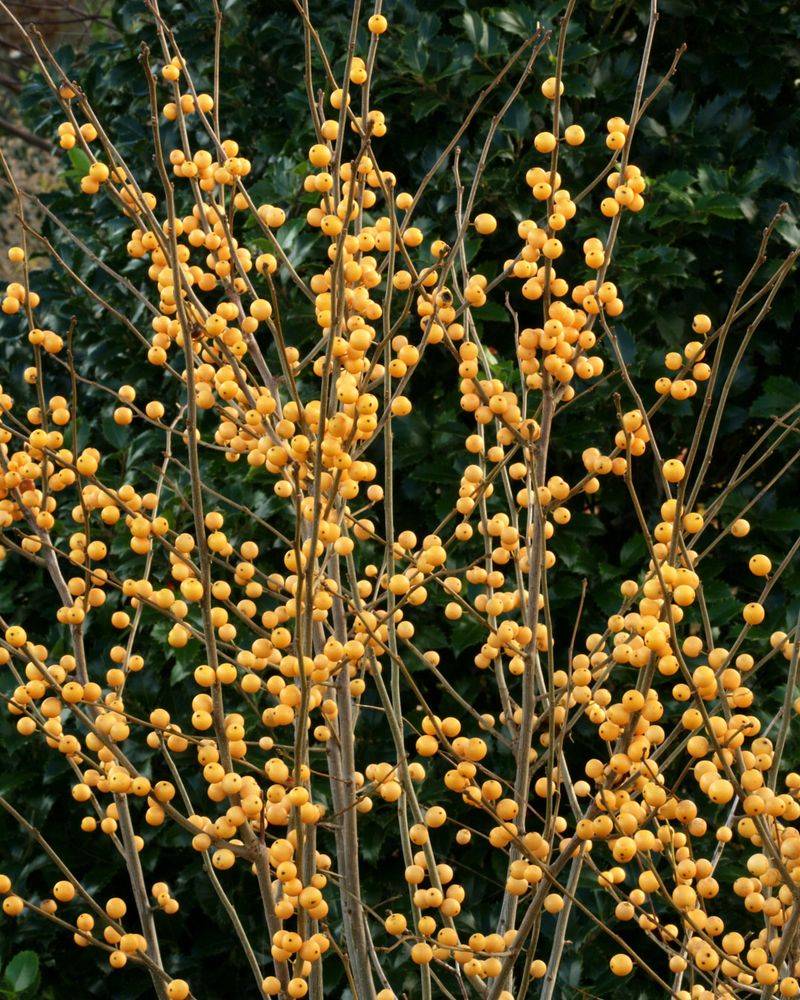
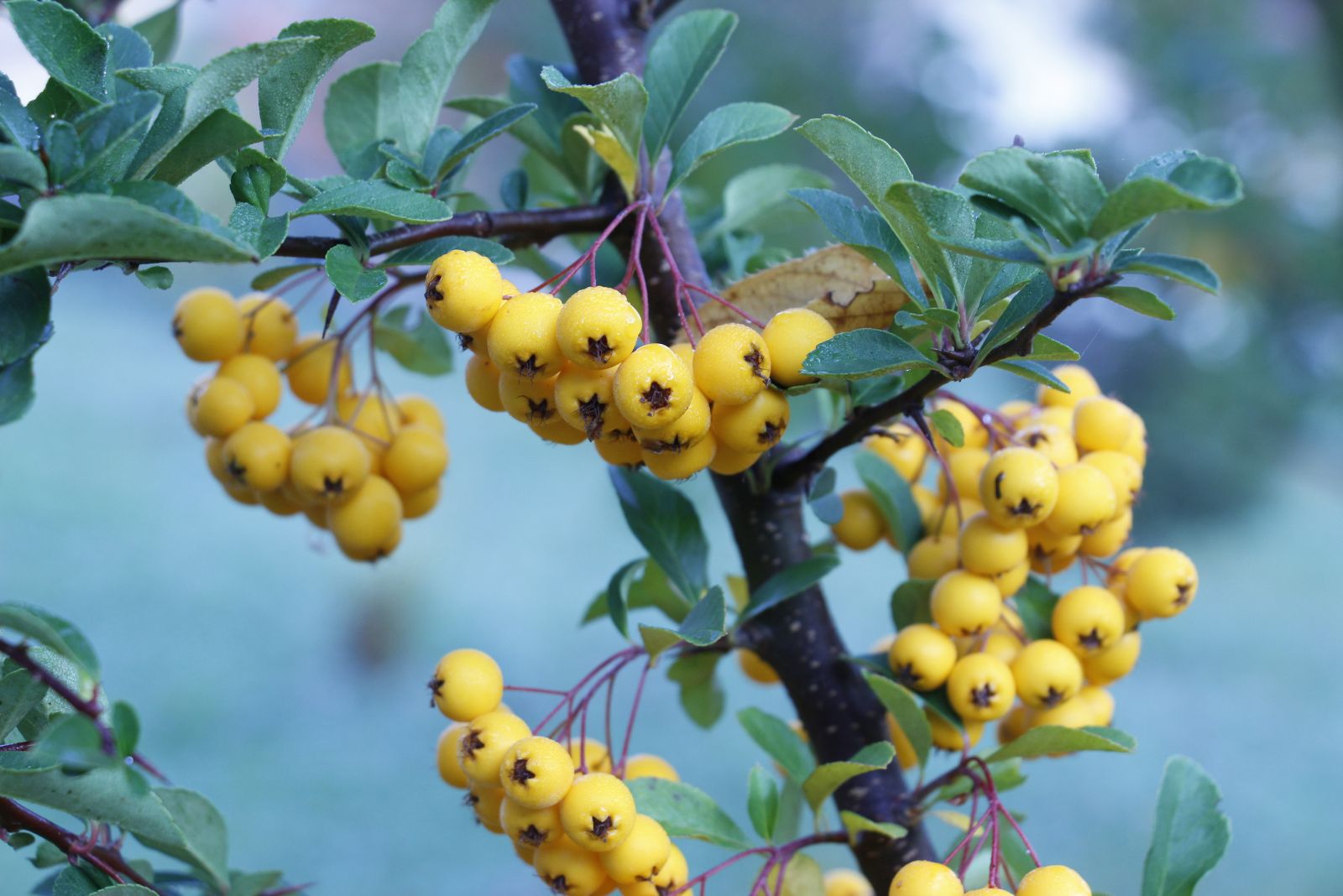
Berry-laden shrubs steal the show when winter strips away competing colors. Bright red or golden berries stand out dramatically against brown landscapes and gray skies. These fruits persist for weeks, providing reliable color through the dreariest part of the season.
Winterberry holly loses its leaves but keeps its brilliant red berries. The bare branches showcase the fruits even more effectively than evergreen types would. Plant both male and female specimens to ensure good berry production each year.
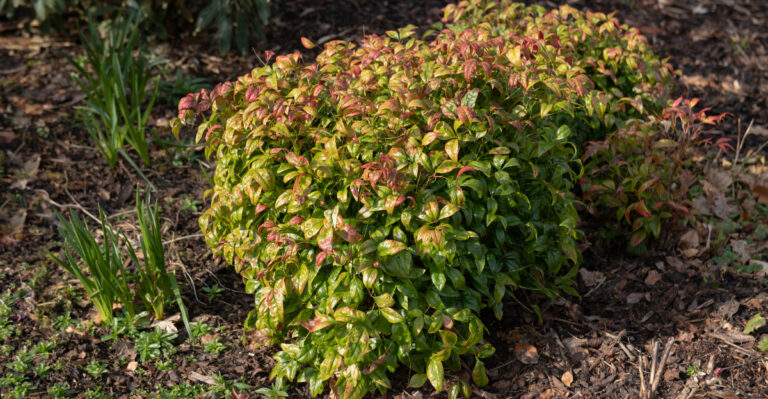
Nandina offers clusters of red berries along with foliage that turns burgundy in cold weather.
This adaptable shrub handles various light conditions across North Carolina gardens. The compound leaves add fine texture that contrasts nicely with bolder plants nearby.
Birds appreciate berry-producing shrubs as much as gardeners do. You’ll notice increased wildlife activity around these plants throughout winter months. Cardinals and mockingbirds visit regularly, adding movement and life to your outdoor space.
Position berry shrubs where you’ll see them from indoor windows. Their color shows up best against neutral backgrounds like fences or evergreen hedges. Group several together for greater impact rather than scattering single plants around your property.
7. Incorporate Decorative Branches For Stunning Winter Interest
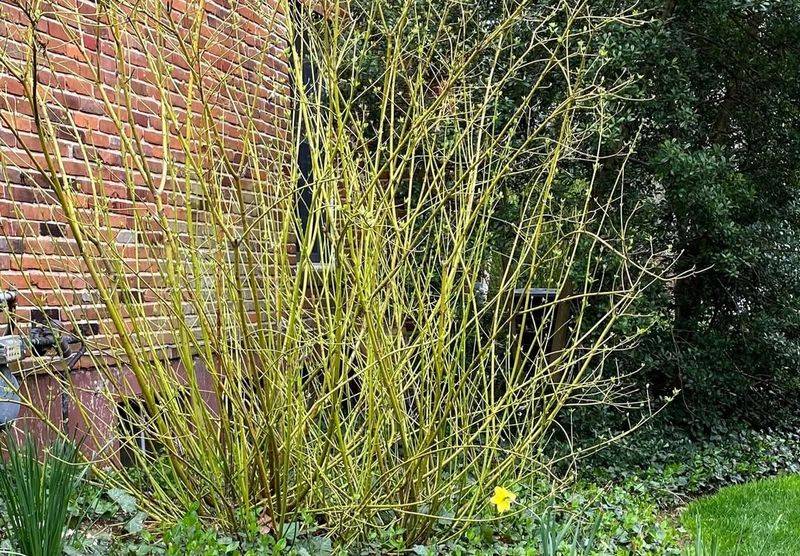
Colorful stems become garden stars once leaves disappear for the season. Plants with bright bark provide architectural interest that photographs beautifully against snow or frost. The stems seem to glow from within when backlit by low winter sun.
Red twig dogwood lives up to its name with brilliant coral stems. Young growth shows the most intense color, so prune older canes periodically. This shrub adapts to wet areas where many other plants would struggle in North Carolina.
Yellow twig dogwood offers golden stems that complement red varieties perfectly when planted together. The warm color brings sunshine to your garden even on overcast days. Both types grow quickly and tolerate hard pruning to control size.
Winterberry branches can be cut and brought indoors for arrangements that last weeks. The berries stay attached to stems, providing natural decorations for your home. Leave plenty on the plant for birds to enjoy throughout the season.
Prune colorful-stemmed shrubs in late winter before new growth begins. Remove about one-third of the oldest stems at ground level each year. This encourages fresh young growth that displays the brightest colors next winter for maximum visual impact.
8. Add Garden Art And Hardscape Accents For Visual Interest

Decorative elements become focal points when plants take their winter rest. Sculptures, birdbaths, and architectural pieces draw the eye and give your garden structure. These permanent features work year-round but shine brightest during the dormant season.
Choose materials that weather beautifully rather than deteriorate over time. Stone, metal, and quality concrete improve with age and patina development. Position substantial pieces where they’ll anchor garden beds or mark pathway intersections with authority.
Painted pots inject color exactly where you need it most during gray months. Bright blues, warm oranges, or cheerful yellows lift spirits on dreary days. Even empty containers add visual weight and interest to winter compositions.
Trellises and arbors create vertical lines that guide the eye upward. They provide structure that remains constant regardless of what plants are doing seasonally. Paint them contrasting colors to make them stand out as design features themselves.
Birdbaths serve double duty by attracting wildlife while adding sculptural beauty. Keep water fresh and unfrozen to encourage more bird visits during cold snaps.
The increased activity around these features brings your garden to life when everything else seems dormant and still.