9 Best Vegetables To Grow In Garden Beds In Michigan
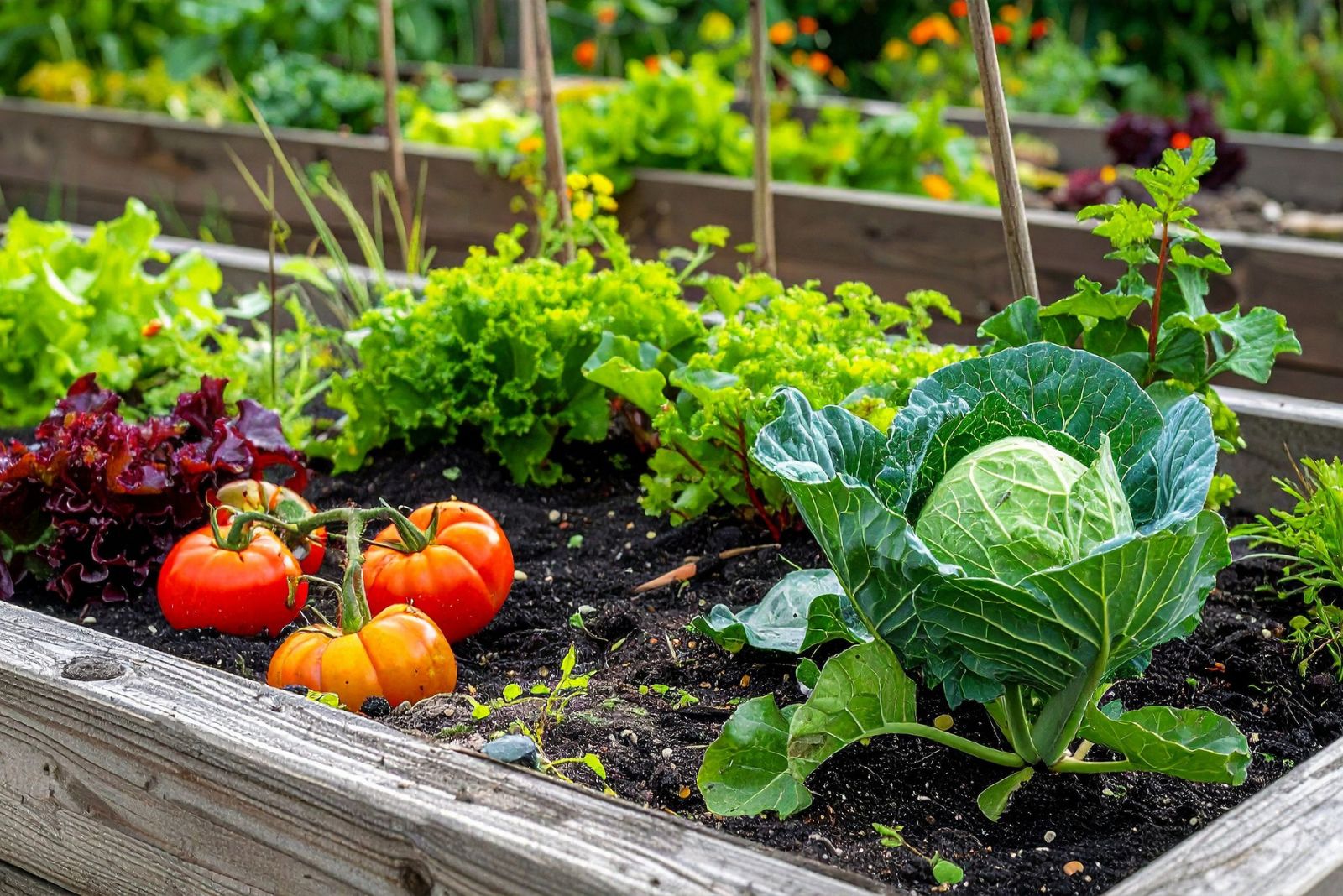
Garden beds reward smart choices. Good crops save time and boost harvests. Strong plants make gardening feel easier and more fun.
Cool nights and warm summer days shape what grows best across Michigan, so picking the right vegetables matters more than fancy tools or expensive soil mixes.
Many backyard growers in California already focus on matching crops to climate instead of forcing plants to struggle. The same mindset works beautifully in Michigan where spring can arrive slowly and summer can move fast.
Reliable vegetables handle temperature swings and stay productive longer. Easy growers reduce frustration. Steady harvests keep motivation high.
Nobody wants empty beds or weak plants halfway through the season. The right picks turn small spaces into steady food sources.
Curious which vegetables thrive in Michigan garden beds and which ones deliver the biggest payoff for your effort? Keep reading because your next growing season could be your strongest one yet.
1. Tomatoes (Solanum lycopersicum)
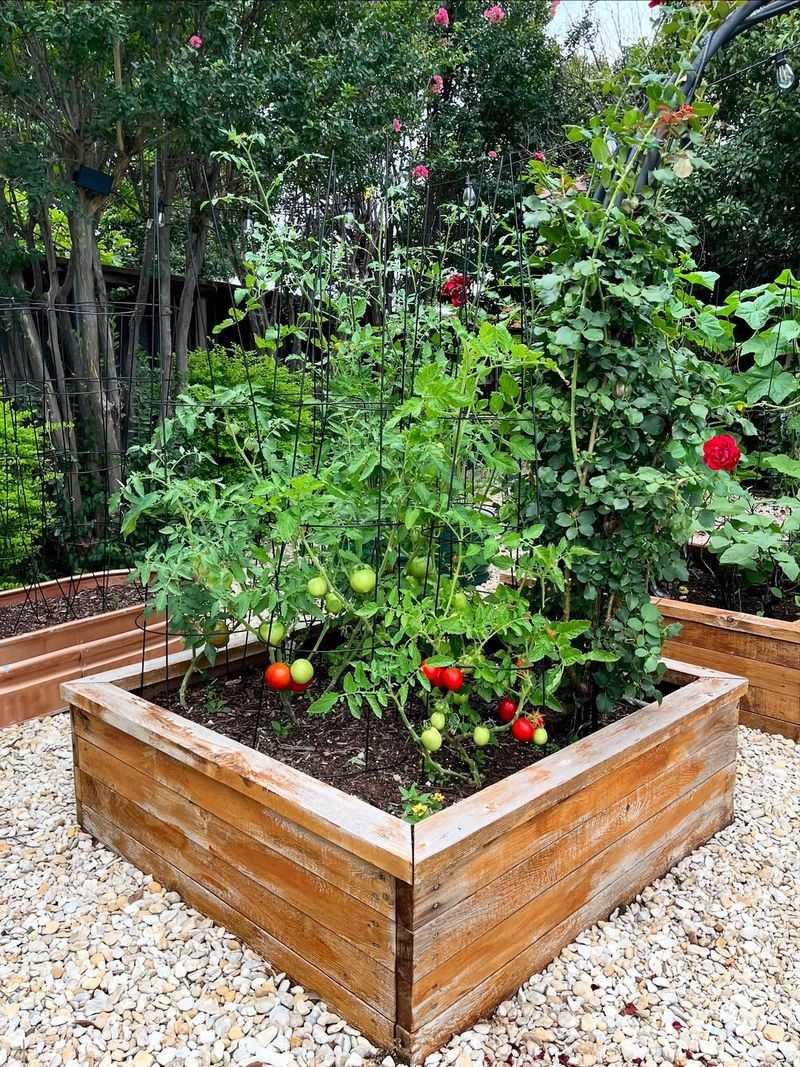
Nothing beats the flavor of homegrown tomatoes fresh from your Michigan garden. These sun-loving plants transform raised beds into productive spaces when given proper care. Success starts with selecting varieties bred for shorter growing seasons.
Early Girl and Fourth of July varieties mature quickly in Michigan’s climate. Plant seedlings after the last frost date, typically mid-May in most regions. Warm soil temperatures above 60 degrees help transplants establish strong root systems.
Garden beds with rich, well-draining soil produce the healthiest plants. Mix compost into your beds before planting for optimal nutrition. Space plants 24 inches apart to ensure good air circulation.
Consistent watering keeps fruits developing without splitting or cracking issues. Deep watering twice weekly works better than frequent shallow sessions. Mulch around plants helps retain moisture and suppress competing weeds.
Staking or caging plants prevents fruit from touching soil and rotting. Regular pruning of lower leaves improves airflow and reduces disease pressure. Michigan gardeners often harvest tomatoes from July through September with proper variety selection.
2. Zucchini (Cucurbita pepo)
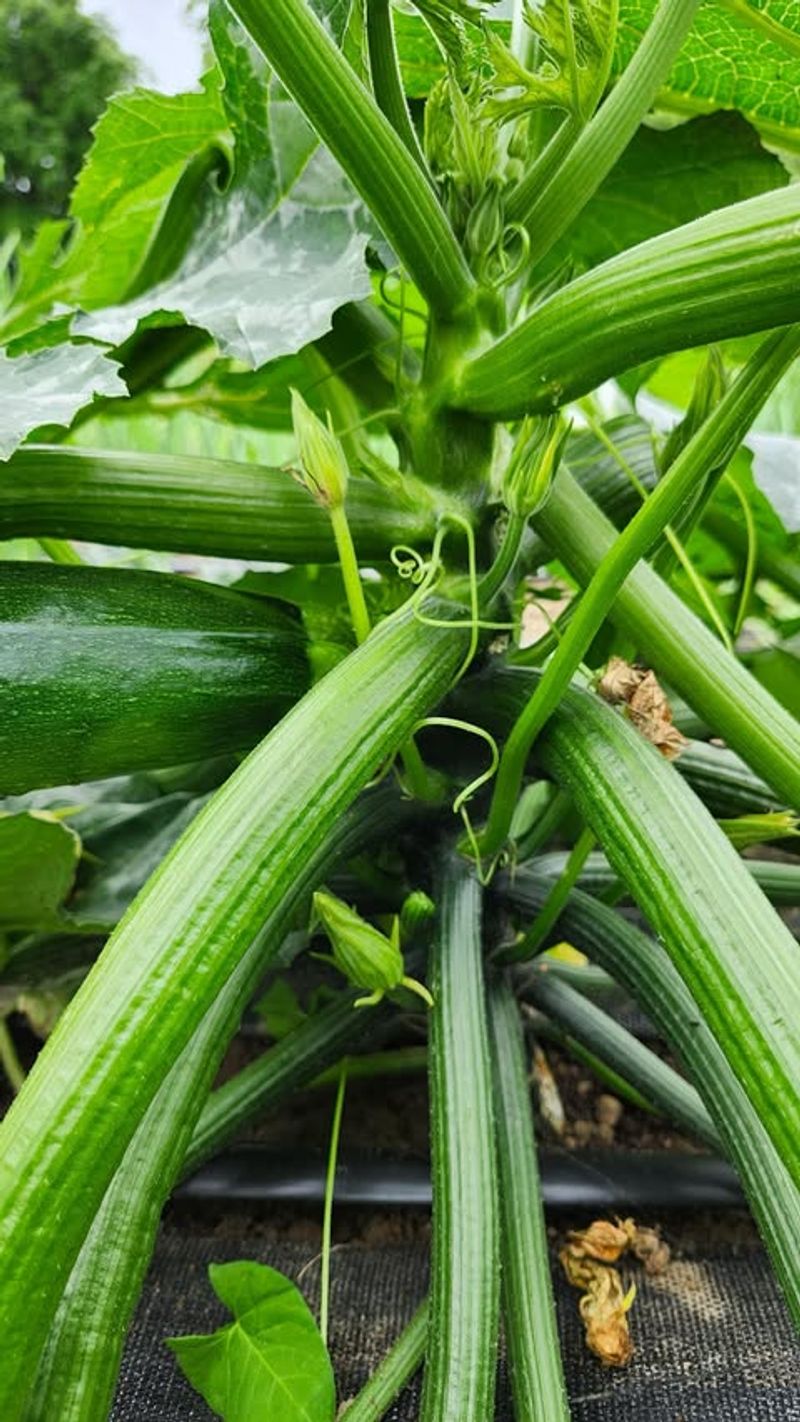
Zucchini plants earn their reputation as prolific producers in Michigan gardens. A single plant can supply an entire family with fresh summer squash. These vigorous growers thrive in warm weather and full sun exposure.
Plant seeds directly in garden beds after soil warms to 70 degrees. Space plants three feet apart to accommodate their spreading growth habit. Zucchini plants develop large leaves that shade soil and suppress weed growth naturally.
Rich soil amended with compost supports heavy fruit production throughout summer months.
Plants need consistent watering, especially during flowering and fruit development stages. Drip irrigation or soaker hoses deliver water directly to roots without wetting foliage.
Harvest zucchini when fruits reach six to eight inches long for best flavor. Larger fruits become seedy and less tender as they mature. Daily checking prevents oversized squash from hiding under broad leaves.
Powdery mildew sometimes affects leaves in humid conditions but rarely stops production. Good air circulation and morning watering help prevent fungal issues.
Black Beauty and Costata Romanesco varieties perform exceptionally well in Michigan’s climate conditions.
3. Cucumbers (Cucumis sativus)
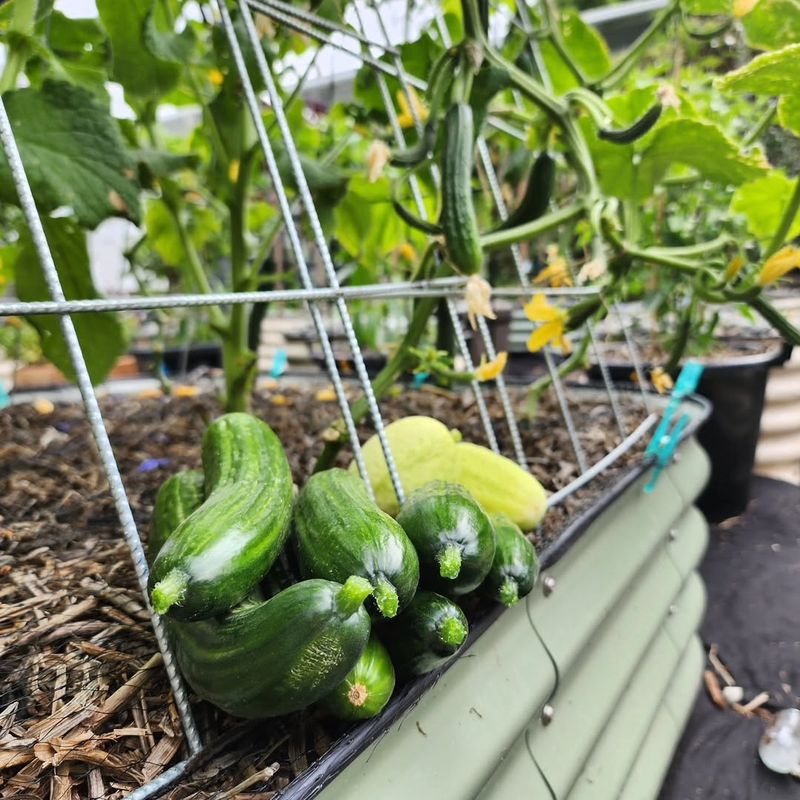
Fast-growing cucumber vines produce abundantly in Michigan’s summer warmth. These refreshing vegetables climb trellises or sprawl across garden beds with enthusiasm. Vertical growing saves space and keeps fruits clean and easy to harvest.
Your Michigan Garden Changes Every Week. Your Plan Should Too.
Gardening in Michigan changes quickly throughout the season. Every Friday you’ll receive a simple weekly plan showing exactly what to plant, prune, fertilize, harvest, and protect so you never miss the right timing.
Direct seeding works well once soil temperatures reach 70 degrees in late spring. Plant seeds one inch deep and thin seedlings to 12 inches apart. Cucumber plants need fertile soil enriched with compost for vigorous growth.
Trellising cucumbers improves air circulation and reduces fungal disease problems common in humid climates.
Straight fruits develop more easily when hanging from supports rather than resting on soil. Train young vines onto trellises as they grow for best results.
Consistent moisture keeps cucumbers producing without developing bitter flavors or misshapen fruits. Mulching around plants conserves water and maintains even soil temperatures. Check plants daily during peak production for harvest-ready cucumbers.
Bush varieties like Spacemaster work perfectly in smaller raised beds without trellises. Pickling types such as Boston Pickling mature quickly for fresh eating or preserving. Most cucumber varieties begin producing 50 to 65 days after planting.
4. Lettuce (Lactuca sativa)
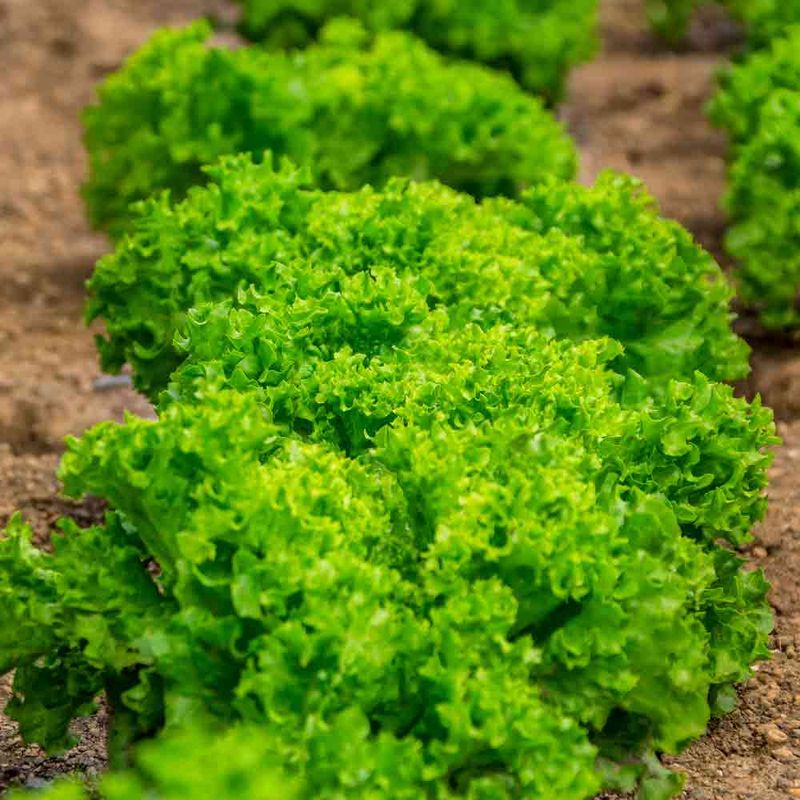
Crisp, fresh lettuce grows beautifully during Michigan’s cooler spring and fall seasons. These quick-maturing greens provide harvests within 30 to 45 days from planting. Garden beds filled with loose-leaf varieties supply salads for months with succession planting.
Start planting lettuce as soon as soil can be worked in early spring. Seeds germinate in cool soil temperatures between 40 and 65 degrees. Plant new rows every two weeks for continuous harvests throughout spring months.
Partial shade during hot summer months prevents lettuce from bolting to seed prematurely.
Afternoon shade from taller plants or shade cloth extends the growing season significantly. Lettuce planted in late summer produces excellent fall harvests as temperatures cool.
Shallow roots need consistent moisture to prevent bitter flavors from developing in leaves. Light, frequent watering works better than deep, infrequent sessions for leafy greens. Mulching helps maintain even soil moisture and moderate temperature fluctuations.
Buttercrunch and Red Sails varieties tolerate Michigan’s variable spring weather patterns exceptionally well. Harvest outer leaves continuously while plants continue producing new growth from centers. Most lettuce varieties survive light frosts in fall gardens.
5. Green Beans (Phaseolus vulgaris)
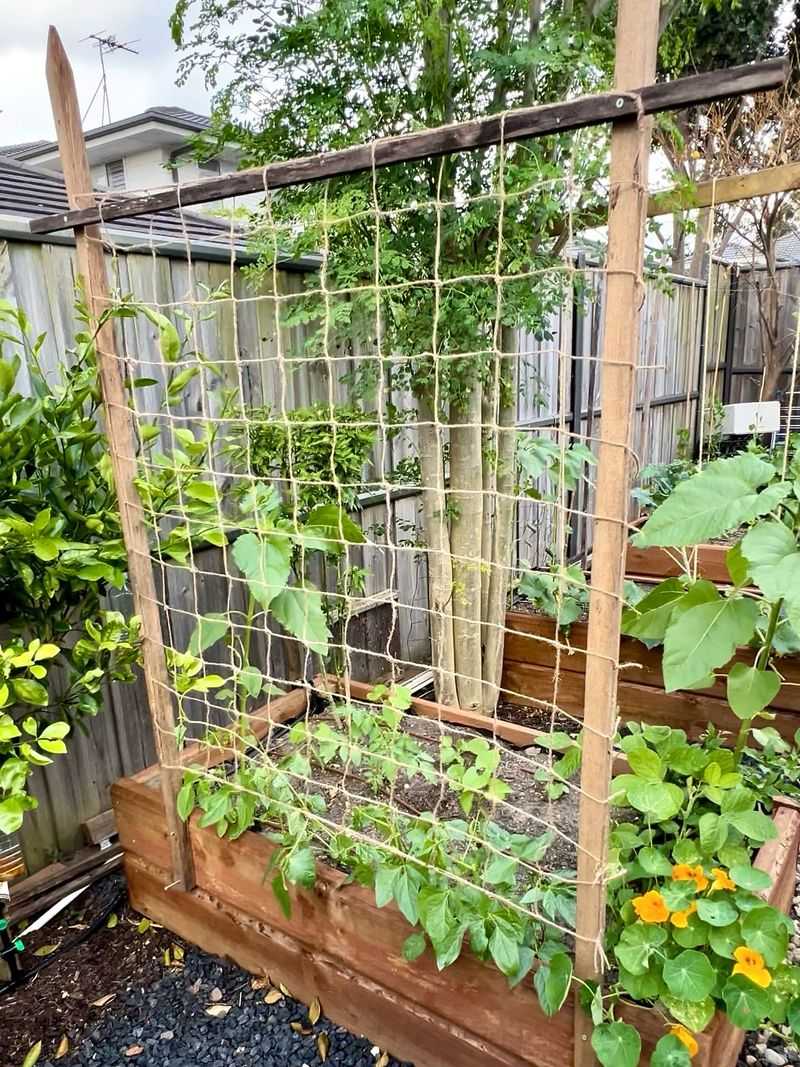
Green beans rank among the easiest vegetables for Michigan gardeners to grow successfully. Both bush and pole varieties produce tender pods throughout summer with minimal care. These nitrogen-fixing plants actually improve soil quality while growing.
Direct sowing works best for beans since they dislike transplanting and root disturbance. Plant seeds one inch deep after danger of frost passes completely. Soil temperatures above 60 degrees ensure quick germination within seven to ten days.
Bush beans mature quickly and produce concentrated harvests over two to three weeks. Pole beans climb supports and produce continuously throughout the growing season. Succession planting bush varieties every two weeks extends harvest periods significantly.
Beans need moderate water but tolerate brief dry periods better than many vegetables. Avoid overhead watering which can spread bacterial and fungal diseases among plants. Mulching conserves moisture and keeps roots cool during hot summer weather.
Provider and Contender bush varieties resist common bean diseases in Michigan gardens. Kentucky Wonder pole beans climb six feet tall and produce abundantly. Harvest pods when beans inside feel small and tender for best eating quality.
6. Bell Peppers (Capsicum annuum)
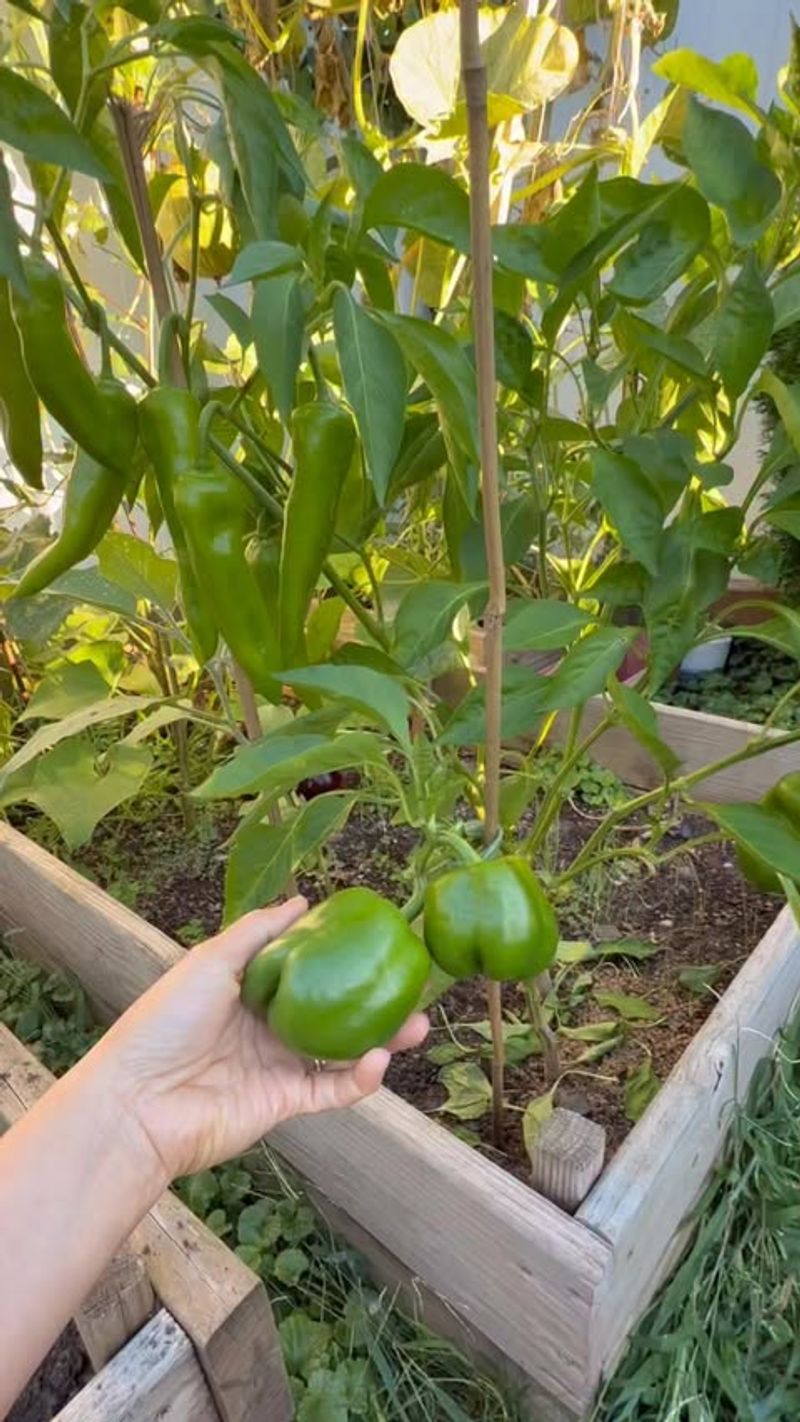
Bell peppers bring vibrant colors and crisp texture to Michigan gardens. These warm-season vegetables need patience but reward growers with sweet, crunchy harvests. Raised beds offer significant advantages for pepper cultivation in northern climates.
Elevated soil in raised beds warms faster than ground-level plots each spring. This temperature boost helps peppers establish quickly after transplanting. Wait until nighttime temperatures consistently stay above 55 degrees before planting outdoors.
Full sun exposure for six to eight hours daily maximizes fruit production. Peppers prefer slightly acidic soil with pH between 6.0 and 6.8. Adding aged compost provides essential nutrients throughout the growing season.
Black plastic mulch around plants absorbs heat and warms root zones effectively. Water deeply when the top inch of soil feels dry to touch. Inconsistent watering can lead to blossom end rot on developing fruits.
California Wonder and King of the North varieties perform exceptionally in Michigan conditions. Harvest begins in mid-summer and continues until first frost arrives. Green peppers left on plants longer develop sweeter flavors and change colors.
7. Kale (Brassica oleracea var. sabellica)
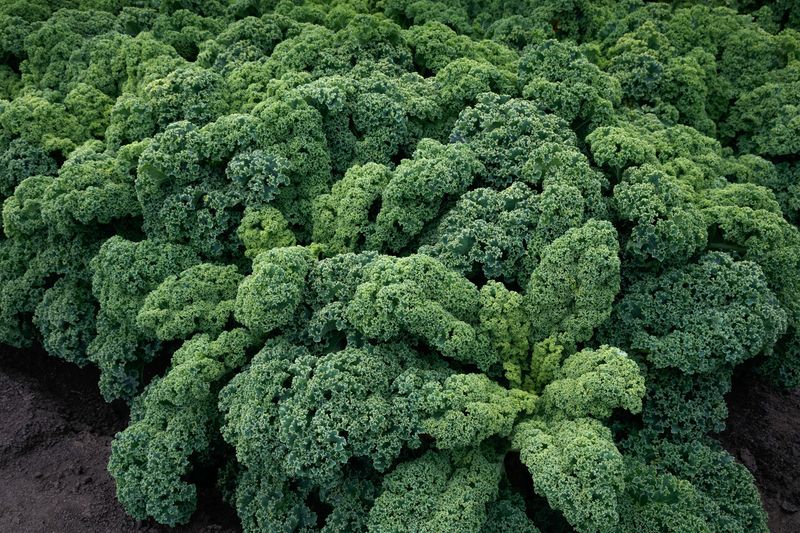
Hardy kale plants thrive in Michigan’s cooler temperatures and actually taste sweeter after frost.
These nutritious greens provide harvests from spring through late fall in most regions. Garden beds planted with kale offer fresh greens when other vegetables finish producing.
Plant kale seeds or transplants in early spring for summer harvests. Seeds germinate quickly in cool soil and tolerate light frosts without damage. Fall plantings in August produce the sweetest, most tender leaves for autumn harvests.
Full sun promotes compact growth and intense leaf colors in spring plantings. Afternoon shade helps prevent stress during occasional hot summer days in Michigan. Kale grows vigorously in fertile soil enriched with compost or aged manure.
Consistent moisture keeps leaves tender and prevents toughness from developing in older growth. Mulching around plants conserves water and moderates soil temperature fluctuations throughout seasons.
Remove yellowing lower leaves regularly to encourage continued production from growing tips.
Winterbor and Lacinato varieties handle Michigan winters surprisingly well with simple protection methods.
Harvest outer leaves continuously while allowing centers to keep producing new growth. Many gardeners harvest kale well into December in protected garden beds.
8. Carrots (Daucus carota subsp. sativus)
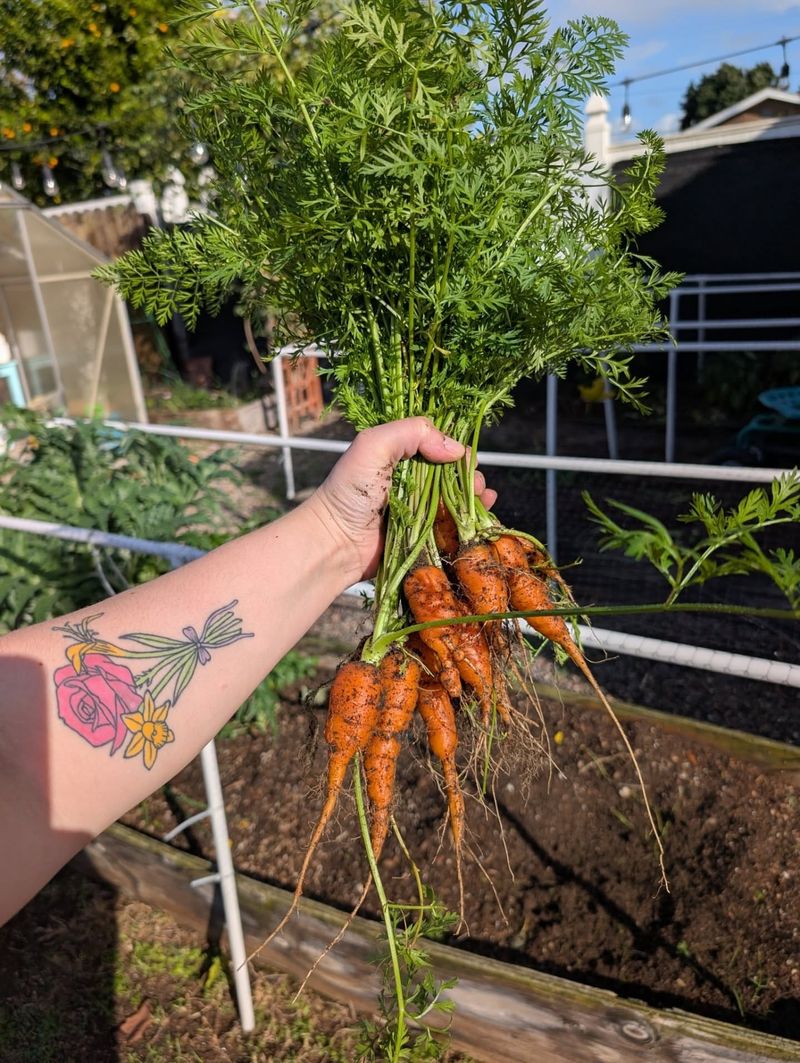
Sweet, crunchy carrots reward patient Michigan gardeners with delicious harvests from loose, well-prepared soil.
These root vegetables develop best in cooler temperatures found during spring and fall. Garden beds with deep, sandy soil produce the straightest, most uniform roots.
Remove rocks and break up clay clumps before planting carrot seeds for best results. Hard obstacles cause roots to fork or twist as they grow downward. Mix sand or compost into heavy soils to improve texture and drainage.
Direct sow tiny carrot seeds in shallow furrows from early spring through midsummer. Keep soil consistently moist until seedlings emerge after two to three weeks. Thin seedlings to two inches apart when plants reach three inches tall.
Carrots taste sweeter after exposure to light frost in fall gardens. Cool soil temperatures convert starches to sugars in developing roots naturally. Mulching protects roots from early freezes and extends harvest periods significantly.
Nantes and Danvers varieties produce reliably in Michigan’s variable soil conditions and climate. Harvest carrots when roots reach desired size, typically 60 to 80 days after planting. Fall-planted carrots often store right in garden beds under heavy mulch layers.
9. Beets (Beta vulgaris)
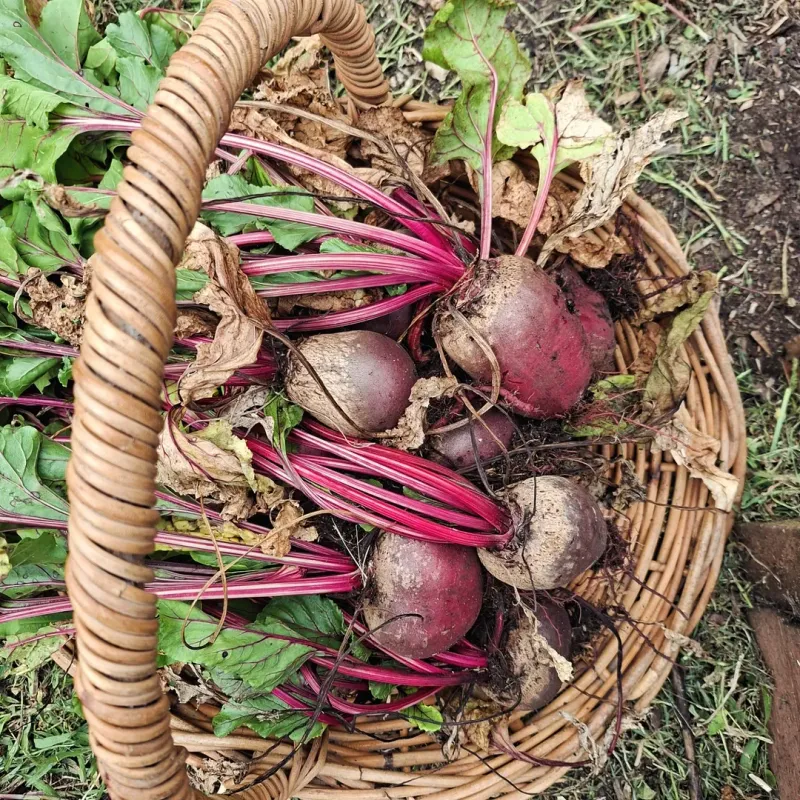
Versatile beets offer two harvests from one planting since both roots and greens taste delicious.
These cold-hardy vegetables tolerate Michigan’s unpredictable spring weather better than most crops. Garden beds planted with beets provide nutritious produce from early summer through fall.
Plant beet seeds directly in garden beds as soon as soil can be worked. Seeds actually contain multiple embryos, so expect several seedlings from each seed planted. Thin clusters to three inches apart when seedlings reach two inches tall.
Beets prefer full sun but tolerate partial shade in warmer summer months. Fertile, well-draining soil with pH between 6.0 and 7.0 produces the best roots. Adding compost before planting provides nutrients throughout the growing season without additional fertilizing.
Consistent moisture prevents tough, woody texture from developing in maturing roots. Mulching helps maintain even soil moisture and prevents surface crusting after watering. Harvest greens when young and tender for fresh salads or cooking preparations.
Detroit Dark Red and Golden beets grow reliably in Michigan garden conditions. Pull roots when they reach two to three inches in diameter for optimal tenderness. Succession planting every three weeks extends beet harvests from June through October.