Simple Balcony Gardening Ideas For Small Arizona Spaces
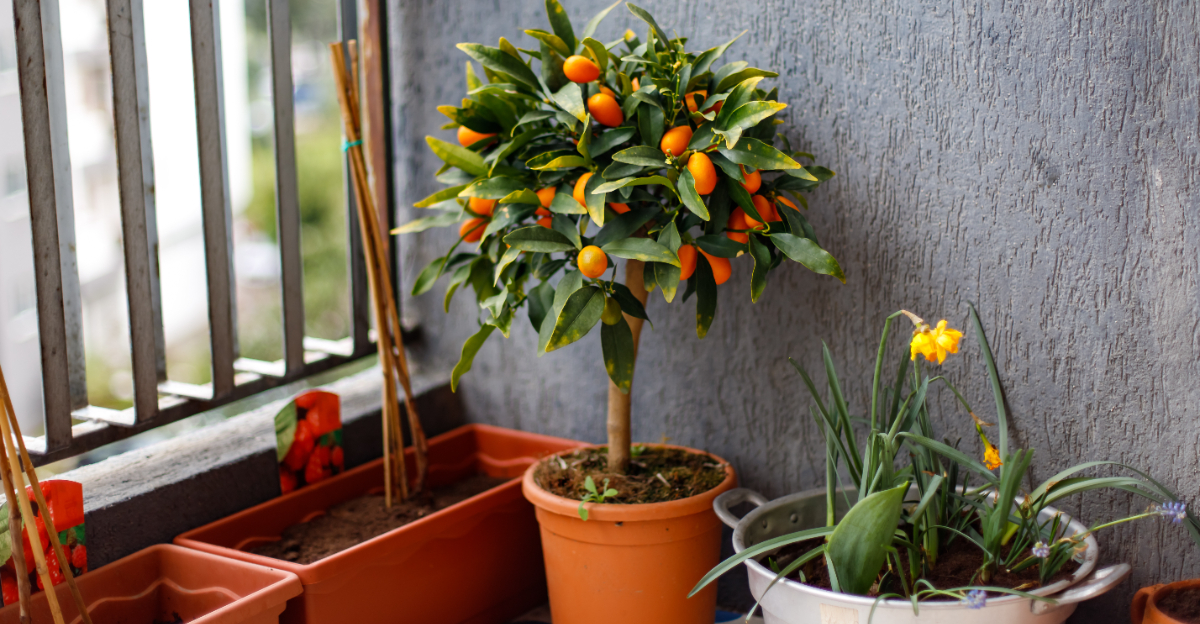
Balconies in Arizona can feel tricky to garden, especially when space is limited and conditions change fast. Still, even small outdoor areas can support healthy plants with the right approach.
Sun exposure, heat reflection, and airflow matter more on a balcony than in a yard. Containers dry out faster, and plants feel temperature swings more quickly, which is why simple choices make a big difference.
Instead of trying to squeeze in everything, focusing on a few smart ideas helps plants stay balanced and manageable. Balcony gardening isn’t about turning a small space into a full garden.
It’s about working with what you have and choosing methods that actually fit Arizona’s climate.
When done right, even compact balconies can stay productive, attractive, and far easier to care for throughout the season.
1. Turn One Wall Into A Vertical Herb Garden
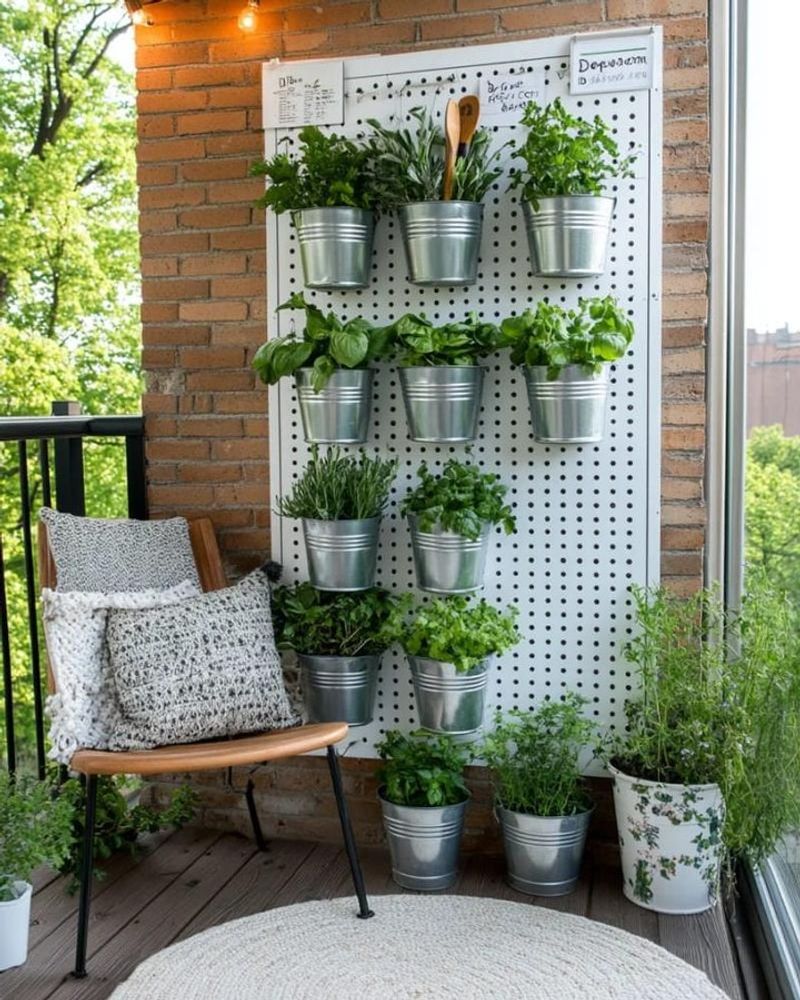
Wall space often goes unused on balconies, but it offers prime real estate for growing herbs in Arizona’s climate. Vertical planters let you stack multiple herb varieties without taking up precious floor area.
Basil, oregano, and cilantro grow exceptionally well when mounted against a wall that gets morning sun and afternoon shade. Installing a vertical system takes less than an hour with basic tools.
You can choose fabric pocket planters, stacked box systems, or simple rail-mounted containers that hang securely. The key is positioning your herbs where they receive four to six hours of sunlight daily while avoiding the harshest midday rays that can scorch delicate leaves.
Arizona gardeners benefit from vertical arrangements because hot air rises, keeping plants slightly cooler than ground-level pots.
Water drains naturally from top to bottom, which means you can water the highest tier and let moisture filter down through the system.
This setup works beautifully in Phoenix apartments where balcony floors heat up quickly during summer months. Maintenance stays minimal when you group herbs with similar water needs together.
Rosemary and thyme prefer drier conditions and should occupy the top rows, while basil and parsley need more moisture and do better in lower pockets. Trimming herbs regularly encourages bushier growth and gives you fresh ingredients for cooking throughout the year in Tucson’s mild winters.
2. Create A Shaded Seating Corner With Tall Potted Plants
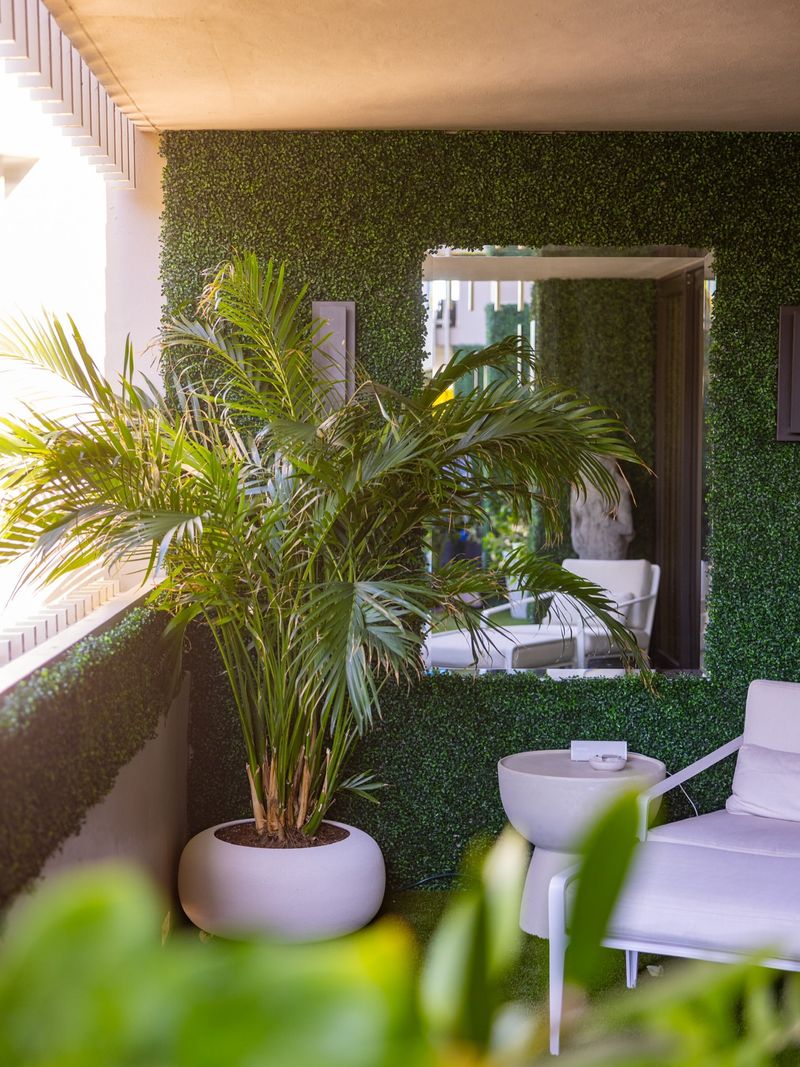
Tall plants in large pots transform empty balcony corners into comfortable retreats from Arizona’s relentless sunshine. Bamboo varieties and bird of paradise grow quickly in containers and provide natural screening from both sun and neighbors.
Positioning these plants strategically creates microclimates where temperatures drop several degrees compared to exposed areas. Selecting the right container size matters more in desert conditions than in cooler climates.
Plants in Arizona need pots at least 18 inches deep to keep roots insulated from extreme heat.
Terracotta breathes better than plastic but dries out faster, so glazed ceramic offers a good middle ground for busy gardeners in Scottsdale who can’t water twice daily.
Your seating area becomes usable even during hot months when tall plants block direct sunlight. Clumping bamboo stays contained and won’t spread aggressively like running varieties.
Your Arizona Garden Changes Every Week. Your Plan Should Too.
Gardening in Arizona changes quickly throughout the season. Every Friday you’ll receive a simple weekly plan showing exactly what to plant, prune, fertilize, harvest, and protect so you never miss the right timing.
Bird of paradise adds tropical flair with large paddle-shaped leaves that cast wide shadows perfect for reading or morning coffee. Arranging three to five tall pots in an L-shape around your chair creates an enclosed feeling without building permanent structures.
This flexibility lets you rearrange plants as seasons change or as they grow larger.
Adding a small side table between pots completes your private garden nook where you can escape indoors without leaving your Phoenix apartment.
3. Use Rail Planters For Flowers Or Trailing Greens
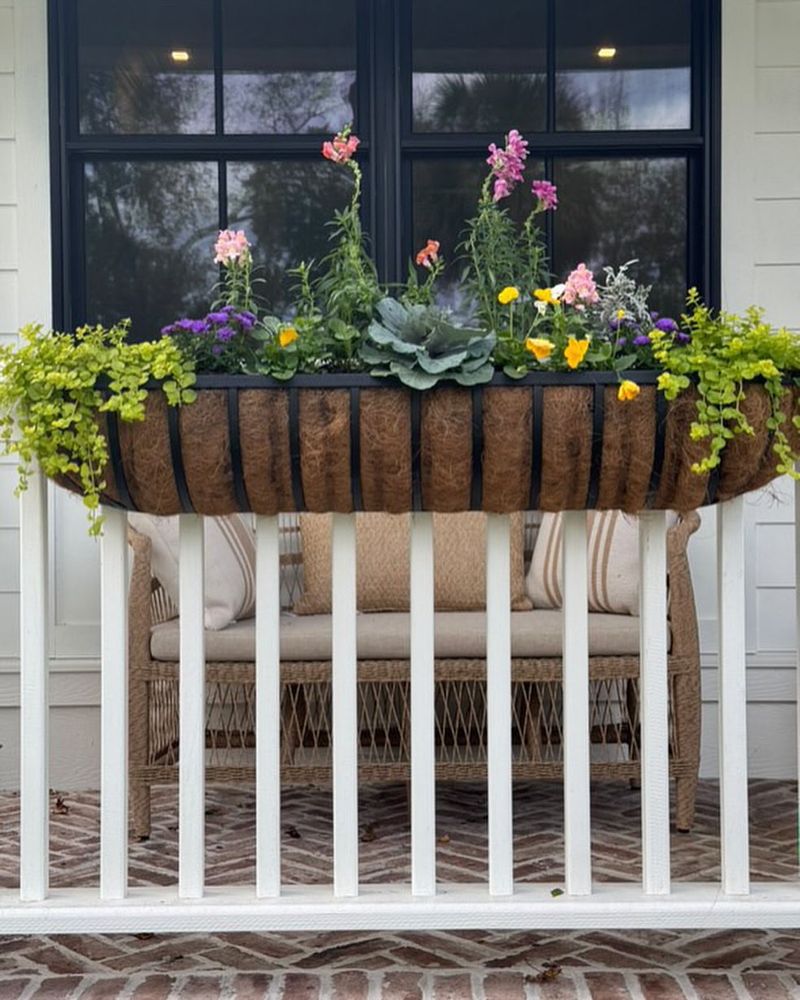
Balcony railings offer untapped growing space that doesn’t compete with floor area needed for furniture or walking.
Rail planters hook securely over most standard railing styles and hold enough soil for flowers and trailing plants to flourish.
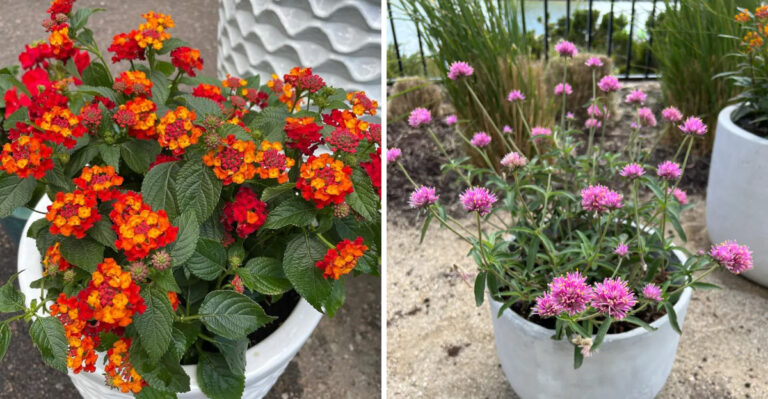
Petunias, million bells, and trailing succulents all handle Arizona heat when positioned correctly along your railing. Attachment systems vary from simple hook-over designs to adjustable brackets that accommodate different railing widths.
Most planters include drainage holes, but adding a layer of gravel at the bottom prevents roots from sitting in water during Tucson’s occasional summer monsoons. Securing planters with zip ties provides extra stability during strong desert winds that can knock loose containers to the ground below.
Flowering plants bring color right to eye level where you notice them most. Vinca and purslane bloom continuously through Phoenix summers with minimal deadheading.
Trailing varieties create a waterfall effect that softens hard railing lines and makes small balconies feel more like garden spaces than concrete platforms.
Watering rail planters requires attention because they dry out faster than ground-level pots.
Morning watering works best in Arizona, giving plants moisture before temperatures climb. Mixing water-retaining crystals into your potting soil reduces watering frequency by holding extra moisture that roots can access during hot afternoons when you’re away from home.
4. Group Pots Of Different Heights To Add Depth
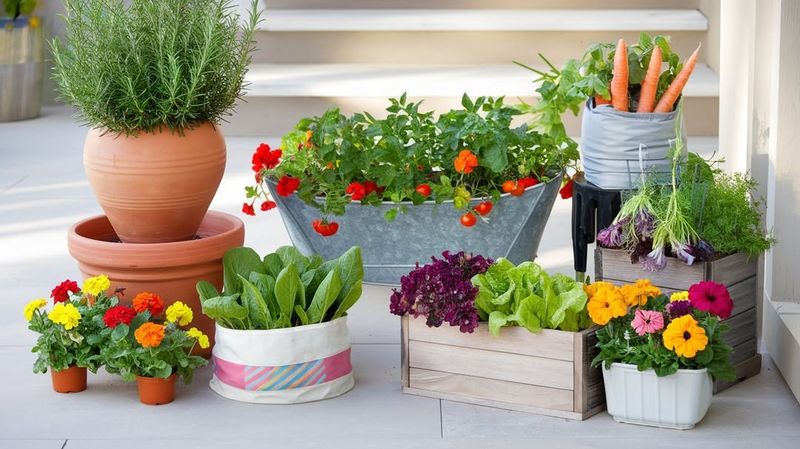
Clustering containers at varying heights creates visual interest that makes small spaces appear larger and more designed.
Mixing tall, medium, and low pots together draws the eye upward and outward rather than focusing on limited square footage.
This layering technique works particularly well on Arizona balconies where the strong sunlight creates dramatic shadows that emphasize different plant levels throughout the day. Starting with one large statement pot as your anchor piece gives structure to your arrangement.
Add medium-sized containers around it, then fill gaps with smaller pots that can tuck into corners or sit on plant stands.
Varying pot materials and colors adds personality while keeping the overall look cohesive when you stick to a simple color palette.
Elevating some containers on upturned pots, concrete blocks, or wooden crates creates instant height variation without buying expensive tiered planters. This approach also improves air circulation around plants, which helps prevent fungal issues during Scottsdale’s humid monsoon season.
Placing your tallest pots at the back and shortest at the front creates depth even in narrow balcony spaces. Grouping plants with similar water needs in each cluster simplifies maintenance considerably.
Succulents and cacti can share one corner while herbs and flowers occupy another section. This organization prevents overwatering drought-tolerant plants or underwatering thirsty varieties, which commonly happens when everything sits scattered across your Phoenix balcony in no particular pattern.
5. Set Up A Small Raised Trough Along The Balcony Edge
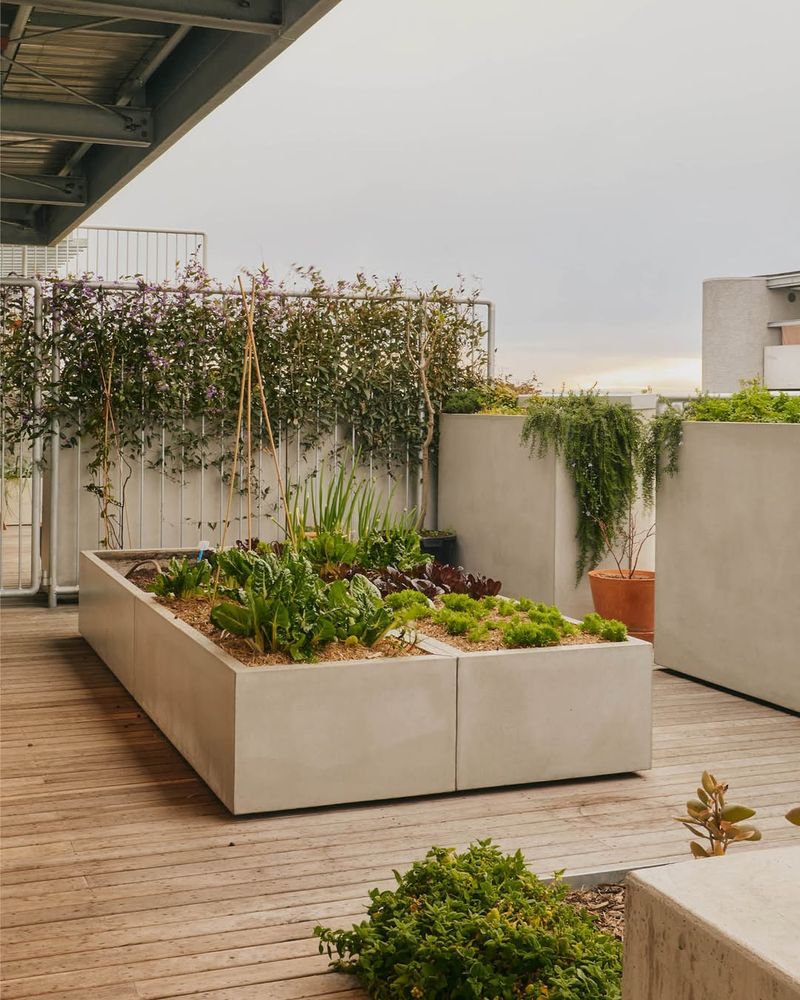
Long narrow planters positioned along your balcony perimeter maximize growing space without blocking walkways or seating areas. These troughs work exceptionally well for growing salad greens, herbs, or small vegetables that Arizona gardeners can harvest throughout the cooler months.
Galvanized metal troughs handle desert conditions better than wood, which can warp and crack under intense UV exposure. Depth matters less for these planters than for standalone pots because the extended length allows roots to spread horizontally.
A trough just 8 inches deep supports lettuce, spinach, and radishes perfectly well. Drilling adequate drainage holes every 6 inches prevents water from pooling at one end, which can cause root problems even in Arizona’s dry climate.
Positioning your trough gets easier when you choose lightweight materials or models with built-in wheels. Moving the planter into shade during peak summer heat protects cool-season crops from bolting too quickly.
Tucson gardeners often shift troughs to follow seasonal sun patterns, keeping plants in brighter spots during winter and shadier locations come June.
Filling a long trough requires more soil than individual pots, but this volume actually benefits plants by maintaining more consistent moisture levels.
Mixing compost into your potting mix before filling the trough gives plants nutrition for several months.
Adding a layer of mulch on top reduces evaporation significantly, which means less frequent watering in Phoenix’s dry air where moisture disappears quickly from exposed soil surfaces.
6. Mix Trailing Plants With Upright Ones For Contrast
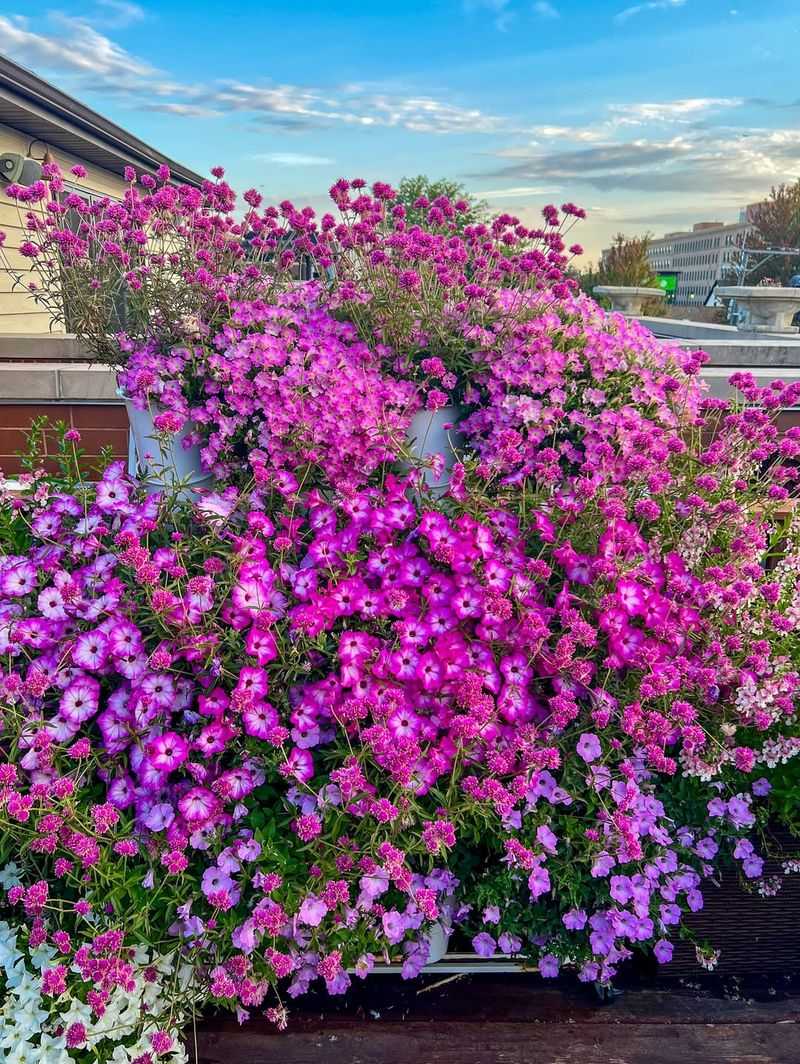
Combining growth habits in single containers creates professional-looking arrangements that feel intentional rather than random. Pairing upright plants with trailing varieties in one pot adds dimension and makes each container work harder in your limited space.
Ornamental grasses or upright succulents provide vertical interest while trailing petunias or string of pearls soften pot edges with cascading foliage.
Choosing plants with compatible water and light needs ensures both varieties thrive together without one overwhelming the other.
Upright rosemary pairs beautifully with trailing thyme, both preferring Arizona’s dry conditions and full sun. For shadier spots, upright coleus combines well with trailing sweet potato vine, creating colorful combinations that stay vibrant through Scottsdale’s long growing season.
Planting technique affects how well mixed containers perform over time. Position your upright plant slightly off-center toward the back of the pot, then angle trailing plants near the front edge where they can spill over freely.
This arrangement prevents trailing stems from shading out upright growth while giving each plant adequate root space.
Maintenance becomes simpler when you choose slow-growing upright plants that won’t need frequent division.
Trailing varieties often grow faster and may need occasional trimming to maintain balance. Pinching back trailing stems encourages bushier growth that fills out your container more completely.
This combination approach works particularly well on Phoenix balconies where you want maximum impact from every pot without crowding your limited floor space.
7. Add A Narrow Shelving Unit For Extra Plant Space
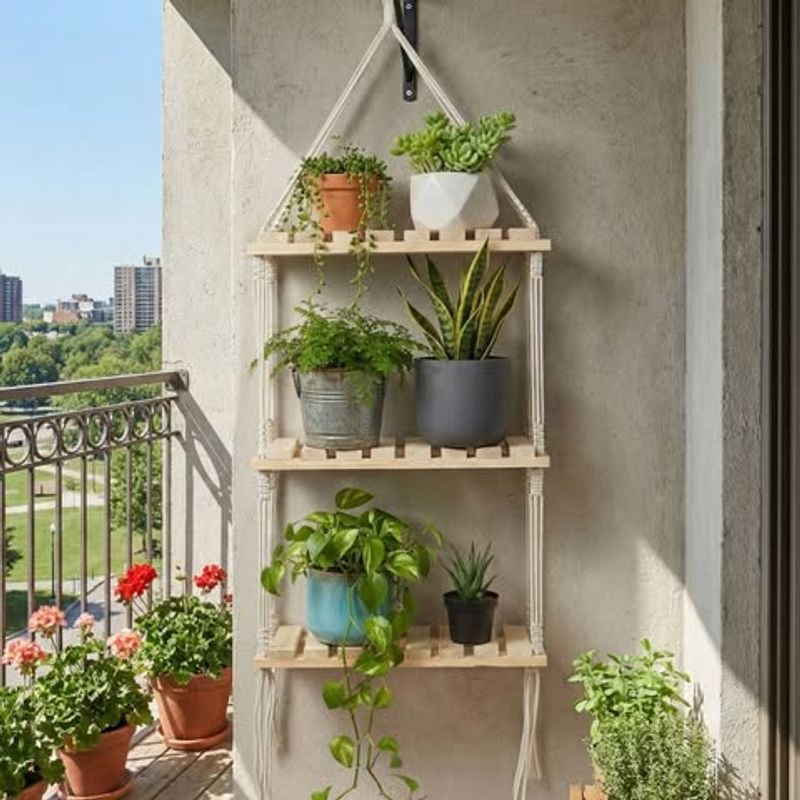
Vertical shelving multiplies your growing area without expanding your balcony’s footprint. Narrow units measuring just 12 to 18 inches deep fit against walls or in corners while providing three or four levels for containers.
Metal shelving withstands Arizona weather better than particle board, and open wire designs allow water to drain through without damaging lower shelves. Weight distribution matters when loading shelves with soil-filled pots.
Place your heaviest containers on bottom shelves and lighter plants higher up to prevent tipping.
Securing freestanding units to your wall with L-brackets adds stability during monsoon winds that can gust unexpectedly across Tucson balconies.
Most apartment complexes allow temporary wall attachments that don’t leave large holes when removed. Organizing plants by height on shelves creates a tiered garden effect that looks intentional.
Taller plants belong on lower shelves where they have room to grow upward, while compact succulents and small herbs fit perfectly on upper levels. This arrangement also ensures all plants receive adequate light since taller specimens won’t shade out smaller ones positioned above them.
Shelving offers flexibility that built-in planters can’t match.
You can rearrange pots seasonally, moving heat-sensitive plants to shadier upper shelves during Phoenix summers and bringing sun-lovers forward in winter.
Adding small grow lights to upper shelves extends your options for plants that need extra light, turning even a north-facing Arizona balcony into viable growing space year-round.
8. Design One Focal Plant Instead Of Many Small Ones
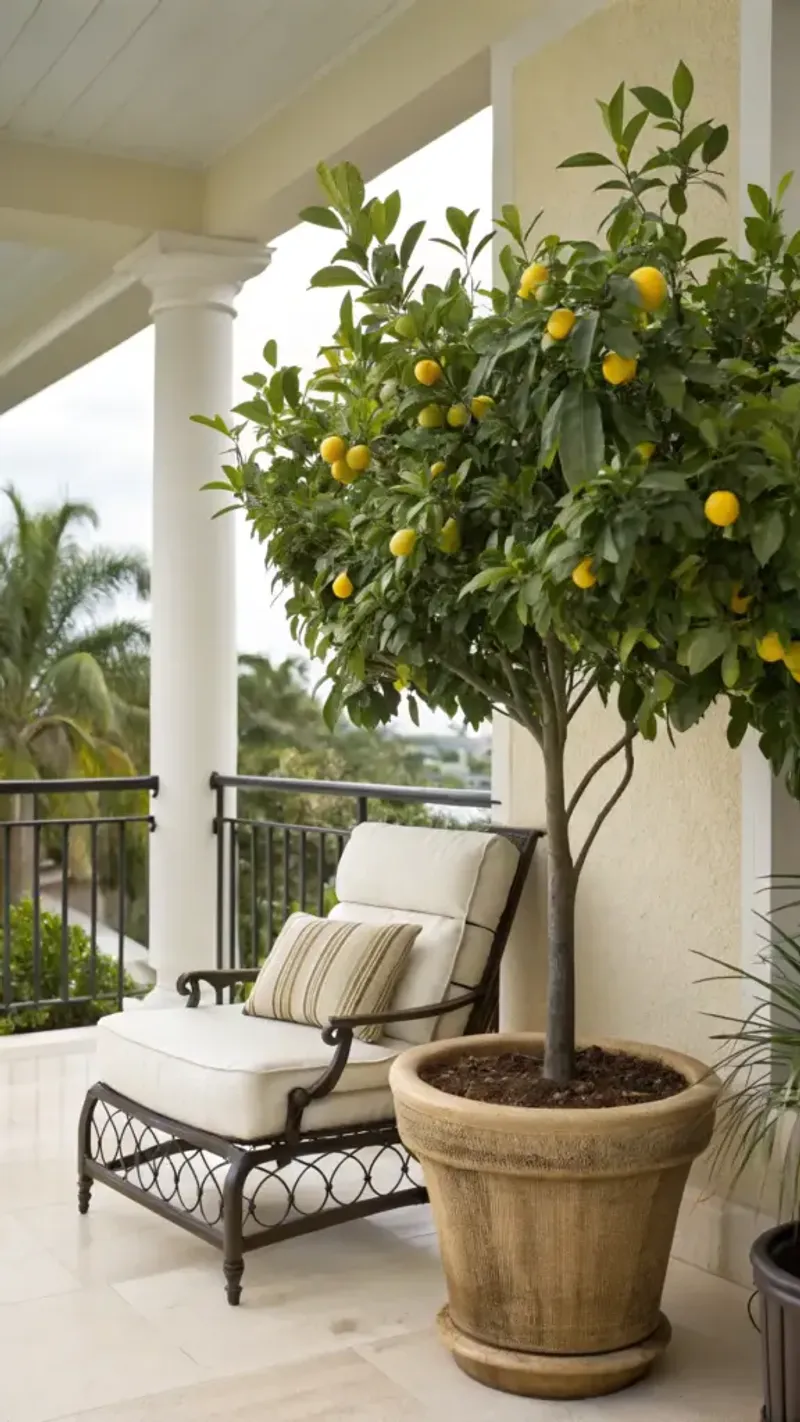
A single impressive plant creates more impact than dozens of small pots scattered randomly across your balcony.
This minimalist approach suits Arizona’s desert aesthetic while reducing maintenance time considerably.
Large specimens like mature agaves, dwarf citrus trees, or architectural yuccas command attention and define your outdoor space with bold simplicity. Choosing your focal plant requires considering mature size and growth rate.
Dwarf varieties of citrus trees stay manageable in containers while producing fragrant flowers and edible fruit. Agaves and yuccas grow slowly and tolerate neglect, making them perfect for busy Scottsdale residents who want striking plants without constant care.
Selecting a specimen with interesting form or color ensures it remains visually engaging year-round. Container selection matters as much as plant choice when creating a focal point.
Your pot should be substantial enough to balance the plant’s visual weight without overwhelming your balcony.
Decorative containers in glazed ceramic or large terracotta make statements themselves while providing the root space large plants need to thrive in Phoenix’s heat.
Positioning your focal plant determines how effectively it anchors your space. Corner placement creates a destination that draws visitors onto your balcony, while centering it along one wall provides a backdrop for seating.
Underplanting your focal specimen with low-growing groundcovers or small succulents adds finishing touches without competing for attention. This simplified approach proves especially effective on tiny balconies where too many plants create visual clutter rather than peaceful garden atmosphere.