How To Grow A Wandering Jew That Spills Beautifully Indoors Or Outdoors In Georgia
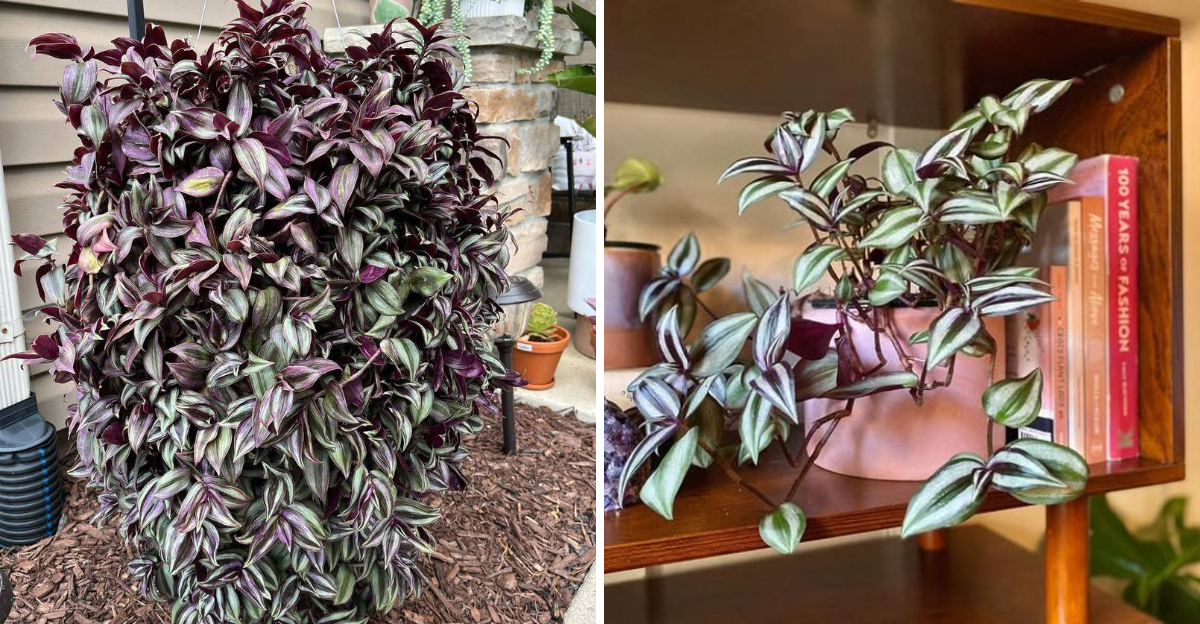
That trailing, overflowing look doesn’t happen by accident with a Wandering Jew, especially in Georgia.
When the plant spills just right, it’s usually because a few key conditions line up early on.
Light direction, temperature shifts, and where the plant is placed make a bigger difference than most people expect.
Georgia’s climate can support beautiful growth indoors and outdoors, but only when the setup matches the season.
When those basics are right, stems thicken, color deepens, and trailing growth becomes naturally full instead of leggy. Growing a Wandering Jew well isn’t about constant trimming or special products.
It’s about understanding how the plant reacts to Georgia’s light and warmth. Once that balance is set, the plant tends to grow freely and spill beautifully on its own.
1. Why Wandering Jew Becomes Leggy Instead Of Trailing In Georgia
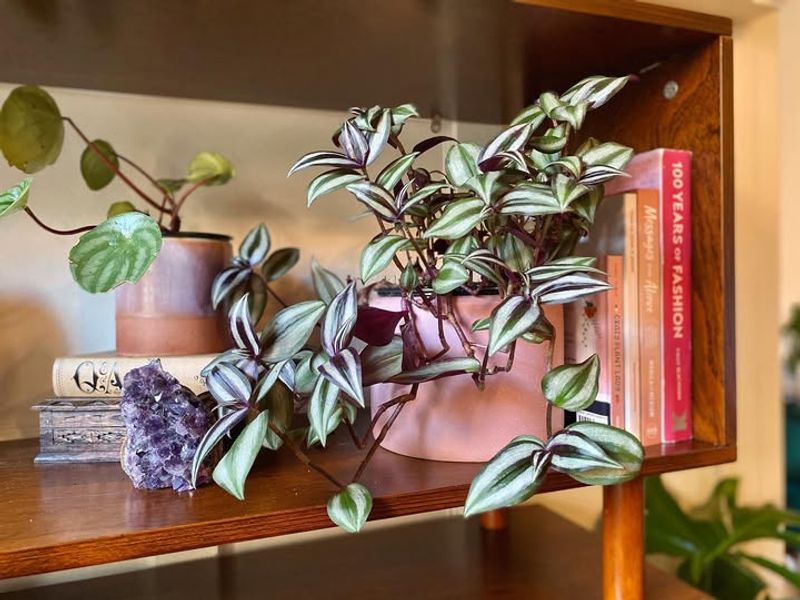
Wandering Jew plants don’t naturally spill and cascade just because they’re healthy or growing fast. In Georgia, leggy growth usually happens when the plant receives mixed or inconsistent signals early in its growth cycle.
Stems stretch quickly, but they stay thin and weak, creating length without fullness. This happens most often when light reaches the plant from one direction or at the wrong intensity.
The plant responds by reaching instead of branching. Temperature also plays a role.
Warm indoor air or mild outdoor weather can push growth forward before the plant has enough energy to support thick, balanced stems. Georgia’s climate adds another layer to the problem.
Seasonal light changes, indoor heating, and outdoor heat swings can confuse the plant, especially when it’s moved between spaces. Growth may look active, but it isn’t structured.
Instead of spreading evenly and filling out, the plant puts energy into survival growth. That’s when stems elongate, color fades, and the trailing effect never fully develops.
Understanding this growth behavior matters before making any changes. A Wandering Jew that spills beautifully does so because conditions encourage branching, density, and controlled stretching.
Once those signals are aligned, the plant naturally shifts from leggy growth to full, cascading trails.
2. Protect Plants From Direct Afternoon Sun Outdoors
Outdoor Wandering Jew plants thrive in Georgia’s warm climate but need protection from intense afternoon sun. The strong rays between noon and 4 PM can quickly damage leaves, causing them to bleach out or develop brown patches.
Covered porches, pergolas, or spots under tree canopy provide ideal conditions for outdoor growing across the state. Morning sunlight works perfectly for these plants when grown outside.
A location that receives gentle sun until 10 or 11 AM gives your plant enough energy without overwhelming it.
The cooler morning temperatures in Georgia help prevent heat stress while still providing necessary light for healthy growth.
Dappled shade throughout the day creates perfect conditions for lush, colorful foliage. Plant your Wandering Jew beneath trees with filtered light or on the north side of buildings where direct sun never hits.
These protected spots allow air circulation while shielding delicate leaves from Georgia’s hot summer sun. Watch for signs your outdoor plant is getting too much sun exposure.
Your Georgia Garden Changes Every Week. Your Plan Should Too.
Gardening in Georgia changes quickly throughout the season. Every Friday you’ll receive a simple weekly plan showing exactly what to plant, prune, fertilize, harvest, and protect so you never miss the right timing.
Leaves that curl, turn pale, or develop crispy edges need more shade immediately. Move containers to shadier locations or add temporary shade cloth during the hottest months from June through August.
Savannah and South Georgia gardens often experience more intense heat than northern parts of the state. Adjust your plant’s location based on local conditions.
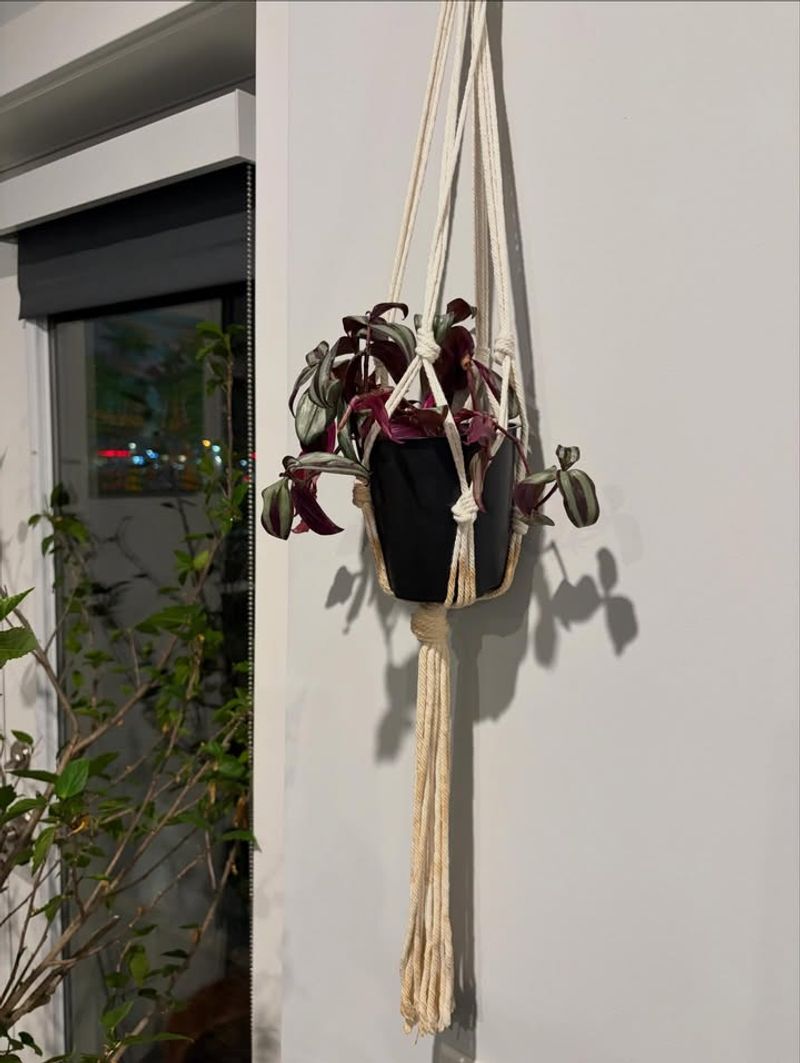
Hanging baskets on covered patios work beautifully, allowing the trailing stems to cascade while staying protected from harsh afternoon rays that can stress even hardy plants.
3. Use Well-Draining Soil To Prevent Root Problems
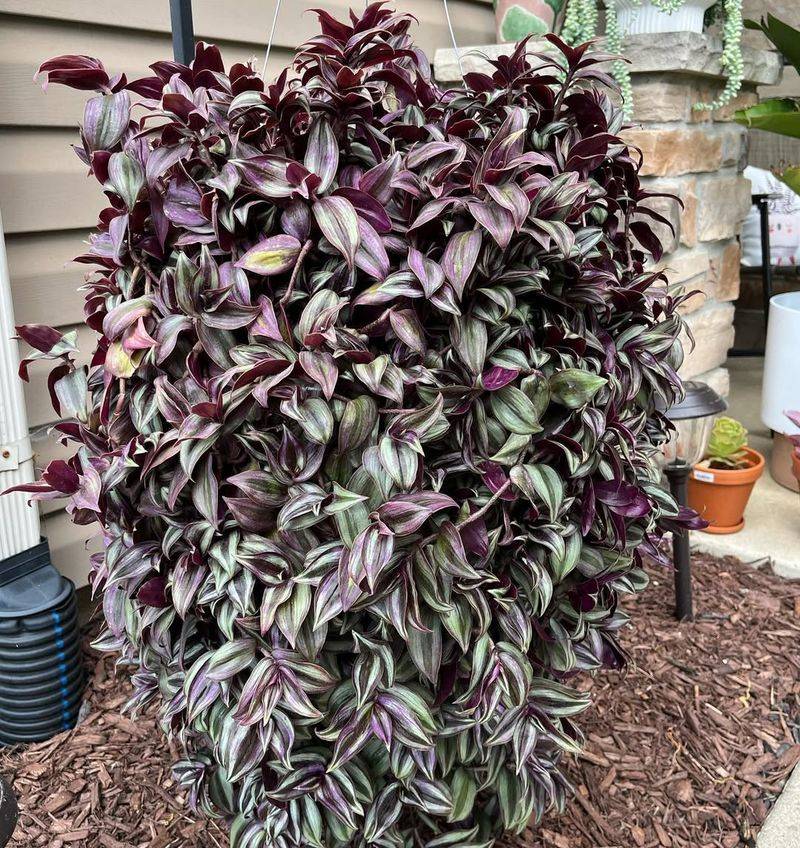
Soil quality determines whether your Wandering Jew thrives or struggles in Georgia’s humid climate. These plants need moisture but cannot tolerate sitting in waterlogged soil that suffocates roots.
The right mix allows water to flow through quickly while retaining just enough moisture for the plant to access between waterings.
Standard potting soil mixed with perlite or coarse sand creates the perfect growing medium.
Combine three parts potting mix with one part perlite for ideal drainage. This combination prevents soil from becoming compacted, which is especially important in Georgia where summer rains can saturate containers quickly.
Always choose pots with drainage holes at the bottom. Without proper drainage, even the best soil mix becomes waterlogged during Georgia’s frequent thunderstorms.
Excess water needs somewhere to escape, or roots will sit in moisture and develop problems that weaken the entire plant. Consider adding a thin layer of small rocks or broken pottery pieces at the container bottom.
This creates additional space for water to drain away from root zones. The extra drainage proves particularly helpful during Atlanta’s rainy spring months when containers can stay damp for extended periods.
Outdoor plants in Georgia gardens benefit from raised beds or mounded soil. Ground-level planting in clay-heavy Georgia soil often leads to drainage issues.
Elevating your planting area or amending native soil with compost and sand ensures roots stay healthy. Replace potting mix annually for indoor plants to maintain good drainage and provide fresh nutrients for continued growth.
4. Water When The Top Soil Dries, Not On A Schedule
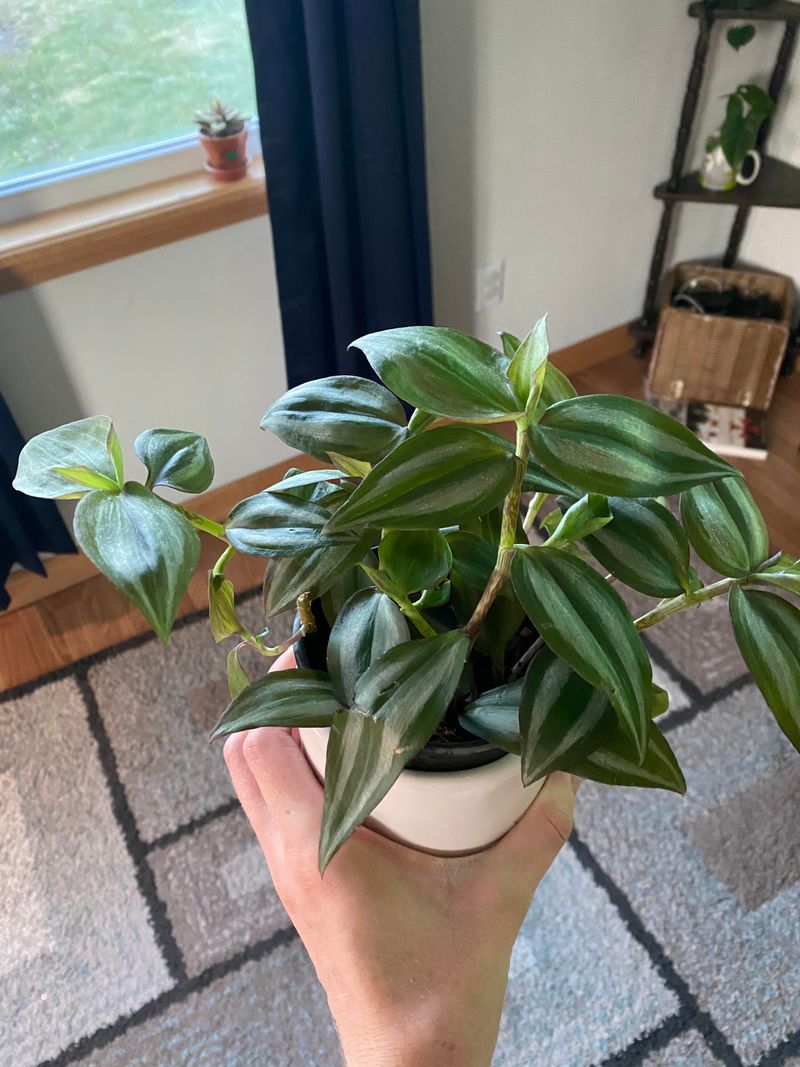
Watering schedules rarely work well for Wandering Jew plants because their needs change constantly. Georgia’s weather fluctuates dramatically between humid summer days and drier winter months, affecting how quickly soil dries.
Checking soil moisture before watering prevents both overwatering and underwatering problems that stress your plant. Stick your finger about an inch deep into the potting mix.
Soil should feel slightly moist but not wet or soggy. If the top inch feels dry to touch, your plant needs water.
During hot Georgia summers, this might mean watering every few days, while winter months require much less frequent watering. Pour water slowly until it begins draining from the bottom holes.
This ensures moisture reaches all root zones evenly. Empty any water that collects in saucers after 15 minutes to prevent roots from sitting in standing water.
Indoor plants in air-conditioned Georgia homes dry out differently than those in naturally ventilated spaces. Climate control removes humidity from the air, causing soil to dry faster.
Check your indoor plants more frequently during summer when air conditioning runs constantly throughout the state.
Outdoor plants need more attention during Georgia’s hot, dry spells.
Container plants especially dry out quickly when temperatures climb into the 90s. Early morning watering helps plants stay hydrated through the hottest part of the day.
Watch for drooping stems as an early warning sign your plant needs water soon. Leaves perk back up quickly after watering when you catch the problem early enough.
5. Pinch Stems Regularly To Encourage Trailing Growth
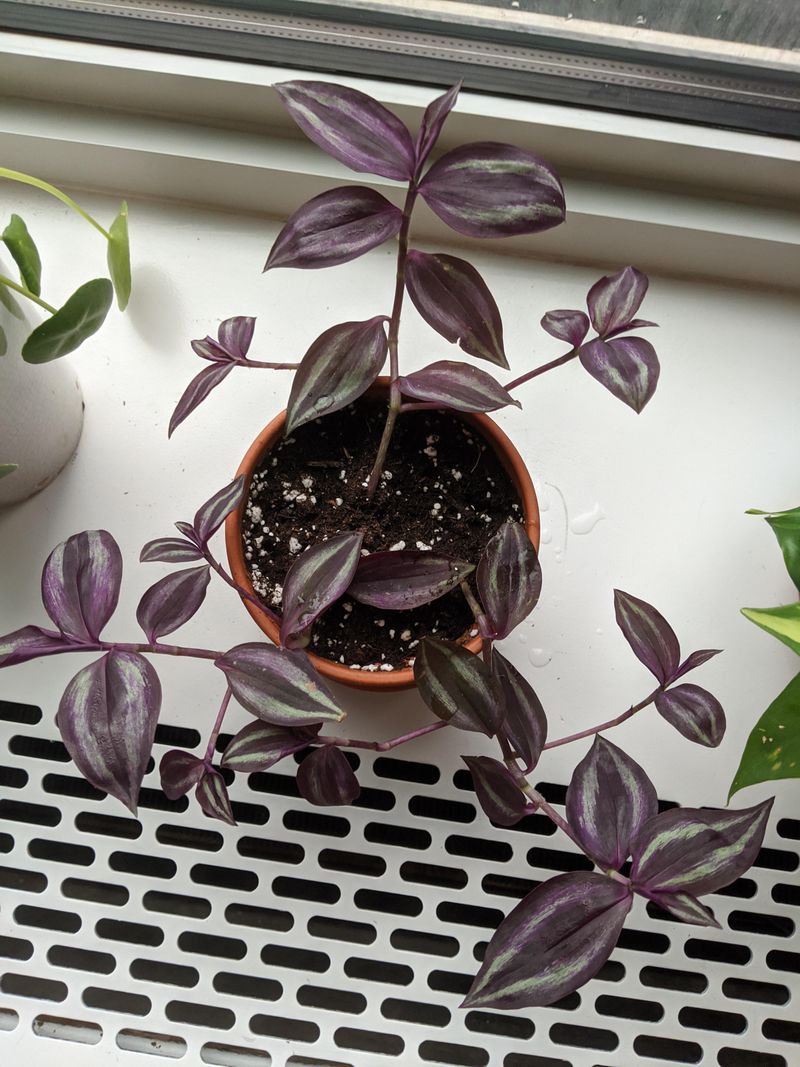
Pinching back stems transforms leggy Wandering Jew plants into full, bushy specimens that cascade beautifully.
This simple technique involves removing the growing tips from stems, which signals the plant to produce new side shoots.
The result is fuller, more dramatic trailing growth that spills gorgeously over container edges in Georgia homes and gardens. Use your fingers or clean scissors to remove the top inch of stem growth every few weeks.
Focus on the longest stems first to maintain an even, balanced appearance. Each cut encourages two or more new branches to form just below where you pinched.
Start pinching when your plant is young for the best results. Early pinching creates a strong foundation of multiple stems that fill out your container.
Older plants respond well too, but developing that full, cascading look takes longer when starting with fewer stems. Save the stem pieces you remove for propagation.
Wandering Jew cuttings root incredibly easily in water or moist soil. Within a few weeks, you’ll have new plants to add to your collection or share with fellow Georgia gardeners.
This makes pinching doubly rewarding since you get fuller plants plus free new starts. Regular pinching also removes any stems that lose their color or become too thin.
Atlanta gardeners especially appreciate how this technique keeps plants looking fresh and vibrant year-round. Pinch every two to three weeks during active growing seasons from spring through early fall.
Less frequent pinching works fine during Georgia’s mild winters when growth naturally slows down across the state.
6. Bring Outdoor Plants Inside Before Cold Snaps
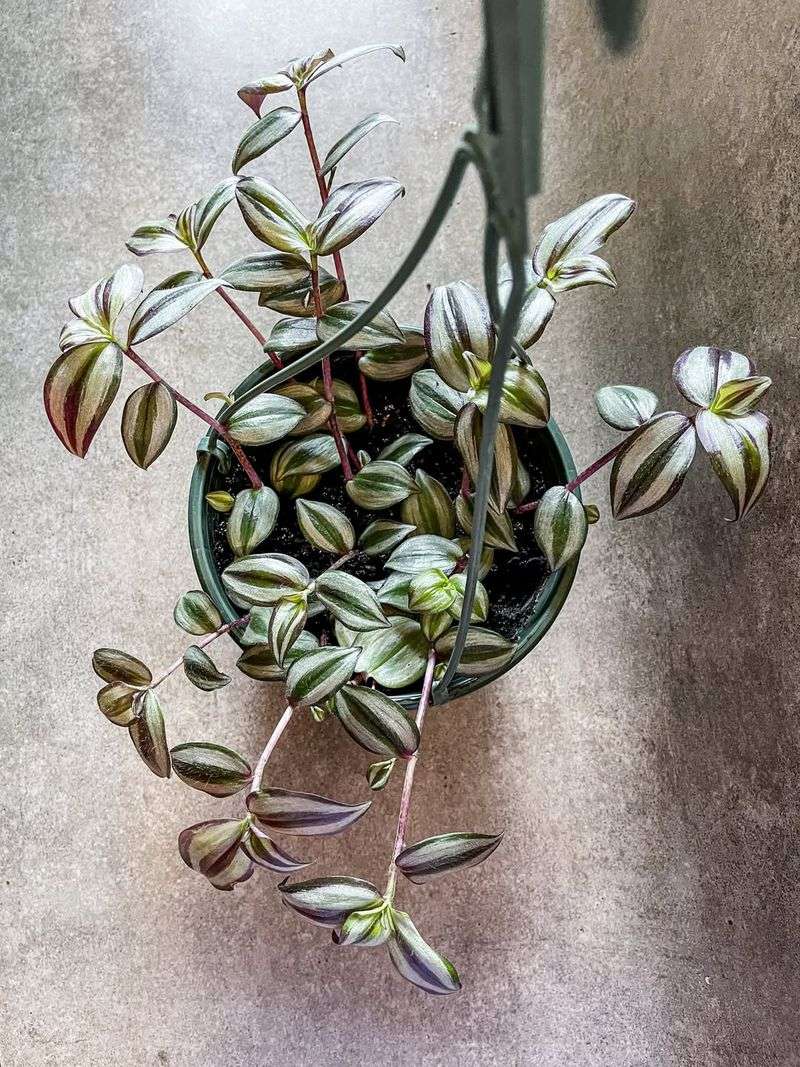
Georgia’s unpredictable winter weather poses challenges for outdoor Wandering Jew plants.
These tropical natives cannot survive freezing temperatures, and even a brief cold snap can damage or completely destroy your plant.
Monitoring weather forecasts becomes essential for keeping outdoor plants healthy throughout the cooler months. Most of Georgia experiences occasional freezes from December through February.
North Georgia sees more frequent cold weather, while coastal areas around Savannah stay milder. Regardless of your location within the state, temperatures below 40 degrees stress these plants significantly.
Move your containers indoors when forecasts predict temperatures dropping into the 40s overnight. Don’t wait for frost warnings, as even chilly nights above freezing can shock tender foliage.
A garage, sunroom, or any indoor space with some natural light works perfectly for temporary cold weather protection. Transitioning plants gradually helps them adjust to indoor conditions.
Bring them inside for a few hours initially, then extend the time over several days. This prevents shock from sudden changes in light, temperature, and humidity levels between Georgia’s outdoor and indoor environments.
Some Georgia gardeners treat Wandering Jew as an annual plant outdoors, letting cold weather take its course. However, bringing plants inside preserves your investment and maintains those beautiful trailing specimens year after year.
Taking cuttings before cold weather provides backup plants if the original doesn’t transition well. Keep indoor plants near bright windows and reduce watering frequency during winter months when growth slows naturally.
7. Rotate Containers To Keep Growth Even And Full
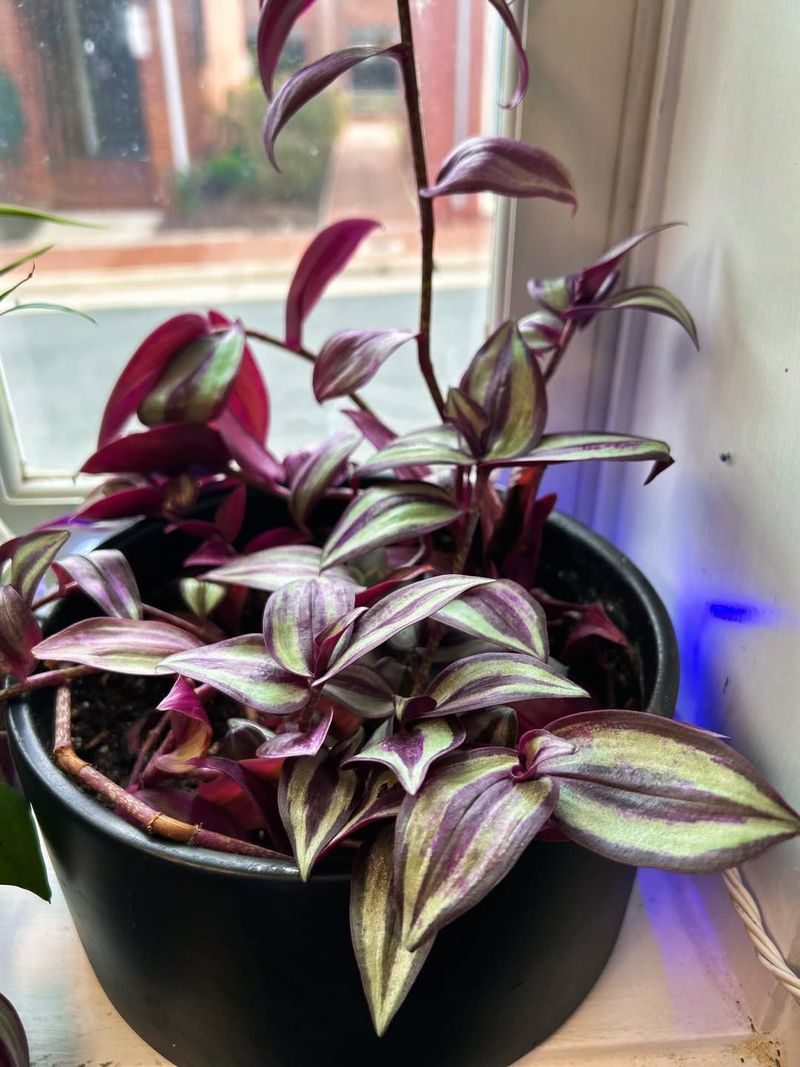
Wandering Jew plants naturally grow toward their light source, creating lopsided growth if left in one position. Rotating your container regularly ensures all sides receive equal light exposure, resulting in evenly balanced, full plants that spill beautifully from every angle.
This simple habit makes a noticeable difference in overall plant appearance throughout Georgia homes. Turn your container a quarter turn every time you water.
This consistent rotation prevents any single side from dominating growth. Plants develop stems evenly around the entire pot rather than clustering on the brightest side.
Window-grown plants in Georgia need rotation more than those under artificial lights. Natural sunlight comes from one direction, causing dramatic differences in growth patterns.
South-facing windows especially create strong directional growth that becomes obvious within just a few weeks without rotation. Hanging baskets benefit tremendously from regular rotation.
These containers naturally show off all sides, so even growth matters even more for visual appeal. Take your basket down every week or two and give it a half turn before rehanging.
Watch for signs your plant needs more frequent rotation. Long stems reaching toward windows while the back side stays sparse indicate the plant isn’t being turned enough.
Increase rotation frequency until growth evens out across all sides of the container. Outdoor plants in Georgia gardens face different light conditions throughout the day as the sun moves.
Containers on porches or patios still benefit from occasional rotation to balance growth.
Turn outdoor pots every couple of weeks to maintain that full, cascading appearance from all viewing angles around your Atlanta or Augusta outdoor spaces.